What Causes Sagging on a Roof
Discovering a sag or dip in your roofline can send a chill down your spine, immediately raising concerns about the integrity of your home and the potential for expensive, complex repairs. It's a clear visual signal that something isn't right, and the worry about structural damage or impending collapse is completely valid. This comprehensive guide is here to help you understand the common reasons why a roof might start to sag, how to assess the situation, and most importantly, the crucial steps to take to address this serious issue effectively.
Understanding What "Sagging" Really Means for Your Roof
When we talk about a sagging roof, it's not just a minor aesthetic flaw; it often points to significant underlying structural problems. Distinguishing between a harmless visual quirk and a genuine structural issue is the first step toward understanding the gravity of your situation.
Distinguishing True Sag from Normal Roof Contours
Not every dip or curve you see on a roof signals a major problem. Many older homes, especially those built in the early to mid-20th century, might have rooflines that aren't perfectly straight due to traditional construction methods or a natural, subtle settling over many decades. For instance, a gently arcing ridge line on a 1920s craftsman home might simply be part of its original character, not an active failure.
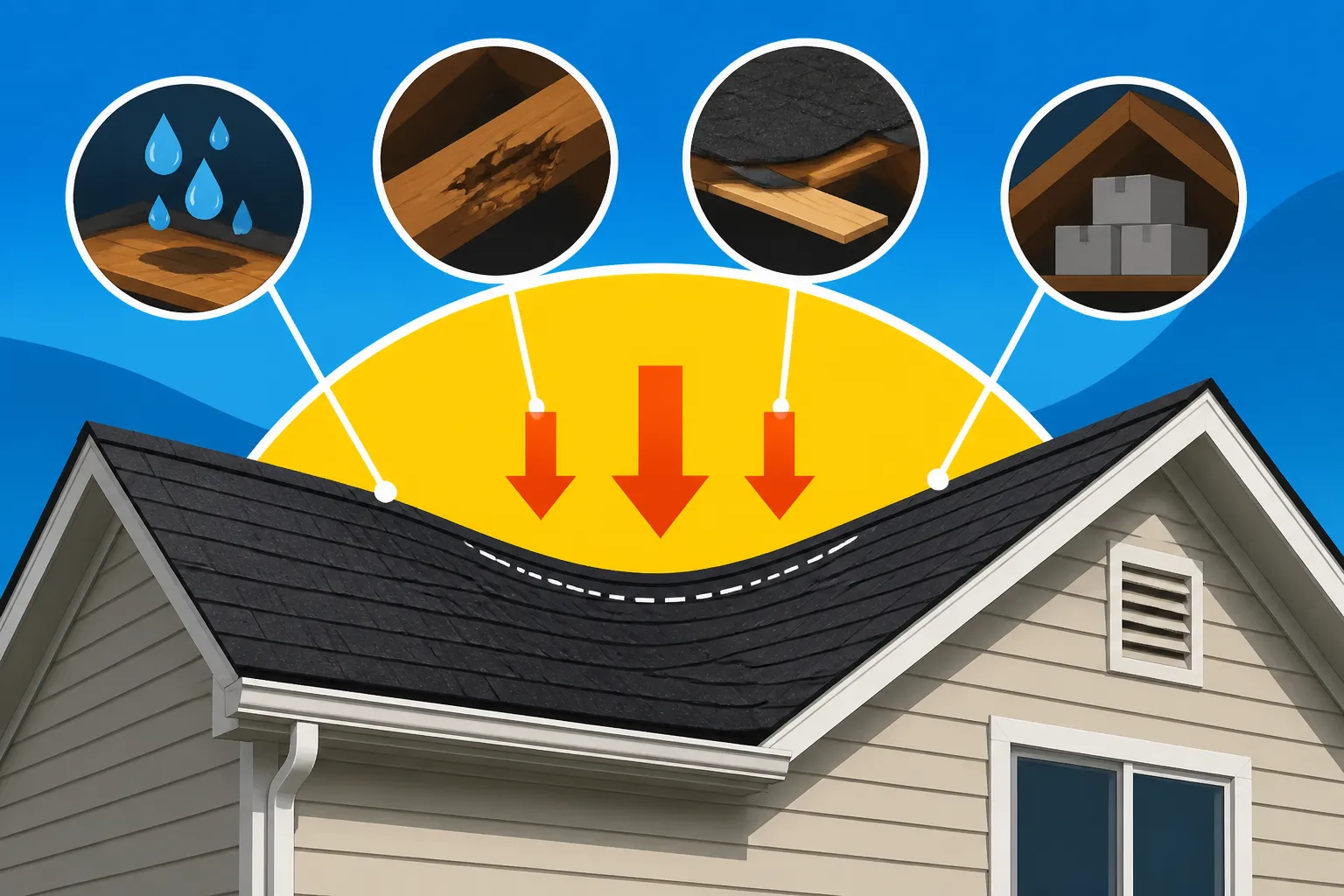
However, a true sag is typically more localized and pronounced. It manifests as a distinct dip, concave curve, or bowing effect in specific areas of the roof, rather than a uniform, gentle slope. You might notice the ridge line — the very top horizontal line of your roof — dipping in the middle, or perhaps a section between two load-bearing walls appears to be sinking lower than the rest. These are clear visual cues that the structure underneath is under duress and losing its ability to support the roofing materials above it. It’s important to get a good vantage point, perhaps from across the street or a neighbor's yard, to get a clear, overall view of your roof's profile.
Why Even a Slight Sag is a Major Concern
Even a subtle sag should never be ignored because it’s a symptom of a deeper issue that could escalate dramatically. At its core, a sagging roof indicates that the structural components – primarily the roof decking, rafters, or trusses – are no longer providing adequate support. This loss of integrity means that the roof is weaker than it should be, making it far less resilient to external forces like heavy snow loads, strong winds, or even just the everyday weight of its own materials.
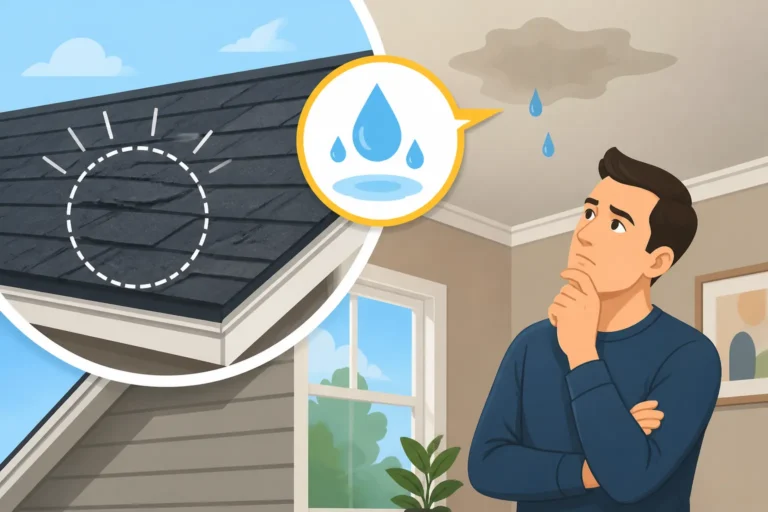
Beyond the immediate structural concerns, a sagging roof can lead to a cascade of other problems. When the roofline changes shape, it inevitably alters the way water drains off your home. Water can start to pool in the depressed areas, overwhelming the shingles and creating prime opportunities for leaks to develop. These leaks can then lead to extensive water damage in your attic, ceilings, and walls, fostering mold growth and further weakening the wooden structure. In extreme cases, especially under the cumulative weight of standing water or heavy snowfall, a severely compromised roof could even be at risk of partial or catastrophic collapse, posing an undeniable safety hazard to anyone inside.
The Primary Culprits Behind a Sagging Roof
Understanding the root cause of your roof's sagging is critical for proper diagnosis and repair. It's rarely a single, isolated factor but often a combination of issues at play.
Weakened or Damaged Roof Decking
The roof decking, also known as sheathing, is the flat surface (usually plywood or OSB) that is nailed directly to the rafters or trusses. This is what the underlayment and shingles are then applied to. Its primary job is to provide a solid, continuous surface that supports the weight of the roofing materials and helps distribute loads across the entire roof structure.
When this decking becomes weakened or damaged, it loses its rigidity and can start to bow or dip. The most common culprit for decking damage is prolonged exposure to moisture. Persistent leaks, whether from missing shingles, faulty flashing, or even clogged gutters overflowing onto the roof edge, can saturate the plywood or OSB. Once wet, wood fibers lose their strength dramatically, becoming soft and spongy. From inside your attic, you might see dark water stains, mold growth, or even feel soft spots if you gently push on the underside of the decking. Ignoring a small leak near a skylight, for example, could slowly degrade a significant section of your roof decking over months or years, causing it to eventually sag under the weight of the shingles and any environmental stressors. If the damage is extensive, you'll need to consider the Roof Decking Replacement Cost. For more on the materials, you can read about OSB vs Plywood Roof Decking. Checking for Signs Your Roof Decking Is Rotted is a critical step in identifying the problem.
Inadequate or Deteriorated Rafters and Trusses
Beneath the decking lies the skeletal framework of your roof: the rafters or trusses. These engineered wooden members bear the brunt of your roof's weight and transfer it down to the home's exterior walls and interior supports. When these critical structural components are compromised, sagging is almost inevitable.
Several issues can weaken rafters or trusses. They might have been undersized during the original construction for the span they cover or the load they were expected to bear. Over decades, especially if a heavier roofing material was later installed, this subtle inadequacy can lead to gradual deflection and sagging. Water damage, just like with decking, is a major enemy of rafters and trusses. Chronic leaks or poor attic ventilation leading to condensation can cause wood rot, slowly eating away at the strength of these vital supports. Insect infestations, such as termites or carpenter ants, can also hollow out or weaken beams over time, often unseen until significant damage occurs. Sometimes, homeowners or previous contractors might have improperly cut or altered a truss to create more attic space or install new features, inadvertently compromising its structural integrity. Imagine a scenario where a home built in the 1960s with what were then standard-sized rafters, experiences years of high humidity in its attic due to a lack of proper ventilation. This constant moisture could slowly cause the wood to rot, weakening the rafters until a noticeable dip appears in the roofline. Learning more about the Roof Anatomy: Parts of an Asphalt Shingle Roof can help you understand these components better.
Excessive Weight from Overlays or Heavy Materials
While it might seem like an easy way to save money, roofing over an existing layer of shingles—often called an overlay or re-cover—can quickly become problematic, especially if done more than once. Every layer of asphalt shingles adds a significant amount of weight to your roof structure. For example, a square (100 square feet) of architectural shingles can weigh anywhere from 240 to 400 pounds. Adding multiple layers means hundreds, if not thousands, of extra pounds pressing down on your roof's framework.
Most building codes typically allow for no more than two layers of asphalt shingles due to this very reason. If your home's original structure was never designed to bear the cumulative weight of multiple shingle layers, or if the underlying decking and rafters were already weakened by age or prior damage, adding another layer can be the straw that breaks the camel's back. This added strain can cause rafters to bow, decking to flex, and ultimately, the entire roof to sag. This is a common issue in areas where homeowners might try to cut costs on a roof replacement. A homeowner in an older neighborhood might find that their roof has two or even three layers of shingles applied over the decades, a common practice before stricter codes were enforced. The sheer, accumulated weight, especially combined with a heavy snow load in winter, could easily cause significant deflection and sagging that the original structure simply wasn't built to handle. You might want to consider the Cost to Roof Over Existing Shingles and understand How Many Layers of Shingles Are Legal in your area before opting for an overlay.
Water Intrusion and Prolonged Moisture Exposure
This is arguably the most pervasive and destructive cause of roof sagging, often acting as the catalyst for the other issues mentioned. Water is the archenemy of wood, and prolonged exposure can strip structural components of their strength.
Leaks are the obvious culprits. Missing, cracked, or improperly installed shingles create direct pathways for rainwater. Damaged or poorly installed flashing around chimneys, skylights, vent pipes, and valleys is another frequent source of water intrusion. Clogged gutters can cause water to back up and overflow, saturating fascia boards and working its way under the roof edge. What's often overlooked is the damage caused by poor attic ventilation. When hot, humid air becomes trapped in the attic, it condenses on the cooler underside of the roof deck and rafters. Over time, this constant moisture can lead to widespread wood rot, even without a direct leak from the outside. A home in a humid climate like Houston or Tampa, for instance, might suffer from continuous attic condensation due to insufficient ventilation, slowly degrading the structural wood until sagging becomes apparent. Another common scenario involves recurring ice dams in colder regions, which force melted snow under shingles and allow water to seep into the roof structure, concentrating damage along the eaves and potentially causing localized sagging. This is why understanding How Roof Ventilation Works and addressing Ice Dam Damage: Repair Options are so important. If you suspect ice dams, you'll want to investigate What Causes Ice Dams on a Roof for preventative measures.
Contributing Factors That Worsen Roof Sagging
Beyond the primary causes, several other elements can exacerbate an already weakened roof structure or accelerate its decline, making a sagging issue more pronounced.
Poor Attic Ventilation
We touched upon this earlier, but it's worth a deeper dive. Your attic needs to breathe. A properly ventilated attic allows for a continuous flow of air, drawing in cooler, drier air from the soffits and expelling hot, humid air through the ridge or gable vents. This constant air exchange is crucial for several reasons, but primarily to manage moisture and temperature.
When attic ventilation is insufficient, especially in regions with high humidity or extreme temperature swings, a significant problem arises: condensation. Warm, moist air rises into the attic and, upon contact with the cooler underside of the roof deck and structural framing, condenses into liquid water. This can happen day after day, year after year, slowly but surely saturating the wood. This prolonged dampness creates the perfect breeding ground for mold and mildew, which further degrade wood fibers, and most importantly, it severely compromises the structural integrity of your decking and rafters, making them weaker and more susceptible to sagging. Poor ventilation also leads to excessive heat buildup, which can prematurely age your shingles and contribute to higher energy bills as your HVAC system works harder. For more on this, check out How Attic Ventilation Prevents Damage and review Roof Ventilation Code Requirements to ensure your home meets modern standards.
Improper Installation or Previous Repairs
The quality of workmanship during a roof installation or repair cannot be overstated. A poorly installed roof, even with high-quality materials, is a recipe for disaster. This can manifest in numerous ways that directly contribute to sagging. Shingles that are improperly nailed or laid out can become loose, allowing wind and water to penetrate. Flashing around penetrations like chimneys, skylights, or plumbing vents might be incorrectly bent, sealed, or even omitted, creating immediate entry points for water that will inevitably degrade the underlying decking and rafters.
Beyond new installations, shoddy repair work is also a common culprit. Perhaps a previous homeowner attempted a DIY patch on a leak without truly understanding the principles of proper roofing, using incorrect sealants or materials that quickly fail. Or maybe a less reputable contractor performed a repair that looked good on the surface but didn't address the underlying issue or even introduced new vulnerabilities. For instance, if a section of roof decking was replaced but not adequately fastened, or if new rafters were installed without proper bracing, these areas could become weak points over time. These kinds of shortcuts are often identified as Signs of a Bad Roofing Job. It's essential that any roofing work follows best practices, from How Asphalt Shingles Are Installed: Step by Step to How Flashing Is Installed around critical areas.
Environmental Stressors and Age
Time and the elements are relentless, gradually taking their toll on even the most robust roof. The natural aging process of wood, even without direct water damage, can lead to a reduction in its structural strength over many decades. Constant expansion and contraction due to temperature fluctuations, UV radiation from the sun, and the relentless pull of gravity all contribute to wear and tear.
Beyond this gradual degradation, acute environmental stressors play a significant role. Homes in regions prone to heavy snowfall, such as those in the Midwest or Northeast, experience substantial stress from prolonged snow loads. A foot of wet snow can weigh up to 21 pounds per square foot, and if this accumulates over several feet, the sheer weight can seriously strain an aging or already compromised roof structure, accelerating any existing sagging. High winds, especially in hurricane-prone coastal areas or tornado alley, can also put immense lateral stress on a roof's frame, loosening fasteners, lifting shingles, and exposing decking to further damage. A roof that has otherwise performed well for decades in a temperate climate might suddenly show signs of sagging after an unusually harsh winter with record snowfall, simply because its age has left it less resilient. Knowing How Long Asphalt Shingles Last and understanding Roof Age: When to Start Planning Replacement can help you anticipate these issues.
What to Do When You Notice Your Roof Sagging
Discovering a sagging roof is alarming, but it’s crucial to act calmly and decisively. This isn’t a problem that will fix itself, and delay can lead to more extensive damage and higher costs.
Immediate Actions and Safety Precautions
First and foremost, do not attempt to climb onto a sagging roof yourself. It is incredibly dangerous. A weakened roof structure could collapse under your weight, leading to severe injury. Your safety is paramount. From the ground, visually inspect the roof to identify the specific areas of concern. Look for the deepest dips, any visible damage to shingles, or signs of water pooling.
Next, if it's safe to do so, carefully inspect your attic. Look for water stains on the underside of the roof decking, mold growth, or any visible bowing or cracking in the rafters or trusses. Shine a flashlight across the underside of the roof to highlight any unevenness. If you notice active leaks inside the attic, you can try to temporarily mitigate them by placing buckets or tarps to catch dripping water, but do not put yourself in harm's way. For an active leak, knowing How to Temporarily Stop a Roof Leak can buy you some time, and in extreme cases, Emergency Roof Tarping Explained might be necessary while you wait for professionals.
The Critical Need for Professional Assessment
A sagging roof is unequivocally not a DIY project. This issue stems from structural compromise, and only a qualified, licensed, and insured roofing contractor, preferably one with experience in structural repairs, can accurately diagnose the underlying cause and recommend the correct course of action.
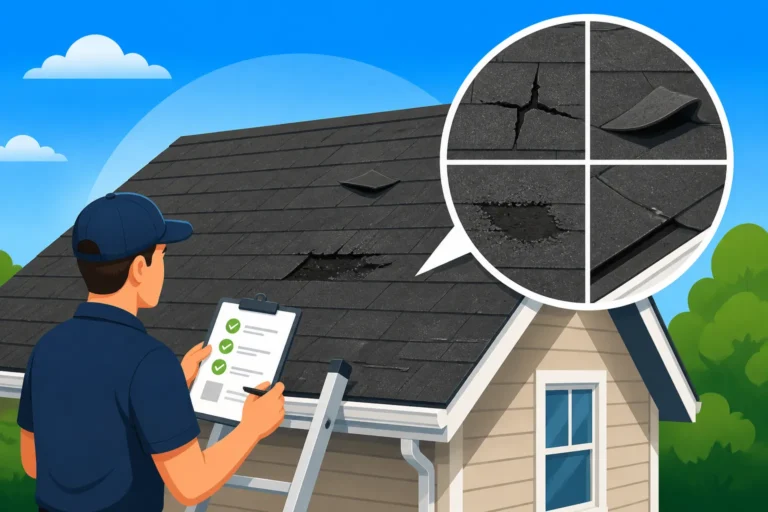
When you contact professionals, they will perform a thorough inspection, both from the exterior and the interior (attic). They'll look for evidence of water damage, assess the condition of your decking, rafters, and trusses, and identify any issues like poor ventilation or improper previous repairs. Many reputable contractors, like those found through platforms such as Modernize, have the expertise and tools, including moisture meters and structural assessment knowledge, to pinpoint the exact problem. Don't hesitate to get multiple quotes and comprehensive inspections; a second pair of expert eyes can provide valuable insights. Learning How to Choose a Roofing Contractor and knowing Questions to Ask a Roofing Contractor Before Hiring are essential steps in this process, as is understanding How to Get Roofing Quotes and Compare Them.
Understanding Repair vs. Replacement Options
Once a professional assessment is complete, you'll be presented with options. In some instances, if the sagging is localized and caught early, it might be possible to repair or reinforce specific sections of damaged decking or a few compromised rafters. This might involve replacing rotted wood, adding sister rafters for support, or strengthening existing trusses.
However, often, widespread or severe sagging is an indicator of systemic failure throughout the roof structure. In these cases, a full roof replacement, which includes tearing off all existing materials, repairing or replacing significant portions of the roof deck and structural framing, and then installing a brand new roofing system, becomes necessary. It's crucial that any repair or replacement addresses the root cause of the sag. If poor attic ventilation was the culprit, for example, then upgrading your ventilation system must be part of the solution to prevent recurrence. The scope and Asphalt Roof Replacement Cost: Complete Breakdown will vary significantly depending on the extent of the damage. A good contractor will clearly explain the pros and cons of Roof Repair vs Replacement: How to Decide and help you recognize Signs You Need a New Roof if replacement is truly necessary. Modernize can connect you with contractors who can help you weigh these options.
The Importance of Building Permits and Code Compliance
Addressing a sagging roof, especially if it involves structural repairs or a full replacement, almost always requires obtaining a building permit from your local municipal or county authority. This is not just bureaucratic red tape; it's a critical step that ensures the work performed on your home meets current safety and structural building codes.
Your chosen roofing contractor should be well-versed in local permit requirements and typically handles the permit application process on your behalf. They should explain what inspections will be necessary during and after the work is completed. Skipping the permit process can lead to significant problems down the line, including fines, issues with insurance coverage, or difficulties when you eventually sell your home. Moreover, ensuring your roof is repaired or replaced according to current codes – which often include requirements for proper ventilation, decking fastening, and shingle installation – is the best way to prevent future structural issues and ensure the long-term safety and durability of your roof. Using a platform like Modernize often means connecting with contractors who are experienced in navigating these local regulations, ensuring that all necessary permits are pulled and the work is compliant. For more information, explore articles like Do You Need a Permit to Replace a Roof, Roofing Building Codes: What to Know, and Roofing Permits Explained.
Sagging Roof Causes, Symptoms, and Severity
To help you quickly understand the potential issues, here's a table summarizing common causes and their characteristics:
| Cause of Sagging | Common Symptoms | Typical Severity | What it Indicates |
|---|---|---|---|
| Weakened Roof Decking | Visible dips/bows between rafters, soft spots (from attic), water stains, mold | Moderate to Severe | Moisture damage, rot, loss of material strength. |
| Damaged Rafters/Trusses | Distinct dip in roofline/ridge, cracking sounds (from attic), visible bowing | Severe | Structural failure, overloading, or wood degradation. |
| Excessive Roof Layers | Gradual, widespread sagging across entire roof, especially older homes | Moderate to Severe | Overloading due to multiple shingle layers. |
| Poor Attic Ventilation | Sagging often accompanied by mold/mildew, high energy bills, visible condensation | Moderate to Severe | Chronic moisture, wood rot from inside. |
| Major Water Leak/Damage | Localized sag around leak source, active drips, ceiling stains | Moderate to Severe | Compromised structural components due to water. |
| Undersized Framing | Sagging appearing after years, possibly widespread across larger spans | Moderate | Original construction inadequacy for loads. |
| Insect Infestation | Sagging with visual evidence of pests (frass, tunnels) or soft, crumbly wood | Moderate to Severe | Wood degradation from pests. |
Disclaimer
Please note that the information provided in this article is for general guidance and informational purposes only. It does not constitute professional advice. Roofing issues, especially those involving structural integrity like sagging, require inspection and diagnosis by a qualified, licensed, and insured roofing professional. Always consult with a local expert for assessment and recommendations specific to your property.