How Long Asphalt Shingles Last
One of the biggest worries homeowners face is the lifespan of their roof. It’s not just a matter of aesthetics; it's about protecting your biggest investment from the elements, and knowing when those asphalt shingles are nearing their limit can save you from a major headache (and a much larger bill) down the line. This guide will meticulously break down how long you can truly expect your asphalt shingles to last, what factors play into their longevity, and what you can do to get the most years out of your roof.
Understanding the Expected Lifespan of Asphalt Shingles
It’s easy to get caught up in the marketing claims of "30-year" or "50-year" shingles, but the reality on your roof can be quite different. While those numbers reflect the manufacturer's warranty period under ideal conditions, the actual service life of your asphalt shingles depends on a whole host of real-world variables. Think of it like the miles-per-gallon rating on your car—it’s a guide, but your driving habits and road conditions will ultimately dictate your actual fuel economy. For asphalt shingles, the average lifespan generally falls between 15 and 30 years, with some lasting longer and others failing much sooner. It’s a significant investment, so understanding what influences that range is crucial.
Different Types of Asphalt Shingles and Their Lifespans
Not all asphalt shingles are created equal, and their construction directly impacts their durability and expected lifespan. You have a few main categories, each with its own characteristics and typical longevity. Knowing what kind of shingles you have on your roof (or are considering for your next roof) is the first step in estimating its future.
3-Tab Shingles
These are the most basic and traditionally the least expensive option. They get their name from the three distinct tabs cut into each shingle strip, giving them a flat, uniform appearance. While they've been a staple for decades, they are generally thinner and less robust than their modern counterparts.
Expect a 3-tab shingle roof to last anywhere from 15 to 20 years, sometimes even less in harsh climates. They are more susceptible to wind uplift and hail damage due to their lighter weight and simpler construction. If you're comparing costs, 3-Tab Shingle Roof Cost tends to be lower upfront, but you might find yourself needing a replacement sooner. Homeowners often choose these for budget-friendly projects, garages, or sheds, but for a primary residence, the trade-offs in durability and aesthetic appeal are worth considering. They offer fundamental protection, but don't expect them to weather extreme conditions as well as heavier options.
Architectural Shingles
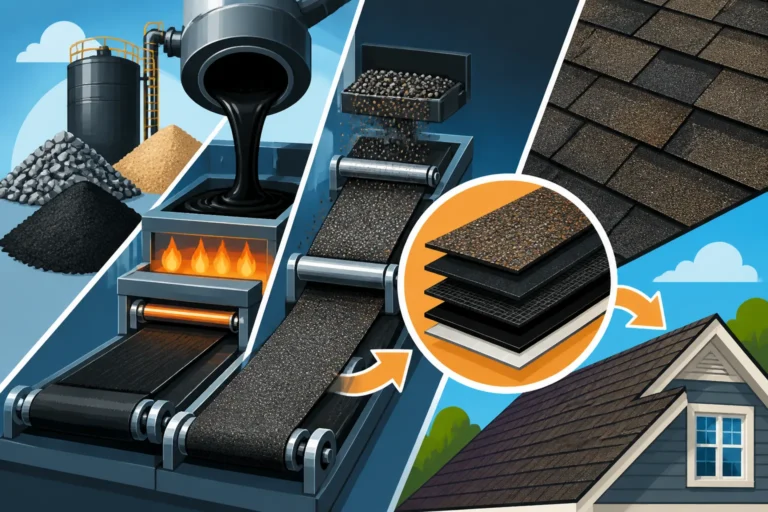
Also known as dimensional or laminate shingles, architectural shingles are a significant step up from 3-tabs. They are constructed with multiple layers of asphalt and granules, bonded together to create a thicker, more textured appearance that mimics natural slate or wood shakes. This layered construction provides superior strength and durability.
Architectural Shingle Roof Cost is higher than 3-tabs, but their lifespan typically ranges from 25 to 30 years, with some premium versions even carrying 40 or 50-year warranties. They offer better wind and impact resistance, and their varied profile adds curb appeal to your home. Most new roof installations today opt for architectural shingles due to their balance of cost, performance, and aesthetic value. They are designed to withstand more abuse from weather elements and provide a longer-lasting, more robust roofing solution. You can delve deeper into their construction by checking out our guide on Architectural Shingle Construction Explained.
Designer or Luxury Shingles
At the top end of the asphalt shingle spectrum, you'll find designer or luxury shingles. These are essentially enhanced architectural shingles, often even thicker, heavier, and crafted to replicate the look of natural slate, cedar shakes, or even tile with incredible realism. They offer the most distinctive aesthetics and the highest level of performance within the asphalt shingle family.
These premium shingles come with a premium price tag, but they also boast impressive lifespans, often ranging from 30 to 50 years, and typically carry longer, more comprehensive warranties. They are built for maximum durability, offering exceptional wind, hail, and fire resistance. Homeowners who prioritize curb appeal, long-term performance, and robust protection against severe weather often choose designer shingles. Brands like GAF Grand Sequoia or CertainTeed Presidential Shake are examples of luxury options that provide both beauty and longevity.
Key Factors That Influence Shingle Longevity
Beyond the type of shingle you choose, numerous environmental and installation factors can either extend or drastically shorten your roof's life. It's not just about the material; it's about the entire system working together and how well it's maintained. Ignoring these elements is a surefire way to find yourself needing a roof replacement sooner than expected, regardless of what the warranty says.
Climate and Weather Conditions
The weather your roof endures year after year is arguably the most significant determinant of its longevity. A roof in sunny, mild San Diego will likely outlast one in the storm-battered plains of Oklahoma or the snowy winters of Minnesota.
Extreme Temperature Fluctuations
Constant shifts from hot to cold, or scorching summers followed by freezing winters, put immense stress on asphalt shingles. In places like Denver, Colorado, where daytime highs can be 80°F and nighttime lows drop to 40°F, shingles are continually expanding and contracting. Over time, this thermal cycling can lead to cracking, splitting, and reduced flexibility of the asphalt. The granules, which protect the asphalt from UV rays, become less adhered, leading to granule loss. This process accelerates the aging of the shingles, making them brittle and more prone to damage.
Severe Weather Events
Hail, high winds, and heavy snowfall are direct threats to your roof's longevity. Hailstorms, common in states like Texas and Florida, can directly impact shingles, dislodging granules, bruising the asphalt mat, and even cracking the entire shingle. Strong winds, whether from a hurricane in Miami or a derecho in Iowa, can lift, tear, and even completely strip shingles from the roof. Even persistent heavy snowfall, especially if it leads to repeated ice dam formation, can cause water penetration and structural stress that significantly reduces the roof's lifespan. These events can trigger the need for unexpected roof repairs or even a full replacement.
Roof Installation Quality
A poorly installed roof, even with the highest quality shingles, is a recipe for premature failure. The best materials in the world can't compensate for shoddy workmanship. This is why choosing a reputable, experienced roofing contractor is paramount.
Proper Nailing and Shingle Alignment
Correct nailing is fundamental. Shingles must be nailed precisely within the manufacturer's specified nailing strip. If nails are driven too high (high-nailing), they might not penetrate both layers of the shingle, making them prone to blow-offs. If driven too low, they can be visible and create a point of water entry. Over-driven nails can puncture the shingle, while under-driven nails can lift the shingle, preventing it from sealing properly. Furthermore, proper shingle alignment ensures consistent overlap, which is crucial for water shedding. Incorrect staggering or spacing can create weak points where water can penetrate or wind can lift the shingles. The entire How Asphalt Shingles Are Installed: Step by Step process is a delicate dance of precision.
Adequate Ventilation and Underlayment
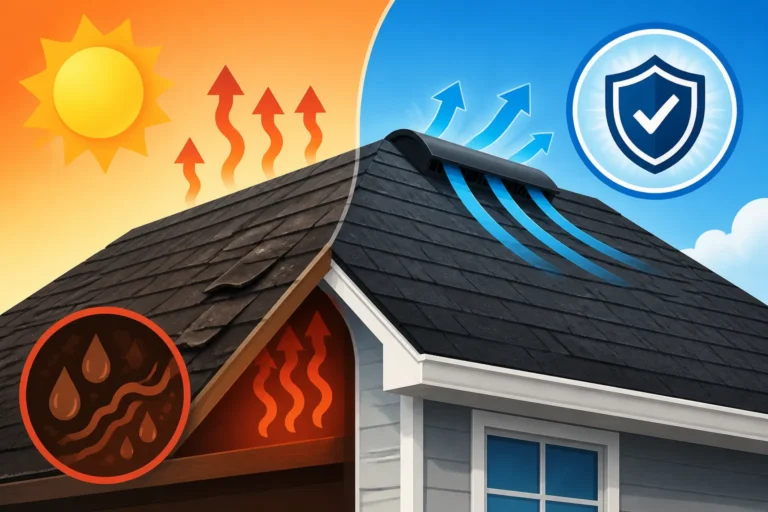
Ventilation is often overlooked but plays a huge role in roof longevity. Poor attic ventilation traps heat and moisture. In summer, excessive heat in the attic can literally bake the underside of the shingles, accelerating the deterioration of the asphalt and causing them to curl or blister prematurely. In winter, trapped moisture can lead to condensation, rotting the roof decking, and further compromising the shingle adhesion. Similarly, proper underlayment, whether it’s traditional felt or modern synthetic, provides an extra layer of protection against moisture penetration should water get past the shingles. Without it, or if it's installed incorrectly, any minor shingle damage can quickly escalate into a leak. You can learn more about Underlayment Explained: Synthetic vs Felt.
Maintenance and Care
Just like any other part of your home, your roof benefits from regular attention. Neglecting simple maintenance can shave years off its life.
Regular Inspections and Cleaning
Performing annual (or even bi-annual) roof inspections, either yourself from the ground with binoculars or by a professional, can catch small issues before they become big problems. Look for missing or damaged shingles, granule loss, lifted edges, or signs of moss and algae growth. Cleaning debris like leaves and branches from your roof, especially from valleys and gutters, prevents water from pooling and causing damage. Overhanging branches should be trimmed to prevent abrasion and debris accumulation. Ignoring these simple checks is one of the quickest ways to shorten your roof's lifespan.
Addressing Moss, Algae, and Debris Promptly
Moss and algae aren't just unsightly; they retain moisture, which can accelerate the deterioration of shingles and cause granules to detach. While Algae Streaks: Repair or Replace might seem like a cosmetic issue, prolonged growth can soften the shingles and lead to rot in the underlying decking. Similarly, debris like fallen leaves and pine needles can trap moisture and prevent the shingles from drying out properly, creating an ideal environment for organic growth and premature wear. Removing these promptly helps keep the shingles dry and extends their service life.
Signs Your Asphalt Shingles Are Nearing End of Life
It's not always obvious when your roof is ready for retirement. Many homeowners wait until they have a leak, but by then, the damage is often significant. Being proactive about identifying the common indicators of an aging roof can help you budget for replacement and avoid emergency repairs. It’s about understanding the subtle (and sometimes not-so-subtle) cues your roof is sending you. To get a really comprehensive overview, you should also read our guide on Signs You Need a New Roof.
Visible Deterioration on the Shingles
This is usually the most straightforward way to tell if your shingles are giving up the ghost. A visual inspection from the ground (or safely from a ladder) can reveal a lot about your roof's condition.
Granule Loss and Bald Spots
Granules are those little ceramic bits embedded in the asphalt surface of shingles. They do two crucial jobs: protecting the asphalt from harmful UV rays and adding color to your roof. Over time, due to weather, age, or foot traffic, these granules wear off. You might notice them accumulating in your gutters or downspouts. When significant granule loss occurs, the black asphalt beneath is exposed to the sun's harsh UV light, which rapidly dries out and degrades the shingle. This leads to the shingle becoming brittle and prone to cracking. If you see large bald spots where the asphalt is exposed, your roof is definitely past its prime. Understanding Granule Loss: Should You Worry is key here.
Curling, Cupping, and Cracking
As shingles age, the asphalt oils dry out, making them less flexible and more rigid. This often manifests as curling or cupping. Curling shingles will have edges that turn upwards or downwards, while cupping shingles will have their centers sink and edges lift. Both conditions prevent the shingles from lying flat, making them vulnerable to wind and water penetration. You might also see visible cracks, especially on 3-tab shingles, often starting around the nail heads or along the tab lines. These cracks are direct entry points for water and indicate that the shingle has lost its elasticity and protective properties. Our article on Curling Shingles: What They Mean offers more insights.
Other Indicators of an Aging Roof
Beyond the shingles themselves, there are other tell-tale signs that your roof system as a whole is struggling. These often point to systemic issues rather than just individual shingle wear.
Water Stains and Leaks in the Attic
If you venture into your attic during or after a rainstorm, look for any signs of water intrusion. Water stains on the underside of the roof decking, insulation, or ceiling joists are clear indicators of a leak. Even small, intermittent leaks can lead to mold growth, rot, and significant structural damage over time. Sometimes, you might not see active drips, but rather discolored wood or damp insulation. This is a critical sign that your roof isn't doing its job and needs immediate attention, probably indicating that the overall system is failing.
Sagging Roof Decking
A sagging roof is a serious structural issue and a definite red flag. This can be caused by prolonged moisture exposure leading to rot in the roof decking or trusses, or it could indicate an underlying structural problem that's exacerbated by the weight of the roof and accumulated moisture. If you notice any dips or unevenness in your roofline, especially when viewed from the street or a slight distance, it's time to call a professional for a comprehensive inspection. A sagging roof means its structural integrity is compromised, and it will likely require extensive repairs or a full roof replacement. Our article on Sagging Roof: What to Do provides important guidance.
Maximizing Your Asphalt Shingle Roof's Lifespan
Nobody wants to replace their roof prematurely, and the good news is that there are proactive steps you can take to squeeze every last year out of your asphalt shingles. A little effort and attention can go a long way in protecting your investment and delaying that costly replacement project. It’s all about consistent care and smart choices. For more detail, consider reviewing How to Extend the Life of an Asphalt Roof.
Regular Maintenance Schedule
Consistent, mindful maintenance is your roof's best friend. Think of it like changing the oil in your car; you wouldn't skip it, so don't skip roof maintenance either.
Annual Roof Inspections
Make it a habit to inspect your roof at least once a year, ideally in the spring or fall. You don't necessarily need to climb up there if you're not comfortable; a good pair of binoculars from the ground can reveal a lot. Look for signs of damage like missing or cracked shingles, excessive granule loss, or any unusual debris buildup. If you have concerns or can't get a clear view, it's always wise to hire a professional roofer for an inspection. They have the expertise to spot subtle issues that might escape an untrained eye and can identify potential problems before they escalate into major repairs. Many roofing companies offer these services at a reasonable cost, or even free as part of an estimate. These inspections are a key part of Roof Inspection: What They Check.
Gutter Cleaning and Debris Removal
Your gutters are designed to channel water away from your roof and foundation. When they're clogged with leaves, twigs, and other debris, water can back up, pool along the eaves, and even seep under your shingles. This standing water accelerates shingle deterioration, can cause fascia and soffit rot, and creates ideal conditions for moss and algae growth. Regularly cleaning your gutters, especially after heavy storms or in the fall, is a simple yet effective way to protect your roof. Additionally, clear any large accumulations of leaves or branches from the roof surface itself, as these can trap moisture and prevent shingles from drying out properly.
Addressing Issues Promptly
Ignoring small problems often leads to much bigger, more expensive ones. The sooner you address an issue, the less damage it's likely to cause.
Repairing Damaged Shingles Immediately
If you spot a few missing, cracked, or severely damaged shingles, don't put off repairs. These areas are vulnerable entry points for water, and a small leak can quickly lead to extensive damage to your roof decking, insulation, and interior ceilings. A qualified roofing contractor can usually replace individual shingles or small sections without needing a full re-roof, saving you considerable money in the long run. The cost to replace a few shingles is minimal compared to the cost of repairing water damage inside your home. Early intervention is crucial for maintaining the integrity of your roof system.
Managing Moss and Algae Growth
Moss and algae aren't just an aesthetic problem; they actively harm your shingles by holding moisture against the surface and feeding on the limestone filler in the asphalt. If you see green or black streaks forming, especially on shaded parts of your roof, it's time to act. There are specific roof cleaning solutions designed to kill these organisms without damaging your shingles. Gentle cleaning, often with a low-pressure wash (never a high-pressure washer!), can remove existing growth. For persistent issues, installing zinc or copper strips along your ridge can help prevent future growth, as rainwater washes small amounts of metal down the roof, inhibiting biological growth.
Understanding Your Shingle Warranty
When you invest in a new roof, the warranty can feel like a safety net. But manufacturer warranties, especially for asphalt shingles, aren't always straightforward. Knowing what your warranty covers (and what it doesn't) is critical for understanding realistic expectations for your roof's lifespan and for protecting your investment.
Manufacturer Warranties vs. Workmanship Warranties
It's common for homeowners to confuse these two distinct types of warranties, but they cover very different aspects of your roofing project. Understanding the difference is key to knowing who to call if a problem arises.
What Manufacturer Warranties Cover
A manufacturer warranty, sometimes called a material warranty, comes from the company that made your shingles (e.g., GAF, Owens Corning, CertainTeed). This warranty covers defects in the manufacturing of the shingle itself. For example, if your shingles prematurely lose granules or crack due to a flaw in how they were made, the manufacturer might cover the cost of replacement materials.
These warranties often have a "prorated" period, meaning the coverage decreases over time. A "25-year" shingle might be fully covered for the first 5-10 years, then only a percentage of the material cost is covered for the remaining years. Some premium products offer "non-prorated" periods, providing full material coverage for a longer duration. However, manufacturer warranties rarely cover installation errors or damage from extreme weather events (like hail or wind, unless explicitly stated as an "enhanced wind warranty"). Always read the fine print to understand the limitations, including proper installation requirements by a certified contractor to maintain the warranty. You might also want to explore how a Complete Roof System Qualifies for Warranty.
What Workmanship Warranties Cover
A workmanship warranty comes from your roofing contractor. This warranty covers the quality of the installation. If your roof leaks or shingles blow off because the contractor used incorrect nailing techniques, didn't install flashing properly, or failed to follow manufacturer guidelines, the workmanship warranty dictates that the contractor is responsible for fixing it at no additional cost.
Workmanship warranties typically range from 2 to 10 years, though some highly reputable contractors (especially those certified by manufacturers, like a GAF Master Elite Contractor or an Owens Corning Platinum Preferred Contractor) may offer longer periods, sometimes up to 25 years or even lifetime. This is a crucial warranty because most roof failures in the early years are due to installation errors, not material defects. When getting quotes from different roofers, always ask about the length and specifics of their workmanship warranty. This also includes understanding the difference between a Roofing Warranty: Workmanship vs Manufacturer.
Understanding Warranty Limitations and Exclusions
Warranties, by their nature, have conditions. It’s important to know what could void your coverage or what circumstances aren't included.
Installation Requirements and Certification
Most manufacturers require their shingles to be installed according to their specific guidelines to maintain the warranty. This often means using specific underlayments, starter shingles, and hip and ridge caps, all from the same manufacturer, to create a "complete roof system." Furthermore, many extended or premium warranties are only valid if the installation is performed by a contractor certified by the manufacturer (e.g., a GAF Master Elite or CertainTeed SELECT ShingleMaster). If a non-certified contractor installs the roof, or if the correct accessory components aren't used, your warranty might be significantly reduced or even voided entirely. Always verify your contractor's certifications and ensure they plan to install a system that complies with warranty requirements. If you're using a platform like Modernize to find contractors, they often connect you with certified professionals who understand these requirements.
Acts of God and Neglect
It's a common misconception that a roof warranty covers everything. Manufacturer warranties almost universally exclude damage caused by "Acts of God," such as severe hail, tornadoes, hurricanes, or other extreme weather events. For these types of damages, you'll typically rely on your homeowner's insurance policy, not your shingle warranty. Similarly, warranties do not cover damage due to neglect, improper maintenance (like not clearing debris or allowing heavy moss growth), or unauthorized modifications to the roof (like installing solar panels without proper care). If a professional roof inspection reveals issues caused by these factors, your warranty claim will likely be denied. This is why understanding your homeowner's insurance policy regarding storm damage is just as important as knowing your shingle warranty.
| Shingle Type | Typical Lifespan (Years) | Warranty Range (Years) | Pros | Cons | Ideal For |
|---|---|---|---|---|---|
| 3-Tab Shingles | 15-20 | 20-25 | Most affordable, lightweight | Least durable, basic appearance | Budget-conscious, mild climates, sheds |
| Architectural Shingles | 25-30 | 30-50 | Good durability, aesthetic variety, better wind resistance | Mid-range cost | Most residential homes, moderate to harsh climates |
| Designer/Luxury Shingles | 30-50+ | 40-Lifetime | Superior durability, premium aesthetics, best wind/impact resistance | Highest cost, heaviest (may require deck reinforcement) | High-end homes, extreme climates, maximum curb appeal |
Regional Climate Impacts on Roof Longevity
The local climate plays a massive role in how long your asphalt shingles will hold up. A "30-year shingle" installed in Phoenix, Arizona, will likely perform very differently than the same shingle installed in Minneapolis, Minnesota, or Houston, Texas. Understanding these regional influences helps you set realistic expectations for your roof's longevity and guides you in choosing the right materials.
Hot and Sunny Climates
In regions with intense sun exposure and high temperatures, like California, Arizona, or Florida, your roof faces a unique set of challenges that can accelerate shingle aging.
UV Radiation and Heat Damage
The relentless UV radiation from the sun is a primary enemy of asphalt shingles. UV rays break down the asphalt's chemical bonds, making it brittle and causing the protective granules to dislodge. You might notice heavy granule loss much sooner in these climates. Additionally, extreme heat, especially when combined with poor attic ventilation, can literally "cook" the shingles from both above and below. This baking effect causes the asphalt to dry out rapidly, leading to cracking, curling, and premature hardening of the shingles. Over time, the sealant strips that bond the shingles together can also fail, making them more susceptible to wind damage. Choosing "cool roof" shingles or lighter colors can help mitigate some of this heat absorption.
Frequent Thunderstorms and Humidity
Many hot climates, such as those in the Southeast, also experience frequent, intense thunderstorms. While less damaging than hail or hurricanes, repeated heavy downpours can stress the roof, especially if combined with high humidity. Persistent humidity can foster the growth of algae, moss, and mildew on the roof surface. While not immediately structural, this organic growth retains moisture, which can further degrade the shingle surface and accelerate granule loss. Furthermore, the rapid cooling after a hot day, especially with rain, causes constant expansion and contraction that stresses the shingle material over time, contributing to premature wear.
Cold and Snowy Climates
Roofs in regions known for their cold winters, heavy snowfall, and freezing temperatures, such as the Northeast or Midwest, face entirely different but equally damaging stresses.
Freeze-Thaw Cycles and Ice Dams
The repeated freezing and thawing cycles common in cold climates are particularly harsh on shingles. Water that seeps into tiny cracks or under shingles expands when it freezes, exerting pressure that widens cracks and dislodges granules. When it thaws, it can penetrate deeper. This cycle weakens the shingle's structure over time. Even more concerning are ice dams. These form when heat escapes from the attic, melts snow on the roof, and then refreezes at the colder eaves, creating a barrier. Water then backs up behind this barrier, pushing up under the shingles and potentially leaking into the attic and walls, causing significant damage. Proper insulation and ventilation, along with ice and water shield installation, are critical to prevent these issues. You can find more information on Ice Dam Damage: Repair Options.
Snow Load and Abrasion
Heavy snowfall poses a direct structural challenge to roofs. While roofs are designed to handle a certain amount of snow load, unusually heavy or prolonged snow accumulation can stress the entire roof structure, including the decking and trusses. The mere presence of heavy snow can also prevent shingles from shedding water properly once melting begins. Additionally, the movement of snow and ice as it shifts or slides can cause abrasion to the shingle surface, scraping off granules and exposing the asphalt. Even the repeated shoveling of snow, if done improperly, can damage shingles. In these climates, impact-resistant shingles designed to withstand abrasion and heavy loads can offer extended life, as can a well-maintained and adequately sloped roof.
Making Your Asphalt Shingle Roof Last: Smart Choices
When it comes to the longevity of your asphalt roof, many choices are in your hands, from the type of shingle you select to the contractor you hire and the ongoing care you provide. Making informed decisions can significantly impact how many years you get out of your investment.
Choosing the Right Shingle for Your Home and Climate
It's tempting to go for the cheapest option, but matching your shingle choice to your home's needs and local climate pays dividends in the long run.
Considering Durability and Warranty
Don't just look at the upfront cost; consider the overall value. While 3-tab shingles are economical, their shorter lifespan and lower durability might mean more frequent repairs or an earlier replacement, ultimately costing you more over time. Investing in architectural or designer shingles, particularly those with enhanced wind ratings or Class 4 impact resistance, can offer better protection and a longer service life, especially if you live in an area prone to severe weather. Always compare the full warranty details – not just the years, but also what's covered (materials, labor, transferability) and for how long the non-prorated coverage lasts. A reputable platform like Modernize can help you find contractors who offer shingles with robust warranties.
Selecting Features for Your Specific Environment
Think about your specific environment. If you live in a hail-prone area, investing in Class 4 Impact-Resistant Shingles can save you from costly insurance claims and premature roof replacement. If you're in a hot, sunny climate, "cool roof" shingles designed to reflect solar radiation can lower attic temperatures and potentially reduce energy bills while extending shingle life by minimizing heat stress. For humid or shaded areas, algae-resistant shingles with copper granules can prevent those unsightly and damaging black streaks. Tailoring your shingle choice to your local climate and specific property challenges is a proactive step toward maximizing its lifespan.
The Importance of a Qualified Installer
Even the best shingles will fail prematurely if installed incorrectly. Your choice of roofing contractor is as important as your choice of shingle.
Hiring Certified and Experienced Contractors
Always seek out roofing contractors who are licensed, insured, and have a proven track record. Look for certifications from major manufacturers like GAF (Master Elite), Owens Corning (Platinum Preferred), or CertainTeed (SELECT ShingleMaster). These certifications mean the contractor has met stringent requirements, undergone specific training, and demonstrated a commitment to quality installation practices. A certified installer is not only more likely to install your roof correctly, but their work often qualifies your roof for enhanced manufacturer warranties, offering you greater peace of mind. A cheap, uncertified installer might save you money upfront, but the long-term headaches and potential voided warranties are not worth the risk. Always check references and reviews, and don't hesitate to ask about their experience with your specific shingle type or climate conditions.
Ensuring Proper Installation Techniques
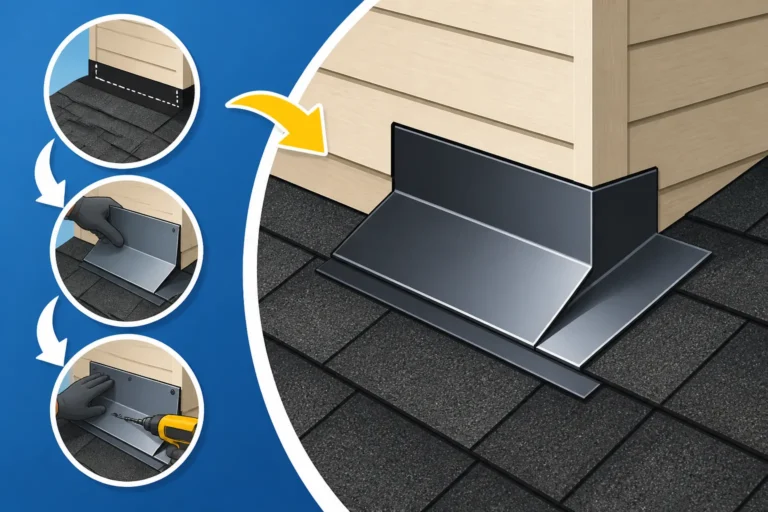
A truly qualified contractor will adhere strictly to manufacturer specifications and local building codes for every aspect of the roof installation. This includes everything from proper decking preparation and underlayment application to correct nailing patterns, flashing installation around chimneys and vents, and adequate attic ventilation. They'll know how many layers of shingles are legal in your area and the specific requirements for high-wind nailing if your region demands it. Proper ventilation, often achieved through a combination of soffit and ridge vents, is essential to prevent heat and moisture buildup that can prematurely age shingles. A professional will address the entire roofing system, not just the shingles, ensuring all components work together for maximum longevity and performance. Getting multiple estimates and understanding How to Read and Compare Roofing Estimates can help you find the right pro.
Disclaimer
Please remember that this article provides general information and recommendations. Roofing materials, installation techniques, and local building codes can vary significantly. Always consult with a qualified, licensed, and insured roofing professional in your area for specific advice tailored to your home's needs and local regulations. While we strive to provide accurate information, we are not liable for any decisions made based on this content.