What Makes Shingles Fail Early
It's incredibly frustrating when you invest in a new roof, expecting years of protection, only to see signs of trouble far too soon. Many homeowners find themselves scratching their heads, wondering why their asphalt shingles are failing well before their advertised lifespan. This comprehensive guide is here to shed light on the common culprits behind premature shingle failure, helping you understand what to look for and how to prevent it.
The Crucial Role of Professional Installation
When it comes to the longevity of your asphalt roof, the installation process is paramount. Even the highest quality shingles can fail prematurely if they're not installed correctly. It’s like buying a high-performance car and then having an amateur mechanic put it together; things are bound to go wrong.
Nailing Errors and Their Domino Effect
One of the most common, yet often unseen, installation mistakes lies in the nailing of the shingles. Roofing manufacturers have very specific guidelines for where and how many nails should be used on each shingle. Too few nails, nails driven too high, or nails driven at an angle can severely compromise the shingle's ability to withstand wind uplift. Imagine a strong gust of wind hitting your roof, and instead of the shingles holding firm, they start to lift and flap because the nails aren't gripping properly. This often leads to Missing Shingles: Repair or Replace situations much sooner than expected.
Another issue is over-driven or under-driven nails. An over-driven nail can cut through the shingle, weakening it and creating a potential point of water entry. Conversely, an under-driven nail might not fully secure the shingle, leaving it loose and susceptible to wind damage or allowing moisture to seep underneath. These seemingly small errors accumulate over time, leading to widespread granule loss, cracking, and premature aging across the entire roof surface. A reputable contractor will always adhere strictly to the manufacturer's nailing specifications to ensure maximum adhesion and warranty compliance.
Improper Underlayment and Flashing Techniques
Beyond the shingles themselves, the layers beneath are just as vital. The underlayment, whether it's traditional felt or a modern synthetic material, acts as a critical secondary barrier against water intrusion. If the underlayment is not properly overlapped, adequately fastened, or if the wrong type is used for your climate, water can penetrate the roof deck. Many homeowners overlook the importance of this layer, but a proper Underlayment Explained: Synthetic vs Felt is non-negotiable for a durable roof.
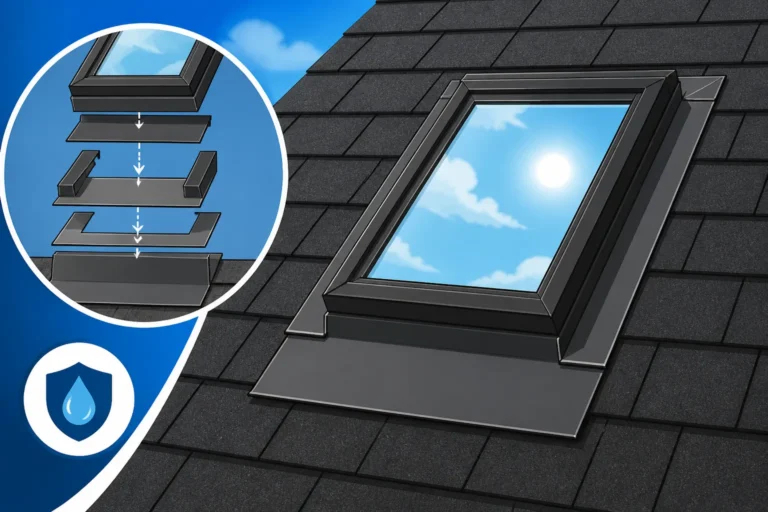
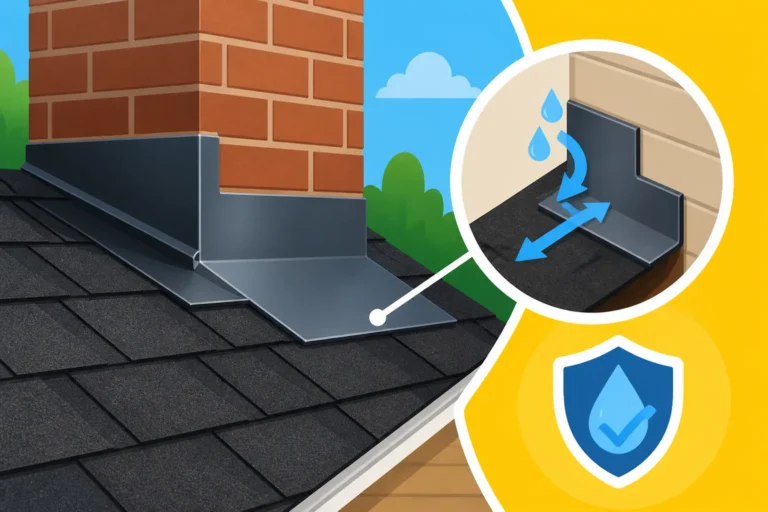
Equally important is flashing, the metal or composite material used to seal areas where the roof meets vertical surfaces like chimneys, skylights, and walls. If flashing is poorly installed, bent, or made from an incompatible material, it becomes a prime source for leaks. Think about the areas around your chimney or vent pipes. If the flashing isn't perfectly sealed and integrated into the shingle layers, rainwater will find its way in, leading to rot and damage to your roof deck and interior. Getting the Roof Flashing Explained correctly is crucial, as improper flashing is a leading cause of localized leaks that can quickly spread to significant structural issues.
Rushing the Job or Cutting Corners
We all want a project done quickly, but roofing is one area where speed should never compromise quality. Some contractors, especially those who might be less experienced or more focused on high-volume work, might rush through an installation. This can lead to a host of problems: shingles laid unevenly, inadequate sealing of individual shingles, or even neglecting to clean the roof deck properly before starting. These shortcuts might save a few hours on the job site, but they can shave years off your roof's life.
Cutting corners isn't always about speed; it can also involve using cheaper, inferior materials for components like starter strips, ridge caps, or even the nails themselves. While the main shingle product might be from a top brand like GAF or Owens Corning, a less scrupulous contractor might skimp on the accessories. This can void warranties and leave your roof vulnerable. Always ask for a detailed estimate that specifies all materials being used, not just the shingles. A great way to feel confident about your choice of contractor and materials is to use a service like Modernize to find reputable professionals who prioritize quality over speed.
The Relentless Assault of Mother Nature
Even with a perfect installation, Mother Nature can be a formidable foe. The elements can take a severe toll on asphalt shingles, especially in regions prone to extreme weather.
Extreme Weather Events: Hail, Wind, and Ice
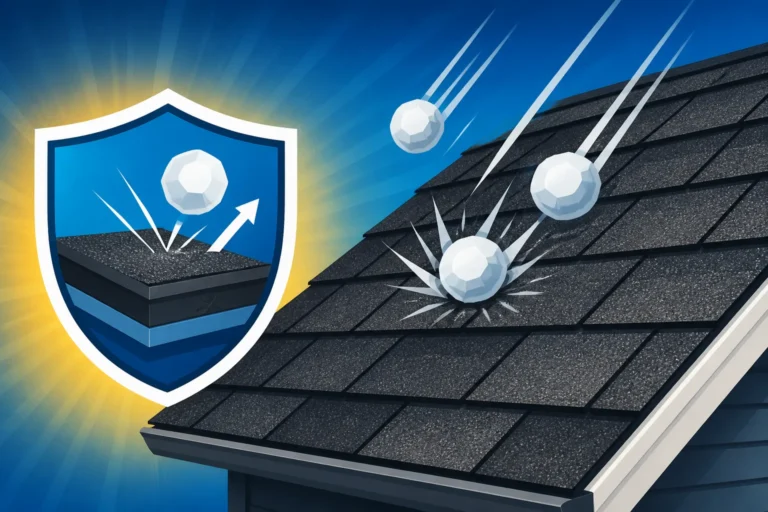
Hailstorms are notorious for causing significant roof damage that might not be immediately obvious. Even small hail can bruise shingles, displacing granules and weakening the asphalt mat underneath. Over time, these impact points can lead to widespread Granule Loss: Should You Worry, cracking, and accelerated deterioration. Larger hail can even create visible dents and tears. It's often difficult to spot Signs of Roof Hail Damage from the ground, making a professional inspection crucial after any significant hailstorm.
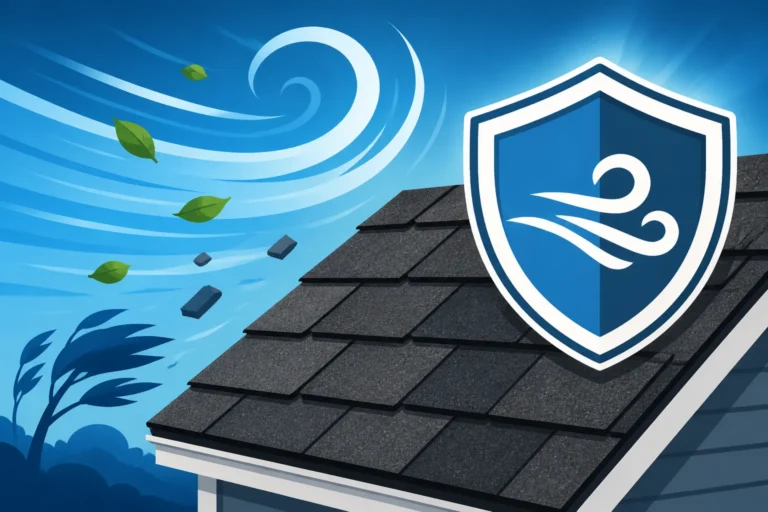
High winds are another major culprit. Strong gusts can lift and tear off shingles, especially those that weren't properly nailed or sealed. Once a few shingles are gone, the underlying layers are exposed, making the rest of the roof susceptible to further damage and water intrusion. Wind-driven rain can also force water under existing shingles, leading to leaks. Even if shingles aren't torn off, constant wind flapping can loosen them, leading to premature wear. Knowing the Signs of Roof Wind Damage is key to addressing issues before they escalate.
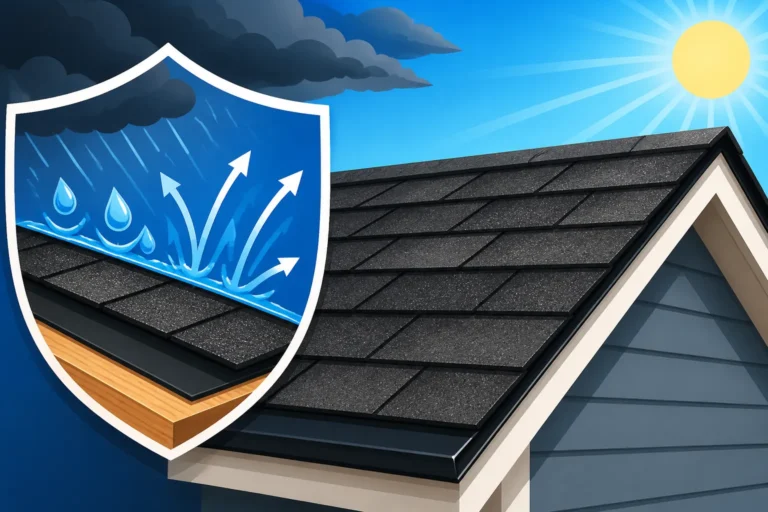
In colder climates, ice dams can wreak havoc. These occur when heat escaping from your home melts snow on the upper roof, which then refreezes at the colder eaves, forming a barrier. The trapped water backs up under your shingles, seeping into your attic and walls. This continuous cycle of freezing and thawing can lift shingles, degrade the underlayment, and lead to significant water damage. Ice and water shield membrane, installed at the eaves and valleys, is designed specifically to prevent this, but if it's not present or incorrectly installed, you're looking at a recipe for early failure.
UV Degradation and Thermal Cycling
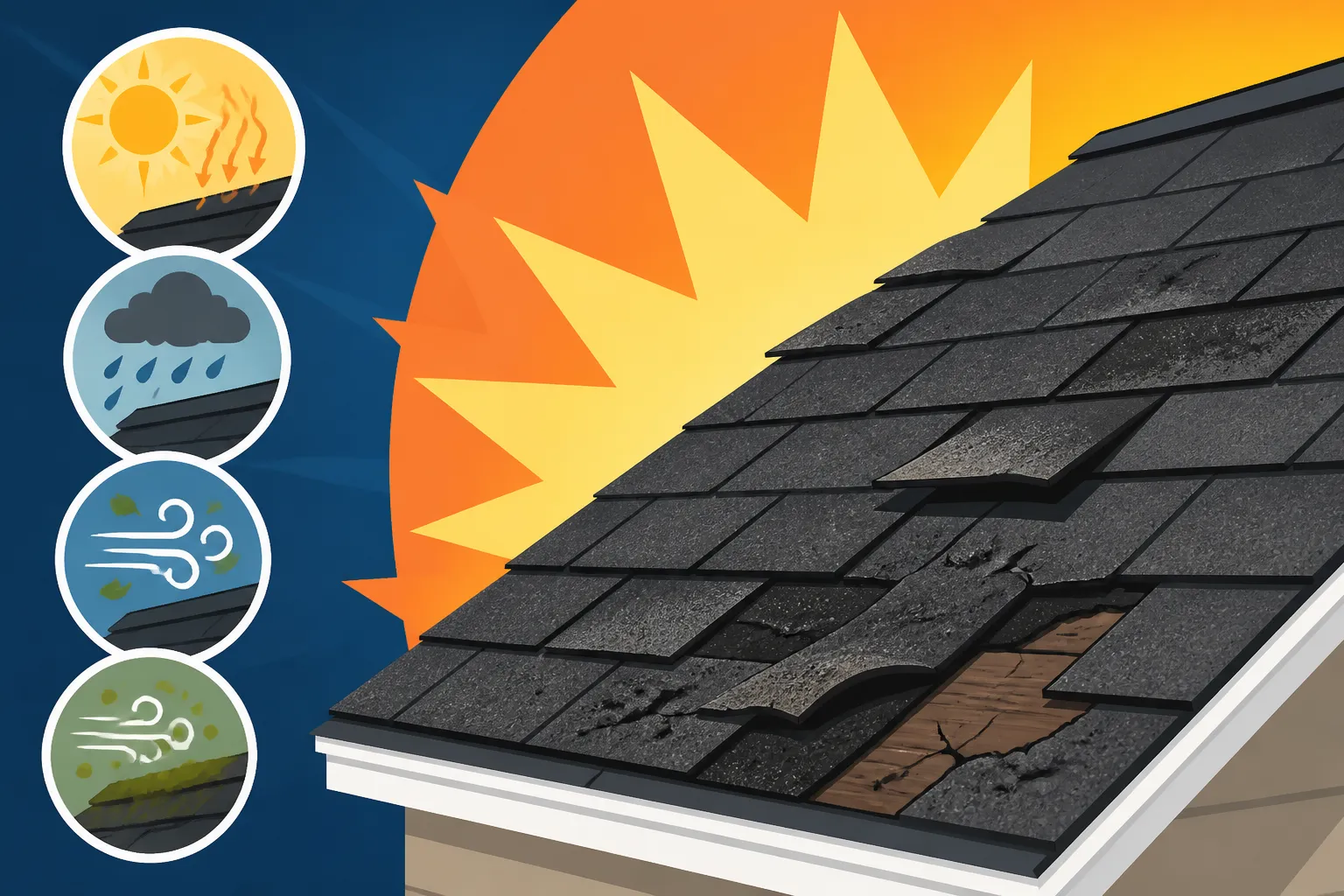
The sun, while essential for life, is an asphalt shingle's enemy. The ultraviolet (UV) rays from the sun continuously break down the asphalt binder in shingles, causing them to dry out, become brittle, and lose their flexibility. This process, known as UV degradation, leads to the premature loss of protective granules. These granules aren't just for aesthetics; they reflect sunlight, shielding the asphalt from harmful UV rays. Once they start to shed, the shingle's aging process accelerates rapidly, leading to Cracked Shingles: Causes and Fixes and a shortened lifespan.
Thermal cycling, the repeated expansion and contraction of roof materials due to daily temperature fluctuations, also contributes significantly to early shingle failure. On a hot summer day, your roof can reach extremely high temperatures, causing shingles to expand. At night, or during colder seasons, they contract. This constant movement puts immense stress on the shingles, particularly at the nail points and where they overlap. Over time, this stress can lead to cracking, warping, and the breakdown of the sealant strip that holds shingles together, making them more vulnerable to wind and rain. This is a primary reason why regions with drastic temperature swings often see roofs age faster.
Organic Growth: Moss, Algae, and Lichen
While not as immediately destructive as a hailstorm, organic growths like moss, algae, and lichen can slowly but surely degrade your asphalt shingles. Algae, often appearing as dark, streaky stains, is mostly an aesthetic issue but can indicate moisture retention. Moss, on the other hand, is a more serious problem. It thrives in damp, shady conditions and holds moisture against the shingle surface. This prolonged moisture can accelerate granule loss, degrade the asphalt, and even cause shingles to lift and curl as the moss roots grow underneath.
Lichen, a combination of fungus and algae, is particularly stubborn. It adheres tenaciously to the shingle surface and can be very difficult to remove without damaging the granules. All these growths can trap moisture and debris, preventing the roof from drying out properly and fostering an environment conducive to further deterioration. While Moss Growth: Repair or Replace often starts as a cosmetic concern, ignoring it allows these organisms to slowly but continuously damage the shingles, shortening their useful life. Regular cleaning and trimming overhanging branches can help, but prevention with algae-resistant shingles, often containing copper granules, is the best defense.
Hidden Weaknesses: Material Quality and Manufacturing
Sometimes, the problem isn't the installation or the weather, but the very shingles themselves. Not all asphalt shingles are created equal, and understanding the differences can help prevent early failure.
Subpar Shingle Composition
The quality of an asphalt shingle begins with its composition. Cheaper, lower-grade shingles often contain less asphalt and a thinner fiberglass mat, making them less durable and more prone to damage. The asphalt itself might be of lower quality, making it more susceptible to UV degradation and thermal cycling. These shingles often come with shorter warranties and are typically thinner, making them easier to handle for installers but offering less protection for your home.
For instance, 3-tab shingles, while budget-friendly, generally have a shorter lifespan (around 15-20 years) compared to architectural or designer shingles (25-50+ years). This is partly due to their simpler construction and lower material density. They are often less wind-resistant and more prone to granule loss than their thicker, multi-layered counterparts. When considering your options, reviewing a guide on 3-Tab vs Architectural Shingles Explained can highlight the fundamental differences in construction and expected performance. Investing a bit more upfront in higher-quality shingles like Owens Corning Duration or GAF Timberline HDZ can often save you significant money and headaches in the long run.
Factory Defects and Quality Control Lapses
While rare, manufacturing defects can occur, leading to batches of shingles that simply don't perform as expected. This could involve issues with the asphalt mixture, inconsistent granule adhesion, or flaws in the fiberglass mat. These defects might not be immediately apparent upon installation but can manifest as premature cracking, blistering, or excessive granule loss within a few years. It's frustrating because as a homeowner, you have little control over this.
Identifying a factory defect can be challenging, as the symptoms often mimic other problems like poor ventilation or weathering. This is where a robust manufacturer's warranty comes into play. If you suspect a defect, a certified contractor can help you document the issues and pursue a warranty claim. Brands like CertainTeed and Malarkey are known for their stringent quality control, but no manufacturer is entirely immune to the occasional hiccup. That's why choosing a reputable contractor who uses high-quality materials from established brands is so important; they often have better channels for addressing such rare issues.
The Impact of Shingle Type on Lifespan
The type of asphalt shingle you choose has a direct bearing on its expected lifespan and resilience. As mentioned, 3-tab shingles are the most basic and typically offer the shortest life. Architectural (or dimensional) shingles are thicker, multi-layered, and designed to mimic the look of natural wood or slate, offering better durability and wind resistance. They generally last 25-30 years, often with longer warranty periods.
Then there are designer or luxury shingles, which are even heavier, thicker, and engineered for maximum performance and aesthetic appeal. These can last 30-50 years, often incorporating advanced technologies like impact resistance (Class 4) or cool-roof properties that reflect solar energy. While the upfront cost is higher, the extended lifespan and enhanced protection can offer a better long-term value and even lead to lower insurance premiums in some areas. Understanding these distinctions is crucial, as choosing a shingle type ill-suited for your climate or expectations will inevitably lead to perceived "early" failure, even if the shingle is performing within its design parameters.
Here's a quick comparison of common asphalt shingle types:
| Shingle Type | Construction | Lifespan (Avg.) | Wind Resistance (MPH) | Aesthetics | Cost (per square installed) | Common Failure Modes |
|---|---|---|---|---|---|---|
| 3-Tab | Single layer, uniform tabs | 15-20 years | 60-70 | Flat, traditional, economical | $200 – $300 | Granule loss, curling, lifting |
| Architectural | Multi-layered, laminated | 25-30 years | 110-130 | Dimensional, textured, mimics wood/slate | $350 – $550 | Cracking, blistering (less common) |
| Designer/Luxury | Heaviest, multi-layered | 30-50+ years | 130+ | High-definition, premium look, specialized | $550 – $800+ | Seldom premature failure if installed correctly |
The Silent Killer: Attic and Ventilation Problems
Many homeowners don't realize how much their attic impacts their roof. A poorly ventilated attic can be a silent killer for your shingles, leading to problems that manifest long before they should.
Inadequate Attic Ventilation
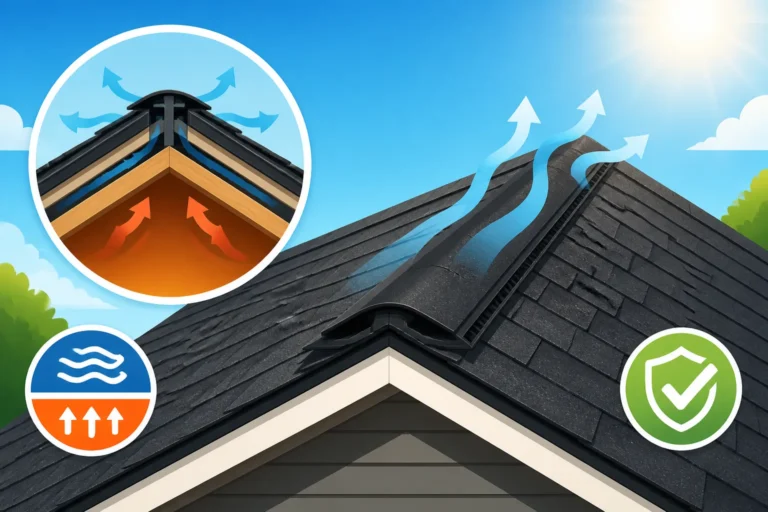
Proper attic ventilation is not just about comfort; it's about the health and longevity of your roof system. Your attic needs a continuous flow of air: cool air enters through soffit vents at the eaves, and hot, moist air exits through ridge vents or other exhaust vents at the peak. This system helps regulate attic temperature and moisture levels. If your attic isn't properly ventilated, hot air gets trapped, essentially baking the underside of your roof deck and shingles. This excessive heat accelerates the breakdown of the asphalt binder in your shingles, leading to premature aging, curling, and increased granule loss. This is why understanding How Roof Ventilation Works is so critical.
In colder climates, inadequate ventilation can lead to a different problem: ice dams. Warm air from your living space rises into a poorly ventilated attic, heating the roof deck. This melts snow on the roof, which then refreezes as it reaches the unheated eaves, forming ice dams. As discussed earlier, these dams force water under shingles, causing leaks and degrading the roof from the inside out. Both scenarios underscore that a roof is a system, and failure in one part (the attic) directly impacts another (the shingles).
Poorly Installed or Blocked Vents
It's not enough to have vents; they must be correctly installed and remain unobstructed. Sometimes, during a renovation or even the initial construction, insulation can accidentally block soffit vents, preventing intake air from entering the attic. Similarly, exhaust vents might be too few, incorrectly placed, or even installed improperly, creating dead air spaces where heat and moisture can build up. For instance, combining different types of exhaust vents (like a ridge vent with gable vents) can sometimes short-circuit the airflow, drawing air in through one exhaust vent instead of from the soffits, making the ventilation ineffective.
Even simple maintenance neglect can lead to blocked vents. Leaves, bird nests, or debris can accumulate in external vent openings, particularly in soffit or static vents. This blockage restricts airflow, allowing heat and moisture to build up, which then starts to cook your shingles from beneath. A yearly check of your vents, coupled with ensuring your attic insulation isn't blocking airflow, can make a huge difference in preventing premature shingle failure.
Moisture Buildup and Its Consequences
When an attic isn't properly ventilated, humidity from household activities (showering, cooking, laundry) can get trapped and condense on the cooler surfaces of the roof deck and rafters. This moisture creates a breeding ground for mold and mildew, but more importantly for your roof, it can cause the roof deck to warp, sag, and eventually rot. As the decking deteriorates, it compromises the stability and integrity of the entire roof structure, including the shingles.
Rotting roof decking also means that nails holding the shingles have less material to grip, leading to loose shingles and an increased risk of blow-offs. This kind of structural damage can be incredibly costly to repair, often necessitating a complete roof tear-off and deck replacement, even if the shingles themselves still appear somewhat functional from the exterior. It's a stark reminder that a healthy roof relies on a healthy attic environment. Addressing moisture issues proactively, possibly with the help of a contractor found through Modernize, is essential for preserving your roof.
Neglect and the March of Time: Maintenance and Age
Even the best shingles, perfectly installed in an ideal climate, won't last forever without some attention. Neglect and the natural aging process play significant roles in premature failure.
Lack of Regular Inspections and Cleaning
Think of your roof like your car; it needs regular check-ups to catch small problems before they become major disasters. Many homeowners simply don't look at their roof until there's a leak dripping into their living room. A lack of regular inspections means that minor issues, such as a few loose granules, a slightly lifted shingle, or the beginnings of moss growth, go unnoticed and unaddressed. These small problems, left to fester, inevitably escalate into more significant damage that shortens the roof's life.
An annual visual inspection from the ground or a professional inspection every few years can identify vulnerabilities early. Cleaning gutters regularly is also crucial, as clogged gutters can cause water to back up onto the roof, leading to saturated fascia, rotten eaves, and compromised shingle edges. Similarly, trimming overhanging tree branches prevents debris accumulation, rubbing damage, and provides less shade for moss and algae to thrive. A good Roof Damage Assessment: A Homeowner's Guide will emphasize how routine inspections can prevent bigger costs down the line.
Overlaying Shingles Without Tear-Off
When it's time for a new roof, some homeowners opt for a "roof-over" or "overlay," where new shingles are installed directly over the existing ones. While this can be a cheaper option upfront, it often contributes to premature failure. First, a roof-over adds significant weight to your roof structure, which might not be designed to handle the extra load, especially if there were already structural issues. Second, and more critically, it traps heat and moisture between the layers. This can accelerate the deterioration of both the old and new shingles, leading to a much shorter lifespan for the entire system.
Additionally, putting new shingles over old ones makes it impossible to properly inspect the roof deck for damage like rot or warping. Any existing problems with the deck, underlayment, or flashing simply get covered up, continuing to cause issues beneath the new layer. Most building codes only allow for a maximum of two layers of shingles, and many experts will tell you that a complete What Happens During a Roof Tear-Off and replacement is almost always the better long-term solution, even if it costs more initially. You can refer to Cost to Roof Over Existing Shingles for a detailed breakdown of considerations.
The Inevitable Wear and Tear of Time
Even with perfect installation, meticulous maintenance, and favorable weather, asphalt shingles have a finite lifespan. They are constantly exposed to the elements, and over decades, the materials will naturally break down. The asphalt will lose its volatile oils, making it brittle. The fiberglass mat will weaken. Granules will erode. This is the natural process of aging. Typically, architectural shingles are designed to last 25-30 years, and while some high-end luxury shingles might push past 40 or even 50 years, expecting them to last indefinitely is unrealistic.
When a roof reaches the end of its natural life, you'll see widespread signs of deterioration: extensive granule loss, curling, cracking, blistering, and possibly sagging. While some of these individual issues can be repaired on a younger roof, widespread signs indicate that the entire system is failing and it's time for a replacement. Trying to endlessly patch an old, failing roof is often a waste of money, as new problems will simply emerge elsewhere. At a certain point, the Roof Repair vs Replacement: How to Decide question becomes a no-brainer.
Disclaimer
Please remember that this article provides general information and recommendations. Every roofing situation is unique, and local building codes, climate conditions, and specific product warranties can vary. Always consult with a qualified, licensed, and insured roofing professional for personalized advice and inspections tailored to your specific home and location.