Signs of Roof Wind Damage
That gut-wrenching feeling when you step outside after a blustery storm, eyes scanning your roof, is something no homeowner wants to experience. Whether you're seeing obvious damage or just suspecting trouble after a strong gust, understanding the signs of roof wind damage is critical. This comprehensive guide will walk you through what to look for, from the easily noticeable to the subtly hidden, and help you determine your next steps.
The Unseen Threat of Wind Damage
Wind damage isn't always as dramatic as a tree falling on your house or half your shingles blowing into the neighbor's yard. Often, it's a silent, insidious force that slowly weakens your roof, leaving it vulnerable to leaks and further deterioration. Many homeowners overlook these less obvious signs, only realizing the extent of the problem when a small issue turns into a major headache and a costly repair.
How Wind Harms Your Roof Beyond Obvious Blow-Offs
When we think of wind damage, the image of shingles ripped entirely off the roof is usually what comes to mind. While that certainly happens, it's far from the only way wind can wreak havoc. Wind creates both positive and negative pressure on your roof. The positive pressure pushes up on the overhangs and eaves, while the negative pressure, or suction, pulls on the roof's surface, particularly along edges, ridges, and around penetrations like chimneys or skylights. This combination of forces can lift, bend, and even vibrate shingles, slowly breaking their seals, loosening their fasteners, and creating micro-fractures in the asphalt mat itself.
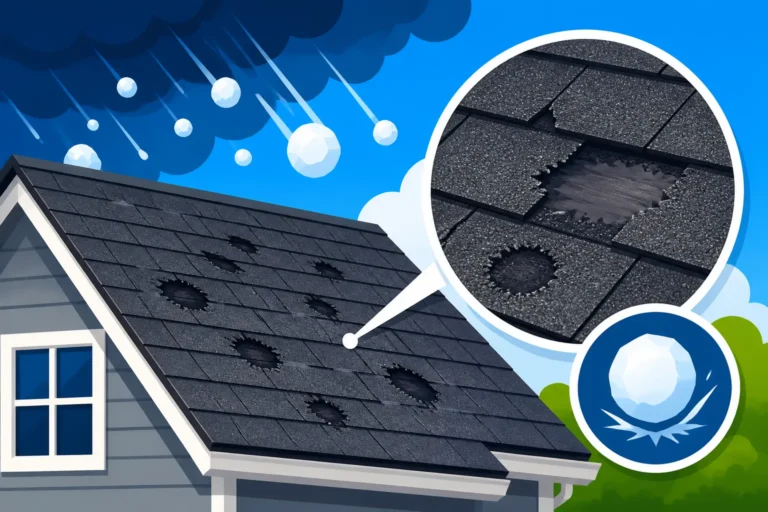
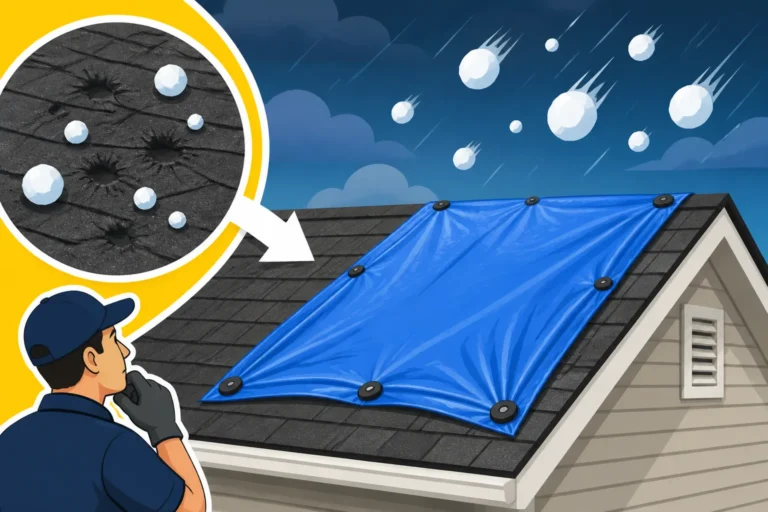
Consider a recent hailstorm in Dallas, Texas, followed by a strong wind event. Even if the hail didn't create immediate punctures, the wind could exacerbate any minor damage, like weakened shingle bonds or slightly bruised areas, turning small imperfections into critical failure points. This continuous stress, especially during repeated wind events, can lead to premature aging of your roofing materials. It’s a slow erosion of integrity, often happening right under your nose, or rather, over your head, without you ever seeing a single shingle fly off.
Why Early Detection is Crucial
Catching wind damage early can save you a significant amount of money and stress in the long run. A small, unaddressed issue, like a lifted shingle or a tiny crack, acts as an open invitation for water to seep in. Over time, that water can saturate your roof decking, insulation, and even your attic, leading to mold growth, rot, and structural damage that's far more expensive to fix than the initial shingle repair. Think of it like a small leak in a boat; ignored, it will eventually sink the vessel.
Early detection also strengthens your position with insurance claims. Insurers often look for signs of neglect, and a timely report of storm damage is much more likely to be covered than an issue that’s clearly been festering for months or years. If you notice signs of damage quickly after a storm, you have a better chance of proving it was storm-related rather than a symptom of an aging roof. Knowing what to look for immediately following a windy day is your first line of defense against potential financial burden and structural compromise. This is where getting a professional roof damage assessment comes in handy.
Obvious Signs of Wind Damage to Look For
Sometimes, wind damage is undeniable. After a significant storm, the evidence can be staring you right in the face from the ground, or even from your neighbor's yard if a shingle flew off into it! These are the clear indicators that your roof has taken a beating and likely needs immediate attention.
Missing or Lifted Shingles
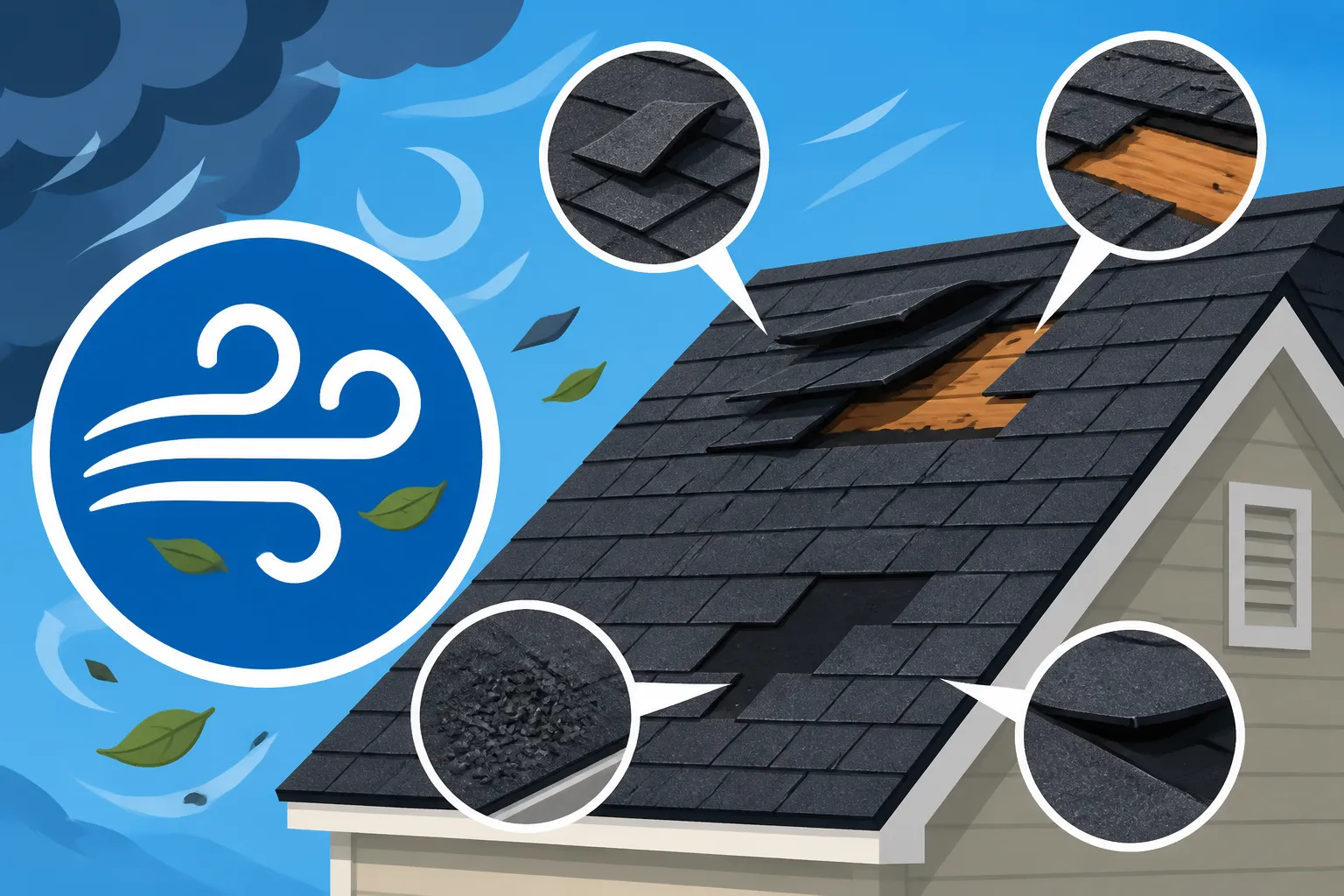
This is perhaps the most recognizable sign of wind damage. If you see bare spots on your roof where shingles used to be, or if you can clearly see shingles that have been peeled back, curled, or are hanging precariously, you know wind has played a role. These aren't just cosmetic issues; they expose the underlayment and potentially the roof decking to the elements. Once the protective shingle layer is compromised, water can easily penetrate, leading to leaks.
A single missing shingle might seem like a minor problem, but it disrupts the entire interlocking system that keeps your roof watertight. When one shingle is gone, the surrounding ones are more exposed and vulnerable to the next gust of wind. Pay particular attention to the edges of your roof, like the eaves and rake edges, and around valleys or roof penetrations, as these areas are often the most susceptible to wind uplift. It’s like a domino effect – one loose shingle can lead to many more. Remember, strong winds often pull shingles from the edges of the roof first. A homeowner in Orlando, Florida, might notice shingles missing along their roof's perimeter after a tropical storm, indicating the immediate need for a repair to prevent further damage.
Granule Loss and Bald Spots
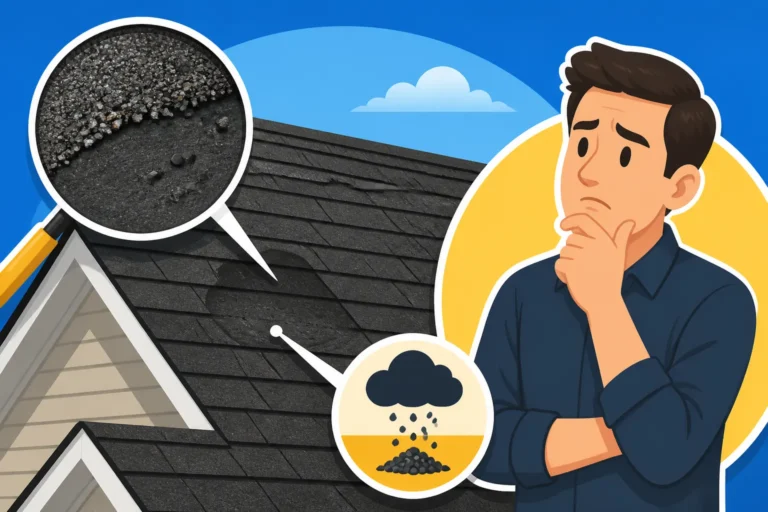
Asphalt shingles are covered with tiny ceramic granules that protect the asphalt layer from UV rays and provide color. Strong winds can scrape these granules off, especially if they are accompanied by flying debris like twigs or small stones. You might notice these granules accumulating in your gutters, at the base of your downspouts, or washing onto your driveway. While some granule loss is normal over a roof's lifespan, a sudden, significant increase, especially after a storm, is a red flag.
When granules are dislodged, the underlying asphalt is exposed to direct sunlight, which can rapidly accelerate its deterioration. This exposure makes the shingles brittle, shortening their lifespan and making them more prone to cracking and curling. If you see areas on your roof where the color looks faded or patchy, almost "bald," it's a strong indicator of granule loss caused by wind or hail scour. This isn't just an aesthetic issue; it severely compromises the shingle's ability to protect your home. Over time, this kind of damage can dramatically reduce the roof's effectiveness and lead to a need for a full asphalt roof replacement much sooner than anticipated.
Cracks and Tears
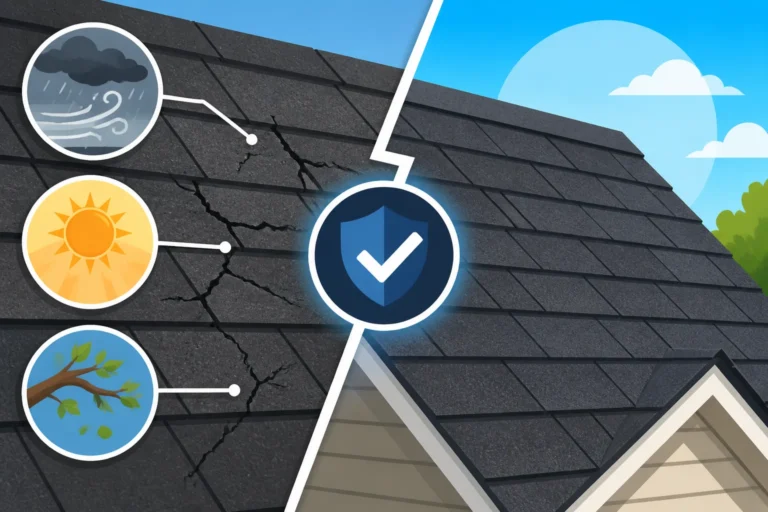
Wind doesn't always just lift shingles; the intense pressure and flexing can also cause them to crack or tear. These might appear as small, thin lines that run horizontally or vertically across the shingle face, or larger, more jagged tears, particularly at the nailing strips. Sometimes, you'll see "creases" or "fractures" where the shingle has bent beyond its flexibility limit and hasn't returned to its original flat shape. These cracks act as direct entry points for water.
Hairline cracks can be tricky to spot from the ground, especially on darker roofs, but they are just as dangerous as larger tears. They might not leak immediately, but over time, water will find its way through, especially during heavy rains. These types of damage are often more prevalent on older, more brittle shingles, but even newer roofs can suffer if the wind forces are severe enough. If you’re safely inspecting your roof and notice shingles that feel brittle or show signs of stress cracking, it’s crucial to get a professional opinion. These issues significantly compromise the shingle's integrity and waterproofing capabilities.
Subtle and Hidden Indicators of Wind Damage
Not all wind damage screams for attention. Many times, the signs are subtle, lurking beneath the surface or in less visible areas, making them easy to miss for the untrained eye. This is why a thorough inspection by an experienced professional is invaluable after any significant weather event.
Bruising and Soft Spots
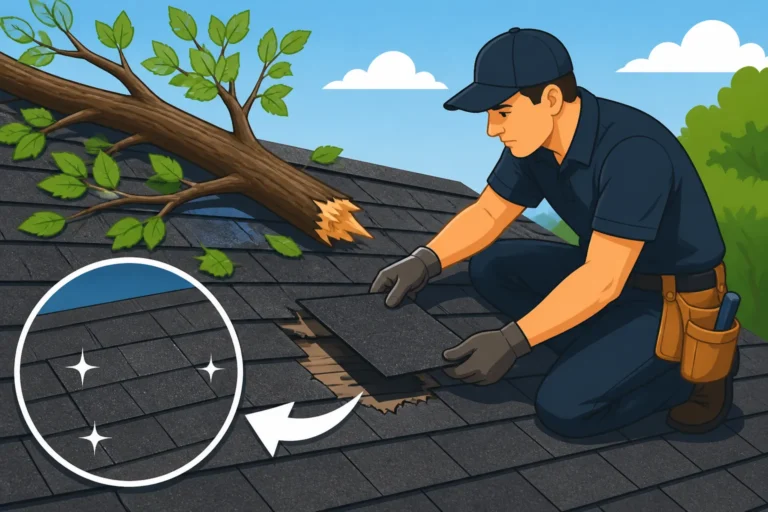
Beyond visible cracks, strong winds can cause impact damage if debris (even small branches or gravel) is carried and strikes the roof. This can lead to "bruising" on shingles, which might not immediately look like a hole but creates a weak point where the shingle's mat has been compromised. Over time, these bruised areas can soften, degrade, and eventually lead to leaks. You might also find soft spots on your roof if the wind has caused underlying decking issues.
Think of it like getting a bruise on your arm – it might not break the skin, but the tissue underneath is damaged. On your roof, this internal damage can affect the shingle's ability to shed water and resist further impact. If a professional walks your roof, they might press on shingles and feel for unusual give or softness. This kind of damage often requires a more tactile inspection, making a DIY assessment insufficient. Catching these subtle bruises can prevent them from turning into full-blown leaks or needing a major roof decking replacement cost down the line.
Flashing and Sealant Issues
The areas where your roof meets vertical surfaces, like chimneys, skylights, vent pipes, and dormer walls, are protected by flashing – metal or sometimes rubber barriers that divert water. High winds can lift, bend, or even tear this flashing away from its secured position. If the flashing is compromised, it creates a direct path for water intrusion into your home. Similarly, the sealants used around these penetrations and at the edges of your roof can dry out, crack, or pull away due to wind stress.
A quick visual check might not reveal a problem with flashing unless it's severely bent. However, even a small gap or a slightly lifted edge can allow water to seep underneath, causing significant damage over time. Imagine a strong gust catching the edge of a piece of step flashing around a chimney; it can pry it just enough to break the seal, allowing rain to pour in during the next downpour. This is where the meticulous eye of a roofing professional really shines. They know exactly how to check around a chimney flashing, for instance, to ensure it's still securely sealed and preventing water intrusion. Issues with flashing and sealants are often responsible for those frustrating leaks that seem to appear out of nowhere.
Interior Signs of Trouble
Sometimes, the first sign of roof wind damage isn't on the roof itself, but inside your home. Water stains on your ceiling or walls, especially after a windy rainstorm, are a strong indicator that your roof's integrity has been compromised. These stains often appear in the attic first, but if left unaddressed, they can show up in living spaces. Pay attention to discoloration, peeling paint, or even a musty odor in your attic or upper rooms.
It's important to remember that the source of a leak on your roof isn't always directly above where the water stain appears inside. Water can travel along rafters and beams before finally dripping down. So, a stain on your living room ceiling might originate from wind-damaged flashing near a vent pipe on the other side of your roof. Even a persistent draft in your attic that wasn't there before can signal that wind has created new openings or compromised ventilation components. Don't dismiss these interior clues; they are your home telling you it's hurting. If you're experiencing a roof leak but no visible damage from the outside, the interior signs become even more critical for identifying the problem.
What to Do After Suspecting Wind Damage
Discovering potential wind damage can feel overwhelming, but taking the right steps promptly can make a big difference in the outcome, especially when dealing with repairs and insurance. Don't panic; instead, follow a structured approach.
Safety First: DIY Inspection vs. Professional Assessment
Your safety should always be the top priority. While you might be tempted to climb a ladder and investigate every shingle, performing a DIY roof inspection can be incredibly dangerous, especially after a storm when surfaces might be slippery, or structural integrity could be compromised. Unless you are fully trained, have proper safety equipment, and feel comfortable, it's best to keep both feet on the ground.
From the ground, you can use binoculars to look for obvious signs like missing shingles, torn flashing, or large areas of granule loss. Walk around your home and look for any debris that might have come off your roof. Check your gutters for an accumulation of granules. However, for a truly thorough and safe assessment, always call a professional roofing contractor. They have the experience, tools, and safety gear to inspect your roof safely and accurately, identifying even the subtle issues that are easy to miss. If you're wondering how to choose a roofing contractor, look for one that is licensed and insured, with good local references. A reputable contractor, like those found through services such as Modernize, can give you an objective assessment without putting you at risk.
Documenting the Damage for Insurance
If you suspect wind damage, documentation is key for any potential insurance claim. Start by taking clear, well-lit photographs or videos of all observable damage from the ground. Get shots of any missing shingles, damaged flashing, or even fallen debris that originated from your roof. Date your photos and make notes about the weather conditions and when you first noticed the damage.
It's also a good idea to document any interior signs of damage, such as water stains or leaks, as these directly prove the functional failure of your roof. The more evidence you can provide, the stronger your insurance claim will be. Once you've gathered your own evidence, contact your insurance company to report the potential damage. They will likely send out an adjuster, but having your own documentation can help ensure nothing is overlooked. Remember, honest and thorough documentation is essential when filing a roof insurance claim, and it helps show your proactive approach to mitigating further issues.
Navigating the Repair Process
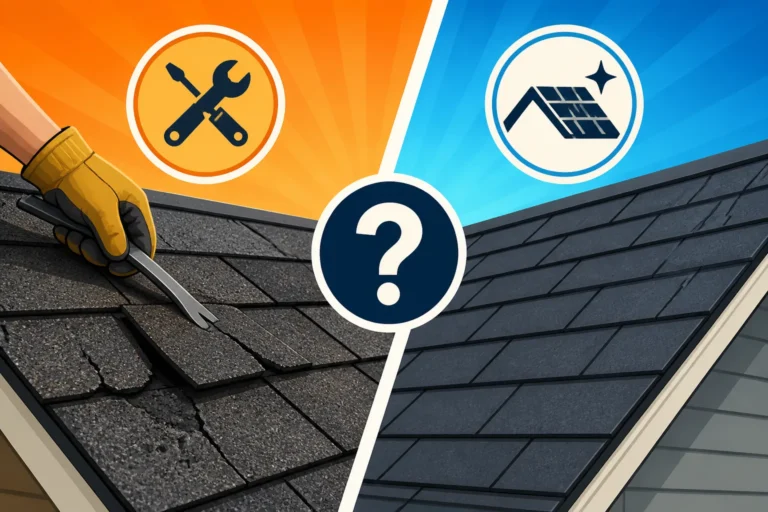
Once you've assessed the damage (preferably with a professional) and documented it, it’s time to think about repairs. Your roofing contractor will provide an estimate for the necessary work. This might range from replacing a few missing shingles to a more extensive repair of a larger section, or even a full roof replacement if the damage is severe and widespread. It's crucial to get multiple roofing quotes and compare them carefully, ensuring they all detail the scope of work, materials, and warranty information.
Make sure your chosen contractor is clear about whether they will handle the insurance claim process with you, or if you’ll be taking the lead. A good contractor can help you understand the adjuster's report and ensure all necessary repairs are covered. Don't rush into signing anything until you fully understand the work to be done and how it aligns with your insurance coverage. Always ask about the roofing warranty for both materials and workmanship. Sometimes, a smaller repair might be all that's needed, but other times, the extent of damage might make a full replacement more cost-effective in the long run, especially if your roof is nearing its end of life.
| Sign of Wind Damage | Visibility | Common Symptoms | Potential Consequences |
|---|---|---|---|
| Missing Shingles | Obvious | Bare spots, exposed underlayment, shingles in yard | Immediate leaks, further wind damage, decking rot |
| Lifted/Curled Shingles | Obvious/Subtle | Edges raised, loose, dislodged from sealant | Water intrusion, weakened roof, premature aging |
| Granule Loss | Obvious/Subtle | Sand-like particles in gutters, bald/discolored spots | UV damage, shingle brittleness, accelerated deterioration |
| Cracks/Tears | Subtle | Hairline fractures, jagged rips in shingle surface | Direct water entry, shingle delamination |
| Bruising/Soft Spots | Subtle/Hidden | Depressions, spongy areas, internal mat damage | Water absorption, mold, structural weakening |
| Flashing/Sealant Issues | Subtle/Hidden | Lifted metal, cracked caulk around penetrations | Leaks around chimneys/vents, interior water damage |
| Interior Water Stains | Hidden | Discoloration on ceilings/walls, musty odor in attic | Mold growth, structural rot, compromised insulation |
Protecting Your Roof from Future Wind Damage
While you can't control the weather, you can certainly take proactive steps to make your roof more resilient to wind and minimize potential damage in the future. Investing in prevention and proper maintenance pays dividends over the long haul.
Understanding Wind Ratings and Shingle Technology
When it's time for a roof replacement, or even a significant repair, understanding wind ratings is crucial. Asphalt shingles are typically rated for wind resistance, with higher ratings indicating better performance in severe conditions. For example, some architectural shingles like GAF Timberline HDZ or Owens Corning Duration are designed with advanced shingle-to-shingle sealing technology and specific nailing zones that can withstand higher wind speeds, often up to 130 mph. These technologies are a game-changer for homeowners in wind-prone areas.
Choosing shingles with a Class H or Class F wind rating (equivalent to 120 mph or 130 mph, respectively) can offer significant peace of mind. Investing in these higher-rated shingles, even if they cost a little more upfront, can save you from costly repairs and replacements down the road, and sometimes even qualify you for insurance discounts. Always discuss the specific wind resistance of different shingle options with your contractor, especially if you live in a region known for strong storms. Understanding how wind ratings work for shingles is key to making an informed choice.
The Importance of Proper Installation
Even the best, highest-rated shingles won't perform as intended if they're not installed correctly. Proper installation is perhaps the single most critical factor in your roof's ability to resist wind damage. This includes correct nailing patterns and depth, ensuring shingles are adequately sealed, and proper installation of all underlayment, flashing, and drip edge components. For instance, high-wind nailing, which involves using more nails per shingle or a specific nailing pattern, significantly enhances wind resistance.
A manufacturer-certified roofing contractor is often your best bet for ensuring proper installation. Companies like GAF, Owens Corning, and CertainTeed offer certification programs that ensure contractors are trained in the latest installation techniques and adhere to strict quality standards. Hiring a contractor with these certifications not only gives you confidence in the workmanship but often extends the manufacturer's warranty on your shingles. Always verify your roofer's credentials and ask about their installation process. A reputable contractor will be transparent about their methods and commitment to quality, often providing a robust workmanship warranty alongside the manufacturer's product warranty.
Regular Maintenance and Proactive Measures
A well-maintained roof is a resilient roof. Regular maintenance, including annual inspections, can help catch small issues before they escalate into major problems. This means keeping your gutters clean, trimming overhanging tree branches that could fall and cause damage, and promptly addressing any minor repairs like loose sealant or a single lifted shingle.
Consider proactive measures such as upgrading your roof's ventilation system to prevent moisture buildup that can compromise decking integrity over time. Ensuring your attic ventilation works efficiently also helps regulate temperature, which can prolong the life of your shingles by preventing premature drying and cracking. In areas prone to hurricanes or severe storms, some homeowners also look into additional reinforcements like hurricane clips or strapping that secure the roof structure to the walls. Think of your roof like a car; regular oil changes and check-ups keep it running smoothly and prevent breakdowns. A little preventative care goes a long way in extending the life of your asphalt roof and protecting your home from the wrath of high winds.
Disclaimer
This article is intended for informational purposes only and does not constitute professional advice. Always consult with a qualified, licensed, and insured roofing contractor for inspections, assessments, and repairs of your roofing system. Homeowners should also review their specific insurance policy for details on coverage related to wind damage.