Cracked Shingles: Repair or Replace
There’s nothing quite like that sinking feeling when you spot a cracked shingle on your roof. It's easy to jump to conclusions, imagining a costly full replacement looming over your head. But don't panic just yet! This guide will walk you through understanding why shingles crack and, more importantly, help you figure out if a simple repair will suffice or if it's truly time to consider a complete roof replacement.
Understanding Why Shingles Crack in the First Place
Cracked shingles are a common issue many homeowners face, and they're rarely a sign of an overnight disaster. Instead, they often point to a gradual degradation of your roofing materials. Understanding the root causes can help you make a more informed decision about how to move forward. It’s like finding a crack in a ceramic tile; sometimes it’s a minor surface issue, other times it indicates a deeper problem with the subfloor.
The Relentless March of Age and UV Exposure
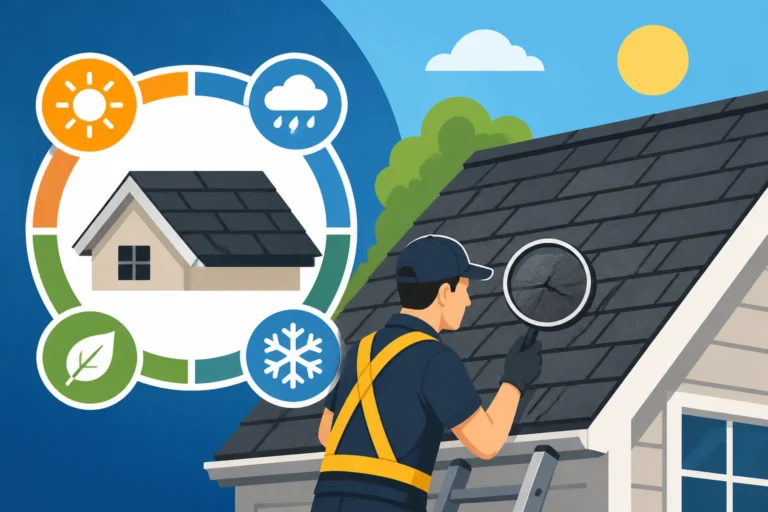
The most common culprit behind cracked shingles is simply time and the elements. Asphalt shingles, while durable, aren't immortal. Over years of baking under the sun, the ultraviolet (UV) rays degrade the asphalt binder that holds the granules together. This process makes the shingles less flexible and more brittle. Think of it like an old rubber band that's been left in the sun – it loses its elasticity and eventually snaps.
As the asphalt becomes brittle, the shingles can't expand and contract as easily with temperature changes. This stress leads to tiny hairline cracks that grow larger over time, particularly along the sealant strips or where the shingle laps over another. This natural aging process is why experts often talk about the typical lifespan of an asphalt roof. If your roof is getting up there in years, say past the 15-20 year mark, these types of cracks are almost an inevitable part of its journey towards retirement.
The Hammering Effects of Extreme Weather and Thermal Shock
Beyond general aging, extreme weather conditions are significant contributors to shingle cracking. We're talking about those brutal summer heatwaves followed by sudden, bone-chilling cold snaps, or intense storms. This constant fluctuation, known as thermal shock, causes shingles to rapidly expand and contract. When the material is already aged and brittle, this rapid movement can easily lead to cracks.
Imagine a shingle sitting on your roof in Phoenix, Arizona, where temperatures can soar past 110°F in the summer, only to drop significantly overnight. Or consider a roof in Minnesota, enduring sub-zero winters and then quick thaws. Each of these dramatic temperature shifts puts immense stress on the shingles. Strong winds can also exacerbate existing weaknesses, causing shingles to flex and crack, or even tear off completely if the cracking is severe enough. Hail, of course, is a whole other beast. Even smaller hailstones, over time, can weaken shingle integrity, creating impact points that eventually spiderweb into cracks.
Less Common Culprits: Improper Installation or Manufacturing Defects
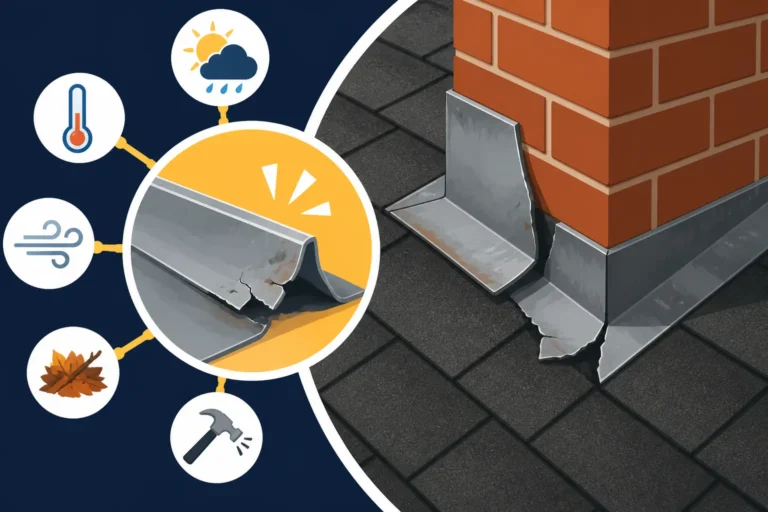
While less frequent, sometimes cracked shingles are a sign of issues beyond age and weather. Improper installation, for instance, can drastically shorten a roof's lifespan and lead to premature cracking. If shingles are nailed incorrectly – too few nails, nails placed too high or too low, or nails driven too deep – they won't hold properly and can stress unevenly, leading to tears and cracks. A poorly installed starter strip or improper flashing could also contribute to overall system stress that manifests as shingle cracking.
Similarly, manufacturing defects, though rare with reputable brands, can occasionally be the cause. In these instances, the shingles might have an issue with the asphalt mix or fiberglass mat, making them inherently weaker and prone to cracking much earlier than expected. If you have a relatively new roof (under 10-15 years old) and are seeing widespread cracking, it's worth investigating if a manufacturing defect or installation error is at play. This is where having a reputable contractor who stands by their work, often a certified installer for brands like GAF or Owens Corning, can really make a difference.
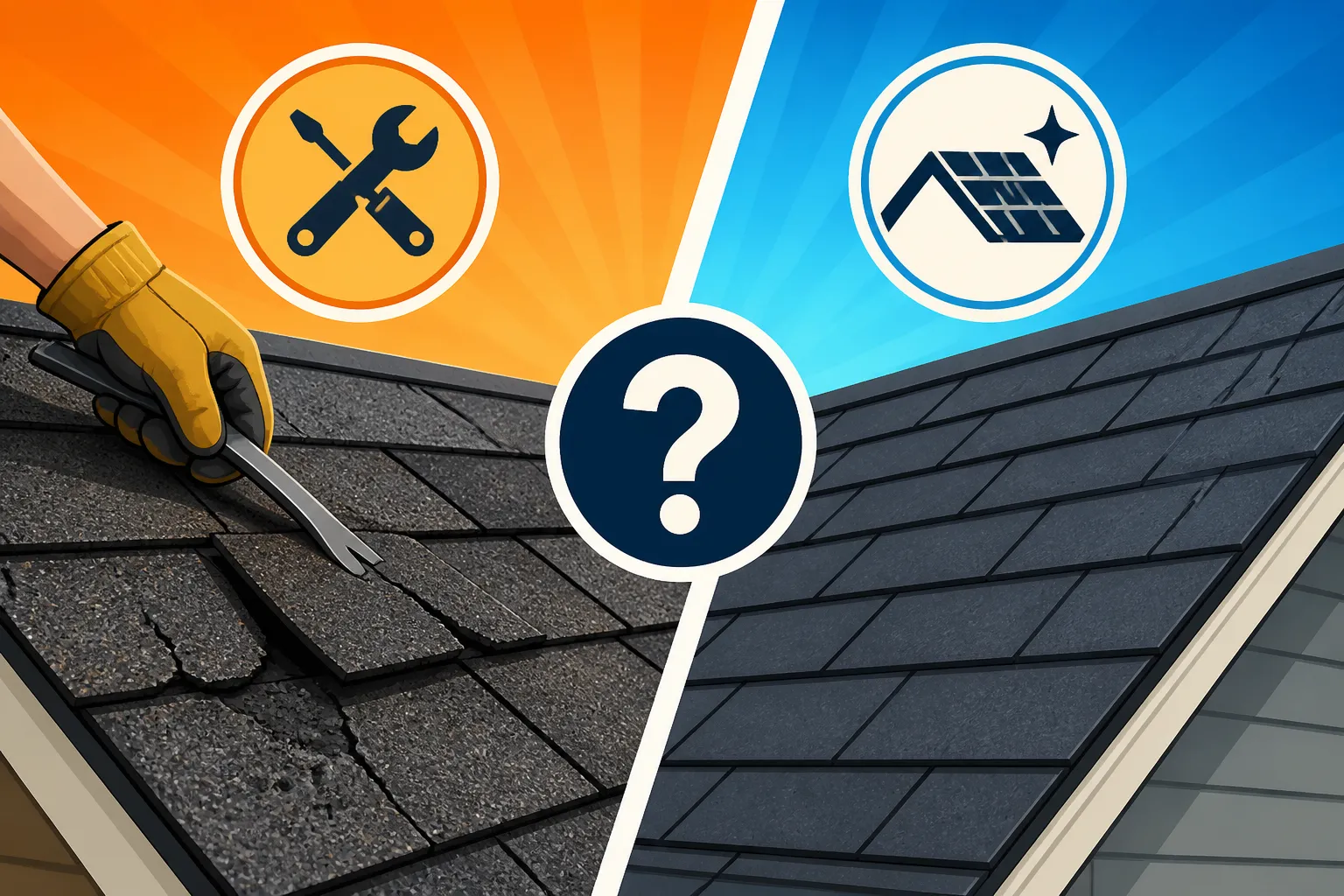
How to Assess Cracked Shingles: Repair or Replace?
This is the million-dollar question, isn't it? Staring up at your roof and trying to decide if you need a quick patch or a major overhaul can feel overwhelming. The truth is, there's no one-size-fits-all answer, but by asking yourself a few key questions, you can start to narrow down the best course of action. It's about evaluating the scope of the problem against the age and overall condition of your roof. For a deeper dive into making this decision, you might find our guide on Roof Repair vs Replacement: How to Decide particularly helpful.
Localized Cracks vs. Widespread Damage
The first and most crucial step in your assessment is to determine the extent of the cracking. Are we talking about a handful of cracked shingles in one isolated area, or are you seeing widespread cracks across multiple slopes of your roof?
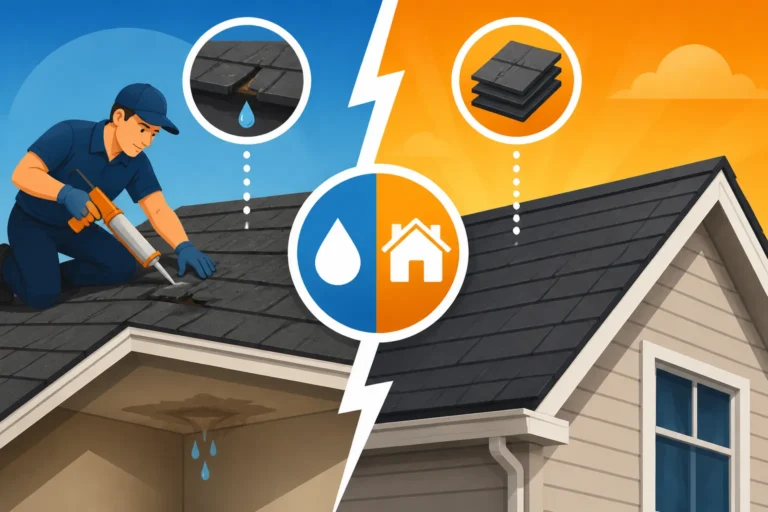
If it's just a few cracked shingles, perhaps due to a branch falling or a localized issue from a specific storm, then a targeted repair is often the most economical and sensible solution. A skilled roofer can carefully remove the damaged shingles and replace them with new ones, often matching the existing color as closely as possible. This approach is similar to patching a small hole in a wall – you address the specific problem without tearing down the entire structure. However, if you're spotting cracks on numerous shingles, especially if they're appearing randomly across the roof, it's a strong indicator that the entire roof system is aging and deteriorating. This signals a systemic problem rather than an isolated incident, pushing the needle more towards replacement.
The Age of Your Roof: A Major Determining Factor
The age of your asphalt shingle roof plays a monumental role in the repair-or-replace decision. Most asphalt shingle roofs are designed to last between 20 to 30 years, though environmental factors and shingle quality can cause that to vary.
If your roof is relatively young – say, 10 years old or less – and you're experiencing cracking, it's definitely unusual. In this scenario, it might point to a manufacturing defect, an installation issue, or perhaps severe storm damage that warrants an insurance claim. A repair would be the logical first step, and you might even have warranty coverage to help with the costs. However, if your roof is nearing or has exceeded its expected lifespan (20+ years), then even localized cracks are a red flag. Repairing a few shingles on an old, brittle roof is often a temporary fix. The existing shingles are already compromised, and new cracks are likely to appear elsewhere soon. In these cases, pouring money into repairs on an aging roof can be a bit like patching a worn-out tire – it's just delaying the inevitable, and sometimes, those temporary fixes end up being a Waste of Money.
Your Budget and Future Plans
Let's be real, a new roof is a significant investment, and not everyone has thousands of dollars readily available. Your current budget will naturally influence your decision. A small repair could cost a few hundred dollars, while a full replacement can easily run into the five figures.
Consider your long-term plans for your home. Are you planning to sell in the next few years? A new roof can significantly boost curb appeal and home value, making it an attractive selling point. Many buyers are wary of homes with aging roofs. If you plan to stay in your home for many more years, investing in a full replacement now could give you peace of mind and better protection for decades to come. If budget is extremely tight and the damage is minimal, a repair might buy you some time to save up for a future replacement. Just remember to factor in the potential for escalating repair costs if the underlying issue is systemic aging. Resources like How to Budget for a New Roof can help you plan financially.
Here’s a quick glance at common scenarios:
| Factor | Assessment | Recommendation |
|---|---|---|
| Damage Extent | Few isolated cracks | Repair: Targeted replacement of damaged shingles. |
| Widespread cracks across multiple slopes | Replace: Indicates systemic aging/failure. | |
| Roof Age | Under 10-15 years old | Repair: Investigate for defects/storm damage. Warranty might apply. |
| 15-20 years old | Evaluate: Repair might extend life, but prepare for future replacement. | |
| Over 20 years old | Replace: Repairs are often temporary and costly in the long run. | |
| Underlying Decking | Intact, no rot or water damage | Repair: Structure is sound. |
| Signs of rot, sagging, water intrusion | Replace: Decking issues require full tear-off to address. | |
| Budget | Limited funds, minimal damage | Repair: Good short-term solution to buy time. |
| Funds available, extensive damage | Replace: Better long-term investment, increases home value. |
The Repair Process for Cracked Shingles
So, you've assessed the situation and decided that a repair is the best route for your cracked shingles. That's great news! Repairing a few cracked shingles is typically a straightforward process for a qualified professional, and it can save you a lot of money compared to a full replacement. However, it's crucial to understand when it's appropriate to consider a DIY approach versus when to absolutely call in the experts.
DIY vs. Professional Repair: Knowing Your Limits
For homeowners who are confident and comfortable working on roofs, very minor and isolated cracked shingle repairs might seem appealing as a DIY project. This usually involves carefully lifting the shingle above, removing the cracked one, scraping away old sealant, applying new roofing cement, and sliding a new shingle into place before re-sealing. You might even find tutorials online for How to Replace a Few Damaged Shingles.
However, I cannot stress this enough: roofing work is inherently dangerous. Falls are common, and working with tools on a sloped surface requires skill and safety precautions. Furthermore, matching shingles, ensuring proper sealing, and avoiding damage to surrounding shingles are tasks best left to those with experience. Even a small mistake can lead to bigger problems, like water infiltration down the line. If you're dealing with anything more than a single, easily accessible crack, or if you're not absolutely confident in your abilities, please, call a professional. They have the right safety gear, the specialized tools, and the expertise to do the job correctly and efficiently. You can use platforms like Modernize to connect with local, vetted roofing professionals who can handle these repairs safely and effectively.
Step-by-Step for Simple Professional Repairs
When you hire a professional roofer for cracked shingle repair, here's a general idea of how they'll approach it:
First, safety is paramount. The roofer will secure ladders and ensure proper footing. They'll then carefully inspect the area around the cracked shingle to ensure no other shingles have been compromised or lifted in the process. This meticulous inspection is critical because a professional will spot issues an untrained eye might miss.
Next, they'll work to "release" the damaged shingle. This often involves gently lifting the shingle above it and carefully prying out the nails holding the cracked shingle in place. Sometimes, the sealant strip of the overlying shingle needs to be softened with a heat gun (applied very carefully!) to allow for easier lifting without causing further damage. Once the cracked shingle is free, it's removed and any debris or old sealant is cleaned from the underlying roof deck. The goal is to create a clean, flat surface for the new shingle.
Finally, a new shingle of the matching color and type is slid into position. The roofer will apply roofing cement or sealant to help secure it and prevent future water intrusion. New roofing nails are then driven in at the correct location and depth, often covered by the overlap of the shingle above to protect them from the elements. The overlying shingle is then pressed down firmly, ensuring its sealant strip reactivates and bonds to the new shingle below, creating a watertight seal. This process sounds simple, but the nuances of getting it right are what make professional repair worth the cost. You can learn more about how professionals approach repairs by looking at guides like How Asphalt Shingles Are Installed: Step by Step.
When Replacement Becomes Necessary
Sometimes, despite our best efforts and wishes, repair just isn't a viable option. It's tough to hear, especially when you're looking at a significant investment, but recognizing when your roof is beyond repair can save you from throwing good money after bad. Ignoring these signs can lead to much larger problems, like extensive water damage to your home's interior, which will be far more costly to fix in the long run.
Clear Signs Your Roof is Beyond Repair
There are several compelling indicators that your cracked shingles are just one symptom of a much larger problem, signaling that a full roof replacement is truly necessary:
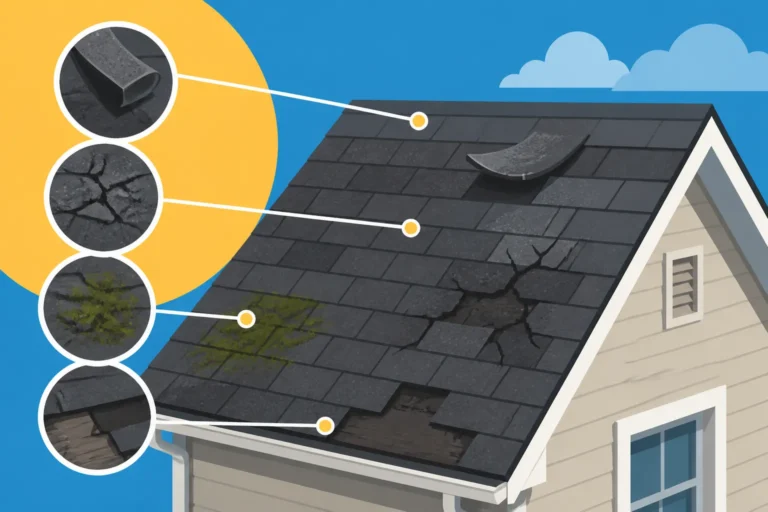
- Widespread Cracking and Granule Loss: If you're seeing cracks not just in one or two spots, but across entire sections or even the whole roof, and especially if accompanied by significant granule loss (where those little grit-like particles are washing into your gutters), it means the shingles' protective layer is gone and their flexibility is severely compromised. These are often signs of an old roof that's simply given up the ghost.
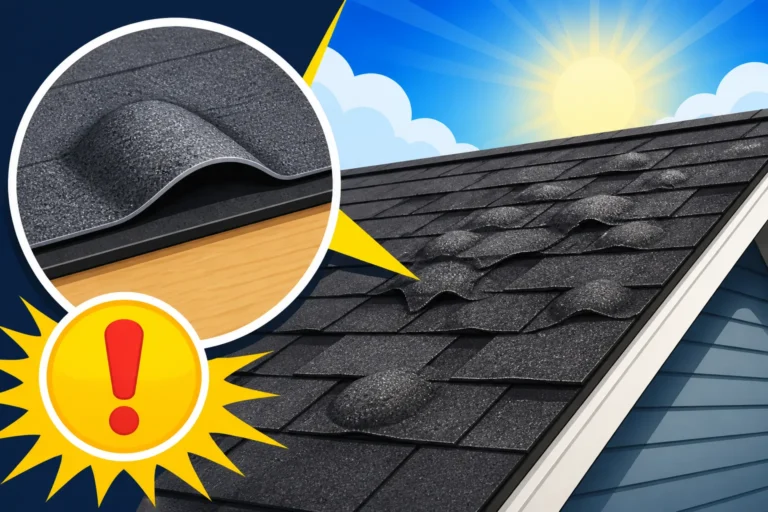
- Curling or Cupping Shingles: Beyond cracking, if your shingles are starting to curl at the edges or cup in the middle, it indicates they've lost their structural integrity and are drying out. This leaves them vulnerable to wind and water, and cracking is often the next step.
- Sagging Roof Decking: This is a major red flag that goes beyond just the shingles. If you notice any sagging or dips in your roofline, it suggests that the underlying roof decking (the wood base) is deteriorating, likely due to prolonged moisture exposure. This problem requires a complete tear-off to address the structural issues underneath.
- Multiple Layers of Shingles: If your current roof was installed over an existing layer of shingles (an "overlay" or "reroof"), and you're now seeing cracking, it’s definitely time for a full replacement. Most building codes only allow for two layers of shingles, and sometimes only one, depending on your local regulations. Adding a third layer is usually not permitted and isn't advisable even if it were. A full tear-off is the only way to properly inspect the roof deck and install a new system from scratch.
- Frequent, Expensive Repairs: Are you constantly patching leaks or replacing shingles? If the repair calls are becoming more frequent and the costs are adding up, it’s a strong sign that piecemeal solutions are no longer effective. At some point, the cumulative cost of repairs will outweigh the investment in a new roof. This is a common indicator that your roof is Nearing End of Life: What to Watch.
The Undeniable Benefits of a Full Roof Replacement
While the cost of a full roof replacement can seem daunting, there are substantial benefits that make it a worthwhile investment when repairs are no longer enough.
Firstly, a new roof provides superior protection for your home. Modern asphalt shingles, especially architectural or designer shingles, are far more durable and wind-resistant than older 3-tab shingles. They are engineered to withstand severe weather, protect against leaks, and offer excellent insulation, which can even improve your home's energy efficiency. This renewed protection gives you invaluable peace of mind, especially during storm season. Knowing you’re protected from water damage and can sleep through a heavy rainstorm without worry is priceless.
Secondly, a new roof significantly enhances your home's curb appeal and market value. The roof is a huge part of your home's exterior aesthetic. A fresh, clean, modern roof can dramatically improve the look of your entire property, making it more attractive to potential buyers if you ever decide to sell. It's an investment that often provides a strong return on investment (ROI). Moreover, a new roof comes with a comprehensive manufacturer warranty, which covers the materials, and often a workmanship warranty from your installer. This dual protection means you're covered for decades, a stark contrast to the uncertainty of an aging roof riddled with ongoing repair needs. When you're considering a new roof, getting multiple estimates and understanding How to Read and Compare Roofing Estimates is key. Using a service like Modernize can help you streamline this process by connecting you with trusted local contractors for comprehensive quotes.
Disclaimer
Please remember that the information provided in this guide is for general informational purposes only and does not constitute professional advice. Always consult with a qualified and licensed roofing contractor for specific assessments, recommendations, and quotes for your home's roofing needs. They can provide an accurate evaluation based on your roof's condition, local building codes, and your specific circumstances.