When a Roof Repair Is a Waste of Money
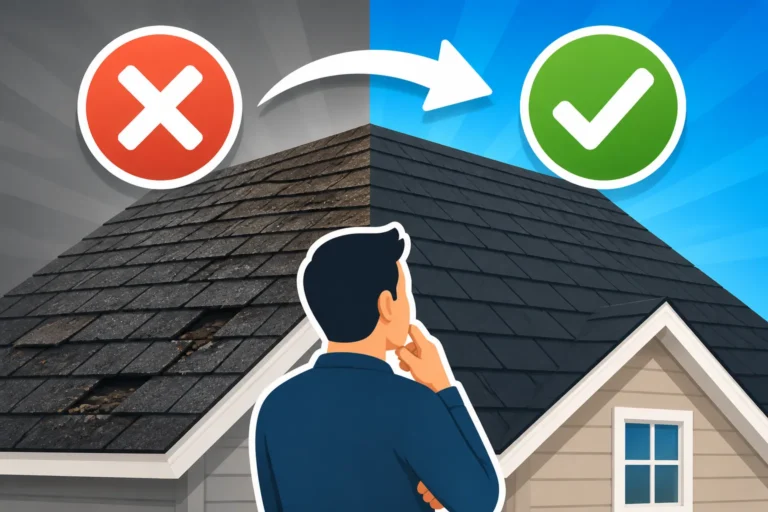
It's a familiar, frustrating feeling for many homeowners: you discover a small roof leak, a few missing shingles, or some unsightly moss, and your first thought is, "Okay, a quick repair will do the trick." You call a roofer, pay for the fix, and breathe a sigh of relief. But then, a few months or a year later, another problem pops up, or worse, the same issue reappears. This cycle of endless repairs can quickly become a significant financial drain, making you wonder if you're just throwing good money after bad. This guide is here to help you navigate that tricky decision, showing you when a roof repair is genuinely a waste of money and when a full replacement is the smarter, more economical choice.
The Underlying Problem: Why Repairs Can Feel Like a Money Pit
It's natural to want to save money, and a repair often seems like the most cost-effective solution for immediate roofing issues. However, what starts as a seemingly small fix can quickly snowball, especially when you're dealing with an aging or compromised roof system. The illusion of saving money with piecemeal repairs can trap homeowners in a cycle of recurring expenses, leading to more frustration and a heavier hit to their wallets in the long run.
When "Patching Up" Just Isn't Enough
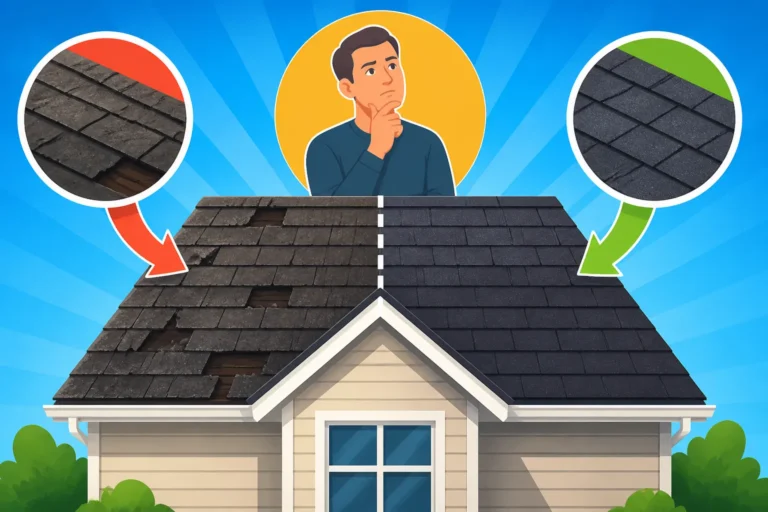
Imagine your roof like an old pair of sneakers. A small tear in the canvas? Easy to patch. But if the sole is worn through, the stitching is unraveling, and the support is gone, continually patching small tears won't bring them back to life. You're just delaying the inevitable need for a new pair. The same principle applies to your roof. A single missing shingle or a localized leak from a recent storm might be a legitimate repair. The problem arises when these "single" issues become a monthly or quarterly occurrence, each one a symptom of a larger, systemic failure.
Perhaps you had a small leak around a skylight last year, then a few months later, wind lifted some shingles on a different slope. Next, you noticed granule loss around the gutters, and now there’s a new drip in the attic. Each repair addresses only a surface symptom, not the underlying cause of your roof's overall deterioration. These isolated fixes can quickly add up, and the constant worry and disruption become a hidden cost in themselves.
The Cumulative Cost of Perpetual Repairs
Homeowners often focus on the immediate cost of a single repair, which might range from a few hundred to a couple of thousand dollars. While this seems much less daunting than a full roof replacement cost, which can easily be tens of thousands, it's crucial to look at the cumulative effect. If you're spending $500 here, $800 there, and another $1,200 annually on various repairs, those numbers start to stack up quickly. Over five years, you might have easily spent $5,000 to $10,000 or more, and you still have an old roof that's just barely holding together.
Consider a hypothetical scenario: a homeowner in Atlanta, Georgia, has a 20-year-old asphalt shingle roof. Over three years, they spend:
- Year 1: $750 for a leak repair near a vent pipe.
- Year 2: $1,200 for missing shingles after a windstorm.
- Year 3: $900 to clean severe moss and address some curling shingles.
That's $2,850 in repairs, and the roof is still 23 years old, with many underlying issues unresolved. A new asphalt roof, depending on size and materials, might cost $10,000 to $20,000 in the same area. If the current repair trend continues, they could easily spend another $3,000-$5,000 in the next few years, pushing their total "repair investment" to a significant percentage of a new roof's cost, without getting any of the benefits of a fresh installation. This long-term perspective is vital when evaluating if patching things up is truly saving you money or just prolonging an inevitable, and potentially more expensive, replacement.
Critical Signs Your Roof is Beyond Economical Repair
Recognizing the key indicators that your roof is nearing the end of its life, or has already passed it, is the first step in avoiding wasteful repairs. These signs aren't just cosmetic; they point to fundamental failures in your roof's ability to protect your home.
Widespread Granule Loss and Brittle Shingles
Those tiny, gritty bits you see accumulating in your gutters or on your driveway aren't just dirt; they're shingle granules, the protective layer on asphalt shingles that shields them from the sun's harsh UV rays. When you notice significant or widespread granule loss, especially if it's accompanied by bald spots on your shingles, it's a huge red flag. This means your shingles are losing their primary defense against accelerated aging. Without these granules, the asphalt base is exposed, leading to rapid deterioration, cracking, and brittleness.
Shingles that feel brittle or easily crack when touched are a clear sign that they've lost their flexibility and are no longer capable of expanding and contracting with temperature changes. They become rigid, making them prone to cracking, especially in colder weather or during strong winds. A roof with widespread granule loss and brittle shingles is essentially an open invitation for leaks and further damage. Repairing individual cracked shingles in such a state is often futile because the surrounding shingles are just as compromised and likely to fail soon after. You'll simply be chasing problems across the roof, one brittle shingle at a time. To learn more about this issue, check out our guide on Granule Loss: Should You Worry.
Significant Water Damage and Structural Compromise
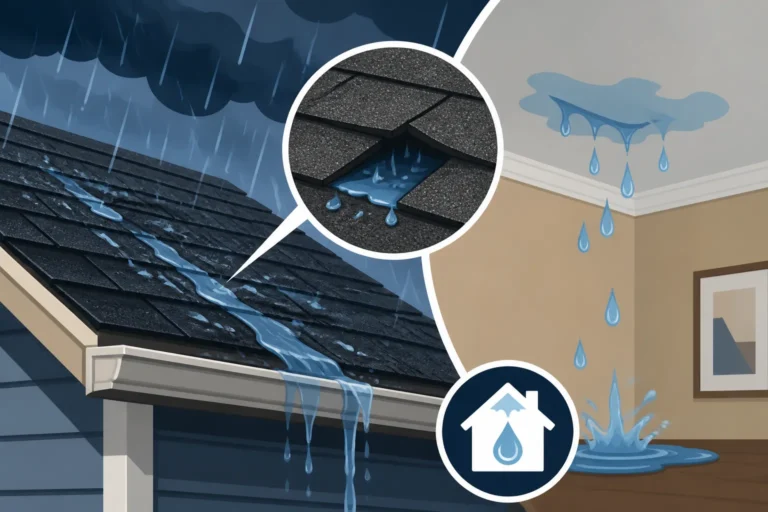
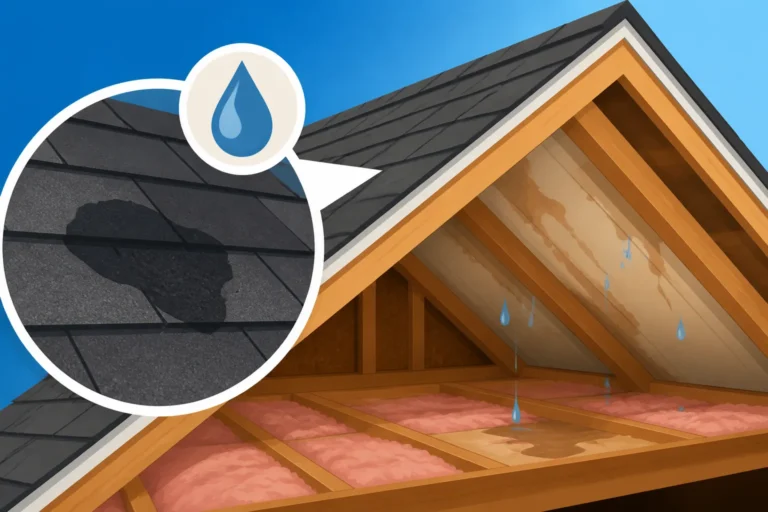
A roof's main job is to keep water out. If you're consistently battling leaks that have led to visible water stains on your ceilings, dampness in your attic, or even sagging roof decking, you're likely beyond the point where simple repairs are effective. Water damage isn't just an unsightly stain; it can lead to much more severe, hidden issues. Rotted wood in your roof decking, rafters, or even the attic trusses can compromise the structural integrity of your entire roof system. This isn't something a patch or a few new shingles can fix.
Think about it: if the foundation beneath your shingles—the roof decking—is soft, spongy, or showing signs of mold growth due to prolonged moisture exposure, even the best new shingles won't perform correctly or last their expected lifespan. They'll be installed on a faulty base. Furthermore, persistent moisture encourages the growth of mold and mildew, which can spread into your attic and home, posing health risks. At this stage, you're not just repairing a roof; you're often looking at extensive structural repairs that necessitate a full tear-off and replacement of the roof system to properly address the underlying damage. Identifying and understanding the implications of issues like Signs Your Roof Decking Is Rotted is crucial for making the right decision.
Advanced Age and Material Breakdown
Every asphalt shingle roof has a lifespan. While some premium architectural shingles can last 30 years or more, most standard asphalt shingles have an expected life of 20 to 25 years. Once your roof approaches or exceeds this age range, even if it "looks okay" from the ground, the materials themselves are likely breaking down. The sealants lose their efficacy, the fiberglass mat begins to deteriorate, and the shingles lose their ability to shed water and resist wind.
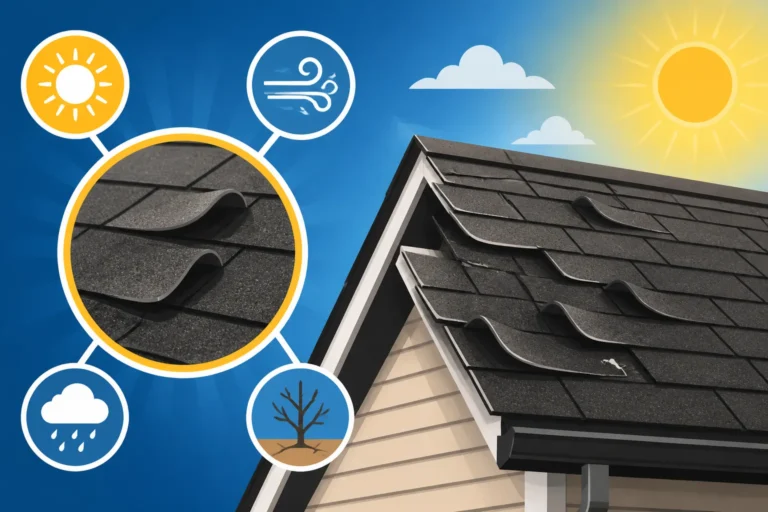
You might see widespread curling, cupping, or buckling of shingles across the entire roof surface, not just in isolated spots. These aren't just cosmetic issues; they indicate that the shingles are no longer lying flat and creating a proper waterproof barrier. Attempting to repair individual curling shingles is often impractical and ineffective when the problem is systemic due to age. A roofer might be able to re-seal a few lifted tabs, but if the entire roof is suffering from age-related fatigue, these temporary fixes are akin to putting a band-aid on a much larger, internal injury. When a roof reaches its advanced age, it becomes increasingly difficult to source matching shingles for repairs, and new shingles often won't adhere properly to old, degraded surfaces. A new installation is the only way to ensure reliable, long-term protection. Understanding How Long Does an Asphalt Roof Last can help homeowners proactively plan for replacement.
When Hail or Wind Damage is Too Extensive for Repair
Dealing with storm damage can be particularly stressful. It often feels sudden and unexpected, leaving homeowners scrambling for solutions. While minor damage might be repairable, severe, widespread damage from hail or high winds often pushes a roof past the point of economical repair.
Assessing Severe Storm Damage
After a significant storm, particularly one involving hail or strong winds, it's critical to have a professional assessment of your roof. Hail damage isn't always immediately obvious to the untrained eye; it can manifest as small, dark, circular "bruises" on shingles where granules have been dislodged, or as cracks and tears that weaken the shingle's integrity. If hail damage is scattered across multiple slopes and affects a large percentage of your shingles, repairing individual areas becomes impractical. You might fix one section, only to find another area compromised that wasn't initially apparent, leading to ongoing issues and insurance claims.
Similarly, severe wind damage isn't just about a few missing shingles. High winds can lift and loosen shingles, break their sealant bonds, and even cause creasing or tearing that compromises their water shedding abilities. If large sections of your roof have sustained this kind of damage, or if the wind has significantly compromised the integrity of the shingle's fastening, a spot repair is often a temporary solution. The surrounding, seemingly undamaged shingles may also be weakened, creating a domino effect where more issues appear over time. An experienced roofer will assess the total percentage of damage and recommend repair versus replacement based on industry standards and local building codes. You can learn more about how to spot these issues in our guide on Signs of Roof Hail Damage or Signs of Roof Wind Damage.
Insurance Perspective on Totaled Roofs
One of the strongest indicators that a repair isn't worth it comes from your insurance company. When storm damage is extensive, an insurance adjuster will often deem the roof a "total loss" rather than approving a repair. This typically happens when the cost of repairing the damaged sections, and reasonably expecting the repair to last and match the existing roof, approaches or exceeds a certain percentage of the cost to replace the entire roof. This threshold varies by insurance company and policy, but it's often around 75% of the replacement cost.
If your insurance company determines your roof is totaled, it usually means they'll pay out the Actual Cash Value (ACV) or Replacement Cost Value (RCV) of a new roof (minus your deductible), depending on your policy. In these scenarios, fighting for a repair isn't usually in your best interest. A full replacement will provide you with a brand new, fully warranted roof that is installed to current building codes, offering far superior protection and peace of mind compared to a patched-up old roof. It's often the most financially sound decision when the insurer takes this stance. Understanding When Insurance Will Total Your Roof can help you navigate this process.
The Impact of Multiple Layers and Improper Installations
Sometimes, the reason repairs aren't effective isn't just about the age or storm damage of the top layer of shingles, but rather issues hiding beneath the surface, or problems stemming from how the roof was initially installed. These hidden factors can make any repair effort feel like a band-aid on a gaping wound.
Overlays Hiding Deeper Problems
A common practice to save money on roof replacement historically was to install new shingles directly over existing ones, known as an "overlay" or "reroof." While some local codes still allow for one overlay, most professionals recommend a full tear-off. The reason is simple: an overlay often hides deeper problems that can't be addressed with a simple repair. If you have an existing layered roof, and you're experiencing issues, any repair to the top layer isn't getting to the root of potential problems beneath.
When new shingles are installed over old ones, you're adding significant weight to your roof structure, which isn't always designed to bear that load. More importantly, you're unable to inspect the roof decking for rot, water damage, or mold. You could be sealing in moisture, or building new shingles on an uneven, compromised surface. Imagine trying to repair a leak when you can't even see if the wood beneath is sound. When problems arise on an overlaid roof, the solution usually requires stripping all layers down to the decking to properly assess and repair the base, effectively negating any prior "savings" from the overlay. For more on this, consider reading about the Cost to Roof Over Existing Shingles.
Unaddressed Installation Errors
The quality of your roof installation is paramount to its longevity. Even the highest-grade shingles won't perform as expected if they're installed incorrectly. If your roof has persistent issues—like chronic leaks, shingles lifting prematurely, or poor ventilation—that seem to defy simple repairs, it could be a sign of fundamental installation errors from the original job.
Common installation mistakes include improper nailing patterns, insufficient underlayment, improperly installed flashing around chimneys and vents, or inadequate attic ventilation. For instance, if flashing around a chimney was never installed correctly, you'll have a recurring leak that no amount of shingle repair will fix. If the roof was installed without proper ventilation, heat and moisture can build up in the attic, causing shingles to prematurely age, curl, and blister from the underside. Continuously repairing the symptoms (curling shingles, minor leaks) without addressing the root cause (poor ventilation, faulty flashing) is a classic example of wasted money. In such cases, a complete tear-off and re-installation, ensuring all components of the roofing system are correctly placed according to manufacturer specifications and building codes, is the only way to truly solve the problem. If you suspect your roof suffers from these issues, our article on Signs of a Bad Roofing Job offers valuable insights.
Calculating the True Cost: Repair vs. Replacement
Deciding whether to repair or replace often comes down to dollars and cents, but it's not always as straightforward as comparing a single repair quote to a full replacement quote. You need to consider the long-term financial implications and the intangible benefits.
The "Tipping Point" for Cost-Effectiveness
There's a critical "tipping point" where the cumulative cost of ongoing repairs approaches, or even exceeds, the cost of a new roof. This is the moment when continuing to patch things up truly becomes a waste of money. While every roof and situation is unique, a good rule of thumb is that if the cost of repairs over a few years begins to reach 25-30% of what a new roof would cost, it's time to seriously consider replacement.
Let's look at a hypothetical example for a homeowner in Phoenix, Arizona, with a 22-year-old asphalt shingle roof on a 1,800 sq ft home.
| Item | Year 1 Cost | Year 2 Cost | Year 3 Cost | Cumulative Cost | Notes |
|---|---|---|---|---|---|
| Repair Scenario | |||||
| Minor leak fix (vent flashing) | $450 | – | – | $450 | Basic repair, temporary solution. |
| Missing shingles (wind) | – | $800 | – | $1,250 | Localized damage, often followed by more. |
| Granule loss spot treatment | – | – | $600 | $1,850 | Cosmetic, does little for aging shingles. |
| Extensive valley leak | – | – | $1,500 | $3,350 | Requires more invasive work, revealing underlying deterioration. |
| Total Repair Cost over 3 years | $450 | $800 | $2,100 | $3,350 | And the roof is now 25 years old. Future repairs are inevitable. |
| New Roof Replacement | $15,000 | $15,000 | Estimated cost for a full tear-off and new architectural shingle roof. This would come with a 25-50 year warranty, eliminating worry for decades. |
In this scenario, after three years, the homeowner has spent over 20% of a new roof's cost on repairs, and their roof is no younger or more reliable. Had they invested in a replacement upfront, they would have a worry-free roof with a long warranty, rather than an ongoing headache. Many homeowners find it helpful to use platforms like Modernize to get multiple, competitive quotes for a full roof replacement. This helps them understand the true cost of a new roof and make a more informed decision when comparing it to continuous repairs. Taking the time to properly How to Budget for a New Roof can make this comparison much clearer.
Beyond Dollars and Cents: Peace of Mind and Home Value
While the financial aspect is crucial, there are significant non-monetary benefits to a new roof that often make the replacement the better choice. Think about the peace of mind that comes with knowing your home is protected by a brand new, warranted roofing system. No more worrying every time a storm rolls through, no more climbing into the attic with a flashlight looking for new leaks, and no more budgeting for unpredictable repair bills. This reduction in stress and anxiety is invaluable.
Furthermore, a new roof significantly enhances your home's curb appeal and can boost its resale value. It's one of the highest ROI home improvement projects, with homeowners often recouping a large percentage of the cost when they sell. A new roof also provides better energy efficiency, as modern roofing systems with proper ventilation and reflective shingles can help regulate attic temperatures, potentially lowering your heating and cooling bills. When you sell your home, a new roof is a major selling point, providing prospective buyers with confidence and eliminating a major negotiation point. Conversely, an old, patched-up roof can be a significant deterrent, often leading to lower offers or demands for credits for future replacement. The long-term gain in home value and peace of mind far outweighs the perceived short-term savings of continuous repairs. For a deeper dive into this, explore our article on Roof Replacement and Home Value.
Next Steps When Replacement is the Clear Winner
Once you've determined that continually repairing your old asphalt roof is no longer economical, the next logical step is to plan for a full replacement. This process can seem daunting, but with the right approach and a clear understanding of what to expect, it can be a smooth transition to a worry-free roof.
Finding the Right Professional for a Full Replacement
Choosing the right roofing contractor is perhaps the most critical step in a successful roof replacement. You're not just hiring someone to nail down shingles; you're entrusting them with the protection and integrity of your entire home. It's essential to vet potential contractors thoroughly. Look for companies that are licensed and insured (general liability and workers' compensation are non-negotiable), have a strong track record of positive reviews, and can provide references. Ask about their experience with asphalt roofing systems, their manufacturer certifications (such as GAF Master Elite or Owens Corning Platinum Preferred), and how they handle project management and communication.
Don't settle for the first quote you receive. Obtain at least three detailed estimates from different reputable roofers. Compare not just the price, but also the scope of work, the materials proposed (shingle type, underlayment, flashing, ventilation), and the warranties offered. Platforms like Modernize can be incredibly useful for connecting with pre-vetted local roofing professionals, making the process of getting competitive quotes much simpler and less time-consuming. Remember, the cheapest bid isn't always the best value; quality workmanship and materials are an investment in your home's future. For more comprehensive guidance, our article on How to Choose a Roofing Contractor is an excellent resource.
Understanding Warranties and Long-Term Protection
One of the most significant advantages of a new roof replacement over endless repairs is the comprehensive warranty coverage you receive. A full roof replacement typically comes with two types of warranties: a manufacturer's warranty on the materials and a contractor's warranty on the workmanship.
Manufacturer warranties, like those from GAF, Owens Corning, or CertainTeed, cover defects in the shingles and other roofing components. Depending on the product and the contractor's certification level, these can range from limited lifetime warranties on the shingles themselves to enhanced "system" warranties that cover the entire roofing system (shingles, underlayment, flashing, etc.) for a specified period, often 25-50 years, and sometimes even cover the cost of labor to replace defective materials. Contractor workmanship warranties, on the other hand, cover any issues arising from the installation itself, such as leaks due to improper nailing or flashing. These typically last for several years, from 2 to 10 years, sometimes longer with certified contractors. When you're constantly repairing an old roof, you generally receive no new warranty coverage, leaving you exposed to future costs. With a new roof, you gain significant protection and peace of mind for decades to come. Understanding the differences between these protections is crucial; our guide on Roofing Warranty: Workmanship vs Manufacturer provides a detailed explanation.
Disclaimer
This article is intended for informational purposes only and does not constitute professional advice. Always consult with a qualified and licensed roofing contractor for specific assessments and recommendations regarding your roof.