How to Extend the Life of an Asphalt Roof
It's a frustrating thought, isn't it? That major expense of a full roof replacement looming over your head. You probably just want to squeeze every last bit of life out of your current asphalt roof, especially with today's fluctuating material and labor costs. Well, you're in the right place! This comprehensive guide will walk you through actionable strategies and insightful tips to help you maximize your asphalt roof's lifespan, protecting your home and your wallet for years to come.
Understanding Your Asphalt Roof's Lifespan
Before we dive into extending your roof's life, it's really helpful to understand what impacts it in the first place. You might hear general numbers tossed around, like "20-30 years for asphalt shingles," but the reality is, that's just an average. Your roof's actual longevity is a nuanced dance between various factors, some within your control, and some, unfortunately, completely out of it.
Factors Influencing Roof Durability
Think of your roof as a complex system, not just a pile of shingles. Every component, from the decking beneath to the caps on your ridge, plays a role in its overall resilience. The climate where you live is a huge determinant; a roof in sunny, dry Arizona faces different challenges than one in snowy, humid Michigan. Extreme temperature fluctuations, intense UV exposure, heavy rainfall, hail, and high winds all take their toll over time. For instance, homes in hail-prone states often benefit from specific types of shingles designed to withstand such impacts.
Beyond Mother Nature, the quality of materials used in your roof system matters immensely. Not all asphalt shingles are created equal; architectural shingles, for example, tend to last longer and offer better wind resistance than traditional 3-tab shingles due to their multi-layered construction. Furthermore, the expertise of the crew that installed your roof initially is paramount. A roof installed incorrectly, even with the best materials, is destined for premature failure. Proper nailing patterns, correct flashing installation, and adequate underlayment are non-negotiable for a durable roof.
Common Culprits of Early Roof Failure
It’s disheartening to see a roof fail well before its expected lifespan, but there are usually clear reasons why this happens. One of the biggest culprits, and often overlooked, is poor attic ventilation. Without proper airflow, your attic can become an oven in the summer, literally baking the shingles from the underside and accelerating granule loss and cracking. In winter, inadequate ventilation leads to moisture buildup, which can cause mold, rot, and even ice dams, forcing moisture under your shingles. Understanding how roof ventilation works is key to preventing these issues.
Another significant factor leading to early roof failure is shoddy installation. This isn't just about crooked shingles; it's about critical details like insufficient or improperly placed nails, poorly sealed flashing around chimneys and vents, or an incorrect starter course. These seemingly minor errors can lead to widespread issues down the line, from leaks to shingles blowing off in moderate winds. It's why choosing an experienced and reputable roofing contractor is so important. Finally, deferred maintenance often turns small, manageable problems into large, expensive ones. Ignoring a few loose shingles or a patch of moss can lead to structural damage and leaks that could have easily been prevented.
Proactive Maintenance: The Cornerstone of Longevity
When it comes to extending the life of your asphalt roof, think proactive, not reactive. Waiting until you see a leak inside your living room means the damage has already been done, and often, it's far more extensive and costly than an earlier intervention would have been. Regular, simple maintenance steps can save you a world of trouble and expense.
Regular Inspections: What to Look For
The best defense is a good offense, and that starts with regular roof inspections. You don't need to climb up there yourself every month – a pair of binoculars from the ground can reveal a lot, and a professional inspection every 1-3 years is highly recommended. What exactly should you be scrutinizing?
First, look for granule loss. Those tiny, sand-like particles on your shingles protect the asphalt layer from UV rays. If you see them accumulating in your gutters or forming noticeable bald spots on the shingles, it’s a sign of wear. While some granule loss is normal as a roof ages, excessive loss can indicate your roof is losing its protective barrier. Next, check for curling or cracking shingles. Curling shingles, especially at the edges or in the middle, often signal aging or extreme heat damage. Cracked shingles are an open invitation for water to penetrate, so these need attention immediately.
Don't forget to scan for missing shingles, which are obvious breaches in your roof's defense against the elements. Pay close attention to flashing around chimneys, skylights, and vent pipes. This metal or rubber sealing prevents water intrusion at critical junctures. If the flashing is bent, corroded, or pulling away, it needs repair. Lastly, keep an eye out for moss, algae, or lichen growth. While not always immediately damaging, these organisms can trap moisture and accelerate shingle deterioration over time. If you’re wondering when to start planning replacement, understanding these signs is crucial.
Keeping Your Gutters Clear
It might sound simple, but clean gutters are incredibly vital for your roof's health. When gutters get clogged with leaves, twigs, and other debris, rainwater has nowhere to go. Instead of flowing safely away from your home, it backs up, overflows, and often sits on your roof edges or runs down your fascia boards. This constant exposure to standing water can lead to several serious issues.
For starters, prolonged water exposure on your roof edge can cause the bottom course of shingles to rot or lift, compromising the entire system. More critically, backed-up water can seep under your shingles and eventually into your fascia and soffit, leading to wood rot. This kind of damage isn't just unsightly; it can weaken the structural integrity of your eaves and create entry points for pests. In colder climates, clogged gutters can contribute to destructive ice dam formation. When melting snow hits a frozen, clogged gutter, it re-freezes, creating a barrier that forces water under your shingles. This can lead to significant interior water damage, easily preventable by regularly cleaning your gutters. It’s a small chore that yields big protection for your roof and home.
Addressing Key Vulnerabilities and Repairs
No roof is impervious to wear and tear. Over its lifespan, your asphalt roof will inevitably face some challenges. Knowing how to identify and address these common vulnerabilities quickly and effectively can make a significant difference in its overall longevity. Ignoring small issues almost always leads to bigger, more expensive problems down the line.
Managing Moss, Algae, and Lichen Growth
That green or black streaking on your roof might seem harmless, but it's more than just an aesthetic issue. Moss, algae (often appearing as black streaks), and lichen are living organisms that thrive in damp, shaded conditions. Moss, in particular, can be quite damaging because it acts like a sponge, retaining moisture against your shingles. This constant dampness can accelerate the deterioration of the shingle granules and even lift the shingle edges, making them vulnerable to wind and water.
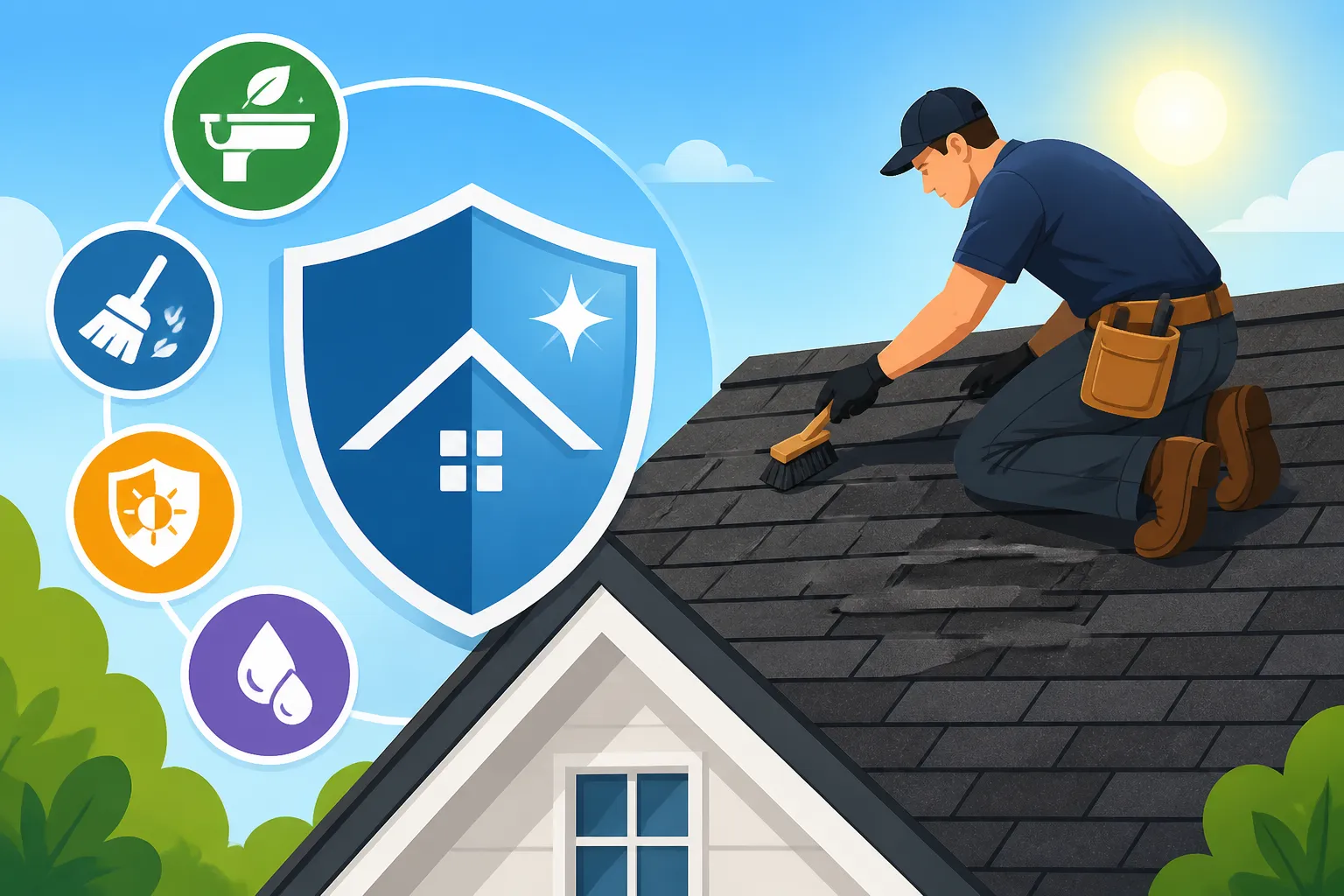
While severe growth might warrant professional cleaning, you can often manage it yourself. For algae, a gentle solution of equal parts household bleach and water applied with a soft brush (or even a low-pressure garden sprayer, never a high-pressure washer!) can often do the trick. For moss, gently remove larger clumps by hand or with a soft-bristled brush, then apply a zinc or copper sulfate solution to kill the remaining spores. You can even install zinc or copper strips along your ridge, as rain washes metallic ions down the roof, inhibiting future growth. If you’re replacing your roof, consider algae-resistant shingles, which often contain copper granules to prevent these unsightly and damaging growths.
Repairing Minor Damage Promptly
One of the most impactful ways to extend your roof's life is to tackle minor damage immediately. A single missing shingle might seem like a small thing, but it's an exposed vulnerability, a direct pathway for water to reach your roof decking. Replacing a few damaged shingles is a relatively inexpensive fix compared to repairing extensive water damage in your attic and ceiling.
Missing shingles: These are often a result of strong winds. If you have spare shingles, a knowledgeable homeowner can often replace one or two carefully. Otherwise, call a professional.
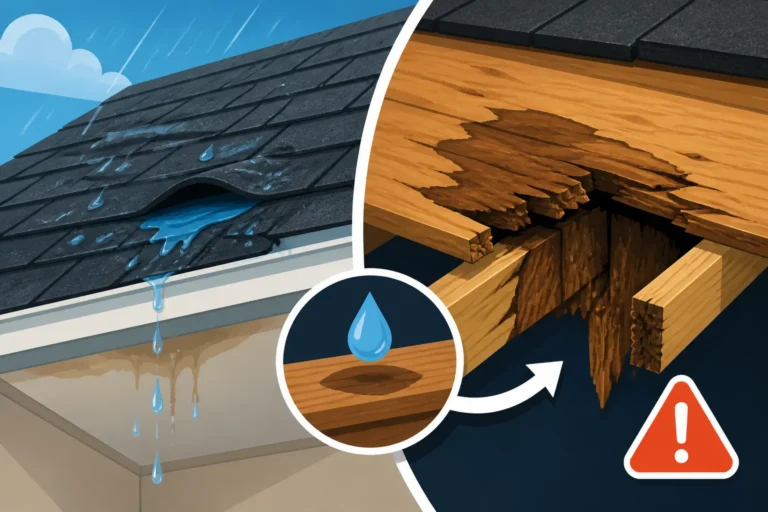
Small leaks: If you notice a drip in your attic or a water stain on your ceiling, don't delay. The source might be a small crack in a shingle, a loose nail pop, or compromised flashing. Locating the source of a roof leak can be tricky, but addressing it quickly prevents further damage.
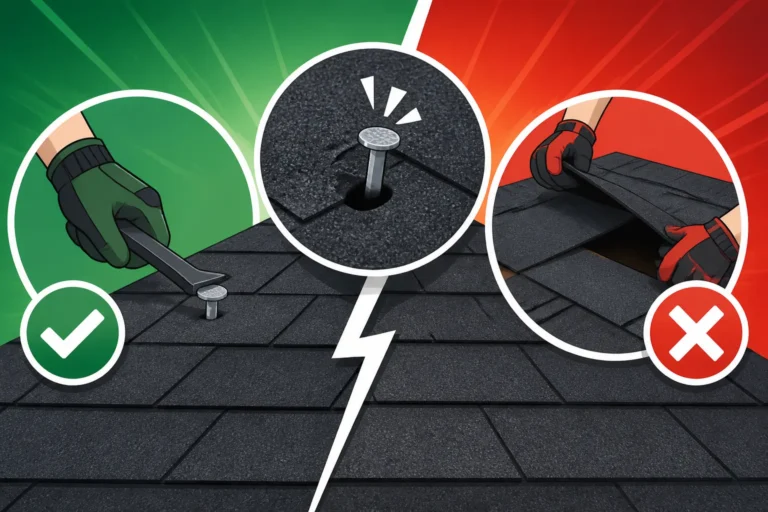
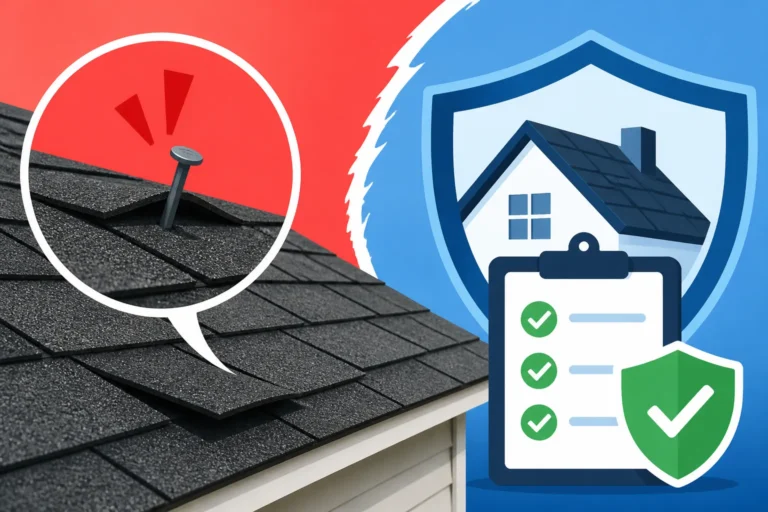
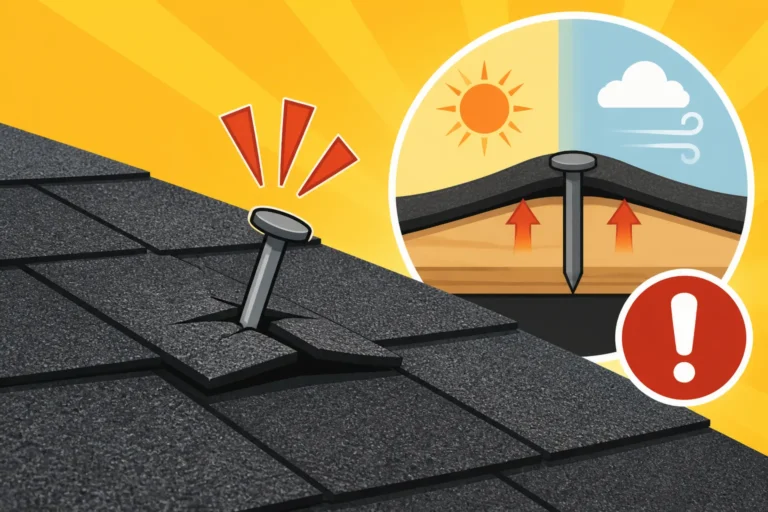
Nail pops: These occur when nails push up through the shingles, creating a small, raised bump. They can break the shingle's seal and allow water in. A roofer can usually reseal or replace the nail safely.
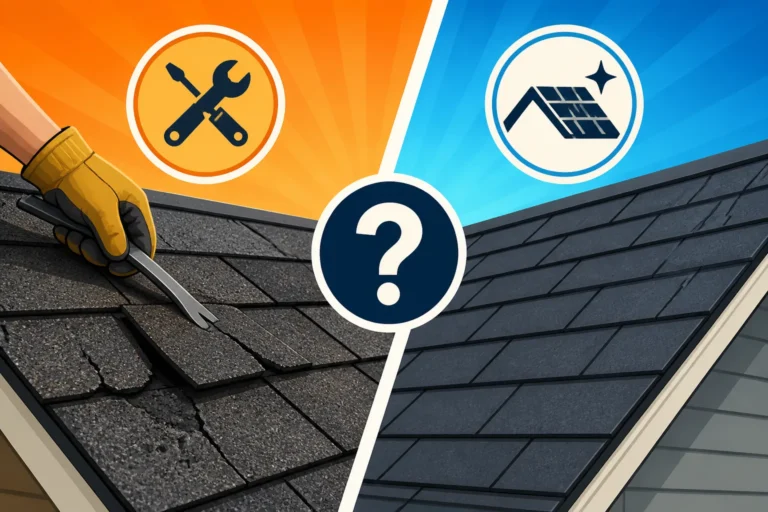
For minor repairs, it might be tempting to DIY. However, even seemingly simple tasks can be dangerous on a roof, and improper repairs can void warranties. When in doubt, call a professional. Many roofing companies offer repair services that are much less costly than a full replacement.
Optimizing Your Roof's Environment
Your roof doesn't exist in isolation; it's part of your home's larger ecosystem. Optimizing the environment around and directly beneath your roof plays a crucial role in how long it will last. Overlooking these aspects can lead to accelerated deterioration, no matter how good your shingles are.
The Critical Role of Proper Ventilation
We've touched on this before, but it bears repeating: proper attic ventilation is absolutely non-negotiable for a healthy, long-lasting asphalt roof. Many homeowners underestimate its importance, often focusing only on the shingles themselves. But if your attic isn't breathing correctly, you're essentially setting your roof up for failure from the inside out.
In the summer, a poorly ventilated attic can reach scorching temperatures, sometimes 150 degrees Fahrenheit or more. This extreme heat radiates down onto the top layer of your ceilings and up into the underside of your roof deck and shingles. This "baking" effect accelerates the aging process of the shingles, causing them to become brittle, crack, and lose their protective granules prematurely. It’s like putting your roof in a slow cooker! In the winter, the problem shifts to moisture. Warm, moist air from your living space rises into the attic. Without proper ventilation, this moisture condenses on the cold surfaces of your roof deck, leading to mold growth, rot, and saturation of insulation, which reduces its effectiveness. This also contributes to ice dam formation.
A balanced ventilation system includes both intake vents (typically soffit vents under the eaves) and exhaust vents (like ridge vents, box vents, or turbine vents at the peak of the roof). This creates a continuous airflow that draws in cool, fresh air and expels hot, moist air. A well-ventilated attic helps regulate temperatures, prevents moisture buildup, and significantly extends the life of your shingles and the underlying roof structure. If you're concerned about your ventilation, consider having a professional assess it – it's an investment that pays dividends in roof longevity and energy efficiency.
Trimming Overhanging Branches
This might seem like a small detail, but the trees around your home can be both a blessing and a curse for your roof. While they provide shade and curb appeal, overhanging branches pose several threats that can shorten your roof's life.
First, physical damage: Branches rubbing against your shingles, especially in windy conditions, can abrade the granular surface, leading to premature granule loss. Over time, this constant friction can even wear through the shingle itself, creating a weak spot prone to leaks. Falling branches, even small ones, can dislodge shingles or cause impact damage. Second, debris buildup: Leaves, pine needles, and twigs accumulate on your roof, especially in valleys and behind chimneys. This organic material traps moisture, creating prime conditions for moss, algae, and lichen growth, as discussed earlier. It also prevents your roof from drying out properly, which accelerates deterioration.
Third, pest access: Branches that touch your roof or are close to it can act as a bridge for squirrels, raccoons, and other critters to access your roof and, eventually, your attic. Once inside, they can chew through wiring, insulation, and even roof decking, creating costly damage. Regularly trimming branches so they are at least 5-6 feet away from your roof is a simple yet effective preventative measure. This allows for better sun exposure to dry the roof and minimizes direct physical contact and debris accumulation.
Investing in Upgrades for Extended Life
Sometimes, extending your roof's life isn't just about maintenance; it's about making smart choices and investing in better components, especially if you're undertaking a significant repair or a partial replacement. These upgrades might add a bit to your initial costs, but they can offer superior protection and significantly push back the date of a full roof overhaul.
Enhancing with Quality Underlayment and Flashing
When you think of a roof, you probably picture the shingles. But beneath those shingles lies a crucial layer of protection: the underlayment. This material acts as a secondary barrier against water, safeguarding your roof deck even if water penetrates the shingles. Traditional felt paper has been used for decades, but modern synthetic underlayments offer superior performance. They are tear-resistant, repel water more effectively, and are often easier to install. Investing in a high-quality synthetic underlayment provides an extra layer of defense that can truly extend the life of your entire roof system, especially if some shingles are damaged or blown off.
Equally important is the flashing. Flashing consists of thin pieces of metal (or sometimes plastic) installed at critical junctures of your roof, such as around chimneys, skylights, vent pipes, and in valleys. These areas are highly susceptible to leaks because they interrupt the continuous flow of shingles. Poorly installed or corroded flashing is one of the most common causes of roof leaks. Upgrading to durable, corrosion-resistant flashing materials like copper or pre-painted galvanized steel, and ensuring it's expertly installed, dramatically enhances your roof's resistance to water intrusion. For areas prone to heavy snow and ice, installing an ice and water shield membrane in addition to regular underlayment in vulnerable spots (like eaves, valleys, and around penetrations) provides unparalleled protection against ice dams and wind-driven rain. Understanding what is underlayment and why it matters, as well as what is flashing and why it matters, empowers you to make informed decisions.
Considering Impact-Resistant Shingles
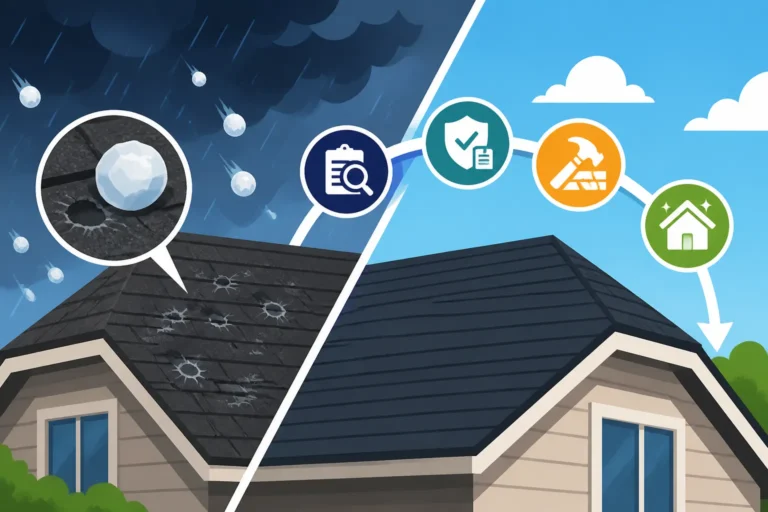
If you live in an area prone to severe weather, particularly hail, investing in impact-resistant shingles can be a game-changer for your roof's longevity and your peace of mind. These aren't your average shingles; they are specifically engineered to withstand impacts that would typically crack or damage standard asphalt shingles.
Impact-resistant shingles, often referred to as Class 4 shingles (the highest impact resistance rating under UL 2218 testing), are made with a modified asphalt formula or have a reinforced mat. This makes them much more flexible and durable when struck by hail or flying debris. While they come with a higher upfront cost, the benefits can be substantial. For one, they drastically reduce the likelihood of needing a full roof replacement after a hailstorm. Many insurance companies recognize the superior protection offered by Class 4 shingles and may provide significant discounts on homeowners insurance premiums, especially in hail-prone states like Colorado, Texas, or Oklahoma. Over the life of the roof, these savings can offset a good portion of the initial investment. In areas where hail is a frequent concern, these shingles don't just extend your roof's life; they safeguard your home against costly and disruptive storm damage.
When to Call the Professionals
While proactive maintenance and smart upgrades can certainly help, there comes a time when a professional eye and expert hand are absolutely necessary. Knowing when to step back and bring in the cavalry can save you from costly mistakes or even dangerous situations.
Recognizing Signs Beyond DIY Fixes
It's admirable to want to handle small home repairs yourself, but your roof is not the place for guesswork, especially if you're not experienced or comfortable working at heights. There are definite signs that indicate a problem is far beyond a simple DIY patch. If you see widespread issues across your roof, such as a significant portion of shingles curling or cracking, rather than just a few isolated spots, it often points to a systemic problem or the roof nearing the end of its life.
Similarly, any indication of structural issues is an immediate call-the-pros situation. A sagging roof, for instance, can mean compromised rafters or decking, which is a serious safety concern and requires structural assessment, not just a shingle repair. Major leaks, especially those that appear suddenly or cover a large area, suggest a significant breach that needs immediate professional attention. Attempting to fix these complex issues yourself could inadvertently worsen the problem, create further water damage, or even void your roof's warranty. For intricate components like roof flashing, proper installation requires specialized knowledge to ensure a watertight seal; a DIY attempt could easily lead to future leaks.
The Value of Professional Roof Assessments
You might think professional assessments are only for when you suspect a problem, but consistent evaluations are a powerful tool for extending your roof's life. A qualified roofing contractor brings a trained eye and specialized tools that most homeowners simply don't have. They can spot subtle signs of wear and potential problems that are invisible from the ground or to an untrained eye.
Think about it: a professional can safely get onto your roof, inspect the entire surface, examine the flashing up close, check the condition of your attic ventilation, and assess the integrity of your gutters and drip edge. They can identify minor issues like loose nails, small cracks, or beginning stages of rot before they escalate into major leaks and structural damage. Many reputable companies offer annual or biennial inspection services, which can be invaluable. They can give you an honest assessment of your roof's remaining lifespan, recommend targeted repairs, and help you understand the true cost to replace a roof by house size if a replacement is inevitable. Furthermore, many manufacturer warranties require periodic inspections by certified contractors to remain valid. A certified professional can also guide you through the process of how to get roofing quotes and compare them if you do need work done. Using a service like Modernize can help you connect with vetted local professionals who can provide these essential assessments.
Here's a quick look at common roof issues and how you can address them to extend your roof's life:
| Issue | Signs to Look For | Impact on Roof Life | Prevention/Action | When to Call a Pro |
|---|---|---|---|---|
| Granule Loss | Sand-like particles in gutters, bald spots | Reduces UV protection, accelerates aging | Regular cleaning of gutters, professional inspection | If widespread or very heavy |
| Curling/Cracking Shingles | Edges or middle of shingles turning up/breaking | Allows water intrusion, prone to blow-off | Prompt repair of individual shingles, proper ventilation | If widespread, indicates end of life or major issue |
| Missing Shingles | Exposed underlayment or decking | Direct entry point for water | Prompt replacement of shingles | Always, unless you are highly experienced and have spare shingles |
| Moss/Algae Growth | Green fuzz or black streaks | Traps moisture, degrades granules, lifts shingles | Gentle cleaning, zinc/copper strips, proper drainage | If extensive, or if cleaning doesn't help/comes back quickly |
| Clogged Gutters | Overflowing water, debris buildup | Water backup, fascia/soffit rot, ice dams | Regular cleaning (2-4 times a year) | If gutters are damaged or difficult to reach |
| Damaged Flashing | Bent, corroded, or loose metal/rubber around penetrations | Major source of leaks | Regular inspection, seal or replace damaged sections | Always, flashing requires expert installation |
| Poor Ventilation | High attic temperatures, moisture buildup | Bakes shingles, causes mold/rot | Install proper intake/exhaust vents, ensure clear airflow | For assessment and installation of ventilation systems |
| Overhanging Branches | Branches touching or very close to roof | Granule abrasion, debris, pest access | Trim branches back 5-6 feet from roof | For large or difficult-to-reach branches, tree removal |
| Nail Pops | Small bumps in shingles, exposed nail heads | Breaks shingle seal, allows water entry | Reseal or replace nails | If numerous, or if unsure how to correctly fix |
| Small Leaks | Water stains in attic/ceiling, drips | Can lead to extensive water damage | Locate and patch source (if minor shingle damage) | If source is unknown, major, or involves flashing |
Remember, a little attention goes a long way. By understanding the common threats to your asphalt roof and taking proactive steps, you can significantly extend its lifespan, pushing off that costly replacement for as long as possible. If you need a professional for an inspection or repair, look for local, highly-rated contractors. Many homeowners have found great success using platforms like Modernize to connect with trustworthy local pros for their roofing needs. It's about empowering yourself with knowledge and knowing when to lean on the experts.
Disclaimer
Please be aware that the information provided in this guide is intended for educational purposes only and should not be considered professional advice. Always consult with a qualified and licensed roofing contractor for specific recommendations regarding your roof's condition, repair, or replacement needs. Roofing work can be dangerous and should only be performed by experienced professionals.