Are Nail Pops Covered by Insurance
Discovering unsightly nail pops on your asphalt roof can be incredibly frustrating, leaving you wondering not only about the structural integrity of your home but also about the financial burden of repairs. Many homeowners face the confusing question of whether their insurance policy will actually cover this particular type of roof damage. This guide will meticulously break down what nail pops are, why they appear, the damage they can cause, and, most importantly, how homeowners insurance typically addresses them.
Understanding Nail Pops and Their Impact on Your Roof
It's easy to overlook small issues on your roof until they become big, expensive headaches. Nail pops are one of those subtle problems that, if ignored, can lead to significant leaks and damage. Let's delve into what they are and why they're such a concern for asphalt roofing.
What Exactly Are Nail Pops?
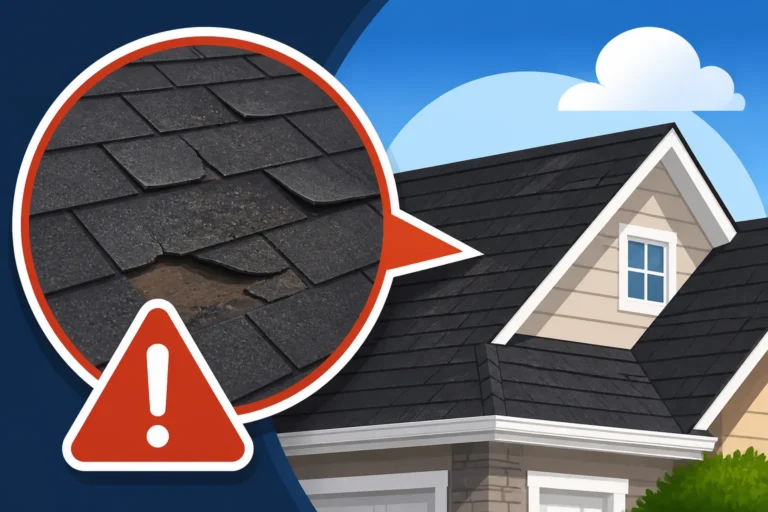
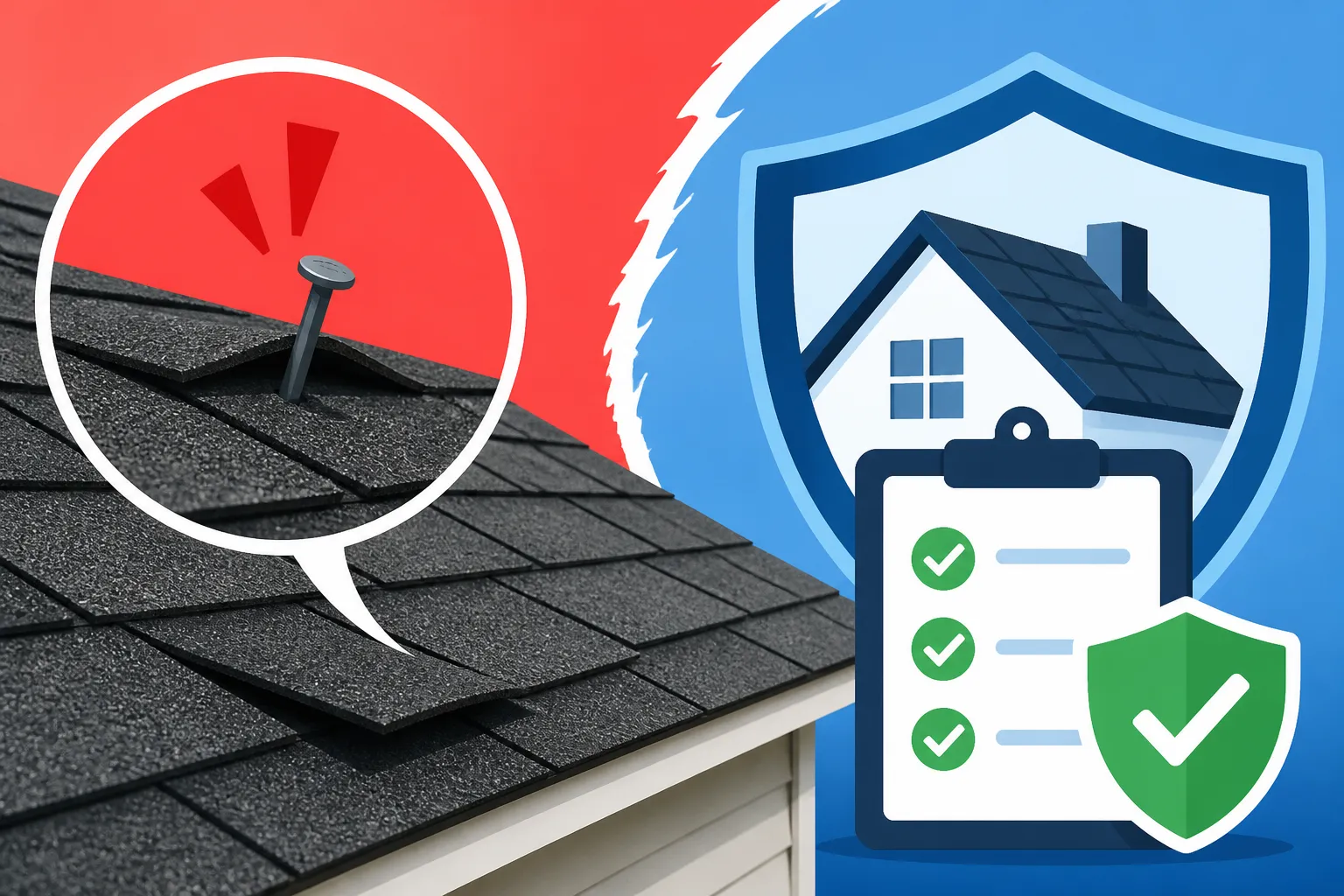
When we talk about "nail pops" on a roof, we're referring to a situation where the nails used to fasten asphalt shingles have worked their way upward, becoming visible or even protruding through the surface of the shingle. Imagine tiny bumps or small holes appearing on your roof, sometimes accompanied by a raised or torn shingle. That's a nail pop in action. These aren't just aesthetic flaws; they expose the nail head to the elements, making your roof vulnerable. The shingle itself might lift, creating a prime entry point for water, or the nail head might simply wear away the granule surface of the shingle over time.
Why Do Nail Pops Happen? Common Causes
Nail pops aren't usually a sign of a single, simple issue. More often, they're the result of a combination of factors, some of which are preventable and others less so. Understanding the root causes is crucial, especially when discussing potential insurance coverage.
- Improper Nailing Techniques: This is perhaps the most common culprit. If nails are driven in too far, under-driven (not flush), angled incorrectly, or placed in the wrong spot on the shingle (not in the designated nailing strip), they can easily back out. Nails driven with too much force can puncture or stress the shingle, making it weaker and more prone to popping up. Similarly, if they're not hit squarely, they might bend or fail to secure the shingle properly.
- Expansion and Contraction of Roof Decking: The wooden sheathing beneath your shingles, known as the roof decking, is constantly responding to changes in temperature and humidity. As it heats up, it expands; as it cools down, it contracts. This movement can put stress on the nails holding the shingles in place. Over many cycles, this movement can literally push the nails upward, causing them to "pop" through the shingle. This issue can be exacerbated by inadequate attic ventilation, leading to extreme temperature fluctuations in the attic space. Properly installed attic ventilation, such as a ridge vent system, helps mitigate these temperature swings.
- Poor Quality or Damaged Plywood/OSB Decking: If the roof decking itself is compromised—perhaps it was wet during installation, has started to rot, or is simply of a lower grade—it might not hold nails as securely as it should. Over time, the wood fibers around the nail can weaken, allowing the nail to lose its grip and push through the shingle. This can be especially true if you had a Roof Decking Replacement Cost recently and the new material wasn't up to par, or if the original decking was old and worn.
- Excessive Moisture or Water Damage: While nail pops primarily refer to the nails themselves, a consistently wet roof deck due to a persistent leak or poor drainage can cause the wood to swell and then shrink. This constant movement can work nails loose. Moreover, water directly corroding the nail can weaken its hold and lead to issues, although this is less common for new nail pops and more for prolonged water exposure.
- Building Movement or Settling: Homes naturally settle and shift over decades. These subtle movements can exert pressure on various structural components, including the roof, which can contribute to nails backing out. While not a sudden event, it's a long-term factor that plays a role, especially in older homes.
The Damage Nail Pops Can Cause
You might think a tiny nail head poking out isn't a big deal, but it truly is. These seemingly minor imperfections can snowball into significant problems for your roof and your home.
- Water Intrusion and Leaks: This is the most critical issue. A nail pop creates a direct pathway for water to penetrate your roof's protective layers. Rainwater can seep around the exposed nail, through the shingle, and into the underlayment and roof decking below. Over time, this constant moisture can lead to insidious leaks in your attic or even noticeable water stains on your ceilings, long before you even realize the source. These small leaks can cause extensive What Causes Leak on a Roof issues that are hard to trace.
- Premature Shingle Deterioration: When a nail pops, it often lifts or tears the shingle around it. This compromised shingle is then more vulnerable to wind uplift, hail impact, and UV degradation. The granules, which protect the asphalt from the sun's harsh rays, can erode more quickly around the stressed area. This accelerates the aging process of the shingle and reduces its lifespan, making your entire roof system less effective.
- Wood Rot and Mold Growth: Once water starts seeping through nail pops, it directly impacts the roof decking and attic structure. Continuous moisture creates an ideal environment for wood rot to set in, weakening the structural integrity of your roof. Furthermore, mold and mildew can flourish in damp attic spaces, leading to poor indoor air quality and potential health hazards for your family. Repairing How Much Does It Cost to Fix A Sagging Roof due to rot can be quite expensive.
- Compromised Wind Resistance: Shingles are designed to lie flat and create a continuous, water-shedding surface. When nail pops cause shingles to lift or become loose, their ability to withstand high winds is severely diminished. This makes your roof far more susceptible to widespread shingle blow-off during a storm, turning a small problem into a very costly Wind Damage: Repair or Replace scenario.
Navigating Homeowners Insurance for Nail Pops
This is where things can get a bit tricky, and it's where many homeowners feel frustrated. Insurance policies are designed to cover certain types of damage, and nail pops often fall into a grey area.
Is it Covered? The "Sudden and Accidental" Rule
The foundational principle of most homeowners insurance policies revolves around "sudden and accidental" damage caused by a covered peril. What does this mean in plain English? It means your policy is typically there to protect you from unexpected events, like a tree falling on your roof, a fire, or severe hail damage.
Nail pops, however, don't always fit neatly into this category. If nail pops are a result of gradual wear and tear, improper installation from years ago, or simple material failure over time, insurance companies will likely deem them a maintenance issue. Think about it this way: your car insurance won't pay for new tires when they wear out, that's regular maintenance. Similarly, if your roof's nails slowly back out over a decade, that's often seen as a homeowner's responsibility.
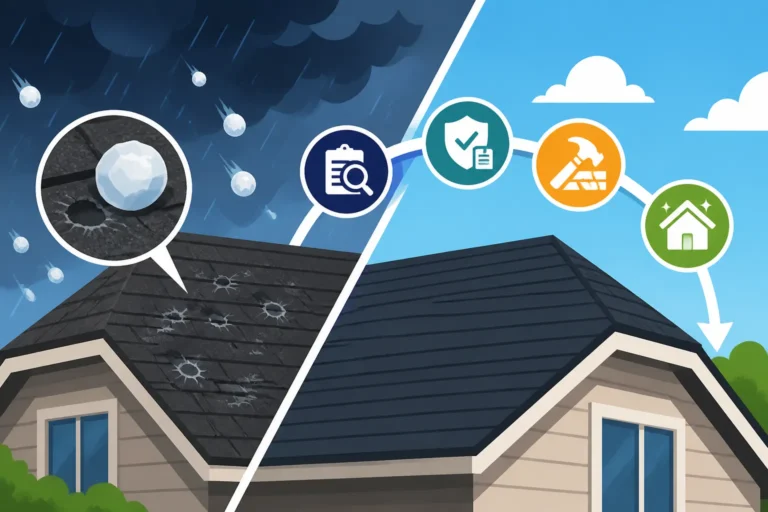
However, there's a crucial exception: if the nail pops (or the damage they cause) can be directly linked to a sudden, accidental, and covered event, then there's a possibility for coverage. For example, if a severe hailstorm impacts your roof and causes immediate nail pops or exacerbates existing ones, leading to leaks, then the damage could potentially be covered as part of the storm claim. The challenge lies in proving that connection.
The Role of Your Policy Type: ACV vs. RCV
Understanding your specific homeowners insurance policy is paramount, especially the distinction between Actual Cash Value (ACV) and Replacement Cost Value (RCV) coverage for your roof. This difference can significantly impact your payout if a claim for nail pops (or any roof damage) is approved.
- Actual Cash Value (ACV): An ACV policy will pay you the depreciated value of your roof at the time of the loss. This means the insurance company subtracts for wear and tear, age, and condition. For example, if your 15-year-old roof, which has a 25-year lifespan, suffers damage, the insurer will factor in that 15 years of depreciation. You'll receive a payout that reflects what your old roof was worth just before the damage, not the cost of a brand-new roof. This means you'll be on the hook for a substantial portion of the replacement or repair cost out of your own pocket. If your nail pops are approved for a claim, an ACV policy will only give you a fraction of what it costs to truly fix it.
- Replacement Cost Value (RCV): An RCV policy is generally more desirable for homeowners. With RCV, your insurance company will pay the cost to repair or replace your roof with new materials of similar quality and kind, without deducting for depreciation. Usually, they'll issue an initial payment based on the ACV, and then release the remaining depreciation once the repairs are completed and proof of work is provided. This type of policy offers far better protection, as it aims to restore your roof to its original condition or better, rather than just paying for its depreciated value. If nail pops lead to a covered event, an RCV policy will ensure you have the funds to properly address the issue without major out-of-pocket expenses beyond your deductible.
Knowing whether you have ACV or RCV coverage for your roof is vital before you even consider filing a claim. It’s a key question to ask your insurance agent during your annual policy review, and it greatly influences the true value of your Does Insurance Cover Roof Replacement.
When Nail Pops Might Be Covered
While nail pops often fall into the maintenance category, there are specific scenarios where they could be covered by your homeowners insurance. The key is linking them to a covered peril listed in your policy.
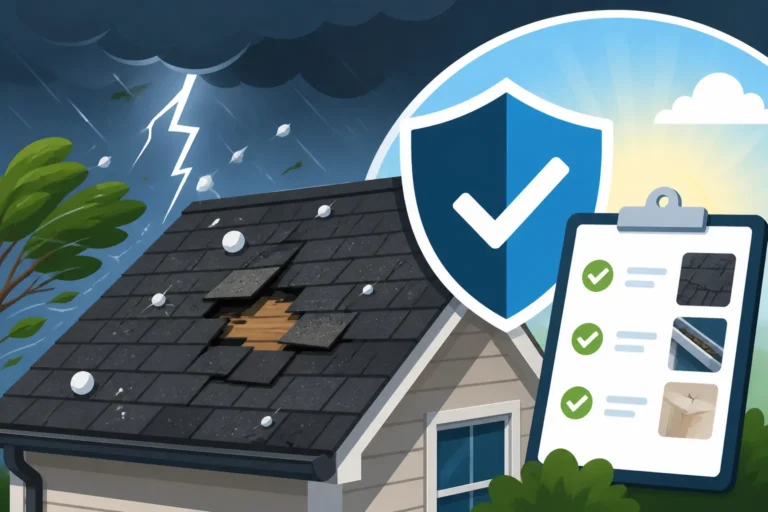
- Storm Damage (Hail or High Winds): This is the most common path to coverage. If a severe hailstorm physically impacts your roof, it can cause the nails to loosen, bend, or be driven further through the shingles, leading to pops. Similarly, intense winds can lift shingles, exposing nail heads, or cause the decking to flex violently, leading to nails backing out. In these cases, the nail pops are a direct result of the storm, which is a covered peril. An insurance adjuster might look for other signs of storm damage, like granule loss, dents, or creased shingles, to confirm the event.
- Fallen Objects: If a tree branch or other heavy object falls onto your roof, the impact can certainly dislodge nails or create stress points that result in nail pops. This is typically considered a sudden and accidental event and would likely be covered.
- Fire or Vandalism: While less common for nail pops specifically, if a fire or act of vandalism causes structural damage to your roof, and nail pops are a consequence of that damage, then they would fall under the covered peril.
In all these cases, the critical element is causation. You need to demonstrate that the nail pops (or the leaks they cause) happened because of a sudden, unforeseen, and covered event, not as a result of deferred maintenance or faulty installation.
When Coverage is Unlikely (Maintenance Issues)
This is the hard truth for many homeowners. Most insurance claims for nail pops are denied, and here's why:
- Wear and Tear/Aging: Asphalt shingles and their fasteners simply age over time. Exposure to UV rays, extreme temperatures, and constant expansion and contraction will eventually take their toll. Nails can gradually work their way loose. This is considered normal wear and tear, and insurance policies explicitly exclude damage due to aging or lack of maintenance. An older roof is more likely to experience this.
- Poor Original Installation: If the roof was installed improperly from the start—nails were under-driven, over-driven, or placed incorrectly—these flaws may not become apparent for years. When nail pops eventually occur due to these installation errors, insurance companies will not cover the cost. They see it as a contractor's fault or a pre-existing condition, not a sudden covered loss. This is why choosing a reputable contractor and understanding Questions to Ask a Roofing Contractor Before Hiring is so crucial.
- Manufacturing Defects: In rare cases, the nails themselves might be defective, or the shingles might have manufacturing flaws that contribute to nail pops. While this could lead to a claim, it would typically be against the shingle manufacturer's warranty, not your homeowner's insurance policy. Warranty claims are a different beast entirely.
- Neglect and Lack of Maintenance: Failing to address minor roof issues early on, or neglecting routine roof inspections, can lead to exacerbated problems. If an insurance adjuster determines that the nail pops could have been prevented or mitigated with proper maintenance, they are highly likely to deny the claim. Your insurance is there for unforeseen catastrophes, not to pay for problems that could have been avoided with regular upkeep.
The Claims Process for Roof Damage
If you suspect your nail pops are due to a covered event, understanding the claims process is vital. It's not always straightforward, but being prepared can make a big difference. Many homeowners find it helpful to work with experienced professionals who understand this process, and services like Modernize can connect you with local roofing experts.
Documenting the Damage
This is your first and most critical step. Insurance companies operate on evidence. The more detailed and compelling your documentation, the stronger your claim.
- Take Photos and Videos: Get close-up shots of every visible nail pop, showing the exposed nail head, lifted shingle, or any tearing. Also, take broader photos of the roof section to provide context. If you can safely access your attic, photograph any signs of water intrusion directly below the nail pops – water stains, mold, or drips. Date-stamp everything if possible.
- Note the Timeline: When did you first notice the nail pops? Was there a recent severe storm (hail, strong winds) that coincided with their appearance? Keep records of weather events in your area leading up to the discovery. The more recent and severe the weather event, the better your chances of connecting the damage to a covered peril.
- Professional Inspection Reports: Before contacting your insurance company, consider getting a professional roof inspection from a reputable roofing contractor. They can often provide a detailed report, identifying the cause of the nail pops, assessing the extent of the damage, and stating whether it appears to be storm-related or due to other factors. Their expert opinion carries weight. When looking for a contractor, you can use platforms like Modernize to find local, vetted professionals who can provide these initial assessments.
Filing Your Claim and Working with Adjusters
Once you've gathered your documentation, it's time to initiate the claim.
- Contact Your Insurance Provider: Call your insurance company as soon as possible after discovering the damage, especially if you suspect it's storm-related. Explain the situation clearly, detailing what you've observed and any potential correlation to a recent event. Provide them with your documentation.
- Be Prepared for an Adjuster Visit: Your insurance company will send an adjuster to your home to assess the damage. Be present during this visit. Walk them through your findings, show them your photos, and point out every nail pop and any interior water damage. Be polite but firm in presenting your case. The adjuster's job is to evaluate whether the damage falls under your policy's coverage. They will often look for other signs of storm damage that correlate with the nail pops.
- Understand Their Assessment: The adjuster will write a report and may issue a decision on your claim. If they deny the claim, ask for a detailed explanation in writing. If they approve it, they will provide an estimate for the repairs. Compare this estimate to the quotes you've received from contractors. Don't be afraid to ask questions or seek clarification. Understanding How to Read and Compare Roofing Estimates is critical here.
Seeking Professional Help
Navigating insurance claims for roof damage can be daunting, especially when dealing with nuanced issues like nail pops. This is where a reliable roofing contractor becomes an invaluable partner.
- Expert Assessment: A reputable roofing contractor has the experience to correctly identify the cause of nail pops, whether it's poor installation, age, or storm damage. They can provide a detailed, unbiased assessment that often carries more weight than a homeowner's observations alone. They know what adjusters look for.
- Comprehensive Estimates: A good contractor will provide a thorough estimate that details all necessary repairs or the cost of a full roof replacement, ensuring all damaged components (shingles, underlayment, decking) are accounted for. This estimate can be crucial in negotiating with your insurance company, especially if the adjuster's estimate seems too low.
- Advocacy and Guidance: Many experienced roofers have dealt extensively with insurance claims. They can help you understand the language in your policy, offer advice on how to present your case, and even communicate directly with the adjuster on your behalf to ensure all covered damages are properly identified and estimated. Finding a contractor through a service like Modernize can connect you with professionals who are familiar with insurance claim processes in your area. This can be particularly helpful if your claim is for Storm Damage: Repair or Replace.
Practical Steps If You Discover Nail Pops
Finding nail pops can be alarming, but don't panic. There are clear, actionable steps you can take to mitigate further damage and evaluate your options.
Immediate Actions to Prevent Further Damage
Your top priority should be to prevent any more water from entering your home. Even if the nail pops aren't actively leaking right now, they are potential weak points.
- Safety First: Avoid Climbing the Roof if Unsure: Unless you are experienced and have proper safety equipment, do not climb onto your roof. It can be extremely dangerous, especially if shingles are loose or the roof is wet. Instead, inspect from the ground with binoculars or use a drone if you have one.
- Inspect Your Attic: If it's safe to do so, head into your attic. Look for any signs of water intrusion directly below the nail pops you've identified from the exterior. This could include water stains on the underside of the roof deck, drips, or mold growth. Pinpointing a leak's location from the inside is invaluable for repair.
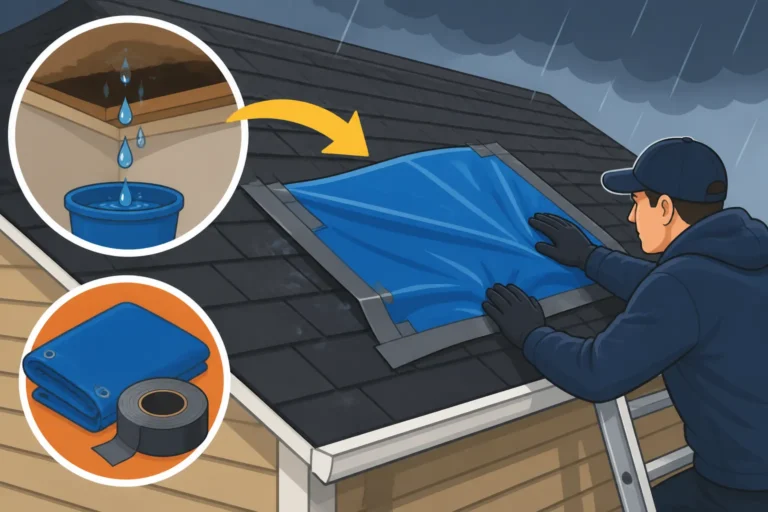
- Temporary Tarping (if leaking): If you notice active leaks or significant damage around the nail pops, a temporary tarp might be necessary. You can purchase roofing tarps and secure them over the damaged area. Be sure to place the tarp above the leak source so water flows over it, not under it. For safety and proper installation, it's often best to call a professional for emergency tarping. This is a critical step to prevent major interior damage while you figure out the next steps.
Getting Professional Estimates
Before making any decisions, you need accurate information about the extent of the damage and the cost to repair it.
- Contact Several Reputable Roofing Contractors: Don't settle for the first quote you get. Reach out to at least three different, local roofing companies. Look for contractors with good reviews, proper licensing, and insurance. Platforms like Modernize can help streamline this process by connecting you with qualified pros in your area. They should come out, inspect your roof, and provide a detailed written estimate.
- Request Detailed, Written Estimates: Ensure the estimates clearly itemize all costs: materials, labor, tear-off, disposal, and any other necessary components like Cost of New Flashing and Drip Edge or underlayment. Ask them to specify what they believe caused the nail pops. A good contractor will explain their findings and recommendations clearly, whether it's a simple repair or a full Asphalt Roof Replacement Cost: Complete Breakdown.
- Ask About Warranties: Inquire about workmanship warranties for any repairs performed. If you end up needing a full replacement, understand the manufacturer's warranty on the shingles and the contractor's warranty on the installation.
Weighing Repair vs. Replacement
The decision to repair or replace your entire roof due to nail pops depends on several factors, including the extent of the damage, the age of your roof, and its overall condition.
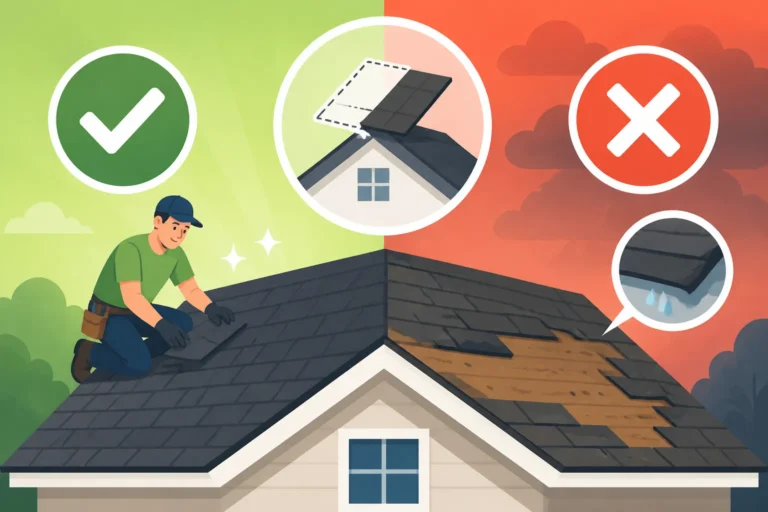
- Consider the Extent of the Damage: If you only have a handful of isolated nail pops, and your roof is relatively young and otherwise in good shape, targeted repairs might be sufficient. A skilled roofer can carefully lift the affected shingles, remove the problematic nail, replace it with a new roofing nail (often wider and longer) in an adjacent, undamaged spot, and seal the shingle down. They might also apply a sealant over the nail head for extra protection.
- Evaluate Your Roof's Age and Overall Health: If your roof is approaching the end of its typical lifespan (generally 20-30 years for asphalt shingles), or if the nail pops are widespread and accompanied by other signs of aging like widespread granule loss, curling, or cracking shingles, a full roof replacement might be the more economical long-term solution. Investing in repairs on a failing roof is often like putting a band-aid on a much larger problem. A contractor can assess How Many Years Left on Your Roof to help you decide.
- Factor in Your Budget and Future Plans: A full replacement is a significant investment, but it provides a fresh start and peace of mind, potentially increasing your home's value. Repairs are cheaper upfront but may lead to recurring costs if the underlying issues persist. Consider how long you plan to stay in your home. If you're selling soon, a new roof can be a major selling point. If you're staying for decades, a full replacement makes more sense.
| Scenario for Nail Pops | Typical Insurance Coverage | Explanation |
|---|---|---|
| Aging/Wear & Tear | Unlikely | Gradual degradation due to age, UV exposure, and normal expansion/contraction. Insurance policies typically exclude damage from normal wear and tear or lack of maintenance. |
| Poor Installation | Unlikely | Nails improperly driven (too deep, too shallow, wrong angle, incorrect location) during the original installation. This is considered a construction defect or contractor error, not a covered peril. |
| Severe Hailstorm | Likely (if proven) | Direct impact from hail can physically dislodge or loosen nails, or damage shingles such that nails become exposed/pop. Requires clear evidence of a recent hailstorm and correlating damage. The nail pops must be a direct result of the storm. |
| High Winds | Likely (if proven) | Extreme wind uplift can cause shingles to flex violently, tear, or even blow off, leading to nail pops or exposing fasteners. Again, proof of a recent high-wind event and direct causation is key. |
| Fallen Debris | Likely | A heavy object (like a tree branch) falling on the roof can directly cause structural damage, including dislodging nails and causing pops. This is typically a sudden and accidental event. |
| Roof Deck Issues | Unlikely (unless new) | If nail pops stem from pre-existing, rotting, or improperly installed roof decking, it's generally considered a maintenance or construction issue. However, if new decking was damaged by a covered peril leading to pops, that might be covered. |
| Consequential Leak | Possible | If nail pops lead to a sudden and identifiable interior leak that causes damage to your attic or ceiling, the interior damage might be covered, even if the nail pops themselves aren't. However, you'd still need to prove the leak was from a covered peril, or that the interior damage was unforeseen and rapid. |
Disclaimer
Please remember that this article provides general information and guidance regarding homeowners insurance and roof damage. Insurance policies can vary significantly based on your provider, specific policy language, location, and the type of coverage you have. It is absolutely essential to consult your individual insurance policy documents or speak directly with your insurance agent or a qualified public adjuster to understand your specific coverage for nail pops or any other roof-related issues. This information should not be taken as legal or financial advice.