How Many Years Left on Your Roof
It can be incredibly stressful and confusing to know exactly where your roof stands in its lifespan. You look up there, you see a few questionable spots, and suddenly you're wondering if you have another year or another decade before a major, costly replacement is needed. This guide is here to walk you through a comprehensive assessment process, helping you understand the real condition of your asphalt roof and how much life it likely has left.
Understanding the Average Lifespan of Asphalt Shingles
Before we dive into the nitty-gritty of inspecting your specific roof, it's helpful to have a baseline understanding of how long asphalt shingles typically last. This isn't a hard and fast rule, as so many variables come into play, but it gives you a starting point. Most homeowners expect their roof to last a good long while, and generally, asphalt shingles deliver, but not all shingles are created equal, and not all environments are equally forgiving.
Different Shingle Types and Their Expected Durability
The kind of asphalt shingle on your roof is perhaps the biggest single factor in its inherent lifespan. The market offers a range of options, each designed with different thicknesses, material compositions, and protective features, which directly impact how long they can withstand the elements.
- 3-Tab Shingles: These are the most basic and typically the most affordable asphalt shingles. They are characterized by their flat, single-layer appearance with three tabs cut into each shingle. Due to their lighter weight and simpler construction, 3-tab shingles generally have the shortest lifespan, often lasting between 15 to 20 years. In areas with extreme weather, like high winds or intense sun, this lifespan might be even shorter. While they are a cost-effective option upfront, they may require replacement sooner than other types, which is something to consider if you're thinking about future value.
- Architectural Shingles (Dimensional Shingles): Also known as dimensional shingles, these are a significant step up from 3-tab. They are multi-layered, giving them a thicker, more textured appearance that mimics the look of natural wood shakes or slate. This added dimension isn't just for aesthetics; the extra layers and heavier construction make them far more durable. You can generally expect architectural shingles to last anywhere from 25 to 30 years, and often even longer with proper care. Many homeowners find that the enhanced curb appeal and extended durability of these shingles justify the higher initial Architectural Shingle Roof Cost
- Designer Shingles (Luxury Shingles): At the top tier of asphalt roofing, designer or luxury shingles are built for both maximum visual impact and superior longevity. They are often even thicker and heavier than architectural shingles, designed to replicate premium roofing materials like slate or cedar shakes with incredible realism. These shingles incorporate advanced technologies for enhanced wind resistance, impact resistance, and often come with longer, more robust warranties. With their superior construction, designer shingles can last 30 to 50 years, making them a long-term investment that can significantly boost your home's value and protection. The Designer Shingle Roof Cost reflects this premium quality and extended lifespan.
| Shingle Type | Average Lifespan (Years) | Key Characteristics |
|---|---|---|
| 3-Tab Shingles | 15-20 | Flat, single layer, cost-effective, basic protection |
| Architectural Shingles | 25-30 | Multi-layered, textured, enhanced durability & aesthetics |
| Designer Shingles | 30-50 | Thickest, premium aesthetics, superior durability, advanced features |
Environmental Factors That Accelerate Aging
Even the highest quality shingles can be prematurely aged by the relentless forces of nature. Your geographic location and the microclimate around your home play a huge role in how quickly your roof deteriorates.
- Sunlight Exposure: The sun's ultraviolet (UV) rays are one of the biggest enemies of asphalt shingles. Over time, UV radiation breaks down the asphalt binder and causes the protective granules to loosen and wash away. If your roof gets direct, intense sunlight for most of the day, especially on south-facing slopes, it will likely age faster than a shaded roof. This can lead to significant Granule Loss: Should You Worry earlier than expected, exposing the asphalt to further damage.
- Extreme Weather Events: Areas prone to hail, strong winds, heavy snow, or frequent freeze-thaw cycles will put more stress on a roof. A severe hailstorm can bruise or crack shingles, while sustained high winds can lift and tear them off entirely. In colder climates, repeated freezing and thawing can cause expansion and contraction that degrades the shingles and even the underlying structure. Hurricanes in Florida or tornadoes in the Midwest, for instance, can drastically shorten a roof's life, sometimes necessitating replacement after just a few years.
- Vegetation and Debris: While trees can provide shade, preventing some UV damage, they also bring their own set of challenges. Overhanging branches can drop leaves, twigs, and sap onto the roof, leading to moisture buildup, moss and algae growth, and even physical abrasion if branches rub against the surface in the wind. This constant moisture and organic matter can degrade shingles and even cause them to rot over time.
Detailed Inspection: Identifying Visible Signs of Deterioration
Now, let's get down to actually looking at your roof. You don't need to be a roofing expert to spot many of the common signs that your roof is aging. A pair of binoculars can be your best friend for a safe ground-level inspection, or, if you're comfortable and have the right safety gear, a careful walk around the roof can provide an even closer look. Remember, safety first! If you're not comfortable on a ladder or roof, that's perfectly fine; this is precisely when a professional inspection becomes invaluable.
Common Red Flags on Shingles
Your shingles are the first line of defense, so paying close attention to their condition can tell you a lot about your roof's remaining life.
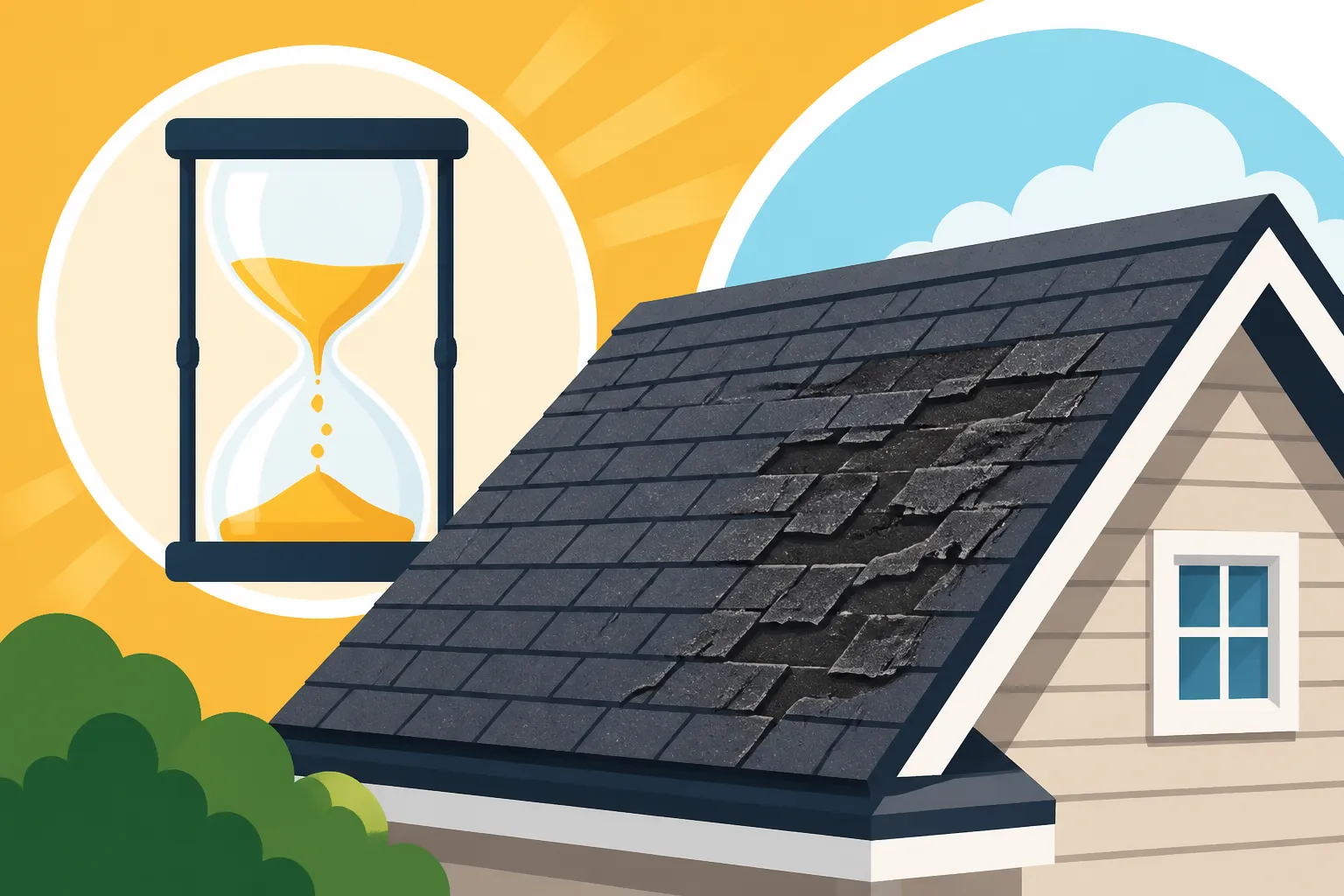
- Curling or Cupping Shingles: When shingles start to curl, either turning up at the edges (cupping) or down at the edges (clawing), it's a clear sign they are drying out and losing their protective oils. This can happen due to age, excessive heat, or improper ventilation. Curling shingles become brittle and are much more susceptible to wind damage and water penetration. Once widespread, this usually indicates that the shingles are nearing the end of their functional life.
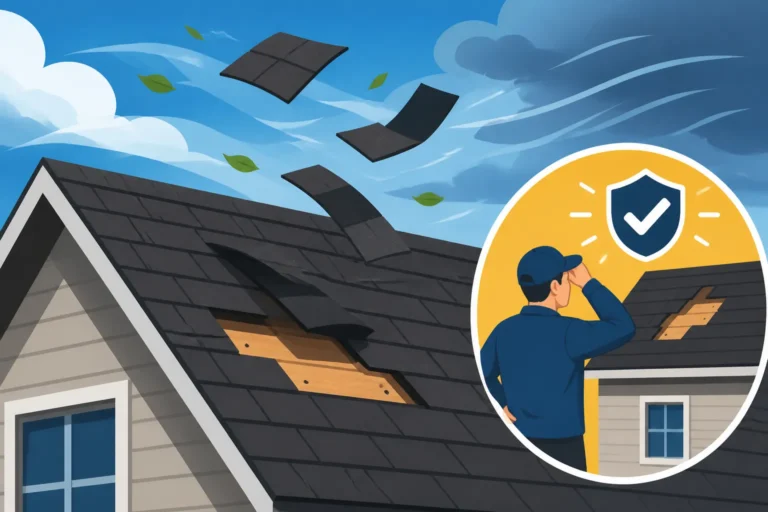
- Cracked or Broken Shingles: Cracks can appear in shingles for several reasons: old age, sun exposure, or even thermal shock from extreme temperature changes. Cracks, especially if they run horizontally or vertically across the shingle face, compromise the shingle's ability to shed water effectively. Broken or missing pieces leave the underlayment and decking exposed to the elements, which can lead to leaks and more significant damage.
- Missing Granules: The granular surface of asphalt shingles isn't just for aesthetics; it provides critical UV protection for the asphalt layer and adds fire resistance. As a roof ages, these granules naturally wear off and accumulate in gutters or at the base of downspouts. Excessive granule loss, leaving bald or shiny spots on the shingles, means the asphalt is exposed to the sun's harsh UV rays, accelerating its degradation. This is a tell-tale sign of an aging roof that is rapidly losing its protective qualities. You might find more detail on this topic in our article on How Long a Roof Replacement Takes when it reaches that stage.
- Blistering or Pitting: Blisters are small, raised bubbles on the surface of shingles, often caused by trapped moisture or manufacturing defects that become apparent over time. Pitting might look like tiny divots. While minor blistering isn't always a cause for immediate alarm, widespread or deep blistering can lead to early granule loss and eventually crack open, compromising the shingle's integrity.
Assessing Other Key Roof Components
Your roof is more than just shingles; it's a system. Other components also show signs of wear that can indicate the overall health of your roofing system.
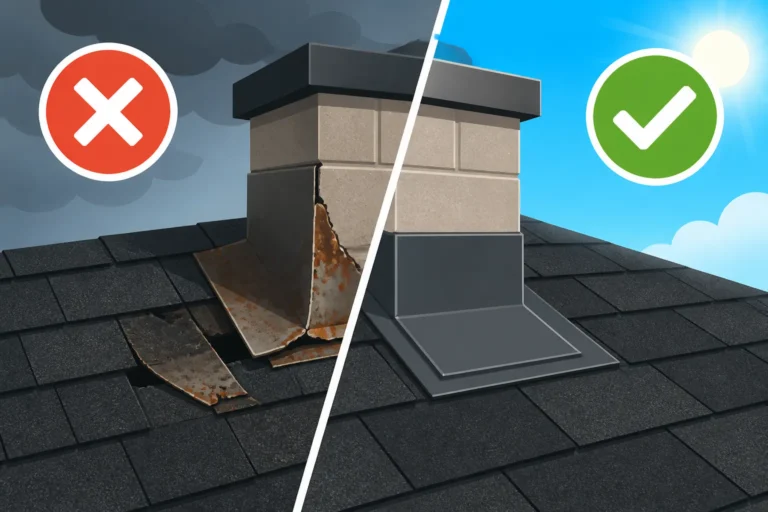
- Flashing and Sealants: Flashing – the metal strips installed around chimneys, skylights, vents, and in valleys – is crucial for preventing leaks in vulnerable areas. Inspect the flashing for signs of rust, bending, lifting, or deterioration. Also, check any sealants (like caulk or roof cement) used around these areas. If they are cracked, dried out, or pulling away, water can easily seep underneath, leading to hidden damage to your roof decking and interior. Replacing worn flashing is often a critical repair that can significantly extend the life of an otherwise sound roof.
- Gutters and Downspouts: Beyond granule accumulation, look for sagging gutters, overflows, or clogs. Properly functioning gutters are essential for diverting rainwater away from your roof and foundation. If water isn't draining correctly, it can back up onto the roof, leading to saturated fascia, damaged shingles, and even ice dams in winter. Regular cleaning and maintenance of your gutters can prevent these issues.
- Soffits and Fascia: These are the trim elements around the edges of your roof. Soffits are the underside of the eave, while fascia boards are mounted at the point where the roof meets the outer walls. Look for any signs of rot, peeling paint, or pest damage (like wasp nests or rodent entry points). Damaged soffits and fascia can compromise your roof's ventilation and allow moisture or pests into your attic. This can be a sign that moisture isn't being properly shed by the roof itself.
Beyond the Visible: Hidden Damage and Underlying Issues
While surface signs are important, sometimes the most serious problems are hiding beneath the shingles or inside your attic, quietly doing damage that could significantly shorten your roof's life. These issues often go unnoticed until they become major problems, highlighting why regular, thorough inspections – ideally by a professional – are so important.
The Condition of Your Roof Decking
Your roof decking (or sheathing) is the structural foundation upon which your shingles are laid. It's usually made of plywood or OSB (oriented strand board) and is rarely seen unless shingles are removed.
- Soft Spots or Sagging: If you ever walk on your roof (again, only if you're comfortable and have proper safety gear), pay attention to how the roof feels underfoot. Any soft, spongy, or bouncy areas indicate deteriorated roof decking underneath. This is almost always caused by prolonged water exposure, meaning you have a leak somewhere that's slowly rotting the wood. This kind of damage significantly compromises the structural integrity of your roof and could necessitate extensive Roof Decking Replacement Cost in addition to new shingles.
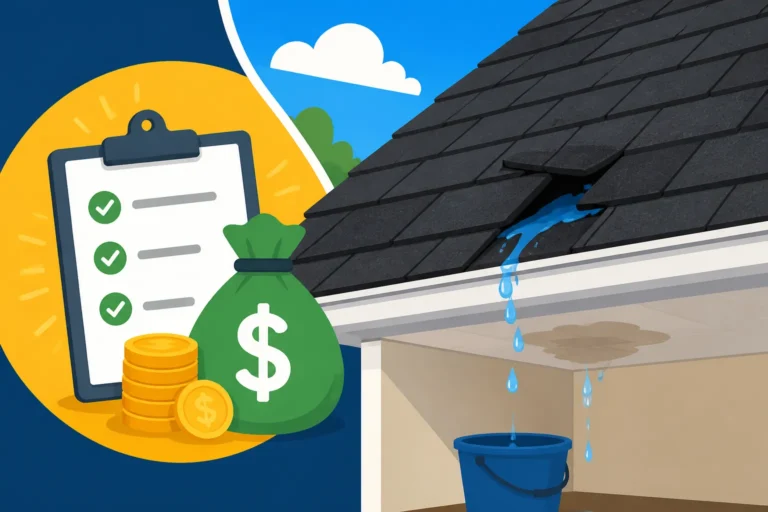
- Water Stains or Mold in the Attic: This is perhaps the most obvious sign of hidden trouble. Head up into your attic on a sunny day with a flashlight and look for water stains on the underside of the roof deck, rafters, or insulation. These can appear as dark streaks, discoloration, or even active drips after a rain. Any presence of mold or mildew in the attic indicates a persistent moisture problem, which could be from a roof leak, inadequate ventilation, or both. Addressing these issues immediately is crucial, as chronic moisture can lead to widespread wood rot and unhealthy indoor air quality. If you spot these signs, it's a clear indication that you need to know How to Find the Source of a Roof Leak.
The Critical Role of Proper Ventilation
Many homeowners underestimate the importance of a well-ventilated attic. It's not just about keeping your home cool in summer; proper attic ventilation is vital for your roof's health and longevity year-round.
- Heat Buildup: In summer, an unventilated attic can reach scorching temperatures, sometimes exceeding 150 degrees Fahrenheit. This intense heat bakes the underside of your roof deck and shingles, accelerating the degradation of the asphalt and causing shingles to curl, crack, and lose granules prematurely. It essentially cooks your roof from the inside out.
- Moisture Accumulation: In winter, warm, moist air from your living space can rise into an unventilated attic and condense on the cold underside of the roof deck. This moisture can lead to mold, mildew, wood rot, and can even cause your insulation to become damp and less effective. It also contributes to the formation of ice dams, which are extremely damaging to shingles and gutters. Our article on How Roof Ventilation Works explains this in more detail, showing how essential it is. If your attic feels stiflingly hot in summer or damp in winter, your roof's life is likely being shortened by poor ventilation.
Professional Assessment: When to Call in the Experts
While a diligent homeowner can spot many roof issues, there comes a point when a professional's eye is indispensable. Roofing contractors have the experience, tools, and certifications to conduct a thorough and accurate assessment, often catching problems that an untrained eye might miss.
The Value of a Certified Roofing Inspection
Bringing in a professional isn't just about getting a repair quote; it's about getting an expert evaluation of your entire roofing system. They can provide an unbiased opinion on your roof's true condition and remaining lifespan.
- Comprehensive Damage Detection: A certified roofing contractor knows exactly what to look for, from subtle signs of shingle fatigue to hidden structural issues. They can safely access all parts of your roof, including steep pitches, and use specialized knowledge to identify problems like improper nailing, inadequate flashing installation, or subtle hail damage that might not be visible from the ground. Many companies offer free, no-obligation inspections, making it an easy way to get a professional opinion without immediate commitment.
- Understanding Building Codes and Warranties: Roofing professionals are up-to-date on local building codes and manufacturer warranty requirements. This is crucial because an issue that might seem minor to you could be a code violation or something that voids your shingle warranty. They can advise you on What Voids a Shingle Warranty and how to ensure any work done adheres to standards that protect your investment. They can also help you understand if your existing roof's installation meets current standards, or if there are upgrades, like better attic ventilation, that would be required during a replacement.
- Estimating Remaining Life and Cost Projections: Based on their assessment, a professional can give you a much more accurate estimate of your roof's remaining useful life. They can also provide detailed quotes for any necessary repairs or a full replacement, helping you budget for future expenses. Platforms like Modernize can connect you with multiple local, vetted roofing professionals who can provide these valuable assessments and competitive bids, making it easier to compare options.
What to Expect During a Professional Roof Inspection
When a professional comes to inspect your roof, they'll typically follow a systematic process to ensure nothing is overlooked.
- Exterior Assessment: This includes a thorough visual inspection of the entire roof surface, checking every shingle, ridge cap, hip, valley, and penetration (chimneys, vents, pipes, skylights). They'll look for all the red flags we discussed – curling, cracking, granule loss, missing shingles – but with a more experienced eye. They'll also closely examine the flashing, drip edge, gutters, and downspouts, noting any signs of damage or improper installation. They might even use drone technology for hard-to-reach areas.
- Interior (Attic) Assessment: If accessible, the contractor will inspect your attic for signs of leaks, water stains, mold, proper insulation levels, and adequate ventilation. They'll check the condition of the roof deck from below and ensure that exhaust vents are properly terminated outside and not into the attic space. This step is critical for uncovering hidden issues that originate from the inside.
- Documentation and Recommendations: After the inspection, the contractor will typically provide a detailed report, often with photos, outlining their findings. This report will usually include a summary of your roof's condition, an estimated remaining lifespan, and specific recommendations for repair or replacement. They should also explain the reasoning behind their recommendations and answer any questions you have about the findings or the proposed solutions. Make sure to ask Questions to Ask a Roofing Contractor Before Hiring so you are well-informed.
Extending Your Roof's Life: Maintenance and Proactive Steps
Even if your roof is aging, there are proactive steps you can take to squeeze out every last year of its useful life and prevent premature failure. Think of it like maintaining your car: regular upkeep makes a big difference in how long it runs well. While you can't stop time, you can certainly slow down the aging process for your roof.
Regular Cleaning and Debris Management
One of the simplest yet most overlooked aspects of roof maintenance is keeping it clean. Debris and organic growth can hold moisture, leading to faster deterioration.
- Clear Debris Regularly: Leaves, twigs, pine needles, and other debris can accumulate in roof valleys, behind chimneys, and in gutters. This organic matter traps moisture, preventing the roof from drying properly and creating an ideal environment for moss and algae to thrive. If you have overhanging trees, aim to clear your roof and gutters at least twice a year, ideally in the spring and fall. A leaf blower or a soft-bristle brush can work wonders, but always use caution and proper safety equipment when working on a roof.
- Manage Moss and Algae Growth: Green moss and black algae streaks are not just unsightly; they can be damaging. Moss retains moisture against the shingles, leading to granule loss and premature aging, and its root systems can even lift shingles. Algae, while less structurally damaging, can indicate excessive moisture and absorb more heat, leading to higher attic temperatures. There are specialized roof cleaning solutions available, often containing zinc or copper, that can safely kill moss and algae without damaging your shingles. Many homeowners even install zinc or copper strips near the ridge of their roof, as these metals release ions that inhibit growth as rainwater washes over them. Ignoring these growths can contribute to needing a Roof Repair vs Replacement: How to Decide sooner than later.
Addressing Minor Repairs Promptly
A small problem ignored can quickly become a big, expensive one. Proactive, minor repairs are key to maximizing your roof's longevity.
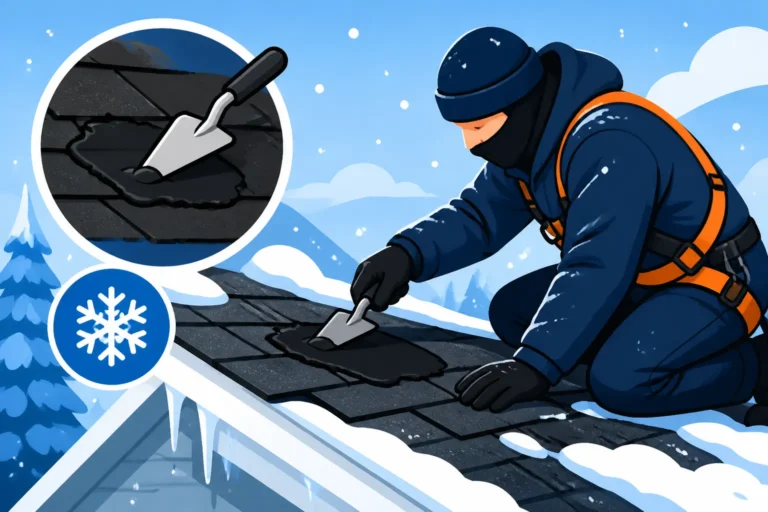
- Replacing Missing or Damaged Shingles: A single missing or cracked shingle might seem insignificant, but it creates a vulnerability. Water can seep into the underlying layers, causing damage to the underlayment and roof deck. If you notice any shingles that are missing, severely cracked, or lifted, replace them as soon as possible. This is often a relatively inexpensive fix if done promptly, preventing a localized issue from escalating into a widespread problem. Matching existing shingles can sometimes be a challenge, especially on older roofs, but many contractors can find close matches or use discreet patching techniques.
- Sealing Leaks Around Penetrations: Areas around chimneys, vent pipes, and skylights are the most common sources of roof leaks because they interrupt the continuous shingle surface. Over time, the flashing and sealants around these penetrations can degrade. Inspect these areas regularly for cracks, gaps, or signs of rust on metal flashing. Reapplying a high-quality sealant (like a roofing caulk or flashing cement) can often prevent a leak from developing or stop a small one in its tracks. If the flashing itself is damaged or improperly installed, it might need to be repaired or replaced by a professional. Don't let a small leak turn into a full-blown crisis requiring a full Asphalt Roof Replacement Cost: Complete Breakdown.
Making the Decision: Repair, Replace, or Wait?
After gathering all the information from your visual inspection and perhaps a professional assessment, you're faced with a big decision. Is it time for a full roof replacement, can you get by with some repairs, or does your roof still have enough life left that you can simply monitor it? This decision often boils down to a careful consideration of costs, the extent of damage, and your future plans for the home.
Weighing Repair Costs Versus Replacement Investment
This is the classic dilemma. It’s natural to want to choose the cheaper option, but sometimes, what seems cheaper upfront ends up costing more in the long run.
- When Repairs Make Sense: If your roof is relatively young (well within its expected lifespan) and the damage is isolated, small, and not widespread, repairs are usually the most cost-effective solution. For example, replacing a few missing shingles after a windstorm, resealing a vent pipe, or patching a small section of damaged flashing are all excellent candidates for repair. If a professional tells you that the structural integrity of your roof deck is sound, and only a small percentage of shingles are affected, a repair is definitely the way to go. You can also explore options like a Partial Reroof: Pros and Cons if damage is confined to one slope.
- When Replacement is the Smarter Investment: Conversely, if your roof is old (nearing or past its expected lifespan), shows widespread signs of deterioration (extensive granule loss, curling, cracking across multiple slopes), or has significant underlying structural damage (rotted decking, persistent leaks), a full replacement is almost always the more prudent choice. Patching up an old, failing roof is often like putting a band-aid on a gaping wound – it’s a temporary fix that will likely lead to more repairs, more frustration, and ultimately, a higher cumulative cost. A new roof, while a significant investment, provides long-term protection, peace of mind, and often comes with robust warranties that cover both materials and workmanship. In many cases, it’s a wise investment that increases your home’s value and appeal, particularly if you're planning to sell in the next 5-10 years. For those considering replacement, knowing the Roof Cost Per Square: What You'll Pay can help with budgeting.
Understanding Your Roof's Remaining Value
It's not just about how many years are left; it's about the quality of those years and what value they bring.
- Age vs. Condition: A roof might be only 15 years old but if it's been battered by severe storms or improperly installed, its effective lifespan might be much shorter than its theoretical lifespan. Conversely, a 20-year-old roof in a mild climate with excellent maintenance might still have a few good years left. Focus on the actual condition, not just the number on the calendar. A professional assessment, especially through a service like Modernize, can give you a clear picture of your roof's true condition relative to its age.
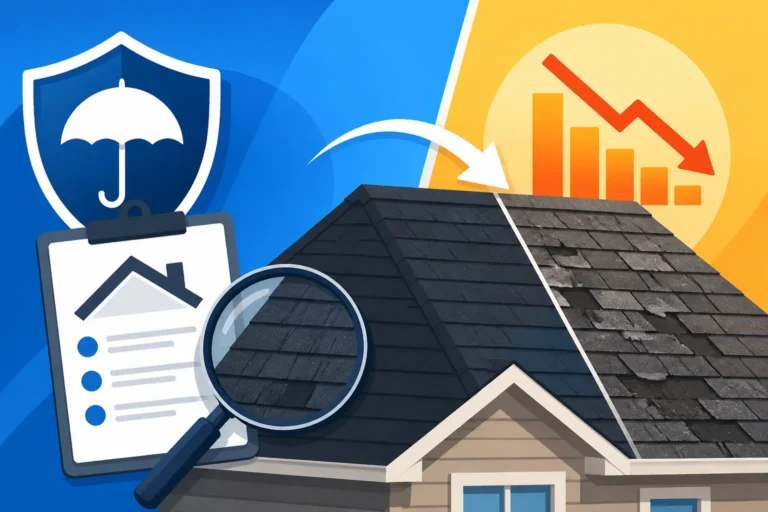
- Insurance Implications: The age and condition of your roof can also affect your homeowner's insurance. Many insurance companies become less willing to cover damage on older roofs, or they may only offer Actual Cash Value (ACV) coverage, which accounts for depreciation, rather than full Replacement Cost Value (RCV). If your roof is nearing the 20-year mark, it’s worth checking with your insurance provider to understand their policies. Sometimes, investing in an Impact-Resistant Shingle Cost upgrade during replacement can even lead to lower insurance premiums, especially in hail-prone areas.
- Long-Term Planning: Consider your personal circumstances. Are you planning to sell your home in the next few years? A new roof can be a huge selling point and often offers a good return on investment. Are you planning to stay in your home for decades? Then investing in a high-quality, long-lasting roof now could save you money and headaches down the road. Waiting too long to replace a truly failing roof can lead to interior water damage, which is often far more costly to repair than the roof itself. Our guide on How Much Does an Asphalt Shingle Roof Cost can help you plan your budget.
Ultimately, the decision to repair, replace, or wait is a personal one, but it should be an informed one. By understanding the factors that influence roof life, diligently inspecting your roof, and leveraging professional expertise, you can make the best choice for your home and your wallet.
Disclaimer
Please remember that this article provides general information and recommendations. Roofing work can be dangerous and should be undertaken with appropriate safety precautions or by a qualified professional. Always consult with a licensed and insured roofing contractor for specific advice tailored to your home and local building codes.