Roof Decking Replacement Cost
Finding out you need a full roof replacement is already a major concern, but then hearing that your roof decking might also need replacing can feel like a punch to the gut. The sudden realization that the problem goes deeper than just shingles and that it's going to add a significant, often unexpected, amount to your roofing project can be incredibly frustrating and confusing. This comprehensive guide is here to demystify roof decking replacement costs, breaking down what you can expect to pay, what influences those prices, and how to navigate this crucial part of your asphalt roofing project.
Understanding Roof Decking and Why It Needs Replacing
Before we dive into the numbers, it's essential to understand what roof decking is and why it's so vital to the structural integrity of your entire roof system. It's not just a fancy term; it's the foundation upon which everything else rests.
What is Roof Decking and Its Role?
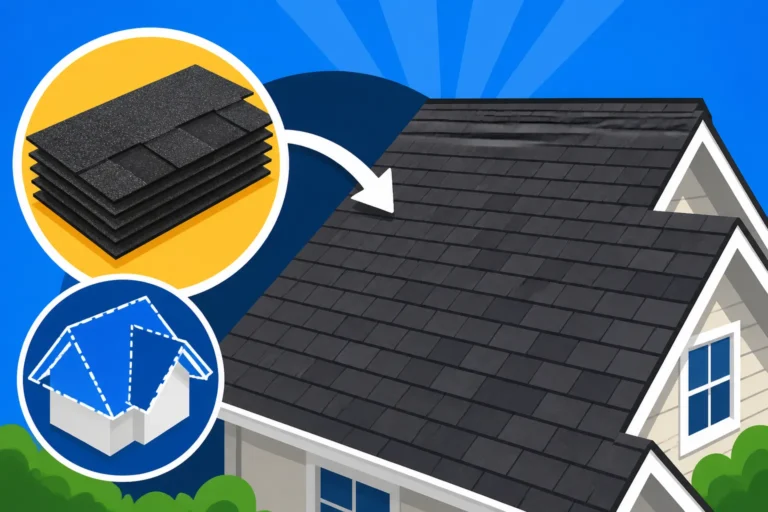
At its core, roof decking is the structural layer of material that sits directly on your roof trusses or rafters. It creates a solid, continuous surface over your home, providing the essential base for your underlayment, shingles, and other roofing components. Think of it as the skin that holds everything together, providing strength and a nailing surface for all subsequent layers. Without sound decking, your roof system simply wouldn't function, leading to sagging, poor shingle adhesion, and vulnerability to leaks.
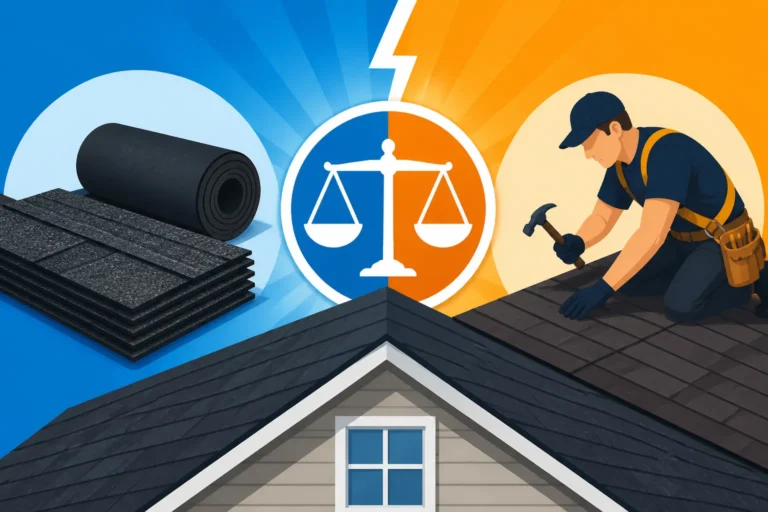
When it comes to materials, the two most common types you'll encounter are plywood and oriented strand board (OSB). Plywood is made from thin wood veneers glued together in alternating grain patterns for strength, while OSB is manufactured from compressed wood strands, resin, and wax. Both serve the same fundamental purpose, but they have distinct characteristics that can impact performance and cost. If you're curious about the specifics, we have a detailed article covering OSB vs Plywood Roof Decking that might shed more light. Modern building codes often specify minimum thickness requirements, usually 7/16-inch or 1/2-inch, but thicker options are available, especially in regions prone to heavy snow loads or high winds.
Common Causes of Decking Damage
Roof decking doesn't just fail overnight without reason; it's usually the result of prolonged exposure, structural issues, or sudden traumatic events. Understanding these causes can help you identify potential problems early on. The most frequent culprit, by far, is water intrusion. Leaks from compromised shingles, damaged flashing around chimneys or vents, or even ice dams can allow moisture to seep through the underlayment and saturate the decking below. Once wood gets consistently wet, it becomes a breeding ground for rot and mold, which swiftly compromises its structural integrity.
Beyond water, physical damage can also necessitate decking replacement. Strong winds can lift and tear shingles, exposing the decking to the elements. Heavy impacts from falling tree branches or significant hail can crack or puncture the decking. Even improper installation during a previous roofing job, such as inadequate fastening or insufficient ventilation, can lead to premature deterioration. For instance, poor attic ventilation can trap moisture and heat, causing the wood to warp, buckle, or rot from the underside, even if the shingles appear fine from above.
Signs Your Roof Decking Needs Attention
Catching decking problems early can potentially save you a lot of money and headaches down the line. While a professional roof inspection is always the best way to determine the health of your decking, there are several tell-tale signs homeowners can look for from the ground or, with caution, from inside the attic.
Inside your home, particularly in the attic, look for water stains on the underside of the decking or rafters, signs of mold or mildew growth, or even visible holes or soft spots. If you notice a musty odor that seems to permeate your upper living spaces, that could also be an indicator of hidden moisture damage. From the exterior, warped, sagging, or uneven areas on your roof surface are major red flags. If your shingles appear to be sinking in certain spots, or if you can see noticeable dips and valleys, it’s a strong sign that the decking beneath is compromised. Keep in mind, sometimes these issues are subtle, making regular professional inspections invaluable in preventing small issues from escalating into costly full-scale replacements.
Factors Influencing Roof Decking Replacement Costs
The final bill for replacing your roof decking isn't just one static number; it's a dynamic figure influenced by a host of variables. Understanding these factors will empower you to better interpret estimates and make informed decisions.
Material Costs: Plywood vs. OSB
The type of decking material chosen is one of the primary drivers of cost. Plywood, historically the go-to choice, generally costs more than OSB per sheet. The price difference can fluctuate based on current lumber markets, but typically, you might see plywood costing 10-20% more than OSB. For example, a 4×8 foot sheet of 1/2-inch plywood might range from $35 to $60, while a similar sheet of 7/16-inch OSB could be $30 to $50. These are just material costs, mind you, and don't include delivery or installation.
Beyond the basic sheet price, the thickness of the decking also plays a significant role. Thicker sheets, like 5/8-inch or 3/4-inch, provide greater structural rigidity and can be required by local building codes, especially if you're dealing with wider rafter spacing or anticipate heavy loads (like snow). Naturally, these thicker materials come at a higher per-sheet price. While OSB is a perfectly acceptable and widely used material, some homeowners prefer plywood for its perceived superior moisture resistance and durability, particularly in humid climates. However, modern OSB products have improved significantly in these areas.
Labor Costs: What You're Paying For
Labor is often the largest component of any roofing project, and decking replacement is no exception. The skill and time required to remove old, damaged decking, cut new sheets to size, and properly fasten them account for a significant portion of the cost. Roofers typically charge for decking replacement on a per-sheet basis, or as part of an overall "per square" cost for the entire roofing job, depending on how extensive the damage is. You can learn more about this in our guide to Asphalt Roof Labor Cost Explained.
Factors that increase labor costs include the complexity of your roof (e.g., multiple angles, dormers, skylights), the steepness of its pitch, and the accessibility of the work area. A very steep roof, for instance, requires specialized safety equipment and slower work, leading to higher labor charges. If your roof has multiple layers of old shingles that need to be removed before the decking can even be assessed, that adds another layer of labor-intensive work. Remember, a professional crew will ensure proper installation, which is critical for the longevity and warranty of your new roof.
Scope of Damage and Accessibility
The extent of the damage to your roof decking is perhaps the most unpredictable cost factor. If only a few isolated sheets are compromised, the repair will be less expensive than if a significant portion, or even the entire roof deck, needs replacement. During the initial tear-off of your old shingles, the contractor will conduct a thorough inspection of the exposed decking. This is often when the true scope of the damage becomes apparent, as many issues are hidden until the old layers are gone.
Accessibility also plays a huge role. Is your home a sprawling ranch with easy access to all roof sections, or a multi-story home in a cramped urban lot with limited space for material delivery and debris removal? Homes with multiple stories or complex rooflines with numerous valleys, hips, and penetrations (like chimneys, skylights, and vent pipes) will invariably increase both material handling and labor costs. Any special equipment needed, such as lifts or extensive scaffolding, will also contribute to the final price. Understanding What Drives Asphalt Roofing Costs Up or Down can help contextualize these variables.
Breaking Down the Average Costs
Let's talk numbers. While it's tough to give exact figures without seeing your specific roof, we can provide some solid averages and ranges to help you prepare your budget. Keep in mind that these are estimates, and real-world quotes can vary.
Per Sheet vs. Per Square Foot Pricing
Roof decking replacement is often quoted in two ways: per sheet or per square foot (or per roofing square, which is 100 square feet). When damage is localized, a contractor might quote a price per sheet, covering the material, labor for removal, and installation of one 4×8 foot panel. This can range anywhere from $70 to $120 per sheet, depending on the material, thickness, and labor rates in your area. So, if you need 10 sheets replaced, you're looking at $700 to $1,200 just for the decking.
For more extensive damage, or if the contractor anticipates widespread issues, they might quote per roofing square. A roofing square covers 100 square feet, meaning it takes approximately 3 to 4 sheets of 4×8 decking (which is 32 sq ft per sheet) to cover one square, accounting for waste. The cost to replace decking per square can range from $200 to $500. This higher per-square cost often includes the tear-off and disposal of the old decking as well. For a typical 2,000 square foot roof (20 roofing squares), if all the decking needed replacing, you could be looking at $4,000 to $10,000 for decking alone, on top of the shingle and other material costs.
Regional Cost Variations
Just like everything else, the cost of roof decking replacement can differ significantly based on where you live. Labor rates, local building codes, material availability, and even the prevalence of certain types of homes all play a part. For example, roofing costs in bustling metropolitan areas like New York City or Los Angeles are typically much higher than in more rural or less expensive housing markets.
States with stricter building codes, particularly those in hurricane-prone regions like Florida or hail-prone areas like Texas and Colorado, might require specific decking materials or fastening methods that can increase costs. For instance, the stricter wind uplift requirements in coastal Florida might mean more nails per sheet or specific types of fasteners, adding slightly to labor and material. Similarly, if you are looking into Asphalt Roof Replacement Cost in Texas or Asphalt Roof Replacement Cost in Florida, you'll find that these costs can be higher due to these regulations and high demand. It's always best to get quotes from local contractors who are intimately familiar with regional pricing and codes.
Total Project Cost Scenarios
Let’s look at a few hypothetical scenarios to give you a clearer picture of how decking costs fit into the overall roof replacement budget. Keep in mind that these figures are illustrative and represent just the decking portion of a full roof replacement. A full asphalt roof replacement might cost anywhere from $8,000 to $25,000 or more, with decking being an addition.
Scenario 1: Minor, Localized Damage
- Situation: A 1,500 sq ft roof with minor leaks around a chimney, leading to rot in 5-6 sheets of decking.
- Cost Estimate: If 6 sheets are replaced at $90/sheet (material & labor), total decking cost: $540. This is a relatively small add-on to the overall roofing project.
Scenario 2: Moderate, Widespread Damage
- Situation: A 2,000 sq ft roof where approximately 30% of the decking (600 sq ft or about 19 sheets) needs replacement due to past chronic leaks and some warping.
- Cost Estimate: If 19 sheets are replaced at $90/sheet, total decking cost: $1,710. Or, if quoted per square, 6 squares at $350/square, total decking cost: $2,100. This becomes a more significant percentage of the total project.
Scenario 3: Extensive, Full Deck Replacement
- Situation: A 2,500 sq ft roof where the decking is extensively water-damaged, warped, and shows signs of widespread deterioration, requiring a full replacement of all decking.
- Cost Estimate: For a 2,500 sq ft roof (25 squares), if decking replacement is $350/square, total decking cost: $8,750. This is a substantial added expense, often making up a significant portion of the total Asphalt Roof Replacement Cost: Complete Breakdown.
These examples highlight why a thorough inspection is critical and why getting a detailed estimate from your contractor is non-negotiable.
The Replacement Process and What to Expect
Understanding the steps involved in roof decking replacement can help you anticipate the process, appreciate the labor, and ask informed questions when speaking with contractors.
Inspection and Assessment
The journey of replacing damaged roof decking typically begins with a comprehensive inspection. While a roofer might initially provide an estimate based on visual cues from the ground or a drone, the true assessment of decking health can only happen after the old shingles and underlayment have been removed. This "uncovering" stage is crucial because many issues, like rot or insect damage, are completely hidden until the top layers are gone.
During this phase, your contractor will meticulously check each section of the exposed decking for soft spots, warping, cracks, delamination (for plywood), or swelling (for OSB). They'll also verify that the existing rafters are sound and properly spaced. It's common for contractors to take photos or videos of any discovered damage to show you, explaining why replacement is necessary and where it's located. This transparency is vital, especially since decking issues often emerge as an unexpected "change order" during a larger roof replacement project.
Removal and Disposal
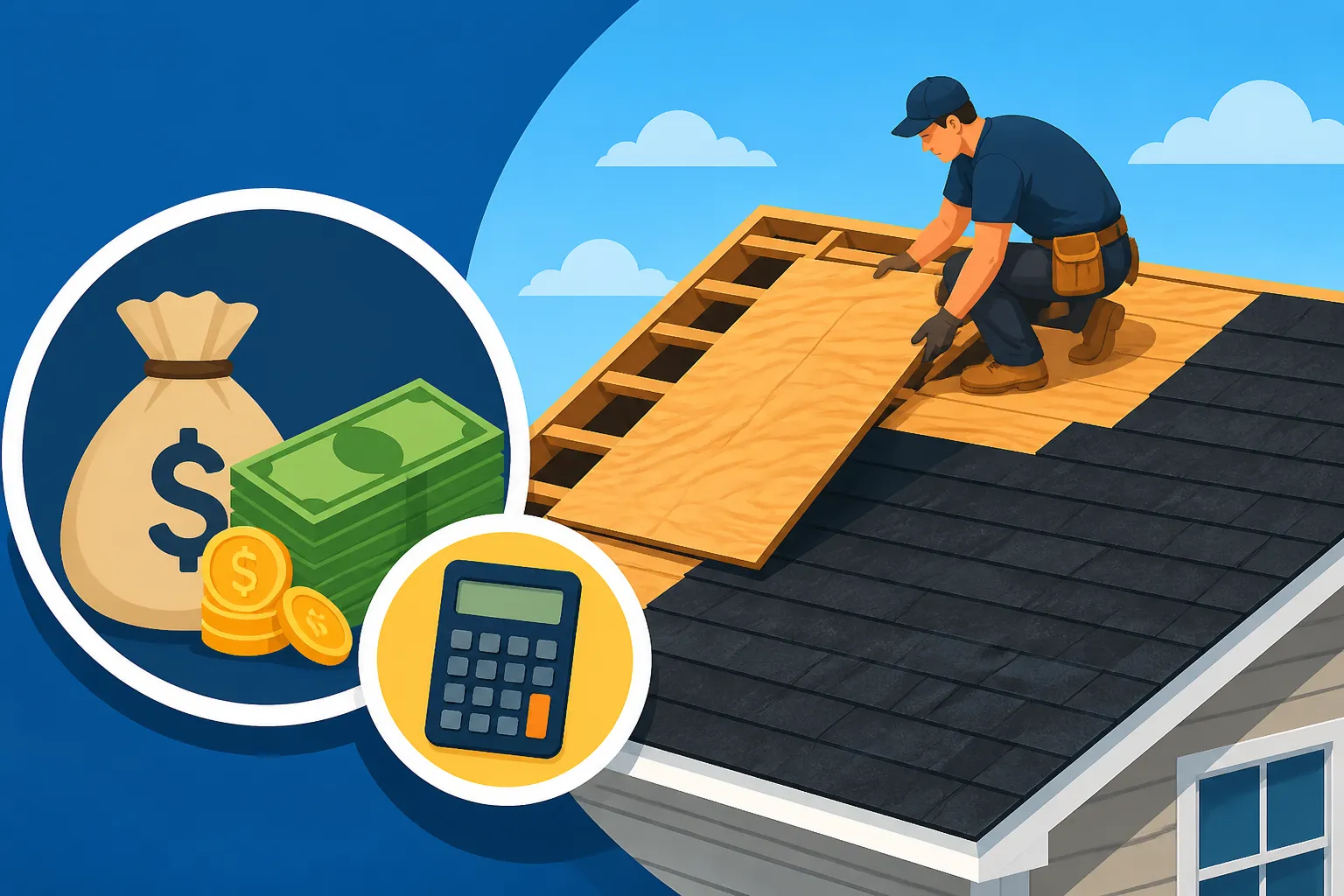
Once the damaged areas are identified, the crew will proceed with the careful removal of the old decking. This involves prying up the compromised sheets of plywood or OSB, typically using pry bars and reciprocating saws. Care must be taken to minimize damage to the underlying rafters or trusses, which are the structural backbone of your roof. This can be a dusty and noisy process, and the amount of debris generated can be considerable, especially if a large section of your roof deck is being replaced.
The old decking materials, along with the torn-off shingles and underlayment, must then be properly disposed of. This usually involves hauling everything away to a local landfill or recycling facility. The cost of debris removal and disposal is often included in the overall "tear-off" portion of your roofing estimate. Our article on the Cost of Roof Tear-Off and Disposal goes into more detail about these associated expenses. Ensure your contractor specifies how they handle waste, as environmentally conscious disposal practices are becoming increasingly important.
Installation and Final Touches
With the old decking gone and the underlying structure prepped, the new decking sheets are cut to size and installed. This involves precise measurements, careful alignment, and proper fastening to the rafters. Roofing nails or screws are driven at specific intervals and patterns, adhering to local building codes to ensure maximum wind uplift resistance and structural integrity. Often, the crew will use pneumatic nail guns for speed and consistency.
After the new decking is securely in place, the roofing system can be rebuilt from the ground up. This means installing new underlayment (often synthetic, which is more durable than traditional felt), drip edge, starter shingles, and then the main asphalt shingles. All penetrations like vents, chimneys, and skylights will be properly flashed. The goal is to create a seamless, watertight, and structurally sound surface that will protect your home for decades to come.
Navigating Unexpected Costs and Budgeting
No one likes surprises, especially when it comes to significant home repairs. Dealing with unexpected roof decking replacement costs can throw a wrench into your budget, but with careful planning and communication, you can manage these challenges.
Hidden Costs in a Roof Replacement Beyond Decking
While decking replacement is a significant potential "hidden" cost, it's not the only one. Roofing projects often unearth other issues that can add to your final bill. For instance, sometimes the rafters or trusses underneath the decking have also suffered water damage or have become compromised by pests. Repairing or reinforcing these structural elements will add further labor and material costs. Replacing damaged fascia or soffit boards, which are often intimately connected to the roof edge, can also become necessary.
Furthermore, proper attic ventilation is crucial for the longevity of your new roof and can prevent future decking issues. If your current ventilation system is inadequate, upgrading to new ridge vents, soffit vents, or even powered attic fans might be recommended, adding to the expense. Our guide on Hidden Costs in a Roof Replacement delves into these potential budget busters, helping you prepare for a more comprehensive financial picture. Always ask your contractor to be transparent about potential additional costs they might encounter once the tear-off begins.
How to Budget for a New Roof with Potential Decking Issues
Budgeting for a new roof when there’s a possibility of decking replacement requires a flexible approach. Instead of setting a single, rigid budget, it's wise to create a range, with the higher end accounting for potential decking issues. A good rule of thumb is to factor in an additional 10-20% of your initial estimate as a contingency fund specifically for unexpected issues like damaged decking or underlying structural repairs.
When you receive initial quotes, ask contractors to provide separate pricing for decking replacement on a per-sheet or per-square basis. This way, you'll know exactly what the added cost will be if issues are discovered. You can use platforms like Modernize to connect with reputable local contractors who can provide detailed estimates and discuss these possibilities upfront. By having a clear understanding of the maximum potential cost, you can make more confident financial preparations, exploring options like Roof Financing Options Explained if necessary.
Getting Multiple Estimates and Preventing Surprises
The best defense against sticker shock is preparation and comparison. Always get at least three detailed estimates from different, reputable roofing contractors. These estimates should clearly itemize all costs, including materials, labor, tear-off, and disposal. Crucially, they should also outline how they handle decking replacement if it's discovered. Will they charge per sheet? Will they provide a maximum allowance? This clarity upfront is vital. For more guidance on this process, check out How to Get Roofing Quotes and Compare Them.
When reviewing estimates, don't just focus on the bottom line. Look for transparency. A contractor who takes the time to explain the potential for decking issues, includes a contingency plan in their proposal, and commits to communicating promptly if problems arise is often a more reliable choice. Ensure all terms are in a written contract before any work begins, as this protects both you and the contractor. This proactive approach helps minimize unwelcome surprises and keeps your project on track.
Making Informed Decisions About Your Roof Decking
Understanding the details of roof decking replacement costs isn't just about the money; it's about making the best decisions for the long-term health and protection of your home.
Repair vs. Replace for Decking
When damage is discovered, a key decision point arises: can the decking be repaired, or does it need full replacement? For minor, isolated sections where only a single sheet or two shows signs of surface rot or a small puncture, a targeted repair might be feasible. This would involve cutting out the damaged section and replacing it with a new piece, carefully integrating it into the existing structure. This approach is significantly less costly than replacing large swaths of decking.
However, if the damage is extensive, widespread, or affects the structural integrity of multiple interconnected sheets, full replacement of those sections is almost always the safer and more cost-effective long-term solution. Attempting to patch severely compromised decking can lead to uneven surfaces, poor shingle adhesion, and continued structural weakness, potentially shortening the life of your new roof. Our article, Roof Repair vs Replacement: How to Decide, offers a broader perspective on these considerations for your entire roof system. Your contractor's professional assessment will be paramount in determining the best course of action for your specific situation.
The Importance of Professional Assessment
You might be tempted to climb into the attic and eyeball your decking yourself, and while preliminary observations are helpful, there's no substitute for a professional assessment. Experienced roofing contractors have the knowledge to accurately identify the extent and nature of decking damage, differentiate between surface issues and structural problems, and understand local building codes. They can also spot underlying problems that might not be obvious to the untrained eye, like subtle signs of termite activity or hidden moisture pockets.
Furthermore, a skilled professional can advise on the best materials for your climate and roof type, ensuring your replacement decking meets or exceeds current building standards. When considering such a critical component of your home, relying on certified and insured experts is non-negotiable. If you're wondering how to find such a pro, our guide on How to Choose a Roofing Contractor provides excellent advice. They can provide a comprehensive picture of your roof's health, offering peace of mind and ensuring the longevity of your investment.
Long-Term Value and Prevention
While the cost of roof decking replacement can be daunting, viewing it as an investment in your home's long-term health is crucial. A sound roof deck provides a stable foundation for your shingles, maximizing their lifespan and performance. It ensures your roof can withstand wind, snow, and rain effectively, protecting your home from leaks and structural damage. Neglecting damaged decking means putting your entire roofing system and the interior of your home at risk.
To prevent future decking issues, focus on regular roof maintenance. This includes routine inspections, keeping gutters clear, trimming overhanging branches, and ensuring proper attic ventilation. Adequate ventilation helps prevent moisture buildup that can lead to rot and mold. Installing high-quality underlayment and ensuring proper flashing during your roof replacement also act as critical barriers against water intrusion, giving your decking the best chance to last as long as your new asphalt shingles. Thinking ahead and investing in quality now can save you significantly in repair costs down the road.
Disclaimer
Please note that the information provided in this guide is intended for general informational purposes only and does not constitute professional advice. Roofing costs and requirements can vary significantly based on location, contractor, materials, and specific project details. Always consult with a qualified, licensed, and insured roofing professional for accurate estimates and recommendations pertaining to your specific roofing project.