Cost to Roof Over Existing Shingles
That moment when you realize your roof isn't going to last forever can be pretty stressful, especially when you start picturing the huge cost of a full replacement. It’s natural to look for ways to cut corners and save some money, and the idea of simply putting new shingles right over the old ones – a "roof overlay" or "reroofing" – often comes up. While it sounds like a brilliant shortcut, the reality is a bit more nuanced, with potential savings and significant downsides. This guide is here to walk you through the true cost of roofing over existing shingles, helping you understand if this option makes sense for your home and your wallet.
The Basics of Roofing Over Existing Shingles: Understanding the Overlay Process
Let's be honest, the thought of a quicker, cheaper roof job is incredibly appealing. A roof overlay, often called a "reroof" in casual conversation (though a full tear-off and replacement is also technically a reroof), promises just that. But what exactly does it entail, and why do homeowners even consider it?
What Exactly Is a Roof Overlay?
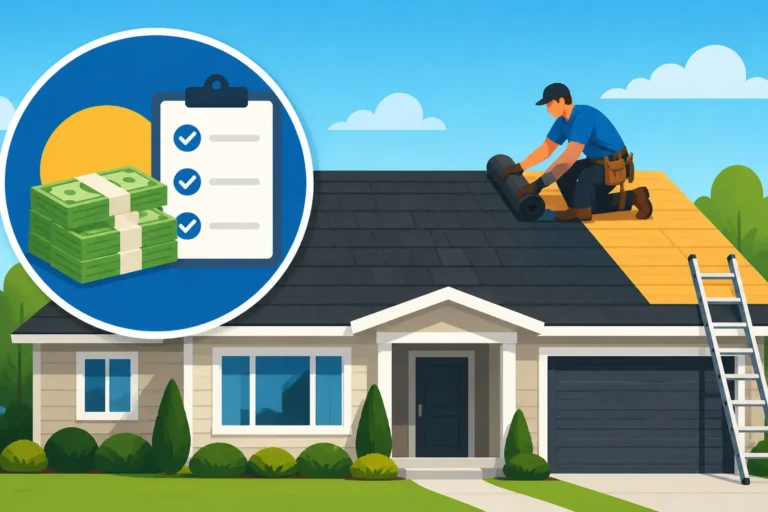
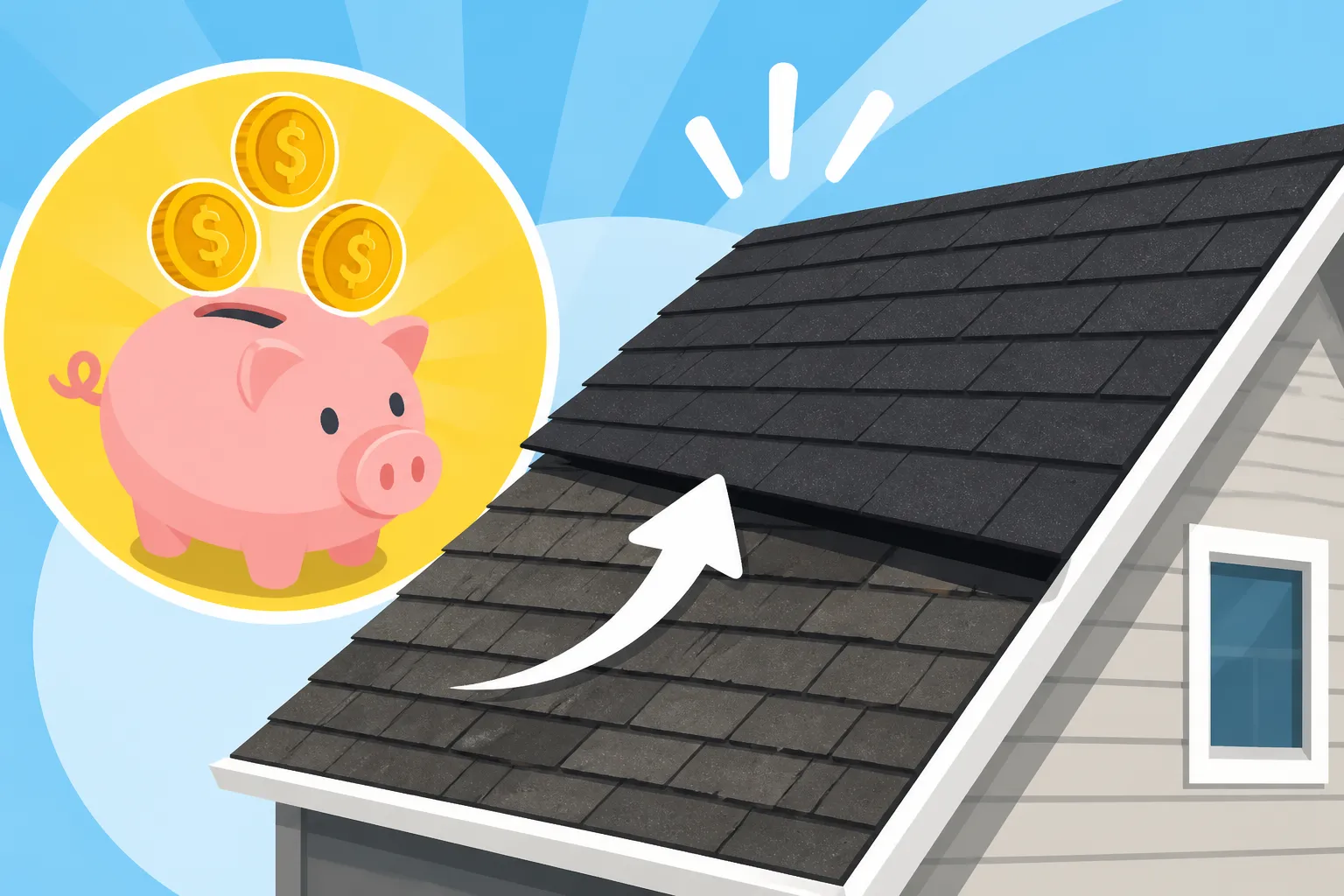
A roof overlay is precisely what it sounds like: installing a new layer of asphalt shingles directly on top of your existing, older asphalt shingles. Instead of tearing everything off down to the roof decking, which is the standard practice for a full roof replacement, contractors simply prepare the old surface and then nail the new shingles into place. This can involve making minor repairs to the existing layer, flattening any curled or damaged shingles, and ensuring the surface is clean and ready for the new material. Often, contractors will add a layer of felt or synthetic underlayment over the old shingles first to provide an extra moisture barrier and a smoother surface for the new installation, though this isn't always done or required.
The key is that the existing roof remains largely intact underneath. It’s like putting a fresh coat of paint on a wall without sanding it down first – it looks good initially, but the old imperfections are still lurking beneath. While a full tear-off would remove all old shingles, underlayment, and expose the roof decking, an overlay bypasses these steps entirely, leading to a seemingly faster and less labor-intensive job. However, the quality of the new roof is heavily dependent on the condition of the old one, and any underlying issues are simply covered up, not resolved.
Why Homeowners Consider an Overlay
The primary driver for most homeowners considering a roof overlay is, predictably, cost. When you're facing a major expense like a roof, saving money anywhere you can feels like a win. The logic is straightforward: less labor for tear-off, no disposal fees for old materials, and a quicker completion time. These factors can translate to an initial quote that looks significantly more attractive than a full replacement. For instance, the Cost of Roof Tear-Off and Disposal can easily add thousands to a project, so avoiding that entirely seems like a smart move.
Beyond the immediate financial appeal, some homeowners appreciate the reduced disruption. A tear-off creates a lot of noise, dust, and debris, which can be a real headache for families, especially those with young children or pets. An overlay, by comparison, is often seen as a cleaner and less intrusive process. It might also be considered if a home is about to be sold, and the homeowner wants a quick cosmetic fix without investing in a long-term solution. However, it's critical to weigh these perceived benefits against the potential long-term drawbacks, which we'll dive into shortly.
Understanding the Cost Breakdown for an Overlay
When you’re looking at an estimate for roofing over existing shingles, it’s going to look different from a full replacement. While some costs like new shingle materials remain, others are significantly reduced or eliminated. However, don't let the initial lower price tag fool you into thinking it's always the better deal.
Material Costs for Reroofing
The good news is that the bulk of your material cost for an overlay will be the new asphalt shingles themselves, which is a constant regardless of whether you're layering them or doing a full tear-off. You’ll choose between 3-tab, architectural (also known as dimensional), or even designer shingles, with architectural shingles being the most popular choice for their durability and aesthetic appeal. The cost per square (a roofing square equals 100 square feet) for these shingles can vary widely based on brand, style, and quality.
Beyond the shingles, you’ll still need some crucial accessories. Starter shingles, hip and ridge cap shingles, and new flashing around chimneys and vents are usually part of the package. Some contractors might also recommend an additional layer of synthetic underlayment or felt paper over the old shingles to provide a better surface and added protection, which would be an extra material cost. You might save on one layer of underlayment if the existing roof's underlayment is deemed sufficient, but it's a risky gamble that often isn't worth it. Essentially, you're buying almost all the same new materials as a full replacement, but hoping to reuse the foundation.
Labor Costs: What to Expect
Here's where the primary "savings" in an overlay typically come into play. The labor involved in an overlay is generally less extensive than a full tear-off. There’s no arduous process of prying off old shingles, no hauling away tons of debris, and usually, less time spent inspecting or repairing the roof decking underneath. This reduction in labor hours means a lower overall labor charge. According to industry averages, labor can account for 40-60% of the total How Much Does an Asphalt Shingle Roof Cost, so any reduction here can feel substantial.
However, "less extensive" doesn't mean "easy." Roofers still need to prepare the existing surface properly, which involves addressing any severely curled, cracked, or missing shingles. They’ll also need to ensure proper nailing through two layers of material into the decking, which requires skill and precision to avoid issues down the line. It's also worth noting that some experienced roofers might charge a similar hourly rate for an overlay as they would for a full replacement simply because the inherent risks and precision required are still high. Don't assume a dramatically lower labor rate just because it's an overlay; the efficiency comes from fewer total hours on the job.
Hidden and Unexpected Costs
This is where the allure of an overlay can quickly fade. While the upfront quote might look appealing, there are several "hidden costs" or issues that can arise, turning your perceived savings into future expenses. First, many municipalities require a permit for any significant roofing work, including overlays, and this cost varies by location. For example, Roofing Permits Explained often comes with inspection requirements that might uncover issues.
More critically, what happens if the roofer discovers significant damage to your existing roof or the underlying decking after they've started, or even before they give you a quote for an overlay? Rotted wood, extensive leaks, or structural sagging cannot simply be covered up. If these issues are found, the overlay project grinds to a halt, and you're suddenly looking at an unplanned Cost of Roof Tear-Off and Disposal plus Roof Decking Replacement Cost. This scenario negates all your initial savings and adds the headache of dealing with a mid-project change order. Additionally, covering existing problems can lead to premature failure of your new roof, meaning you'll be paying for repairs or another replacement much sooner than expected. It’s always worth getting a thorough inspection before committing to an overlay, and even then, there are no guarantees about what lies beneath.
Pros and Cons of Roofing Over Your Old Shingles
Deciding whether to roof over existing shingles or opt for a full tear-off is a big decision, and it's essential to look beyond just the immediate price tag. There are definite appeals to an overlay, but also some significant pitfalls that can bite you later.
The Upsides: Where You Might Save Money
The most obvious advantage of a roof overlay is the potential for initial cost savings. As we discussed, you avoid the labor and disposal fees associated with tearing off the old roof. This can make the project seem more manageable, especially if you're on a tight budget. For some homeowners, the prospect of saving a few thousand dollars upfront is enough to make the decision. It truly feels like a win when you get that lower quote.
Another benefit often cited is the speed of installation. Without the tear-off phase, a roofing crew can often complete an overlay in less time than a full replacement. While How Long a Roof Replacement Takes can vary, shaving off a day or two of labor can be appealing for busy homeowners. Less time on the job also often means less disruption to your daily life, less noise, and less debris scattered around your yard. Finally, the extra layer of old shingles can provide a marginal increase in insulation, offering a tiny boost to your home's energy efficiency, though this effect is usually negligible compared to proper attic insulation.
The Downsides: Why It Often Isn't the Best Idea
Despite the tempting initial savings, the downsides of a roof overlay often outweigh the benefits, especially in the long run. The biggest concern is that an overlay masks underlying problems. If your existing roof has leaks, soft spots, or damaged decking, simply covering it up won't fix those issues. In fact, it can exacerbate them by trapping moisture, leading to accelerated rot and mold growth in your attic and roof structure. This is one of those situations where Signs You Need a New Roof might be hidden, and ignoring them can lead to costly repairs down the road.
Furthermore, an overlay adds significant weight to your roof structure. Most residential roof frames are designed to support a certain load, and adding a second layer of asphalt shingles (which can weigh several tons for an average home) pushes that limit. While most roofs can handle two layers, it’s crucial to ensure your specific roof structure is robust enough. Overloading can lead to structural sagging or even failure, a far more expensive problem than a full replacement would have been.
A major concern for many homeowners is the impact on the shingle manufacturer's warranty. Many shingle manufacturers explicitly state that their warranties are voided if their product is installed over an existing layer of shingles. This means if your new shingles fail prematurely due to manufacturing defects, you could be left footing the bill for repairs or replacement. Understanding your Roofing Warranty: Workmanship vs Manufacturer is paramount. Additionally, the new shingles don't "seal" as effectively when installed over an uneven surface, which can happen with existing shingles, potentially compromising their wind resistance and overall lifespan.
| Feature | Roof Overlay (Reroof) | Full Tear-Off & Replacement |
|---|---|---|
| Initial Cost | Generally lower (saves on labor & disposal) | Generally higher (includes tear-off & disposal) |
| Installation Time | Faster | Longer |
| Longevity/Durability | Shorter lifespan, more prone to issues | Maximize shingle lifespan, better performance |
| Weight on Structure | Adds significant weight | Back to original weight distribution |
| Warranty | Often voided by shingle manufacturers | Full manufacturer warranty coverage |
| Underlying Issues | Masks problems (rot, leaks, decking damage) | Exposes and allows repair of all issues |
| Curb Appeal | Can look uneven/wavy due to underlying layers | Smooth, clean finish |
| Resale Value | Potential red flag for buyers/inspectors | Adds significant value and peace of mind |
| Code Compliance | Limited by local codes (often 2-layer max) | Fully compliant with current codes |
| Disruption | Less noise and debris | More noise, dust, and debris |
Factors That Influence Overlay Costs
Just like a full roof replacement, the cost of an overlay isn't a one-size-fits-all figure. Several variables play a significant role in determining your final bill, even with the perceived simplicity of a reroof. Ignoring these factors can lead to nasty surprises.
Number of Existing Layers
This is arguably the most crucial factor when considering an overlay. Most local building codes only allow a maximum of two layers of shingles on a residential roof. If your home already has two layers, an overlay is simply not an option – a full tear-off becomes mandatory. Attempting to install a third layer is not only against code but also poses a serious structural risk due to the excessive weight. You might be surprised to find your home already has two layers; it's a common practice from decades past to save money.
Even if you only have one existing layer, the condition of that layer can affect the new overlay's cost and outcome. A relatively flat, well-adhered existing layer provides a better base for new shingles. However, if the first layer is badly curled, buckled, or has significant missing sections, the contractor will have to spend more time preparing it. This prep work, such as cutting away damaged sections or nailing down loose shingles, will add to the labor cost and diminish some of the "savings" you were hoping for.
Roof Size, Pitch, and Complexity
These factors are universal in roofing and impact both overlays and full replacements. A larger roof, quite simply, requires more materials and more labor, increasing the overall cost. The pitch, or steepness, of your roof also plays a major role. Working on a steep roof is more hazardous and labor-intensive, often requiring specialized equipment and safety measures. This always translates to a "steep roof cost premium" from roofers.
The complexity of your roof design adds another layer of cost. A simple, straightforward gable roof is much easier and faster to shingle than a multi-faceted roof with numerous valleys, dormers, and skylights. Each of these architectural features requires intricate cutting, flashing, and sealing, which demands more skill and time, regardless of whether you’re doing an overlay or a full tear-off. Even though you're not tearing off, the meticulous installation of new shingles around these complex areas remains the same. This can lead to increased Roofing Material Cost vs Labor Cost for these detail-oriented tasks.
Local Regulations and Permit Requirements
Never underestimate the power of local building codes and permit requirements. These regulations vary widely from city to city and state to state, and they can significantly impact your roofing project. In some areas, an overlay might not be permitted at all, regardless of how many layers you currently have. Many municipalities, particularly those prone to high winds or severe weather, now mandate full tear-offs to ensure the roof decking is inspected and properly prepared for maximum wind resistance.
It's absolutely critical to check with your local building department or ensure your contractor handles this. A reputable company will always pull the necessary permits. Skipping this step can lead to fines, requirements to tear off the new roof, and major headaches when it comes time to sell your home. Permit costs themselves are usually relatively minor compared to the total project, but the regulations they enforce can make an overlay impossible or at least more complex. This is why resources on Roofing Building Codes: What to Know are so valuable, as rules can vary greatly even within the same state.
When Is Roofing Over Not an Option?
While the idea of an overlay is appealing, there are concrete situations where it simply isn't a viable solution. Attempting to force an overlay in these circumstances is not only irresponsible but can lead to catastrophic damage and wasted money.
Structural Integrity and Decking Issues
This is perhaps the most critical deal-breaker for an overlay. If your current roof has soft spots, visible sagging, or signs of water damage in the attic, these are red flags indicating potential issues with your roof decking or even the underlying support structure. Rotted plywood or OSB decking cannot provide a stable, secure base for new shingles. Nailing new shingles into rotten wood means they won't hold, making your new roof susceptible to wind damage and premature failure.
In these cases, a full tear-off is not just recommended, it's absolutely essential. The old shingles and underlayment must be removed to expose the decking, allow for inspection, and facilitate necessary repairs or replacement of compromised sections. Trying to cover up rotting wood with new shingles is like putting a band-aid on a gaping wound – it offers no real solution and only allows the problem to fester and grow worse, eventually compromising the integrity of your entire roof system. This is a situation where Roof Decking Replacement Cost becomes an unavoidable part of the project.
Extensive Damage to the Existing Roof
If your existing roof is in really rough shape – we're talking about widespread missing shingles, significant curling and buckling, or deep cracks across large sections – an overlay is generally a bad idea. A new layer of shingles needs a relatively flat, stable base to adhere properly and look good. If the existing layer is severely uneven, the new shingles will mimic those imperfections, resulting in a wavy, bumpy appearance that detracts from your home's curb appeal and can even compromise the new roof's ability to shed water effectively.
Moreover, if there's extensive water damage or chronic leaks in the current roof, covering it up will only trap that moisture, accelerating deterioration of the decking and framing. An overlay is designed for roofs that are mostly intact but simply nearing the end of their aesthetic or functional life, not for roofs that are actively failing. If you have Missing Shingles: Repair or Replace questions, or if your shingles are heavily Curling Shingles: What They Mean, you're likely past the point where an overlay is a wise choice.
Exceeding Local Code Limitations
As mentioned earlier, most building codes strictly limit the number of shingle layers allowed on a residential roof, typically to two layers. If your home already has one existing layer and a previous owner chose to overlay, then you're at the two-layer maximum. In this scenario, any new roofing project must involve a full tear-off. Attempting to install a third layer is not only illegal but also dangerous. The combined weight of three layers of shingles can seriously overstress your roof's structural components, potentially leading to sagging rafters, compromised trusses, or even a collapse, especially under heavy snow loads or high winds.
A reputable roofing contractor will always assess the number of existing layers during their initial inspection. If they recommend an overlay without checking this crucial detail, or if they suggest violating local codes, that's a huge red flag. Always get an opinion from multiple roofers, and if you're ever unsure, check directly with your local building department. Companies like Modernize can help homeowners connect with vetted local pros who understand and abide by regional codes.
Making an Informed Decision: Overlay vs. Full Tear-Off
When it comes down to it, the choice between an overlay and a full tear-off is one of the most significant decisions you'll make for your roof. It impacts cost, longevity, warranty, and ultimately, your peace of mind.
Getting Professional Advice
The first and most important step is to get comprehensive inspections and detailed estimates from several reputable roofing contractors. Don't rely on a quick glance or a drive-by assessment. A good contractor will get up on your roof, meticulously examine its condition, check the number of existing layers, and inspect your attic for signs of leaks or decking damage. They should be able to clearly explain the pros and cons of both options for your specific roof.
Ask pointed questions: "How many layers do I currently have?" "What is the condition of my decking?" "Will an overlay impact my shingle warranty?" A thorough inspection will often reveal problems that rule out an overlay entirely, saving you from a costly mistake. If a contractor pushes hard for an overlay without a detailed inspection, or if their quote is drastically lower than others, consider it a warning sign. Modernize can be a great resource for finding qualified, local professionals who can provide these detailed assessments. Always remember, a good contractor prioritizes the long-term health of your home over a quick sale. Knowing How to Choose a Roofing Contractor is essential here.
Long-Term Value and Warranty Considerations
While an overlay might save you money upfront, it almost always comes at the expense of long-term value and peace of mind. A new roof installed on a clean, solid deck typically lasts its full intended lifespan, often 20-30 years for architectural shingles. An overlay, however, often has a shorter lifespan because the underlying issues, uneven surface, and potential for trapped moisture can cause the new shingles to fail prematurely. You might get 10-15 years, but it's often a compromise.
Furthermore, as discussed, many manufacturer warranties are voided when shingles are installed over an existing layer. This means if the new shingles develop a defect, you might have no recourse and be responsible for the full cost of repairs or replacement. A full tear-off, on the other hand, allows for the installation of a complete roofing system, including new underlayment, drip edge, and flashing, all contributing to maximum durability and full warranty coverage. This comprehensive approach usually results in a transferable warranty, which is a significant selling point if you plan to move in the future. Consider Is an Asphalt Shingle Roof Worth the Money over the long term, and often a full replacement is the better answer.
Comparing Estimates for Both Options
Once you have estimates for both an overlay and a full tear-off, it’s time to compare them thoroughly, not just by the bottom line. Look at the itemized costs for materials, labor, permits, and disposal. A good estimate will break down the Asphalt Roof Replacement Cost: Complete Breakdown. Pay close attention to:
- Scope of Work: Does each estimate clearly outline what's included? For an overlay, does it specify any prep work for the existing shingles? For a tear-off, does it include removal and disposal of all old materials?
- Material Specifications: What specific shingle brand, style, and warranty are being offered for both? Are they using new flashing and underlayment where appropriate?
- Warranty Details: What workmanship warranty is the contractor offering? Is the manufacturer's warranty valid for the overlay option?
- Permit Inclusion: Does the estimate include the cost and responsibility for pulling permits?
- Contingencies: Does the contractor discuss what happens if rotten decking is found during a tear-off, and what the associated costs might be?
Don't be afraid to ask questions. If something in the estimate isn't clear, ask for clarification. Remember that the cheapest bid isn't always the best value, especially when it comes to something as critical as your roof. A slightly higher upfront cost for a full tear-off and replacement might save you significantly more money and headaches down the road. Use a guide like How to Read and Compare Roofing Estimates to help you make an informed decision.
Disclaimer
Please remember that this article provides general information and estimates. Roofing costs and regulations can vary significantly based on your specific location, the unique characteristics of your home, and the prevailing market conditions. Always consult with multiple qualified, local roofing professionals to obtain accurate quotes and expert advice tailored to your situation.