Signs You Need a New Roof
It’s a situation many homeowners dread: looking up at your roof and seeing… well, something that just doesn’t look quite right. That nagging feeling, the worry about a small spot turning into a huge problem, or simply the confusion of trying to decipher whether a minor repair will do or if it's time for a complete overhaul. Understanding the true health of your asphalt roof can feel overwhelming, but this comprehensive guide is here to demystify the tell-tale signs, helping you confidently determine when your roof is truly ready for retirement.
The Subtle Warnings: Early Signs Your Roof Is Whispering for Help
Sometimes, your roof doesn't scream for attention with a gaping hole or a gushing leak. Instead, it starts with subtle hints, little whispers that only a discerning eye might catch. Ignoring these early warnings can lead to more extensive and costly damage down the line, so it's crucial to understand what these seemingly minor issues truly mean for your home's top layer of defense.
Granule Loss: More Than Just a Little Sparkle
Have you ever noticed what looks like coarse sand accumulating in your gutters or at the bottom of your downspouts? That, my friend, is likely shingle granules, and while a little bit is normal over the years, excessive loss is a flashing red light. These tiny, ceramic-coated mineral particles are more than just for show; they're the unsung heroes of your asphalt shingles. Their primary job is to protect the asphalt layer beneath from the sun's harsh ultraviolet (UV) rays, which can dry out and degrade the asphalt, making it brittle and vulnerable.
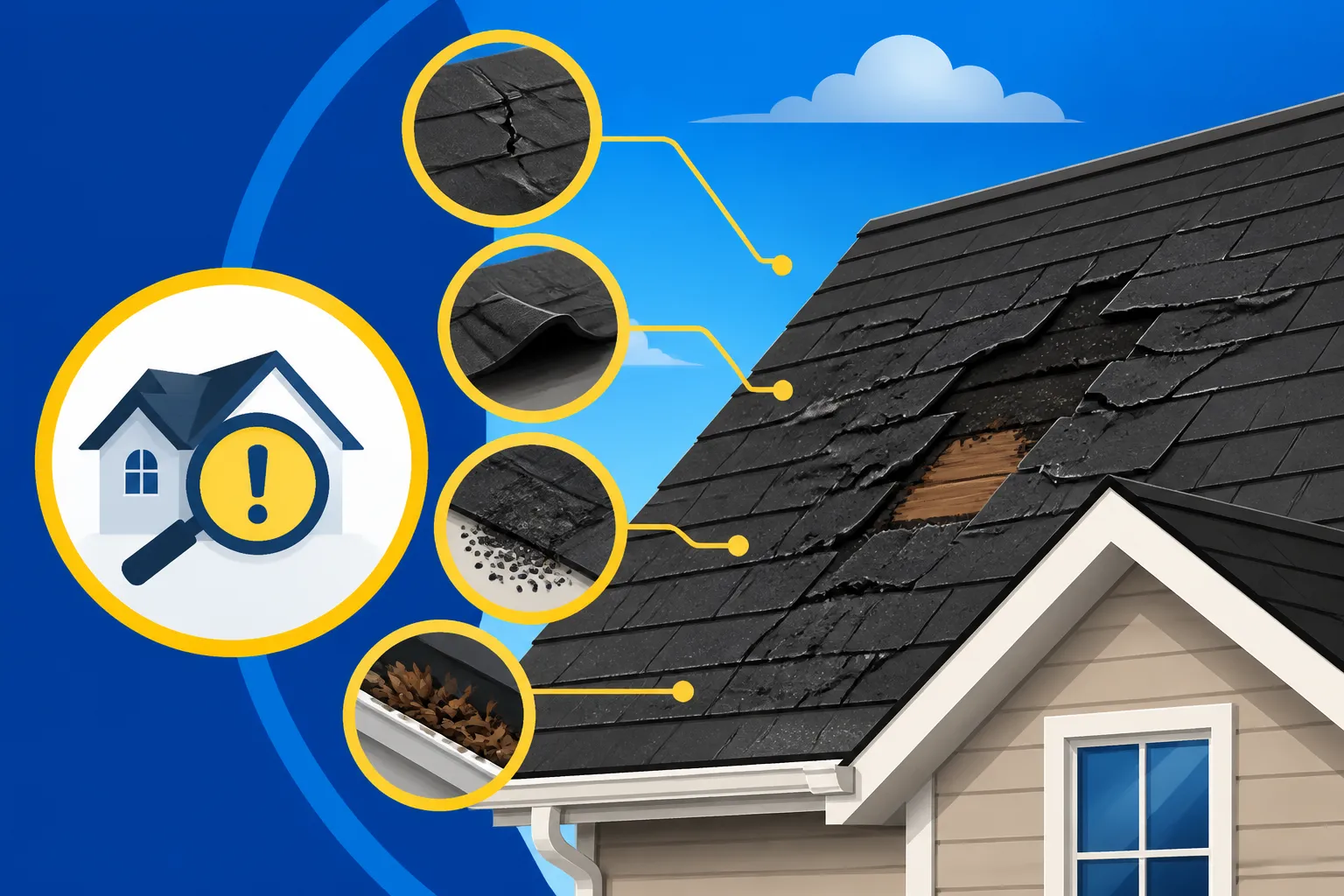
When shingles start losing granules in significant amounts, it's a clear indication that their protective layer is eroding. This often happens as a roof ages, but it can also be accelerated by severe weather, like hail or strong winds, or even by blistering due to excessive heat in the attic. Without these granules, the asphalt is directly exposed to UV radiation, leading to a much faster deterioration of the shingle. If you see bald spots on your shingles where the black asphalt is showing through, or if your gutters are routinely overflowing with what looks like gritty sand, it's definitely time to investigate further. It’s a sign that your roof’s sunscreen is wearing off, leaving it exposed and susceptible to further damage. You might be surprised at just how much these small particles matter, and you can learn more by checking out our guide on whether you should worry about Granule Loss: Should You Worry.
Curling or Cupping Shingles: Not Just a Style Choice
Take a moment to look at your roof on a sunny day. Do the edges of your shingles look perfectly flat and flush, or are some of them starting to curl upwards at the edges, resembling small potato chips? This phenomenon, known as curling, or sometimes cupping if the middle of the shingle sinks while the edges lift, is a classic sign of an aging or improperly installed asphalt roof. It's not just an aesthetic issue; it severely compromises the shingle's ability to shed water and protect your home.
Curling typically happens for a few key reasons. Most often, it's due to the natural aging process, as the asphalt oils dry out and the shingle loses its flexibility. But it can also be caused by insufficient attic ventilation, which allows heat and moisture to build up and prematurely age the shingles from underneath. Poor installation techniques, such as improper nailing, can also contribute. When shingles curl, their sealed edges lift, making them extremely susceptible to wind damage, ice dams forming underneath, and water infiltration. This dramatically increases the risk of leaks, especially during heavy rain or strong winds. Knowing what Curling Shingles: What They Mean can really help you understand the urgency of this issue.
Cracked or Broken Shingles: The Visible Wear and Tear
Cracked or broken shingles are often a more overt sign of a roof in distress, though they can still appear subtly at first. These can manifest in various ways: small spiderweb cracks across the shingle's surface, long horizontal fissures, or even larger, distinct breaks. While a single cracked shingle might be an isolated incident, widespread cracking points to a systemic issue, most commonly severe age or significant weather damage.
Over time, constant expansion and contraction from temperature changes, known as thermal shock, can make shingles brittle and prone to cracking. Poor quality shingles may crack earlier in their lifespan. Additionally, extreme weather events, such as hail or very strong winds, can inflict impact damage that causes cracks or even cleanly snaps sections of shingles. Cracked shingles are like tiny open doors for water. They allow moisture to seep through to the underlayment and potentially into your roof deck, creating a prime environment for rot and mold. Even small cracks can widen with time, becoming major vulnerabilities. If you're seeing more than just a handful of these, it's a strong indicator that the structural integrity of your roof is compromised.
Obvious Red Flags: When Your Roof Starts Shouting for Attention
While subtle signs can be missed, some problems are impossible to ignore. These are the "shouting" signals from your roof, clear indicators that its protective capabilities are severely compromised and that a replacement is likely imminent. Ignoring these can lead to immediate and substantial damage to your home's interior and structure.
Missing Shingles: Gaps in Your Home's Armor
There's no mistaking this one: if you look up and see patches of your roof deck exposed, or distinct areas where shingles are simply gone, you have a critical problem. Missing shingles are not just an aesthetic blight; they represent gaping holes in your home's protective envelope. This usually happens after high winds rip shingles from the roof, often made worse if the shingles were already old, brittle, or improperly fastened. The seal that holds them down fails, and they can be lifted and blown away, sometimes ending up in your yard or even a neighbor's.
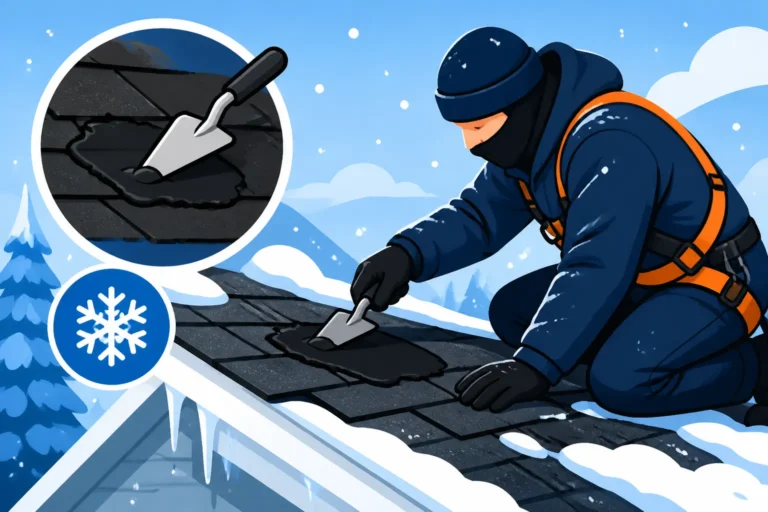
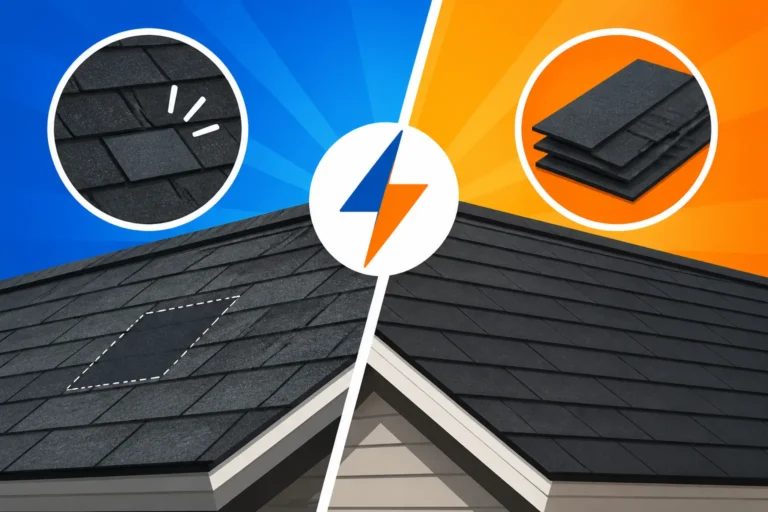
The immediate concern with missing shingles is, of course, water infiltration. Even a small patch of missing shingles can allow a surprising amount of rain to penetrate your roof's underlayment and reach the wooden decking below. This leads to water damage, rot, and potential mold growth in your attic and ceiling. Beyond water, exposure to the elements accelerates the deterioration of the surrounding shingles and the vulnerable roof deck. While it might be possible to patch a very small area with new, matching shingles if the rest of your roof is in good shape, extensive missing shingles often signal that the entire roof system is weakened and a full replacement, rather than just a Missing Shingles: Repair or Replace job, is the most prudent course of action.
Sagging or Uneven Roofline: A Structural Concern
This is one of the most alarming signs your roof can display, as it points to potential structural issues far beyond just the shingles themselves. If you notice any dips, valleys, or an overall uneven appearance along your roofline, especially from a distance, it’s not just an optical illusion. A sagging roof can indicate serious underlying problems with the roof decking, rafters, or even the foundational structure of your home. It’s a literal red flag that the roof is failing to support its own weight, or worse, the weight of snow, ice, or excessive moisture.
Causes for a sagging roof can range from long-term water damage that has rotted and weakened the roof decking or support beams, to improper framing during original construction. Heavy snow loads that sit for extended periods, or even significant accumulation of debris, can exacerbate existing weaknesses. A sagging roof isn't just a threat to your home's integrity; it can compromise the safety of everyone living inside. This is not a "DIY" fix; it requires immediate professional assessment to determine the extent of the damage and the necessary structural repairs, which almost always means a complete roof replacement is on the horizon, potentially involving significant roof deck replacement cost.
Water Stains and Leaks: The Inescapable Truth
Perhaps the most direct and undeniable sign of a failing roof is the presence of water inside your home. Whether it's a persistent drip, a spreading stain on your ceiling or walls, or even the musty smell of mildew in your attic, these are all indisputable indicators that your roof is no longer performing its primary function: keeping the elements out. It’s that horrible moment when you realize the water isn't just on your roof, it's in your house.
Water stains often appear as yellow, brown, or dark rings on ceilings or running down interior walls. While a small, isolated leak might sometimes be traced to a single damaged shingle or a piece of flashing, widespread staining or multiple leak points throughout your home strongly suggest that the entire roof system is compromised. The longer a leak goes unaddressed, the more severe the damage becomes, affecting drywall, insulation, electrical wiring, and potentially creating an environment for dangerous mold growth. Even if you don't see active drips, if your attic smells damp or you find warped wood or discoloration on the underside of your roof deck, it's a sign of ongoing, subtle water infiltration. Learning How to Spot a Roof Leak is critical, as any sign of water intrusion demands immediate investigation and often points to the need for a new roof.
Age and Wear: The Unavoidable March of Time
Like all things, roofs have a lifespan. Even the most well-maintained asphalt roof will eventually succumb to the relentless forces of nature and time. Understanding your roof's age and recognizing the cumulative effects of decades of wear and tear are crucial in planning for its eventual replacement.
Your Roof's Age: Knowing Its Lifespan
One of the most straightforward indicators that your roof is nearing the end of its service life is simply its age. While a typical asphalt shingle roof can last anywhere from 15 to 30 years, depending on the type of shingle, installation quality, climate, and maintenance, even the best roofs eventually reach their limit. If you’ve been in your home for a long time, or if you purchased it without knowing the roof’s history, figuring out its age is a critical first step. You might be able to find a permit for a previous replacement, or a home inspection report from when you bought the house. Without that information, a professional roofer can often estimate the age by examining the wear patterns and shingle type.
When an asphalt roof approaches its typical lifespan, the materials naturally degrade. The asphalt becomes dry and brittle, losing its flexibility and waterproofing capabilities. Granule adhesion weakens, the sealant strips lose their effectiveness, and shingles become more susceptible to damage from even minor weather events. While some roofs may last longer than anticipated, and others fail prematurely, knowing that your roof is in its "golden years" should prompt you to start budgeting and planning for a replacement, even if there aren't obvious signs of failure yet. Proactive replacement is almost always less stressful and costly than emergency replacement after a catastrophic failure. For a deeper dive into this, check out How Long Does an Asphalt Roof Last.
General Wear and Tear: Patches, Moss, and Algae
Beyond obvious cracks or missing shingles, a general appearance of deterioration can signal an aging roof. This might include a patchwork of different-colored shingles from previous spot repairs, widespread moss or algae growth, or just a tired, worn-out look. While a little moss or algae can often be cleaned, widespread, persistent growth, especially if it's accompanied by other issues, can indicate that the shingles are retaining too much moisture and breaking down.
Moss and algae thrive in damp, shaded areas, and their presence suggests that your roof isn't drying out effectively. Moss can actually lift shingles, allowing water to seep underneath, and its root-like structures can degrade the shingle surface over time. Black streaks of algae, while mostly cosmetic, can also indicate moisture retention and can contribute to premature aging of the shingles. A roof that looks consistently damp, discolored, or uneven due to various repairs over the years might be telling you it's simply exhausted. It's not just about aesthetics; a roof struggling with pervasive moss or algae is likely losing its fight against the elements.
Neighboring Roof Replacements: A Community Clue
Sometimes, one of the best indicators that your roof might need attention isn't on your own house at all, but on your neighbors'. If you start seeing multiple roofing crews in your immediate area, tearing off old roofs and installing new ones, it could be a significant clue. While every home is different, houses built around the same time in the same development often received similar roofing materials from the same suppliers. This means they are likely aging at a similar rate and experiencing similar issues, especially if they're exposed to the same local weather patterns.
If several of your neighbors, particularly those with homes of similar age and construction, are getting new roofs, it's a good prompt to have your own roof thoroughly inspected. They might be replacing their roofs due to age-related wear, storm damage that affected the whole neighborhood, or simply proactive maintenance based on an aging material. This "community clue" can give you a heads-up, allowing you to get ahead of potential problems rather than waiting for your roof to fail unexpectedly. It's a pragmatic approach to home maintenance – observing your surroundings can save you a lot of headache and expense down the road.
Post-Storm Assessment: After the Fury Passes
Severe weather can take a heavy toll on even a relatively new roof, and for older roofs, it can be the final straw. After a major storm, especially one involving hail, high winds, or heavy rain, it’s crucial to assess your roof for damage. Often, what looks like minor scuffs or lifted edges can be far more serious than they appear.
Hail Damage: The Pockmarks of Trouble
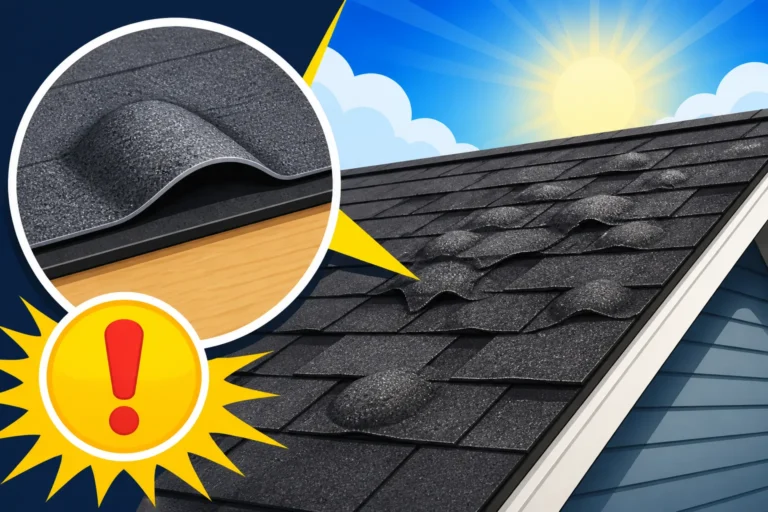
Hailstorms are notorious for causing significant, yet often subtle, damage to asphalt roofs. Hailstones, which can range from pea-sized pellets to golf ball-sized chunks of ice or larger, impact shingles with considerable force. This impact can dislodge granules, creating small, dark, circular "bruises" or pockmarks on the shingle surface. These spots are where the protective granule layer has been stripped away, exposing the vulnerable asphalt mat underneath. In severe cases, hail can even crack the shingle mat itself.
The tricky part about hail damage is that it's not always immediately visible from the ground, nor does it always cause a leak right away. However, once the granules are gone, the exposed asphalt rapidly deteriorates under UV light, leading to premature aging and eventual leaks. It's critical to have a professional inspection after a significant hailstorm, even if you don't see obvious signs of damage from the ground. A trained eye can spot the tell-tale patterns of hail impact that indicate your roof's protective capabilities have been severely compromised. You can dive deeper into understanding these issues with Signs of Roof Hail Damage. Many homeowners contact a reputable service like Modernize after a hailstorm to connect with local roofing pros who specialize in storm damage assessments.
Wind Damage: Lifted and Lost Shingles
High winds are another major culprit behind roof damage, particularly for asphalt shingles. Wind can get underneath the edges of shingles, especially if their sealant strips have weakened over time due to age or heat, and lift them. This lifting can crease or crack the shingles, break their seals, or even tear them completely off the roof, leaving exposed areas. You might see shingles that are visibly bent back, missing entirely, or scattered across your yard.
Even if shingles aren't completely detached, wind can weaken their adhesion, making them more vulnerable to future wind events and water intrusion. Creased or lifted shingles create pathways for water to get underneath and cause leaks. Wind damage can also affect other roof components, such as flashing around chimneys or vents, or tear off parts of the drip edge. After any significant wind event, particularly if sustained winds exceeded 40-50 mph, a thorough roof inspection is paramount. Even seemingly minor damage can escalate quickly, so understanding the Signs of Roof Wind Damage is crucial for timely action.
Tree and Debris Impact: Beyond the Obvious
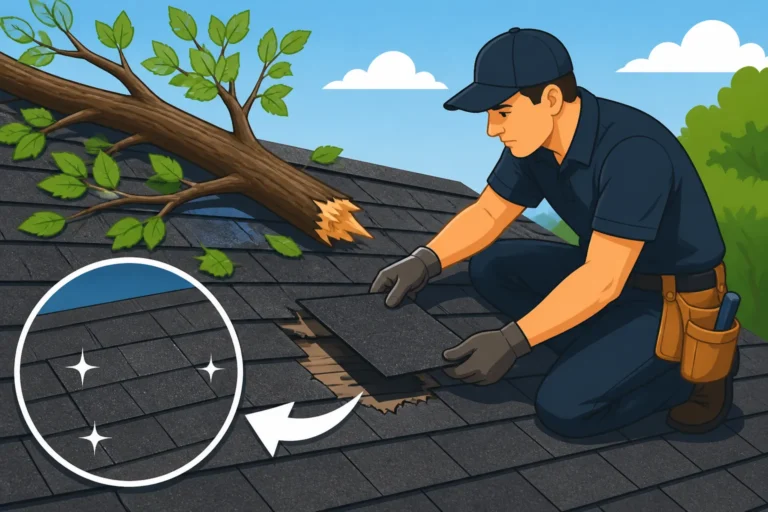
Sometimes, storm damage isn't just about wind and hail; it's about what those elements carry. Falling tree branches, wind-blown debris, or even entire trees can inflict severe, localized damage to your roof. While a large tree limb crashing through your roof is an obvious emergency, even smaller branches can cause significant issues. These impacts can crack shingles, puncture the roof deck, or scrape away large areas of granules.
Beyond the immediate visible damage, falling debris can also displace or bend flashing around penetrations, leading to leaks that might not be immediately apparent. After any storm that brings down branches or sends debris flying, take a careful look at your roof – from a safe distance, of course, or with binoculars. If you suspect any impact damage, a professional assessment is crucial. What looks like a mere scrape could be a hidden puncture or a weakened area that will fail later. These situations often require prompt attention to prevent water from entering your home and causing even more extensive damage.
Inside the Attic: What Your Roof is Hiding
While it's important to inspect your roof from the outside, some of the most critical signs of trouble are hidden from view. A trip into your attic (if safely accessible) can reveal critical information about your roof's health that you'd never see from the ground or even from a ladder. This internal perspective often provides irrefutable evidence that your roof is failing.
Light Penetration: A Clear View of Trouble
One of the simplest yet most alarming checks you can do in your attic is to look for daylight. On a bright day, turn off the lights in your attic and look up at the underside of your roof deck. If you see any pinpricks of light, streaks of light, or even distinct holes where light is shining through, you have an immediate and undeniable problem. These light penetrations are direct access points for water, insects, and air into your home.
Light shining through indicates holes or gaps in your roof's structure, often where shingles are missing, cracked, or severely damaged. It can also point to issues with flashing around chimneys, vents, or skylights. While a professional inspection will involve looking for these, a quick personal check can give you a clear "yes" or "no" answer on the integrity of your roof. Any visible light from the outside is an emergency signal that your roof's waterproofing is compromised, and it's virtually guaranteed that water is finding its way in, or will soon. This is a situation where immediate action is required.
Moisture and Mold Growth: Hidden Health Hazards
Beyond visible light, the presence of moisture and mold in your attic is another critical indicator of a failing roof, even if you don't see active leaks in your living space. Water often infiltrates slowly, soaking into the roof decking and insulation before it ever becomes visible on your ceiling. The attic environment, being dark and often humid, is a perfect breeding ground for mold and mildew when excess moisture is present.
Signs of moisture or mold include a musty odor, discoloration on the wooden rafters or roof decking (often black, green, or white fuzzy patches), damp insulation, or even condensation buildup on the underside of the roof. Mold can cause health issues for your family, and consistent moisture will lead to wood rot, weakening the structural components of your roof and home. While some moisture issues can stem from poor attic ventilation, it's often directly related to roof leaks that haven't yet manifested in your home's interior. Finding these signs means your roof is already letting water in, silently damaging your home and potentially impacting your health.
Poor Ventilation Signs: Heat, Humidity, and Ice Dams
A properly functioning roof isn't just about shingles; it's a system that includes adequate attic ventilation. Poor ventilation can lead to a host of problems that significantly shorten your roof's lifespan and can even cause premature failure, making a replacement necessary sooner than expected. If your attic feels like an oven in the summer or you experience persistent ice dams in the winter, it's a strong sign of ventilation issues.
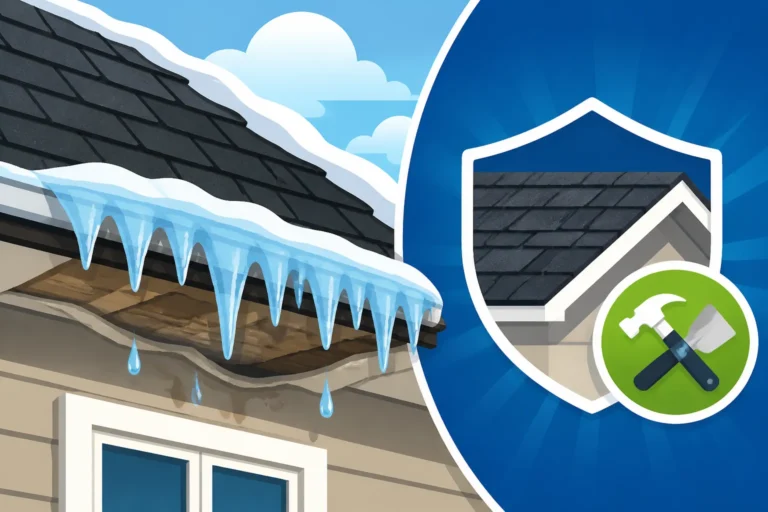
Inadequate attic ventilation traps hot, humid air during the summer, causing extreme temperatures that cook your shingles from underneath, accelerating the drying out of the asphalt and leading to curling, cracking, and granule loss. This trapped heat also makes your air conditioner work harder, driving up energy bills. In winter, poor ventilation can lead to condensation in the attic, contributing to moisture and mold problems. Critically, during cold weather, a warm attic can melt snow on the roof, which then refreezes at the colder eaves, forming thick ice dams. These ice dams can force meltwater back up under your shingles and into your home, causing leaks and significant damage. If your attic suffers from these issues, a new roof installation should include a thorough ventilation assessment and upgrade to ensure the longevity of your investment.
The Financial & Practical Angles: When Repairing Just Doesn't Make Sense
It's natural to want to squeeze every last year out of your roof, and patching up minor issues often feels like the fiscally responsible choice. However, there comes a point when frequent repairs become a money pit, and the practical and financial benefits of a full replacement far outweigh the dwindling returns of endless patches.
Frequent Repairs: A Money Pit in the Making
If you find yourself calling a roofer every year, or even every few months, to address new leaks, replace missing shingles, or fix recurring problems, you’re likely pouring money into a losing battle. While isolated repairs are perfectly normal and cost-effective for a relatively young roof, a pattern of continuous issues suggests that the entire roof system is failing. Each repair might solve one immediate problem, but it doesn't address the underlying systemic weakness.
Imagine constantly patching a leaky bucket instead of getting a new one. At some point, the cost and effort of patching exceed the value of the old bucket. The same applies to your roof. The accumulated costs of multiple small repairs can quickly add up to a significant portion of what a new roof would cost, without providing the comprehensive protection, long-term warranty, and peace of mind that a full replacement offers. When repairs become an annual ritual, it’s a clear signal that it's time to stop the bleeding and invest in a lasting solution. Our article on Roof Repair vs Replacement: How to Decide offers more insights.
Mismatched Shingles and Aesthetics: A Curb Appeal Killer
While not directly a structural or water-ingress issue, the aesthetic impact of an aging roof, especially one with numerous mismatched repairs, can significantly detract from your home’s curb appeal and overall value. If different sections of your roof have been repaired at various times with shingles that don’t quite match in color, style, or even weathering, your roof can start to look like a patchwork quilt.
Even if you manage to find "matching" shingles for repairs, new shingles will almost always look different from weathered, aged ones. The color will be more vibrant, and the texture will be fresh, creating noticeable disparities. This can be particularly true if your original shingle color has been discontinued. A visually disjointed roof gives an impression of neglect and can be a significant turn-off for potential buyers, suggesting deeper, unseen problems. A new, cohesive roof, on the other hand, instantly boosts your home’s exterior appeal, giving it a fresh, well-maintained look. This makes it a smart investment if you're thinking about selling or simply want to take pride in your home's appearance.
Preparing for a Sale: Maximizing Home Value
If you're contemplating selling your home in the next few years, the condition of your roof is a major factor for potential buyers and home inspectors. A roof nearing the end of its life, or one with obvious signs of wear, will almost certainly come up during a home inspection. This can lead to buyers demanding price reductions, requesting you replace the roof before closing, or even walking away from the deal entirely. The prospect of having to replace a roof shortly after purchasing a home is a significant deterrent for most buyers, and they will factor that cost into their offers.
Replacing your roof before listing your home can actually be a strategic investment. Not only does it remove a major negotiation point, but a brand-new roof with a transferable warranty is a huge selling feature. It assures buyers they won't have to worry about this major expense for many years, adding significant value and appeal to your property. While it's an upfront cost, the return on investment (ROI) for a new roof is often quite good, and it can help your home sell faster and for a better price. Think of it as investing in your home’s future marketability. Consider reading Is an Asphalt Shingle Roof Worth the Money for more on the financial benefits.
Getting a Professional Opinion: Your Best Next Step
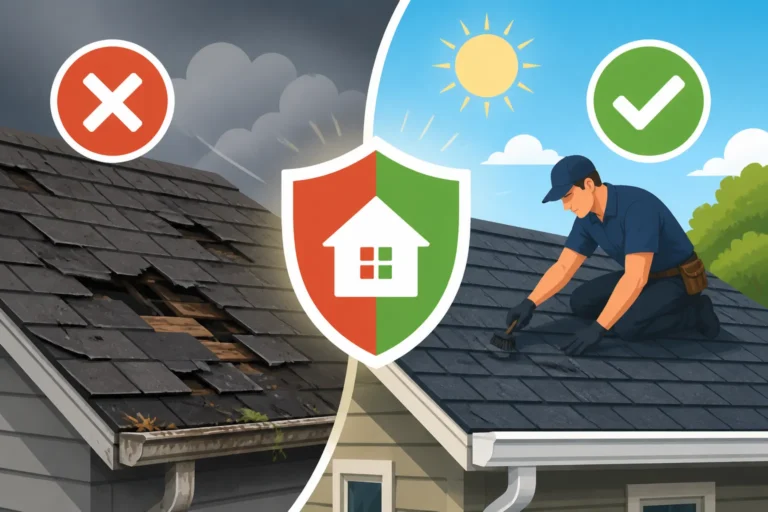
When you start noticing any of these signs, whether subtle whispers or loud shouts, the single most important step you can take is to get a professional evaluation. An experienced roofing contractor can accurately assess the condition of your roof, diagnose underlying issues, and provide expert recommendations.
Why Professional Inspections are Crucial
You might be handy, and you can certainly spot the obvious issues like missing shingles or a leak in your attic. But a professional roofing contractor brings a depth of knowledge and experience that most homeowners simply don’t have. They know what to look for, where to look, and how to interpret the signs of wear and tear or damage that might be invisible to the untrained eye. They can safely access all areas of your roof, including steep pitches and difficult-to-reach valleys, identifying issues like compromised flashing, soft spots in the decking, or subtle hail damage that can only be seen up close.
A thorough professional inspection will provide you with a detailed report on your roof's condition, its estimated remaining lifespan, and a clear recommendation on whether repairs are sufficient or if a full replacement is warranted. They can also advise on potential issues like poor ventilation that might be contributing to premature roof aging. This expert assessment is invaluable, giving you a clear picture of your roof's health and helping you make an informed decision without guessing. It's truly the cornerstone of responsible roof ownership.
Understanding Your Roofing Estimate
Once you've had a professional inspection, if a replacement is recommended, you'll start receiving estimates. It's absolutely crucial to not just look at the bottom line but to understand what each estimate includes. A good roofing estimate should be detailed, breaking down the costs for materials, labor, permits, and any additional services like tear-off and disposal of old shingles, or replacement of damaged decking. It should specify the type of shingles and other components (underlayment, flashing, vents) that will be used.
Don't be afraid to ask questions. Inquire about the manufacturer's warranty and the contractor's workmanship warranty. Make sure everything discussed during the consultation is clearly outlined in the written estimate. Comparing multiple estimates, ideally three to five, is a smart strategy. Be wary of estimates that are significantly lower than others, as they might be cutting corners on materials, labor, or even proper insurance. Services like Modernize can help you compare roofing estimates from vetted contractors in your area, ensuring you find a reliable and transparent provider. It's essential to understand that the lowest bid isn't always the best value, and an informed decision means truly grasping every line item on that estimate. For more guidance on this, see How to Read and Compare Roofing Estimates.
Choosing the Right Contractor
Selecting the right roofing contractor is just as important as identifying the signs of a failing roof. A high-quality installation is paramount to the longevity and performance of your new roof, and this hinges entirely on the expertise and integrity of your chosen professional. Don't just pick the first name you find or the company with the flashiest advertisement. This is a significant investment, and you need someone you can trust.
Look for contractors who are licensed, bonded, and insured – this protects you from liability if an accident occurs on your property. Check their references, read online reviews, and look for certifications from shingle manufacturers like GAF, Owens Corning, or CertainTeed. These certifications often mean the contractor has met stringent standards for quality and training and can offer enhanced warranties. Make sure they provide a written contract that clearly outlines the scope of work, payment schedule, and warranty details. Ask about their experience with asphalt roofing specifically and how they handle unforeseen issues. A good contractor will communicate clearly, answer all your questions, and ensure you feel confident throughout the entire process. Don't underestimate the importance of finding a reputable partner for such a critical home improvement project. Our detailed guide on How to Choose a Roofing Contractor offers comprehensive advice.
The Benefits of a New Asphalt Roof
Deciding to replace your roof is a significant investment, but it comes with a host of advantages that extend far beyond simply fixing a leak. A new asphalt roof can bring enhanced protection, improved aesthetics, greater energy efficiency, and invaluable peace of mind to your home.
Enhanced Protection and Durability
The most immediate and obvious benefit of a new asphalt roof is the superior protection it offers against the elements. Modern asphalt shingles, especially architectural or designer varieties, are engineered to be far more durable and weather-resistant than many older shingles. They often feature advanced technologies like stronger adhesive seals to resist high winds, impact resistance to withstand hail, and enhanced granule adhesion for better UV protection.
With a new roof, you eliminate all the existing vulnerabilities – the cracks, curls, missing pieces, and compromised flashing – creating a continuous, watertight barrier over your home. This translates into reliable defense against rain, snow, ice, and wind, safeguarding your home's structure and interior from costly water damage. You're not just getting new shingles; you're investing in an entire system that includes new underlayment, flashing, and proper ventilation, all designed to work together for maximum longevity and protection. This comprehensive system is built to provide decades of worry-free performance, protecting your family and your belongings.
Improved Energy Efficiency and Curb Appeal
Beyond protection, a new roof can significantly enhance your home's energy efficiency and dramatically improve its curb appeal. Older roofs, especially those with failing ventilation, can contribute to heat loss in winter and heat gain in summer. Modern roofing systems often include improved attic ventilation strategies, which can help regulate attic temperatures, reducing the load on your HVAC system and potentially lowering your utility bills. Some advanced "cool roof" shingles are even designed to reflect more sunlight, further reducing heat absorption and keeping your home cooler in hot climates.
From an aesthetic standpoint, a new roof instantly revitalizes your home's exterior. You have a vast array of colors and styles of asphalt shingles to choose from, allowing you to complement your home's architecture and personal taste. A fresh, clean, uniform roof eliminates the unsightly patches, discoloration, and general wear that plague older roofs, boosting your home's visual appeal and potentially increasing its market value. It's like giving your house a major facelift, changing its entire presentation and leaving a lasting positive impression.
Long-Term Savings and Peace of Mind
While the upfront cost of a new roof can seem daunting (and you can find estimates in our guide on How Much Does an Asphalt Shingle Roof Cost), it's an investment that typically yields significant long-term savings and, perhaps most importantly, invaluable peace of mind. By replacing an old, failing roof, you eliminate the constant stream of repair bills that plague a deteriorating system. You also avoid the much larger costs associated with water damage to your home's interior, such as ruined drywall, damaged insulation, or structural rot.
Furthermore, a new roof comes with robust warranties, typically covering both the materials from the manufacturer (like GAF or Owens Corning) and the workmanship from your contractor. This provides a safety net, protecting your investment for many years to come. Knowing that your home is secure under a durable, modern roof frees you from the constant worry of leaks, storm damage, or unexpected expenses. It's the ultimate comfort in knowing that your primary line of defense is strong, reliable, and ready to protect your family for decades to come.
Disclaimer
The information provided in this article is intended for general informational purposes only and does not constitute professional advice. While we strive to offer accurate and up-to-date content, roofing conditions can vary significantly, and local building codes and regulations may apply. Always consult with a qualified, licensed, and insured roofing professional for specific assessments, recommendations, and services related to your home's roof. We are not responsible for any actions taken based on the information presented herein.