Roof Maintenance to Avoid Replacement
It's incredibly frustrating when you start noticing little signs of wear and tear on your asphalt roof – a few loose granules here, a bit of moss there, or maybe a shingle that looks a little off. The dread of a full roof replacement can be overwhelming, making you wonder if there’s anything you can do to push that huge expense further down the road. This comprehensive guide is here to walk you through practical, empathetic roof maintenance strategies designed to prolong the life of your asphalt shingles and help you avoid a costly replacement for as long as possible.
The Harsh Realities of Roof Neglect: Why Proactive Care is Non-Negotiable
Let's be honest, the roof is often the most out-of-sight, out-of-mind component of our homes. Until there’s a leak dripping into the living room or a major storm rips shingles off, we tend not to give it much thought. But this approach can be incredibly costly in the long run. Neglecting your roof is like ignoring a small cavity; eventually, it becomes a painful, expensive root canal. With asphalt roofing, small issues left unattended have a nasty habit of snowballing into catastrophic failures that leave you with no option but a full, often urgent, and very expensive replacement.
The Silent Killers: Small Issues That Grow Big
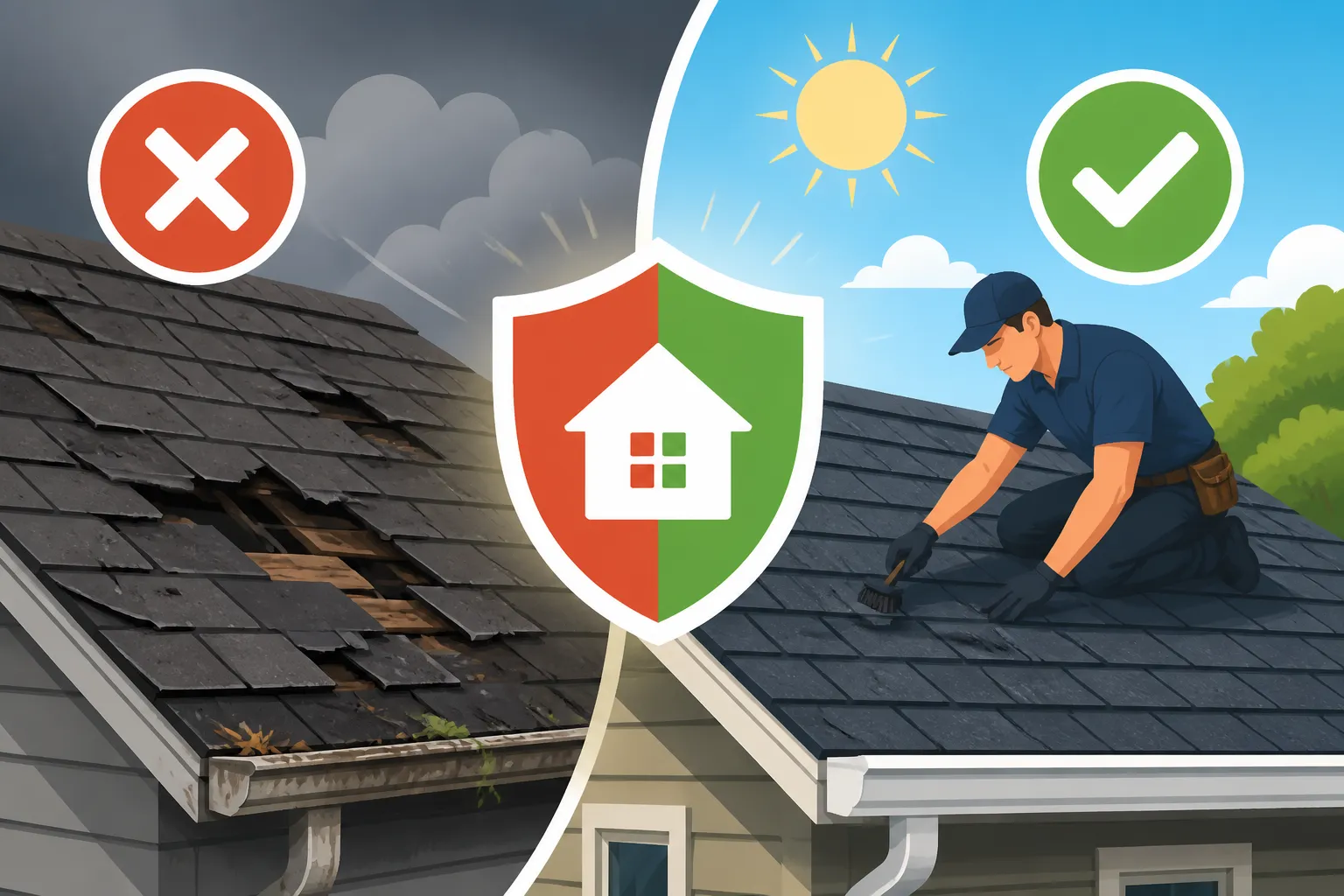
It's easy to dismiss a few missing granules, a bit of green growth, or a slightly warped shingle as minor cosmetic flaws. However, these seemingly insignificant details are often the early warning signs of deeper problems brewing. Granule loss, for instance, reduces the shingle's ability to reflect UV rays, accelerating its degradation. What starts as a small patch of missing granules can quickly lead to widespread brittleness and eventual failure of the entire shingle surface, leaving the underlying asphalt exposed to the elements. Similarly, curling shingles don't just look bad; they create channels for water to seep underneath, potentially saturating the underlayment and rotting your roof decking.
Think of your roof as your home's primary shield. Every tiny compromise in that shield weakens its overall integrity. A small crack in the flashing around a chimney might seem trivial, but it provides a direct entry point for water, leading to hidden attic damage, mold growth, and compromised structural components that you won't even see until the damage is extensive. Ignoring these "silent killers" not only shortens your roof's lifespan but also creates an environment ripe for costly secondary damages inside your home. It’s always best to address these issues when they’re small, manageable, and far less expensive to fix.
The Financial Drain of Reactive Repairs
When you wait for a major problem to develop—like a widespread leak or significant storm damage—you're no longer in control of the situation. You're forced into reactive mode, where urgency often dictates higher prices and fewer options. A small repair that might have cost a few hundred dollars if caught early can escalate into thousands if it leads to extensive water damage, mold remediation, or compromised structural integrity. Imagine a scenario where a persistent leak goes unnoticed for months in your attic. By the time you spot the water stain on your ceiling, the roof decking, insulation, and even ceiling drywall might need replacing, adding thousands to the bill beyond just the roof repair itself.
Moreover, reactive repairs can sometimes be a precursor to a full replacement if the underlying damage is too extensive or if the roof is already past its prime. Many homeowners end up spending money on multiple small, urgent repairs only to find themselves needing a full replacement within a year or two anyway. This "death by a thousand cuts" approach is a significant financial drain. Proactive maintenance, on the other hand, allows you to budget for smaller, predictable costs, extend the overall life of your roof, and avoid the sticker shock of an emergency replacement. It's an investment that pays dividends by preserving your home's most critical protective layer.
Essential Annual and Bi-Annual Roof Maintenance Checklist
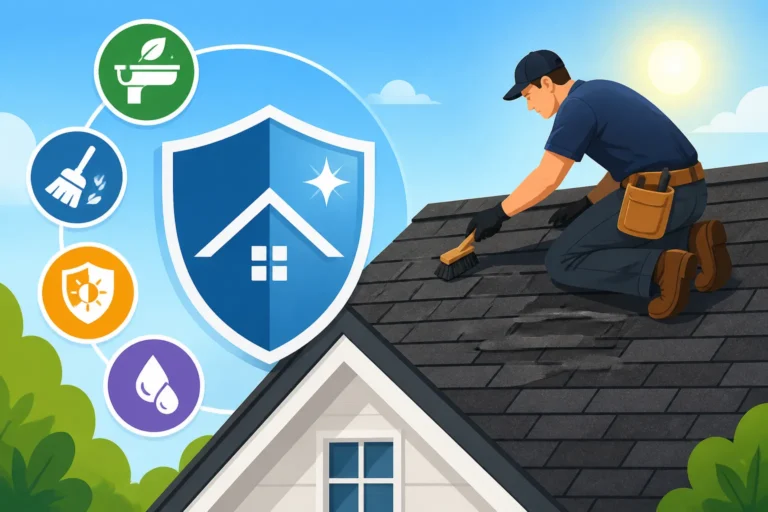
Taking a proactive stance on roof maintenance can truly save you a fortune and a headache down the line. It doesn't require constant effort, but rather consistent, mindful checks and interventions. By performing a few key tasks annually or bi-annually, you can catch potential problems before they escalate into major, costly repairs or necessitate a full replacement.
Clearing Debris and Gutter Guardians
One of the simplest yet most crucial tasks is keeping your roof and gutters free of debris. Leaves, twigs, pine needles, and even small branches can accumulate, especially in valleys, around chimneys, and in your gutters. This organic matter traps moisture, preventing your shingles from drying out properly. Constant dampness can lead to accelerated shingle deterioration, granule loss, and the perfect breeding ground for moss and algae. More critically, clogged gutters prevent rainwater from draining away from your house effectively. Instead, water can back up under your shingles, seep into your fascia, or overflow and saturate the ground around your foundation, leading to basement leaks or foundation issues.
Aim to clean your gutters and visually inspect your roof for debris at least twice a year – once in the late spring after trees have fully leafed out and again in the late fall after all the leaves have dropped. If you have many trees overhanging your home, you might need to do it more frequently. When cleaning, look for any signs of standing water on the roof, especially in low-slope areas or around penetrations. If you notice persistent puddles, it might indicate a drainage issue or sagging roof decking that needs professional assessment. Remember, clean gutters are your first line of defense against water damage, channeling water safely away from your home's delicate edges.
The Art of Visual Inspection: What to Look For
You don't need to be a roofing expert to perform a valuable visual inspection from the ground or a sturdy ladder. The key is knowing what common signs of trouble to look for. Start by walking around your home and carefully examining your roof slopes, paying close attention to areas around chimneys, skylights, vent pipes, and roof valleys. These are often the first places where problems manifest. You're looking for anything that seems out of place or damaged.
Here’s a checklist of common issues to spot:
- Missing, cracked, or broken shingles: Even one damaged shingle can compromise the integrity of the surrounding area.
- Curling, buckling, or blistering shingles: These are signs of aging, sun damage, or poor ventilation.
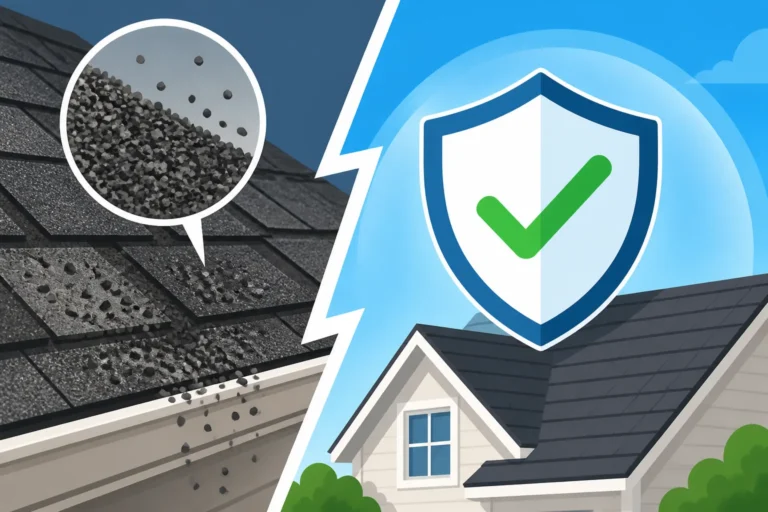
- Excessive granule loss: Check downspouts for a large accumulation of shingle granules. This indicates your shingles are shedding their protective layer. Learn more about What Causes Granule Loss on a Roof.
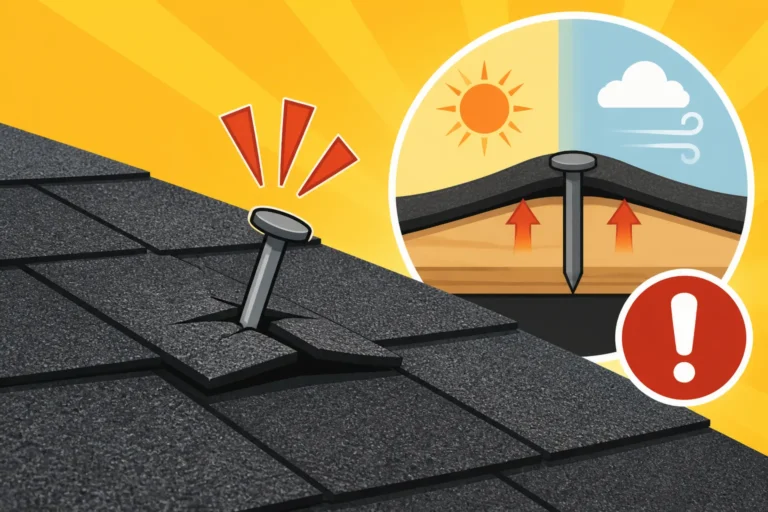
- Loose or exposed nails: Nails that have popped up can allow water intrusion.
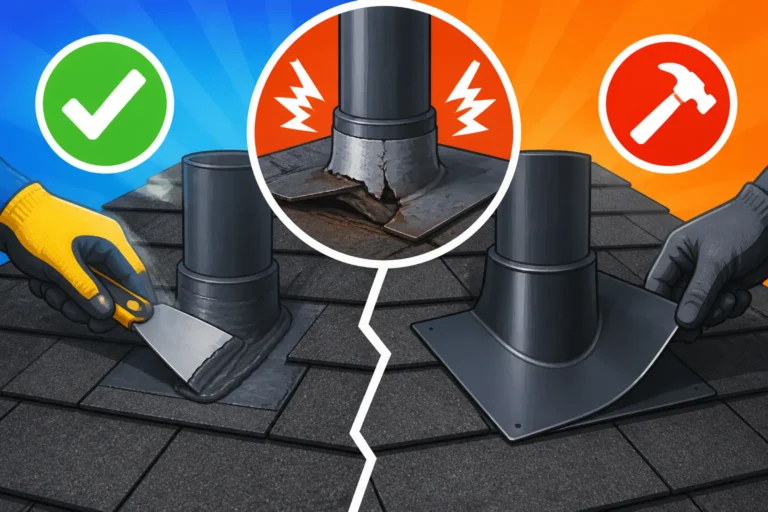
- Damaged flashing: Look for cracks, rust, or sealant failure around chimneys, vents, and skylights.
- Sagging or dipping areas: This could indicate structural damage or water saturation in the decking.
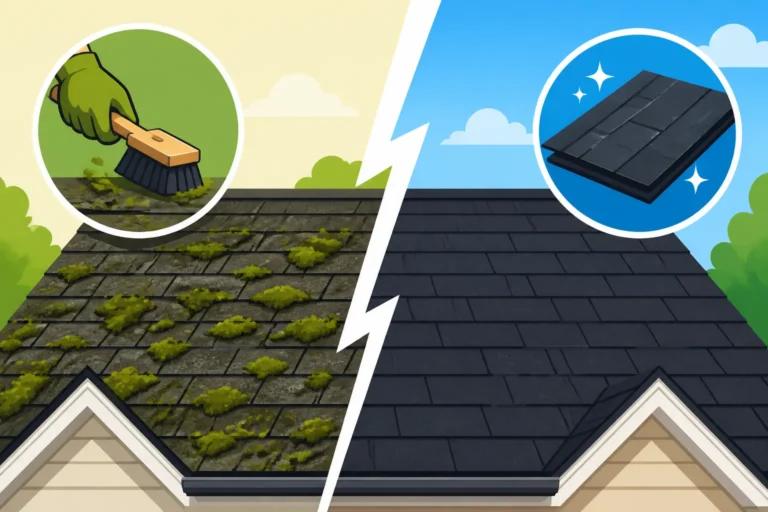
- Moss, algae, or lichen growth: While some is cosmetic, extensive growth can hold moisture and degrade shingles. We'll delve deeper into Moss and Algae: Clean or Replace.
- Debris accumulation: As mentioned, clear any leaves, branches, or other build-up.
Taking pictures of anything suspicious can be helpful for tracking changes over time or showing to a professional if you decide to call one. Remember to always prioritize safety when conducting any inspection, using a stable ladder and avoiding walking on steep or wet roofs if you're not comfortable or experienced. If you prefer not to get on a ladder, a good pair of binoculars can give you a decent overview from the ground.
Tackling Moss, Algae, and Lichen Growth
That green or black streaking on your roof isn't just an aesthetic nuisance; it's a living organism that can actively damage your asphalt shingles. Algae (often Gloeocapsa magma) causes those unsightly black streaks, while moss and lichen present as green, fuzzy, or crusty growths. These organisms thrive in damp, shaded conditions and, crucially, hold moisture against your shingles. This prolonged dampness prevents the shingles from fully drying, leading to premature aging, granule deterioration, and potential rotting of the underlying roof components.
If you have minor algae streaks, a simple cleaning solution of equal parts household bleach and water can often do the trick. Apply it with a sprayer, let it sit for 15-20 minutes, then rinse thoroughly with a garden hose – never use a pressure washer, as it can strip granules and damage shingles. For more stubborn moss and lichen, you might need a dedicated roof cleaning product. Many manufacturers, like GAF, offer recommendations for cleaning solutions that won't void warranties. Once cleaned, consider installing zinc or copper strips near the ridge of your roof. As rain washes over these strips, it carries down metallic ions that inhibit future growth, offering a long-term, passive solution. Regular trimming of overhanging branches to increase sunlight exposure can also significantly reduce moisture and discourage growth.
Proactive Steps to Safeguard Against Common Asphalt Roof Damage
Beyond general cleaning and visual checks, there are specific areas of your asphalt roof that often need extra attention. These are the zones where water tends to collect, where different materials meet, or where environmental factors put extra stress on your roofing system. Being proactive in these areas can prevent many of the most common and damaging issues that lead to early roof replacement.
Strengthening Your Roof's Vulnerable Spots: Flashing and Sealants
Flashing is arguably the most critical component in preventing roof leaks. These thin pieces of metal (often aluminum, steel, or copper) are installed at all transitions and penetrations on your roof: around chimneys, skylights, vent pipes, dormers, and in roof valleys. Their sole purpose is to divert water away from these vulnerable areas. Over time, however, flashing can rust, corrode, warp, or become loose. The sealants (caulk or mastic) used around flashing can also dry out, crack, and fail, creating direct pathways for water to enter your home.
During your inspections, pay particular attention to the condition of your flashing. Look for any visible gaps, cracks in the sealant, or signs of rust. If you spot cracked or missing caulk, carefully clean the area and reapply a high-quality, exterior-grade sealant designed for roofing. If the flashing itself is bent, loose, or corroded, it's often best to have a professional roofer assess it. They can typically repair or replace the damaged sections of flashing without needing to tear off large portions of your roof. Addressing flashing issues promptly is paramount, as a single flashing failure can lead to severe water damage that mimics a much larger roof problem. Ensuring your flashing is robust and well-sealed is a key step in preventing roof leaks.
Ensuring Proper Ventilation and Insulation Harmony
Many homeowners overlook the critical role that proper attic ventilation plays in the longevity of their roof. A well-ventilated attic works in harmony with your insulation to regulate temperature and moisture. Inadequate ventilation can lead to a host of problems:
- Heat build-up: In hot climates or during summer, a poorly ventilated attic can reach scorching temperatures, effectively baking your shingles from the underside. This accelerates the breakdown of the asphalt and granules, leading to premature curling, cracking, and a significantly shortened lifespan.
- Moisture accumulation: In colder months, warm, moist air from your living space can rise into the attic. Without proper ventilation to exhaust this moisture, it condenses on the underside of your roof deck, leading to wood rot, mold and mildew growth, and even ice dam formation at the eaves. Ice dams are particularly destructive, as they force melted water back up under your shingles, causing leaks.
Ensure your attic has a balanced ventilation system, typically involving continuous soffit vents at the eaves and ridge vents along the peak. You can check your attic yourself – on a hot day, if your attic feels significantly hotter than the outside air, or if you notice condensation or musty odors, your ventilation might be inadequate. A professional roofer can assess your current system and recommend upgrades, such as adding a Cost of Ridge Vent Installation or ensuring existing vents aren't blocked by insulation. Investing in proper ventilation is an investment in your roof's health and your home's energy efficiency.
Managing Tree Overhang and Impact Risks
Beautiful, mature trees can add immense value and shade to your property, but they can also be a significant threat to your asphalt roof if not managed properly. Overhanging branches pose several risks:
- Debris accumulation: As discussed earlier, leaves, twigs, and sap can collect on your roof, trapping moisture and promoting organic growth.
- Abrasion: During windy conditions, branches can rub against your shingles, gradually wearing away the protective granules and even creating punctures over time.
- Impact damage: Falling branches, especially during storms, can cause significant damage to shingles, decking, and even the structural components of your roof. Even small acorns or pinecones, when falling from a great height, can cause localized granule loss and minor dents.
The solution is to keep trees trimmed back from your roof, ideally maintaining a distance of at least 6-10 feet. This not only reduces debris and abrasion but also increases sunlight exposure, which helps dry out your roof and inhibit moss and algae. While pruning large trees can be a daunting task, and one best left to a certified arborist, it's a necessary step in protecting your roof. A professional can safely remove dangerous limbs and shape the tree to minimize future risk without harming its health. Proactively managing your landscaping can significantly reduce the likelihood of storm damage and prolong your roof’s life.
Seasonal Maintenance Strategies for Asphalt Shingles
Your roof endures a lot throughout the year, from the scorching summer sun to the icy grip of winter. Each season brings its own set of challenges, and tailoring your maintenance efforts to these seasonal changes can significantly contribute to your roof's longevity. A seasonal approach ensures you're addressing the most pressing concerns at the right time.
Spring Cleaning and Post-Winter Assessment
Spring is a time of renewal, and it should be for your roof too. After the harshness of winter—with its freezing temperatures, snow loads, and ice dams—your roof needs a thorough check-up. This is the perfect time for your most comprehensive visual inspection.
- Look for winter damage: Scrutinize your shingles for any signs of winter's toll: lifted or cracked shingles from ice expansion, loose flashing due to repeated freeze-thaw cycles, or displaced vents from snow and ice movement. Pay extra attention to the areas where ice dams typically form, checking for water stains on fascia boards or even interior ceilings.
- Clear debris: Winter storms can leave behind a surprising amount of debris. Clear out gutters and downspouts that might have been clogged by frozen leaves or packed snow. Remove any fallen branches or excessive grit that accumulated on the roof surface.
- Assess granule loss: Take a close look at your downspouts and the ground around your home. If you see a large amount of shingle granules, it indicates that the shingles are aging and their protective layer is deteriorating, signaling that the roof is nearing the end of its lifespan. This might be a good time to consider a professional Roof Damage Assessment: A Homeowner's Guide.
- Check seals and caulk: The cold can make sealants brittle. Inspect all sealant lines around flashing, vents, and skylights for cracks or deterioration and reapply if necessary.
By addressing these winter-induced issues promptly in the spring, you prevent minor problems from becoming major leaks as spring rains begin.
Summer Heat Protection and Storm Preparedness
Summer brings intense heat and often severe thunderstorms or even hurricanes in certain regions. While you can't control the weather, you can certainly prepare your roof to withstand it.
- Ventilation check: Ensure your attic ventilation is working optimally. Hot attics bake shingles from the underside, accelerating their degradation. Make sure soffit vents aren't blocked by insulation and that ridge or other exhaust vents are clear. Proper ventilation is key to keeping your roof cool.
- Tree trimming: If you haven't already, summer is a good time to trim back any branches that are too close to your roof. This reduces the risk of abrasion and severe impact damage from falling limbs during summer storms. If you're unsure about who to call, companies like Modernize can help connect you with qualified arborists or roofers in your area.
- Shingle adhesion: The summer heat helps to "seal" asphalt shingles together, activating the adhesive strips. However, extreme heat can also make older shingles more brittle. Avoid walking on your roof during the hottest part of the day, as this can damage softened shingles or dislodge granules.
- Gutter maintenance: Heavy summer downpours can quickly overwhelm clogged gutters. Keep them clear throughout the summer to ensure efficient water runoff.
Being vigilant in the summer helps protect your roof from both the relentless sun and the sudden, violent weather events common to the season.
Fall Leaf Management and Winterizing Your Roof
As autumn leaves begin to fall, your focus shifts to preparing your roof for the upcoming cold and potentially harsh winter conditions. This usually means a final thorough clean and inspection before freezing temperatures set in.
- Complete debris removal: This is critical. After all the leaves have fallen, ensure your roof valleys, gutters, and around all penetrations are completely free of organic debris. Accumulated wet leaves can lead to constant moisture exposure, promoting moss and algae growth, and even causing sections of your roof to hold moisture and degrade rapidly.
- Final inspection for vulnerabilities: Before winter's grip tightens, perform one last detailed check for any potential weaknesses. Are all shingles firmly in place? Is the flashing around your chimney and vents secure? Are there any small cracks or gaps that could let in melting snow? Addressing these now can prevent disastrous winter leaks and costly repairs.
- Ensure proper drainage: Verify that all downspouts are clear and extend far enough away from your home's foundation. If you live in an area prone to ice and snow, consider if your roof needs additional ice and water shield in vulnerable areas, especially if you're planning a future replacement. Learning about Ice and Water Shield Explained can be very beneficial.
- Ventilation confirmation: Double-check that all attic vents are clear and unobstructed to prevent condensation and potential ice dam formation when the temperatures drop.
By diligently managing fall leaves and making a final sweep for vulnerabilities, you set your roof up for the best chance of surviving winter without incident.
When to Call the Professionals: Knowing the Limits of DIY
While proactive maintenance can significantly extend your roof's life, there are times when DIY efforts simply aren't enough, or when they become downright dangerous. Knowing when to call in a professional roofer is crucial for both your safety and the long-term health of your roof. Attempting complex repairs yourself without the proper training, tools, or safety equipment can lead to further damage, injury, or even void your warranty.
The Critical Role of Professional Roof Inspections
Even the most diligent homeowner inspection can miss subtle signs of trouble that an experienced eye can spot. Professional roofers are trained to identify nuances in shingle wear, subtle flashing issues, or early signs of structural problems that might be invisible to the untrained eye. They have specialized equipment and experience to safely access all parts of your roof, including steep slopes or difficult-to-reach areas.
A professional inspection typically includes:
- Thorough shingle assessment: Checking for granule loss, cracking, curling, blistering, and proper adhesion across the entire roof surface.
- Flashing and sealant integrity: Detailed examination of all metal flashing around chimneys, vents, skylights, and in valleys for rust, damage, or sealant failure.
- Roof deck and structural integrity: Looking for signs of sagging, soft spots, or water damage that could indicate compromised decking or framing, often from inside the attic.
- Ventilation evaluation: Assessing the attic's airflow to ensure proper ventilation and prevent heat and moisture buildup.
- Gutter and drainage system check: Ensuring proper water flow and confirming downspouts direct water away from the foundation.
- Review of manufacturer specifications: Confirming the roof was installed to specific manufacturer guidelines to maintain warranty validity.
Many experts recommend a professional roof inspection every 3-5 years, or immediately after a severe storm. This is especially true if your roof is over 10 years old. An independent inspection can often catch problems early, leading to much cheaper repairs and preventing premature replacement. Think of it as a comprehensive health check-up for your roof.
Identifying Red Flags That Demand Expert Attention
There are certain indicators that should immediately prompt you to call a professional roofer. These aren't minor issues that can wait; they signify potentially serious problems that need expert diagnosis and repair.
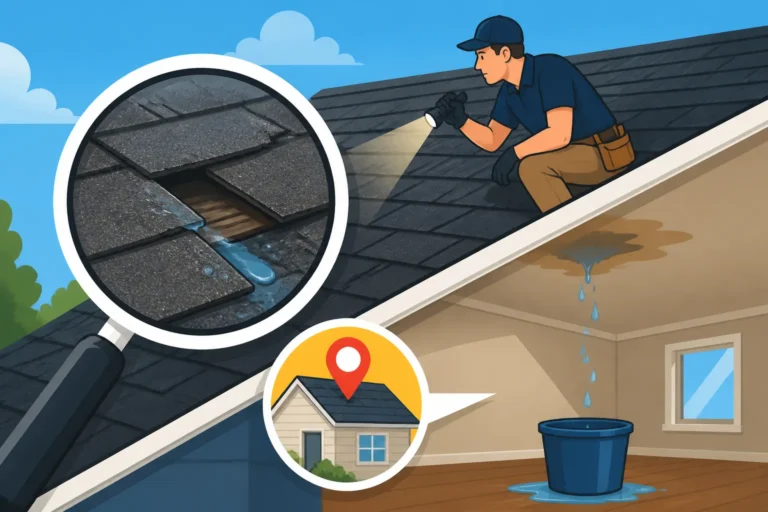
- Active leaks: Any water stain on your ceiling or walls, or dripping water from your attic, is an emergency. While you might be able to temporarily stop a roof leak, a professional needs to find the source and properly repair it to prevent further damage.
- Sagging roof lines: If any part of your roof appears to be sagging or dipping, it could indicate serious structural damage, rotting roof decking, or a compromised truss system. This requires immediate professional assessment, as it can affect the overall structural integrity of your home.
- Significant shingle damage after a storm: High winds can lift or tear off large sections of shingles, and hail can cause widespread granule loss and bruising. While some minor missing shingles can be replaced, extensive storm damage often warrants a professional assessment and potentially an insurance claim. Knowing when to involve a professional is key to navigating the Roof Replacement Cost by Pitch or other complexities.
- Mold or mildew in the attic: This is a clear sign of persistent moisture issues, likely due to a leak or inadequate ventilation, and needs to be addressed by a professional to prevent health hazards and structural damage.
- Your roof is past its expected lifespan: While asphalt roofs can last 20-30 years, if yours is nearing or exceeding that age, even minor issues can signify the entire system is failing. A professional can help you understand How Long Does an Asphalt Roof Last and advise on whether repairs are still worthwhile or if it's time to start planning for a new roof.
When these red flags appear, don't delay. The cost of postponing a professional assessment will almost always be higher in the long run.
Navigating Minor Repairs vs. Impending Replacement
This is often the million-dollar question for homeowners: is this a fixable repair, or am I just throwing money at a dying roof? A good, ethical roofer will help you make this distinction. For localized damage on an otherwise healthy, relatively young roof, repairs are usually the most cost-effective solution. This could include replacing a few missing shingles, resealing some flashing, or fixing a localized leak.
However, if your roof is showing widespread signs of aging – extensive granule loss, brittle shingles, recurring leaks in different areas, or if it's nearing the end of its typical lifespan (generally 20-30 years for asphalt shingles) – then frequent repairs become a less financially sound decision. At some point, the cumulative cost of repeated repairs can approach or even exceed the cost of a full replacement, without giving you the benefit of a fresh, long-lasting warranty. A professional can provide an honest assessment, often outlining the pros and cons of both options. They can help you understand the true condition of your roof, compare the estimated cost to replace a roof by house size against continued repairs, and provide transparent advice on the most economical and safe path forward. If you're comparing options, services like Modernize can help you gather multiple quotes from qualified local roofers to ensure you're getting competitive pricing and diverse perspectives on your roof's condition.
The Long-Term ROI: How Maintenance Extends Roof Life and Saves You Money
You might feel like roof maintenance is a never-ending chore and an added expense, but when you zoom out and look at the bigger picture, it's undeniably one of the smartest investments you can make in your home. Diligent upkeep isn't just about avoiding a major disaster; it's about maximizing the value and longevity of one of your home's most expensive components, ultimately saving you significant money over time and enhancing your property's overall appeal.
Maximizing Your Roof's Lifespan and Warranty
Asphalt shingle roofs are designed to last anywhere from 20 to 30 years, sometimes even more, depending on the shingle type, installation quality, and climate. However, this lifespan is a maximum, not a guarantee. Without proper maintenance, your roof's life can be significantly shortened. Neglected roofs often fail 5-10 years earlier than their potential, forcing homeowners into premature, expensive replacements. Consider a scenario where a 25-year shingle roof could last 20 years with minimal maintenance but could reach 28-30 years with consistent care. Those extra 8-10 years represent a massive saving, effectively spreading the cost of the roof over a longer period and delaying a huge capital expenditure.
Furthermore, most asphalt shingle manufacturer warranties require proper installation and ongoing maintenance. If you neglect your roof, allowing debris to accumulate, or failing to address minor issues that contribute to premature failure, you could inadvertently void your warranty. Imagine dealing with premature shingle deterioration only to find your warranty claim denied because you hadn't kept up with basic cleaning or inspection protocols. Understanding your Roofing Warranty: Workmanship vs Manufacturer is vital. Regular, documented maintenance not only extends your roof's functional life but also protects your investment by keeping your warranty valid, providing you with peace of mind should a defect arise.
Boosting Home Value and Curb Appeal Through Upkeep
Your roof isn't just a functional component; it's a significant aesthetic feature of your home, often accounting for a large portion of its visible exterior. A clean, well-maintained roof with no missing shingles, unsightly moss, or obvious stains instantly boosts your home's curb appeal. If you're planning to sell your home in the future, a meticulously maintained roof sends a powerful message to potential buyers: this home has been cared for.
Conversely, a neglected roof with visible damage, excessive organic growth, or obvious granule loss can be a major red flag for buyers. They'll factor in the immediate need for repair or replacement into their offer, potentially reducing your home's value or making it harder to sell. Many buyers, and their home inspectors, will scrutinize the roof closely. A roof nearing its end of life is often a significant point of negotiation. By maintaining your roof, you not only extend its life but also preserve or enhance your home's market value, ensuring you get the best return on your investment when it's time to move on. It’s a win-win situation, providing you with a safe, attractive home now and a better financial outcome later.
Disclaimer
Please note that this guide offers general advice on roof maintenance. While diligently performing these tasks can significantly extend your roof's lifespan, it is not a substitute for professional inspection or repair. Always prioritize your safety when working on your roof, and consider consulting with a qualified, licensed roofing contractor for any complex issues or concerns.