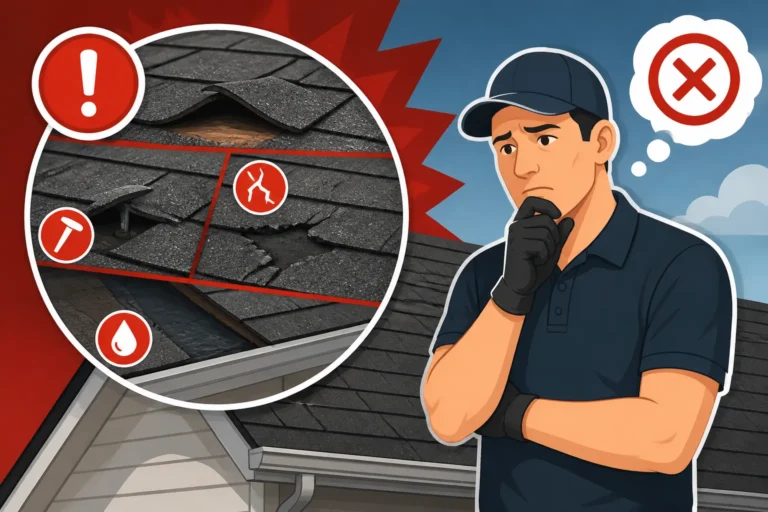
Is Granule Loss Covered by Insurance
That moment you notice those little gritty bits washing off your roof or collecting in your gutters can be genuinely unsettling. Granule loss from your asphalt shingles isn't just a cosmetic issue; it's a sign that your roof's protective layer is diminishing, leaving it vulnerable. The big question looming in every homeowner's mind is often, "Will my insurance company cover this?" This guide will meticulously break down the complexities of granule loss and its coverage, helping you understand what to expect and how to navigate the claims process.
Understanding Granule Loss on Your Asphalt Roof
Before we even get to insurance, it's crucial to understand what granule loss is and why it happens. Asphalt shingles are designed with a layer of ceramic granules embedded in their surface. These aren't just for looks; they are absolutely vital for protecting the underlying asphalt from the sun's harsh UV rays, adding fire resistance, and even improving traction during installation. When these granules start to shed, it means your roof is losing its primary defense, exposing the asphalt to accelerated aging and deterioration.
The Role of Granules in Shingle Protection
Think of those granules as tiny, armored shields. The sun, especially here in places like Arizona or Florida, can be incredibly brutal, breaking down asphalt over time. The ceramic granules reflect much of that solar radiation, keeping the asphalt cooler and preventing it from becoming brittle and cracking prematurely. They also add significant weight, which helps shingles resist wind uplift, and provide crucial texture that enhances fire resistance ratings. Without them, your shingles essentially become bare asphalt, which rapidly breaks down, making your roof far more susceptible to leaks and structural damage. It's a fundamental component of how asphalt shingles are installed and protect against water.
Common Causes of Granule Loss
Granule loss isn't a one-size-fits-all problem; it can stem from several different issues, each with its own implications for your roof's health and potential insurance coverage.
- Normal Wear and Tear: This is the most common and often least dramatic type of granule loss. As your roof ages, the adhesive that holds the granules weakens, and the granules naturally shed over time. You might notice a bit of grit in your gutters after a rain shower, which is often perfectly normal. It's a sign that your roof is doing its job, slowly aging gracefully. However, excessive granule loss due to age generally indicates that your roof is nearing the end of its lifespan. For most asphalt roofs, this process becomes more pronounced once they hit the 15-20 year mark, but it can vary widely. Understanding how long asphalt roofs last can help set expectations.
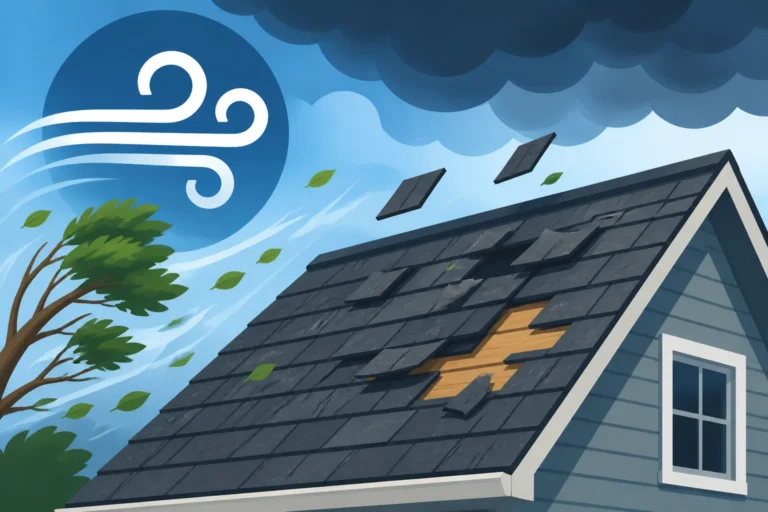
- Storm Damage (Hail or High Winds): This is where insurance typically comes into play. Hailstones, even small ones, can dislodge granules on impact, creating circular dents or 'bruises' on the shingles. Larger hail can cause significant, widespread damage. Similarly, powerful winds can lift and whip shingles, causing them to rub against each other or nearby structures, scraping off granules. If you've recently experienced a severe storm in, say, Oklahoma or Texas, and then notice sudden, significant granule loss, it’s a strong indicator of storm damage.
- Manufacturing Defects: Though less common, sometimes shingles leave the factory with issues that cause premature granule loss. This could be poor granule adhesion or an inconsistent application. If your relatively new roof (say, less than 5-10 years old) is shedding granules rapidly and uniformly across large sections, it might point to a defect. In these cases, your claim would likely be against the manufacturer's warranty, not your homeowner's insurance.
- Foot Traffic or Improper Installation: Walking on your roof, especially in hot weather, can easily dislodge granules. If a satellite dish installer or chimney sweep wasn't careful, you might see localized granule loss in their traffic paths. Improper installation, such as nailing shingles too tightly or too loosely, can also lead to issues that accelerate granule loss. For instance, if shingles are not properly staggered and offset, they might wear unevenly, leading to early granule shedding.
The Insurance Perspective: When Granule Loss Might Be Covered
This is the million-dollar question for many homeowners. The simple truth is, whether granule loss is covered by insurance depends almost entirely on the cause of that loss. Homeowner's insurance policies are designed to cover sudden, accidental damage, not gradual deterioration or maintenance issues.
Sudden, Accidental Damage vs. Wear and Tear
Your homeowner's insurance policy is essentially a safety net for unexpected disasters. If a massive hailstorm rolls through and pummels your roof, dislodging granules and compromising its integrity, that's typically considered sudden and accidental damage. The same goes for high winds that tear off shingles or scrape granules away. In these scenarios, your policy is likely to cover the damage, potentially even leading to a full replacement if the damage is widespread enough to constitute a total loss.
However, if your roof is 20 years old and you're noticing granules shedding because the shingles are simply nearing the end of their useful life, that's considered normal wear and tear. Insurance companies almost universally exclude wear and tear from coverage. They expect homeowners to perform regular maintenance and eventually replace their roofs when they age out, just like they expect you to replace an aging furnace or water heater. This can be a significant point of frustration for homeowners who suddenly find themselves with an aging, vulnerable roof and no insurance recourse. If you're wondering how many years left on your roof, a professional inspection is key.
Understanding Your Policy: ACV vs. RCV
Another critical factor influencing your claim is the type of coverage you have: Actual Cash Value (ACV) or Replacement Cost Value (RCV).
- Actual Cash Value (ACV): This type of policy pays out the depreciated value of your roof. It means the insurance company calculates the current value of your roof, taking into account its age and condition, and then subtracts your deductible. So, if your 15-year-old roof (with a 20-year lifespan) suffers covered granule loss, an ACV policy might only pay a fraction of the cost of a new roof, leaving you to cover a significant portion out of pocket. Many older or standard policies in areas like Ohio or Michigan might default to ACV for roofs.
- Replacement Cost Value (RCV): This is generally the more favorable option. An RCV policy pays for the cost of replacing your damaged roof with a new one of similar quality, without factoring in depreciation. This means you'd get the funds needed to fully replace your roof, minus your deductible. Most homeowners prefer RCV coverage, especially for major components like roofs, but it usually comes with higher premiums. Many newer policies, especially in storm-prone states, are pushing for RCV, but it's vital to confirm this detail in your own policy.
Knowing which type of policy you have is paramount. It can mean the difference between getting a check that covers most of your new roof and one that barely makes a dent. Always review your policy documents or speak with your insurance agent to clarify your coverage before you need to file a claim.
Exclusions and Limitations
Beyond wear and tear, other common exclusions might apply:
- Neglect: If you've ignored obvious signs of roof damage for an extended period, leading to more severe granule loss, the insurance company might argue neglect and deny your claim.
- Inadequate Maintenance: While not strictly a cause of granule loss, a history of poor roof maintenance could be cited if the damage is exacerbating an existing problem.
- Cosmetic Damage Clauses: Some policies, particularly in hail-prone regions like Colorado, have "cosmetic damage" clauses, which may limit or exclude coverage for damage that doesn't affect the roof's structural integrity or weatherproofing function. If granule loss is deemed purely cosmetic by the adjuster, it might not be covered under such a clause.
Documenting Granule Loss and Filing a Claim
If you suspect your granule loss is due to something sudden and accidental, like a recent storm, documenting the damage meticulously is your first and most crucial step. Insurance claims are all about proof.
Inspecting Your Roof Safely
First and foremost, safety is paramount. If you're not comfortable or equipped to get on your roof, don't! Instead, conduct a ground-level inspection using binoculars or a good camera with a zoom lens. Look for:
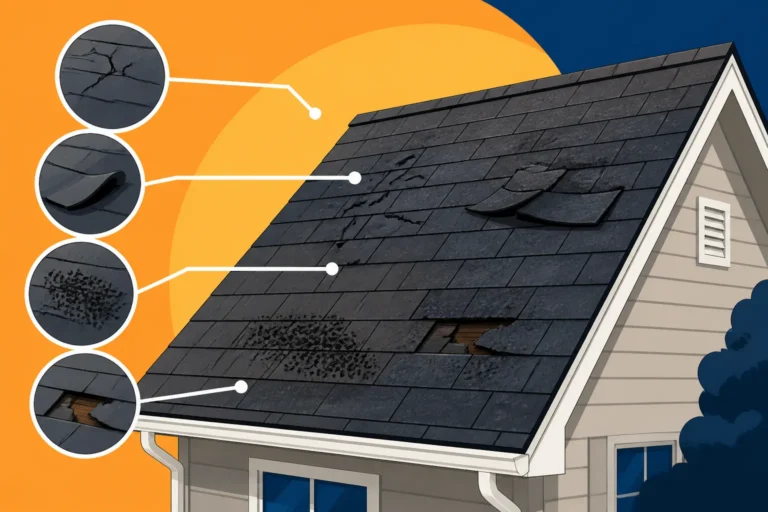
- Concentrated Areas of Granule Loss: Are there specific spots where granules are missing entirely, exposing the black asphalt? This is more concerning than general, uniform shedding.
- Bruises or Dents: Especially after a hailstorm, look for small, circular indentations on the shingles where granules have been dislodged. These 'bruises' are often tell-tale signs of hail impact.
- Cracks or Tears: Check if the granule loss is accompanied by cracks, tears, or creasing in the shingles, particularly along edges or near roof penetrations.
- Gutter Accumulation: While some granules in gutters are normal, a sudden, heavy influx after a storm is a red flag.
- Other Damage: Look for collateral damage to other property elements, such as damaged siding, bent gutters, dented cars, or broken windows, as these corroborate storm activity.
Many homeowners find it beneficial to consult with a professional roofing contractor for a thorough assessment. Services like Modernize can help you connect with local, pre-vetted roofers who can perform a detailed inspection and provide an objective assessment of the damage. They often have experience working with insurance companies and can identify damage you might miss.
Gathering Evidence and Records
Once you've safely assessed the situation, it's time to gather your evidence:
- Photographs and Videos: Take clear, well-lit photos and videos of all damaged areas. Get close-ups of granule loss, dents, cracks, and any related damage. Also, take wider shots that show the overall roof condition and how the damaged areas fit into the bigger picture. Date-stamp these if possible.
- Date of Loss: Note the exact date (or approximate date range) when the damage occurred, especially if it's tied to a specific weather event. Check local weather reports for corroborating storm data.
- Previous Inspections/Maintenance Records: If you have records of past roof inspections, repairs, or maintenance, these can be valuable. They can help establish the roof's condition before the alleged damage.
- Contractor Report: Get a written report from a reputable roofing contractor detailing the observed damage, its likely cause, and an estimate for repairs or replacement. This is incredibly helpful when discussing with your adjuster. You'll want to review your roofing estimates carefully.
- Policy Documents: Have your homeowner's insurance policy readily available. You'll need it to understand your coverage, deductibles, and reporting requirements.
Initiating Your Insurance Claim
Contact your insurance company as soon as you discover potential storm-related granule loss. Be prepared to provide the date of loss, a description of the damage, and any evidence you've collected.
- Be Honest and Detailed: Clearly describe what you've observed. Avoid speculating about the cause if you're not certain, but provide all factual observations.
- Request an Adjuster Visit: The insurance company will typically send a claims adjuster to your property to inspect the roof themselves. It's often helpful to have your chosen roofing contractor present during this inspection. They can point out damage that might not be immediately obvious to the adjuster or explain technical aspects of the roof's condition.
- Understand the Adjuster's Findings: The adjuster will assess the damage and determine if it meets the criteria for coverage under your policy. They will look for widespread hail impact or significant wind damage that caused the granule loss, differentiating it from wear and tear.
- Get Everything in Writing: Ensure all communications, estimates, and adjuster findings are in writing. This provides a clear record of the claim process.
Navigating Insurance Policies and Denials
Dealing with insurance claims can be stressful, especially if you face a denial. Knowing how to respond and what options you have is crucial.
What Happens When Your Claim is Denied
It's a tough pill to swallow when your insurance claim for granule loss is denied. Often, the reason cited is "wear and tear" or "cosmetic damage" that doesn't impair the roof's function. Don't despair immediately. A denial isn't always the final word.
- Understand the Reason for Denial: First, ask your insurance company for a clear, written explanation of why your claim was denied. This is your right, and it's essential for figuring out your next steps. Did they deem it solely cosmetic? Was it too old? Did they argue it was pre-existing damage?
- Seek a Second Opinion (from a professional): If you had a contractor inspect your roof before the adjuster, their report might directly contradict the insurance company's findings. If not, now is definitely the time to get one. A reputable roofing contractor specializing in storm damage claims can provide an expert assessment. They understand how different types of damage, including granule loss, can compromise the lifespan and integrity of your roof, even if it doesn't immediately result in a leak.
- Review Your Policy Again: Re-read your policy carefully, paying close attention to definitions of "damage," "wear and tear," and any clauses related to roof age, depreciation, or storm damage. Sometimes, a specific clause might actually support your case, or you might find that the denial relies on an interpretation you can challenge.
Appealing a Denied Claim
If you believe your claim was unfairly denied, you have options for appeal:
- Submit More Evidence: If your contractor provides a detailed report and photos that show functional damage beyond mere wear and tear (e.g., impact marks that have weakened the shingle mat, exposing it to faster deterioration), submit this new evidence to your insurer. Request a re-evaluation based on this new information.
- Request a Re-inspection: Ask for a different adjuster to re-inspect your roof, particularly if you or your contractor can highlight specific areas where the initial assessment might have been flawed. Sometimes, a fresh pair of eyes can make a difference.
- Consult with a Public Adjuster: A public adjuster is an independent professional you hire to represent your interests during an insurance claim. They work for you, not the insurance company. They can interpret your policy, document damages, negotiate with the insurer, and help you navigate the appeals process. While they take a percentage of the payout, they can be invaluable, especially for complex or high-value claims. This can be a particularly useful path if your claim involves significant damage and a substantial potential payout.
- Consider Legal Counsel: As a last resort, if all other appeals fail and you believe you have a strong case, you might consider consulting with an attorney specializing in insurance claims. They can advise you on your legal options.
Remember, the goal is to demonstrate that the granule loss is not merely cosmetic or due to normal aging, but rather a direct result of a covered peril (like wind or hail) that has compromised the protective function and expected lifespan of your asphalt roof. It's a challenging process, but being persistent and well-informed significantly improves your chances.
What to Do If Insurance Doesn't Cover It
If your insurance claim for granule loss is ultimately denied because it's deemed normal wear and tear or doesn't meet your policy's criteria, you're left to address the issue yourself. This situation is frustrating, but it's important to act proactively to protect your home.
Prioritizing Repairs and Replacement
Even if insurance isn't footing the bill, ignoring significant granule loss is a recipe for bigger, more expensive problems down the line, such as leaks, interior damage, or even structural issues.
- Professional Assessment: Start with a thorough roof inspection by a trusted, local roofing contractor. They can accurately assess the extent of the granule loss, its impact on your roof's integrity, and recommend the best course of action. They can tell you if a localized repair is sufficient or if a full roof replacement is necessary. For example, if the granule loss is widespread across multiple slopes and the roof is past its prime, a full replacement may be the most cost-effective long-term solution. Learning the signs you need a new roof can help you make an informed decision.
- Repair Options: For minor, localized granule loss, a contractor might be able to apply an asphalt sealant with new granules or replace individual damaged shingles. However, if the granule loss is extensive and widespread, particularly on an older roof, repairs might be a temporary fix at best, and a full replacement will eventually be inevitable. In some cases, a partial reroof might be an option, but matching new shingles to an old, granule-depleted roof can be challenging aesthetically.
- Replacement Planning: If a full replacement is recommended, start planning. Get multiple bids from different contractors. Platforms like Modernize can assist in connecting you with qualified local professionals. Discuss the types of shingles available, like architectural shingles, which offer superior granule adhesion and durability compared to traditional 3-tab shingles. Consider impact-resistant shingles if you live in a hail-prone area, as these might offer better future protection and potentially even insurance discounts. Reviewing an article on how much an asphalt shingle roof costs can help you budget effectively.
Budgeting for Your Roof Investment
Replacing a roof is a significant investment, often ranging from $8,000 to $20,000 or more, depending on your home's size and complexity, and the materials chosen.
- Savings: Ideally, you've been setting aside funds for home maintenance. If not, now is the time to explore options.
- Financing Options: Many roofing companies offer financing plans. You can also explore home equity loans, lines of credit, or personal loans. Some government programs or energy-efficiency loans might be available depending on your location and the type of roof you install (e.g., cool-roof shingles). Learn about roof financing options explained to find what suits you best.
- Prioritize and Save: If immediate replacement isn't feasible, work with your contractor to identify critical areas that need immediate attention to prevent leaks, and then plan to save for the full replacement over a realistic timeframe. Even small, temporary repairs can buy you time.
- Future Planning: Once you have a new roof, prioritize regular inspections and maintenance to extend its life and identify issues like early granule loss before they become major problems. Also, consider reviewing your insurance policy to ensure you have adequate RCV coverage for future roof replacements.
Table: Granule Loss Causes and Typical Insurance Coverage
| Cause of Granule Loss | Description | Typical Insurance Stance | Notes & Considerations |
|---|---|---|---|
| Normal Aging/Wear | Granules shed naturally over the roof's lifespan due to sun, weather, and adhesive breakdown. | NOT Covered | Considered routine maintenance/expected deterioration. |
| Hail Damage | Impact from hailstones dislodges granules, creating dents/bruises on shingles. | USUALLY Covered (as sudden, accidental damage) | Requires clear evidence of impact marks; widespread damage often leads to full replacement. |
| High Wind Damage | Strong winds lift, bend, or abrade shingles, scraping off granules. | USUALLY Covered (as sudden, accidental damage) | Look for torn, creased, or missing shingles alongside granule loss. |
| Foot Traffic | Granules dislodged by people walking on the roof. | NOT Covered (unless directly related to covered damage repair) | Considered preventable damage; responsibility of homeowner/contractor. |
| Manufacturing Defect | Shingles produced with poor granule adhesion or quality issues. | NOT Covered by Homeowner's Insurance | Covered by manufacturer's warranty, not typically by your homeowner's policy. |
| Improper Installation | Nailing errors or other installation flaws causing premature granule loss. | NOT Covered by Homeowner's Insurance | Covered by workmanship warranty from installer, if applicable. |
Disclaimer
Please remember that this article provides general information and guidance. Insurance policies can vary significantly based on your provider, location, specific policy details, and local regulations. It is always essential to review your individual policy documents and consult directly with your insurance agent or a qualified roofing professional for advice tailored to your specific situation.