Is Damaged Flashing Covered by Insurance
Finding damaged flashing on your roof can feel like a punch to the gut. Immediately, your mind probably races to questions of cost and, more importantly, whether your homeowner's insurance will actually step in to help. It's a common and incredibly stressful situation, and navigating the complexities of insurance policies can feel like trying to decipher an ancient riddle. This guide is here to demystify whether damaged flashing is covered by insurance, helping you understand the nuances so you can approach your claim with confidence and clarity.
Understanding What Flashing Is and Why It Matters So Much
Before we dive into the nitty-gritty of insurance, let's talk about flashing. Many homeowners might not even know what it is until a problem arises, and that's perfectly normal! But trust me, flashing is one of the most unsung heroes of your entire roofing system. It's essentially thin pieces of impervious material, usually galvanized steel, aluminum, copper, or even plastic composites, installed in critical areas of your roof to prevent water from penetrating. Think of it as the waterproof sealant around all the vulnerable spots.
The Critical Role of Flashing in Your Roofing System
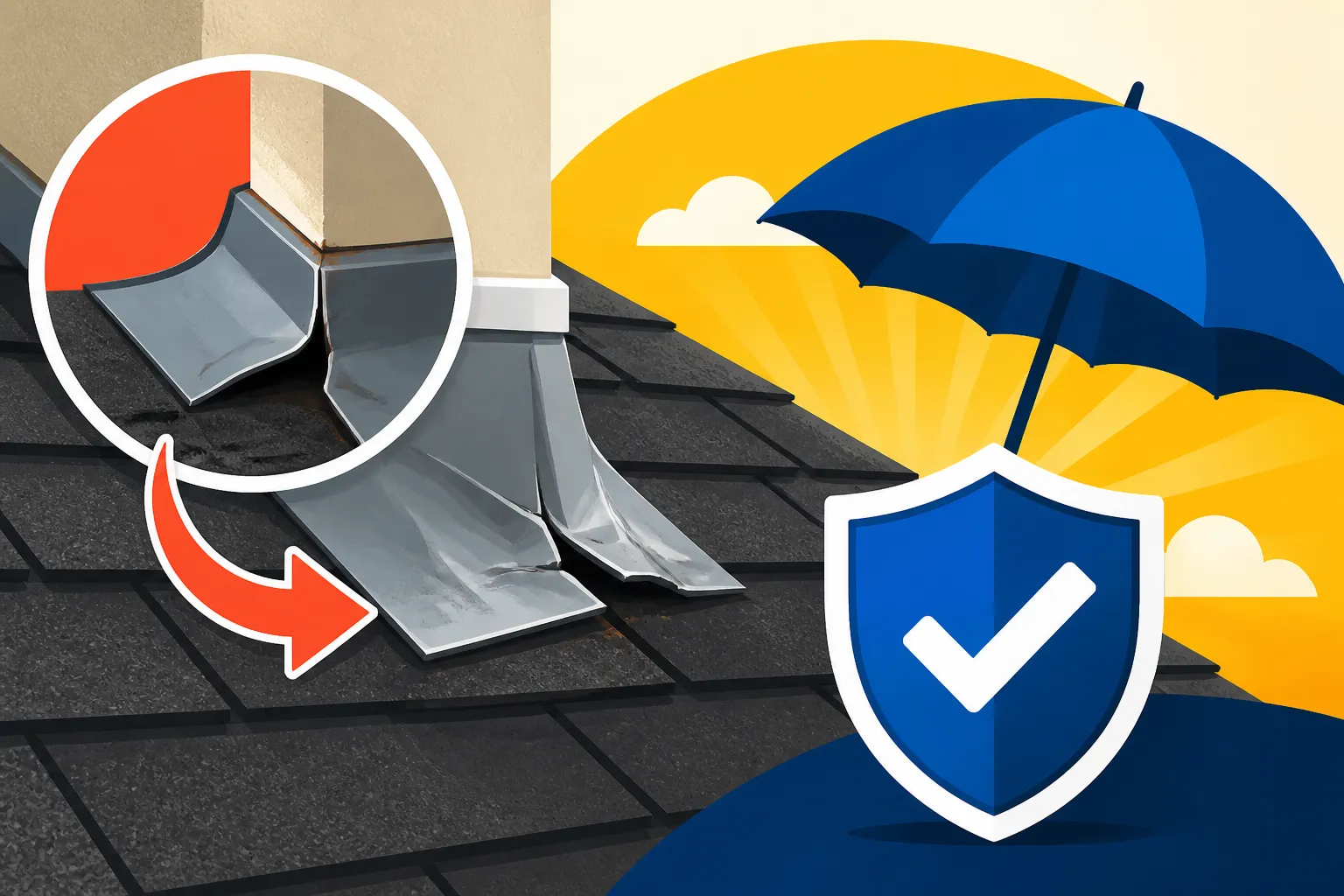
Your roof isn't just a big, flat surface; it has angles, vents, chimneys, skylights, and walls that intersect with it. These areas are prime candidates for water infiltration, and without proper protection, you'd have leaks every time it rained. Flashing is meticulously installed around these penetrations and transitions to create a watertight seal. For example, around your chimney, step flashing is integrated with each course of shingles, and then counter-flashing is mortared into the chimney masonry, overlapping the step flashing like a shingle to direct water away. Similarly, along the eaves, you'll find drip edge flashing, which helps direct water off the roof and into your gutters, preventing it from running down and damaging your fascia and siding.
Without properly installed or undamaged flashing, even a brand-new roof would be susceptible to leaks. A tiny gap or a bent piece of flashing can funnel water directly into your attic, leading to devastating damage to your insulation, ceilings, walls, and even the structural integrity of your home. It's a small component with a monumental job. If you're wondering How Asphalt Shingles Are Installed: Step by Step, you'll quickly learn that flashing installation is an integral part of the process, not an afterthought.
Common Areas Where Flashing Is Found
Flashing isn't just one type of material in one spot; it's a collection of specialized components found all over your roof. Knowing where to look can help you identify potential issues.
- Chimneys: This is perhaps the most common area to find flashing, where multiple pieces work together to seal the intersection of the roof and chimney structure.
- Vent Pipes: Any pipes protruding from your roof (for plumbing, exhaust, etc.) will have a boot-style flashing, often a rubber collar integrated with a metal base, to prevent leaks.
- Valleys: These are the internal angles where two roof slopes meet. Open valleys often use metal flashing directly, while closed valleys integrate shingles.
- Skylights: Similar to chimneys, skylights require extensive flashing systems to keep water out.
- Dormers and Walls: Where a vertical wall meets the roof, such as with dormer walls or adjoining structures, step flashing and counter-flashing are essential.
- Eaves and Rakes: Drip edge flashing is typically installed along these edges to guide water away from the roof deck and into gutters.
Recognizing these areas can help you conduct your own visual inspections, allowing you to spot potential issues before they escalate into major problems.
When Your Homeowner's Insurance Policy Steps Up for Damaged Flashing
The good news is that, in many scenarios, homeowner's insurance will cover damaged flashing. The key, as with most insurance claims, lies in the cause of the damage. Policies are generally designed to protect you from sudden, accidental damage caused by specific perils.
Damage Caused by Sudden and Accidental Perils
If your flashing damage is a direct result of an unexpected event listed in your policy, you're usually in good shape. This is the cornerstone of most homeowner's insurance coverage. We're talking about events that are out of your control and happen without warning.
Let's say a severe thunderstorm rolls through, bringing with it powerful winds that lift and bend the metal flashing around your chimney, creating an opening for water. Or perhaps a sudden hailstorm leaves dents and cracks in your aluminum flashing, compromising its integrity. These are prime examples of sudden and accidental damage that most standard homeowner's policies are designed to cover. The damage is directly attributable to an external force, not slow deterioration. This is why when you're dealing with Storm Damage: Repair or Replace, documenting the cause is crucial.
Common Perils That Lead to Coverage
Most policies, especially those covering asphalt roofs, will list perils like:
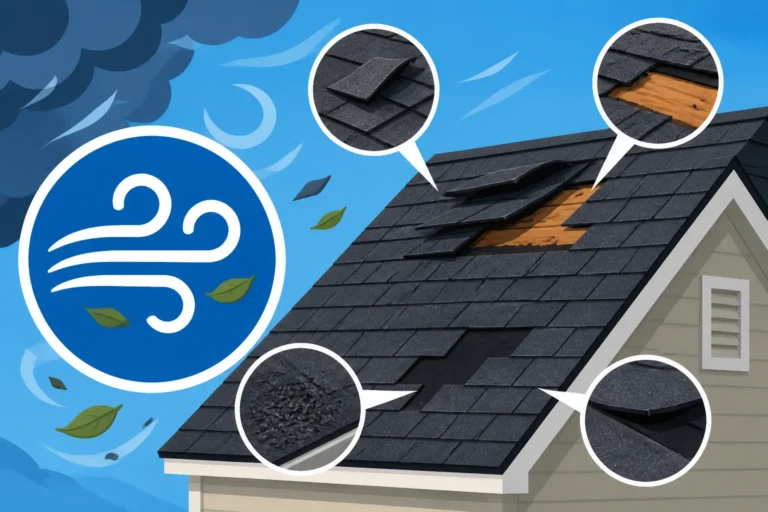
- Windstorms: High winds are a frequent culprit. They can uplift, bend, or even tear flashing clean off the roof, particularly if it was already slightly loose or aged. A strong gust might not damage the shingles directly but could leverage a piece of flashing, peeling it back.
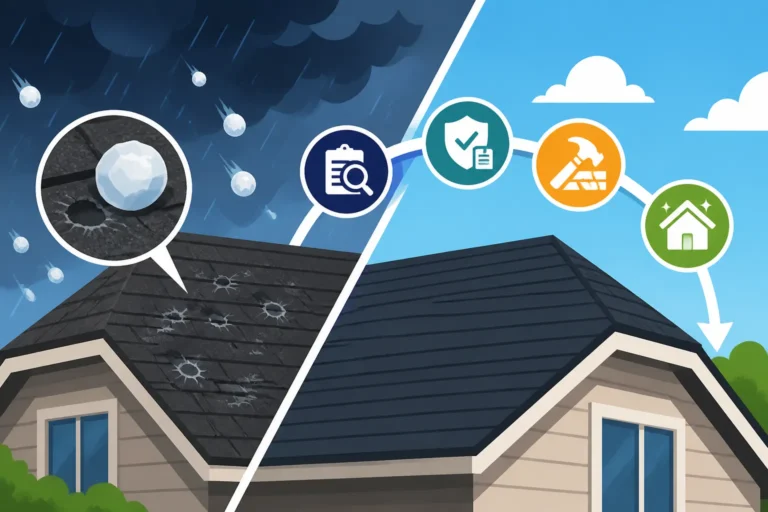
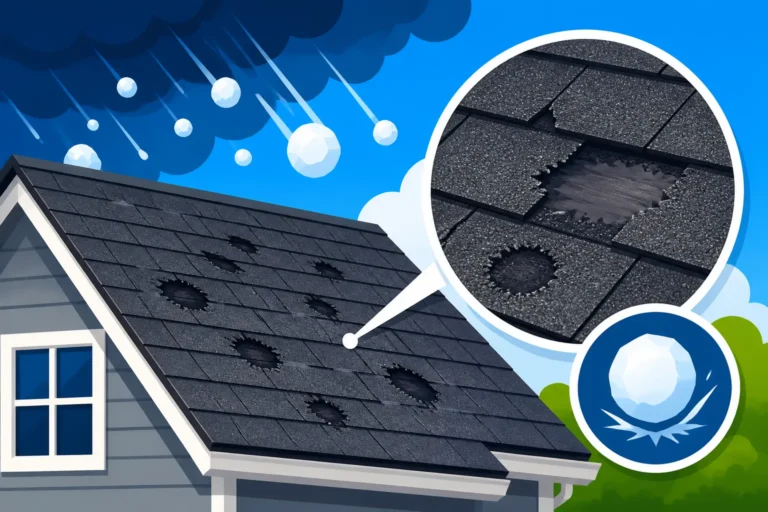
- Hailstorms: Hail can cause direct impact damage, leaving visible dents, punctures, or cracks in metal flashing. While shingles might show Signs of Roof Hail Damage, your flashing is equally vulnerable. This kind of damage compromises the flashing's ability to shed water effectively.
- Falling Objects: This includes things like trees, tree branches, utility poles, or even debris carried by high winds. If a branch scrapes across your roof and tears or dislodges flashing around a vent pipe, that's generally covered.
- Fire: While less common for direct flashing damage, a house fire could certainly warp or destroy flashing as part of the broader structural damage, which would be covered.
- Vandalism: If someone intentionally damages your flashing, this would typically fall under vandalism coverage.
In these situations, your insurance company will likely cover the cost of repairing or replacing the damaged flashing, and any resulting interior water damage (like to your ceiling or drywall) that occurred after the initial peril. Remember, the damage needs to be clearly linked to the specific event. Resources like Modernize can help homeowners understand the process of connecting with vetted professionals who can provide a thorough damage assessment, which is vital for an insurance claim.
When Your Insurance Policy Might Not Cover Damaged Flashing
Unfortunately, there are just as many, if not more, situations where your insurance company will likely deny a claim for damaged flashing. This often comes down to the nature of the damage – if it's considered preventable, gradual, or related to maintenance issues.
Wear and Tear and Gradual Deterioration
This is the big one. Insurance policies are not maintenance contracts. They don't cover the gradual decline of your home's components due to age, exposure to the elements, or lack of upkeep.
Imagine your metal flashing has been exposed to years of sun, rain, and temperature fluctuations. Over time, it might corrode, rust, or simply weaken and develop small cracks or gaps. Or perhaps the seal around a pipe boot flashing degrades and cracks due to UV exposure. These are considered normal wear and tear. If a leak develops because of rusted-out flashing that has simply reached the end of its lifespan, your insurer will likely deny the claim. They expect you, as the homeowner, to maintain your property and address these issues before they become catastrophic. This is a common reason why claims for Flashing Leak Repair might be denied if the underlying cause is simply age.
Neglect, Poor Installation, and Exclusions
Several other factors can lead to a denied claim:
- Lack of Maintenance: If you've ignored obvious signs of flashing deterioration for an extended period, leading to a significant leak, the insurance company might argue that your neglect contributed to the loss. They might say that reasonable maintenance would have prevented the issue.
- Poor Installation: If the flashing was improperly installed from the beginning, leading to premature failure, your insurance typically won't cover it. This is a defect in workmanship, not a sudden, accidental peril. In this scenario, your recourse would be with the original installer (if their warranty is still valid) rather than your homeowner's insurance. This highlights the importance of asking Questions to Ask a Roofing Contractor Before Hiring.
- Pre-existing Damage: If the damage existed before you purchased the policy or before a specific covered peril occurred, it won't be covered. This is why thorough home inspections are so crucial when buying a house.
- Policy Exclusions: Always read your policy carefully! Some policies might have specific exclusions. For instance, damage from earthquakes or floods is almost never covered by a standard homeowner's policy and requires separate endorsements or policies. While these aren't common causes of flashing damage, it's an important principle.
- Manufacturer Defects: If the flashing material itself was defective, that's generally a claim against the manufacturer, not your homeowner's insurance.
If your roof is older and showing general signs of aging, such as Curling Shingles: What They Mean or extensive granule loss, a flashing issue might be seen as part of a larger end-of-life scenario for the roof, making a replacement more likely than a simple repair claim.
The Role of Depreciation
Even when flashing damage is covered, the payout might not be for the full replacement cost, especially if your policy is Actual Cash Value (ACV) rather than Replacement Cost Value (RCV). With an ACV policy, the insurance company will factor in depreciation – the wear and tear and age of your flashing – and pay you only its depreciated value. This means you'll receive less than the cost of new flashing, leaving you to cover the difference. This is a critical factor in Roof Depreciation and Insurance calculations.
For example, if your flashing is 15 years old and has a typical lifespan of 20-30 years, an ACV policy would likely reduce the payout significantly due to its age. A Replacement Cost Value policy, on the other hand, would generally pay to replace the damaged flashing with new, similar materials, without deducting for depreciation, up to your policy limits.
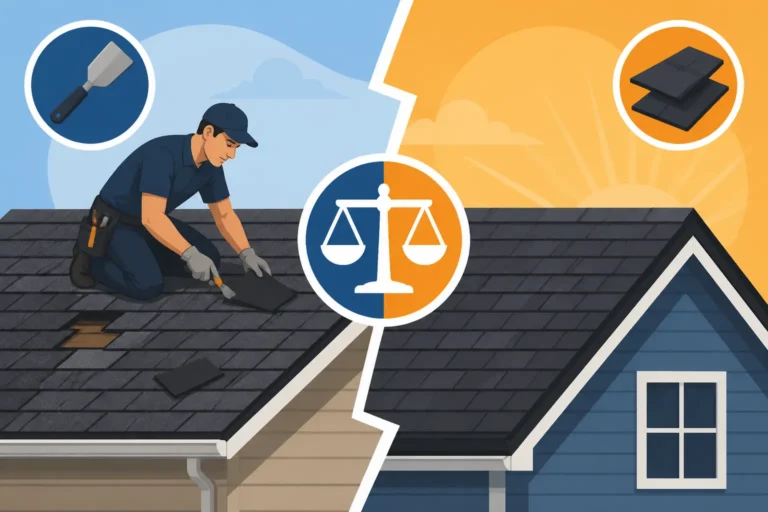
Comparison of Covered vs. Not Covered Scenarios for Flashing Damage
| Scenario | Cause of Damage | Typical Insurance Coverage | Explanation |
|---|---|---|---|
| Covered | High Winds | YES | Winds tear, lift, or bend flashing, creating gaps. |
| Covered | Hail Storm | YES | Hail impacts dent, crack, or puncture metal flashing. |
| Covered | Falling Tree Branch | YES | A sudden impact from a falling object damages or dislodges flashing. |
| Covered | Vandalism | YES | Intentional damage to flashing by a third party. |
| Not Covered | Rust or Corrosion | NO | Gradual deterioration due to age, moisture, and chemical reactions over time. |
| Not Covered | UV Degradation | NO | Sunlight exposure causing rubber or sealant components of flashing to crack and fail gradually. |
| Not Covered | Improper Installation | NO | Flashing was never correctly installed, leading to leaks from the outset or premature failure (this is a contractor's responsibility, not an insurance claim). |
| Not Covered | Lack of Maintenance | NO | Ignoring visible issues like minor rust or sealant cracks over time, leading to a major leak. |
| Not Covered | General Wear & Tear | NO | Flashing simply reaching the end of its natural lifespan and failing due to age. |
| Conditional Coverage | Slow Leak | MAYBE (with complications) | If the slow leak is caused by a covered peril (e.g., small hail crack unnoticed), but if it's due to neglected wear and tear, usually not. Interior damage might be denied if the leak was evident for a long time. |
Navigating the Insurance Claim Process for Flashing Damage
So, you've discovered damaged flashing and suspect it might be covered. What's next? Handling an insurance claim can be intimidating, but a clear, step-by-step approach can make all the difference.
Immediate Steps After Discovering Damage
The moment you realize you have damaged flashing, especially if there's an active leak, time is of the essence.
- Safety First: If there's an active leak, prioritize preventing further interior damage. Place buckets to catch water, move furniture, and if there's any electrical concern, cut power to the affected area. Do not try to get on a wet or damaged roof yourself unless you are a trained professional with proper safety gear.
- Document Everything: This is perhaps the most crucial step. Take clear, well-lit photos and videos of the damaged flashing from multiple angles. Also, document any interior damage (water stains, damaged drywall, ruined insulation). Date and timestamp everything if possible. The more evidence you have, the stronger your claim.
- Prevent Further Damage (Temporary Repairs): Your policy usually requires you to mitigate further damage. This might involve placing a tarp over the affected area of the roof. You can call a professional roofing contractor for this. Keep all receipts for these emergency measures, as their cost is often reimbursable.
- Contact Your Insurance Company: Report the damage as soon as safely possible. Be prepared to provide the date of loss (if known, such as a specific storm date), a description of the damage, and any photos you've taken.
Working with Your Insurance Company and Contractors
Once you've reported the claim, here's how to proceed:
- Schedule an Adjuster Visit: Your insurance company will send an adjuster to inspect the damage. Be present during this inspection if you can. Point out all areas of concern, both on the roof and inside your home. Share your documentation.
- Get Professional Estimates: Do not rely solely on the insurance adjuster's assessment. Get at least two to three detailed estimates from reputable, licensed, and insured roofing contractors. These estimates should clearly itemize the scope of work, materials, and labor needed to repair or replace the flashing and any associated roof components or interior damage. Make sure the estimates are for like-kind materials. This is where platforms like Modernize can be incredibly helpful in connecting you with trustworthy local professionals.
- Compare Estimates and Adjuster's Report: Carefully compare the quotes you receive with the adjuster's report. Sometimes, adjusters might miss things or estimate repairs differently. If there's a significant discrepancy, discuss it with your contractor and then with your adjuster. You may need your contractor to speak directly with the adjuster to explain the necessity of certain repairs or materials. This comparison process is vital, as detailed in How to Read and Compare Roofing Estimates.
- Understand Your Policy Payout: Once the claim is approved, understand what your payout covers (ACV vs. RCV), your deductible, and how payments will be made. Often, the first check will cover the ACV, with the depreciation held back until repairs are completed and confirmed.
- Choose a Contractor and Schedule Repairs: Select a contractor you trust based on their reputation, experience, and the fairness of their bid. Ensure they are licensed and insured, and get a clear contract outlining the work, timeline, and payment schedule. Remember, you're looking for quality, not just the cheapest option. Choosing wisely is paramount, as discussed in How to Choose a Roofing Contractor.
Dealing with roof damage is never fun, but understanding your policy and proactively managing the claim process can alleviate a lot of stress. While insurance can be a lifesaver for sudden damage, remember that regular roof inspections and timely maintenance are your best defense against flashing failures that insurance won't cover. This proactive approach can also extend the overall How Long Does an Asphalt Roof Last, saving you headaches and money in the long run.
Disclaimer
Please remember that this article provides general information and guidance regarding asphalt roofing and insurance claims. Every insurance policy is unique, and coverage can vary significantly based on your specific policy terms, endorsements, deductibles, and the laws in your state or local jurisdiction. Always consult your individual insurance policy documents or speak directly with your insurance provider or a qualified legal professional for advice tailored to your specific situation. The information provided herein is not a substitute for professional insurance, legal, or roofing advice.