How to Avoid Unneeded Roof Replacement
That nagging feeling in the pit of your stomach when a roofer suggests a full replacement, but you suspect a repair might do? It’s a common homeowner anxiety, especially when you’re not sure what constitutes a truly failing roof versus a fixable problem. This guide aims to cut through that uncertainty, empowering you with the knowledge to accurately assess your asphalt roof's condition, understand common issues, and confidently interact with contractors, ultimately helping you avoid an unneeded roof replacement.
Understanding Your Roof's Health: Repair vs. Replace
The moment you spot a loose shingle or a tiny streak on your ceiling, it's natural for your mind to jump to the worst-case scenario: a costly, disruptive full roof replacement. But here's the honest truth: not every issue warrants tearing off and rebuilding your entire roof. Many problems are perfectly repairable, and knowing the difference can save you thousands of dollars and a lot of stress.
The Initial Panic: Is it Truly That Bad?
It's so easy to panic when you see something amiss with your roof. Maybe you found a few granules in your gutters, or a corner of a shingle looks a little curled. Your neighbor just replaced their roof, and now you’re wondering if yours is next. This initial fear often comes from a lack of understanding about how roofs age and what common minor issues look like. Many homeowners immediately think of the most expensive solution, pressured by anecdotes or past experiences with less-than-honest contractors.
However, a few missing granules, a single slightly lifted shingle, or even a small, localized leak don't automatically spell disaster for your entire roof. Asphalt shingles, while durable, are constantly exposed to the elements, and minor wear and tear are part of their lifespan. The key is to differentiate between cosmetic issues or isolated damage and systemic failures that indicate your roof is truly at the end of its life. Before you let anxiety drive you to a premature decision, take a deep breath and prepare to gather some objective information.
Key Indicators for Repair vs. Replacement
Knowing the specific signs that point towards either a repair or a full replacement is your first line of defense against unnecessary spending. Some issues are clearly isolated, while others are symptoms of widespread deterioration.
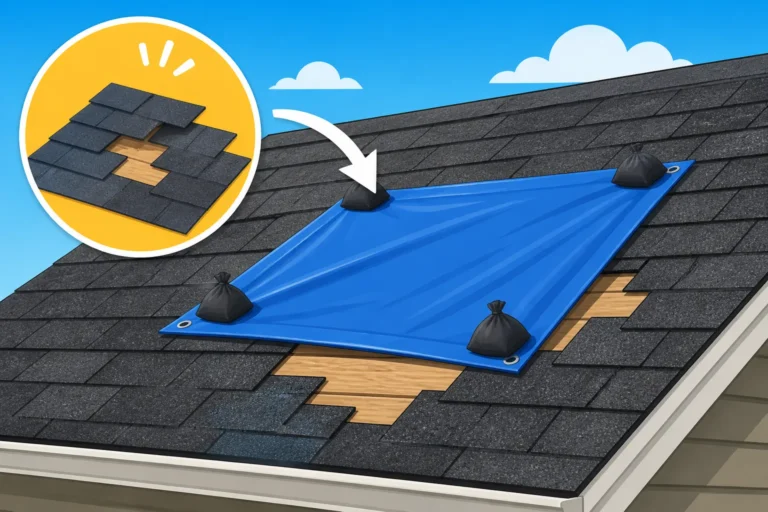
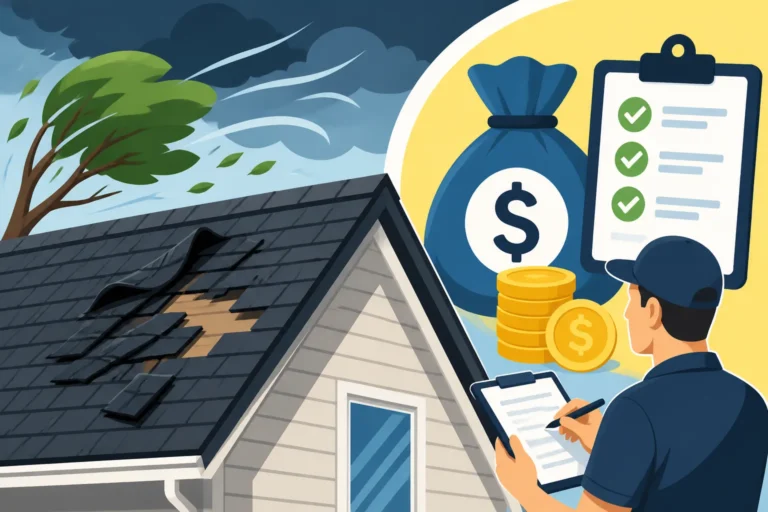
For instance, a few missing shingles after a severe windstorm might only require a targeted repair, especially if the rest of your roof is in good condition and relatively young. A reputable contractor can often match shingles reasonably well or replace a small section, restoring protection without a full overhaul. On the other hand, if you're seeing widespread granule loss across multiple slopes, not just in one spot, it's a stronger indication that the shingles are reaching their end of life and losing their UV protection.
Similarly, curling shingles that are cupping or clawing can sometimes be addressed with minor repairs if caught early, or if it's a small section due to poor ventilation in one area. But if most of your shingles are significantly curling and brittle, it suggests the organic mat in the shingles is drying out and deteriorating, a clear sign that a full roof replacement is probably on the horizon. Age is also a huge factor; an asphalt roof typically lasts between 20 to 30 years, so an older roof with multiple issues leans more heavily towards replacement.
Here's a quick comparison of common issues and their likely remedies:
| Issue Type | Common Signs | Likely Remedy (Initial Assessment) | Potential Cause for Full Replacement |
|---|---|---|---|
| Localized Damage | A few missing/damaged shingles, small leak in one spot, singular blow-off | Targeted repair | Extensive, widespread damage from severe storms |
| Minor Wear & Tear | Slight granule loss in gutters, minor moss/algae, small crack | Cleaning, sealant, single shingle replacement | Severe, widespread granule loss; extensive moss growth that has damaged shingles |
| Early Stage Deterioration | Some curling shingles (cupping), limited blistering | Spot repair, improved ventilation | Widespread, severe curling/blistering across entire roof |
| Systemic Issues | Significant sagging, widespread water stains in attic, multiple leaks | Professional assessment, often replacement | Compromised roof deck, structural issues, advanced age, multiple layers of shingles |
Understanding these distinctions is crucial. You don't want to get talked into a full replacement if a simple repair of a few damaged shingles is all you truly need.
Navigating the Inspection Process Without Being Duped
The inspection is where the rubber meets the road. It’s when a professional gives you their assessment, and it's also where homeowners can feel most vulnerable to an upsell. To truly avoid an unneeded roof replacement, you need to be prepared to manage this interaction effectively.
Why Multiple Bids and Opinions are Crucial
This can’t be stressed enough: always get multiple bids and opinions. Relying on a single contractor's assessment is like getting one diagnosis from a doctor for a serious condition – you’d want a second opinion, right? The roofing industry, unfortunately, has its share of less-than-scrupulous operators who might push for a full replacement simply because it’s more profitable than a repair.
By soliciting estimates from at least three different companies, you achieve several things:
- Benchmarking: You establish a baseline for what a repair or replacement should cost. If one estimate is drastically higher or lower, it's a red flag.
- Diverse Perspectives: Different contractors might identify different issues or propose varying solutions. One might suggest a precise repair for a leak, while another might insist on replacing an entire slope. Comparing these helps you understand the range of possibilities and the rationale behind each.
- Vetting: The process of getting bids allows you to observe how each company operates. Do they show up on time? Are they thorough? Do they explain things clearly? This is a critical part of learning how to choose a roofing contractor.
Tools and services like Modernize can be incredibly helpful here. They connect homeowners with pre-screened local roofing professionals, taking some of the guesswork out of finding reliable options. This way, you’re not just pulling names out of a hat; you’re starting with a pool of vetted contractors who are more likely to offer fair and honest assessments. Don't be shy about telling each contractor that you're getting other bids; it often encourages them to be more competitive and transparent.
What a Reputable Inspector Should Look For
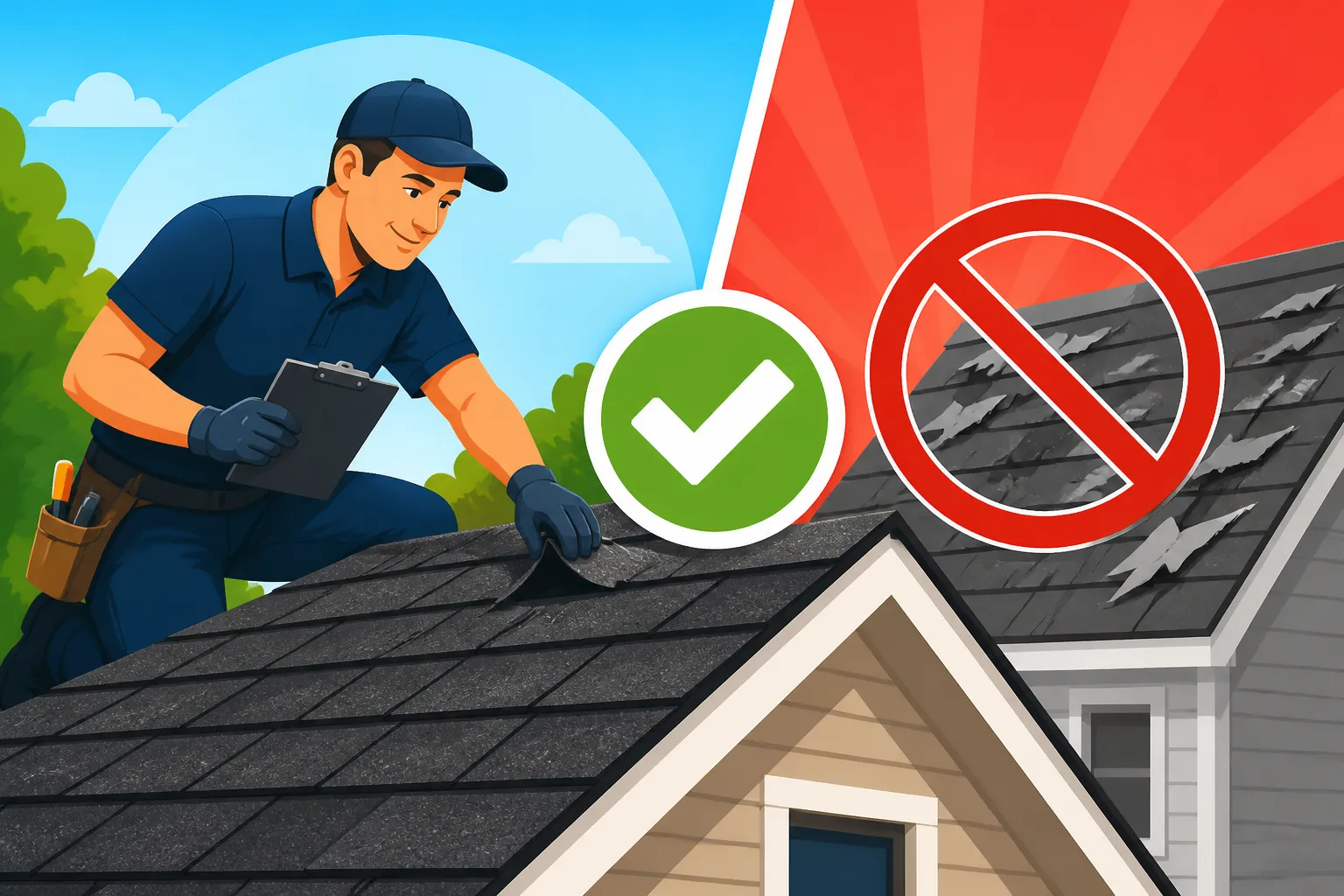
When a truly reputable inspector or contractor comes to your home, their process should be thorough, systematic, and clearly explained. They won't just glance at your roof from the ground. They'll get up there, safely, and conduct a detailed examination.
Here's what a good inspection entails:
- Shingle Condition: They'll look for cracked shingles, curling, blistering, signs of excessive granule loss, or missing shingles. They'll check for consistency across the roof, noting if damage is localized or widespread.
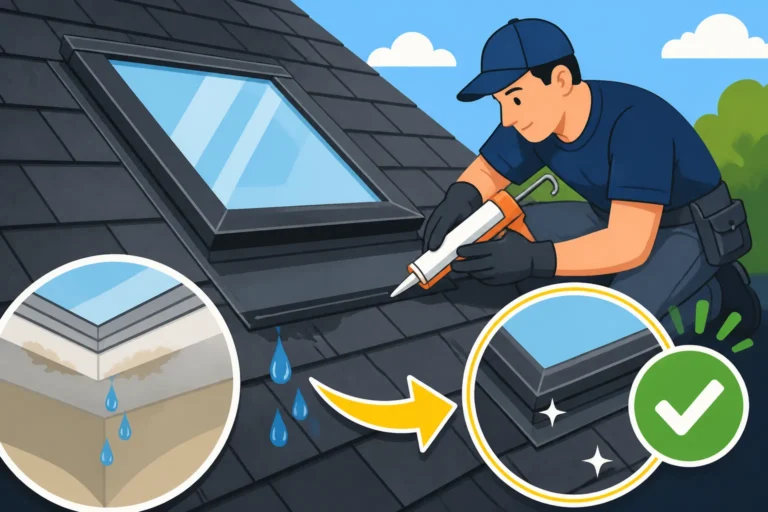
- Flashing: This is critical. Flashing around chimneys, skylights, vents, and in valleys is a common source of leaks. A good inspector will carefully check for cracks, rust, dislodged pieces, or improper installation.
- Gutters and Downspouts: They'll assess your gutters for excessive shingle granules, which can indicate advanced wear. They'll also check for proper drainage, as overflowing gutters can cause water damage to fascia and soffits.
- Roof Decking: If there are visible signs of water damage inside your attic (stains, sagging), they should investigate the underlying roof decking. They might probe soft spots or look for signs of rot or mold.
- Ventilation: Proper attic ventilation is vital for the longevity of your roof. They'll check if your soffit and ridge vents are clear and adequate for your attic space, as poor ventilation can prematurely age shingles and lead to ice dams.
- Attic Inspection: This is non-negotiable for identifying potential leaks. They should go into your attic, if accessible, to look for water stains on the underside of the roof deck, mold growth, or signs of moisture. This internal view often reveals the true extent of water intrusion that isn't visible from the exterior.
- Overall Structural Integrity: While not a structural engineer, a good roofer can spot obvious signs of sagging ridges or other structural issues that would need further investigation.
A contractor who only does a quick walk-around on the ground and then immediately proposes a full replacement without thoroughly inspecting these points is a roofing contractor red flag to avoid. A detailed inspection report, ideally with photos, should accompany any recommendations.
Empowering Yourself with Knowledge: What to Ask and Verify
Feeling informed and confident when talking to contractors can make all the difference. When you know what questions to ask and what information to look for, you turn the tables from a passive homeowner to an active participant in your roof's future.
Questions to Ask Every Roofing Contractor
Don't be afraid to grill your prospective contractors. They are providing a service, and you have every right to understand their recommendations and qualifications. Here are some essential questions:
- "What exactly did you find, and what specifically leads you to recommend a repair versus a full replacement (or vice-versa)?" Push for detailed explanations. Ask them to show you photos of the damage, pointing out specific areas. If they are recommending replacement, challenge them to explain why a repair isn’t feasible.
- "Can you provide proof of your license and insurance?" A legitimate contractor will always be happy to provide this. Verify their license with your state or local licensing board and call their insurance provider to confirm coverage. This is incredibly important for your protection.
- "Are you manufacturer-certified by brands like GAF, Owens Corning, or CertainTeed?" Certification means they've met specific standards set by shingle manufacturers and can often offer enhanced warranties. This is a strong indicator of quality workmanship and commitment to industry best practices.
- "What kind of warranty do you offer on your workmanship, and what about the material warranty?" Understand the difference between a manufacturer's warranty (which covers the shingles themselves) and a contractor's warranty (which covers the installation). A good contractor will stand behind their work for several years.
- "How long have you been in business in this area, and can you provide recent local references?" Longevity in the community and verifiable references speak volumes about their reputation and reliability. A company that’s been around for a while is less likely to be a fly-by-night operation.
- "What is your project timeline, and what measures do you take to protect my property during the job?" Get a clear understanding of when they can start, how long the job will take, and how they plan to safeguard your landscaping, siding, and driveway from debris.
- "Will you pull all necessary permits?" In most areas, a roof replacement requires a permit to ensure the work meets local building codes. A reputable contractor will handle this process. Never let them tell you a permit isn't necessary for a full replacement. You can learn more about roofing permits explained in our detailed guide.
Don't let a contractor rush you or make you feel unintelligent for asking questions. This is your home and your investment.
Understanding Estimates and Spotting Red Flags
Once you have those multiple bids, it’s time to put on your detective hat. Learning how to read and compare roofing estimates is paramount to identifying both fair pricing and potential rip-offs.
A comprehensive estimate should be highly detailed, breaking down costs rather than offering a vague lump sum. Look for:
- Clear Scope of Work: Does it specify if it’s a repair or a full tear-off and replacement? What materials are included (shingles, underlayment, flashing, vents, drip edge, etc.)?
- Material Breakdown: Itemized costs for shingles (brand, type, color), underlayment (e.g., synthetic vs. felt), ice and water shield, flashing, fasteners, and disposal fees.
- Labor Costs: While often bundled, it should be clear what labor covers.
- Permit Fees: Clearly listed as a separate line item.
- Warranty Information: Details on both material and workmanship warranties.
- Payment Schedule: A reputable contractor usually asks for a reasonable deposit (e.g., 10-30%) and then progress payments, not 100% upfront. You can read more about roofing deposit: how much is normal to get an idea of what to expect.
Red Flags in Estimates:
- Vagueness: Any estimate that simply states "new roof: $X" without details is a huge warning sign.
- Missing Details: No mention of underlayment, flashing, or cleanup.
- Pressure Tactics: "Sign today for a special discount!" or "This price is only good for 24 hours." High-pressure sales often indicate they don't want you to get other bids.
- Extremely Low Bid: While you want a good deal, a bid significantly lower than others can mean they're cutting corners on materials, labor, insurance, or simply don't understand the scope. Remember, why the lowest roofing bid is risky is usually because quality costs money.
- Cash-Only Deals: This often suggests they're trying to avoid taxes or operate without proper licensing and insurance.
The Role of Warranties and Manufacturer Certifications
Warranties are your long-term protection, and understanding them is crucial. There are typically two types:
- Manufacturer's Warranty: This covers defects in the roofing materials themselves. For asphalt shingles, this usually ranges from 20 to 50 years, depending on the shingle type (e.g., 3-tab vs. architectural). Pay attention to whether it's prorated (value decreases over time) or non-prorated, and what acts can void a shingle warranty.
- Workmanship Warranty: This is provided by the contractor and covers the quality of their installation. A standard workmanship warranty might be 5-10 years, though some top-tier contractors offer longer periods, especially if they are manufacturer-certified.
Manufacturer Certifications (like GAF Master Elite, Owens Corning Platinum Preferred, or CertainTeed SELECT ShingleMaster) are golden tickets. These designations mean the contractor has met stringent requirements for experience, financial stability, and continuous training from the shingle manufacturer. As a result, these certified contractors can often offer extended, non-prorated warranties on both materials and workmanship that you can't get from a non-certified installer. This essentially means the manufacturer is standing behind the contractor's installation. When you hear about a comprehensive roofing warranty: workmanship vs manufacturer, these certifications are often the key to unlocking the best coverage.
When you engage with roofing professionals, especially through platforms like Modernize, inquire about their certifications and the specific warranties they can offer. This extra layer of protection can be a strong differentiator between a good contractor and a great one, and it certainly helps ensure that any work done is truly necessary and built to last.
Proactive Maintenance: The Best Defense Against Unnecessary Replacement
The absolute best way to avoid an unneeded roof replacement is to keep your existing roof in tip-top shape. Regular vigilance and preventative care can extend its lifespan considerably, addressing minor issues before they escalate into major, costly problems. Think of it like going to the dentist for regular cleanings to avoid a root canal – consistent care pays off.
Regular DIY Checks You Can Perform
As a homeowner, you have the power to conduct simple, routine checks that can flag potential problems early. You don't need to climb up on your roof every weekend, but a thorough visual inspection a couple of times a year, and especially after severe weather, can make a huge difference.
Here's what you can easily look for from the ground or with binoculars:
- Check Your Gutters: After a rain, are your gutters flowing freely? Are they clogged with leaves or excessive amounts of shingle granules? A lot of granules in the gutters can indicate advanced wear on your shingles, suggesting it might be time for a professional assessment of granule loss: should you worry.
- Look for Missing or Damaged Shingles: Can you spot any shingles that are obviously missing, curled, cracked, or discolored? Pay particular attention to the edges of the roof, around chimneys, and near valleys. Even one missing shingle can allow water intrusion.
- Inspect Flashing: From the ground, visually check the flashing around any protrusions like chimneys, vent pipes, and skylights. Does it look intact, or are there obvious gaps, cracks, or rust spots? Damaged flashing is a very common source of leaks.
- Examine Soffits and Fascia: Look for any signs of water staining, peeling paint, or rotting wood on the fascia boards (the trim along the roofline) or the soffits (the underside of the eaves). These can be indicators of issues with your gutters or leaks originating higher up on the roof.
- Scan for Moss or Algae Growth: While some algae streaks: repair or replace can be cleaned, extensive moss can lift shingles and trap moisture, leading to deterioration. If you see significant growth, it's worth addressing.
For areas you can't see, like inside the attic, an annual check during daylight hours is smart. Look for any signs of water stains on the rafters or ceiling, unusual odors, or visible light coming through the roof deck. These simple checks, if done routinely, can catch small issues before they become emergencies.
When to Call for Professional Maintenance
While DIY checks are valuable, there are times when you absolutely need to bring in a professional. Ignoring these signs or attempting complex repairs yourself can lead to more damage and expense down the line, potentially forcing an early replacement.
Here’s when to pick up the phone and call a trusted roofing contractor for maintenance or a more in-depth inspection:
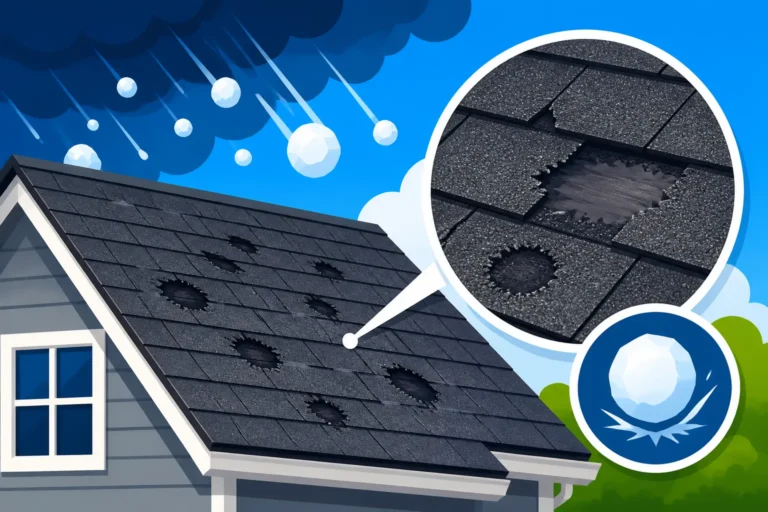
- After Severe Weather: If your area has experienced a major hailstorm, high winds, or a significant ice storm, even if you don't see obvious damage, it's wise to get a professional inspection. Hail damage, for example, isn't always visible from the ground but can significantly compromise shingle integrity. Getting an expert to perform a roof damage assessment: a homeowner's guide can save you headaches later.
- Persistent Leaks: If you have a leak that you can't pinpoint or that keeps returning despite minor repairs, it's time for an expert. A recurring leak often indicates a deeper problem with the roofing system or underlying components.
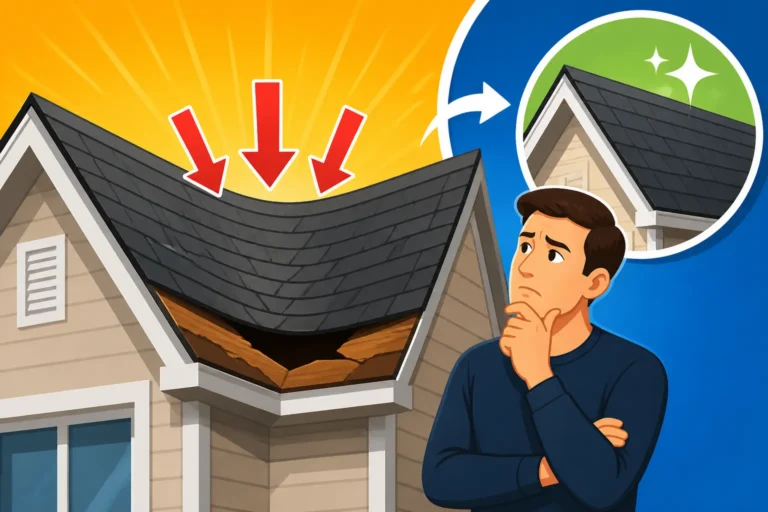
- Sagging or Distorted Roofline: Any noticeable sagging in your roof ridge or between rafters is a serious structural concern. This isn't a repair you can DIY; it requires immediate professional assessment to prevent catastrophic failure.
- Old Roof, New Problems: If your asphalt roof is approaching or beyond its expected lifespan (typically 20-30 years), and you're suddenly seeing multiple issues crop up, it's time for a professional to assess its overall condition. They can help you determine how many years left on your roof and whether investing in more repairs is still cost-effective compared to a full replacement.
- Buying or Selling a Home: A professional roof inspection is a smart investment before a real estate transaction. For buyers, it reveals potential hidden costs; for sellers, it can preempt issues that might derail a sale. This is a great way to avoid surprises and ensure both parties are fully aware of the roof's true state.
- Annual or Bi-Annual Check-ups: Just like your car needs regular tune-ups, your roof benefits from periodic professional inspections, especially if you want to know how often to inspect your roof. These preventative checks can identify subtle issues, like compromised sealant strips or minor flashing deterioration, before they turn into expensive repairs or necessitate a premature replacement. Many homeowners find peace of mind by scheduling these with a trusted local roofer, ensuring small fixes are made consistently.
By being proactive and knowing when to call in the experts, you significantly increase the chances of extending your roof’s life, making timely, cost-effective repairs, and confidently avoiding the push for an unneeded roof replacement.
Disclaimer
Please note that the information provided in this article is for general guidance and informational purposes only. Every roof is unique, and specific conditions, local building codes, and material types can vary. Always consult with a qualified, licensed, and insured roofing professional for a thorough inspection and personalized recommendations regarding your specific roofing needs. Do not attempt hazardous roof inspections or repairs without proper safety equipment and training.