Nail Pops: Repair or Replace
There's nothing quite as disheartening as looking up at your roof, whether from the ground or inside your attic, and spotting those pesky nail pops. They're not just an eyesore; these small protrusions can be a clear sign that your roof's integrity is compromised, leaving you wondering if a simple fix will do or if you're looking at a much larger, more expensive roof replacement project. This comprehensive guide will walk you through everything you need to know about nail pops, helping you understand their causes, assess the risks, and ultimately decide whether to repair or replace your asphalt roof.
Understanding Nail Pops: What Are They Really?
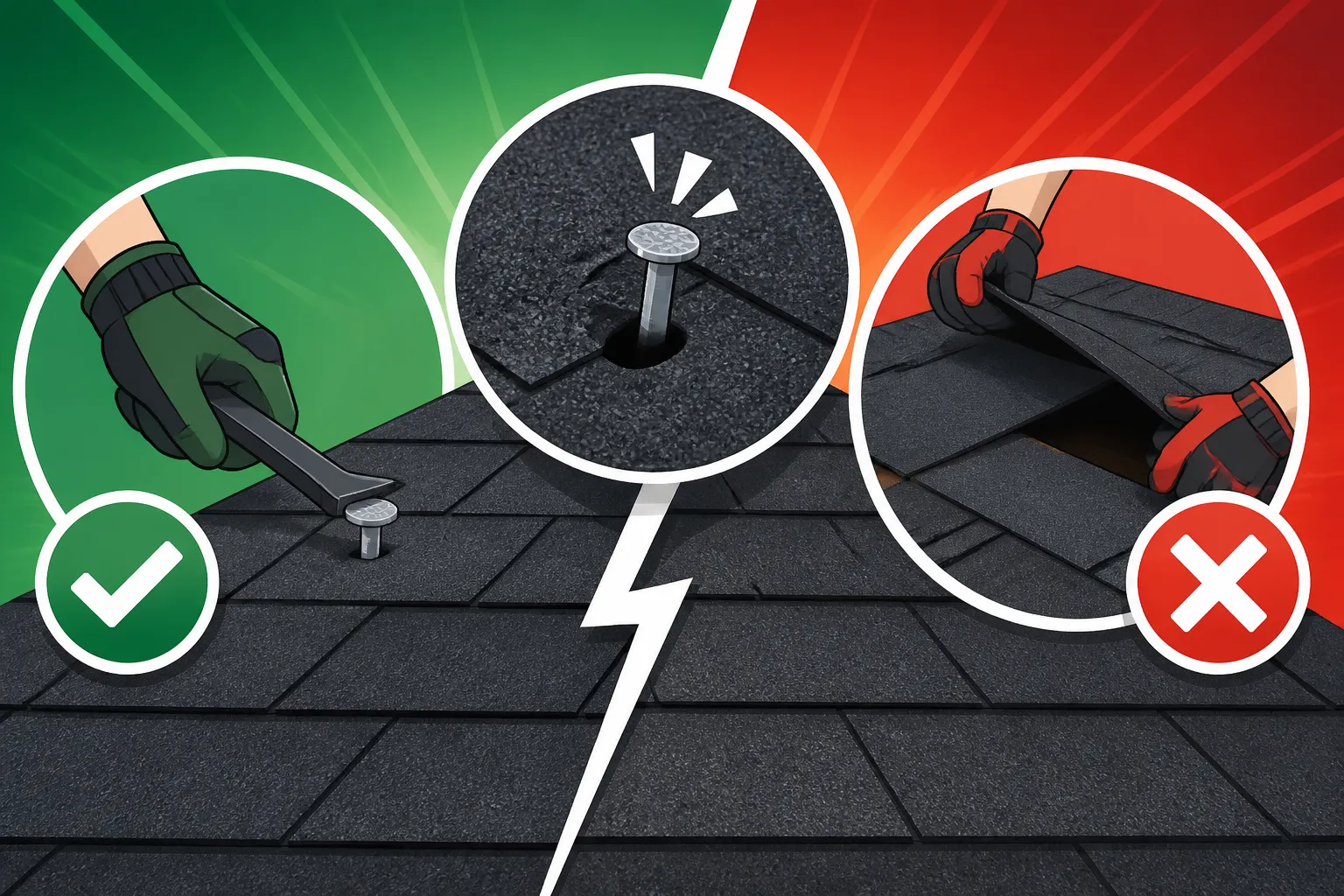
Nail pops are exactly what they sound like: roofing nails that have worked their way up and are now visible, often pushing up the shingle above them. From the exterior, you might see a small bump or a slightly raised shingle in a localized area. Inside your attic, you might spot the tips of nails protruding through the roof decking. It’s a common issue with asphalt shingle roofs, and while it might seem minor, it’s a symptom that shouldn't be ignored.
The Mechanics of a Nail Pop
When a nail pops, it means the fastener that's supposed to hold your shingle securely to the roof decking has loosened its grip or moved upward. Imagine a tiny tent pitched on your roof, with the nailhead being the peak. This creates a tiny gap and allows the shingle to lift, even slightly. Over time, that tiny lift can become a much bigger problem. The visible bumps on your shingles are often the first sign, but sometimes, you might only notice them if you're up on the roof for maintenance or cleaning gutters.
These seemingly small issues are actually quite significant because they disrupt the meticulously designed watertight seal of your roof. Asphalt shingles are laid in an overlapping pattern, sealed by adhesive strips and secured by nails, creating a continuous barrier against water. When a nail pops, it breaks that seal, even if only by a fraction of an inch, creating a potential pathway for moisture to infiltrate.
Common Causes Behind This Annoying Phenomenon
Nail pops don't just happen out of nowhere; there's usually a specific reason, or a combination of factors, contributing to their appearance. Understanding these causes is key to determining the best course of action.
One of the most frequent culprits is the expansion and contraction of your roof's wood decking. Throughout the year, temperature and humidity changes cause the wood to swell and shrink. If the nails aren't driven in properly or if they're too close to the edge of the wood, this constant movement can gradually push them upwards. It's like a slow, insistent tug-of-war where the nail eventually loses its fight to stay flush.
Improper nailing techniques during installation are another major cause. If nails are overdriven (too deep), they can cut through the shingle or the decking, losing their holding power. Conversely, if they're underdriven (not deep enough), they won't properly secure the shingle and are more prone to popping. Nailing too far from the shingle's common bond area, using the wrong type or length of nails, or even using an air compressor with incorrect pressure can all contribute to nails loosening and eventually popping. This is why choosing a reputable contractor is so vital; quality installation significantly reduces these kinds of issues down the line.
Lastly, moisture can play a role. If there's excessive moisture in your attic or the roof decking itself, it can lead to wood rot or swelling, pushing nails out from below. Poor attic ventilation, for instance, can trap humid air, leading to condensation and eventual wood damage, which then translates into popped nails. Issues with your roof's ventilation system can exacerbate these problems, creating a cyclical issue where moisture contributes to nail pops, which in turn invite more moisture.
The Risks and Consequences of Ignoring Nail Pops
It's tempting to put off addressing minor roofing issues, especially if they seem small. But with nail pops, delaying action can lead to far more significant and costly problems down the road. What starts as a small bump can quickly escalate into serious structural damage.
Water Infiltration and Interior Damage
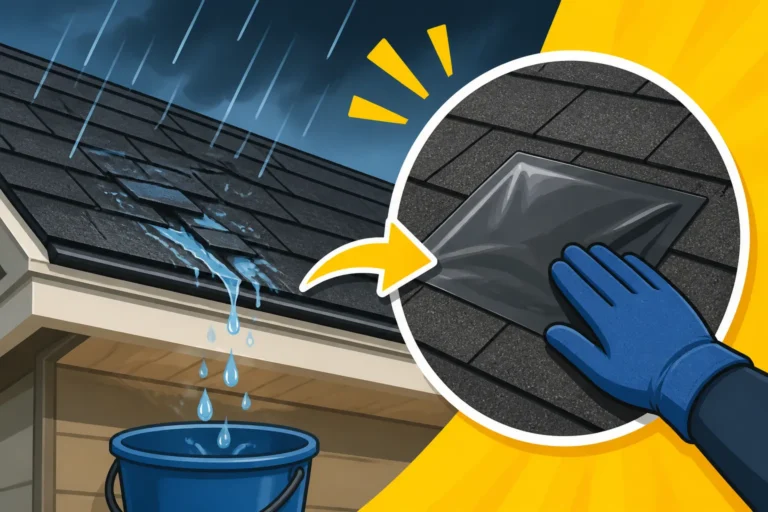
The most immediate and concerning risk of ignoring nail pops is water infiltration. Each popped nail creates a tiny puncture or lifting point in your shingles, making your roof vulnerable. When it rains, water can seep through these compromised areas, bypassing the shingle's protection and reaching the underlying roof decking.
Initially, you might not notice anything, but over time, this steady drip, drip, drip can lead to widespread damage. The roof decking, which is typically plywood or OSB, will begin to rot. This weakens the structural integrity of your roof, potentially causing sections to sag or even collapse under heavy snow loads or high winds. Beyond the decking, water can seep into your attic, saturating insulation, promoting mold growth, and damaging ceilings, walls, and personal belongings in your home. Imagine a small leak unnoticed for months: it could turn a perfectly good ceiling into a water-stained, moldy mess requiring extensive interior repairs, costing far more than addressing the initial nail pop. Understanding how a roof replacement works can highlight the importance of preventive measures.
Compromised Shingle Integrity and Premature Wear
Beyond direct water leaks, nail pops significantly compromise the overall integrity and lifespan of your asphalt shingles. When a shingle is no longer held down firmly, it becomes more susceptible to environmental stressors.
Wind is a major adversary. A shingle lifted by a popped nail provides an easy target for strong winds to get underneath, potentially tearing it off completely. This not only exposes the underlayment and decking but can also initiate a chain reaction, leading to more missing shingles. We often discuss the importance of proper nailing patterns to achieve high-wind nailing, but a popped nail defeats that purpose. Even without severe storms, lifted shingles are more prone to cracking and breaking as they become less flexible and more exposed to direct UV radiation. This accelerates the loss of protective granules, which are essential for reflecting sunlight and shielding the asphalt from deterioration. Premature granule loss can significantly shorten the overall lifespan of your roof, leading to it failing much earlier than its expected "how long does an asphalt roof last" rating.
Repairing Nail Pops: When Is It a Viable Solution?
When you discover nail pops, the first question is always: can I just fix this? The good news is, in many cases, repairing isolated nail pops is entirely possible and a much more economical solution than a full replacement. However, it's crucial to understand when repair is appropriate and when it's merely a temporary band-aid.
DIY Fixes for Isolated Nail Pops
If you're dealing with just a few isolated nail pops on an otherwise healthy, relatively new roof, a DIY repair might be feasible, provided you take proper safety precautions when working on a roof. Always have a spotter, use appropriate safety gear, and ensure your ladder is stable. If you're not comfortable working at heights, this is a job best left to professionals.
To fix a popped nail, you'll need a flat pry bar or shingle remover, a hammer, galvanized roofing nails (longer than the original if possible, to get a better bite into the decking), and roofing cement or sealant. Carefully lift the shingle above the popped nail. You might need to gently warm the shingle with a heat gun (on a very low setting, from a distance) on a cooler day to make it more pliable and prevent cracking, but be extremely cautious not to overheat or damage it. Once the shingle is lifted, remove the old popped nail. Drive two new galvanized roofing nails, one on each side of the original hole, ensuring they penetrate the roof decking securely without being overdriven or underdriven. Then, apply a small dab of roofing cement over the new nail heads and the old nail hole. Finally, press the shingle back down firmly, ensuring the sealant strip re-adheres. Repeat for any other isolated nail pops. This type of fix can prolong the life of your roof and address immediate leak risks.
Professional Repair for More Widespread Issues
While a homeowner might tackle one or two nail pops, anything more widespread, or if you suspect underlying issues, warrants a professional assessment. A qualified roofing contractor has the experience to identify the root cause, which might extend beyond just the nails themselves. They can often spot problems like sagging roof decking that you might miss, and they know the correct techniques to address structural or installation errors.
When a professional repairs nail pops, they'll typically employ similar methods to a DIYer, but with greater efficiency and expertise. They'll use proper tools, materials, and safety measures. For numerous nail pops, they'll systematically lift shingles, remove old nails, re-nail with new fasteners in different spots for better grip, and seal everything up correctly. They might also assess your roof's ventilation or look for signs of rot in the roof decking replacement cost analysis. A professional repair ensures that the problem is addressed comprehensively and that your roof's warranty remains intact, as some manufacturers require professional repair for warranty coverage. Getting multiple roofing estimates can help you compare not just prices, but also proposed solutions and warranties.
| Feature | DIY Nail Pop Repair | Professional Nail Pop Repair |
|---|---|---|
| Cost | Low (materials only) | Moderate (labor + materials) |
| Skill Level | Basic carpentry, comfort with heights | Expert roofing knowledge and technique |
| Safety | High risk for untrained individuals | Professional safety protocols, insurance |
| Time Investment | Varies based on skill and number of pops | Efficient, often completed within a day for localized issues |
| Warranty Impact | Can void manufacturer warranty if done incorrectly | Typically maintains or extends warranty if certified contractor |
| Scope | Best for 1-3 isolated pops | Suitable for widespread but non-structural issues |
| Underlying Issues | May miss or exacerbate hidden problems | Can diagnose and address root causes (e.g., decking rot) |
| Longevity | Varies based on execution quality and underlying cause | Generally more reliable and long-lasting |
When Replacement Becomes the Only Sensible Option
Sometimes, nail pops are just the tip of the iceberg, signaling deeper, more systemic problems with your roof. In these situations, a full roof replacement is not just advisable, but often the most cost-effective long-term solution. It can be a tough pill to swallow, but waiting too long can lead to even greater expenses.
Extensive Damage or Structural Concerns
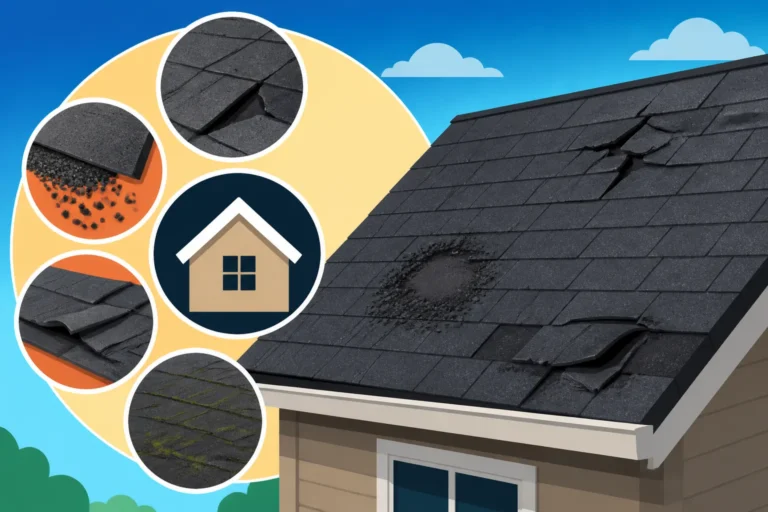
If you're noticing an abundance of nail pops across large sections of your roof, especially if they are accompanied by other signs of distress like widespread granule loss, curling, cracking, or soft spots in the roof decking, it's a strong indicator that repair alone won't cut it. A significant number of nail pops often points to issues with the original installation, poor quality materials, or prolonged exposure to harsh weather conditions that have severely degraded the roof structure.
For example, if the roof decking itself is widespread, allowing nails to easily pull out, or if there's significant rot due to chronic leaks, merely fixing individual nail pops is like bailing water from a sinking ship with a thimble. You need to address the entire system. In such cases, a professional inspection might reveal that the underlying wooden sheathing needs to be replaced, which is a major component of an asphalt roof replacement cost. In these situations, attempting patch repairs is a waste of money because the fundamental structure supporting the shingles is failing. A full tear-off and replacement allow the contractor to address these deep-seated issues properly, ensuring a sound foundation for your new roof.
Older Roofs Nearing End of Life
The age of your roof is a critical factor in the repair vs. replace decision. Most asphalt shingle roofs are designed to last between 20 to 30 years, depending on the shingle type, climate, and maintenance. If your roof is already approaching or has exceeded this lifespan, and you're suddenly seeing nail pops, it's often a clear sign that the entire roofing system is nearing the end of its functional life.
For an older roof, nail pops aren't usually isolated incidents; they're a symptom of widespread material fatigue. The shingles themselves become brittle, the adhesive strips lose their effectiveness, and the granules wear away. Trying to repair individual nail pops on a roof that's already past its prime is like patching worn-out tires; you might fix one leak, but others are likely to appear soon after. The money spent on repeated repairs could quickly add up to a significant portion of a replacement cost, without giving you the peace of mind or longevity of a new roof. Signs you need a new roof often go beyond just nail pops and include extensive moss growth, widespread shingle damage, or a noticeable sag. In these scenarios, investing in a full roof replacement, which typically includes a new warranty and improved protection, offers far better long-term value and saves you from the ongoing headache of continuous repairs.
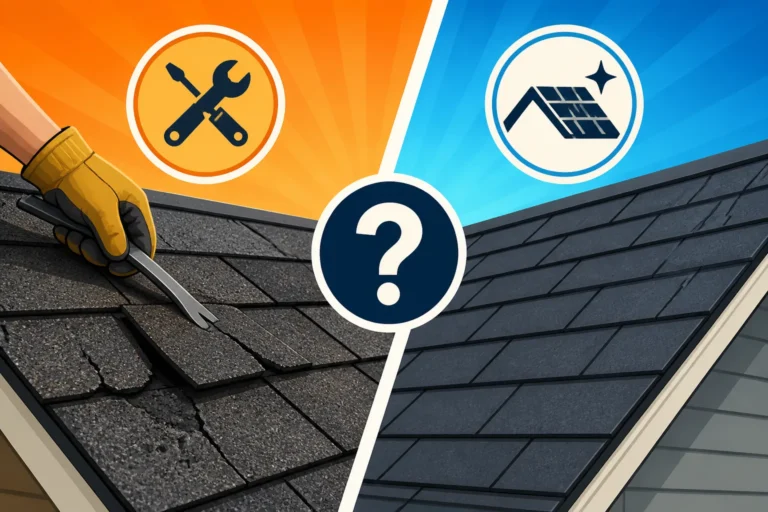
Making the Right Decision: Repair or Replace?
Deciding whether to repair nail pops or embark on a full roof replacement can feel overwhelming. It's a significant financial decision, and you want to ensure you're making the choice that's best for your home and your budget in the long run.
Factors to Consider for Your Specific Situation
There are several key factors that should weigh into your decision-making process:
- Roof Age: As discussed, this is paramount. If your asphalt roof is under 10-15 years old and the nail pops are minimal, repair is often the sensible choice. If it's 20+ years old, a replacement is likely the more cost-effective solution, even for what seems like minor nail pops. Think about the remaining life of your roof. Would a repair genuinely add another 5-10 years, or just buy you a year or two before more issues crop up?
- Extent of Damage: Are you dealing with a handful of popped nails in one small area, or are they scattered across multiple slopes? If nail pops are widespread, affecting 20% or more of your roof, a full replacement usually becomes more economical than trying to chase down and fix every single one. Widespread issues often suggest underlying problems that repair won't solve.
- Overall Roof Condition: Look beyond just the nail pops. Are your shingles still pliable, or are they brittle, cracked, or severely faded? Is there significant granule loss? Do you see signs of blistering or curling shingles? All these factors contribute to your roof's overall health. A roof damage assessment can help you evaluate these aspects comprehensively.
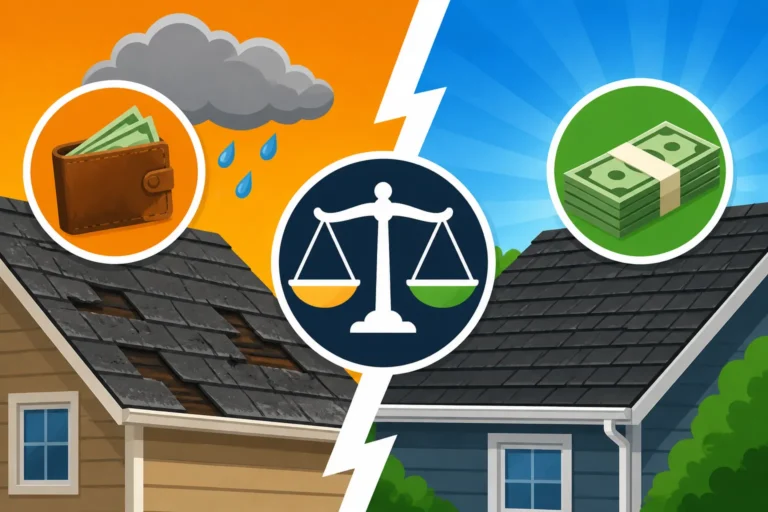
- Budget: While a roof replacement is a larger upfront investment, consider the long-term costs. Frequent, accumulating repair costs can quickly eclipse the price of a new roof, without the benefit of a long warranty or improved home value. Don't forget to factor in potential energy savings with a new, more efficient roof system.
- Future Plans: Are you planning to sell your home in the next few years? A new roof can significantly boost your home's curb appeal and resale value, making it a strong selling point. If you plan to stay in your home for decades, a replacement offers peace of mind and protection for the long haul.
Getting a Professional Assessment You Can Trust
Navigating these considerations can be tricky, which is why a professional opinion is invaluable. Don't rely solely on your own inspection, especially if you're not comfortable on ladders or trained in identifying roofing issues. A qualified roofing contractor can perform a thorough inspection, identify the root causes of your nail pops, and provide a detailed assessment of your roof's overall condition.
When seeking professional help, it's wise to get at least three quotes from different contractors. Look for local companies with strong reputations, proper licensing, and insurance. Websites like Modernize can connect you with pre-vetted local roofing professionals, making the process of finding reliable contractors a little easier. Ask them specific questions: What do they believe is causing the nail pops? What repairs do they recommend, and why? What's the estimated lifespan of the proposed repair versus a full replacement? Don't be afraid to ask to see proof of their insurance and licensing. Take your time to compare their recommendations, pricing, and warranties. Remember, the cheapest bid isn't always the best; sometimes a slightly higher investment ensures a quality job and a lasting solution. Understanding how to read and compare roofing estimates is a crucial step in this process.
Disclaimer
Please remember that this article is intended for informational purposes only and should not be considered professional advice. Always consult with a qualified and licensed roofing contractor for specific assessments and recommendations regarding your roof's condition and any necessary repairs or replacements. Working on a roof can be dangerous; prioritize safety and avoid DIY repairs if you are not experienced or comfortable with heights.