Actual Cash Value vs Replacement Cost Roof Claims
Dealing with roof damage is stressful enough without having to decipher confusing insurance jargon. Many homeowners find themselves scratching their heads when their insurer starts talking about "Actual Cash Value" versus "Replacement Cost Value" after a storm, wondering why their payout doesn't seem to cover the cost of a new roof. This guide will meticulously break down these two critical types of roof insurance claims, helping you understand the financial implications of each, what to look for in your policy, and how to navigate the claims process effectively.
Understanding Actual Cash Value ACV Roof Claims
Imagine a world where everything you own instantly loses value the moment you buy it. That's essentially the core principle behind Actual Cash Value (ACV) when it comes to your roof. For many homeowners, this concept can be a rude awakening, especially when they're expecting their insurance to fully cover the cost of repairs after a major event. It’s a common frustration to discover that your "protection" comes with a significant catch.
What ACV Truly Means for Your Roof
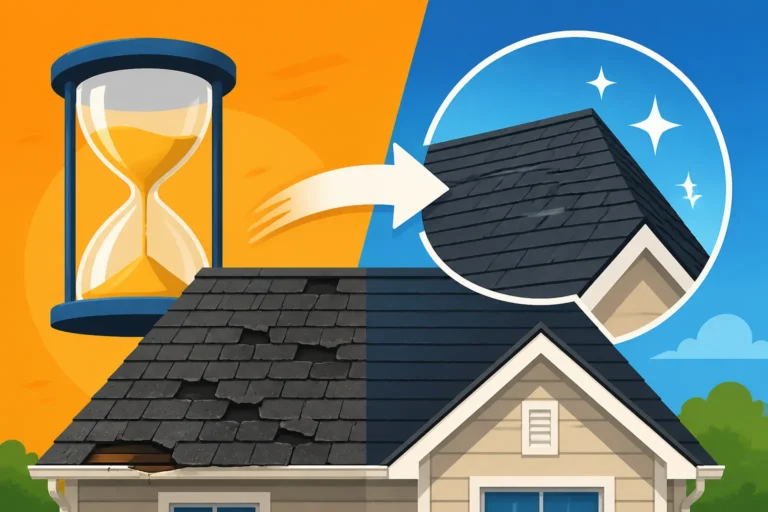
Actual Cash Value is often described as the replacement cost of an item minus depreciation. Think of it like this: if you buy a new car today, it's worth less tomorrow. The same applies to your roof. When your policy is set up for ACV, the insurance company will assess the current market value of your damaged roof at the time of loss, factoring in its age, wear and tear, and overall condition. They're not looking at what a brand-new roof would cost; they're looking at what your old, damaged roof was worth right before disaster struck.
This means if your asphalt shingle roof is 15 years old and typically has a 25-year lifespan, the insurer will apply a significant depreciation percentage. They'll consider how much useful life your roof had left, and that's the portion they'll pay for. This can be particularly jarring for homeowners whose roofs are perfectly functional but suddenly damaged by an unexpected event like a severe hail storm or strong winds. The shingles might have been doing their job just fine, but in the eyes of the insurer, they were still 15 years old. This is a crucial distinction and often leads to the question of whether an old roof is covered by insurance.
How ACV Impacts Your Payout
The financial impact of an ACV policy can be substantial, leaving you with a significant out-of-pocket expense even after your deductible is applied. Let's walk through a hypothetical scenario. Suppose you have an asphalt shingle roof that is 18 years old, and a full replacement would cost $20,000. Your policy has an ACV clause for your roof and a $1,000 deductible.
The insurance adjuster comes out and determines that your roof had a total estimated lifespan of 25 years. Since it's 18 years old, it has depreciated by 18/25, or 72%. So, they calculate the replacement cost ($20,000), apply the 72% depreciation ($14,400), and determine the ACV to be $5,600. From this, they subtract your $1,000 deductible, leaving you with a check for $4,600. Now, you’re faced with trying to replace a $20,000 roof with just $4,600 in hand. That gap, over $15,000, is entirely your responsibility. This is why understanding your policy's specifics is paramount.
The Pros and Cons of ACV Coverage
While it might sound disheartening, ACV policies do exist for reasons, primarily revolving around cost.
Pros of ACV Coverage:
- Lower Premiums: Generally, policies with ACV coverage for your roof will have lower monthly or annual premiums. This can be attractive to homeowners looking to minimize their immediate insurance expenses. For some, especially those on a tight budget, a lower premium might seem like a necessary trade-off.
- Availability: In certain regions prone to frequent severe weather, like hail-prone states such as Texas or Colorado, ACV policies for roofs are becoming more common or even the standard offering from insurers as a way to manage their own risk and costs.
Cons of ACV Coverage:
- Significant Out-of-Pocket Expenses: As illustrated above, the biggest drawback is the large financial burden placed on the homeowner. You'll have to cover the difference between the depreciated value and the actual cost of a new roof. This can make budgeting for a new roof after damage incredibly difficult.
- Less Financial Security: The primary goal of insurance is to provide financial security. ACV often falls short in providing true peace of mind because it doesn't guarantee your home will be restored to its pre-loss new condition without significant personal investment.
- Potential for Delaying Repairs: Facing a massive out-of-pocket cost, some homeowners might delay necessary roof repairs or replacements, which can lead to further damage to the home's interior and structure, potentially exacerbating the problem and voiding other parts of their policy.
Decoding Replacement Cost Value RCV Roof Claims
In contrast to the depreciated reality of ACV, Replacement Cost Value (RCV) aims to put you back in the position you were in before the damage occurred, but with a brand-new roof. This is the coverage most homeowners hope to have, as it significantly reduces their out-of-pocket costs for a full roof replacement. However, even RCV comes with its own nuances and a specific process that many homeowners aren't aware of.
What RCV Promises for Your Roof
RCV coverage means your insurance company will pay to replace your damaged roof with a new one of similar kind and quality, without deducting for depreciation. This is a huge relief for many, as it ensures that the financial burden of replacing a storm-damaged roof is primarily handled by the insurance policy, not your personal savings. If your 18-year-old roof gets destroyed and you have RCV coverage, the insurer will essentially pay for a brand-new 25-year-old roof. This can provide immense peace of mind and is generally considered the superior option for homeowners.
However, it's vital to understand that "replacement cost" doesn't mean they'll pay for upgrades unless specified in your policy or required by current building codes. If you had standard architectural shingles, they'll cover the cost of new architectural shingles, not necessarily a designer shingle roof cost or an impact-resistant shingle upgrade unless you had already paid for those endorsements.
The Two-Payment Structure of RCV
One of the most common surprises with RCV policies is that the payout often comes in two stages. This is a common practice designed to prevent fraud and ensure that the funds are actually used for the roof replacement.
- Initial ACV Payment: When your claim is first approved, the insurance company typically issues an initial payment based on the Actual Cash Value (ACV) of your damaged roof. They’ll calculate the replacement cost, then subtract depreciation and your deductible, just like an ACV policy would. This initial check is designed to get the project started, covering a portion of the materials and initial labor.
- Depreciation Recapture Payment: Once the roof replacement is complete, and you've submitted proof of completion (usually a signed contract, invoices from your contractor, and possibly a final inspection report), the insurance company will then release the withheld depreciation. This is often called the "depreciation recapture" or "holdback" payment. This second payment covers the remaining cost of the new roof, minus any additional deductible or policy limits.
This two-step process means you might need to finance a portion of the project out of pocket temporarily, or your contractor might work with you on a payment schedule that aligns with these two payouts. This is where Roofing Payment: Milestones vs Lump Sum discussions with your contractor become very important. Companies like GAF and Owens Corning often have certified contractors who are familiar with this claims process, making it smoother for homeowners.
The Advantages and Disadvantages of RCV Coverage
RCV coverage is largely preferred by homeowners, but it's not entirely without its complexities.
Advantages of RCV Coverage:
- Full Replacement Cost Coverage: The most significant advantage is that it covers the full cost of replacing your roof with a new one, up to your policy limits, without subtracting for depreciation. This dramatically reduces your out-of-pocket expenses to just your deductible.
- Greater Financial Security: Homeowners with RCV can have greater peace of mind knowing that if a major event damages their roof, they won't be left with a substantial personal bill for a new roof. This allows for quicker repairs and less stress.
- Encourages Timely Repairs: Since the financial burden is lower, homeowners are more likely to undertake necessary repairs promptly, preventing further damage to their home's structure.
- Code Upgrades: Many RCV policies also include coverage for code upgrades. If current building codes require a more robust installation or different materials than your old roof (e.g., enhanced wind nailing or specific underlayment), your policy might cover the additional cost to bring your new roof up to code. This can be a huge benefit when considering the Roofing Building Codes: What to Know.
Disadvantages of RCV Coverage:
- Higher Premiums: Because RCV offers more comprehensive protection, the premiums are typically higher than for ACV policies. This is the trade-off for greater financial security.
- Two-Payment Process: The need for two payments means you might have to temporarily cover the depreciation amount or work with a contractor who understands this process, which can be an unexpected hurdle for some.
- Policy Limits: While RCV covers the "replacement cost," it still has policy limits. If the cost of your new roof exceeds these limits, you'll be responsible for the difference. It's crucial to ensure your coverage amount is adequate for the Average Roof Replacement Cost This Year in your area.
- Proof of Replacement Required: You must complete the actual roof replacement and provide documentation to your insurer to receive the depreciation holdback. If you decide not to replace the roof or opt for significantly cheaper repairs, you might only receive the initial ACV payment.
Which Coverage Do You Have and How to Confirm It?
This is perhaps the most critical step in protecting yourself financially after roof damage. Assuming you have one type of coverage when you actually have another can lead to significant disappointment and financial strain. Don't wait until disaster strikes to find out.
Reviewing Your Insurance Policy
The first place to look is always your insurance policy documents. These are often lengthy and filled with legal language, but understanding the key terms related to your roof coverage is essential. Look for sections related to "Property Coverage," "Dwelling Coverage," or specifically "Roof Coverage." You'll typically find terms like "Actual Cash Value (ACV)" or "Replacement Cost Value (RCV)" clearly stated next to descriptions of how damages will be settled.
Sometimes, a policy might be RCV for the dwelling but ACV for the roof specifically. This is a common tactic by insurers in high-risk areas to manage their exposure. Pay close attention to any endorsements or riders, as these can modify standard coverage. For instance, you might have an endorsement that upgrades your roof to RCV after a certain deductible or after a specific number of years. If you're struggling to make sense of the dense legal text, that's perfectly normal – insurance policies aren't exactly light reading.
Communicating with Your Insurance Provider
If your policy documents are unclear or you just want to be absolutely sure, reach out to your insurance agent or provider directly. They are there to explain your coverage. When you call, be prepared with specific questions:
- "Does my policy provide Actual Cash Value or Replacement Cost Value for roof damage?"
- "If it's RCV, is there a two-payment process, and what documentation is required for the second payment?"
- "Are there any specific exclusions or limitations for roof coverage, such as for specific types of damage (e.g., hail, wind) or for roofs of a certain age?"
- "What is my deductible for roof claims?"
Don't be afraid to ask for explanations in plain language. If you're considering a change, inquire about the difference in premiums between ACV and RCV coverage. It might be a small increase for a huge boost in financial protection. You should also understand Does Insurance Cover Roof Replacement in general terms before diving into the specifics of ACV vs RCV.
Navigating Your Roof Claim with ACV or RCV
Once you know what kind of coverage you have, the next step is to understand how to effectively file and manage your roof claim. The process can feel overwhelming, but breaking it down into manageable steps can make it much smoother.
Initial Steps After Roof Damage
The moments right after discovering roof damage are critical. Your immediate actions can significantly impact your claim.
- Assess and Document: Safely assess the damage from the ground. Take plenty of photos and videos of the damaged areas, both inside (if there are leaks) and outside. Document everything you see. This is part of your personal Roof Damage Assessment: A Homeowner's Guide.
- Temporary Repairs: If there's active leaking or a risk of further damage, make temporary repairs to protect your home. This might involve tarping the damaged area. Keep all receipts for materials used, as these costs are often reimbursable. Most policies require you to mitigate further damage, so don't delay this step.
- Contact Your Insurance Company: Report the damage as soon as possible. Be prepared to provide details and your documentation. They will assign an adjuster to your claim. You’ll want to know How to File a Roof Insurance Claim correctly right from the start.
Working with Your Contractor and Adjuster
This is where the rubber meets the road. The interplay between your chosen roofing contractor and the insurance adjuster is crucial for a successful claim.
- Get Detailed Estimates: Obtain comprehensive estimates from reputable, licensed, and insured roofing contractors. Make sure these estimates are detailed, itemizing materials, labor, and all necessary components (e.g., underlayment, flashing, ventilation). Companies like Modernize can help you connect with trusted local contractors who understand the insurance claims process. Ensure the estimates reflect the true cost of repairing or replacing your roof according to current building codes. For example, if you live in a high-wind area, the estimate should include any High-Wind Nailing Cost Premium.
- Contractor-Adjuster Communication: Ideally, your contractor should be willing to meet with your insurance adjuster on-site. An experienced contractor can point out damage that might be missed by the adjuster, speak their language, and advocate for a fair assessment. They can also ensure that the estimate provided matches the scope of work the insurance company agrees to cover. This is especially important if there are hidden costs in a roof replacement.
- Review the Adjuster's Report: Once the adjuster has completed their assessment, they will issue a report detailing the damage and the proposed payout. Review this report carefully. Compare it against your contractor's estimate. If there are discrepancies, work with your contractor to challenge them. Sometimes, a supplemental claim is needed if additional damage is found during the tear-off process, for example, if Roof Decking Replacement Cost becomes a factor due to unseen rot.
Maximizing Your Payout
Regardless of whether you have ACV or RCV, there are steps you can take to ensure you get the most out of your claim.
- Thorough Documentation: Keep meticulous records of all communication with your insurance company and contractor, including dates, names, and what was discussed. Save all emails, letters, and invoices.
- Understand Depreciation (for RCV): For RCV policies, remember that the depreciation amount will be released after the work is completed. Don't be alarmed by the initial ACV payment. Just make sure your contractor understands this process and is comfortable with the two-step payment.
- Don't Settle for Less: If the initial offer seems too low, don't immediately accept it. With your contractor's help, provide additional information and evidence to justify a higher payout. This might involve getting a second opinion or documenting additional damage. Sometimes, a Roof Insurance Claim Denied: What to Do scenario can be appealed successfully with proper documentation.
- Code Compliance: Ensure your contractor's estimate includes all necessary work to bring your roof up to current local building codes. Many RCV policies cover these upgrades, but you need to make sure they are included in the claim.
- Consider a Public Adjuster: In complex cases, especially if your claim is large or disputed, you might consider hiring a public adjuster. These professionals work for you, not the insurance company, and specialize in negotiating claims. They typically charge a percentage of the payout, so weigh the costs and benefits carefully.
- Manufacturer Certified Contractors: Choosing a contractor who is certified by major shingle manufacturers like GAF or Owens Corning can also be beneficial. These contractors often have a deeper understanding of product specifications, proper installation techniques, and how to work with insurance claims to ensure the roof is installed to warranty standards. For example, getting a GAF Timberline HDZ Roof Cost Installed estimate from a GAF Master Elite contractor can help streamline the process.
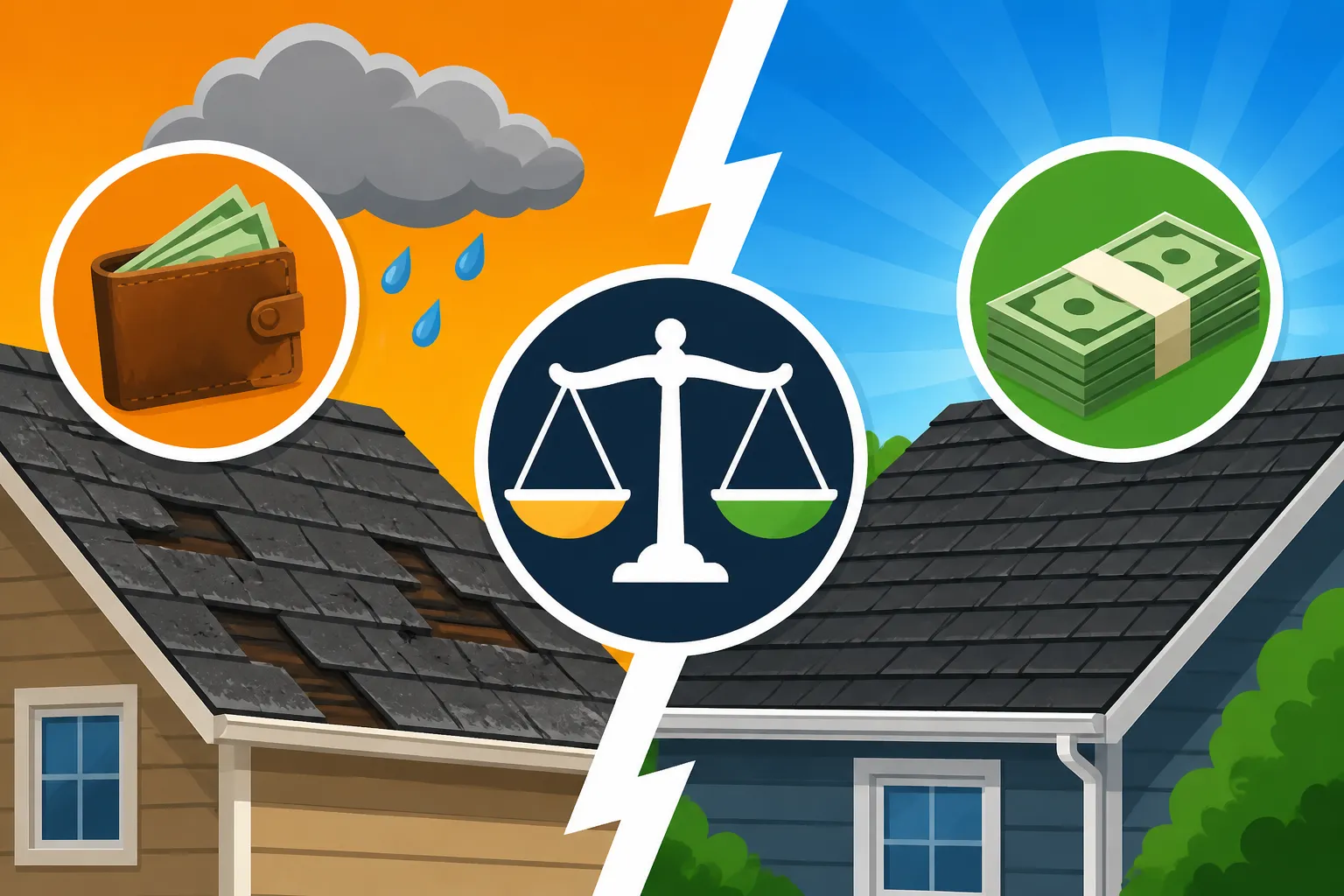
Here’s a quick overview of the key differences:
| Feature | Actual Cash Value (ACV) | Replacement Cost Value (RCV) |
|---|---|---|
| Definition | Replacement cost minus depreciation | Cost to replace with new, similar quality, no depreciation |
| Payout | One lump sum for depreciated value | Two payments: initial ACV, then depreciation release after work |
| Out-of-Pocket | Significantly higher (you pay depreciation difference) | Typically only your deductible |
| Premiums | Generally lower | Generally higher |
| Goal | Compensate for current value of old roof | Restore your home to pre-loss condition with new roof |
| Best For | Homeowners seeking lowest premiums, accepting higher risk | Homeowners seeking maximum protection and minimal out-of-pocket |
Navigating an insurance claim for your roof can be a bumpy road, but armed with knowledge about ACV and RCV, you're much better equipped to advocate for yourself. Always prioritize understanding your policy, thoroughly documenting any damage, and working with reputable professionals.
Disclaimer
Please remember that this article provides general information and should not be considered legal or financial advice. Insurance policies vary widely, and specific coverage details depend on your individual policy, endorsements, and location. Always consult directly with your insurance provider or a qualified legal professional for personalized advice regarding your specific situation and policy.