How Long You Can Wait to Replace a Roof
It’s a common homeowner's dilemma: you know your roof isn't getting any younger, but the thought of replacing it feels like a massive undertaking. You're probably wondering just how much longer you can realistically push that decision, hoping to avoid the disruption and expense for just a little while longer. This guide is here to walk you through the tell-tale signs, common misconceptions, and crucial factors that determine exactly how long you can safely wait before a roof replacement becomes an absolute necessity, not just a looming chore.
Understanding Your Roof's Lifespan and Factors Affecting It
Let’s be honest, nobody wants to replace their roof before they absolutely have to. But understanding the typical lifespan of an asphalt shingle roof, and what can shorten or extend it, is the first step in making an informed decision. It’s not just about the calendar age; so many variables play a part in how gracefully (or not so gracefully) your roof ages.
Average Lifespan of Asphalt Shingles
When you first got your roof, or when you bought your home, you probably heard some general numbers tossed around about how long asphalt shingles last. And while those numbers are a good starting point, they're just that—a starting point. Different types of asphalt shingles have different expectations.
- 3-Tab Shingles: These are generally the most economical option and typically have the shortest lifespan, often ranging from 15 to 20 years. They are a single layer, flat shingle, and while they do the job, they aren't built for extreme longevity or high aesthetic appeal. In many areas, you might even find that local building codes or insurance companies are starting to steer homeowners away from them in favor of more durable options.
- Architectural (Laminate or Dimensional) Shingles: These are the most popular choice for many homeowners today, and for good reason. They're thicker, offer a more textured, aesthetically pleasing look, and are significantly more durable than 3-tab shingles. You can usually expect architectural shingles to last anywhere from 25 to 30 years, sometimes even longer with proper care and ideal conditions. Brands like GAF Timberline or Owens Corning Duration are prime examples, engineered for better performance.
- Designer (Luxury) Shingles: If you've got these on your home, you're likely enjoying a premium product designed to mimic the look of natural slate or wood shakes, but with the benefits of asphalt. These are the heaviest and most robust asphalt shingles, often coming with a higher price tag but also a substantially longer lifespan. It’s not uncommon for designer shingles to boast lifespans of 30 to 50 years, and sometimes even a lifetime limited warranty.
It’s crucial to remember these are averages. Your mileage may vary, as they say, depending on a whole host of other factors that are often out of your control or were decided long before you owned the home.
Environmental and Installation Factors
The environment your home sits in, and the quality of the original installation, play massive roles in how long your roof actually lasts. Think of it like a car; some run longer because they're driven less harshly and maintained better.
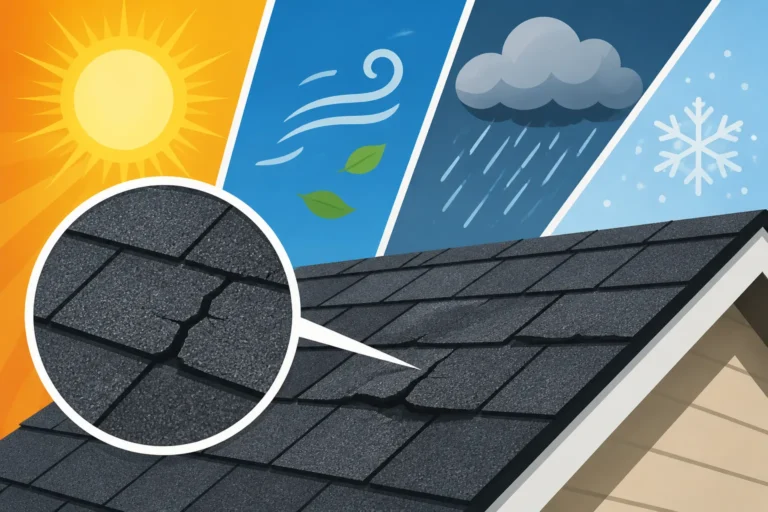
- Climate and Weather: This is a huge one. If you live in a region prone to severe weather like heavy hail, strong winds, or relentless sun, your roof will naturally age faster. For instance, a roof in sunny Arizona might degrade due to UV exposure and extreme heat, causing shingles to dry out and crack prematurely. Conversely, a roof in a hail-prone state like Colorado might face constant battering, leading to Signs of Roof Hail Damage. Coastal areas experience salt spray and high humidity, which can also impact shingle integrity over time.
- Sun Exposure: South-facing slopes that get direct sunlight all day long will typically degrade faster than north-facing slopes. The sun's UV rays can break down the asphalt binder in shingles, leading to granular loss, which is when the protective ceramic granules wear off, exposing the asphalt to further damage.
- Ventilation: An often-overlooked hero (or villain) for roof longevity is attic ventilation. If your attic isn't properly ventilated, heat and moisture can build up. This excessive heat can essentially "cook" your shingles from below, accelerating their aging process and causing them to curl or crack. Moisture can lead to mold, mildew, and even rot in the roof decking. Understanding How Roof Ventilation Works is key to protecting your investment.
- Installation Quality: A roof is only as good as its installation. Even the highest quality shingles won't perform their best if they aren't installed correctly. Incorrect nailing patterns, improper flashing around chimneys or vents, or cutting corners on underlayment can all lead to premature failure. If you suspect your roof might have been installed poorly, getting a professional inspection is a wise move.
Maintenance and Inspection's Role
Just like anything else on your home, a roof benefits immensely from regular attention. Ignoring it until there's a problem is like ignoring your car's check engine light—it almost always leads to bigger, more expensive issues down the road.
- Regular Inspections: It's not about climbing up there yourself (unless you're really comfortable and safe doing so!). A professional inspection at least once a year, or after any major storm, can catch small issues before they become major leaks. They can identify minor granule loss, Curling Shingles: What They Mean, or compromised flashing. Catching these early might mean a simple, inexpensive repair rather than a full replacement.
- Gutter Cleaning: Clogged gutters can cause water to back up and pool on the roof's edge, leading to wood rot and premature shingle deterioration. In colder climates, this can contribute to ice dam formation, which can force water under your shingles and into your home.
- Tree Trimming: Overhanging branches can rub against your shingles, causing wear, or drop leaves and debris that trap moisture. In a storm, a falling branch can cause significant structural damage. Keeping trees trimmed back is a simple preventative measure.
- Moss and Algae Removal: While often cosmetic, heavy moss can hold moisture against your shingles and eventually lift them, leading to damage. Algae streaks are common in humid climates and, while usually harmless to the shingle's integrity, they can sometimes indicate a moisture issue. Addressing these issues can help extend your roof's life and improve curb appeal.
Key Signs Your Roof is Nearing the End of Its Life
Nobody expects you to be a roofing expert, but there are some pretty clear signals your roof will send when it's tired and ready for retirement. Recognizing these signs early can give you a better idea of How Many Years Left on Your Roof and prevent small issues from spiraling into costly emergencies.
Visible Deterioration
These are the things you can often spot from the ground, or with a pair of binoculars, without even needing to get on the roof. They're your roof's way of crying out for help.
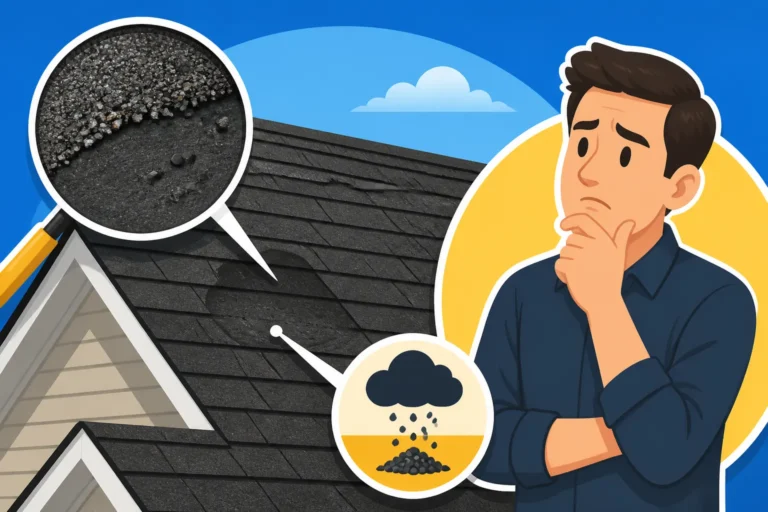
- Granular Loss: Those little gritty bits from your shingles ending up in your gutters or washed down your downspouts are a big red flag. These ceramic granules protect the asphalt from UV rays. Once they're gone, the asphalt is exposed, making it brittle, prone to cracking, and drastically shortening the shingle's life. It's like your roof losing its sunscreen. While some Granule Loss: Should You Worry is normal over a roof's lifespan, excessive amounts or bald spots are definitely concerning.
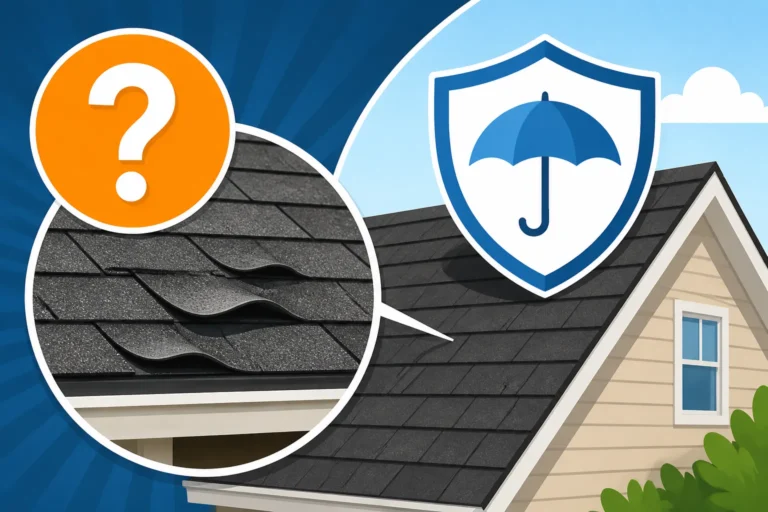
- Curling or Cupping Shingles: Shingles that are starting to curl upwards at the edges or cup in the middle are a classic sign of aging. This happens as the asphalt loses its protective oils and becomes brittle, often exacerbated by sun exposure and poor attic ventilation. Curling shingles are much more susceptible to being lifted by wind or allowing water to seep underneath, leading to leaks.
- Cracked Shingles: Like a jigsaw puzzle starting to fall apart, cracked shingles, whether they're horizontal, vertical, or alligator-patterned, mean your roof's protective layer is compromised. Cracks often indicate the shingles have dried out and lost their flexibility, making them unable to expand and contract with temperature changes. This is a direct pathway for water to penetrate your roofing system.
- Missing Shingles: This one is pretty obvious. If you see patches of your roof deck exposed, it means shingles have been blown off by wind or have simply deteriorated to the point of breaking away. This leaves your home completely vulnerable to water intrusion and further damage. Even one missing shingle can cause significant problems, and if you have many, it’s a clear indication that the adhesion and integrity of your entire roof system are failing.
- Dark Streaks or Patches: While sometimes just algae (which can be cleaned), extensive dark streaks or patches could also indicate that your shingles are losing their protective granules and showing the underlying asphalt, or that mold and mildew have taken hold due to consistent moisture.
Internal Indicators
Sometimes, your roof problems aren't obvious from the outside until it's too late. Your home's interior can be the first place to show subtle (or not so subtle) signs that your roof is failing.
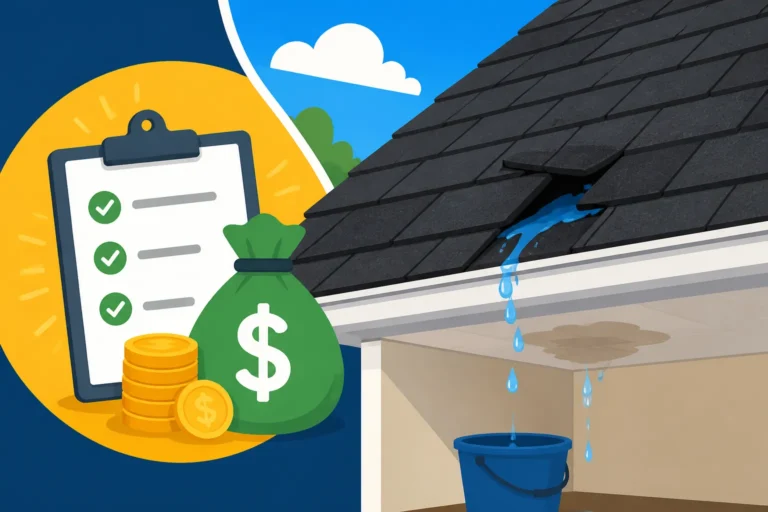
- Water Stains on Ceilings or Walls: This is arguably the most alarming sign for any homeowner. A brownish-yellow stain on your ceiling or running down an interior wall almost certainly means you have a leak. The tricky part is that the actual leak point on the roof can be quite a distance from where the water stain appears inside, as water can travel along rafters before dripping down. Don't ignore these! Even a small stain can indicate a larger, ongoing problem that could lead to mold, rot, and structural damage.
- Dripping Sounds in the Attic During Rain: If you hear persistent dripping or splashing sounds in your attic when it rains, you've got an active leak. It's often easier to pinpoint the source of a leak during a rainstorm, but it's crucial to exercise extreme caution if you go into the attic while it's wet.
- Sagging Roof Deck or Ceilings: This is a serious indicator that something has been terribly wrong for a long time. A sagging roof deck means the underlying wood structure has likely been compromised by prolonged moisture, rot, or heavy loads (like excessive snow). If you see a dip or curve in your roofline from the street, or a noticeable sag in your attic rafters or interior ceilings, your roof's structural integrity is at risk, and you should seek immediate professional assessment. This often points to significant Roof Decking Replacement Cost as part of a full reroof.
- Musty Odors in the Attic: Even without visible water, a persistent musty or damp smell in your attic can be a sign of hidden moisture intrusion and mold growth. This is particularly concerning as mold can spread and impact indoor air quality, and it always points to an underlying leak or ventilation issue.
Age as a Primary Factor
While visible damage is certainly a strong indicator, sometimes the sheer age of your roof is reason enough to start planning for its replacement, even if it looks okay from a distance.
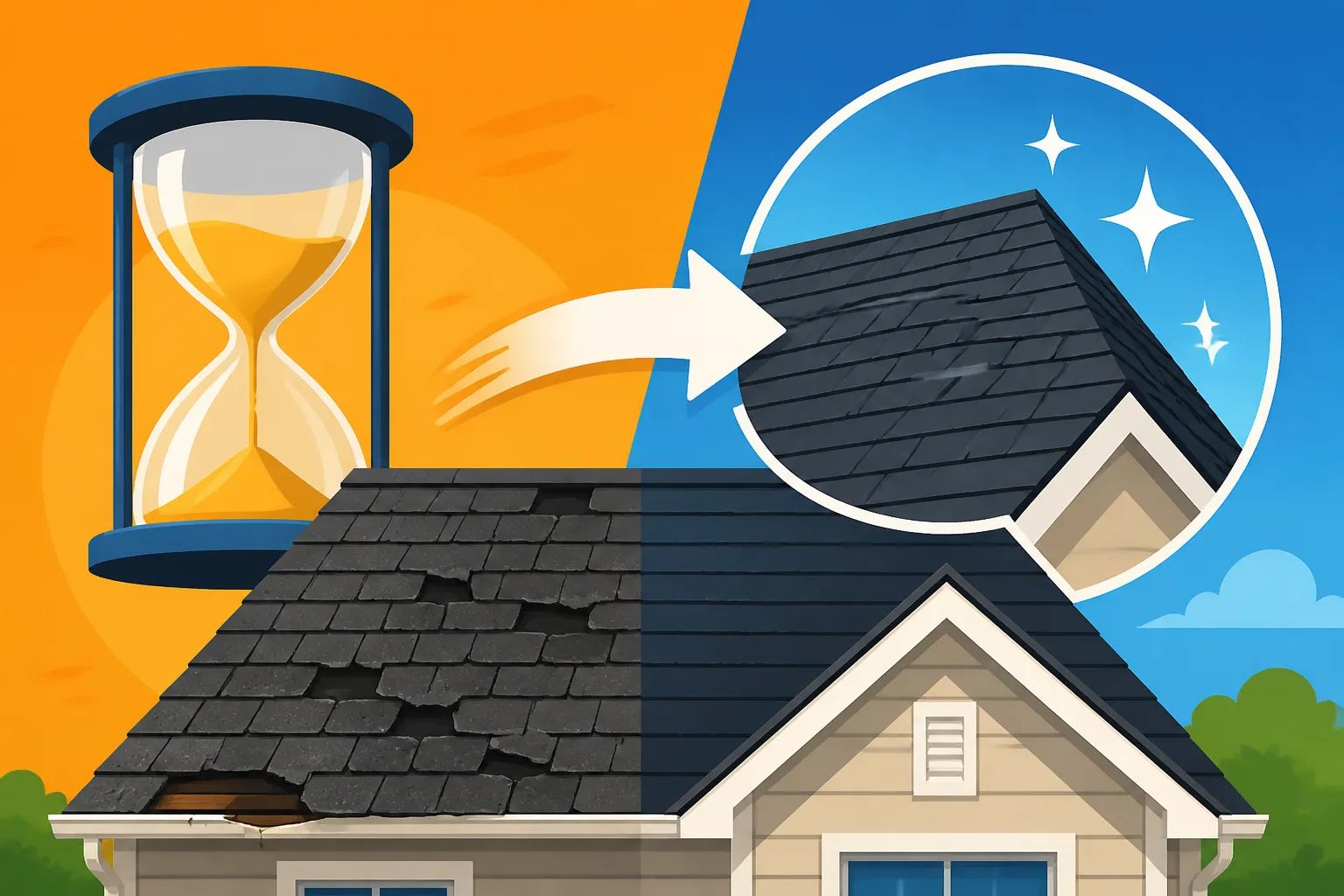
- Beyond the Expected Lifespan: If your roof is well past its typical lifespan—say, a 25-year architectural shingle roof that's hitting the 30-year mark—it's essentially living on borrowed time. Even if it hasn't shown dramatic failure, the components are likely brittle, seals are weakening, and the protective capabilities are significantly diminished. You can sometimes extend it a bit with diligent maintenance, but the risk of sudden, catastrophic failure increases exponentially. This is when you should really be looking at Roof Age: When to Start Planning Replacement.
- Decreased Performance: An older roof, even without obvious leaks, simply doesn't perform as well. It might not insulate as effectively, leading to higher energy bills, or it might be more susceptible to wind uplift and other weather events. The sealant strips on asphalt shingles, which are activated by the sun's heat, lose their effectiveness over time, making older shingles prone to wind damage.
- Insurance Implications: Many insurance companies become hesitant to cover roofs that are beyond a certain age, typically 15-20 years. If a storm hits and your old roof suffers damage, your claim might be denied or paid out at actual cash value (depreciated value) rather than replacement cost, leaving you to cover a much larger portion of the expense out of pocket. This is definitely a time to consider if Does Insurance Cover Roof Replacement for an older roof.
Assessing Risk: When Waiting Becomes Dangerous or Costly
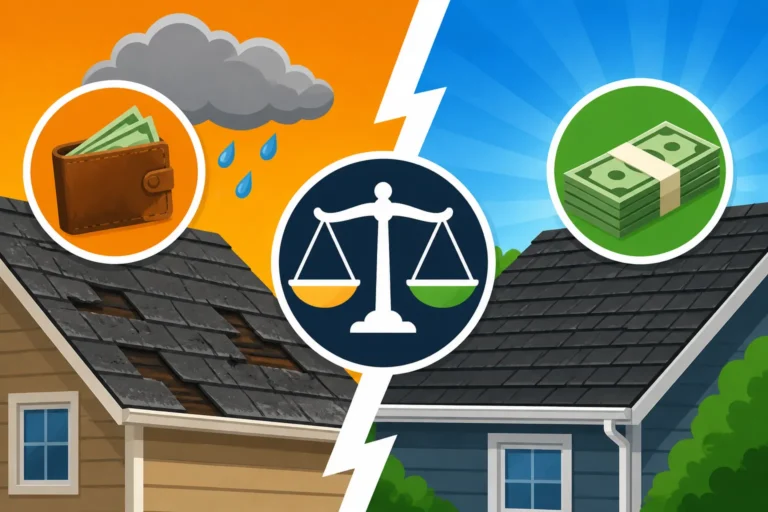
It's tempting to put off a major expense like a roof replacement. We all do it with home repairs. But when it comes to your roof, delaying too long can quickly turn a manageable situation into a very expensive, stressful, and even dangerous emergency. There's a fine line between getting a few more years out of your roof and inviting disaster.
Potential Structural Damage
The most immediate and frightening risk of waiting too long is the damage that can occur to your home’s structure and interior. Your roof is the primary shield against the elements, and when it fails, everything beneath it is vulnerable.
- Rotted Roof Decking: Once water breaches the shingles, it often saturates the roof decking (the plywood or OSB sheets underneath). Prolonged moisture leads to rot, which weakens the decking significantly. If enough decking rots, it can compromise the structural integrity of your entire roof, making it unsafe. Not only does this add considerable Cost of Roof Tear-Off and Disposal and new decking, but it also means a longer, more complex project.
- Attic and Wall Damage: Water doesn't stop at the decking. It can seep into your attic insulation, making it ineffective and heavy, potentially causing ceilings to collapse. From there, it moves into wall cavities, affecting drywall, plaster, and even the wooden framing. This can lead to widespread mold growth, which is not only difficult and expensive to remediate but also poses serious health risks to your family.
- Compromised Interior Finishes: Think about your cherished family photos, your furniture, electronics, and even your flooring. All of these are at risk if water starts pouring through your ceiling. What might have started as a manageable roof replacement cost can quickly balloon into tens of thousands of dollars in interior repairs and remediation, far exceeding the cost of the roof itself. Imagine a scenario where a heavy rainstorm hits, and your old roof gives way over your living room, soaking everything you own. That's a nightmare nobody wants to experience.
Impact on Home Value and Insurance
An old or visibly failing roof isn't just a functional problem; it's a financial liability that can hurt you in more ways than one.
- Reduced Home Value and Difficulty Selling: When it comes time to sell your home, a roof that's nearing the end of its life or showing obvious signs of wear will be a major red flag for potential buyers and home inspectors. It often becomes a point of negotiation, with buyers demanding a new roof be installed before closing, or asking for a significant price reduction. In some cases, it can even deter buyers entirely, leaving your home on the market longer. Investing in a new roof often provides a good Roof Replacement ROI Explained when selling your home.
- Insurance Coverage Issues: As mentioned, insurance companies are risk-averse. An aging roof is seen as a high-risk factor, making it more prone to damage from storms. If your roof is too old or in poor condition, your insurer might refuse to renew your policy, increase your premiums substantially, or only offer "Actual Cash Value" (ACV) coverage, which means they’ll pay for the depreciated value of your old roof, not the cost of a brand-new one. This can leave you vastly underinsured if a major event occurs. It’s worth looking into your policy to understand Actual Cash Value vs Replacement Cost Roof Claims.
Emergency Repairs vs. Planned Replacement
The difference between a proactive, planned roof replacement and an emergency repair after a major failure is night and day in terms of stress, cost, and options.
- Higher Costs in Emergencies: When your roof suddenly fails during a severe storm, you're in a bind. You need immediate help, which often means paying premium prices for emergency services. You have less time to get multiple quotes, compare contractors, or choose specific materials. You're at the mercy of whoever can get to you fastest. This typically leads to a much higher overall cost than if you had planned for the replacement in advance.
- Limited Choice and Quality: In an emergency, your options for roofing contractors might be limited to those available immediately, rather than the most reputable or appropriately certified. This can lead to subpar workmanship or materials, potentially shortening the life of your new roof and requiring more repairs down the line. When you plan ahead, you have the luxury of thoroughly vetting contractors and comparing How to Get Roofing Quotes and Compare Them from several providers. Services like Modernize can help homeowners connect with pre-vetted local roofers, making that process much smoother and less stressful.
- Increased Stress and Disruption: Imagine your roof fails in the middle of a winter storm or during a holiday. The stress of dealing with water damage, finding emergency contractors, and trying to protect your home becomes immense. A planned replacement, while still disruptive, allows you to prepare your home, schedule the work at a convenient time, and mentally prepare for the process, which usually lasts around How Long a Roof Replacement Takes.
Making the Decision: Repair, Maintain, or Replace
So, you've assessed the situation, you know the risks, and you've seen the signs. Now comes the hard part: what do you actually do? The good news is that not every sign of wear means an immediate, emergency replacement. Sometimes, a well-placed repair or consistent maintenance can truly buy you some valuable time.
When Repairs Are Still Viable
It’s tempting to think that once your roof shows any sign of distress, it's game over. But that's not always the case! For roofs that are still relatively young (say, under 15-20 years for architectural shingles) and have isolated issues, repairs can be a perfectly sensible option.
- Minor, Localized Damage: If you've only got a handful of Missing Shingles: Repair or Replace after a moderate windstorm, or a small section of curling shingles on a specific slope, a targeted repair can effectively extend your roof's life. This often involves replacing only the damaged shingles and ensuring the surrounding area is secure. The cost for these types of repairs is usually minimal compared to a full replacement.
- Flashing Issues: Leaks often originate not from the main shingle field, but from compromised flashing around chimneys, skylights, or vent pipes. Flashing Leak Repair can often solve these problems without needing to redo the entire roof. Replacing worn caulk or rusted metal flashing can be a quick fix.
- Ventilation Upgrades: If your primary issue is excessive heat buildup in the attic due to poor ventilation, investing in proper attic vents (like ridge vents or soffit vents) can significantly reduce the internal stresses on your shingles and extend their life, without requiring a full roof overhaul. This addresses a root cause of premature aging.
- Cost-Benefit Analysis: If the cost of a repair is a small fraction of a full replacement and it addresses a specific, isolated problem, then it's often worth it. However, if you find yourself constantly patching up leaks or replacing shingles in different areas, it becomes a "death by a thousand cuts" situation where the cumulative repair costs approach or even exceed what a new roof would have cost. This is when the question of Roof Repair vs Replacement: How to Decide really comes into play.
Planning for Future Replacement
Even if repairs buy you a few more years, if your roof is old, you know that replacement day is coming. Proactive planning can make the process much smoother and less financially burdensome.
- Budgeting and Saving: Start setting aside money specifically for your new roof. Knowing that you'll need a significant investment, whether it's in 2, 3, or 5 years, allows you to build up savings and avoid surprise expenses or needing to rely on emergency financing. Explore Roof Financing Options Explained if you need assistance, but cash is always king.
- Getting Estimates in Advance: Don't wait until the last minute. Get a few estimates from reputable roofing contractors well before your roof is critical. This gives you time to compare bids, understand the scope of work, and even inquire about different material options. Knowing the Cost to Replace a Roof by House Size for your specific home can help you refine your budget. Many homeowners use services like Modernize to quickly gather quotes from local, trusted professionals, taking some of the legwork out of the process.
- Researching Materials and Warranties: Use this planning phase to educate yourself on the latest shingle technologies. Do you want Impact-Resistant Shingle Cost for better hail protection? Are Cool-Roof Shingle Cost an option to save on energy? Understanding the various Roofing Warranties: Manufacturer vs Workmanship available can also influence your decision and provide long-term peace of mind.
- Monitoring Your Roof Closely: Continue those regular inspections. If you know your roof is old, keep a closer eye on it, especially after storms. Take photos of any new damage. This helps you track its decline and provides valuable documentation for contractors when you do decide to pull the trigger.
Seeking Professional Guidance
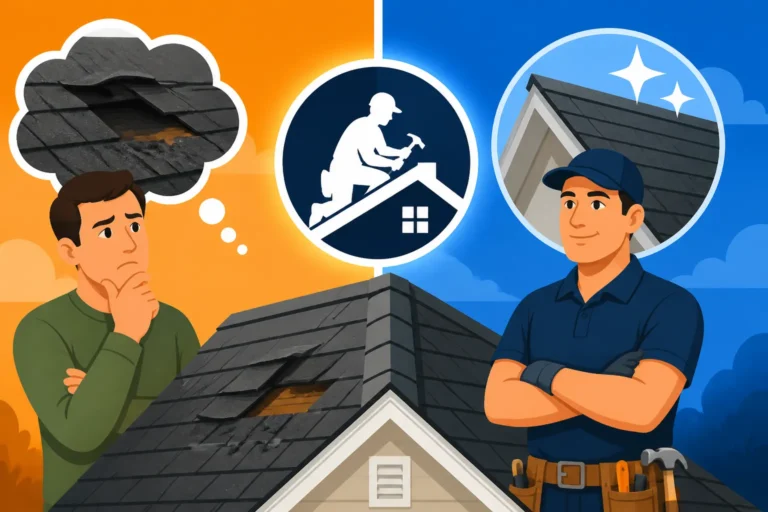
Ultimately, the best advice on "How long can I wait to replace my roof?" is going to come from a qualified professional who has actually inspected your roof. While online guides like this are helpful for general knowledge, every roof is unique.
- Schedule a Professional Inspection: This is probably the single most important step. A licensed and experienced roofing contractor can perform a thorough inspection, identify any hidden issues, and give you an honest assessment of your roof's current condition, its remaining lifespan, and whether repairs are a viable option or if replacement is truly imminent. They can often provide a detailed report, complete with photos.
- Get Multiple Opinions: Don't just settle for the first estimate. Contact two or three reputable contractors. This allows you to compare their assessments, proposed solutions, and pricing. Be wary of any contractor who pressures you into an immediate replacement without a clear explanation or who offers a significantly lower bid than everyone else. Use platforms like Modernize to find qualified local roofing companies who are typically pre-screened and reliable.
- Ask for References and Verify Credentials: Before hiring anyone, always check their references, look at online reviews, and verify their licensing and insurance. A reputable contractor will be happy to provide this information. Knowing How to Choose a Roofing Contractor is critical to getting a quality job done right.
Waiting to replace a roof is a balancing act between financial prudence and risk management. By staying informed about your roof's condition, understanding the factors that influence its lifespan, and knowing when to seek professional advice, you can make the most informed decision for your home and your budget.
Disclaimer
Please note that the information provided in this guide is intended for general informational purposes only and does not constitute professional advice. Roofing conditions can vary significantly based on location, climate, installation quality, and specific materials used. Always consult with a qualified, licensed roofing contractor for a thorough inspection and personalized recommendations regarding your specific roof. Decisions regarding roof repair or replacement should be made based on professional assessments and local building codes.