When to Call a Pro for Roof Repair
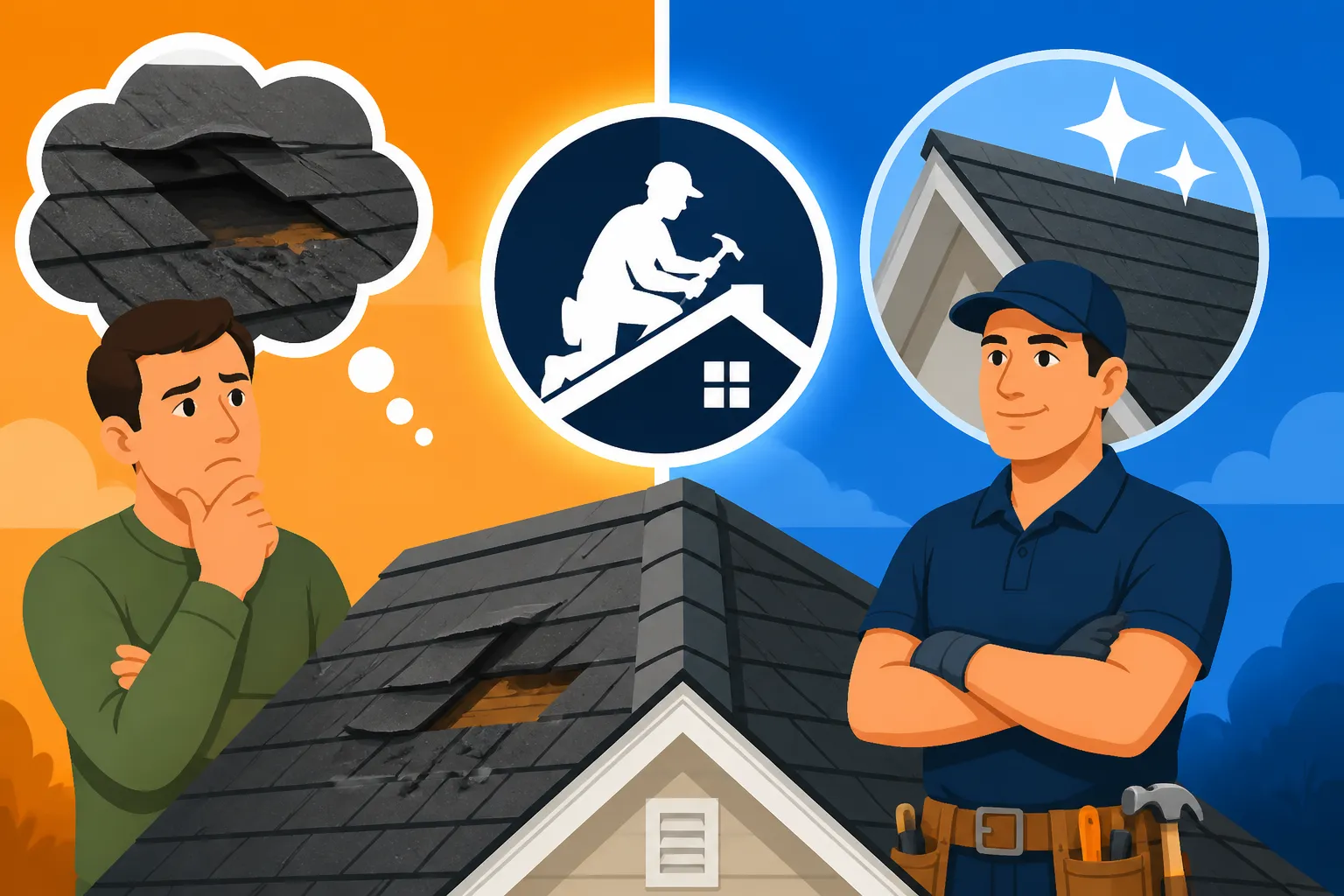
That moment you realize something isn't quite right with your roof can send a chill down your spine, often accompanied by the immediate question: can I fix this myself, or am I calling in the cavalry? It's a common dilemma for homeowners, trying to balance budget concerns with the very real need to protect your biggest asset. This guide is here to help you navigate that uncertainty, offering clear insights into when a roof issue genuinely warrants the expertise of a professional, saving you from costly mistakes and potential hazards.
Understanding the True Scope of Your Roof Problem
It's easy to look up at a few loose shingles or a suspicious streak and think, "I can handle that." But the truth is, what you see on the surface often tells only a fraction of the story. Your roof is a complex system, and a seemingly minor issue can be a symptom of a much larger, hidden problem that's developing beneath the surface. Deciding whether to tackle a repair yourself or call in a professional often boils down to understanding the actual severity and potential implications of the damage.
Assessing Visible Damage and Hidden Risks
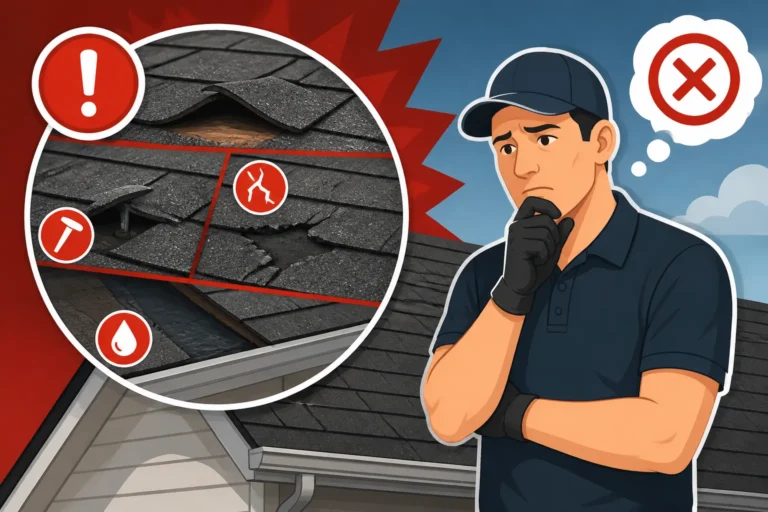
When you spot a problem, your first instinct might be to grab a ladder. However, before you even consider that, take a step back and really evaluate what you're seeing. Are we talking about a single shingle that's come loose after a mild breeze, or are there multiple shingles gone, granule loss widespread, or even portions of your roof decking visibly sagging? The nature of the visible damage is a huge indicator. For instance, if you see curling shingles across a significant portion of your roof, it’s rarely an isolated incident. This could point to aging shingles nearing the end of their lifespan, inadequate attic ventilation, or even manufacturing defects. While replacing one or two loose shingles might seem simple, widespread issues like significant granule loss can indicate that your shingles have lost their protective UV coating and are rapidly deteriorating, suggesting a much larger underlying problem that goes beyond a quick patch.
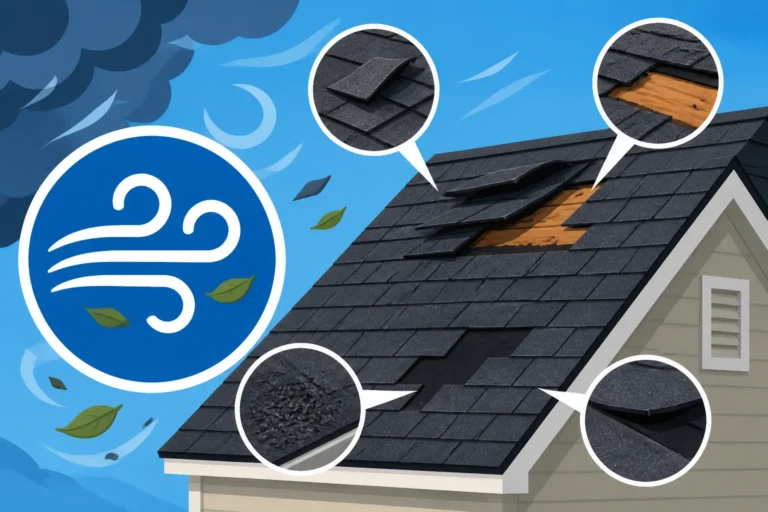
Moreover, certain types of damage, like those resulting from a significant storm, might have hidden impacts. A strong windstorm could lift and compromise shingles in areas you can't easily see from the ground, or hail might have caused subtle bruising that won't show immediate leaks but will shorten your roof's lifespan considerably. Without a professional eye, these hidden issues can go unnoticed, allowing water intrusion or further degradation to occur over time, turning a manageable problem into an expensive catastrophe.
Factors Beyond Just the Shingles
Beyond the shingles themselves, the overall health and complexity of your roof structure play a huge role in determining if you should call a pro. Consider the pitch of your roof – is it relatively flat and easy to walk on, or does it have a steep pitch that makes even standing precarious? Safety should always be your number one concern. A steep roof, especially when wet or damaged, presents significant fall risks that only trained and equipped professionals should undertake.
Then there's the age of your roof. If your asphalt roof is nearing the end of its typical 20-25 year lifespan, even minor repairs might be a band-aid on a much larger issue. You might want to consider how long asphalt shingles last. Trying to repair an old, brittle roof can often lead to more damage than you started with, as old shingles are prone to cracking and breaking when walked on. Furthermore, the complexity of your roofline matters. Homes with multiple valleys, dormers, chimneys, skylights, or intricate flashing details require specific knowledge and techniques for repair. Incorrectly sealing around a chimney or flashing a valley can lead to persistent leaks that cause extensive interior damage, far outweighing any savings from a DIY attempt. Professionals have the tools and experience to properly address these intricate areas, ensuring watertight seals and proper drainage.
Common Roof Issues That Scream "Call a Pro!"
There are certain roof problems that, while they might seem minor at first glance, are almost always indicators that you need professional help. These aren't the kind of fixes you want to experiment with, as the consequences of getting it wrong can be severe and costly.
Active Leaks and Water Damage
Perhaps the most alarming and immediate reason to call a professional is an active roof leak. The moment you see water spots on your ceiling, hear dripping in your attic, or notice paint peeling on an interior wall where it shouldn't be, it's time to pick up the phone. A leak, even a small one, is a sign that your roof's primary defense against water has been compromised. The scary part about leaks is that the point where you see water damage inside your home is very rarely the actual source of the leak on the roof. Water can travel along rafters, insulation, and electrical conduits before making its grand appearance.
Trying to find and fix an active leak yourself can be incredibly frustrating and often ineffective. You might patch one spot, only for the water to find another entry point. A professional roofer has the experience and diagnostic tools to accurately pinpoint the origin of the leak, whether it's a compromised shingle, damaged flashing around a vent pipe, or a faulty seal around a skylight. They understand the nuances of water flow and how various roof components interact. Ignoring an active leak or attempting a superficial repair can lead to much more significant problems like rotting roof decking, mold growth, structural damage to your home, and even electrical hazards. You definitely want to avoid these hidden costs in a roof replacement.
Widespread Shingle Damage or Deterioration
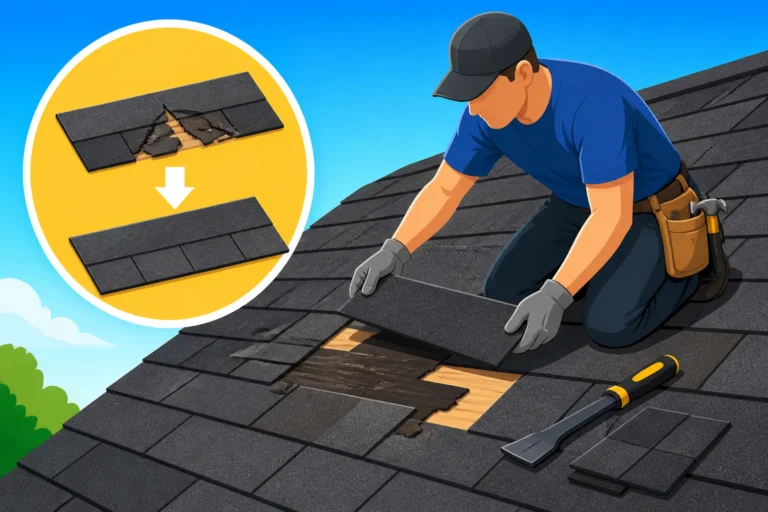
While a single missing shingle can sometimes be replaced by a handy homeowner (with caution!), widespread shingle damage or general deterioration is a clear signal for professional intervention. This isn't just about aesthetics; it's about the fundamental integrity of your roof's protective layer. If you observe numerous curling shingles, brittle or cracked shingles across a large area, or significant granule loss, your roof is likely past its prime. Curling shingles expose the underlying felt or decking to the elements, making them vulnerable to wind and water. Cracked shingles provide direct pathways for water penetration. Granule loss, especially when it's substantial and accumulates in your gutters, means the shingles are losing their critical UV protection and their ability to shed water effectively.
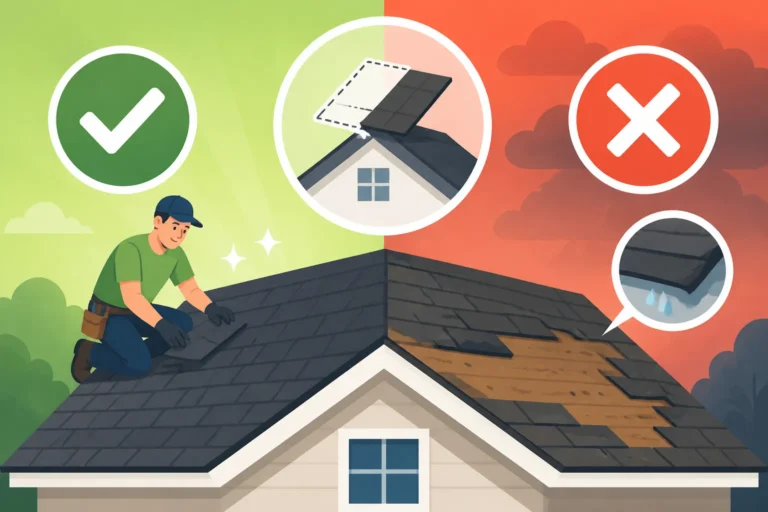
These issues are often signs that your entire roof system is aging or has suffered extensive storm damage. Attempting to replace dozens of individual shingles yourself is not only time-consuming and labor-intensive but also likely to result in an uneven, unsightly, and potentially leaky patchwork job. A professional roofer can assess the overall condition, advise on whether a full Roof Repair vs Replacement: How to Decide is necessary, and ensure that any extensive repairs or replacements are performed correctly and safely, adhering to manufacturer specifications to maintain warranty coverage. Brands like Owens Corning often have specific guidelines for how their Duration shingles should be installed to ensure longevity and warranty validity.
The Dangers and Disadvantages of DIY Roof Repair
It's tempting to save a few bucks by tackling roof repairs yourself. We've all been there, thinking a YouTube video and a trip to the hardware store are all we need. But when it comes to your roof, the stakes are incredibly high, and the potential downsides of a DIY approach far outweigh the perceived savings for anything beyond the most trivial issues.
Safety Hazards Are No Joke
Let's be brutally honest: working on a roof is incredibly dangerous. It's not like painting a wall or fixing a leaky faucet. Falls from roofs are a leading cause of serious injuries and even fatalities among homeowners. Even a low-slope roof can become a slippery death trap when wet, covered in debris, or experiencing unexpected gusts of wind. Just thinking about carrying heavy bundles of shingles up a ladder makes my palms sweat!
Professional roofers are not only trained in safety protocols, but they also use specialized equipment like safety harnesses, fall arrest systems, and secure ladders. They know how to properly distribute their weight, navigate tricky pitches, and work around obstacles like chimneys and vents without risking a serious tumble. One wrong step, one gust of wind, or one brittle shingle underfoot can lead to broken bones, head injuries, or worse. Is saving a few hundred dollars worth a trip to the emergency room, or even worse, a permanent disability? I think not. This is one of those times when it's absolutely crucial to put your personal safety above all else.
Voiding Warranties and Improper Installation
Many homeowners don't realize that improper DIY repairs can actually void both their shingle manufacturer's warranty and any existing workmanship warranty from a previous installation. Roofing manufacturers like GAF or CertainTeed have strict guidelines on how their products, such as GAF Timberline HDZ or CertainTeed Landmark shingles, must be installed and repaired to maintain warranty coverage. These guidelines include specific nailing patterns, underlayment requirements, and flashing techniques. If you deviate from these, even slightly, and a problem arises later, your warranty could be rendered useless, leaving you on the hook for the full cost of future repairs or even a full replacement.
Beyond warranties, the risk of improper installation is significant. Roofing isn't just about slapping shingles down; it's a skilled trade that requires precision and knowledge of how different components work together to form a watertight system. Forgetting to install starter shingles, using the wrong type of nails, improper flashing around complex features, or inadequate ventilation installation can lead to immediate leaks or premature roof failure. A professional understands the entire roof anatomy and ensures every component, from the drip edge to the ridge vent, is installed correctly, maximizing your roof's lifespan and protective capabilities. They also know what a roofing estimate should include to cover all these critical steps.
When Small Problems Are a Sign of Something Bigger
It's tempting to think of roof problems as isolated incidents: a single missing shingle, a bit of moss, a faint stain. But often, what appears to be a minor issue is actually a symptom of a larger, underlying problem that’s silently compromising your entire roof system. Recognizing these early warning signs is key to knowing when to call a professional before a small repair blossoms into a full-blown emergency.
Progression of Water Damage
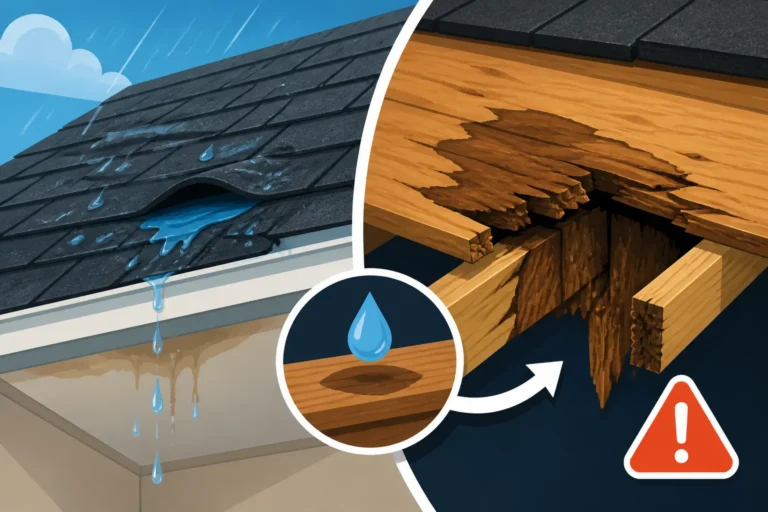
You spot a small, discolored patch on your ceiling in the spare bedroom. It's barely noticeable, maybe just the size of a quarter. Your first thought might be, "I'll keep an eye on it," or "It's probably just a bit of condensation." But here's the thing about water: it's relentless, and it travels. That tiny stain is likely just the tip of the iceberg, indicating that water has already seeped through your shingles, penetrated the underlayment, potentially saturated your attic insulation, and then wicked its way through your ceiling drywall. By the time you see it inside, the leak has often been active for a while, potentially causing significant damage to the roof decking and structural components you can't even see.
A small leak ignored can lead to widespread rot in your roof decking, compromise the integrity of your rafters, and create a breeding ground for mold and mildew in your attic and walls. This mold can spread rapidly, leading to serious health issues for your family and significantly devaluing your home. What started as a cheap repair to address a few compromised shingles can quickly escalate into a much more invasive and costly project involving roof decking replacement, insulation removal, drywall repair, and professional mold remediation. This is why it's vital to address any suspected leak quickly and professionally.
Structural Concerns and Compromises
Sometimes, the "small problem" isn't even on the shingles, but rather an observation that hints at deeper structural issues. Have you noticed a slight dip or a soft spot when walking on your roof? Or perhaps a subtle sag in your roofline from the street? These aren't just cosmetic flaws. A soft spot typically indicates rot in the roof decking, often caused by long-term, undetected water intrusion. This means the plywood or OSB beneath your shingles has lost its integrity and can no longer properly support the weight of your roof, or even someone walking on it. This compromises the entire system and makes shingle adhesion much less effective.
Similarly, a sagging roofline could be indicative of deeper structural problems, such as compromised trusses or rafters due to excessive moisture, insect damage, or even a design flaw. This type of issue requires immediate professional assessment. A structural engineer or an experienced roofing contractor will be able to determine the root cause, assess the extent of the damage, and recommend appropriate repairs. Ignoring these signs can lead to catastrophic roof failure, posing immense safety risks to anyone inside the home. These types of repairs are well beyond the scope of a typical DIY homeowner and require specialized knowledge and equipment.
How to Vet a Reputable Roofing Professional
Once you've determined that your roof problem warrants professional attention, the next crucial step is finding the right professional. This isn't a decision to take lightly. A good roofing contractor will not only fix your immediate problem but also ensure the longevity and integrity of your entire roof system. Conversely, a bad choice can lead to shoddy work, headaches, and even more expenses down the line.
Checking Credentials and Experience
The first thing you should always look for is proper licensing and insurance. This might sound obvious, but you’d be surprised how many "contractors" operate without these fundamental protections. A licensed and insured roofer is not just a sign of legitimacy; it protects you. Their license proves they meet state or local standards for competence, and their insurance (especially general liability and workers' compensation) means you won't be held liable if a worker gets injured on your property or if something goes wrong during the project. Don't just take their word for it; ask for proof and verify it. This is paramount for your peace of mind and protection, so understanding why licensed and insured roofers matter is key.
Beyond basic credentials, look for experience and specialization. Does the company primarily work with asphalt roofing, or do they dabble in everything? A specialist will have a deeper understanding of asphalt shingle systems, common issues, and the best repair techniques. Many reputable manufacturers also offer certifications, like GAF's Master Elite or Owens Corning's Platinum Preferred Contractor programs. These certifications are a big deal because they signify that the contractor has met rigorous standards for training, customer service, and business practices. A certified contractor can often offer extended warranties that uncertified roofers cannot. Platforms like Modernize can be a helpful starting point to connect with local, vetted contractors who meet these kinds of criteria.
Getting Detailed Estimates and References
Never settle for just one quote. Reach out to at least three different reputable contractors. When they provide an estimate, it shouldn't just be a single number. A good estimate will be detailed, breaking down material costs, labor costs, permit fees (if applicable), and a clear scope of work. It should specify the type of shingles or materials they plan to use, the extent of the repair (e.g., replacing damaged decking, flashing repair), and a timeline for completion. Understanding how to read and compare roofing estimates is a skill every homeowner needs. Don't be afraid to ask questions about anything that's unclear!
Equally important are references. Ask for contact information for previous clients who have had similar work done. A reputable contractor will be happy to provide them. Call these references and ask about their experience: Was the work completed on time and within budget? Were the workers professional and clean? Was communication clear? Online reviews on platforms like Google, Yelp, or the Better Business Bureau are also valuable, but take them with a grain of salt and look for consistent themes. A few bad reviews aren't necessarily a red flag, but a pattern of complaints about the same issues (e.g., poor communication, unfinished work, hidden fees) definitely is a sign of a potential roofing contractor red flag to avoid.
Here's a quick comparison of what to expect for minor DIY repairs versus professional jobs:
| Aspect | Minor DIY Repair (e.g., 1-2 missing shingles) | Professional Repair (e.g., active leak, widespread damage) |
|---|---|---|
| Safety Risk | Moderate to High (depending on roof pitch/weather) | Low (professionals have training, equipment) |
| Required Skills | Basic knowledge, steady hands, comfort with heights | Advanced roofing techniques, diagnostic skills |
| Tools Needed | Ladder, pry bar, hammer, utility knife, sealant | Specialized tools, safety gear, diagnostic equipment |
| Warranty Impact | Potential to void manufacturer's warranty | Preserves/enhances warranty with certified installation |
| Cost Savings | Significant (materials only) | Initial higher cost, but long-term savings from proper fix |
| Long-Term Effectiveness | Often temporary, risk of future leaks | Durable, long-lasting solution, prevents future issues |
| Time Commitment | A few hours to a full day (DIY) | Varies, but contractor manages timeline (days to weeks) |
| Cleanup | Your responsibility | Typically included in professional service |
The Importance of Regular Roof Inspections
So many roof problems could be avoided or caught early if homeowners consistently prioritized regular roof inspections. It’s easy to ignore your roof until there's a problem, but by then, a minor fix might have ballooned into a major expense. Think of it like taking your car in for an oil change – you do it to prevent bigger, more costly issues down the road.
Proactive vs. Reactive Maintenance
Most homeowners practice reactive maintenance when it comes to their roofs. They wait until they see a leak, find shingles in the yard after a storm, or notice a noticeable sag. By this point, the damage is already done, and you're in an emergency repair situation, which is almost always more expensive and stressful than a proactive fix. Reactive maintenance is like waiting for your car's engine to seize before you check the oil – it's too late.
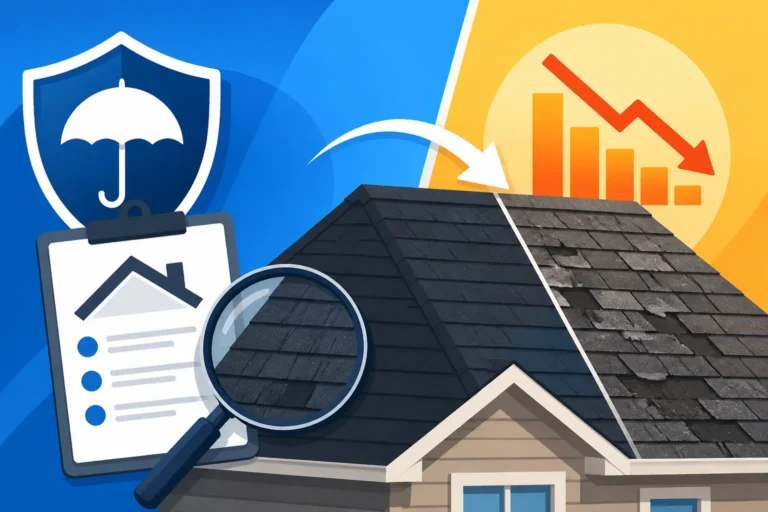
Proactive maintenance, on the other hand, involves regular, scheduled roof inspections, ideally once a year, and definitely after any major weather event like a severe hailstorm or high winds. These inspections allow professionals to identify potential weaknesses, such as cracked or missing caulk around flashing, early signs of granule loss, loose fasteners, or minor storm damage, before they escalate into major problems. Catching and addressing these small issues early can significantly extend the lifespan of your roof, saving you from a full roof replacement much sooner than necessary. It's about preserving your investment and avoiding those dreaded emergency calls.
What Professionals Look For During an Inspection
A professional roof inspection is far more comprehensive than a quick glance from the ground. Contractors performing a detailed roof damage assessment look at every component of your roofing system. They'll examine the shingles for signs of wear, such as curling, blistering, cracking, or excessive granule loss. They'll pay close attention to the flashing around chimneys, vents, and skylights, as these are common areas for leaks to start. They'll check the condition of your gutters and downspouts, ensuring proper drainage.
Beyond the visible surface, a good inspector will also check your attic for signs of water intrusion, mold, or inadequate ventilation, which can all contribute to premature roof failure. They’ll also evaluate the structural integrity of your roof decking and rafters. This holistic approach ensures that not only are current issues identified, but potential future problems are also flagged. By getting a professional inspection, you gain peace of mind and an accurate understanding of your roof's health, allowing you to make informed decisions about repairs and maintenance. You can discuss a professional inspection with a company like Modernize to ensure you're getting a thorough check-up.
Disclaimer
Please remember that the information provided in this article is intended for general guidance and informational purposes only. While we strive to offer accurate and up-to-date content, individual roofing situations can vary significantly. Always consult with a qualified and licensed roofing professional for specific advice, assessments, and solutions tailored to your unique circumstances and local building codes. Do not attempt dangerous roof repairs without proper training, safety equipment, and expertise.