When a Leak Means Deck Damage
There's nothing quite like the knot in your stomach when you spot that first tell-tale water stain on your ceiling or feel a drip during a rainstorm. A roof leak is more than just an annoyance; it's a glaring red flag that something serious might be happening above your head, especially when it points to potential damage to your home's roof decking. This guide is here to walk you through exactly what those warning signs mean and when a leak has gone from a simple fix to a deeper structural problem affecting your roof deck.
The Frustration of a Persistent Roof Leak
We've all been there, haven't we? You find a leak, maybe a small one, and you think, "Okay, I'll just patch it up, or maybe it's a one-off thing." But then it comes back, or worse, it gets bigger. That persistent drip, drip, drip can feel like a direct assault on your peace of mind and your home's integrity. It's easy to want to dismiss it, hoping it will resolve itself, but with roofing, ignoring a problem almost always makes it exponentially worse.
More Than Just a Drip: Recognizing the Signs
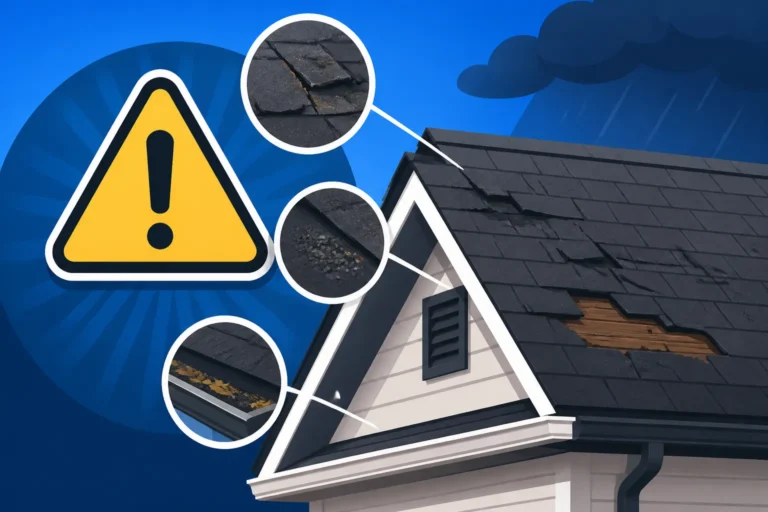
A roof leak isn't always a dramatic waterfall. Sometimes it starts subtly. You might notice discoloration on your ceiling paint, a slight bulge in the drywall, or perhaps a musty smell in your attic or an upper-floor room. These seemingly minor issues can be significant indicators that water has breached your primary roofing material and is making its way deeper into your home's structure. It's crucial to understand the various How to Spot a Roof Leak signs so you can act quickly. For instance, a small, dark stain in the corner of an upstairs bedroom ceiling might indicate a slow, continuous leak over a pipe vent, while a larger, spreading wet spot could point to a more significant breach, perhaps near a chimney or a roof valley. The location of the leak often provides clues about its source, but the damage it causes can spread far beyond that initial entry point.
Another common sign, especially after heavy rain or snowmelt, is dripping water inside your attic. This is a direct red flag. Even if the water isn't making it all the way to your living space yet, its presence in the attic means your roof’s protective layers have been compromised. You might even see insulation that looks damp, compressed, or stained, indicating it's been exposed to moisture. Don't underestimate these early warnings; they are your roof crying for help before the situation becomes a full-blown emergency.
Why a Simple Patch Might Not Be Enough
Many homeowners, understandably, want the quickest and cheapest fix. A patch might seem like the perfect solution for a small leak, and sometimes, it genuinely is. If you have a single missing shingle, a quick replacement can do the trick. However, the critical distinction lies in why the leak is happening and how long it has been happening. If water has had ample time to seep through the various layers of your roof, past the shingles, underlayment, and all the way down to the structural decking, then a simple patch on the surface won't address the underlying issue. Imagine trying to put a band-aid on a gash that’s already infected deep down. It just won't work.
When a leak has led to compromised decking, you're looking at much more than just a cosmetic problem. The structural integrity of your roof begins with that decking. If it's softened, warped, or rotted, it loses its ability to hold shingles securely and properly support the weight of the roof. This isn't just about preventing future leaks; it's about the safety and stability of your entire roofing system. Trying to just cover it up with new shingles or a simple sealant might temporarily stop the drip, but the rot will continue to spread, silently undermining your home. This is especially true if you're dealing with issues like Nail Pops: Why They Happen, as those exposed nails can become direct conduits for water right into your deck.
Understanding Roof Decking and Its Role
To truly grasp the severity of decking damage, it's helpful to understand what roof decking actually is and why it's so vital. It's not just some hidden layer; it's the very foundation upon which your entire roof system rests.
The Backbone of Your Roof System
Think of your roof decking as the sturdy floorboards of your attic, but instead of walking on them, your shingles and other roofing components are laid directly on top. Typically made from plywood or oriented strand board (OSB) sheets, this decking is fastened directly to your roof trusses or rafters. Its primary job is to provide a solid, continuous surface that supports the weight of your roofing materials, including shingles, underlayment, and any snow or ice accumulation. It's also what gives your roof its structural rigidity, helping it withstand wind uplift and other external forces.
Without sound decking, your shingles wouldn't have a secure surface to attach to, leading to nails not holding properly and shingles detaching more easily. Beyond that, the decking forms the crucial barrier between your attic space and the outside world. When it's compromised, that barrier is broken, leaving your home vulnerable. This component is integral to the entire Roof Anatomy: Parts of an Asphalt Shingle Roof and its long-term performance.
How Water Finds Its Way to the Deck
Water is incredibly insidious. It finds the path of least resistance, and often, that path leads straight to your roof decking. Even the smallest breach in your primary roofing layers can allow water to begin its destructive journey. Here’s how it typically happens:
- Damaged Shingles: Cracked, curled, missing, or improperly installed shingles are the most obvious culprits. They fail to shed water effectively, allowing it to pool and seep underneath. If you've got Cracked Shingles: Causes and Fixes, for example, that tiny fissure is an open invitation for moisture.
- Compromised Underlayment: Below the shingles lies the underlayment, often a felt or synthetic barrier designed to provide a secondary layer of protection. If this layer is torn, improperly lapped, or deteriorated due to age or poor installation, water can bypass it and reach the decking.
- Flashing Failures: Flashing – thin metal strips installed around chimneys, skylights, vents, and valleys – is critical for directing water away from vulnerable areas. When flashing corrodes, bends, or detaches, it creates direct entry points for water. A Flashing Leak Repair might only be a temporary fix if the decking beneath has already sustained significant water damage.
- Ice Dams: In colder climates, ice dams can form along the eaves, preventing melting snow from draining off the roof. The trapped water backs up under shingles, eventually penetrating the underlayment and soaking the decking.
- Poor Ventilation: Believe it or not, inadequate attic ventilation can contribute to decking issues. Excess heat and moisture in the attic can lead to condensation forming on the underside of the decking, which, over time, can rot the wood from the inside out, even without an external leak.
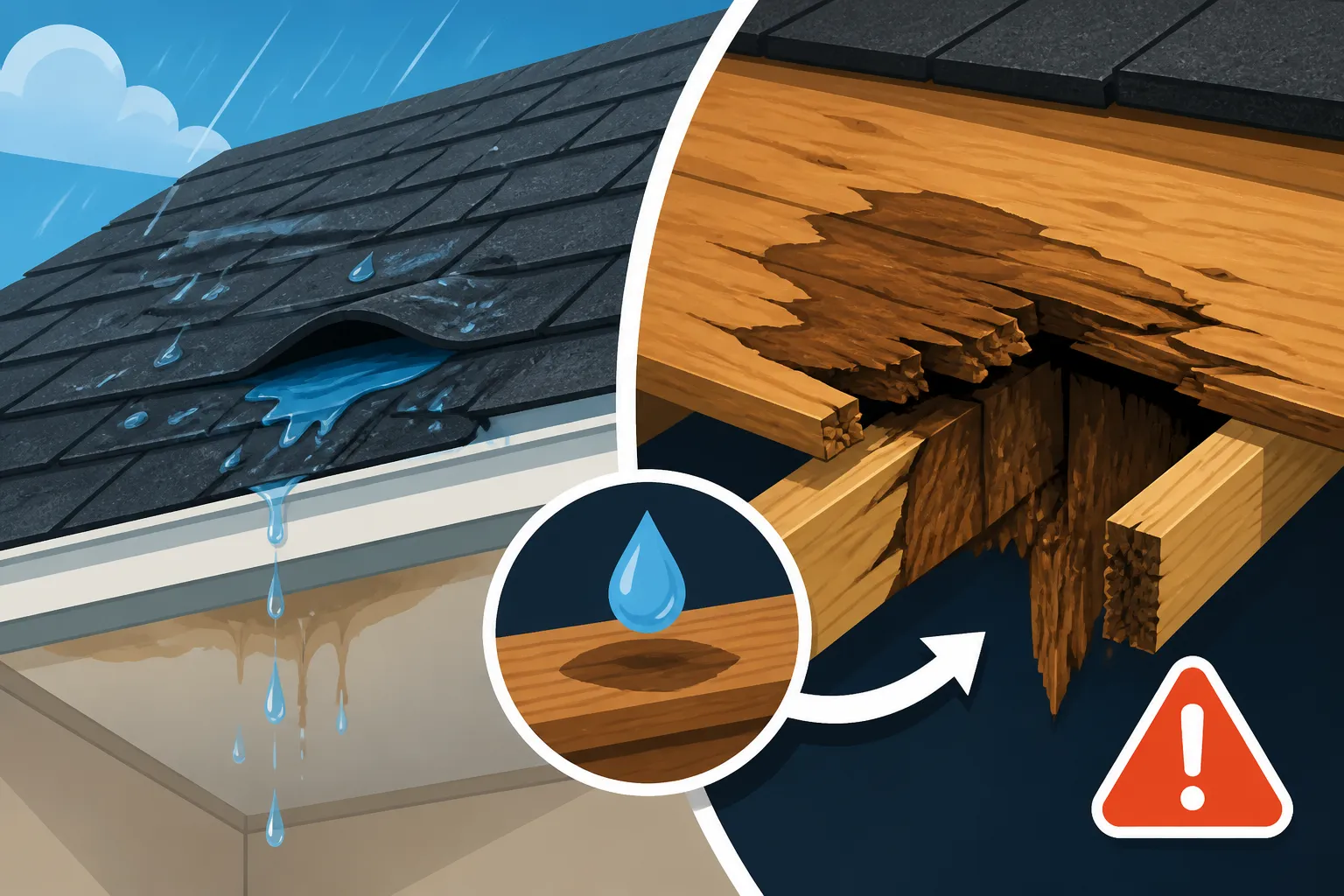
Once water gets past the shingle and underlayment, it begins to saturate the wood decking. Initially, the wood might simply swell and then dry out, but repeated exposure leads to rot, mold, and a significant weakening of the material.
Specific Signs a Leak Has Damaged Your Roof Deck
When you're dealing with a leak, knowing how to identify if the damage has extended to the roof decking is crucial. It’s about looking beyond the superficial and understanding the deeper implications.
Visible Water Damage in the Attic or Ceilings
The most common and immediate sign that a leak has progressed to your decking is visible water damage inside your home, particularly in the attic or on the ceilings of upper floors.
- Attic Examination: Head into your attic with a flashlight during or after a rain event. Look for dark stains, wet spots, or dripping water on the underside of the roof sheathing (that's your decking!). Pay close attention to areas around vents, chimneys, skylights, and where different roof planes meet, like in valleys. You might also notice damp or compressed insulation, which has lost its R-value, meaning it’s no longer insulating effectively. Any signs of mold or mildew growth on the wood framing or insulation are also clear indicators of persistent moisture. This kind of inspection is a vital part of a thorough Roof Damage Assessment: A Homeowner's Guide.
- Ceiling Stains: On your interior ceilings, water stains typically appear as discolored patches – yellow, brown, or even black. These indicate that water has not only saturated the roof deck but has also traveled through your attic space and soaked into your drywall or plaster. Sometimes, the paint might bubble or peel, or the plaster could become soft and crumbly. The size and darkness of the stain can give you a clue about the duration and severity of the leak. A small, faint stain might be from a recent, minor leak, while a large, dark, or spreading stain suggests a long-standing and significant problem.
Soft Spots and Sagging: Physical Evidence of Rot
This is where the problem becomes undeniable. When water has repeatedly saturated the roof decking, the wood fibers begin to break down, leading to rot.
- Soft Spots in the Attic: If you can safely access your attic, gently press on the underside of the roof decking, especially in areas where you've seen water stains. Healthy plywood or OSB should feel firm and solid. If it feels spongy, soft, or gives way under light pressure, that's a definitive sign of rot. This softening means the wood has lost its structural integrity and can no longer adequately support the shingles above.
- Sagging Roofline: From the exterior, if you notice any visible dips or unevenness in your roofline, especially in specific sections, this is a very serious sign of decking failure. A sagging roof indicates that the underlying decking and possibly even the rafters or trusses have been severely compromised by rot and can no longer bear the load of the roofing materials. This often means widespread water damage and could signal the need for a major repair, potentially even a full Roof Decking Replacement Cost. You might also notice a subtle ripple or wave effect in your shingles, which is another visual cue that the decking beneath is no longer a flat, stable surface.
Mold, Mildew, and Musty Odors
Water damage isn't just about structural compromise; it also creates the perfect breeding ground for undesirable organisms.
- Visible Growth: Mold and mildew thrive in damp, dark environments. If you see black, green, or white fuzzy patches on the underside of your roof decking, attic insulation, or wooden beams, it's a clear indication of persistent moisture. This isn't just unsightly; mold can spread rapidly and degrade the materials it grows on.
- Musty Smells: Even if you can't see the mold, a persistent musty or earthy odor in your attic or upper living spaces is a strong indicator of hidden moisture and potential mold growth. This smell is produced by microbial volatile organic compounds (MVOCs) released by mold and mildew. This can be particularly noticeable on humid days or immediately after rain. Don't ignore these smells; they can point to significant issues that need to be addressed promptly. For homeowners in areas like Florida, where humidity is high, mold can be an especially rapid and aggressive problem.
The Ripple Effect: Beyond Just the Decking
A damaged roof deck isn't an isolated problem. It sets off a chain reaction that can affect your entire home and your family's well-being.
Structural Integrity and Home Value Concerns
When your roof decking rots, it directly impacts the structural integrity of your entire roof. The decking provides rigidity and connects the rafters, distributing the weight of the roof. If it weakens, the entire roof structure can become unstable. This isn't just a concern for extreme weather; over time, even normal wind loads or snow accumulation could further exacerbate the damage.
Imagine the frustration of discovering significant rot when you're trying to sell your house. A home inspector will undoubtedly flag decking issues, which can drastically reduce your home's appeal and value. You might face the prospect of paying for expensive repairs or replacements just to get the house ready for sale, potentially losing out on offers or having to lower your asking price considerably. This is why addressing issues early is far better for your long-term investment. Proactive maintenance and timely repairs can significantly extend the How Long Does an Asphalt Roof Last and protect your property's value.
Health Hazards and Interior Damage
The presence of mold and mildew due to prolonged leaks isn't just an aesthetic problem; it can pose serious health risks. Mold spores can become airborne and trigger allergic reactions, respiratory problems, asthma attacks, and other health issues, especially in sensitive individuals, children, or the elderly. You might notice symptoms like sneezing, coughing, watery eyes, or skin irritation. Living in a home with active mold growth can significantly diminish your quality of life.
Beyond health concerns, water infiltrating through compromised decking will inevitably damage your home's interior finishes. Drywall will soften and stain, paint will peel, and plaster will crack. Insulation will become waterlogged and ineffective, leading to higher energy bills. Structural wood elements, like ceiling joists and wall studs, can also begin to rot, creating an even more extensive and costly repair project. Furniture, electronics, and personal belongings can also be ruined by persistent leaks. It's truly a cascade of problems, and the longer it goes unaddressed, the more expensive and disruptive the solution becomes. This is a situation where you might wonder, Is Leak Covered by Insurance, and often, the extent of the damage plays a huge role in coverage.
What to Do When You Suspect Deck Damage
So, you've noticed the signs – the stains, the smells, maybe even some soft spots. What's your next step? Panic won't help, but swift, decisive action will.
The Importance of Professional Inspection
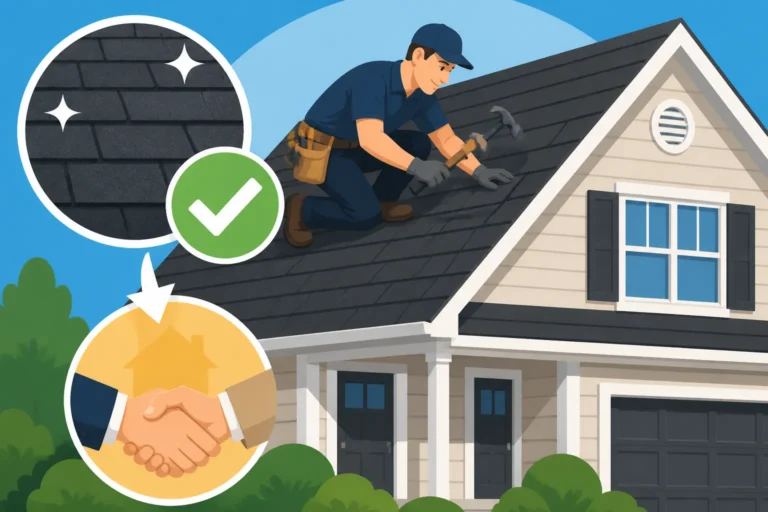
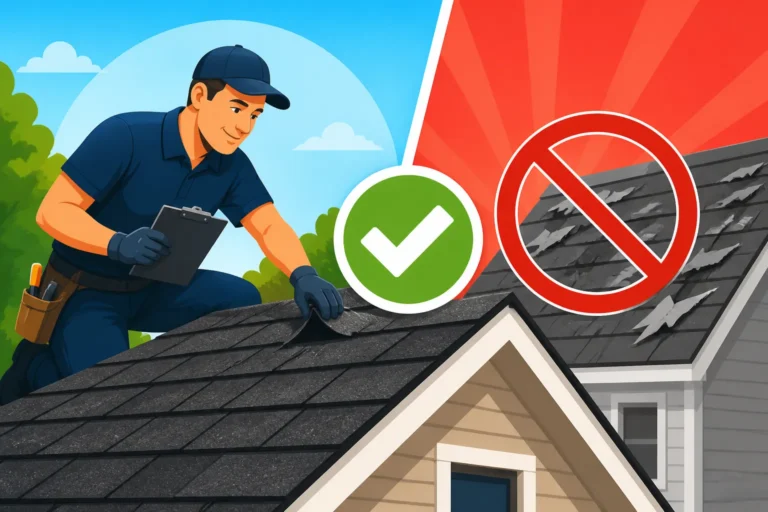
The absolute first thing you should do is call in a reputable roofing professional. While your observations are crucial, a trained eye can pinpoint the exact source of the leak, assess the full extent of the decking damage, and identify any hidden issues that might not be obvious to a homeowner. They have the tools and expertise to safely access your roof and attic, carefully examine the decking, flashing, shingles, and ventilation system, and provide an accurate diagnosis.
Don't be tempted to climb up on your roof yourself, especially if you suspect structural damage; it can be incredibly dangerous. A professional roofer will conduct a thorough inspection, often involving both interior (attic) and exterior examinations. They can determine if the damage is localized to a few sheets of decking or if it's more widespread, requiring a larger section of the roof to be replaced. They can also tell you if the problem stems from a single failure point or a combination of issues like poor installation, age, or storm damage. Companies like Modernize can connect you with pre-vetted local contractors who specialize in thorough roof inspections and repairs, ensuring you get reliable advice.
Repairing or Replacing Damaged Decking
Once the professional assessment is complete, you'll have a clear understanding of the necessary repairs.
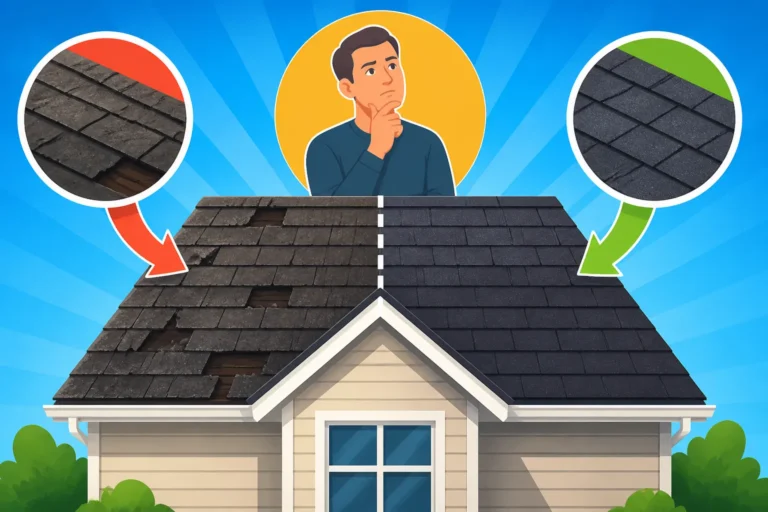
- Localized Decking Repair: If the damage is confined to a small area – say, a few sheets of plywood or OSB – the roofer can remove the affected shingles, cut out the compromised decking, and replace it with new, sound material. This process often involves carefully peeling back surrounding shingles, removing the old decking, installing new plywood or OSB, applying new underlayment, and then replacing or installing new shingles over the repaired section. This is typically a more straightforward and less costly repair.
- Extensive Decking Replacement (Full Roof Replacement): In cases where the decking damage is widespread, perhaps across multiple areas of the roof or involving significant sagging, a full roof replacement might be the only viable solution. This would entail removing all existing roofing materials down to the structural rafters, replacing all or a significant portion of the old decking, and then installing an entirely new roofing system, including new underlayment, flashing, and shingles. This is a much larger project, but it ensures that your roof has a completely sound foundation. When considering a larger project, it's wise to review several bids and learn How to Read and Compare Roofing Estimates to ensure you're getting the best value. Remember that the Roofing Material Cost vs Labor Cost will be a significant factor in your overall budget, and replacing decking adds to both.
No matter the extent of the damage, prompt action is key. Ignoring decking damage will only lead to more extensive and expensive repairs down the line, potentially even compromising the safety of your home. It’s an investment in your home’s longevity and your family's health.
Disclaimer
Please remember that the information provided in this article is intended for general guidance and informational purposes only, and does not constitute professional advice. Roofing work can be complex and dangerous. Always consult with a qualified and licensed roofing professional for specific advice tailored to your situation and before undertaking any repairs or replacements.