Roof Age: When to Start Planning Replacement
It’s a scenario many homeowners dread: your asphalt roof looks perfectly fine from the ground, no obvious leaks, no gaping holes, but you know it’s been there for a while. The nagging question starts to creep in: “How much life does this roof really have left?” Deciding when to replace a roof before it becomes an emergency can feel like a guessing game, creating anxiety and stress. This guide will help you understand the lifespan of your asphalt roof and equip you with the knowledge to proactively plan for its replacement, saving you headaches and unexpected costs down the line.
Understanding Your Asphalt Roof's Lifespan
Let's be real, nobody wants to replace a roof before they absolutely have to. It's a significant investment, and the thought of tearing off what seems like a perfectly good roof can be daunting. But understanding the typical lifespan of different asphalt shingles and the factors that influence it is the first step in smart homeownership. It's not just about waiting for a leak; it's about anticipating when that leak might become inevitable.
Typical Lifespan of Different Asphalt Shingles
Not all asphalt shingles are created equal, and their expected lifespan can vary quite a bit. What you have on your roof makes a huge difference in how long you can reasonably expect it to last.
- 3-Tab Shingles: These are often the most budget-friendly option upfront, but they also tend to have the shortest lifespan. Typically, you can expect 3-tab shingles to last anywhere from 15 to 20 years, sometimes a bit more under ideal conditions. They're thinner, lie flatter, and are more susceptible to wind uplift and general wear and tear compared to their thicker cousins. If you have a 3-tab roof that's hitting the 15-year mark, it’s definitely time to start paying closer attention and planning for what's next. While they've served many homes well for decades, their lighter construction means they simply can't withstand the elements as robustly.
- Architectural/Dimensional Shingles: These are by far the most popular choice today, and for good reason. They offer a much more robust design, with multiple layers of asphalt and granules fused together, giving them a thicker, more textured, and often more attractive appearance. This added thickness and complexity directly translates to a longer lifespan. You can typically expect architectural shingles to last between 25 and 30 years, and sometimes even up to 40 years with excellent installation and maintenance. Their enhanced durability means better resistance to wind, hail, and UV degradation, making them a wise investment for longevity. Many homeowners find that their initial higher cost is easily justified by the extended protection and curb appeal.
- Designer/Luxury Shingles: When you're looking for the top tier of asphalt roofing, designer or luxury shingles are it. These are heavy, multi-layered shingles designed to mimic the look of natural slate or cedar shakes, offering unparalleled aesthetics and durability. Because they're so substantial, they boast the longest lifespans among asphalt options, often reaching 30 to 50 years. They are specifically engineered for maximum protection against the harshest weather conditions, often carrying high wind and impact ratings. While the initial investment for designer shingles is considerably higher, their incredible longevity and premium look can add significant value and peace of mind to your home.
It’s important to remember that these are just averages. The actual lifespan of your roof will depend on a whole host of other factors that are unique to your home and location. For a more detailed look, consider exploring How Long Does an Asphalt Roof Last to understand the nuances.
Factors That Shorten Your Roof's Life
Even the highest quality asphalt shingles can fall short of their advertised lifespan if certain conditions aren't met. It’s not just about the quality of the material, but how it stands up to its environment and how well it's cared for over the years.
- Extreme Weather Conditions: This is a big one. If you live in an area prone to harsh weather – think intense summer sun in Arizona, frequent hail storms in Colorado, or hurricanes along the Florida coast – your roof is going to age faster. Constant exposure to powerful UV rays breaks down the asphalt binder and causes granules to shed prematurely. Hail impacts can bruise and crack shingles, while high winds can lift, tear, or even rip them right off your roof. Heavy snow loads followed by freeze-thaw cycles can lead to ice dam formation, pushing water under shingles and causing damage. These relentless forces put immense stress on the materials, significantly shortening their effective life.
- Poor Ventilation: Many homeowners overlook the crucial role of attic ventilation, but it’s a silent killer of roofs. A poorly ventilated attic traps heat and moisture. In summer, superheated air in the attic bakes the underside of your roof deck and shingles, accelerating the breakdown of asphalt and causing shingles to curl and crack from the inside out. In winter, trapped moisture can lead to condensation, rotting the roof deck and encouraging mold growth, which then impacts the integrity of the shingles above. Proper airflow is absolutely essential for a healthy, long-lasting roof.
- Improper Installation: This is perhaps one of the most frustrating causes of premature roof failure because it’s often entirely preventable. If shingles aren't nailed correctly (too few nails, nails driven too deep or too shallow, or in the wrong spot), they won't seal properly, making them vulnerable to wind uplift and leaks. Incorrect flashing around chimneys, skylights, and vent pipes is another common culprit, creating pathways for water intrusion. Even seemingly minor installation errors can lead to significant problems years down the road, compromising the entire roof system. A quality installation is paramount to achieving the full expected lifespan of your chosen shingles.
- Lack of Maintenance: While asphalt roofs are relatively low-maintenance, neglecting basic upkeep can definitely shave years off their life. Things like allowing moss, algae, or lichen to grow unchecked can trap moisture against the shingles, causing premature deterioration and granule loss. Clogged gutters can lead to water backing up and seeping under eaves, damaging fascia and potentially the roof deck. Ignoring minor repairs, like a few missing or damaged shingles, can quickly escalate into larger problems, exposing the underlayment and decking to the elements. Regular inspections and prompt attention to small issues can go a long way in preserving your roof's integrity.
- Overhanging Trees: While trees can offer lovely shade, they can also be detrimental to your roof if they're too close. Branches rubbing against shingles during windy conditions can abrade granules over time. More critically, falling branches – even small ones – can cause direct damage, cracking or puncturing shingles. Leaves and debris accumulating on the roof surface can trap moisture, promote moss growth, and clog gutters, all contributing to accelerated wear and tear. Regular trimming of overhanging branches is a simple yet effective maintenance step.
Early Warning Signs Beyond Just Age
Even if your roof isn't ancient by its type's standards, age isn't the only indicator. Your roof might be sending you subtle signals that it's nearing the end of its useful life, even if it seems okay at a glance. Learning to spot these early warning signs can help you plan proactively rather than reacting to a catastrophic failure. Many homeowners don't realize their roof is struggling until they see a major issue, but there are often hints long before that.
Granule Loss and Bald Spots
Those little stone-like particles embedded in your asphalt shingles aren't just for looks; they’re incredibly important for protecting your roof.
- What Granules Do: Shingle granules are essentially crushed rock coated with ceramic, and they serve several vital purposes. They protect the asphalt layer from the sun's harsh ultraviolet (UV) rays, which can otherwise dry out and degrade the asphalt, making it brittle. They also add fire resistance, provide color, and contribute to the shingle's overall weight and rigidity. In short, they are your roof's first line of defense against the elements.
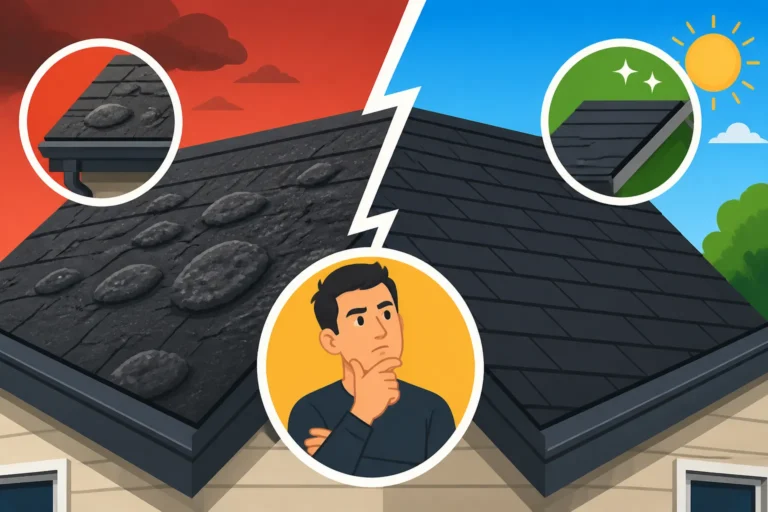
- Why Granule Loss is a Big Deal: When you start seeing significant amounts of granules in your gutters or washed down your downspouts, it’s a big red flag. As shingles age, the asphalt binder that holds these granules in place begins to dry out and lose its elasticity. This causes the granules to loosen and wash away. When granules are gone, the underlying asphalt is directly exposed to UV radiation, accelerating its breakdown. This exposure makes the shingles brittle, prone to cracking, and drastically shortens their lifespan. Bald spots on your roof indicate areas where this protective layer is completely gone, leaving your roof vulnerable.
- When It's Normal vs. When It's Critical: A small amount of granule loss in new shingles is perfectly normal, as loose granules from the manufacturing process will wash off. However, if your roof is 15 years old or more and you're seeing a steady, increasing stream of granules, or noticeable bald spots, it's a critical sign of advanced aging. This isn't just cosmetic; it means your roof is losing its ability to protect your home. This is often one of the clearest Signs You Need a New Roof.
Curling, Cupping, and Cracking Shingles
These are some of the most visual indicators that your asphalt shingles are struggling and losing their fight against the elements. They represent different stages of deterioration and all point to a weakening roof.
- Describe Each Condition:
- Curling: Shingles curl in two main ways: clawing, where the corners turn up while the middle stays flat, creating a distinct "claw" shape; and cupping, where the edges turn up and the center sags slightly. Both indicate that the shingle is losing its oils and flexibility, usually due to prolonged sun exposure and thermal cycling.
- Cupping: This term is often used interchangeably with curling, but specifically refers to the entire shingle body developing a concave shape, with the edges rising. This creates small channels that can direct water, rather than shedding it, leading to potential leaks.
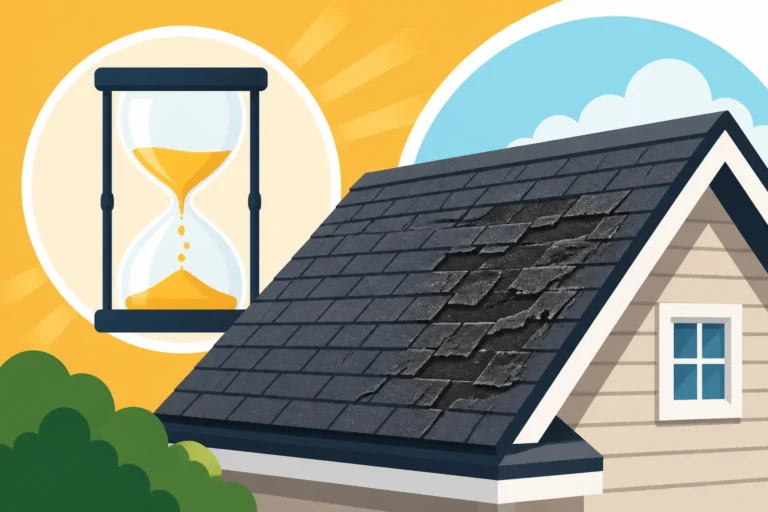
- Cracking: Cracks can appear horizontally or vertically across shingles, sometimes starting as small hairline fractures that widen over time. They often occur as the asphalt becomes brittle and loses its flexibility, unable to expand and contract with temperature changes without breaking.
- Explain What Causes Them: These conditions are primarily caused by the natural aging process of asphalt shingles. Constant exposure to the sun's UV radiation dries out the asphalt, causing it to lose its volatile oils and become stiff. Repeated thermal shock – the rapid heating and cooling of the roof surface – exacerbates this. For instance, a hot summer day followed by a cool evening, or a sunny winter day followed by freezing temperatures, puts immense stress on the shingles. The layers within the shingle can also age and shrink at different rates, leading to uneven stress and deformation. Poor attic ventilation, which allows heat to build up, can significantly accelerate these processes from below.
- Why They Lead to Leaks and Vulnerability: Curling and cupping shingles can no longer lie flat against the roof deck. This disrupts the shingle's ability to create a watertight seal, allowing wind-driven rain and melting snow to easily penetrate underneath. Cracks, even small ones, are direct entry points for water. These compromised areas also make the shingles far more susceptible to being lifted or torn off during high winds, further exposing the underlying roof components to damage. Once shingles begin to curl, cup, or crack extensively, their protective function is severely diminished, and the risk of widespread leaks increases dramatically.
Missing or Damaged Shingles
This might seem obvious, but it’s a sign that demands immediate attention and could be indicative of larger problems.
- Impact of Wind Damage: High winds are a major culprit for missing shingles. Once a shingle's sealant strip fails due to age, debris, or manufacturing defect, strong gusts can lift it, tear it, or completely detach it from the roof. This leaves the underlayment and roof deck exposed, making your home immediately vulnerable to water intrusion. Even if shingles aren't completely missing, wind can lift and crease them, weakening their structure and breaking the critical bond that keeps them watertight.
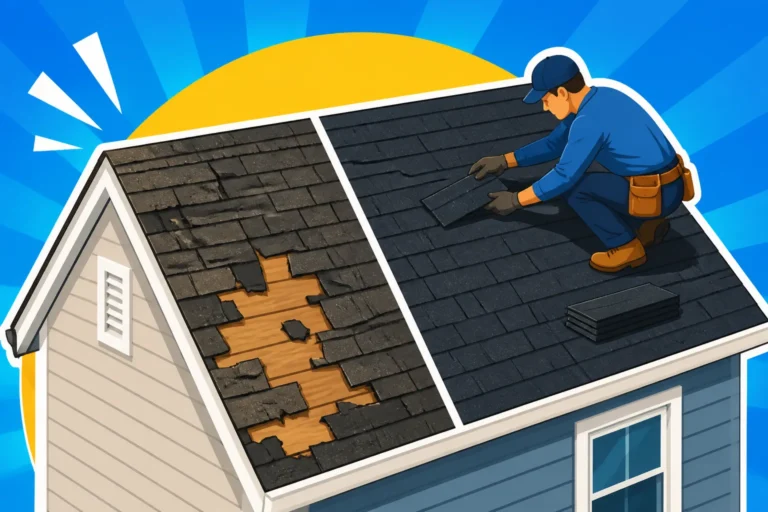
- Importance of Prompt Repair, But Also a Sign of Overall Roof Integrity Issues if Frequent: A single missing shingle might be an isolated incident, easily fixed by a professional. However, if you find yourself needing to replace individual shingles repeatedly, or if large sections of your roof are losing shingles after even moderate winds, it’s a strong indication that the entire roof system is compromised due to age and widespread adhesive failure. This isn't just about localized damage; it's a sign that the remaining shingles are likely in a similar state of deterioration and won't hold up much longer. While repairing a few shingles is usually cost-effective, continuous repairs suggest a full replacement is on the horizon. For advice on specific damage, see Missing Shingles: Repair or Replace.
Interior Indicators of a Failing Roof
Sometimes, the most critical signs your roof is failing aren't visible from the outside. The inside of your home, particularly your attic and ceilings, can provide clear evidence that your roof is no longer performing its primary duty of keeping the elements out. It’s vital to pay attention to these internal cues, as they often signal damage that has already progressed beyond minor issues.
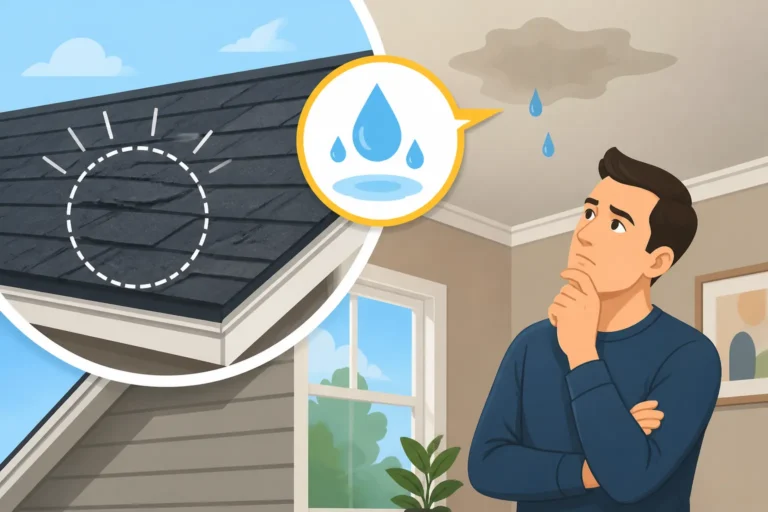
Water Stains or Leaks in Your Attic or Ceilings
This is perhaps the most obvious and alarming sign, and it's one that no homeowner wants to discover. Water where it shouldn't be is always a serious problem.
- Common Leak Locations: While water stains on your ceiling can appear almost anywhere, leaks often originate in specific areas of the roof where different components meet or penetrate the roof plane. Common culprits include around chimneys, skylights, vent pipes (for plumbing or attic exhaust), and in the valleys where two roof planes intersect. These areas rely on meticulous flashing, and if that flashing is improperly installed, damaged, or has simply deteriorated over time, it creates an easy pathway for water. Even a tiny crack or missing granule patch far away can allow water to travel along roof decking and rafters before presenting itself inside your home.
- The "Silent Killer" of Leaks You Don't See Immediately: Here's the scary part: not all leaks immediately show up as a drip on your ceiling. Many leaks can go unnoticed for months or even years, slowly saturating attic insulation, rotting roof decking, and encouraging mold and mildew growth. This hidden damage can severely compromise your home's structural integrity and create unhealthy living conditions, all while you're none the wiser. By the time you spot a water stain on your interior ceiling, the problem could be far more extensive and costly than it appears. This is why regular attic inspections are so critical.
- Importance of Immediate Investigation: If you spot any signs of water intrusion – a discolored patch on your ceiling, peeling paint, or a musty odor – you need to investigate immediately. Don't wait. Even if it seems small, water damage can spread rapidly and lead to expensive structural repairs if left unaddressed. While some leaks can be isolated and repaired, persistent or widespread water intrusion is a strong indicator that your roof's protective layer has failed beyond simple patching, signaling that a full replacement is imminent. For guidance, learn How to Spot a Roof Leak effectively.
Sagging Roof Decking or Rafters
A sagging roof is more than just an aesthetic concern; it's a structural emergency that can point to significant underlying problems.
- What Causes Sagging: A sagging roof typically points to structural deficiencies or severe water damage. Excessive moisture from prolonged leaks can cause the wooden roof decking (plywood or OSB sheathing) and even the underlying rafters or trusses to weaken, rot, and lose their structural integrity. When these materials become saturated and begin to decay, they can no longer adequately support the weight of the shingles, leading to a noticeable dip or sag in the roofline. In some cases, improper design or insufficient framing might be the original cause, but age-related water damage is a very common accelerant.
- Why This Is a Critical Sign That Needs Immediate Attention: A sagging roof isn't just a sign of trouble; it is the trouble. It means your roof's core structural components are compromised. This puts your entire home at risk, as the roof might not be able to withstand future heavy snow loads, strong winds, or even just its own weight. If you see any part of your roof dipping or bowing, whether from the exterior or from inside your attic, it's not a wait-and-see situation. This requires immediate professional assessment from a qualified roofing contractor and potentially a structural engineer. Repairing a sagging roof almost always involves replacing the damaged decking and reinforcing or replacing compromised rafters, which inevitably means a full roof replacement on top of that structural work. This is a clear indicator that the roof system has failed structurally and is past its prime.
High Energy Bills
It might seem indirect, but your energy bills can be a surprising indicator that your roof system is no longer performing optimally.
- How a Failing Roof (and Poor Ventilation) Impacts Insulation and Energy Efficiency: Your roof and attic system are a critical barrier against heat transfer. A failing roof with compromised shingles, inadequate underlayment, or poor attic ventilation can dramatically reduce your home's energy efficiency. When shingles are damaged or curling, they don't provide a good thermal barrier. More importantly, poor attic ventilation traps hot air in the summer and moist, cold air in the winter. This trapped heat radiates down into your living space, making your air conditioner work harder. In winter, heat from your home can escape through a poorly insulated or vented attic, leading to higher heating costs.
- Connection to Attic Heat/Cold Transfer: The asphalt on your shingles can reach incredibly high temperatures on a sunny day. If that heat isn't effectively vented out of your attic, it essentially bakes your attic space, and that heat then conducts through your ceiling into your home. The same goes for cold. If your attic isn't properly insulated or vented, cold air seeps into your home, making your furnace work overtime. If you've noticed a significant, unexplained spike in your heating or cooling costs, and your HVAC system is functioning properly, it's worth considering that your aging roof system, specifically its ventilation and insulation components, might be a major contributor. Often, a new roof system comes with improved ventilation, such as modern ridge vents, that can dramatically improve your home's thermal performance, providing unexpected savings down the line.
The Impact of Climate and Geography
Where you live plays a massive role in how quickly your asphalt roof ages. What might be a perfectly acceptable lifespan in a mild climate could be dramatically shortened in an area prone to extreme weather events. Understanding these regional differences is key to predicting your roof's true expiration date.
Harsh Weather Zones
Certain parts of the country face unique meteorological challenges that put extra stress on roofing materials, forcing homeowners to consider replacement much sooner than those in more temperate zones.
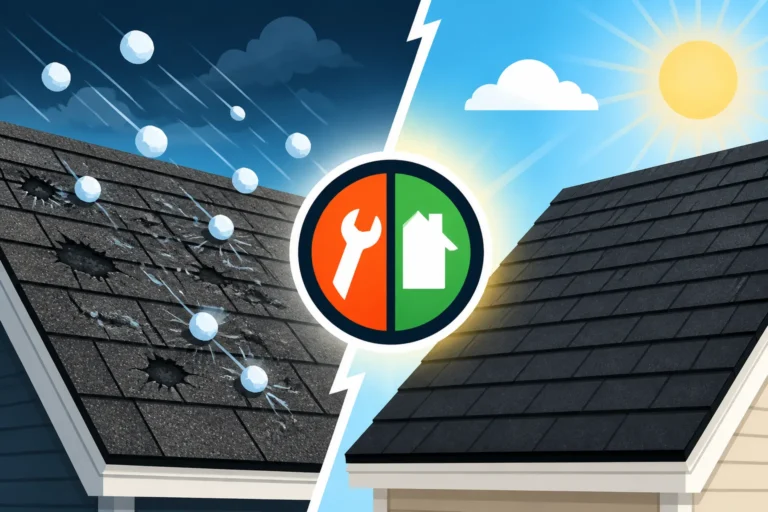
- Hail-Prone States (Colorado, Texas, Oklahoma): If you live in the "Hail Alley" that stretches across parts of the Great Plains and Midwest, your roof faces a constant barrage of impact damage. Hailstones can bruise, crack, and even puncture asphalt shingles, dislodging granules and compromising the shingle's watertight seal. Even seemingly minor hail damage can significantly reduce the effective lifespan of your roof, making it more vulnerable to leaks and future storms. In these regions, roofs often need replacement well before their typical age expectancy due to hail accumulation over the years.
- Hurricane Zones (Florida, Gulf Coast): Coastal regions, particularly those susceptible to hurricanes and tropical storms, demand roofs built to withstand extreme wind uplift and heavy rainfall. The intense, prolonged winds associated with these storms can peel shingles right off the roof deck, tear underlayment, and create catastrophic breaches. Driving rain, especially when combined with high winds, can infiltrate even the smallest gaps. Building codes in these areas are often more stringent, requiring specialized installation techniques and tougher shingles, but even with these precautions, the sheer force of a major hurricane can drastically shorten a roof's life.
- Extreme Heat (Arizona, California): In sun-drenched states like Arizona and California, the primary enemy of asphalt shingles is relentless UV radiation and intense heat. Prolonged exposure to scorching temperatures and powerful sunlight causes the asphalt binder to oxidize and dry out rapidly. This leads to premature granule loss, shingle brittleness, curling, and cracking. The constant thermal expansion and contraction also put stress on the materials, accelerating their breakdown. Roofs in these climates often show signs of advanced aging faster than those in cooler, cloudier regions.
- Heavy Snow/Ice (Northeast, Midwest): Homes in regions with harsh winters, such as the Northeast and Midwest, contend with heavy snow loads and the dreaded ice dams. Piles of snow sitting on a roof for weeks can exert tremendous weight, stressing the roof structure. More critically, fluctuating temperatures can lead to ice dams forming at the eaves, preventing melting snow from draining. This trapped water can then back up under shingles and into the attic, causing leaks, rot, and damage to insulation and interior ceilings. Repeated ice dam formation can significantly compromise the integrity of the roof system and its components, forcing earlier replacement.
Regional Differences in Shingle Performance
Understanding the specific climate challenges of your area should absolutely influence your choice of new roofing materials and installation methods.
- Importance of Specific Shingle Types: In hail-prone areas, investing in Class 4 Shingle Roof Cost shingles (impact-resistant) can be a game-changer, often leading to insurance premium discounts and superior durability. For homes in sunny, hot climates, "cool roof" shingles that reflect more sunlight can help reduce attic temperatures and extend shingle life. In high-wind zones, shingles with enhanced sealant strips and specific nailing patterns are crucial for resisting uplift. Manufacturers like GAF, Owens Corning, and CertainTeed all offer lines of shingles specifically designed to address these regional challenges. Consulting with local contractors who understand these nuances is vital to choosing the right product for your specific geographic needs.
- How Local Building Codes Might Influence Choices and Lifespan: Local building codes are often a direct response to prevailing climate conditions. For example, jurisdictions in hurricane zones will have very specific requirements for shingle wind ratings, nailing patterns, and underlayment types (like peel-and-stick ice and water shield). In hail-prone areas, some municipalities might encourage or even mandate impact-resistant shingles for new construction or replacements. Adhering to these codes isn't just about legality; it's about ensuring your new roof is built to withstand the challenges specific to your location, thereby maximizing its lifespan and protecting your investment. A reputable local contractor will be intimately familiar with these requirements and guide you through the process, including obtaining necessary permits.
Planning for Your Roof Replacement
Once you've identified that your roof is aging and showing signs of wear, the next logical step is to start planning for its replacement. This isn't a spur-of-the-moment decision; it involves careful consideration of inspections, budgeting, and timing to ensure a smooth and successful project. Proactive planning can save you a lot of stress and money.
Getting a Professional Roof Inspection
You might be able to spot obvious damage from the ground, but a professional inspection goes much deeper, giving you a complete picture of your roof's health.
- Why It's Crucial, Even If You Don't See Obvious Issues: Even if you don't see curling shingles or water stains, a professional roof inspection is indispensable when your roof is nearing its expected lifespan. A trained eye can spot subtle signs of deterioration that you might miss, such as granular loss that isn't yet visible from the ground, minor flashing issues, or early signs of deck rot that are only visible from the attic. They can also assess the condition of less obvious components like the underlayment, ventilation system, and gutters, all of which contribute to the overall health of your roof system. This comprehensive assessment provides an accurate diagnosis, helping you understand whether repairs are sufficient or if replacement is truly necessary.
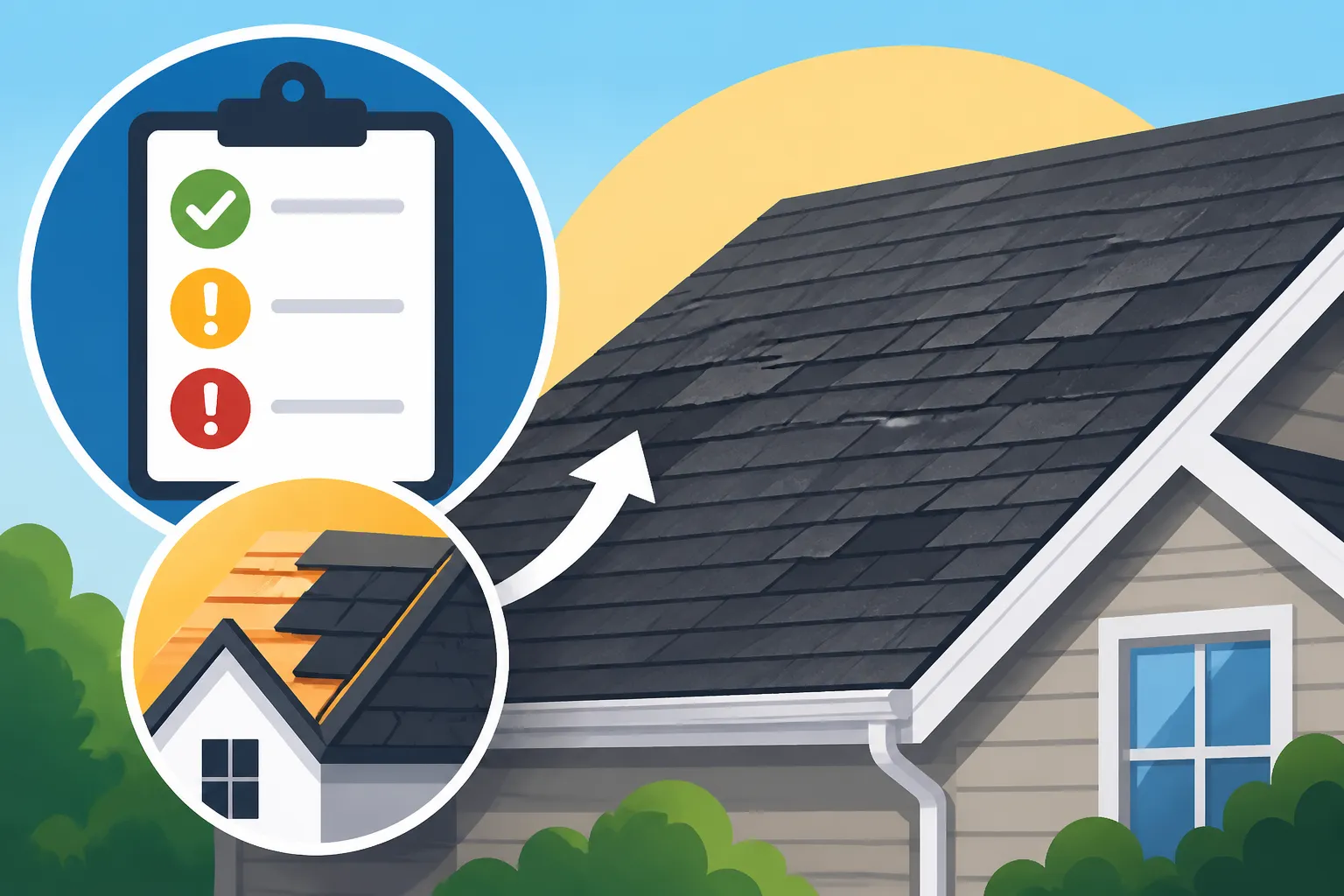
- What an Inspector Looks For: During an inspection, a qualified professional will typically check several key areas. They'll examine the condition of the shingles for curling, cracking, blistering, granular loss, and missing tabs. They'll pay close attention to flashing around chimneys, vents, and skylights, which are common leak points. The condition of the gutters and downspouts will be assessed for proper drainage and any blockages. The inspector will also check the attic for signs of water intrusion, mold, proper ventilation, and the integrity of the roof decking. Finally, they'll look for any signs of sagging or structural issues. This thorough process helps determine the remaining life of your roof and provides a roadmap for necessary actions. For a more detailed understanding of this process, check out Roof Damage Assessment: A Homeowner's Guide.
Budgeting and Financing Options
A new roof is a significant home improvement project, and understanding the financial commitment is paramount. Unexpected costs can derail your plans, so preparing your finances early is a smart move.
- Understanding the Significant Investment: Let's not sugarcoat it: a full asphalt roof replacement is a major investment, often ranging from several thousand dollars for smaller homes to tens of thousands for larger or more complex roofs. The cost is influenced by factors like the size and pitch of your roof, the type of shingles you choose (3-tab vs. architectural vs. designer), the cost of materials, labor rates in your area, and the need for any decking repair or structural work. It's not just the shingles; it's the underlayment, flashing, ventilation, and disposal of old materials. Many homeowners are surprised by the Asphalt Roof Replacement Cost: Complete Breakdown.
- Exploring Financing Options: For many, paying for a new roof out-of-pocket isn't feasible. Thankfully, there are several financing options available. Home equity loans or lines of credit (HELOCs) are popular choices, leveraging the equity in your home for a relatively low interest rate. Many roofing companies also offer their own financing plans, sometimes with promotional interest rates. Unsecured personal loans are another option, though they typically come with higher interest rates. It's also worth exploring government programs or local incentives for energy-efficient upgrades, as some cool-roof shingles might qualify. Services like Modernize can help homeowners connect with contractors who offer various financing solutions. Preparing for this expense well in advance allows you to explore the best options for your financial situation. Discover more about your choices at Roof Financing Options Explained.
- Choosing the Right Time to Replace: Timing isn't just about your budget; it's about optimal installation conditions and contractor availability.
- Optimal Weather Conditions for Installation: Roofing contractors generally prefer to install roofs during mild, dry weather. Spring and fall are often considered ideal because temperatures are moderate – not too hot for shingles to become overly pliable and not too cold for sealants to cure properly. Extreme heat can make shingles too soft and prone to damage during installation, while cold weather can make them brittle and prevent the adhesive strips from sealing effectively, potentially voiding manufacturer warranties. Heavy rain or strong winds can obviously halt a project.
- Avoiding Peak Seasons for Better Scheduling and Potentially Better Pricing: Because spring and fall are ideal, they are also peak seasons for roofing contractors. This means scheduling can be tight, and you might face longer wait times. While pricing usually remains consistent, contractors might have less flexibility for negotiation during these busy periods. If your roof isn't in critical condition, considering a late fall or early winter (if your climate allows for dry, above-freezing days) replacement might offer more flexibility in scheduling and potentially a slightly better deal, as contractors are trying to fill their schedules. Remember that an emergency replacement during bad weather will almost always cost more. For a deeper dive into timing, read Best Time of Year for Cheap Roofing.
What Happens Next? The Replacement Process
So, you've decided it's time for a new roof. Now what? The process can feel overwhelming, but breaking it down into manageable steps, from finding the right pro to understanding the actual work, will make it much less daunting. This is where planning meets execution.
Navigating Contractor Selection
Choosing the right roofing contractor is arguably the most critical step in ensuring a successful and long-lasting roof replacement. A bad contractor can turn a significant investment into a nightmare of shoddy work and endless headaches.
- Importance of Vetting Contractors: Don't just go with the first quote you get, or the cheapest one. Thoroughly vetting potential contractors is essential. You're entrusting them with a major component of your home's protection. Look for contractors who are licensed and insured (carrying both liability and workers' compensation insurance), have a solid track record, good local references, and a strong online reputation. Ask for proof of insurance and licensing, and verify it yourself. A reputable contractor will be transparent about their credentials and happy to provide them. This due diligence protects you from financial liability and ensures quality workmanship.
- Key Questions to Ask: When interviewing contractors, come prepared with a list of questions. Ask about their experience with asphalt roofing specifically, their project timeline, cleanup procedures, and what type of warranty they offer on their workmanship in addition to the manufacturer's warranty. Inquire about their payment schedule – a reputable contractor will typically ask for a deposit, but never the full amount upfront. Also, clarify who pulls the necessary permits. Getting detailed answers will help you gauge their professionalism and expertise. For a comprehensive list, consult Questions to Ask a Roofing Contractor Before Hiring.
- The Role of Manufacturer-Certified Contractors: Many leading shingle manufacturers, like GAF, Owens Corning, and CertainTeed, offer certification programs for contractors who meet stringent standards for quality, reliability, and installation expertise. For example, a GAF Master Elite Contractor or an Owens Corning Platinum Preferred Contractor has demonstrated a commitment to ongoing training, customer satisfaction, and financial stability. Hiring a manufacturer-certified contractor often means they can offer enhanced warranties that provide better coverage on both materials and workmanship, which can be a huge benefit for your peace of mind. Services like Modernize can help connect you with reputable, certified local professionals. For more guidance on finding the right pro, check out How to Choose a Roofing Contractor.
Understanding Your Estimate and Contract
Once you've narrowed down your choices, you'll start receiving estimates. This is where the details really matter, and a clear, comprehensive contract is your best friend.
- What a Comprehensive Estimate Includes: A detailed roofing estimate should break down all aspects of the project. This typically includes the cost of the roof tear-off and disposal of old materials, the cost of new roofing materials (shingles, underlayment, drip edge, flashing, vents, etc.), labor costs, and any additional components like new skylights or chimney repairs. It should specify the exact type and brand of shingles to be used, the warranty coverage, and the estimated timeline. Don't settle for vague, one-line estimates; clarity now prevents surprises later.
- Red Flags to Watch Out For: Be wary of estimates that are significantly lower than others, as this often indicates shortcuts or hidden costs. Also, be cautious of contractors who pressure you for an immediate decision or ask for a large upfront payment. A reputable contractor will provide a clear, written estimate and give you time to review it. Any contractor who is vague about materials, doesn't mention permits, or can't provide proof of insurance is a major red flag.
- The Importance of a Clear Contract: Once you've chosen a contractor, ensure you have a comprehensive, written contract signed by both parties. This contract should reiterate everything from the estimate, including the scope of work, materials to be used, total cost, payment schedule, start and completion dates, cleanup responsibilities, and warranty details. It protects both you and the contractor and serves as a legal document in case of any disputes. Never allow work to begin without a signed contract. Knowing How to Read and Compare Roofing Estimates is crucial at this stage.
| Shingle Type | Typical Lifespan (Years) | Pros | Cons |
|---|---|---|---|
| 3-Tab Shingles | 15-20 | Most economical, classic flat look | Lower wind resistance, shorter lifespan, fewer color options |
| Architectural Shingles | 25-30 | Good value, dimensional look, enhanced durability, wider color range | Higher upfront cost than 3-tab, heavier |
| Designer Shingles | 30-50+ | Premium aesthetic, superior durability, high wind/impact resistance | Highest upfront cost, heaviest, requires strong roof deck |
| Class 4 Impact-Resistant | 30-50 | Excellent hail resistance, potential insurance discounts | Higher cost, limited styles/colors (often architectural/designer) |
| Cool Roof Shingles | 25-30 | Reflects solar heat, lowers energy bills | Limited color choices (lighter colors), may have slightly higher cost |
The Installation Journey
Understanding what to expect on installation day can help you prepare your home and minimize disruptions. It's a busy process, but a well-managed one should be fairly smooth.
- A Brief Overview of the Process: A typical asphalt roof replacement starts with the old roof tear-off and disposal. This is usually the messiest part. Next, the underlying roof decking is inspected for any damage or rot, and repairs are made as needed. Then, new underlayment (synthetic or felt) and ice and water shield are installed, followed by drip edge and flashing around all penetrations (chimneys, vents, skylights). Finally, the new asphalt shingles are installed, starting from the eaves and working up to the ridge. The process concludes with the installation of ridge cap shingles and ridge vents for proper attic ventilation, followed by a thorough cleanup of debris, including magnet sweeps for nails. This is a condensed version of How a Roof Replacement Works: The Full Process.
- Preparation and Expectations for Homeowners: Your contractor should advise you on how to prepare your property. This typically includes moving vehicles, patio furniture, and delicate items away from the house to protect them from falling debris. You might want to remove wall hangings or fragile items from inside, as the hammering can cause vibrations. Expect noise and activity for the duration of the project, which can range from a single day to several days, depending on the size and complexity of your roof. Good communication with your contractor throughout the process will ensure everything runs smoothly.
Disclaimer
Please remember that the information provided in this guide is for general educational purposes only and should not be considered professional advice. Roofing projects can be complex, and local building codes, climate conditions, and individual home circumstances vary greatly. Always consult with a qualified, licensed, and insured roofing professional for specific recommendations and accurate estimates for your home.