Hail Damage: Repair or Replace
The heart-sinking feeling of stepping outside after a hailstorm to find your roof battered can be incredibly overwhelming. Homeowners often struggle with the uncertainty of whether those dents and divots mean a simple repair or a costly full replacement. This comprehensive guide will walk you through everything you need to know about assessing hail damage, understanding your options, and making the best decision for your asphalt roof and your wallet.
Understanding Hail Damage: More Than Meets the Eye
When hail strikes, it’s not always obvious what kind of havoc it has wreaked on your asphalt roof. Those innocent-looking dimples can hide underlying problems that compromise your roof’s integrity over time. It's a frustrating reality that what looks like minor cosmetic damage can actually be a ticking time bomb for future leaks and accelerated deterioration.
The Insidious Nature of Hail Impact
Hailstones, regardless of their size, hit your roof with surprising force, often bruising or fracturing the asphalt shingles. This initial impact might not immediately cause a leak, but it significantly weakens the shingle's protective layers. The granules, which are the first line of defense against UV rays and weathering, get dislodged, exposing the underlying asphalt. Once that asphalt is exposed, it dries out, becomes brittle, and loses its flexibility much faster than it should, drastically reducing the lifespan of your roof. Think of it like a bruise on an apple – it might look okay on the outside initially, but the damage beneath the surface leads to rot far more quickly.
The true danger of hail damage often lies in its cumulative effect. A single storm might not total your roof, but repeated smaller hail events can degrade it systematically. This is particularly common in areas like Denver, Colorado, or Dallas, Texas, where hailstorms are frequent. Over a few years, what seemed like minor scuffs can turn into widespread shingle deterioration, making your roof vulnerable to wind and water, and leading to issues like Granule Loss: Should You Worry.
Different Types of Hail Damage to Asphalt Shingles
Hail damage isn't a one-size-fits-all problem; it manifests in several ways, each with its own implications for repair or replacement. Understanding these distinct types of damage is crucial for making an informed decision and communicating effectively with your insurance company or roofing contractor.
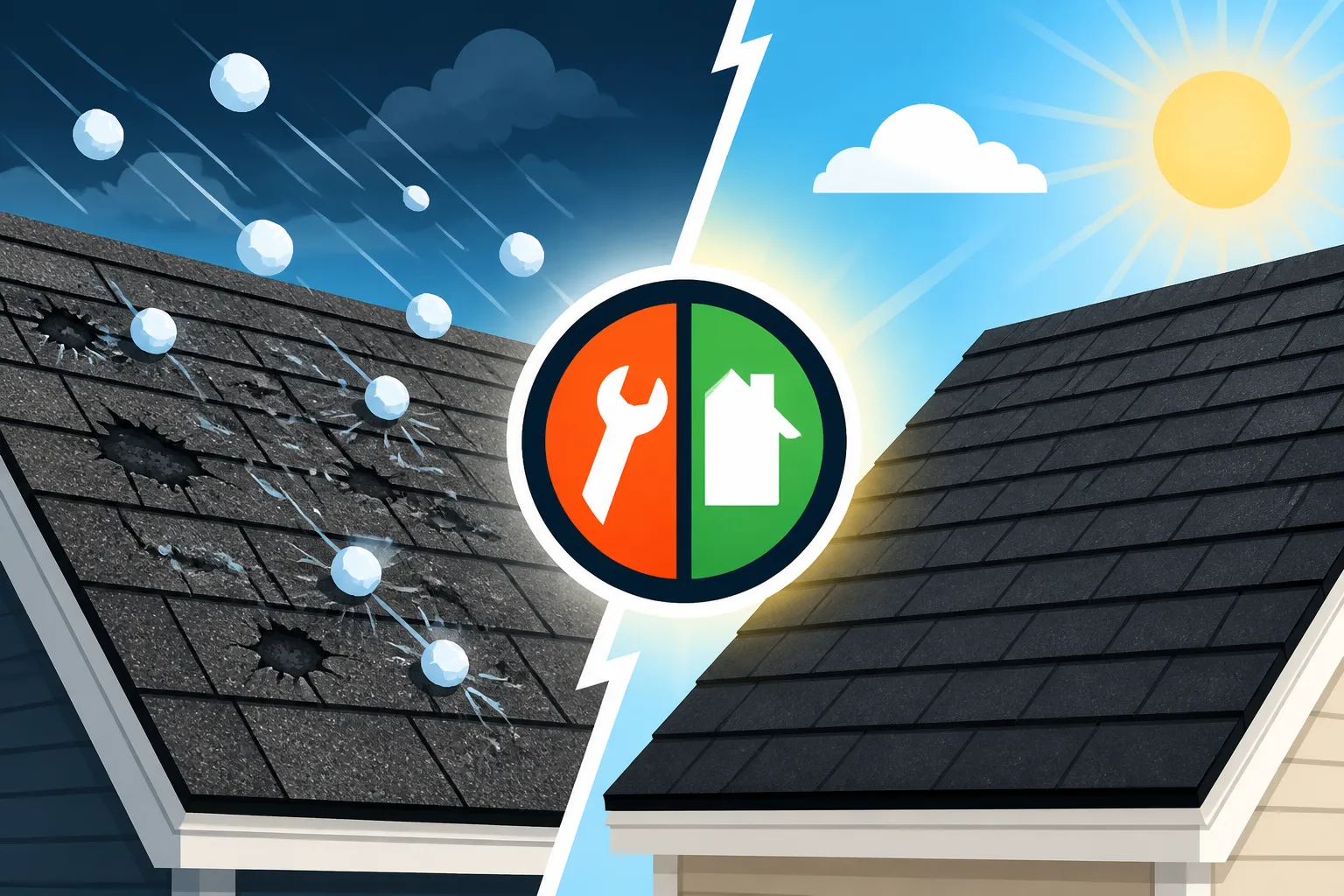
Firstly, you have what's often called "bruising" or "impact marks." These are circular indentations where the hailstone struck, displacing granules and sometimes compressing the shingle mat beneath. On architectural shingles, these might appear as dark spots where the protective stone coating has been knocked away. While they might not immediately puncture the shingle, these bruised areas are much weaker and more susceptible to further damage from the elements.
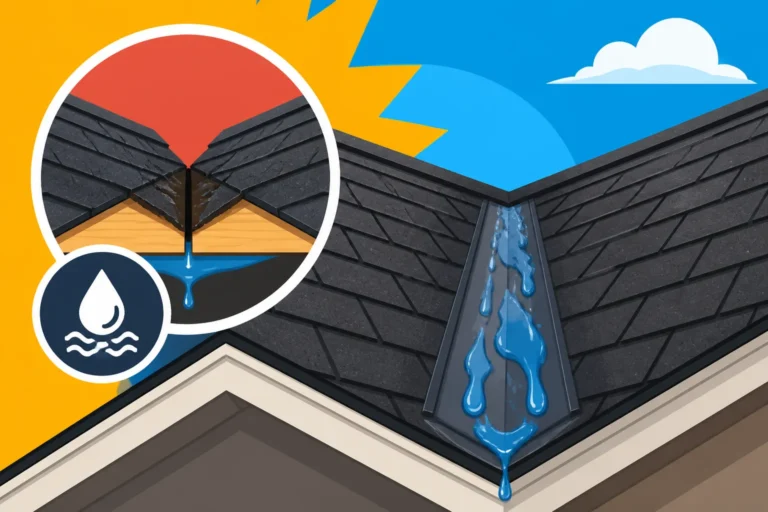
Secondly, you might see "cracking" or "fracturing." This is more severe, where the hailstone impact is strong enough to actually break through the shingle's fiberglass mat or cause cracks in the asphalt. These cracks are often star-shaped or linear, and they create direct pathways for water to seep through, potentially leading to leaks in your attic or ceilings. These types of cracks are a clear sign that your roof's waterproofing capabilities have been compromised, making them a high priority for attention.
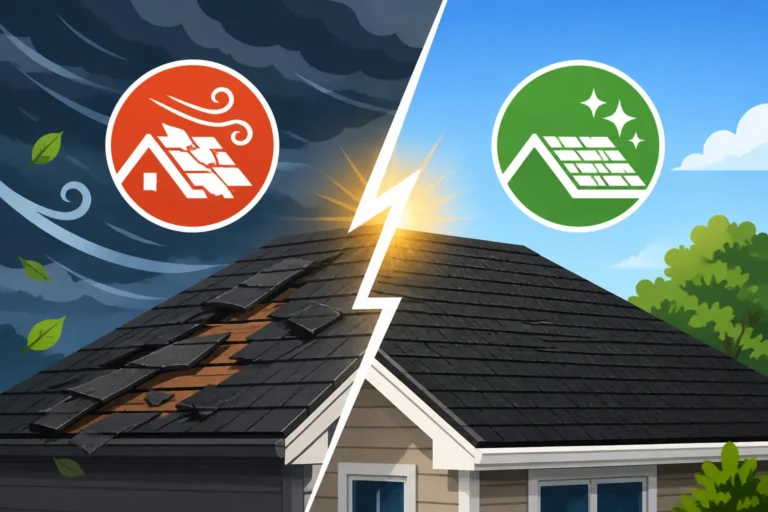
Lastly, and often less visibly, hail can cause "sealant strip damage." Asphalt shingles are designed to seal to one another using a thermal-activated sealant strip. Hail can dislodge or break these seals, especially along the edges of the shingles. When these seals are broken, your roof becomes far more susceptible to wind uplift, which can lead to missing shingles during the next strong gust. This is why a proper inspection after a storm is vital, as this type of damage might not be visible from the ground but can have serious consequences.
Assessing Your Roof After a Hailstorm: DIY vs. Professional Inspection
After a hailstorm, it's natural to want to quickly check your roof, but caution is paramount. While you can do an initial assessment from the ground, a professional inspection is almost always necessary to truly understand the extent of the damage. Getting this right can mean the difference between filing a successful insurance claim and missing critical issues.
What Homeowners Can Safely Look For
Safety first, always! Never climb on a wet or damaged roof yourself. From the ground, you can use binoculars to get a closer look. What you're primarily scanning for are visible signs of impact. Look for dark spots or areas where granules appear to be missing, often revealing the black asphalt beneath. Pay close attention to the sun-facing slopes, as these areas often show granule loss more clearly due to initial UV exposure and subsequent hail impact.
Also, check your gutters and downspouts for an accumulation of shingle granules. A significant amount of gritty, sand-like material in your gutters after a storm is a strong indicator of hail damage, as the impacts dislodge these protective particles. Don't forget to examine other exterior components like your gutters, siding, window screens, and even your air conditioning unit's fins for dents or dings. If these items show hail damage, it's a strong sign that your roof likely suffered damage too, even if it's not immediately apparent.
Why a Professional Assessment is Crucial
While your DIY check gives you a starting point, it's merely a preliminary step. A professional roofing contractor possesses the training, experience, and safety equipment to thoroughly inspect your roof, identifying damage that an untrained eye might miss. They know exactly what to look for, where hail damage typically occurs, and how to differentiate between hail damage and other issues like manufacturing defects or blistering. For instance, a certified roofer will meticulously check all slopes, flashing, and vents, areas often overlooked by homeowners.
Many reputable roofing companies offer free inspections after a storm. Companies like Modernize can connect you with qualified local contractors who understand the nuances of hail damage. These professionals will often take photos and provide a detailed report, which is invaluable when dealing with your insurance company. They can identify the subtle bruises on shingles that haven't yet caused a leak but will significantly shorten your roof's lifespan, which is a key factor in determining if you need a Roof Repair vs Replacement: How to Decide. Their expertise ensures that all damage is documented and properly attributed to the hailstorm, strengthening your insurance claim.
Repairing Hail Damage: When It's a Viable Option
Once you've had a professional assessment, the next big question is: can it be repaired, or does the whole roof need to go? Repairing hail damage can be a viable and cost-effective solution in certain situations, saving you the expense and disruption of a full replacement. However, it's crucial to understand the limitations and potential drawbacks of repairs.
Spot Repairs for Isolated Damage
If the hail damage is truly isolated and minimal, spot repairs can be an excellent option. This typically applies to situations where only a small section of the roof, perhaps a single slope or a few localized spots, has been affected, while the rest of the roof is in good condition and still has plenty of life left. For example, if a severe microburst of hail struck just one corner of your roof, causing Missing Shingles: Repair or Replace or significant granule loss in that specific area, a repair might be appropriate.
A skilled roofer can carefully remove the damaged shingles and install new ones, ensuring proper sealing and integration with the existing roof system. This often involves matching the new shingles to the old ones, which can be tricky depending on the age and availability of your current shingle type. The goal is to restore the watertight integrity of your roof without having to overhaul the entire structure. This approach is generally more cost-effective and much quicker than a full replacement, minimizing disruption to your daily life.
However, it's important to be realistic. If the "isolated" damage is actually spread across several areas or is severe enough to have compromised the underlying roof decking, then a spot repair might only be a temporary band-aid, leaving other vulnerable areas exposed to future problems. A good contractor will clearly explain whether a repair truly makes sense for the long-term health of your roof or if it’s merely delaying an inevitable larger project.
Matching Shingles and Maintaining Aesthetic
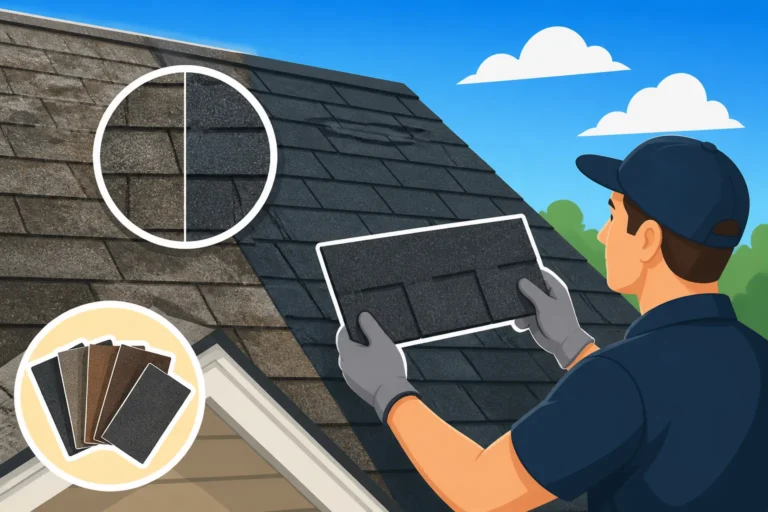
One of the biggest challenges with spot repairs for hail damage, particularly on asphalt roofs, is shingle matching. Asphalt shingles, especially architectural styles, can fade and weather over time. Even if you find the exact brand and model of your existing shingles, new ones will almost certainly look different due to their fresh color and lack of weathering. This can result in a noticeable patchwork appearance on your roof, which might detract from your home's curb appeal.
To mitigate this, some homeowners choose to replace an entire slope or face of the roof rather than just individual shingles, even if only parts of it are damaged. This can create a more uniform look, though it still might not perfectly match other slopes that weren't replaced. Your roofing contractor can often source discontinued shingle lines or find the closest possible match, but it's a compromise you'll need to consider. Reputable contractors will often advise you on the best approach to balance repair needs with aesthetic concerns, giving you realistic expectations about the final appearance.
Another aspect of maintaining aesthetics and structural integrity during repairs is ensuring proper installation techniques. New shingles need to be correctly nailed and sealed to prevent future leaks and ensure they withstand wind uplift. A certified contractor will adhere to manufacturer specifications and local building codes, preventing potential warranty issues down the line. It's not just about patching the hole, it's about seamlessly integrating the repair into the existing roof system.
Full Roof Replacement: When Hail Demands a Fresh Start
While repairs are suitable for minor, localized hail damage, there are many instances where a full roof replacement is not just advisable, but absolutely necessary. Ignoring widespread or severe hail damage can lead to much larger problems down the road, compromising your home's structural integrity and leading to expensive interior water damage.
Widespread Damage and Structural Integrity Concerns
If a hailstorm has caused widespread damage across multiple slopes of your roof, a full replacement is almost always the smarter, long-term solution. This is especially true if you're seeing extensive granule loss, numerous shingle bruises, or actual cracks and punctures in various locations. When the majority of your shingles have been compromised, even if they aren't actively leaking yet, their protective qualities are significantly reduced. They will degrade much faster, making your entire roof system vulnerable to the next severe weather event.
Beyond the visible shingle damage, severe hail can sometimes impact the underlying roof decking. While less common, extreme hail (often golf-ball sized or larger) can cause dents or fractures in the plywood or OSB sheathing, particularly if the roof deck was older or already weakened. A professional inspector will check for these issues, often from the attic, as compromised decking can affect the structural integrity of your roof and your home. In such cases, a complete tear-off and replacement of both shingles and damaged decking is essential. This is also why understanding the Roof Decking Replacement Cost is important in such scenarios.
Considering Age, Future Protection, and Warranties
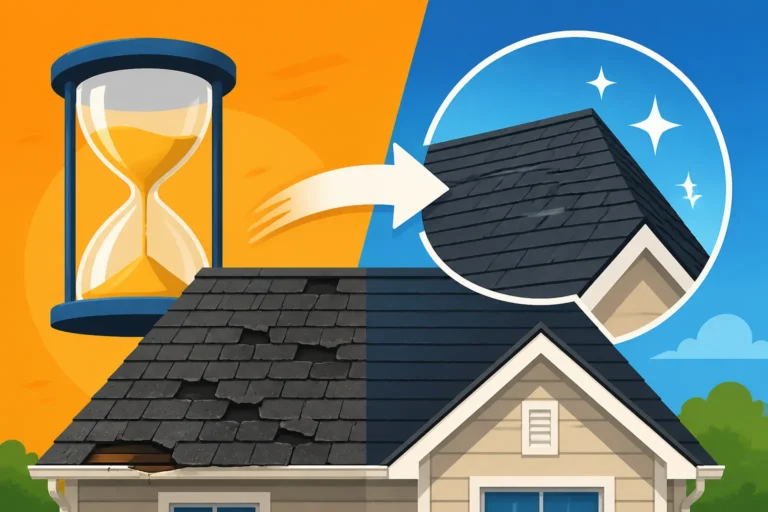
The age of your roof plays a significant role in deciding between repair and replacement. If your asphalt roof is already nearing the end of its typical lifespan (generally 15-20 years for 3-tab and 20-30 years for architectural shingles), even minor hail damage can be the tipping point. Investing in extensive repairs on an old roof that will likely need full replacement in a few years often doesn't make financial sense. It's often more prudent to put that money towards a brand new roof, especially if your insurance is covering a significant portion of the cost due to storm damage.
Furthermore, a full replacement offers an opportunity to upgrade your roof for better future protection. You might consider installing Impact-Resistant Shingle Cost shingles, also known as Class 4 shingles, which are specifically designed to withstand hail and high winds. These shingles, such as certain lines from manufacturers like GAF or Owens Corning, can often qualify you for discounts on your homeowners insurance premiums, especially in hail-prone regions. This forward-thinking investment can save you headaches and money in the long run.
Finally, a new roof comes with a fresh set of warranties – both a manufacturer's warranty on the materials and a contractor's warranty on the workmanship. Extensive repairs on an old roof might not extend the existing warranty or could even void certain aspects of it. A full replacement ensures you have comprehensive coverage for your investment, giving you peace of mind for decades to come. This is a crucial factor, as understanding Roofing Warranties: Manufacturer vs Workmanship can save you significant money and stress if issues arise.
Navigating Insurance Claims for Hail Damage
Dealing with insurance after hail damage can feel like a daunting task, but understanding the process and knowing how to advocate for yourself is key to a successful outcome. It's not uncommon for homeowners to feel overwhelmed, but with the right approach, you can navigate the system effectively.
Documenting Damage and Initiating Your Claim
The moment you suspect hail damage, your first step after ensuring safety should be documentation. Take plenty of photos and videos from the ground, capturing any visible damage to your roof, gutters, siding, and other property elements. Note the date and time of the hailstorm. This initial evidence will be crucial when you file your claim. It helps establish a timeline and provides a baseline for your insurance company.
Once you have your documentation, contact your insurance provider as soon as possible to initiate a claim. Many policies have a time limit for filing storm damage claims, so don't delay. Be prepared to provide the date of the storm, a description of the damage, and any photos you've taken. Your insurance company will then assign an adjuster to assess the damage. This is a critical point in the Roofing Insurance Claim Process Step by Step.
It’s often beneficial to have a professional roofing contractor, especially one experienced with insurance claims, present during the adjuster's inspection. A contractor can point out subtle damage that an adjuster might miss and ensure that all affected areas are thoroughly documented. Companies connected through platforms like Modernize often have experience working alongside insurance adjusters, helping to streamline the process.
Working with Adjusters and Contractors
Once your claim is filed, an insurance adjuster will visit your property to assess the damage. Their role is to determine the extent of the damage and what your policy will cover. It's important to understand that adjusters work for the insurance company, so while they are professional, their primary goal is to evaluate the claim according to policy terms. Having a knowledgeable roofing contractor, like those found through Modernize, on your side during this visit can be immensely helpful. They can advocate for you, ensuring that the adjuster sees all the damage and understands the full scope of necessary repairs or replacement.
Your contractor can also help provide a detailed estimate for the repairs or replacement, which you'll submit to your insurance company. This estimate should include all components, from the tear-off and disposal of old materials to the installation of new shingles, underlayment, flashing, and any necessary decking repairs. Make sure the estimate is comprehensive and includes line items for everything, leaving no room for "hidden costs."
If there's a discrepancy between your contractor's assessment and the adjuster's, don't be afraid to push for a re-evaluation or seek a second opinion. Sometimes, an insurance company might initially offer to cover repairs when a full replacement is truly warranted. Understanding Does Insurance Cover Roof Replacement fully will empower you to negotiate effectively. Remember, your goal is to restore your roof to its pre-loss condition, and that sometimes requires advocating strongly for a full replacement.
Preventing Future Hail Damage and Extending Roof Life
After enduring a hailstorm and potentially replacing or repairing your roof, the last thing you want is to go through it all again. Fortunately, there are proactive steps you can take to significantly reduce your roof's vulnerability to future hail events and extend its overall lifespan.
Upgrading to Impact-Resistant Shingles
One of the most effective ways to protect your roof from future hail damage is to upgrade to impact-resistant (IR) shingles. These specialized asphalt shingles, often designated as Class 4 by UL 2218 testing standards, are manufactured with a reinforced mat and often incorporate rubberized polymers to make them more pliable and resistant to cracking and fracturing upon impact. They're designed to absorb the force of hailstones much better than standard shingles.
Brands like GAF offer their Timberline Armorshield II, while Owens Corning has their Duration STORM shingles, and CertainTeed provides their Presidential Shake IR line, all of which are popular Class 4 options. Installing these shingles, especially in hail-prone states like Texas, Colorado, or Oklahoma, can be a smart investment. Not only do they offer superior protection, but many insurance companies provide premium discounts for homes with Class 4 roofs, recognizing the reduced risk of future claims. It's a win-win: better protection for your home and potential savings on your insurance.
When considering such an upgrade, discuss the various options with your roofing contractor. They can provide insights into the specific features, warranties, and costs associated with different Class 4 products, helping you choose the best fit for your climate and budget. This can be a key part of How to Extend the Life of an Asphalt Roof and save on long-term costs.
Regular Maintenance and Proactive Inspections
Even with impact-resistant shingles, no roof is entirely impervious to damage. Regular maintenance and proactive inspections are vital components of a long-term roof protection strategy. After any significant weather event, especially wind or hail, it's a good practice to perform a quick visual check from the ground for any obvious signs of distress, like Signs of Roof Wind Damage.
Beyond storm-specific checks, an annual professional roof inspection can catch small issues before they escalate into major problems. A qualified contractor can identify early signs of wear, loose shingles, compromised flashing, or granule loss that might indicate prior damage or aging. They can also clear debris, address minor repairs, and ensure your ventilation system is functioning correctly, all of which contribute to the overall health and longevity of your roof. This kind of proactive approach helps you address minor problems, like a small leak or loose shingle, promptly, avoiding more costly repairs or even a premature replacement down the line. It helps you keep track of How Many Years Left on Your Roof.
Regular gutter cleaning is another simple yet crucial maintenance task. Clogged gutters can lead to water pooling on your roof or overflowing, which can cause fascia damage and even accelerate shingle deterioration along the eaves. By staying on top of these routine tasks and scheduling professional check-ups, you're not just reacting to problems; you're actively safeguarding your investment and extending the life of your asphalt roofing system.
Hail Damage: Repair vs. Replace Considerations
Deciding whether to repair or replace your roof after hail damage can be a complex decision. This table summarizes the key factors to consider, helping you weigh your options effectively.
| Factor | Repair Recommended When… | Replacement Recommended When… |
|---|---|---|
| Extent of Damage | Isolated, minor granule loss or bruising in a small area. | Widespread granule loss, bruising, or cracks across multiple slopes. |
| Type of Damage | Superficial impact marks, no structural compromise. | Fractured shingles, compromised underlayment or decking, active leaks. |
| Roof Age | Roof is relatively new (under 10-15 years) and in good overall condition. | Roof is old (nearing or past 15-20 years) and showing general wear. |
| Insurance Coverage | Insurance covers spot repairs; deductible is higher than repair cost. | Insurance covers significant portion of full replacement; deductible is less than replacement cost. |
| Shingle Matching | Exact shingle match is readily available and aesthetic match is not a major concern. | Shingle match is impossible or significant aesthetic mismatch is unacceptable. |
| Long-Term Value | Repairs extend roof life significantly at a low cost. | Repairs are temporary fixes, and a new roof offers better long-term protection and value. |
| Future Protection | No immediate need for impact resistance upgrades. | Desire to upgrade to Class 4 impact-resistant shingles for enhanced protection. |
| Budget & Time | Budget is tight for a full replacement; need a quick fix. | Budget allows for full replacement; willing to invest for long-term peace of mind. |
Disclaimer
Please remember that the information provided in this article is intended for general guidance and informational purposes only. It is not a substitute for professional advice from a qualified roofing contractor or insurance expert. Always consult with local professionals for assessments specific to your home and region.