What Causes Blistering on a Roof
Discovering unsightly bumps or bubbles on your asphalt shingle roof can be incredibly frustrating and, let's be honest, a little alarming. These "blisters" aren't just an aesthetic issue; they often signal underlying problems that could compromise your roof's integrity. This comprehensive guide will walk you through exactly what causes blistering on a roof, how to identify it, and what steps you can take to protect your home.
Understanding What Roof Blistering Actually Is
When you first notice those strange bumps on your roof, it's easy to jump to conclusions, thinking the worst. But before panic sets in, let's get a clear picture of what roof blistering actually entails. It's a common issue with asphalt shingles, and while it's certainly a concern, understanding its nature is the first step toward addressing it effectively.
The Anatomy of a Blister
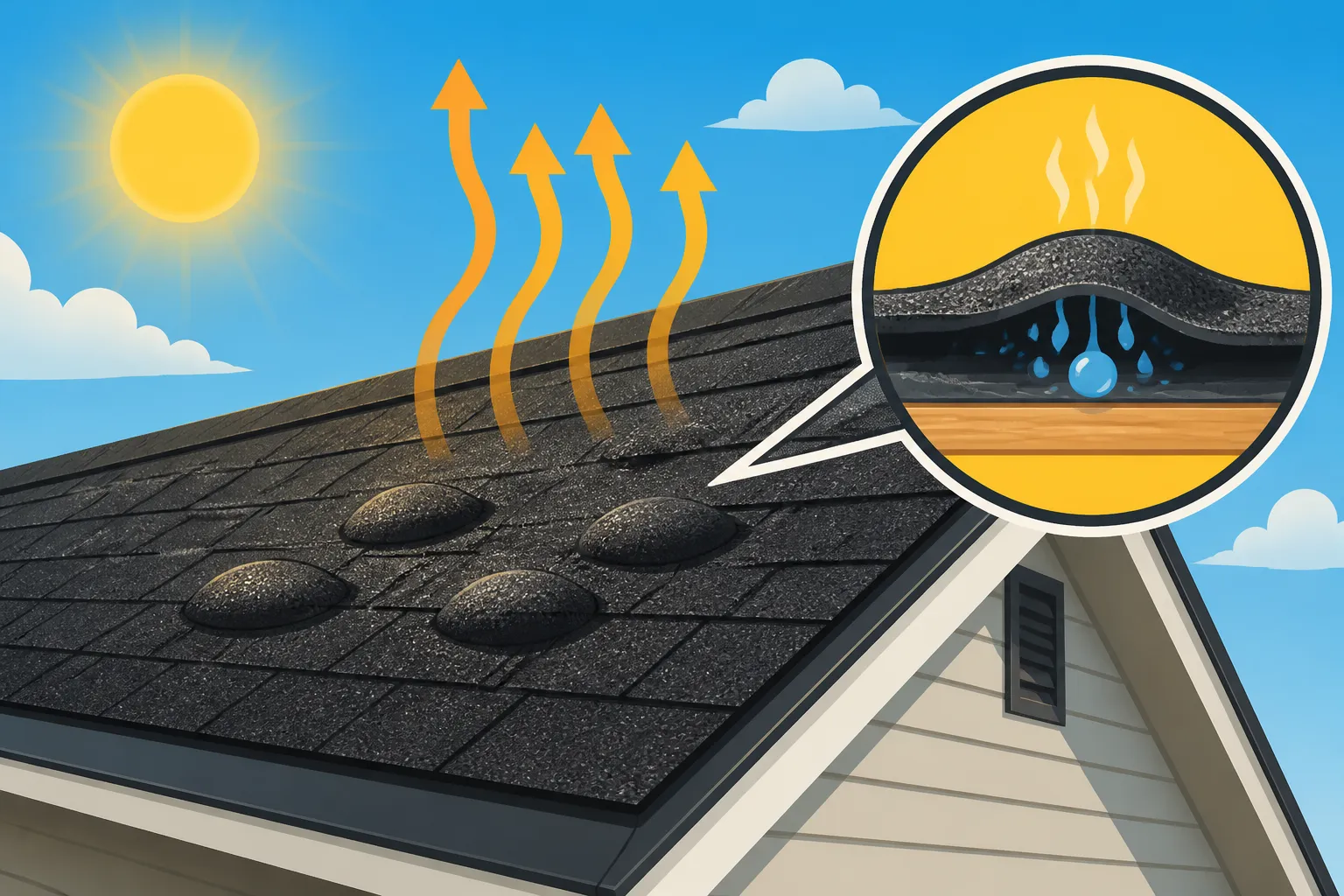
Imagine your asphalt shingle like a layered cake. You've got the fiberglass mat base, then layers of asphalt that hold everything together, and finally, the protective granules on top. A blister forms when a small pocket of air or moisture gets trapped within or beneath one of these asphalt layers during manufacturing or installation. When the sun heats the roof, this trapped pocket expands. Think of it like a tiny balloon inflating under the surface of the shingle. This expansion pushes the top layer of the shingle upwards, creating a visible bubble or bump.
These blisters can range dramatically in size, from tiny pinhead-sized bumps that are barely noticeable to larger, quarter-sized or even golf-ball-sized bubbles. Initially, they might seem harmless, just a slight deformation. However, over time, constant expansion and contraction due to temperature changes, combined with exposure to UV rays, can cause the asphalt covering the blister to become brittle and eventually crack or break open. When this happens, you lose the protective granules, exposing the underlying asphalt to direct sunlight and elements, which accelerates deterioration.
Why Blisters Form
The fundamental reason blisters form is the expansion of trapped gases or moisture. This expansion is most pronounced on hot, sunny days when the roof absorbs a significant amount of solar radiation. The heat causes the air or moisture within those small pockets to turn into a vapor, creating pressure that pushes outwards. It's a continuous cycle: cool nights cause them to contract, hot days cause them to expand. This constant stress wears down the shingle.
What’s crucial to understand is that not all blisters are created equal, and their root causes can differ. Some might be surface-level imperfections that manifest early in the roof's life, while others develop later due to environmental factors. The underlying cause often dictates the severity of the blistering and the best course of action. It's not always a sign of a completely failed roof, but it's certainly a warning sign that something isn't quite right. Early identification can prevent minor issues from becoming major, costly repairs down the line.
The Primary Culprits Behind Roof Blistering
Now that we know what a blister looks like, let's dive into the common reasons these unwelcome bumps appear on your roof. It's rarely one single factor, but rather a combination of issues ranging from the materials themselves to how they were put on your home.
Trapped Moisture and Humidity
One of the most significant contributors to roof blistering is trapped moisture. This isn't just about a leaky roof, though that can certainly exacerbate things. We're talking about moisture that gets locked into the roofing system itself. This can happen in a few ways. For instance, if shingles are installed on a damp day, or if the roof deck itself has residual moisture from a previous issue or even just high humidity, that moisture can become trapped beneath the shingles. When the sun beats down, that trapped water heats up and converts into vapor. This vapor, having nowhere to go, exerts pressure, causing the shingle layers to delaminate and form a blister.
It’s particularly common in regions with high humidity, like coastal areas or states like Florida, where the air itself is often heavy with moisture. Even if your roof was installed on a seemingly dry day, prolonged exposure to high ambient humidity during the curing process of the asphalt can lead to these tiny moisture pockets forming. Over time, these small imperfections grow into noticeable blisters, weakening the shingle structure.
Inadequate Ventilation
Your attic and roof system need to breathe, much like your home needs proper airflow. If your attic isn't adequately ventilated, it can become a super-heated chamber, especially during summer months. Temperatures inside a poorly vented attic can easily soar to 150 degrees Fahrenheit or more. This extreme heat doesn't just radiate back into your living space, making your air conditioner work overtime; it also bakes your roof from below. The constant, intense heat from the attic, combined with direct solar radiation on the exterior, puts immense stress on your shingles.
This sustained high temperature directly accelerates the formation and expansion of any existing moisture or air pockets within the shingles. Without proper airflow, that heat has nowhere to escape, turning your shingles into a pressure cooker. Good ventilation, often achieved through a combination of soffit and ridge vents, helps create a continuous flow of air that keeps the attic cooler and reduces the thermal stress on your roof. If you're wondering how a roof works, the importance of proper ventilation becomes very clear. Many homeowners overlook this critical component, only realizing its significance when problems like blistering or premature shingle aging begin to appear.
Manufacturing Defects or Low-Quality Shingles
Sometimes, the problem isn't with the installation or your home's ventilation, but with the shingles themselves. Manufacturing defects, though less common with reputable brands, can occur. This might involve inconsistencies in the asphalt mixture, tiny air pockets introduced during the production process, or inadequate bonding between the shingle layers. These imperfections might not be visible initially but can manifest as blisters once the shingles are exposed to the elements and thermal cycling.
Additionally, opting for very low-quality or budget shingles might save you money upfront, but they often lack the robust construction and quality control of premium products. These lesser-quality shingles might use cheaper asphalt blends or have thinner fiberglass mats, making them more susceptible to blistering and other forms of premature deterioration. While brands like GAF, Owens Corning, and CertainTeed generally adhere to high manufacturing standards, even their basic lines can sometimes experience issues if not properly handled or installed. It's a classic case of "you get what you pay for" when it comes to roofing materials.
Installation Errors
Even the highest quality shingles can fail prematurely if they're not installed correctly. Roofing is a skilled trade, and shortcuts or mistakes by an inexperienced contractor can lead directly to blistering. Common installation errors that contribute to blistering include:
- Improper Storage: If shingles are left exposed to moisture or extreme temperatures before installation, they can absorb humidity or undergo initial thermal stress, creating preconditions for blistering.
- Installation on a Wet Deck: Installing new shingles over a roof deck that is wet from rain, dew, or even high humidity can trap moisture, leading to the issues described earlier.
- Over-Nailing or Under-Nailing: While more commonly associated with shingle blow-offs, improper nailing can create subtle stress points or allow moisture to penetrate where it shouldn't, contributing to blistering in some cases.
- Insufficient Curing Time: After installation, shingles need time to "set" and properly seal. If the roof experiences extreme heat or other stressors too soon after being laid, before the sealant strips have fully activated, it can make them more vulnerable.
- Poor Workmanship: Just general sloppiness, like not ensuring shingles lie completely flat or creating unintended air gaps, can lead to areas where heat and moisture become trapped. This is why choosing a reputable roofing contractor is absolutely critical.
Recognizing Blistering and Its Potential Impact
Spotting blisters early can save you a lot of headaches and money. But sometimes, what looks like a blister could be something else entirely. Knowing what to look for and understanding the implications is key.
Visual Cues and How to Spot Them
Identifying roof blistering often requires a keen eye, and ideally, a professional inspection. However, as a homeowner, you can certainly do some preliminary checks from the ground or with binoculars. Look for small, raised bumps or bubbles on the surface of your shingles. They can appear randomly across the roof, or sometimes concentrate in areas that receive intense, direct sunlight.
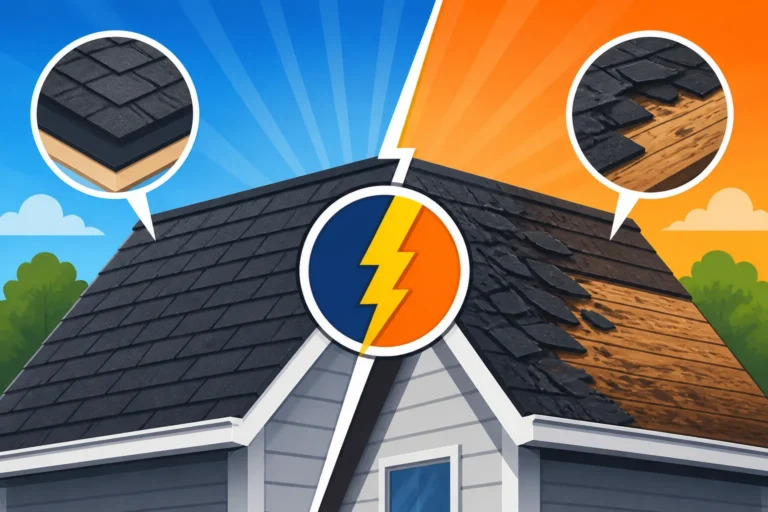
Initially, these bumps will likely retain their granular surface, making them blend in. But as they age and expand, the granules on the very top of the blister will often wear away or pop off, exposing the black asphalt underneath. This exposed asphalt often looks shiny and smooth. You might even see a tiny crack or hole right in the center of the blister where it has ruptured. These ruptured blisters are the most concerning because they've lost their protective layer and are directly exposed to UV radiation, rain, and hail. Keep an eye out for these in particular; they are clear indicators that your roof's protective layer is compromised.
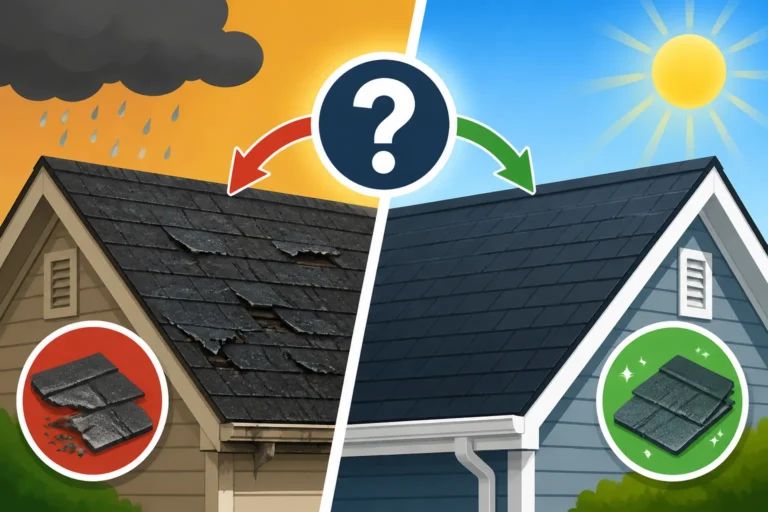
Distinguishing Blisters from Granule Loss or Hail Damage
It's easy to confuse blisters with other common roof issues. However, there are distinct differences to help you identify what you're dealing with.
- Granule Loss: While blisters can lead to granule loss, general granule loss often appears as patches where the tiny mineral bits have worn off or washed away, exposing the black asphalt. These patches tend to be flatter, not raised bumps. Granule loss is a natural part of a shingle's aging process, but excessive loss, especially on a newer roof, can indicate manufacturing defects, installation issues, or extreme weather exposure. You might see the granules accumulating in your gutters.
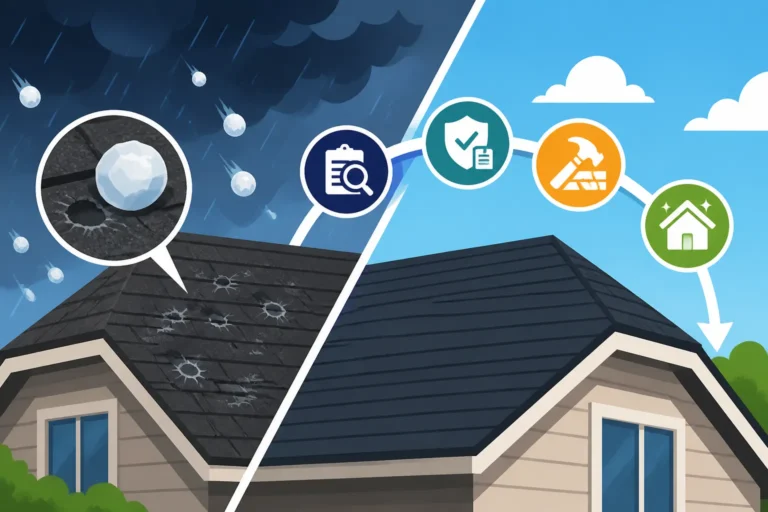
- Hail Damage: Hail damage typically presents as random, circular depressions or "bruises" on the shingle surface. These impacts often knock off granules in a distinct circular pattern and can sometimes fracture the shingle's fiberglass mat. Unlike blisters, hail damage usually doesn't involve a raised bump unless the impact caused an upward deformation from the underlying material. If you've recently had a severe hailstorm, you'll want to get a professional roof damage assessment.
Here's a quick comparison:
| Feature | Blistering | Granule Loss (General) | Hail Damage |
|---|---|---|---|
| Appearance | Raised, rounded bumps or bubbles | Flat, worn areas where granules are missing | Circular indentations, often with granule loss |
| Feel (if safe) | Firm but pliable if unruptured, brittle if ruptured | Rough, sandy texture around bald spots | Depressions, sometimes soft to the touch |
| Cause | Trapped moisture/air, heat, manufacturing | Aging, UV exposure, foot traffic, low quality | Impact from hailstones |
| Progression | Can rupture, exposing asphalt | Exposes asphalt, accelerates aging | Can weaken shingle, lead to leaks over time |
Long-Term Consequences if Left Unaddressed
Ignoring roof blistering is like ignoring a small cavity in your tooth – it's only going to get worse and more painful (and expensive!) in the long run. The immediate concern with ruptured blisters is that they expose the underlying asphalt to the sun's harsh UV rays. UV radiation is the enemy of asphalt, causing it to dry out, become brittle, and crack much faster than protected areas. This accelerates the aging process of your shingles significantly.
Beyond UV damage, open blisters also create direct pathways for water penetration. Even a small opening can allow rain or melting snow to seep into the shingle mat, leading to further delamination, rot in the roof deck, and eventually, leaks into your attic and home. Moisture intrusion can lead to mold growth, damage to insulation, and compromised structural integrity. Over time, an entire section of the roof with widespread blistering can become brittle and severely weakened, making it more susceptible to wind damage or even requiring a full roof replacement sooner than expected. This is why understanding How Long an Asphalt Roof Lasts is important, as blistering can significantly shorten that lifespan.
Steps to Address and Prevent Roof Blistering
Finding blisters on your roof might feel daunting, but thankfully, there are clear steps you can take to address the issue and prevent it from recurring. Proactive measures are always best when it comes to your roof.
Professional Inspection and Diagnosis
The very first step when you suspect blistering (or any significant roof issue) is to call in a qualified professional. A thorough roof inspection by an experienced contractor is invaluable. They have the expertise to safely get on your roof, differentiate between blistering, hail damage, granule loss, and other issues, and accurately diagnose the root cause. They can assess the extent of the blistering – is it localized to one area or widespread across the entire roof? Is it severe enough to have caused actual damage or leaks?
A good contractor will also examine your attic ventilation, look for signs of moisture intrusion, and evaluate the overall condition of your roofing system. They can determine if the blistering is a minor cosmetic issue, a sign of premature shingle failure, or an indicator of a larger problem like inadequate attic airflow. For instance, if you live in an area like Dallas, Texas, where intense sun and summer humidity are common, a local roofing expert will be familiar with how these conditions affect roofs and what solutions are most effective. If you don't know where to start, platforms like Modernize can help connect you with vetted local professionals who can provide a detailed assessment.
Improving Attic Ventilation
If inadequate attic ventilation is identified as a contributing factor, addressing this is paramount. Proper roof ventilation helps to equalize the temperature and humidity between your attic and the outdoors, preventing heat and moisture from building up and cooking your shingles from below. This is one of the most effective ways to reduce thermal stress on your roof and prevent new blisters from forming.
Common solutions include installing or upgrading:
- Soffit Vents: These are located under the eaves and allow cooler, fresh air into the attic.
- Ridge Vents: These run along the peak of your roof and allow hot, stale air to escape.
- Gable Vents: Located on the gable ends of your house, these offer another exit point for hot air, though they work best in conjunction with other vent types.
- Powered or Solar Attic Fans: These actively pull hot air out of the attic.
An expert can evaluate your specific roof design and attic space to recommend the most effective and code-compliant ventilation system. Understanding How Roof Ventilation Works is key to a healthy, long-lasting roof.
Repair vs. Replacement Decisions
Once the cause and severity of the blistering are known, you'll face the decision of whether to repair or replace your roof. This isn't always a straightforward choice, and it often comes down to the extent of the damage, the age of your roof, and your budget.
- Minor, Localized Blistering: If the blistering is confined to a small, isolated area and the shingles haven't ruptured, a repair might be feasible. Individual damaged shingles can often be carefully removed and replaced with new ones. However, matching new shingles to aged ones can be challenging, both in color and texture.
- Widespread or Ruptured Blistering: If blistering is extensive across a large portion of the roof, or if many blisters have already ruptured and exposed the shingle mat, a full roof replacement might be the more economical and long-term solution. Trying to patch countless individual shingles would be impractical and potentially lead to more problems.
- Older Roofs: If your asphalt roof is already nearing the end of its typical lifespan (usually 20-30 years for architectural shingles), extensive blistering could be the final straw, making replacement the most sensible option. Considering a full asphalt roof replacement cost breakdown can help you budget correctly.
It's a tough call, and a reputable contractor will provide you with a detailed assessment and honest recommendations, outlining the pros and cons of each option. This aligns with the advice in Roof Repair vs Replacement: How to Decide.
Choosing Quality Materials and Installers
One of the best preventative measures against blistering, and many other roofing problems, starts before a single shingle is laid. Investing in high-quality roofing materials from reputable manufacturers can make a significant difference. Brands like GAF, Owens Corning, and CertainTeed offer various shingle lines, from architectural to designer, that are engineered for durability, weather resistance, and longevity. These shingles typically have stricter manufacturing controls, better asphalt compounds, and stronger fiberglass mats, reducing the likelihood of defects that lead to blistering.
Equally important is selecting a qualified, experienced, and trustworthy roofing contractor. Look for contractors who are licensed and insured, have a strong local reputation, and are certified by shingle manufacturers (e.g., GAF Master Elite or Owens Corning Platinum Preferred). These certifications often mean they adhere to the highest installation standards and can offer enhanced warranties. Don't be afraid to ask Questions to Ask a Roofing Contractor Before Hiring. A great installer will ensure proper attic ventilation, install shingles according to manufacturer specifications (including proper nailing and sealing), and take care to protect materials from moisture during the installation process. Doing your homework here can prevent years of headaches and costly repairs down the road, ensuring your investment in a new roof stands the test of time.
Disclaimer
Please remember that the information provided in this guide is intended for general informational purposes only. While we strive to offer accurate and helpful insights, roofing is a complex field. The specific conditions and regulations vary greatly by location and individual circumstances. We are not licensed roofing contractors, and this content should not be considered a substitute for professional advice. Always consult with a qualified and licensed roofing professional for specific diagnostics, recommendations, and services related to your home's roof. They can provide tailored advice based on a thorough on-site inspection.