What Causes Nail Pops on a Roof
It’s incredibly frustrating to spot those tiny bumps or visible nails peeking through your perfectly laid asphalt shingles. You look up at your roof, expecting it to be a solid, protective shield, and instead, you see these small imperfections, often called nail pops. This guide dives deep into why these unwelcome visitors appear, what they mean for your roof's integrity, and how you can prevent or address them effectively, saving you stress and potential headaches down the line.
Understanding What Causes Nail Pops
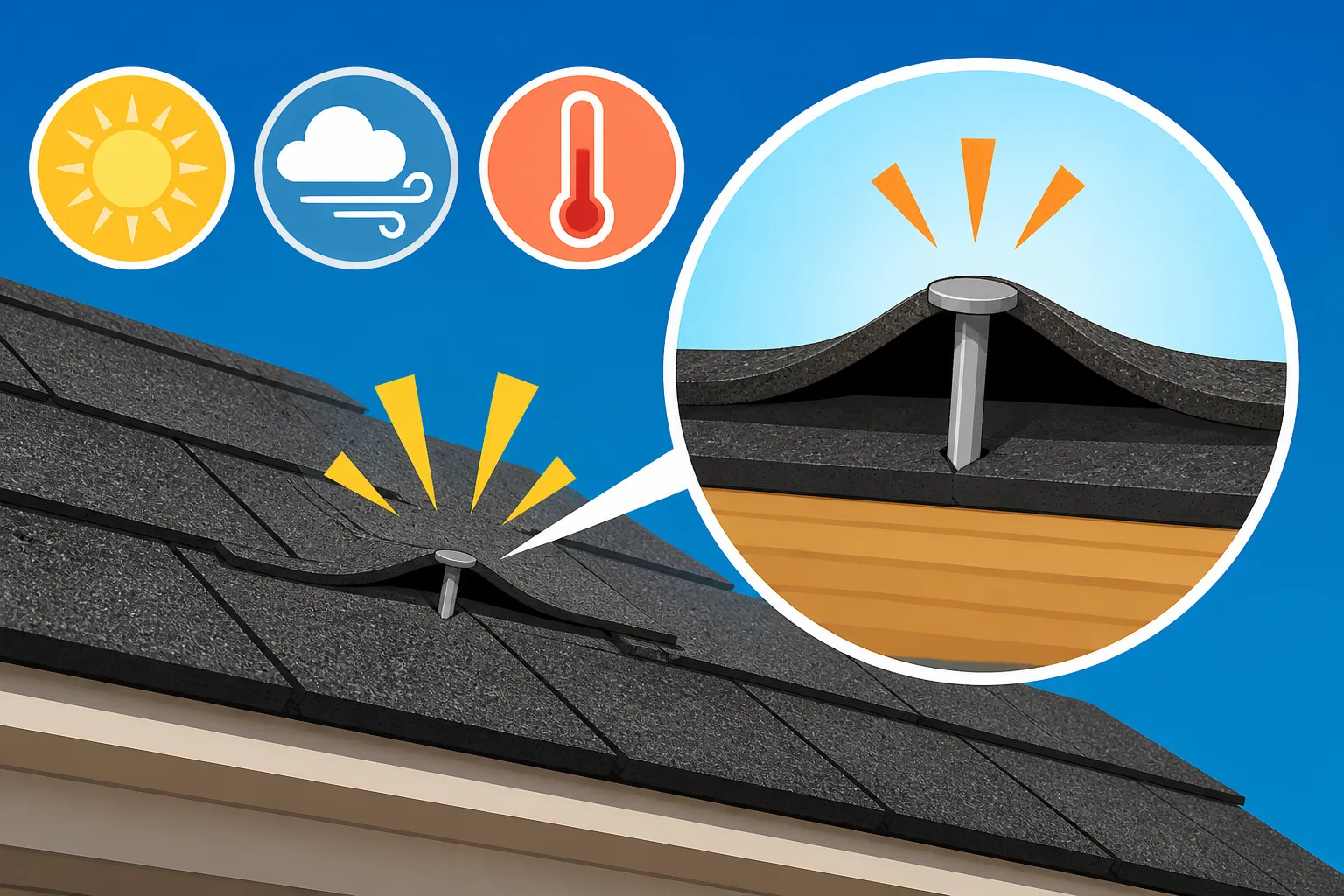
Nail pops, at their core, are exactly what they sound like: roofing nails that have pushed up through the asphalt shingles, becoming visible or creating a small bump. While they might seem like a minor cosmetic flaw at first glance, they're often a symptom of underlying issues that can compromise your roof's protective capabilities. Ignoring them can lead to bigger, more costly problems, so understanding their origin is key.
Visual Signs of Nail Pops
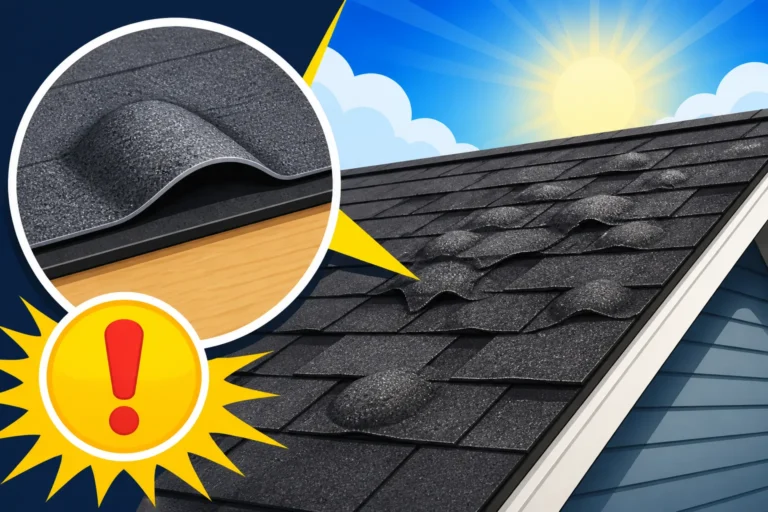
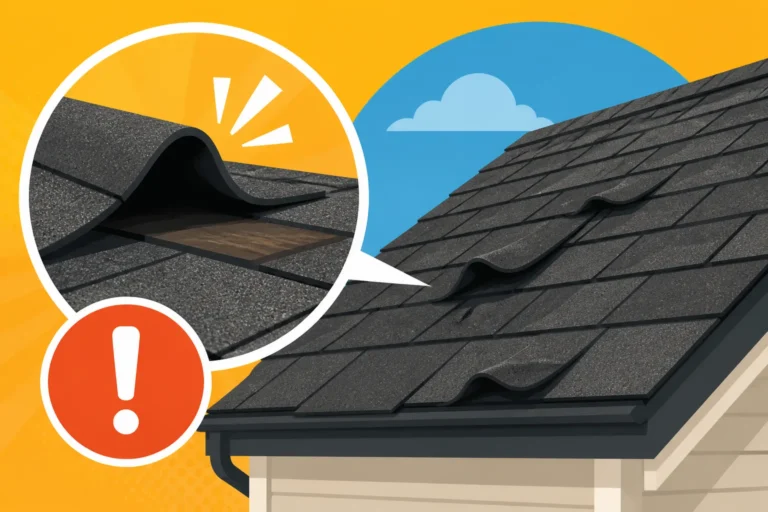
When you're inspecting your roof, either from the ground with binoculars or, more safely, during a professional inspection, nail pops aren't always glaringly obvious. They can manifest in a few ways. Sometimes, you'll see the distinct round head of a nail sticking slightly up from the shingle surface. Other times, the nail might not have fully emerged but has pushed the shingle up, creating a small, raised mound. This subtle bump, or even a small tear around where a nail should be holding tight, is your visual cue. You might even notice discolored streaks running down from these spots, indicating potential water runoff where it shouldn't be. These are often easier to spot after a good rain, as moisture can highlight areas where shingles are lifting slightly.
The Underlying Issue
The main concern with a nail pop isn't just the visible nail itself, but what it signals about the shingle's attachment. A properly installed shingle should be firmly secured by nails driven flush with the surface, then sealed by the heat of the sun and the overlaying shingle's adhesive strip. When a nail pops, it means that seal is broken, and the shingle is no longer adequately fastened. This leaves a small, open pathway directly into your roof's underlayment and decking, making it vulnerable to moisture. What starts as a tiny breach can quickly expand with wind, rain, and temperature fluctuations, turning into a full-blown leak that can cause significant damage to your attic and home interior.
Primary Factors Leading to Nail Pops
Nail pops don't just happen randomly; they're usually a direct consequence of specific installation errors, material behaviors, or environmental pressures. It’s a bit like a mystery, where each pop is a clue pointing to one or more culprits. Pinpointing the cause is essential for both effective repair and preventing recurrence.
Improper Nailing Techniques
This is arguably the most common and preventable cause of nail pops. When roofers install asphalt shingles, there's a very specific science to how and where nails are placed. For instance, nails need to be driven straight, not angled, and they should be flush with the shingle surface, not overdriven (breaking the shingle) or underdriven (leaving the nail head exposed).
Imagine a scenario: a busy roofing crew on a tight schedule, perhaps a newer installer learning the ropes, or even just fatigue setting in during a long day. A nail gun might be set to too high a pressure, causing nails to be overdriven and cut through the shingle. This weakens the shingle's grip on the nail, making it easier for the nail to back out over time. Conversely, if the nails are underdriven, their heads sit proud of the shingle, preventing the next course of shingles from lying flat and properly sealing. These exposed nail heads are then susceptible to UV degradation and are more likely to push up further or even allow water to wick in around them. Proper nailing is a critical part of how shingles are nailed and sealed, directly impacting the roof's longevity.
Wood Sheathing Movement and Expansion
Your roof isn't just shingles; underneath it all is the roof decking, typically made of plywood or OSB (oriented strand board). This wood sheathing is constantly reacting to changes in temperature and humidity, expanding when it's warm and humid, and contracting when it's cold and dry. This natural movement, though slight, can put incredible stress on the nails holding your shingles in place.
Consider a hot, humid summer day in, say, Houston, Texas. The wood decking absorbs moisture and expands. Then, a cold front rolls through, and the wood contracts. Over years of this cyclical expansion and contraction, especially if the original nails weren't long enough or had insufficient grip, the nails can gradually work their way out. It’s like a slow, insistent push from beneath. Even a small amount of deck movement can be enough to dislodge a nail from its snug position, leading to a visible pop. This issue can be exacerbated if the roof decking wasn't installed correctly or if there are existing moisture issues in the attic that cause excessive wood movement.
Environmental Factors and Extreme Weather
Beyond the subtle daily dance of wood sheathing, your roof is a frontline defender against whatever Mother Nature throws its way. High winds, heavy snow loads, and even intense thermal cycling (rapid shifts from hot to cold) can contribute significantly to nail pops.
Think about a strong gust of wind, common during a severe thunderstorm. That wind can lift the edges of shingles, even just a tiny bit, creating an upward force. If the underlying nails are already loose or improperly driven, this repetitive lifting and settling can literally pull the nail upwards. In areas prone to high winds, like the coastal regions of Florida or the plains of Oklahoma, this force is a constant challenge. Similarly, heavy snow or ice dams can exert downward pressure and then, as they melt and refreeze, create suction or lifting forces that stress the nail connection. These environmental stressors compound any existing vulnerabilities from poor installation or wood movement, accelerating the appearance of nail pops.
Poor Quality Materials or Age
Sometimes, the issue isn't just how the nails were put in, but the nails themselves, or the aging process of the roof. Lower quality roofing nails might have smaller heads, less robust shanks, or coatings that don't resist rust as effectively. If the nail's head doesn't have sufficient surface area to grip the shingle, or if the nail itself corrodes over time, its ability to hold the shingle firmly is compromised.
Furthermore, even with perfect installation and high-quality materials, roofs simply age. The asphalt shingles become brittle, the sealants degrade, and the constant exposure to UV rays and weather takes its toll. As shingles lose their flexibility, they become less able to flex around a slightly shifting nail. This can cause the shingle material itself to crack or tear around the nail head, making the nail more prominent. For older roofs, especially those nearing the end of their lifespan—perhaps a 20-year-old asphalt roof that's seen many harsh seasons—nail pops can be a common sign that the entire roofing system is deteriorating. While the initial cost of roof decking replacement might seem high, ensuring proper materials are used from the start helps prevent these issues.
Preventing and Addressing Nail Pops
Finding nail pops on your roof can be disheartening, but understanding the steps to prevent them and how to address them quickly is empowering. Early intervention can save you a lot of hassle and expense.
Professional Installation Best Practices
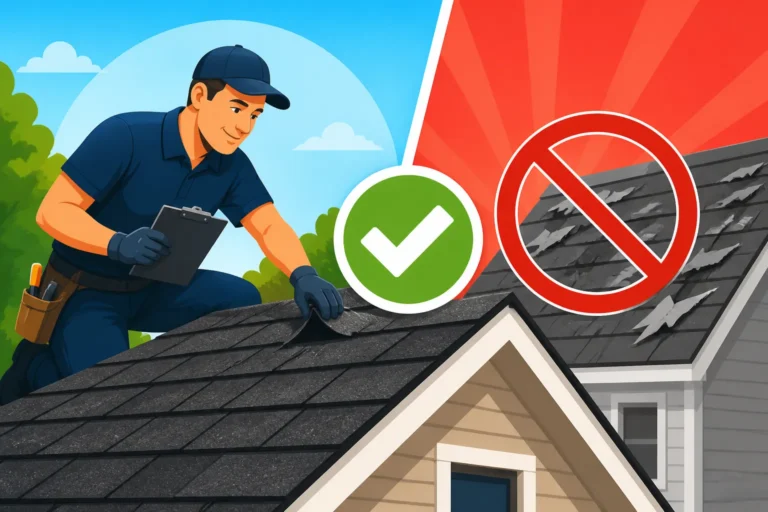
The absolute best way to prevent nail pops is to ensure your roof is installed correctly from day one. This means hiring a reputable and experienced roofing contractor who understands and adheres to industry best practices and local building codes. A skilled roofer will use the right type and length of roofing nails, ensure they are driven to the correct depth (flush, not over or underdriven), and apply proper nailing patterns.
They'll also pay attention to the condition of your roof decking, ensuring it's solid and free of excessive moisture before any new shingles go on. Platforms like Modernize can be a great resource for finding qualified professionals in your area who are known for their quality workmanship. A contractor who prioritizes quality will often be certified by manufacturers like GAF or Owens Corning, which typically means they follow strict installation guidelines that help prevent issues like nail pops, and can even offer enhanced warranties. When you're gathering estimates, don't be shy about asking your prospective contractors about their nailing practices and what steps they take to prevent future nail pops. This due diligence is crucial for a long-lasting roof.
Repairing Minor Nail Pops
For a few isolated nail pops on an otherwise healthy roof, a DIY repair might be feasible, but always prioritize safety. Working on a roof can be dangerous, so if you're uncomfortable or unsure, call a professional. If you decide to tackle it, here’s a general approach:
- Careful Lifting: Gently lift the shingle covering the nail pop. Be cautious, as older shingles can be brittle. You might need a pry bar or a stiff putty knife.
- Remove and Re-secure: Carefully remove the popped nail. If the wood underneath is soft or damaged, you might need to use a slightly longer nail or move the new nail a half-inch to the side to find solid decking. Drive a new roofing nail straight and flush, ensuring it doesn't over-penetrate the shingle or leave the head exposed.
- Seal It Up: Apply a small bead of high-quality roofing sealant (like asphalt plastic cement) under the shingle, around the new nail head, and along the shingle's adhesive strip if it's been compromised. This helps re-bond the shingle and prevent water infiltration.
- Press Down: Firmly press the shingle back into place. You might need to place a heavy object on it for a while to help the sealant cure and the shingle re-adhere, especially on a cooler day.
It's tempting to try and fix many small issues yourself, but remember that a widespread occurrence of nail pops is often a sign of a larger, systemic problem that goes beyond a simple patch.
When to Call in the Experts
While a single nail pop might be a DIY fix, widespread or recurring nail pops are a clear signal to call in a professional. If you notice nail pops appearing across multiple areas of your roof, or if they continue to re-emerge after being "fixed," it suggests deeper issues that need expert assessment. This could be anything from significant roof decking problems that may require a Roof Decking Replacement Cost estimate, to improper installation of the entire shingle system, or even structural issues within your attic or framing that are causing excessive movement.
A professional roofer can conduct a thorough inspection, often identifying the root cause that isn't apparent to the untrained eye. They can assess the overall condition of your shingles, underlayment, and decking, providing you with a comprehensive solution rather than just patching symptoms. This might involve replacing sections of compromised decking or recommending a full roof replacement if the issues are too extensive and the roof is nearing its How Long Does an Asphalt Roof Last anyway. Don't let the fear of cost deter you; getting a professional opinion ensures the problem is solved correctly, preventing more expensive damage down the line. Platforms like Modernize can help you connect with local, vetted roofing pros who can provide an honest assessment.
Long-Term Implications of Ignoring Nail Pops
It's easy to dismiss a few small nail pops as minor flaws, especially if they're not immediately causing a leak. However, ignoring them can lead to a cascade of problems that significantly shorten your roof's lifespan and can be far more expensive to fix in the long run. Think of them as tiny cracks in a dam; left unaddressed, they can lead to a breach.
Water Intrusion and Decking Rot
The most immediate and severe consequence of unaddressed nail pops is water intrusion. Even the smallest opening around a popped nail head provides a direct channel for rainwater to seep through your shingles, past the underlayment, and into your roof decking. This isn't just a hypothetical scenario; many homeowners discover nail pop problems when they find Signs of Water Damage in the Attic.
Once water reaches the wooden decking, it starts a destructive process. The wood absorbs the moisture, leading to softening, warping, and eventually, rot. Rotted decking loses its structural integrity, making it less capable of supporting the weight of your roof and resisting wind uplift. If the problem is left too long, the rot can spread, affecting rafters and other structural components of your home. This can be particularly nasty if it goes unnoticed for extended periods, leading to mold growth in your attic and even damaged ceilings inside your living space. Repairing rotted roof decking can be a significant undertaking, involving not just new shingles but extensive carpentry work.
Reduced Roof Lifespan and Warranty Issues
Every nail pop compromises the integrity of your asphalt roofing system. Each popped nail means a shingle is less securely fastened, making it more vulnerable to being lifted or torn away by wind. This accelerates the overall wear and tear on your roof, significantly reducing its expected lifespan. What might have been a 25-year roof could prematurely fail in 15 or 20 years, necessitating a full roof replacement much sooner than anticipated. This impacts your home's value and creates an unexpected financial burden.
Furthermore, ignoring nail pops can void your roofing warranty. Both manufacturer and workmanship warranties typically require proper installation and maintenance. If a professional inspection reveals widespread nail pops due to poor installation or lack of maintenance, your warranty claim for a larger issue (like a leak) could be denied. Understanding your Roofing Warranty: Workmanship vs Manufacturer is vital, as is knowing that minor neglect can invalidate significant protections. A roofing company that participates in programs with manufacturers like CertainTeed often provides comprehensive warranty coverage, but this coverage relies on the homeowner addressing issues like nail pops promptly. Don't let a small oversight cost you the protection you paid for.
| Cause of Nail Pops | Common Contributing Factors | Potential Severity | Repair Approach |
|---|---|---|---|
| Improper Nailing | Overdriven, underdriven, angled, or too few nails. | High – leads to widespread pops & shingle failure. | Professional assessment, nail removal/re-securing, potentially full re-roofing if widespread. |
| Decking Movement | Seasonal expansion/contraction of plywood/OSB; moisture in attic. | Moderate to High – can dislodge many nails over time. | Re-securing, improving attic ventilation; sometimes decking repair/replacement. |
| Environmental Factors | High winds, heavy snow/ice, rapid temperature changes. | Moderate – exacerbates existing poor nailing or decking issues. | Re-securing, ensuring proper shingle adhesion; upgrading to wind-resistant shingles. |
| Material Quality/Age | Lower quality nails, old/brittle shingles, degraded sealants. | Moderate to High – sign of overall roof deterioration. | Spot repairs for isolated issues; often indicates a need for a full Signs You Need a New Roof. |
Disclaimer
Please remember that while this article provides extensive information on identifying and addressing nail pops, it is for informational purposes only. Roofing work can be dangerous and complex. Always consult with a qualified, licensed, and insured roofing professional for specific advice, inspections, and repairs on your home. Attempting DIY repairs without proper knowledge and safety equipment can lead to injury or further damage to your roof.