How Much Does It Cost to Fix A Roof Leak
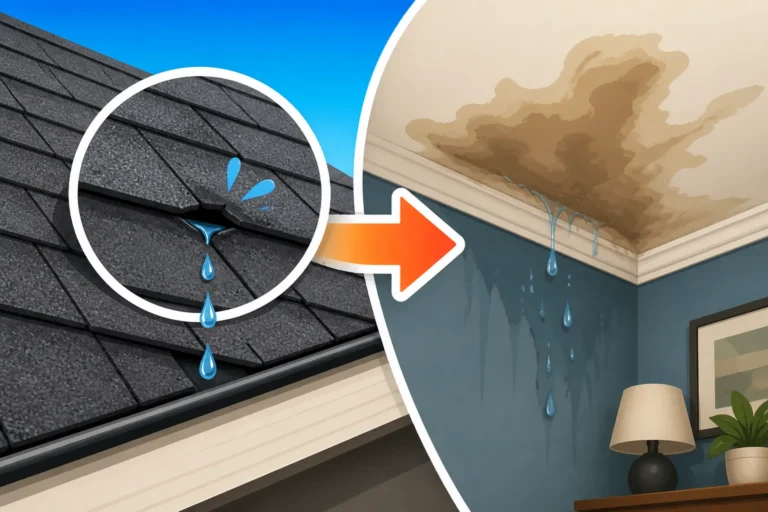
Waking up to that tell-tale drip, drip, drip – or worse, seeing a stained ceiling expand after a storm – is enough to send any homeowner's heart into their boots. A roof leak isn't just an annoyance; it's a clear sign of trouble brewing above, and the immediate question that flashes through your mind is always, "How much is this going to set me back?" This guide is here to help you navigate the confusing world of roof leak repair costs, breaking down the factors that influence the price and giving you a realistic understanding of what to expect.
The Immediate Shock and the Realities of Leak Repair Costs
That first realization of a roof leak can feel like a punch to the gut. You might immediately envision thousands of dollars, a complete roof replacement, and weeks of disruption. While some leaks can indeed be major, many are thankfully smaller, localized issues that can be addressed without breaking the bank. The crucial thing to understand is that there's no single, universal answer to "How much does it cost to fix a roof leak?" The price tag swings wildly based on a handful of key factors, and getting to the bottom of them is your first step toward relief.
Why Roof Leak Costs Vary So Dramatically
It’s frustrating when you just want a straightforward answer, but the truth is, every roof leak is a unique puzzle. Think of it like a visit to the doctor: a tiny cut on your finger is a lot different from a broken leg. The "diagnosis" for your roof leak — its location, severity, and underlying cause — dictates the "treatment" and, consequently, the cost. A small repair for a loose shingle will be vastly different from fixing widespread damage that has led to water intrusion into your attic and home's structure.
The Urgency Factor and Its Impact on Price
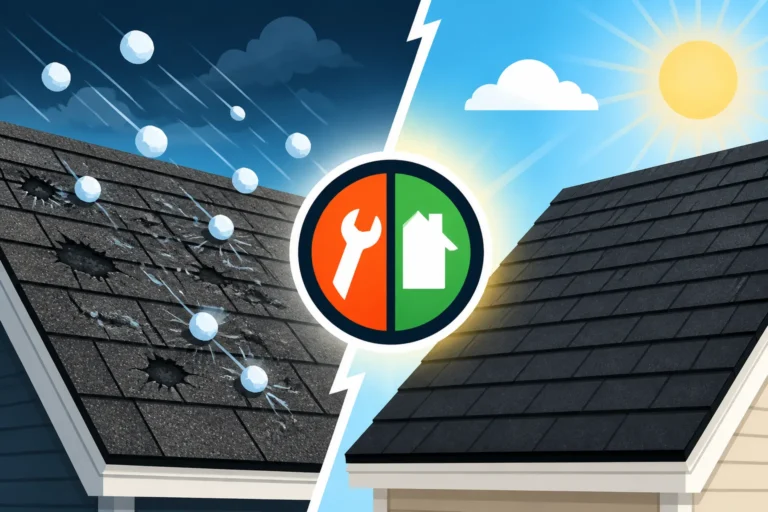
Sometimes, a leak creeps up on you, slowly staining a ceiling. Other times, it's a gushing waterfall after a sudden, intense storm. The urgency of the repair can definitely affect the price. Emergency repairs, especially outside of normal business hours, often come with a premium. If you're calling a roofer at 2 AM because water is pouring into your living room, expect to pay more than if you're scheduling a non-urgent repair for a small, slow drip that's been there a while. It's not because roofers are trying to gouge you; it's because they're mobilizing crews and equipment on short notice, often in difficult conditions.
Key Factors That Drive Roof Leak Repair Expenses
Understanding the elements that contribute to the final bill can help you better interpret quotes and make informed decisions. It’s not just about patching a hole; it’s about fixing the underlying problem and ensuring it doesn't return.
Location and Accessibility of the Leak
Where the leak is on your roof makes a huge difference. A leak on an easily accessible, low-slope section of your roof is far simpler and safer to repair than one located on a steep roof pitch or in a hard-to-reach spot like near a chimney or skylight. Roofers often charge a higher premium for tasks on a steep-pitch roof or multi-story homes due to increased safety risks and the extra equipment (like scaffolding) required. If your leak is tucked away behind a dormer or chimney, it could require more labor and specialized tools to even get to the source, let alone fix it properly. The easier it is for the crew to work, the lower the labor cost will typically be.
The Extent and Nature of the Damage
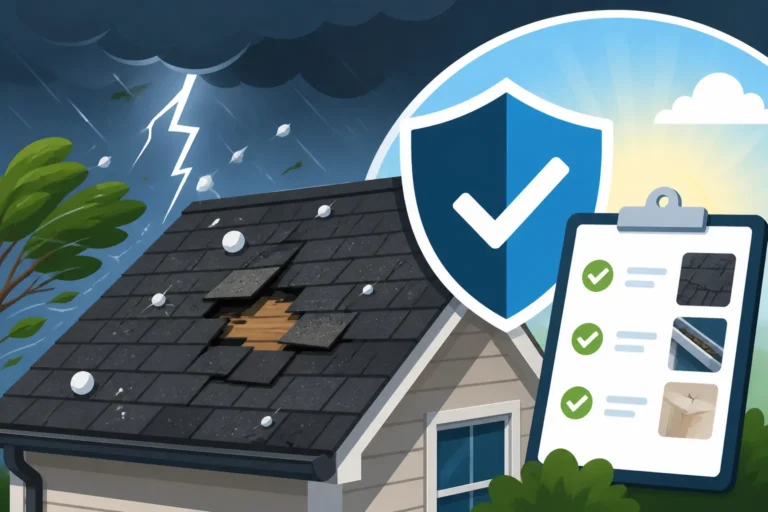
Is it just a single, missing shingle? Or has water seeped in and caused extensive rot to your roof decking and attic insulation? The scope of the damage is paramount. A minor repair might only involve replacing a few shingles and applying some sealant. However, if the leak has been ongoing, it could have compromised the structural integrity of your roof, requiring significant carpentry work to replace rotten wood, not to mention interior repairs like drywall replacement and repainting. This is why a thorough roof damage assessment: a homeowner's guide is crucial before any work begins.
Type of Roofing Material
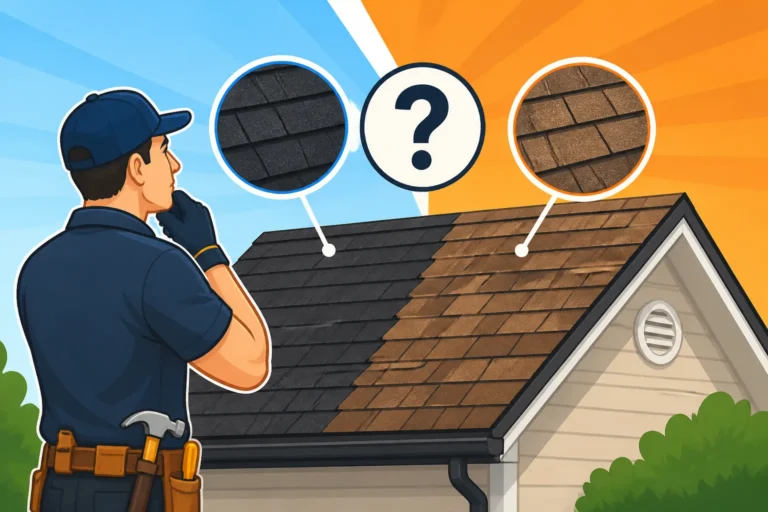
While we’re focusing on asphalt roofing, even within that category, there are variations. Repairing standard 3-tab shingles is generally less expensive than repairing architectural shingles or high-end designer shingles. The cost of matching new shingles to an old roof can also be a factor, especially if the original shingles are discontinued or hard to find. The complexity of the shingle profile and installation technique directly impacts the time and skill needed for a seamless repair.
Labor Costs and Contractor Expertise
Labor is often the largest component of any roofing repair bill. The hourly rates for roofers vary significantly by region and depend on the contractor's experience, licensing, and insurance. Highly skilled roofers who specialize in intricate leak detection and repair might charge more, but their expertise can save you money in the long run by correctly identifying and fixing the problem the first time. It's important to remember that you're not just paying for their time on the roof; you're paying for their knowledge, their tools, their insurance, and their guarantee of quality workmanship. You can learn more about how much roofers charge per hour to get a better sense of regional variations.
Common Types of Roof Leaks and Their Average Repair Costs
Let's dive into some of the most common culprits behind roof leaks and give you a general idea of what you might expect to pay for repairs. Keep in mind these are averages, and your specific situation could fall outside these ranges.
Leaks from Missing or Damaged Shingles
This is perhaps the most straightforward and often the least expensive type of leak to fix. Strong winds, age, or impact can cause individual shingles to crack, curl, or even blow off entirely, creating direct pathways for water.
- Repair Cost: Typically ranges from $150 to $500.
- What it involves: A roofer will remove the damaged shingles, inspect the underlayment and decking for any minor water damage, and install new matching shingles. If it’s just a few shingles, this is a relatively quick fix. If the underlying structure has absorbed some moisture, they might need to allow it to dry or replace small sections of damaged underlayment.
Flashing Leaks Around Penetrations
Flashing is the metal or rubber material installed around any penetration in your roof, such as chimneys, skylights, vent pipes, and dormers. It's designed to divert water away from these vulnerable areas. Over time, flashing can corrode, become loose, or sealants can fail, leading to leaks.
- Repair Cost: Can range from $250 to $1,000+, depending on the complexity.
- What it involves: Fixing a flashing leak might mean resealing old flashing, replacing sections of step flashing, or completely re-flashing a chimney or skylight. A roof leak around a chimney: fixes often involve custom metal work, which can increase costs. Similarly, a flashing leak repair for a skylight might involve removing and reinstalling the skylight frame itself, adding to the labor.
Leaks in Roof Valleys
Roof valleys are the angled channels where two roof planes meet. These are critical areas for water drainage and are often lined with metal flashing or a specialized ice and water shield. If the valley flashing is improperly installed, damaged, or clogged with debris, water can back up and seep into your home.
- Repair Cost: Typically ranges from $400 to $1,500+.
- What it involves: Repairing a valley leak usually requires removing shingles on both sides of the valley, inspecting and possibly replacing the underlayment and flashing, and then carefully reinstalling new shingles. This is a more labor-intensive process than a simple shingle replacement.
Leaks Due to Damaged Underlayment or Decking
The underlayment is a protective layer beneath your shingles, and the roof decking is the plywood or OSB sheathing that forms the structural base of your roof. If water penetrates the shingles and underlayment, it can cause the decking to rot, leading to larger structural issues and persistent leaks.
- Repair Cost: Can be significantly higher, ranging from $800 to $3,000+, depending on the extent of the damage.
- What it involves: This repair often requires removing a larger section of shingles, cutting out and replacing damaged sections of the underlayment and decking, then installing new underlayment and shingles. If joists or rafters are affected, the cost can climb even higher. This is often an indicator that you need to consider a more comprehensive repair or even a replacement.
Here’s a quick overview of estimated repair costs for common leak types:
| Leak Type | Average Repair Cost Range | Typical Scope of Work |
|---|---|---|
| Missing/Damaged Shingles | $150 – $500 | Replace 1-10 shingles, minor sealant application. |
| Minor Flashing Issues (around vents) | $250 – $700 | Reseal existing flashing, replace small sections of metal. |
| Complex Flashing (chimney, skylight) | $700 – $1,500+ | Remove old flashing, install new custom metal flashing, reseal. May involve shingle removal/reinstallation. |
| Roof Valley Leak | $400 – $1,500+ | Remove shingles, replace underlayment/flashing in valley, re-shingle. |
| Damaged Underlayment/Decking (localized) | $800 – $3,000+ | Remove shingles, cut out and replace damaged decking/underlayment, re-shingle. May involve interior repairs. |
| Nail Pops | $100 – $300 | Re-nail loose shingles, apply sealant over nail heads. |
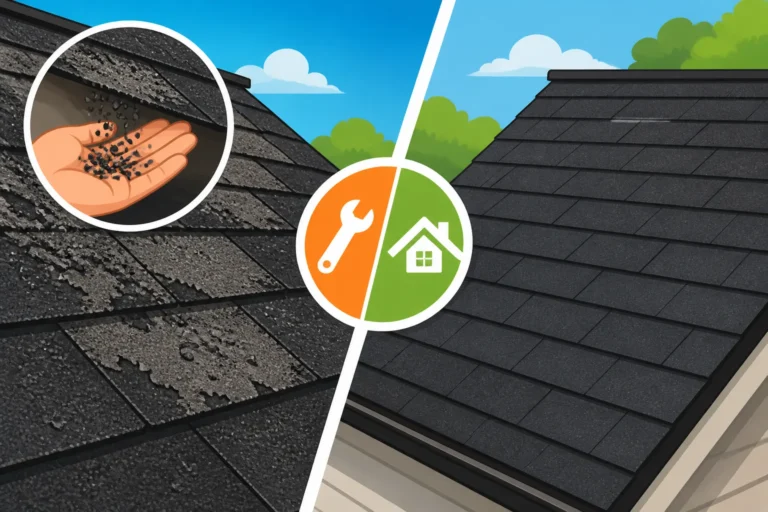
| Granule Loss (localized, minor) | $150 – $400 | Seal affected area, potentially apply roofing cement. (Often a sign of age, leading to larger issues). |
When a Repair Evolves into a Replacement Decision
Sometimes, what starts as a seemingly simple leak investigation can quickly reveal bigger problems, pushing you towards the difficult decision of whether to repair or replace your roof. This is a common frustration for homeowners, as the initial expectation of a quick fix suddenly becomes a much larger financial commitment.
Widespread Damage or Multiple Leaks
If your contractor finds not just one leak, but several, or if the water damage is extensive across a large section of your roof decking, a repair might not be the most cost-effective long-term solution. Patching multiple areas is often a band-aid approach if the underlying cause is systemic, such as an aged roof nearing the end of its lifespan or widespread structural issues. In such cases, the cumulative cost of multiple repairs can quickly approach the cost of a full asphalt roof replacement.
The Age of Your Roof
A crucial factor is the age of your existing asphalt roof. While modern architectural shingles can last 25-30 years or more, 3-tab shingles typically have a shorter lifespan, often 15-20 years. If your roof is already 18-20 years old and you're experiencing leaks, investing heavily in repairs might be throwing good money after bad. A reputable contractor will provide an honest assessment, letting you know when a roof repair is a waste of money because the rest of the roof is likely to start failing soon. You might find more value in a complete overhaul.
Code Compliance and Modern Standards
When performing significant repairs, contractors often have to bring the repaired section up to current building codes. For instance, if your existing roof doesn't have proper ice and water shield in vulnerable areas or sufficient ventilation, extensive repairs might trigger requirements to update these elements. While this adds to the cost, it also improves your roof's long-term performance and protection. Understanding roofing building codes: what to know can prevent unexpected costs down the line.
How to Evaluate Repair vs. Replacement
The decision can be tough, but consider these points:
- Cost-Benefit Analysis: If repairs will cost 30-50% or more of a full replacement, a replacement usually offers better value, a fresh warranty, and peace of mind.
- Future Planning: Are you planning to sell your home soon? A new roof can significantly boost curb appeal and home value, making a full replacement a smart investment. You might explore the roof replacement ROI explained to see the potential returns.
- Insurance Considerations: Sometimes, widespread storm damage can lead your insurance company to total your roof, covering a significant portion of a full replacement. It's always worth checking if your homeowners insurance covers roof replacement.
When faced with this dilemma, it’s always wise to get several quotes and thorough inspections. Websites like Modernize can help you connect with qualified local contractors who can provide detailed estimates and help you compare options, including a full Cost to Replace a Roof by House Size versus targeted repairs.
Working with Contractors and Managing Costs
Finding the right professional is half the battle when it comes to fixing a roof leak effectively and affordably. Don't rush into a decision, especially if the leak isn't an emergency.
Getting Detailed Quotes
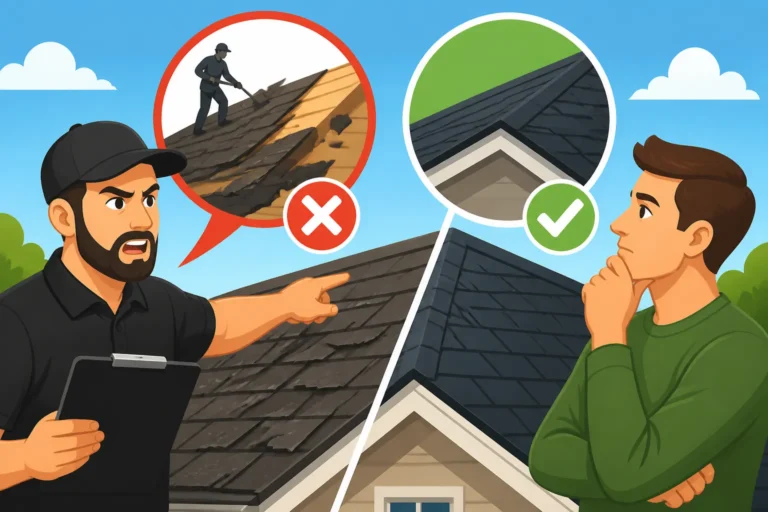
Always get at least three detailed quotes from different roofing contractors. Don't just ask for a price; ask for a breakdown of what they plan to do, what materials they'll use, and why they believe their approach is the best. A comprehensive quote should include labor, materials, permit fees (if applicable), and any disposal costs. Learn how to read and compare roofing estimates to ensure you're getting a fair and complete picture. Some contractors will even use aerial measurement tools to give you a precise understanding of your roof’s dimensions and material needs.
Verifying Contractor Credentials
Before you let anyone on your roof, verify their credentials. Ensure they are licensed and insured roofers: why it matters cannot be overstated. Ask for proof of liability insurance and worker's compensation. This protects you from financial responsibility if a worker gets injured on your property or if they accidentally damage your home during the repair. You can use platforms like Modernize to find vetted contractors in your area, giving you an added layer of confidence. Also, check their references and online reviews; a good track record speaks volumes.
Understanding Warranties
A reputable contractor will offer a warranty on their workmanship for the repair. Beyond that, the materials themselves might carry a manufacturer's warranty. Understand what these warranties cover and for how long. A good warranty provides peace of mind that if the leak recurs in the same spot due to faulty workmanship or materials, you won't be paying for the fix again. Always clarify the specifics of the roofing warranty: workmanship vs manufacturer before agreeing to any work.
Proactive Maintenance to Prevent Future Leaks
While we're talking about fixing leaks, it's worth a moment to consider how to prevent them. Regular roof inspections, clearing gutters and downspouts of debris, trimming overhanging tree branches, and addressing minor issues like loose granules or curling shingles early can significantly extend the life of your roof and prevent costly leaks. Understanding how long an asphalt roof lasts can help you plan for future maintenance and eventual replacement. A little proactive care goes a long way in protecting your home and your wallet from unexpected leak surprises.
Disclaimer
Please remember that this article provides general information and estimated costs. Actual roof leak repair costs can vary significantly based on your specific location, the complexity and severity of the damage, current material and labor rates, and the individual contractor you choose. Always obtain multiple, detailed quotes from licensed and insured roofing professionals before making any decisions about your roof repair or replacement.