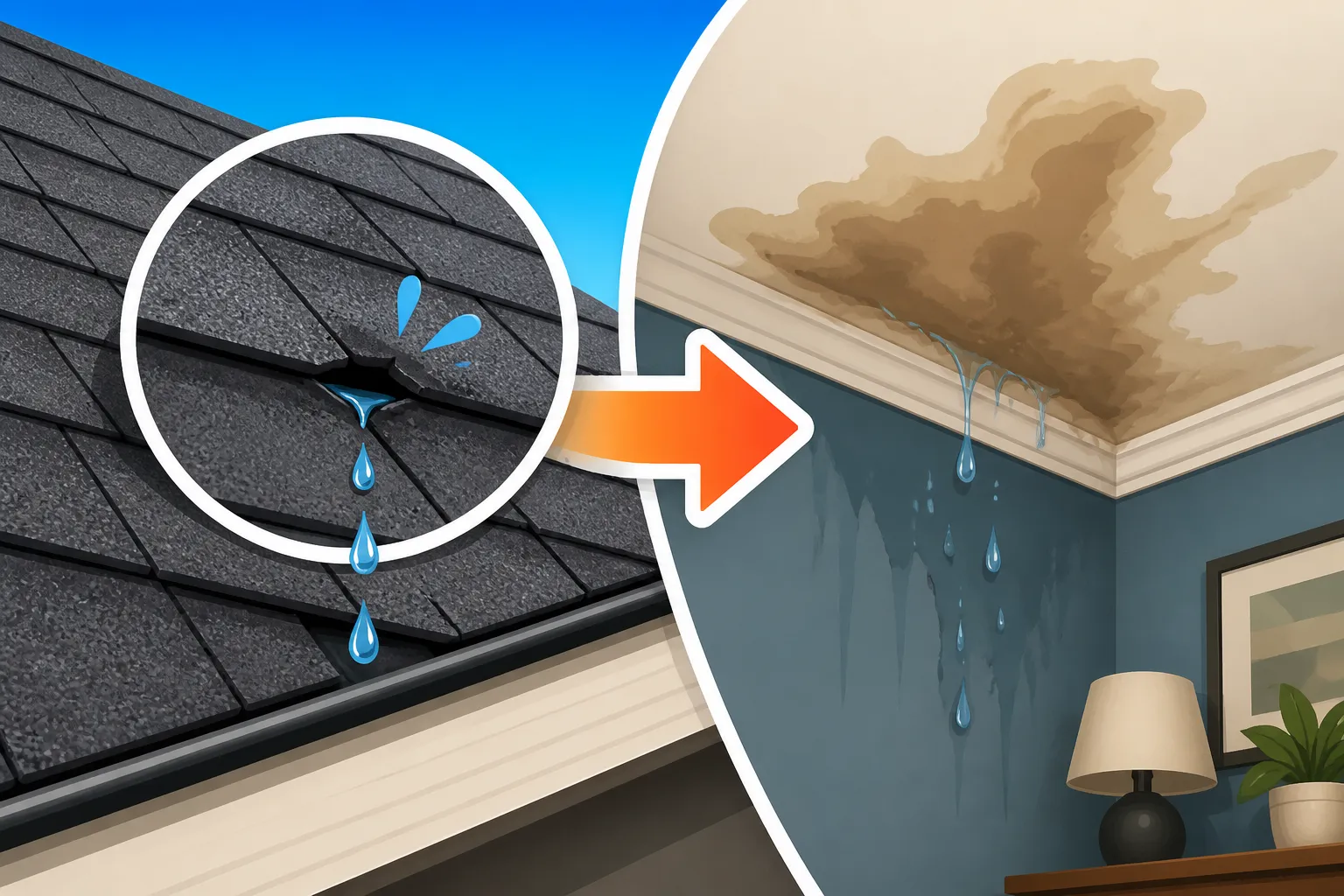
When a Small Leak Becomes a Big Problem
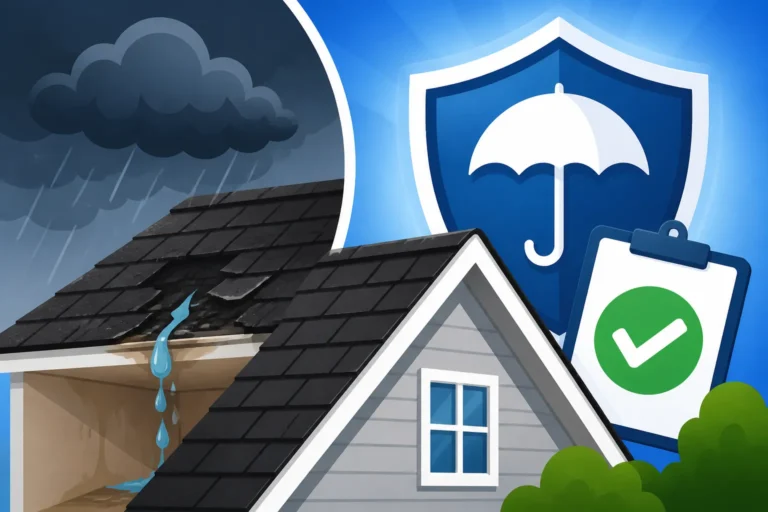
That small, seemingly innocent drip you’ve spotted in your attic or on your ceiling can be incredibly deceptive. It's easy to dismiss it as a minor inconvenience, something you'll get around to fixing eventually. But here's the harsh reality: a small roof leak is rarely small for long, and it often signifies a much larger, insidious problem silently wreaking havoc on your home. This guide will walk you through how quickly a minor leak can spiral into a costly disaster, what signs to look for, and exactly what steps you need to take to protect your biggest investment.
The Deceptive Nature of a "Small" Roof Leak
It’s human nature to hope for the best, especially when it comes to home repairs. We see a water spot the size of a quarter and think, "Oh, that's nothing major, just a little seal that's come loose." The truth is, by the time water has managed to penetrate your roof's layers, travel through your attic, and finally stain your ceiling, it's often been a problem for quite some time, and it's certainly not minor. The journey water takes from your roof's surface to your living space is complex, and every step of that journey means potential damage.
Why We Underestimate Minor Water Intrusion
We tend to focus on the visible manifestation of a leak, like a ceiling stain or a bucket catching drips, rather than the unseen source and the path it took. This narrow focus leads homeowners to underestimate the severity and scope of the issue. A tiny trickle can often mean that a larger amount of water has already permeated materials above, saturating insulation, rotting wood, and creating an ideal environment for mold growth. The visible leak is merely the tip of a much larger, submerged iceberg. It's not just about the volume of water you see, but the sustained presence of moisture where it doesn't belong.
For instance, consider a scenario where you notice a small wet spot on your bedroom ceiling after a heavy rain. You might think, "Okay, I'll just patch that next weekend." What you don't realize is that the rain might have been heavy enough to finally push water through a compromised flashing around your chimney or a cracked shingle, but that compromised area has likely been allowing smaller amounts of moisture in with every light rain for months. Each time, that moisture gets absorbed by your roof decking, attic insulation, and framing, slowly causing decay and weakening structures, long before it ever announces its presence with a visible drip.
The Anatomy of a Leak: How Water Travels
Understanding how water makes its way into your home can help you grasp why a small leak is so deceptive. When water first breaches the protective outer layer of your asphalt shingles, it doesn't just fall straight down. It often travels horizontally along underlayment, rafters, or pipes before finding the path of least resistance to drip. This means the actual entry point on your roof could be several feet, or even yards, away from where you see the water stain inside your home.
Imagine water getting under a lifted shingle on the back slope of your roof. Instead of falling directly into your kitchen, it might run down the underside of your roof decking, across the top of your insulation, until it hits a joist or a vent pipe. There, it pools, saturating everything in its path, until it finds a tiny nail hole or a seam in your drywall to finally drip into your sight. This unseen journey can cause extensive damage to insulation, wooden framing, and even compromise the electrical wiring in your attic before you ever realize you have a problem. This is why even a seemingly minor issue warrants a thorough investigation by a professional.
Visible Signs Your Small Leak is Escalating
While the initial drip might be small, the signs that it's turning into a major problem often become more apparent over time. These aren't just aesthetic issues; they are indicators of deeper structural and health hazards that demand immediate attention. Ignoring these visible cues is akin to ignoring a smoke detector – you're allowing a dangerous situation to worsen.
Ceiling and Wall Damage
The most common and immediate visible signs of an escalating leak are changes in your ceilings and walls. A small water stain might grow larger, darken in color, or even begin to show discoloration beyond just a damp patch. Look for areas where paint is peeling or bubbling, or wallpaper is detaching from the wall. This indicates that the moisture has saturated the drywall or plaster, causing the finishes to lose adhesion.
Furthermore, if the leak has been active for an extended period, you might start to see actual sagging in your ceiling. This is an alarming sign that the drywall itself has absorbed so much water that it's losing its structural integrity and could be on the verge of collapsing. In severe cases, plaster ceilings can also crack and crumble. These visible manifestations on your interior surfaces are clear warnings that the integrity of your home’s structure is under assault and the situation is well past the "small leak" stage.
Attic and Interior Manifestations
If you have an accessible attic, a quick inspection can reveal much more about the severity of a leak than what you see indoors. In the attic, look for wet or matted insulation. Insulation, especially fiberglass batt insulation, loses its R-value (insulating power) when wet, becoming heavy and less effective, and eventually, a breeding ground for mold. You might also spot dark streaks or water stains on the wooden rafters, trusses, or roof decking itself. These stains are tell-tale signs of long-term water intrusion and could indicate the presence of rot.
Beyond the attic, other interior manifestations can emerge. A musty or damp odor, even without visible water, is a strong indicator of hidden moisture and potential mold growth within your walls or ceiling cavities. This is particularly concerning because mold can spread rapidly in dark, damp environments, affecting indoor air quality and potentially leading to health issues for occupants. If you notice a persistent earthy smell, it’s time to investigate thoroughly.
Exterior Red Flags
Sometimes, the escalating problem can be spotted from the outside of your home, if you know what to look for safely. Pay attention to your fascia and soffit boards. If they appear discolored, warped, or show signs of rot, it often means that water is running down behind your siding or has overflowed from a damaged gutter, seeping into these areas. Similarly, check your gutters for excessive granule accumulation from your asphalt shingles. While some granule loss is normal, a significant amount can signal that your shingles are deteriorating rapidly, making them more susceptible to leaks.
Another exterior red flag is visible damage to the roof surface itself. This could include large sections of missing shingles, severely cracked or curling shingles, or noticeable depressions in the roofline, which might suggest compromised decking or structural elements underneath. While a small leak might start with one tiny crack, prolonged exposure and neglected repairs will inevitably lead to more widespread damage that is visible from the outside. For more information on what to look for, check out our guide on how to spot a roof leak.
Invisible Damage: What Happens Behind the Walls and Ceilings
The most dangerous aspect of a "small" roof leak is the unseen damage it inflicts. While you might be focused on patching a stained ceiling, the water is silently compromising the very bones of your house and creating an unhealthy living environment. These hidden issues often turn a minor repair into a major, expensive renovation project.
Structural Integrity Compromise
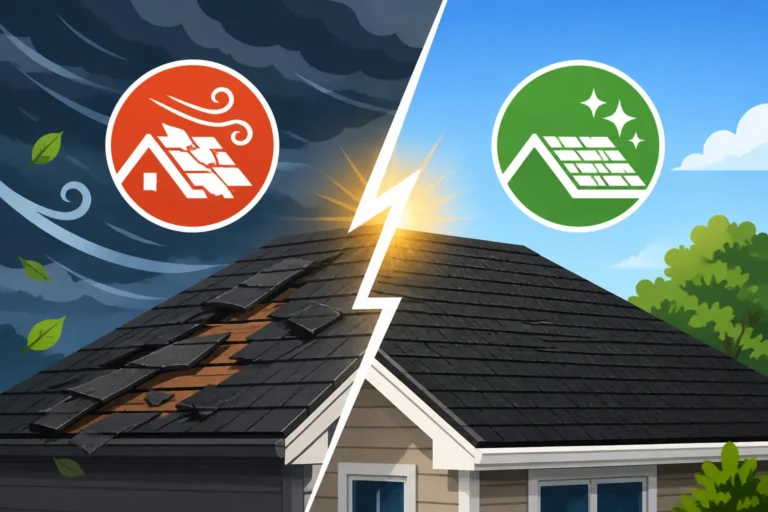
Water is relentless, and when it's allowed to penetrate wooden structures, it leads to rot and decay. Your roof decking, rafters, ceiling joists, and even wall studs can become saturated over time, weakening them structurally. A small, persistent leak can cause sections of your roof decking to become spongy or crumbly, losing its ability to support the weight of the shingles above, especially during heavy snow or high winds. This could necessitate a full roof decking replacement, a significantly more involved and costly repair than just fixing a leak.
The degradation of these structural components is a serious safety concern. Imagine the long-term impact on a roof system that supports thousands of pounds of materials and is constantly exposed to environmental stresses. A seemingly innocuous drip can turn a sturdy wooden beam into a soft, unreliable piece of timber over months or years. This is one of the primary reasons why delaying a professional assessment of a leak can lead to astronomical repair bills down the line.
Health Hazards from Mold and Mildew
Perhaps the most insidious "invisible" damage from a roof leak is the growth of mold and mildew. These fungi thrive in damp, dark environments, and a persistent leak creates the perfect breeding ground. Mold can start growing within 24-48 hours of water exposure and, once established, can spread rapidly throughout your attic, walls, and ceiling cavities. While some mold is harmless, many types produce spores and mycotoxins that can severely impact indoor air quality and cause a range of health problems, from allergies and respiratory issues to more severe conditions for sensitive individuals.
Even if you can't see the mold, a musty odor is often a strong indicator. Removing mold contamination, especially extensive growth, requires specialized remediation services, which are often much more expensive than the initial leak repair. This becomes particularly problematic if the mold spreads to HVAC ducts, recirculating spores throughout your entire home. Addressing a leak quickly prevents this health hazard from taking root and spreading.
Electrical and Insulation Risks
Water and electricity are a dangerous combination, and a roof leak can pose significant electrical hazards. Wiring often runs through attic spaces and wall cavities, directly in the path of a leak. Water intrusion can short out electrical circuits, trip breakers, or even lead to house fires. Corroded wiring, damaged outlets, and malfunctioning light fixtures can all be consequences of an unaddressed roof leak. The cost and complexity of repairing electrical damage, especially if it requires opening up walls and ceilings, far outweigh the expense of a timely leak repair.
Beyond the electrical system, insulation is also severely impacted. As mentioned earlier, wet insulation becomes heavy, clumpy, and loses its effectiveness. This leads to higher energy bills as your HVAC system works harder to maintain comfortable temperatures. Moreover, perpetually damp insulation can attract pests like rodents and insects, adding another layer of damage and expense. Replacing saturated insulation and ensuring the attic space dries out completely is an essential part of comprehensive leak repair, but it's a step that becomes far more extensive and costly if ignored.
Taking Immediate Action and Calling in the Professionals
When you discover a roof leak, whether it seems minor or major, procrastination is your worst enemy. Acting quickly can dramatically reduce the extent of damage and save you a significant amount of money and stress in the long run. Knowing what to do immediately and when to bring in the experts is key.
Initial Steps to Mitigate Damage
The moment you discover a leak, your primary goal is to minimize further damage to your home and belongings.
- Contain the Water: Place buckets or tarps under the leak to catch dripping water. If the water is pooling on your ceiling, and it feels soft or is bulging, you might need to carefully poke a small hole in the center of the bulge with a screwdriver or awl. This can help release the accumulated water in a controlled manner, preventing a sudden, larger collapse and directing it into your bucket. Be sure to place an old towel or rag around the hole to absorb any splash.
- Move Belongings: Immediately move furniture, electronics, and other valuable items away from the leak area to prevent water damage. If possible, cover immovable items with plastic sheeting.
- Clear the Area: Remove any ceiling tiles, insulation, or debris that might be wet or saturated. This helps the area dry out faster and prevents mold growth.
- Turn Off Power (If Necessary): If the leak is near electrical outlets, light fixtures, or wiring, immediately turn off the power to that specific circuit at your home's electrical panel. Water and electricity are a dangerous combination, and safety should be your top priority.
- Document the Damage: Take clear photos and videos of the leak, the water stains, and any damaged belongings. This documentation will be crucial for insurance claims.
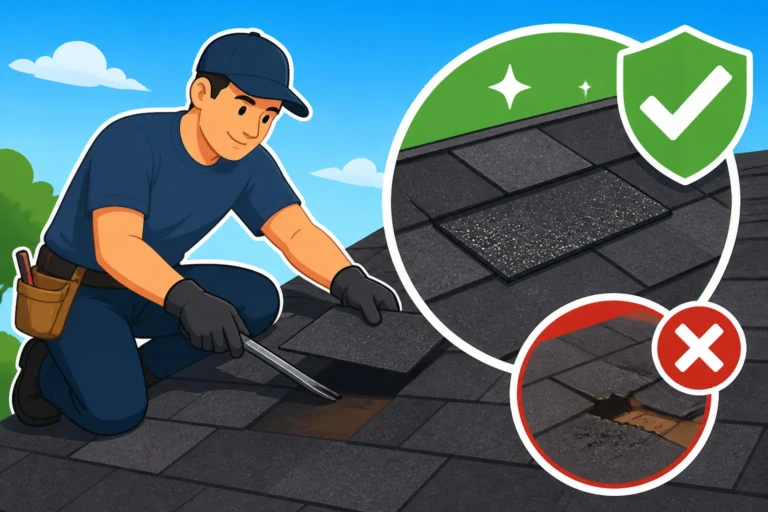
- Temporary Patch: If you can safely access your roof, and you can identify the source (e.g., a clearly missing shingle), you might be able to apply a temporary fix, like a tarp, until a professional arrives. However, only do this if you are confident and can do so safely. Your safety is paramount, especially on a wet roof.
Deciding Between Repair and Replacement
Once you've mitigated the immediate effects, the big question arises: repair or replacement? This decision is often more complex than it seems and hinges on several factors, including the age of your roof, the extent of the damage, and your budget.
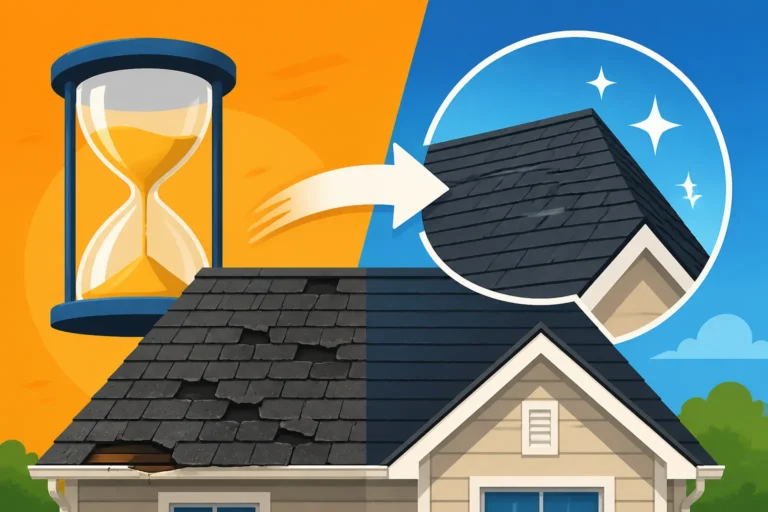
- Roof Age: If your asphalt shingle roof is relatively new (less than 10-15 years old) and the leak is isolated to a small area like a single shingle or flashing, a targeted repair is often the most cost-effective solution. However, if your roof is nearing the end of its typical lifespan (20-30 years for most asphalt shingles), even a "small" leak could be a symptom of widespread deterioration. In such cases, investing in a full roof replacement might be a smarter long-term decision than continually patching an aging system. Learn more about when to replace a roof due to age in our guide on how long an asphalt roof lasts.
- Extent of Damage: A professional inspection will reveal the true scope of the damage. If the leak has compromised the roof decking, rafters, or has led to significant mold growth, a simple patch might not be sufficient. You might need to replace sections of the roof deck or even address structural components, which could sway the decision towards a full replacement, especially if multiple areas are affected.
- Cost-Benefit Analysis: Sometimes, the cost of multiple significant repairs on an older roof can approach the cost of a full replacement. In these scenarios, a new roof offers a fresh start, enhanced curb appeal, and a new warranty, providing better value for your investment.
Here's a quick comparison of factors:
| Factor | Repair Considerations | Replacement Considerations |
|---|---|---|
| Roof Age | Under 15 years, isolated issue | Over 15-20 years, widespread wear |
| Damage Extent | Single shingle, localized flashing issue | Extensive decking rot, multiple leak points, structural damage |
| Cost | Typically lower upfront | Higher upfront, but long-term savings on maintenance |
| Warranty | Usually no new warranty or limited to repair area | New manufacturer and workmanship warranties |
| Home Value | Minimal immediate impact | Significant boost to home value and curb appeal |
| Future Leaks | Risk of new leaks in other areas if roof is old | Greatly reduced risk of leaks for decades |
This table simplifies a complex decision. Often, getting multiple professional opinions, especially if you're unsure, is the best route.
Finding the Right Roofing Expert
This is arguably the most critical step. A shoddy repair can lead to recurring leaks and even more extensive damage down the road. You need a reputable, experienced roofing contractor who specializes in asphalt roofing. Don’t just pick the first name you find online, or the cheapest bid; take your time to vet your options.
- Check Credentials: Ensure the contractor is licensed and insured. Ask for proof of liability insurance and worker's compensation. This protects you from financial responsibility if an accident occurs on your property. Our article on how to choose a roofing contractor offers more guidance on vetting professionals.
- Look for Experience and Specialization: Seek out roofers with a proven track record specifically with asphalt shingles. They should be familiar with local building codes in your area, whether you're in a high-wind zone or somewhere prone to hail.
- Get Multiple Estimates: Always obtain at least three detailed estimates. A comprehensive estimate should clearly outline the scope of work, materials to be used, labor costs, and project timeline. Be wary of estimates that are significantly lower than others, as they might indicate shortcuts or hidden costs.
- Check References and Reviews: Look at online reviews on platforms like Google, Yelp, or the Better Business Bureau. Ask the contractor for references from recent clients you can call. You can also utilize platforms like Modernize to connect with pre-vetted contractors in your area, streamlining the process of finding reliable professionals.
- Understand Warranties: Discuss both the manufacturer's warranty on the materials and the contractor's warranty on their workmanship. A reputable roofer will stand behind their work.
- Don't Rush into a Decision: While a leak demands quick action, don't let urgency push you into a decision you might regret. A trustworthy contractor will give you time to review their proposal and answer all your questions. Be especially wary of storm chasers who pressure you for an immediate signature.
Remember, a "small" leak today can easily become a "big" problem tomorrow, demanding a much more significant financial and emotional toll. Proactive response and engaging a skilled professional are your best defenses against the hidden dangers that lurk above.
Disclaimer
This article is intended for informational purposes only and does not constitute professional roofing advice. Always consult with a qualified and licensed roofing contractor for any specific roof repair or replacement needs. Roofing work can be dangerous and should only be undertaken by trained professionals.