How Much Does It Cost to Fix A Sagging Roof
The sight of your roof beginning to sag can send a wave of panic through any homeowner. It's not just an aesthetic issue; it's a glaring red flag that signals significant structural problems that need immediate attention. This isn't a problem that will fix itself, and ignoring it can lead to catastrophic damage to your entire home. This comprehensive guide is here to walk you through the various causes of a sagging roof, help you understand the severity of the situation, and most importantly, break down the costs associated with fixing it, so you can approach this daunting task with confidence and a clear plan.
Decoding Why Your Roof is Sagging and What It Means
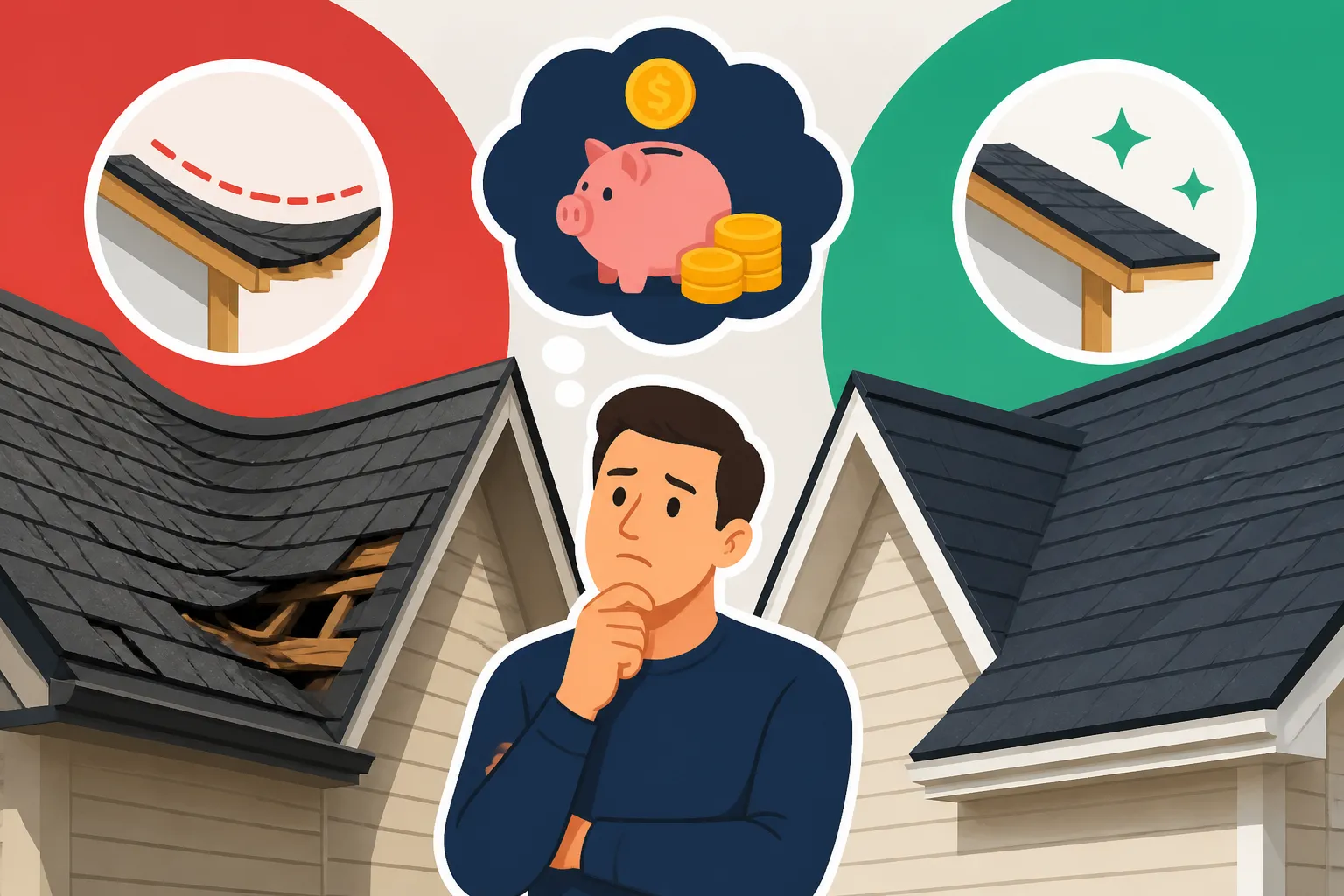
A sagging roof, often appearing as a dip or curve in the roofline, is a clear indicator that something isn't quite right beneath the surface. It’s rarely just cosmetic; rather, it typically points to underlying structural weaknesses or extensive damage. Understanding the root cause is the very first step in determining the correct course of action and, ultimately, the cost of repair. Many homeowners mistakenly believe it's just old age, but several factors can contribute to this alarming development.
Common Structural Weaknesses and Water Damage
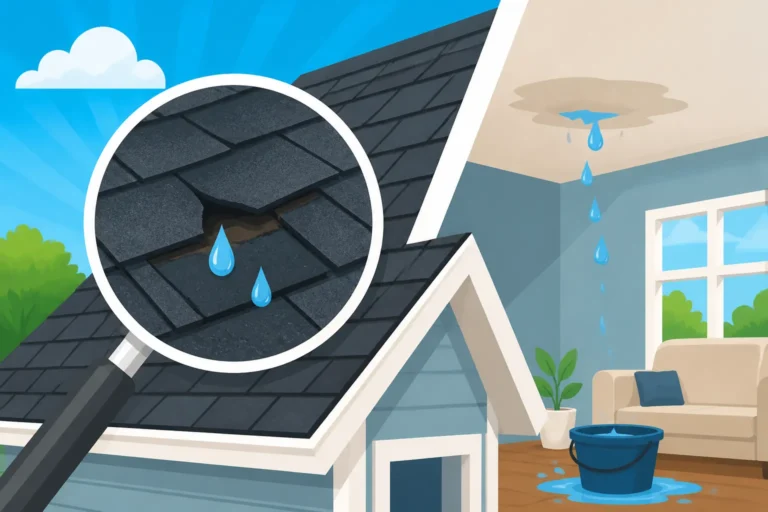
One of the most frequent culprits behind a sagging roof is persistent moisture or water damage. Leaks, whether slow drips or sudden deluges, can saturate the roof's structural components over time. This includes the roof decking, which is the layer of plywood or OSB directly beneath your shingles, and the larger supporting timbers like rafters or trusses. When wood gets wet and stays wet, it loses its structural integrity, weakens, and begins to rot. A section of roof decking that has succumbed to water damage will visibly dip as it can no longer support the weight of the roofing materials above it, let alone snow, ice, or even just the weight of a person walking on it. This is why addressing any roof leak promptly is paramount.
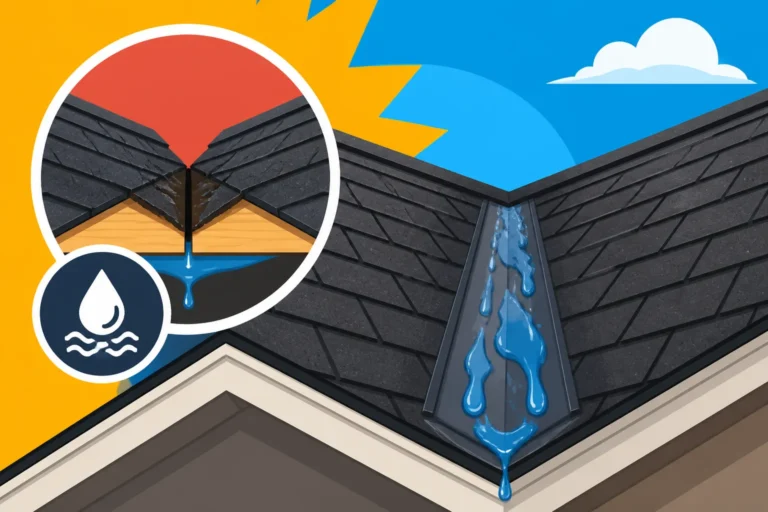
Beyond direct leaks, poor ventilation in the attic can trap humidity, leading to condensation build-up, especially in colder climates. This consistent moisture can slowly degrade wood over many years, contributing to rot and eventual sagging. Sometimes, the problem isn't even from the roof itself, but from water seeping in through compromised flashing around chimneys, skylights, or vent pipes. As the wooden sheathing and framing members absorb this moisture, they soften, warp, and begin to yield under the constant pressure. This often escalates into a more significant issue like mold or mildew growth, further compounding the structural degradation.
The Telltale Signs and Underlying Problems
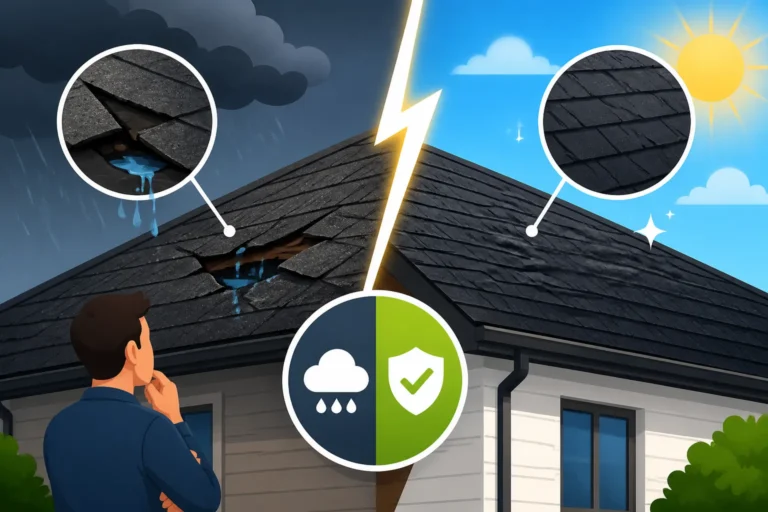
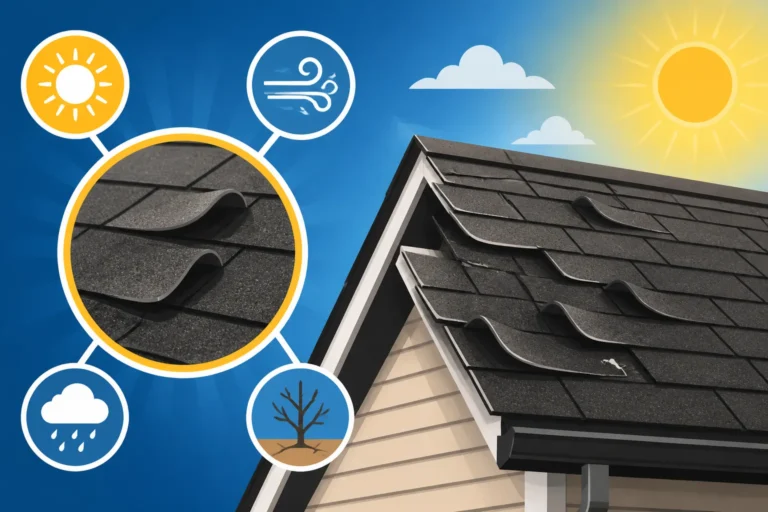
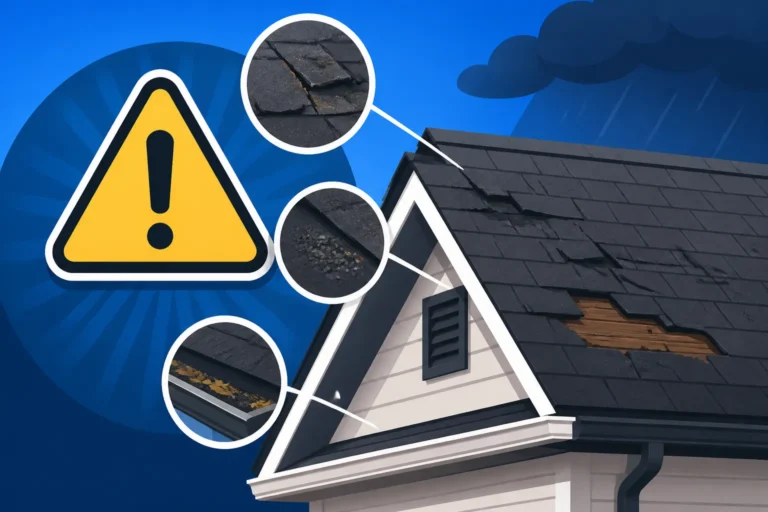
While a visible dip in your roofline is the most obvious sign, a sagging roof can manifest in other, more subtle ways initially. Look for unevenness in the roof plane when viewed from the street or even from an upstairs window. You might notice shingles appear distorted or "wavy" in certain areas, particularly in valleys or near the ridge. Inside your home, signs in the attic can be even more revealing: water stains on the underside of the roof decking, dark spots indicating mold, or visible soft spots and deflection in the wood framing itself. Sometimes, you might even see the ceiling joists in your attic beginning to pull away from the roof rafters or trusses.
Beyond water damage, the underlying problem could be related to the original construction. Perhaps the roof was built with inadequate support for its span or the type of roofing material used. For instance, if a lighter shingle roof was replaced with a much heavier material like slate or tile without reinforcing the underlying structure, the roof might begin to sag under the increased load. Another less common, but serious, issue is foundation settlement, which can distort the entire house frame, including the roof. Over time, heavy snow loads accumulating repeatedly without proper structural support can also stress the roof beyond its limits, leading to gradual sagging. This is particularly common in regions that experience harsh winters.
Immediate Dangers and Long-Term Consequences
A sagging roof isn't just an eyesore; it's a serious structural hazard that poses immediate dangers and carries significant long-term consequences. The most pressing danger is the risk of partial or complete roof collapse, especially under additional weight from heavy snow, ice, or even strong winds. Imagine the safety risk if a significant portion of your roof were to give way during a storm. Beyond physical injury, this would lead to immense damage to your home's interior, personal belongings, and potentially render your house uninhabitable.
Long-term, a sagging roof means compromised weather protection. The integrity of your entire roofing system is at risk, making your home vulnerable to leaks, drafts, and pests. This can lead to ongoing water damage inside your attic and living spaces, fostering mold growth that impacts indoor air quality and can be costly to remediate. Moreover, a structurally unsound roof drastically reduces your home's market value and makes it incredibly difficult to sell. Home inspectors will flag a sagging roof immediately, and potential buyers will either demand significant price reductions or walk away entirely. Remedial action isn't just about fixing a problem; it's about protecting your investment and your family's safety.
The Comprehensive Cost Breakdown for Fixing a Sagging Roof
When you discover your roof is sagging, the immediate question is, "How much will this cost me?" Unfortunately, there's no single answer, as the price tag is heavily dependent on the severity and cause of the sag. It's not a simple fix like replacing a few missing shingles; it involves structural components, and the costs can range dramatically. Getting a handle on these variables is key to budgeting effectively and avoiding sticker shock. You need to consider everything from initial inspections to the labor involved in complex structural repairs.
Initial Assessment and Diagnostic Costs
Before any repair work can begin, you need a thorough assessment of the damage. This usually starts with a detailed inspection by a qualified roofing contractor. Many reputable roofers offer free initial inspections, but for a sagging roof, a more in-depth, often invasive, inspection might be necessary. This could involve getting into the attic, moving insulation, and even removing a section of roof decking to expose the framing. In complex cases, especially if structural integrity is heavily compromised or the cause isn't immediately obvious, you might need to hire a structural engineer.
A structural engineer's report can cost anywhere from $500 to $1,500, or even more for larger or more complex homes. While this seems like an added expense, their expertise is invaluable. They can accurately diagnose the underlying cause of the sag, assess the extent of the structural damage, and provide detailed recommendations for repair, often with drawings or specifications. This report is critical, not only for ensuring the right repair is done but also for dealing with permits and potentially challenging insurance claims. Think of it as investing in an accurate diagnosis before undergoing major surgery; it ensures you're not spending money on a temporary fix when a deeper issue is at play. Using a service like Modernize can help you find qualified professionals in your area who can handle these types of assessments.
Repair vs. Replace: Material and Labor Considerations
The biggest cost differentiator for a sagging roof is whether you can get away with a repair or if a full roof replacement is necessary. For minor sags caused by a localized issue like a small patch of rotted decking, a targeted repair might be feasible. This would involve removing the damaged section of decking, inspecting and reinforcing or replacing the underlying rafters, and then installing new decking and matching shingles. The cost for such a localized repair could range from $1,000 to $5,000, depending on the size of the area and the complexity. For comparison, you can explore the typical Roof Decking Replacement Cost for different scenarios.
However, if the sagging is extensive, affects multiple areas, or is due to widespread structural failure of rafters or trusses, a full replacement of the entire roof system, including the framing, might be the most cost-effective and safest option in the long run. In such cases, the existing roof and compromised structure are torn off completely, and new rafters or trusses are installed, followed by new decking, underlayment, and shingles. A full roof replacement can range from $10,000 to $30,000 or more, depending on your home's size, roof pitch, materials, and local labor rates. Understanding your options here is crucial, as attempting to patch a widespread structural issue can lead to recurring problems and wasted money.
Complexity, Accessibility, and Location Influences
Several factors beyond the raw materials contribute significantly to the overall cost of fixing a sagging roof. The complexity of the roof's design plays a huge role; a simple gable roof is far easier and less time-consuming to work on than a multi-level roof with numerous valleys, dormers, and hips. Each of these features adds intricacy to the repair process, requiring more specialized cuts, flashing, and labor. You might also encounter a Steep Roof Cost Premium if your roof has a high pitch, as this makes the work more dangerous and slower for roofers, often requiring specialized safety equipment and techniques.
Accessibility is another major cost driver. If your roof is difficult to access due to landscaping, fences, or a tight lot, contractors might need to rent special equipment like cranes or lifts, or manually carry materials further, all of which increase labor time and costs. Your geographic location also impacts pricing. For example, Asphalt Roof Replacement Cost in California might differ significantly from Asphalt Roof Replacement Cost in Texas due to variations in labor rates, material availability, and local building codes. Finally, the need for permits – which are almost always required for structural roof repairs – adds to the cost and timeline, along with the associated inspections.
Specific Repair Strategies and Their Price Tags
When tackling a sagging roof, the approach isn't one-size-fits-all. The specific repair strategy employed will depend entirely on the root cause and the extent of the damage. From simply reinforcing existing members to completely rebuilding sections of your roof, each method comes with its own set of challenges, materials, and, of course, costs. It's crucial to understand these options to make an informed decision with your contractor.
Reinforcing and Stabilizing Existing Roof Structure
For minor to moderate sags where the main rafters or trusses are still largely sound but have begun to deflect, reinforcement can often be a viable solution. This involves "sistering" new lumber alongside the existing weakened rafters or trusses. Essentially, a new, equally sized piece of lumber (e.g., a 2×6 alongside an existing 2×6) is bolted or nailed securely to the damaged one, effectively doubling its strength and rigidity. This method is typically used when the wood isn't extensively rotted but has lost its load-bearing capacity due to age, overloading, or minor water exposure.
The cost for sistering rafters can range from $100 to $300 per rafter, including labor and materials. If the sag is localized to a small area, say 5-10 rafters, the total cost might be in the range of $1,000 to $3,000. This approach often requires removing a section of roof decking and shingles to access the framing, and then replacing those components once the reinforcement is complete. It's a less invasive and often more affordable option than full replacement, provided the underlying structural components are still salvageable and the problem isn't too widespread. This type of work often requires a skilled carpenter or a roofing company with structural experience, as proper load distribution is essential for a lasting fix.
Replacing Damaged Decking, Rafters, or Trusses
When rot or damage is more extensive, particularly to the roof decking or individual rafters, simple reinforcement may not be enough. If significant sections of plywood or OSB decking are soft, warped, or rotted, they must be completely removed and replaced. This is a common occurrence with persistent leaks that have gone unnoticed for too long. The cost for replacing roof decking typically ranges from $2 to $5 per square foot, which can add hundreds to thousands of dollars depending on the total area affected.
If individual rafters or even entire trusses are severely rotted, broken, or compromised, they will need to be replaced. Replacing a single rafter can cost between $200 and $600, including labor and materials, as it often requires specialized tools and careful removal of surrounding components. Replacing an entire truss is far more complex and expensive, potentially costing $500 to $2,000 or more per truss, as it often involves cranes for placement and significant interior work. This kind of repair goes beyond basic roofing and delves into serious structural carpentry, necessitating highly experienced professionals. Getting detailed insights into Roof Decking Replacement Cost can help you understand this component of the repair.
When a Full Roof Replacement Becomes Necessary
In many cases of a sagging roof, especially if the problem is widespread, affects a significant portion of the roof's structure, or has been present for a long time, a full roof replacement, including the underlying structure, becomes the most practical and often the only safe solution. This is typically recommended when multiple rafters or trusses are compromised, or when the overall structural integrity of the roof system is in question. Trying to patch extensive damage piece by piece can be more expensive in the long run and may not provide the necessary long-term stability and safety.
A full roof replacement means tearing off all existing roofing materials, removing the damaged decking and structural framing, and then installing an entirely new roof system from the rafters or trusses up. This includes new framing, new decking, new underlayment, and new shingles. The cost for a comprehensive project like this can range from $10,000 to $30,000 or even higher for larger homes or premium materials. While this is a significant investment, it provides a completely new, structurally sound roof designed to last for decades. This is often the case when you see Signs You Need a New Roof that extend beyond superficial damage. Be sure to look for professionals who can handle these major renovations, and remember that Modernize can connect you with experienced contractors.
Here's a simplified table illustrating common sagging roof issues, their typical causes, and general cost estimates:
| Sagging Roof Issue | Common Causes | Typical Repair Approach | Estimated Cost Range (USD) |
|---|---|---|---|
| Localized decking dip | Small, contained leak; rot | Replace decking section, reinforce rafter if needed, new shingles | $1,000 – $3,500 |
| Wavy roofline (minor) | Poor ventilation; aged, weakened rafters | Sistering rafters; improve ventilation; replace decking | $2,500 – $7,000 |
| Significant ridge sag | Heavy snow loads; structural design flaw; widespread rot | Replace or reinforce multiple rafters/trusses; new decking | $7,000 – $15,000 |
| Major roof deflection | Extensive water damage; failed trusses; severe overloading | Full structural rebuild of compromised sections; complete roof replacement | $15,000 – $30,000+ |
| Entire roof collapse | Catastrophic structural failure | Complete roof and often attic structure rebuild | $30,000+ (often insurance claim) |
Note: These are general estimates. Actual costs will vary based on location, contractor, material choices, and specific project details.
Smart Steps to Manage Your Sagging Roof Project and Budget
Facing a sagging roof can be overwhelming, not just because of the structural implications but also the financial burden. However, approaching the project strategically can help you manage costs, ensure quality work, and navigate the process with greater ease. It’s about being proactive, thorough, and smart about who you hire and how you plan for the expense.
Securing Professional Help and Multiple Bids
When it comes to a sagging roof, this is definitely not a DIY project or a job for an inexperienced handyman. You need specialized expertise. Start by seeking out roofing contractors who have proven experience with structural repairs, not just shingle replacement. Ideally, you want a contractor who works closely with, or employs, structural engineers. A good starting point is to leverage platforms like Modernize, which can help you connect with qualified and vetted professionals in your area who specialize in complex roofing and structural issues.
Always obtain at least three detailed estimates from different contractors. These estimates should clearly outline the scope of work, materials to be used, labor costs, and a timeline. Don't just compare the bottom line; compare what each contractor proposes to do to fix the sag. Does one recommend a more comprehensive, lasting solution while another suggests a cheaper, possibly temporary, fix? Ask about their approach to structural reinforcement and how they ensure long-term stability. Remember, the cheapest bid isn't always the best, especially when dealing with structural integrity. It's also critical to understand What a Roofing Estimate Should Include to properly compare bids.
Understanding Permits, Insurance, and Warranties
Any structural repair to your home, including fixing a sagging roof, almost certainly requires a building permit from your local municipality. This is a good thing, as it means the work will be inspected by a city official to ensure it meets safety and building codes. Your contractor should handle pulling the permit, but you should always verify that it has been obtained before work begins. Neglecting a permit can lead to fines, stop-work orders, and issues when you try to sell your home later. You can learn more about the Roofing Permit Cost and Process in your area.
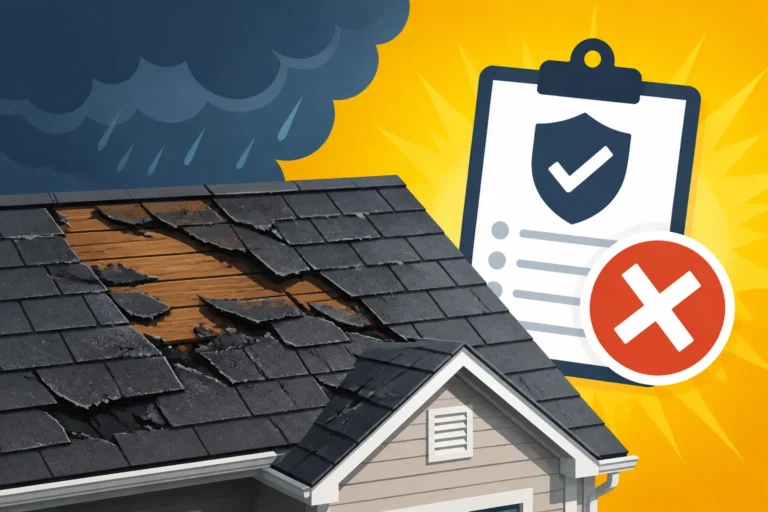
When it comes to your homeowner's insurance, coverage for a sagging roof depends on the cause. If the sag is a result of sudden, accidental damage like a severe storm (wind, hail, heavy snow leading to collapse) or a sudden leak, your policy might cover the repairs. However, if the sag is due to long-term neglect, poor maintenance, or aging, insurance is unlikely to cover it. It's crucial to contact your insurance provider as soon as you discover the sag to understand your specific policy's coverage and begin the claims process if applicable. Remember to provide them with the structural engineer's report, if you had one done, as this can greatly strengthen your claim. For a broader understanding, read about whether Does Insurance Cover Roof Replacement.
Finally, discuss warranties with your contractor. You'll want a strong workmanship warranty covering the structural repairs and the installation of any new roofing components. Also, inquire about manufacturer warranties for new materials like shingles or decking. Understanding What Voids a Shingle Warranty is also vital to ensure you don't accidentally invalidate your coverage.
Making Informed Decisions for Lasting Solutions
Repairing a sagging roof is a significant investment, so you want to ensure the solution is robust and lasting. Don't rush into a decision based solely on price. Take the time to understand the proposed repair methods, ask clarifying questions, and ensure you're comfortable with the contractor's experience and approach. Ask for references and check online reviews to gauge their reputation. You might want to consider the overall How Long Does an Asphalt Roof Last for your region and if a full replacement is due anyway, it might make sense to tackle both problems simultaneously.
Ultimately, your goal is to restore your roof's structural integrity and ensure the safety and longevity of your home. A sagging roof is a serious structural issue, and addressing it correctly the first time will save you from future headaches and potentially more costly repairs down the line. Investing in proper diagnosis and skilled craftsmanship is an investment in your home's future.
Disclaimer
Please remember that the information provided in this article is intended for general guidance and informational purposes only. Roofing costs and repair methods can vary significantly based on your specific location, the extent of the damage, material choices, and local labor rates. Always consult with multiple qualified, licensed, and insured roofing professionals and, if necessary, a structural engineer, to obtain accurate assessments and estimates for your particular situation. Do not undertake complex structural repairs without professional advice and proper permits.