How Much Does It Cost to Fix Curling Shingles
That sight of curling shingles, whether they're cupping upwards or clawing downwards, can send a pang of worry through any homeowner. It's not just an aesthetic issue; it's a glaring sign that your roof's protective shield is compromised, potentially leading to leaks and far more extensive, costly damage. This guide is here to walk you through understanding why shingles curl, what your repair options are, and most importantly, how much you can expect to pay to get your roof back in shape.
The Curling Shingle Conundrum: What You're Seeing and Why It Happens
Before we dive into the numbers, it's crucial to understand what's actually going on when your asphalt shingles start to curl. It’s not just random wear and tear; it's often a tell-tale sign of deeper issues at play. Recognizing the type of curl can even give you clues about the underlying problem, helping you communicate more effectively with a contractor.
Types of Shingle Curling: Cupping vs. Clawing
When you look up at your roof, you might notice two distinct patterns of curling, each indicating slightly different stresses on the shingle material.
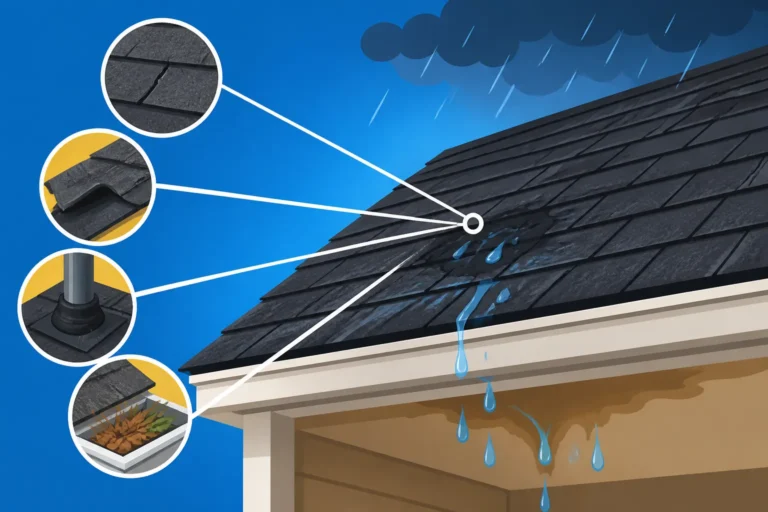
Cupping Shingles: This is when the edges of the shingle turn upwards, creating a concave shape. Imagine holding a bowl upside down; that's essentially what cupping looks like. This often happens because the bottom surface of the shingle absorbs more moisture than the top surface, causing it to expand. Alternatively, it can be a sign of inadequate attic ventilation, where heat and moisture build up, causing the roofing materials to expand and contract unevenly. Think of a hot, humid attic baking the underside of your roof deck and shingles day after day.
Clawing Shingles: In contrast, clawing occurs when the edges of the shingle stay flat, but the middle starts to rise, giving the shingle a convex, claw-like appearance. This is typically a sign of shingle aging and granule loss. As the protective granules wear away, the asphalt mat beneath is exposed to more direct sunlight and UV radiation. This causes the shingle to dry out, shrink, and become brittle, pulling the center upwards. It’s a pretty clear indicator that the shingle is nearing the end of its lifespan.
Common Causes Behind Shingle Curling
Several factors contribute to shingles curling, and it’s rarely just one culprit. Often, it's a combination of these stressors that leads to the visible damage you're seeing.
Age and Wear: This is perhaps the most common reason. Asphalt shingles aren't designed to last forever, typically having a lifespan of 15 to 30 years depending on the type and quality. As they age, the asphalt oils evaporate, the fiberglass mat loses its flexibility, and the protective granules detach. This makes the shingles brittle and prone to curling, cracking, and eventual failure. If your roof is past the 20-year mark, you might be seeing these signs of natural degradation. You might want to consider the broader topic of How Long Does an Asphalt Roof Last.
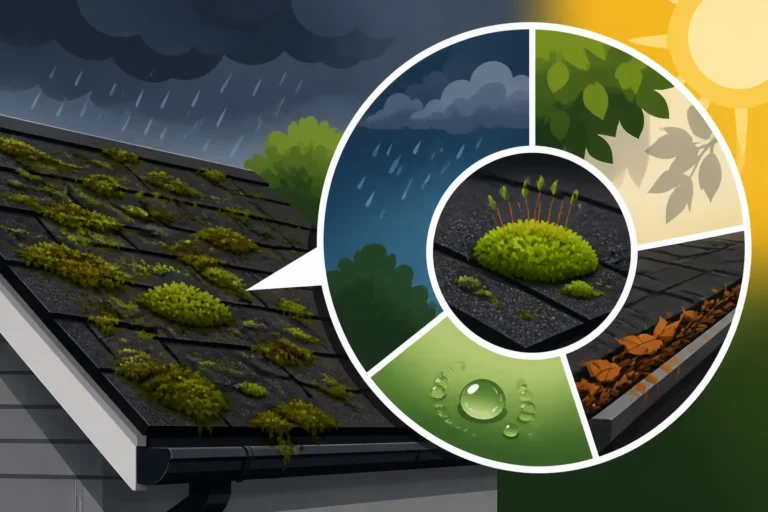
Improper Ventilation: Believe it or not, your attic plays a huge role in your roof’s health. A poorly ventilated attic traps heat and moisture, especially in warmer climates like Florida or Texas. This superheated air bakes the underside of your roof deck and shingles, causing rapid and uneven expansion and contraction. Over time, this stress leads to premature curling and shingle degradation. It's like putting a pizza in a too-hot oven – the crust will start to curl and crisp up unevenly. Proper attic ventilation allows this heat and moisture to escape, equalizing temperatures and extending shingle life.
Manufacturing Defects: While rare, it's possible for shingles to curl due to a defect in their manufacturing process. If you have a relatively new roof (say, less than 10-15 years old) and are seeing widespread curling that isn't attributable to other factors, this might be a possibility. In such cases, your manufacturer's warranty might cover the damage, so it's worth checking your documentation and contacting the installer. Top brands like GAF, Owens Corning, and CertainTeed have robust quality control, but even the best can have an occasional issue.
Improper Installation: The way shingles are installed is absolutely critical. If they're nailed incorrectly – too few nails, nails placed too high or too low, or nails driven in too deep or not deep enough – they won't bond properly to the roof deck or to each other. This can lead to them lifting, shifting, and eventually curling as they become more susceptible to wind uplift and moisture infiltration. Similarly, if starter shingles aren't installed correctly, or if the shingles aren't staggered and offset according to manufacturer specifications, problems can arise.
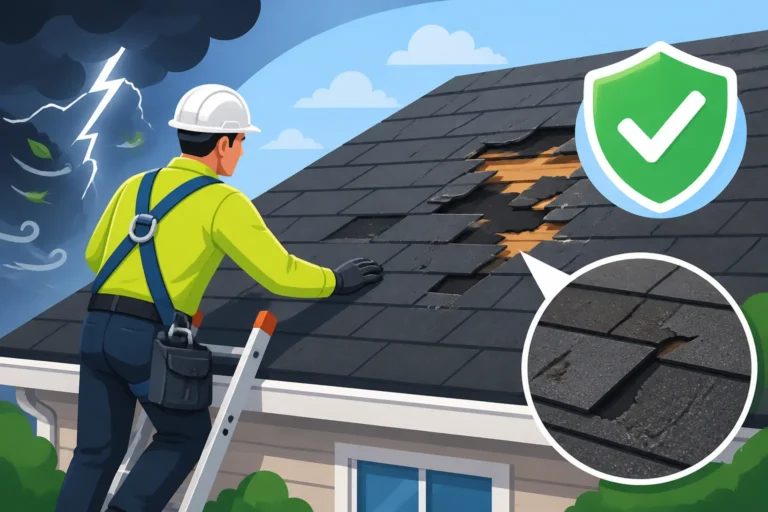
Exposure to Extreme Weather: Constant cycling between hot sun and heavy rain, or severe hail and high winds, can accelerate shingle deterioration. Intense UV radiation from the sun dries out shingles, while repeated moisture exposure can lead to swelling. In regions prone to extreme weather, such as Colorado or areas along the Gulf Coast, shingles endure more stress, and curling can manifest sooner than in more temperate zones. This constant battering can make a perfectly good roof show signs of distress much earlier than anticipated.
Breaking Down the Cost to Fix Curling Shingles
The question on every homeowner's mind when they spot curling shingles is, "How much is this going to set me back?" The answer, as with most home repairs, isn't a simple one-size-fits-all number. The cost depends heavily on the extent of the damage, the type of shingles, the complexity of your roof, and whether you opt for repair or full replacement.
Minor Curling: Patching and Resealing
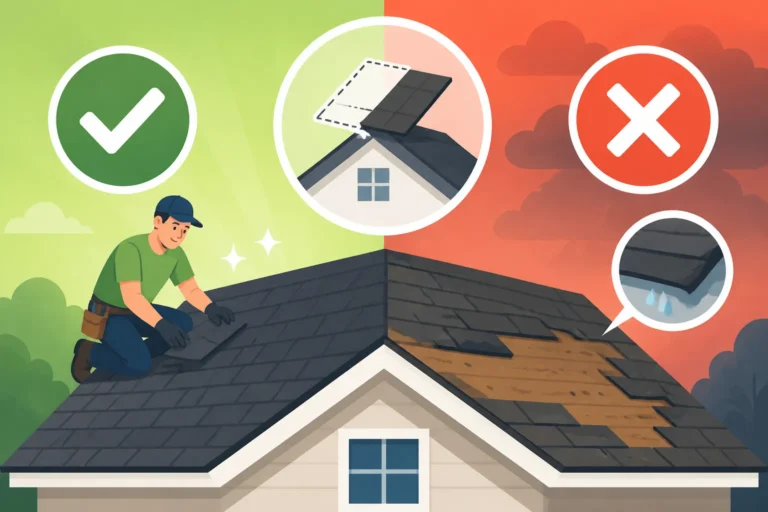
If you have just a handful of shingles showing minor cupping or clawing, and the rest of your roof is in good condition with plenty of life left, a targeted repair might be an option. This usually involves carefully lifting the curled shingles, applying a roofing cement or sealant underneath, and pressing them back down. If a shingle is too brittle or damaged to reseal, it might be removed and replaced with a matching shingle.
- DIY Cost: For a very small, isolated issue (1-3 shingles), you might spend $20-$100 on a tube of roofing cement and a few matching shingles if you can find them. However, accessing the roof safely, especially if it's steep or high, presents a significant risk.
- Professional Cost: Most roofing contractors have a minimum service call fee, which typically ranges from $200 to $600 for minor repairs. This fee covers their crew's time, travel, and materials for a small job. For example, in a city like Dallas, Texas, you might find prices on the higher end due to demand and labor costs.
- What's Included: This cost generally covers inspecting the immediate area, carefully lifting and sealing or replacing a few shingles, and ensuring the surrounding area is sound. If only a few are curling, and they're not excessively brittle, this can be a cost-effective solution to extend your roof's life temporarily.
Moderate Curling: Sectional Repair
When curling is more widespread, affecting a larger section or a particular slope of your roof, it moves beyond a minor patch-up. This often indicates localized issues, such as poor ventilation in one part of the attic, or a specific area that receives more direct sun exposure.
- Professional Cost: Repairing a moderate section (e.g., a few "squares" – a roofing square is 100 sq ft) could range from $500 to $1,500 or more. This cost varies based on the number of shingles needing attention, their type (architectural shingles might cost more to replace than 3-tab), and the labor involved. In metropolitan areas like Los Angeles or New York, labor rates are often higher, pushing these costs up.
- What's Included: A contractor would typically remove and replace all compromised shingles in the affected area, ensuring proper underlayment and flashing are intact. They might also assess the ventilation in that specific attic section. This repair can significantly extend the life of the repaired section, but it’s important to understand it doesn't address potential issues on other parts of the roof.
Factors That Influence Repair Costs
The final bill for fixing curling shingles isn't just about the number of shingles; several other variables play a critical role.
-
Type of Shingle:
- 3-Tab Shingles: These are the most basic and typically least expensive. Repairing or replacing them is usually straightforward.
- Architectural Shingles: Also known as dimensional shingles, these are thicker and more aesthetically pleasing. They cost more per square, and sourcing a perfect match for an older roof can sometimes be trickier, potentially increasing labor or material costs.
- Designer/Luxury Shingles: These are premium options designed to mimic slate or wood shakes. They are the most expensive, and finding exact matches for repairs can be challenging, often leading to higher repair costs.
If you're curious about the differences, take a look at our guide on 3-Tab vs Architectural Shingle Cost Compared.
-
Roof Pitch and Accessibility: A steep roof pitch (the angle of your roof) or complex roofline with many dormers, valleys, and chimneys makes the job more difficult and dangerous for roofers. This increased hazard means higher labor costs, sometimes referred to as a Steep Roof Cost Premium. If your home is multiple stories, scaffolding might be needed, adding further to the expense. For example, a single-story ranch home will almost always be cheaper to work on than a three-story Victorian in San Francisco.
-
Location: Labor rates and material costs vary significantly by region, city, and even neighborhood. Contractors in high-cost-of-living areas will naturally charge more for their services. Weather patterns also factor in; a roofer in Minnesota might include considerations for ice and snow in their pricing, whereas a roofer in Arizona might factor in extreme heat. For a deeper dive into how your location impacts pricing, check out Asphalt Shingle Roof Cost by State.
-
Number of Layers: If your roof has multiple layers of shingles, and you're contemplating a partial repair, it can complicate things. Building codes often limit the number of shingle layers, and removing existing layers adds to the labor and disposal costs. A full tear-off is usually recommended if you have more than one layer and are facing widespread issues.
Here's a quick look at how these factors can play into typical repair costs:
| Factor | Impact on Cost (per affected area) | Notes |
|---|---|---|
| Shingle Type | 3-Tab (Lowest), Architectural (Mid), Luxury (Highest) | Matching older, discontinued shingle styles can increase costs. |
| Extent of Damage | Few shingles ($200-$600) to Larger section ($500-$1,500+) | More widespread damage pushes costs towards a full replacement. |
| Roof Pitch/Height | Low/Easy (Standard) to Steep/High (15-30% premium) | Safety equipment, specialized techniques, and longer work times for steeper or multi-story roofs. |
| Accessibility | Easy access (Standard) to Obstructions/Limited Access (Higher) | Trees, landscaping, tight spaces around the house can add to setup and labor time. |
| Underlying Damage | None (Standard) to Rotted Decking/Fascia (Add $50-$100+ per sq ft of decking) | If curling has led to leaks and water damage beneath, expect significant additional costs for Roof Decking Replacement Cost or other structural repairs. |
| Geographic Location | Varies Widely | Major metropolitan areas and regions with high demand often have higher labor rates. |
Repairing Curling Shingles: DIY vs. Professional Intervention
When you discover curling shingles, your first thought might be, "Can I just fix this myself?" The DIY route can seem appealing from a cost perspective, but it comes with significant caveats. Understanding the pros and cons of each approach is vital for making an informed decision.
The DIY Approach: When It Might Work and When It Won't
If you're handy, comfortable on a ladder, and the damage is truly minimal and localized, a DIY repair might be an option.
Pros of DIY:
- Cost Savings: You're only paying for materials: a few bundles of matching shingles (if you can find them), a tube of roofing cement, and maybe some basic tools. This could be as little as $20-$100.
- Immediate Action: If you notice a single shingle lifting and it's threatening to blow off, a quick DIY fix can prevent more extensive damage.
Cons of DIY:
- Safety Risks: Working on a roof is inherently dangerous. Falls from ladders or roofs can result in serious injury or even death. If your roof is steep, high, or the weather conditions aren't perfect, the risk skyrockets.
- Lack of Expertise: Do you know the proper nailing pattern for your shingles? How much roofing cement is too much? Do you know how to identify if the underlayment is also compromised? Improper repairs can actually worsen the problem, void your shingle warranty, or lead to leaks down the line.
- Matching Issues: Finding perfectly matching shingles for an older roof can be incredibly difficult. Over time, shingles fade due to UV exposure. A mismatched repair can be an eyesore and make your home look unkempt.
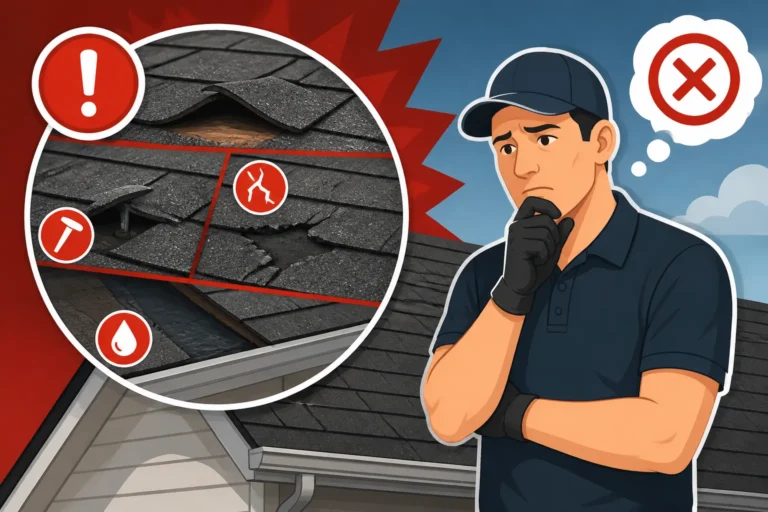
- Hidden Damage: What looks like a simple curled shingle might be a symptom of rotted decking underneath, poor ventilation, or widespread granule loss. A DIY fix often overlooks these deeper issues, leading to recurring problems.
For instance, imagine you climb up to reseal a few curled shingles on your garage roof. It seems straightforward, but if you inadvertently step on a brittle section, you could crack more shingles, creating new points of failure. Or, if the underlying issue is rotting plywood due to an old, slow leak, merely re-gluing the shingle won't solve the core problem.
Hiring a Professional: The Smarter, Safer Choice
For most homeowners, especially when dealing with anything more than a single, easily accessible curled shingle, hiring a professional roofing contractor is the recommended course of action.
Pros of Professional Repair:
- Safety: Professionals have the training, experience, and safety equipment to work on roofs safely and efficiently. They carry liability insurance, which protects you if a worker is injured on your property.
- Expertise and Experience: A good contractor can accurately diagnose the cause of the curling, not just fix the symptom. They understand building codes, proper installation techniques, and what materials will last.
- Quality Workmanship: Professionals ensure the repair is done correctly, using the right tools and materials, which helps maintain your roof's integrity and extends its life.
- Warranty Protection: Many contractors offer a workmanship warranty on their repairs, giving you peace of mind. Plus, a professional repair won't inadvertently void your manufacturer's warranty on the remaining parts of your roof.
- Access to Materials: Contractors have established relationships with suppliers and can often source matching shingles or advise on the best alternatives.
Cons of Professional Repair:
- Higher Upfront Cost: As discussed, even a minor repair will incur a service call fee, which is more than the cost of DIY materials.
- Scheduling: You'll need to coordinate with the contractor's schedule, which might mean a short wait, especially during peak seasons or after severe weather events.
When seeking professional help, it's wise to get multiple quotes. Platforms like Modernize can help connect you with reputable local contractors who can assess your roof and provide detailed estimates. Always ask about their licensing, insurance, and references. You want someone who stands by their work, which is why understanding Roofing Warranty: Workmanship vs Manufacturer is so important.
When Curling Shingles Signal a Bigger Problem: Repair vs. Replacement
Sometimes, curling shingles aren't just a minor annoyance; they're a giant flashing sign that your entire roof system is failing. Deciding whether to repair or replace can be a difficult choice, often fraught with financial implications. The key is to assess the overall health of your roof.
Assessing the Extent of the Damage
Before you commit to a repair, a thorough roof inspection is paramount. A good professional will assess several factors to help you make the best decision.
- Widespread vs. Isolated: Is the curling confined to one small area, or is it visible across multiple slopes of your roof? If curling is widespread, affecting 20% or more of your roof, a full replacement is usually the more economical long-term solution. Patching a roof that's failing everywhere else is akin to putting a band-aid on a gaping wound.
- Age of the Roof: What is the estimated age of your asphalt shingle roof? If it's pushing past 20 years, even isolated curling could indicate that the entire roof is nearing the end of its functional lifespan. Trying to repair a very old roof often leads to a cycle of endless repairs, each costing money, without truly solving the underlying aging problem. You'll want to review Roof Age: When to Start Planning Replacement.
- Underlying Issues: Has the curling led to leaks, water stains in your attic, or damaged roof decking? If moisture has penetrated, you could be facing structural damage that a simple shingle repair won't address. A professional inspection should include checking the attic for signs of water intrusion or inadequate ventilation.
- Granule Loss: Is there significant granule loss accompanying the curling? Granules are the protective layer of the shingle that deflects UV rays. If they're gone, the asphalt underneath is exposed, drying out the shingle and accelerating its degradation. If you see piles of granules in your gutters or downspouts, it's a strong indicator of a failing roof. This is a common Signs You Need a New Roof.
The Repair vs. Replace Dilemma
This is where the rubber meets the road. Weighing the upfront cost of repair against the long-term investment of a new roof requires careful consideration.
When Repair Makes Sense:
- Younger Roof: If your roof is relatively young (under 10-15 years old) and the curling is localized due to a specific issue like a few improperly nailed shingles or a small area of poor ventilation.
- Budget Constraints: When a full replacement isn't feasible right now, a targeted repair can buy you time, preventing immediate leaks and allowing you to save up for a future replacement. However, be realistic about how much time it buys you.
- Matching Shingles Available: If you can easily source matching shingles that blend seamlessly with your existing roof.
When Replacement is the Better Investment:
- Older Roof with Widespread Issues: If your roof is approaching or beyond its expected lifespan (20+ years) and exhibits widespread curling, granule loss, blistering, or cracking. At this point, you're likely dealing with the Common Problems with a 20-year-old Asphalt Roof.
- Frequent Repairs: If you find yourself calling a roofer every year for different patches and fixes, the cumulative cost of repairs can quickly approach the cost of a new roof. This is a classic example of When a Roof Repair Is a Waste of Money.
- Improved Home Value and Curb Appeal: A new roof significantly boosts your home's curb appeal and resale value. It's often one of the best investments you can make in your home, with a strong return on investment.
- Enhanced Protection and Peace of Mind: A new roof, properly installed with a full system (underlayment, flashing, ventilation, new shingles), provides superior protection against the elements and comes with comprehensive manufacturer and workmanship warranties. This offers unparalleled peace of mind for decades.
- Energy Efficiency: Modern roofing materials and proper ventilation can significantly improve your home's energy efficiency, potentially lowering your heating and cooling bills.
Considering a full replacement often opens up conversations about financing options, which you can explore in guides like Roof Financing Options Explained. Remember, a new roof is a significant investment, but it protects your most valuable asset: your home. Comparing the Cost to Replace vs Repair an Old Roof will give you a clearer picture.
Finding the Right Roofing Professional
Regardless of whether you decide on a simple repair or a full replacement, the quality of the contractor you choose will profoundly impact the outcome. A bad installation or shoddy repair can lead to more problems and wasted money down the line.
What to Look For in a Roofing Contractor
Choosing the right roofer isn't just about getting the cheapest bid. It's about finding a reliable, skilled professional who will do the job right.
- Licensing and Insurance: This is non-negotiable. Ensure your contractor is properly licensed in your state or locality and carries both general liability insurance and workers' compensation insurance. Ask for current copies of their certificates and verify them. If they don't have these, walk away. This is crucial for your protection, as detailed in Licensed and Insured Roofers: Why It Matters.
- Experience and Reputation: Look for contractors with a proven track record. How long have they been in business? Do they specialize in residential asphalt roofing? Check online reviews on sites like Google, Yelp, and the Better Business Bureau. Ask for local references and follow up on them.
- Manufacturer Certifications: Many top shingle manufacturers like GAF, Owens Corning, and CertainTeed offer certification programs for contractors who meet specific training and quality standards. A GAF Master Elite Contractor or an Owens Corning Platinum Preferred Contractor, for example, can offer extended warranties that non-certified installers cannot. This often indicates a higher level of expertise and commitment to quality.
- Detailed Estimates: A reputable contractor will provide a comprehensive, written estimate that itemizes all costs: materials, labor, permits, disposal, and any potential unforeseen issues. Be wary of vague estimates or those that are significantly lower than others – they often signal cut corners or hidden fees. Our guide on How to Read and Compare Roofing Estimates can walk you through this process.
- Local Presence: While national chains exist, a local contractor often has a deeper understanding of local building codes, weather patterns, and supplier relationships. They're also usually more accessible for follow-up questions or warranty issues.
- Clear Communication: A good contractor will communicate clearly, answer all your questions, and keep you informed throughout the process. They should explain the scope of work, timeline, and payment schedule in an understandable manner.
Getting and Comparing Estimates
Don't settle for just one quote. The best practice is to get at least three detailed estimates from different, reputable roofing companies. This allows you to compare pricing, proposed solutions, and contractor professionalism.
When reaching out for estimates, be specific about the problem you're observing (e.g., "curling shingles on the north side of the house"). Ask them to inspect the entire roof and attic to identify the root cause. A platform like Modernize can be incredibly useful here, as it helps streamline the process of getting multiple bids from pre-vetted professionals in your area.
During the consultation, don't hesitate to ask specific questions:
- What exactly will the repair entail?
- What materials will be used?
- What is your experience with this type of damage?
- What kind of warranty do you offer on the repair?
- How long will the work take?
- Do you handle permits (if a permit is needed for the repair, which is less common for minor fixes but crucial for replacement)?
Comparing these estimates side-by-side isn't just about the bottom line. Look at the value offered: the quality of materials, the detail in the proposal, the warranties, and the overall professionalism of the contractor. Remember, the cheapest option isn't always the best value in the long run. Sometimes a slightly higher bid from a highly recommended, certified contractor can save you headaches and money down the road. For more guidance, read our article on How to Get Roofing Quotes and Compare Them.
Disclaimer
Please remember that the information provided in this article is intended for general guidance and informational purposes only. Roofing costs and repair methods can vary significantly based on your specific location, the unique characteristics of your home, material availability, and individual contractor pricing. Always consult with a qualified and licensed roofing professional for an accurate assessment and personalized estimate for your particular situation. Do not attempt complex roof repairs without proper training, equipment, and safety precautions.