Should You Replace a 10-year-old Asphalt Roof
It's incredibly frustrating when you start seeing signs of wear and tear on your asphalt roof, especially if you thought you had years left before worrying about a replacement. Many homeowners find themselves scratching their heads, wondering if a 10-year-old roof, which sounds relatively new, could actually be failing. This comprehensive guide will walk you through the realities of a 10-year-old asphalt roof, helping you understand what factors might be at play and how to make an informed decision between repair and full replacement.
The Reality of a 10-Year-Old Asphalt Roof
When you bought your home, or when you had your roof last replaced, you probably heard that asphalt shingles typically last 20, 25, or even 30 years. So, the idea of considering a replacement after just a decade can feel like a punch to the gut. It's easy to feel ripped off or confused, and honestly, you have every right to question it. While 10 years isn't the average lifespan for a complete replacement, it's not unheard of for issues to arise that make you consider it.
Expected Lifespan vs. Real-World Factors
The advertised lifespan of asphalt shingles is often based on ideal conditions and laboratory testing. In the real world, your roof is battling a relentless onslaught of elements every single day. Factors like extreme weather, improper installation, and even the quality of the shingles themselves can significantly shorten a roof's life expectancy. A 10-year-old roof, for example, might be showing significant wear if it's been through several severe hailstorms, high winds, or relentless sun exposure in a harsh climate.
It's a common misconception that all asphalt shingles are created equal. There's a big difference between basic 3-tab shingles, which might only reliably last 15-20 years, and thicker architectural shingles designed for 30 years or more. If your roof was installed with entry-level materials, or if the initial installation was subpar, you might start seeing problems much sooner than anticipated. For a deeper dive into the general lifespan, check out our guide on how long does an asphalt roof last.
Early Warning Signs of Trouble
Even at the tender age of 10, your roof can start giving you subtle (or not-so-subtle) hints that something isn't quite right. These aren't necessarily indicators of immediate failure, but they definitely warrant attention. Think of them as your roof's way of asking for a check-up before things get dire.
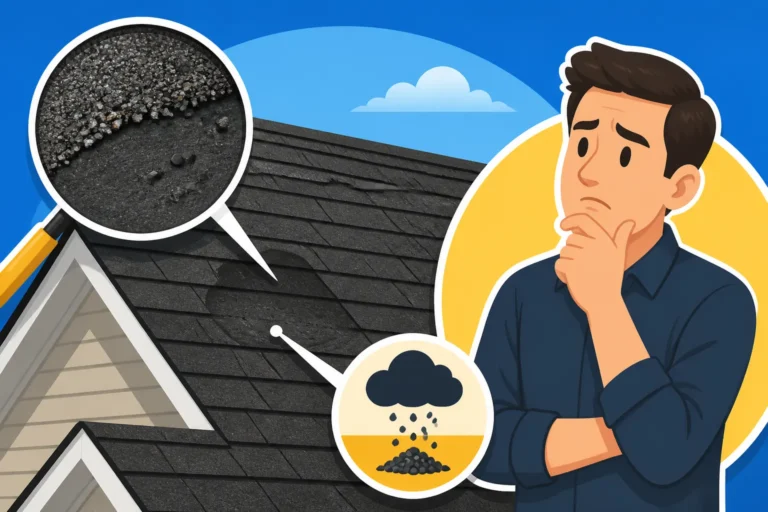
One of the most common early signs is a noticeable loss of granules from your shingles. Those tiny, sand-like particles protect the asphalt from UV rays, and once they start flaking off in significant amounts, the underlying asphalt is exposed and will degrade much faster. You might see them accumulating in your gutters or on the ground around your home after a rain. Another red flag is when shingles begin to curl or buckle. This can happen due to heat exposure, improper ventilation, or simply age, and it compromises the shingle's ability to shed water effectively. Lastly, if you start noticing missing shingles after even moderate wind, it suggests that the sealant is failing or the nailing wasn't adequate. While it might seem minor to replace a few shingles, it's a symptom that the entire roof might be vulnerable.
Key Factors Influencing Your Decision to Repair or Replace
Deciding whether to repair or replace a 10-year-old asphalt roof is rarely straightforward. It often comes down to a careful assessment of several interconnected factors, each playing a critical role in your roof's current condition and future viability. It's not just about what you see on the surface, but also about what's been happening behind the scenes since day one.
Climate and Weather Impact
Where you live has a monumental impact on how quickly your roof ages. A roof in sunny, humid Florida will face different challenges than one in snowy Minnesota or hail-prone Colorado.
- UV Exposure and Heat: In regions with intense sunlight, like Arizona or Southern California, the sun's ultraviolet (UV) rays can prematurely dry out and degrade the asphalt in your shingles. This accelerates granule loss and can lead to brittleness, cracking, and blistering. High attic temperatures, especially if ventilation is poor, also cook your shingles from underneath, further reducing their lifespan.
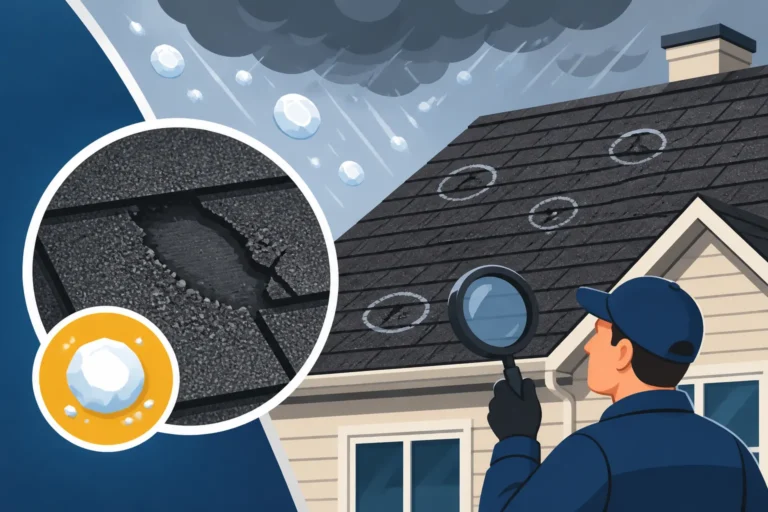
- Hail and Wind Damage: States like Texas, Oklahoma, and parts of the Midwest are no strangers to severe hailstorms and tornadoes. Even small hail can bruise shingles, causing hidden damage that only appears later as soft spots or granule loss. High winds can lift, tear, or completely rip off shingles, particularly if they weren't properly sealed or nailed during installation. Repeated exposure to these events over 10 years can easily wear a roof down prematurely.
- Ice and Snow: In colder climates, prolonged snow cover and the freeze-thaw cycle can take a toll. Ice dams, which form when heat escapes through the roof and melts snow, only to refreeze at the colder eaves, can force water under shingles, leading to leaks and decking damage. This constant expansion and contraction of ice and water can degrade shingles and underlayment faster than usual.
If your home has weathered significant storms, it’s essential to get a professional inspection to assess any hidden damage. Sometimes, a roof that looks okay from the ground might have sustained damage that dramatically shortens its effective life.
Installation Quality Matters Most
I can't stress this enough: the quality of the original installation is perhaps the single most important factor in how long your roof will last. Even the highest-quality shingles, like those from GAF or Owens Corning, won't perform to their potential if they're installed incorrectly. Many issues seen on 10-year-old roofs can be traced back to installation shortcuts or inexperience.
- Improper Nailing: If shingles aren't nailed correctly – too high, too low, or at an angle – they can easily come loose in high winds or shift over time, leading to nail pops or exposed fasteners. This compromises their wind resistance and waterproofing. The specific nailing patterns, like the "high-wind nailing" required in some areas, are crucial for longevity.
- Inadequate Underlayment: The underlayment (the material laid directly on the roof deck before shingles) acts as a secondary barrier against water. If it was poorly installed, torn, or the wrong type was used for your climate, water can penetrate to the decking, leading to rot and leaks. Our guide on how underlayment is installed offers more details.
- Missing or Poorly Installed Flashing: Flashing around chimneys, vents, skylights, and in valleys is critical for preventing leaks in vulnerable areas. If the flashing was improperly bent, sealed, or if inferior materials were used, these areas will be the first to fail, often leading to noticeable interior leaks. A critical component, understanding what flashing is and why it matters can save you a lot of headache.
- Lack of Proper Ventilation: Poor attic ventilation traps heat and moisture, which essentially bakes your shingles from below, accelerating granule loss and warping. It also leads to moisture buildup, which can cause mold, mildew, and rot in your attic space. A roof that isn't breathing correctly will fail much sooner than one with a well-designed ventilation system.
When you're looking at a 10-year-old roof with issues, it's vital to consider if these problems are due to natural aging or foundational flaws from day one. Sometimes, a bad installation can make a relatively new roof behave like one that's decades old.
Maintenance History and Neglect
Just like a car, your roof benefits from regular care and attention. Ignoring minor issues can allow them to escalate into major, costly problems much faster than they would otherwise.
- Skipped Inspections: Many homeowners never think about their roof until they see a leak. Regular inspections, ideally once a year or after major storms, can catch small problems like loose shingles, damaged flashing, or blocked gutters before they turn into major headaches. A professional roof damage assessment: a homeowner's guide can help you understand what to look for.
- Clogged Gutters: Leaves, twigs, and shingle granules can quickly clog gutters, preventing proper drainage. When water backs up, it can seep under shingles, rot fascia boards, and even create conditions for ice dams in winter. Keeping your gutters clear is a simple but essential maintenance task.
- Moss and Algae Growth: While mostly an aesthetic issue, heavy moss growth can trap moisture against your shingles, leading to granular erosion and eventually rot. Algae, those black streaks you often see, doesn't usually cause structural damage, but it indicates a moist environment that can foster other issues. Regular, gentle cleaning can prevent these from taking hold, but aggressive cleaning methods can also damage shingles.
- Deferred Repairs: Did you ignore a missing shingle for a few months, or put off fixing a small leak around a vent? These seemingly minor issues can allow water intrusion, leading to damaged roof decking, insulation, and even interior ceilings. Addressing repairs promptly is key to maximizing your roof's lifespan.
A roof that has been consistently maintained and had minor repairs addressed quickly stands a much better chance of reaching its full expected lifespan than one that has been neglected.
What to Look For: Conducting Your Own Initial Inspection
Before you even think about calling a professional, it's a good idea to conduct a preliminary inspection from a safe vantage point. This isn't about climbing onto your roof, which can be dangerous, but rather using your eyes to spot obvious red flags. Knowing what to look for can help you articulate the issues to a contractor and feel more informed.
Visible Damage from the Ground
Much can be learned by simply walking around your house and observing your roof from the ground. Use binoculars if you need a closer look, especially for higher areas.
- Granule Loss: As mentioned, this is a big one. Look for bare spots on your shingles where the protective granules have worn away, exposing the black asphalt underneath. Check your gutters for an accumulation of shingle granules, especially after rain. This is a common sign of an aging or deteriorating roof. Understanding granule loss: should you worry can provide more context.
- Curling or Cupping Shingles: Observe if the edges of your shingles are turning upwards (curling) or if the centers are sinking down while the edges stay flat (cupping). This indicates they're losing their protective properties and becoming brittle. You might also see signs of curling shingles: what they mean on parts of your roof.
- Cracked or Broken Shingles: Look for any shingles that appear cracked, split, or broken. These areas are vulnerable to water intrusion. Wind damage often causes tabs to crack or break off entirely.
- Missing Shingles: This is perhaps the most obvious sign of damage. Even one missing shingle leaves a section of your roof deck exposed to the elements. These need immediate attention.
- Dark Streaks or Patches: While often cosmetic algae growth, sometimes dark patches can indicate moisture issues or even mold. Moss growth, particularly on shaded areas of the roof, can also be a sign of excessive moisture retention.
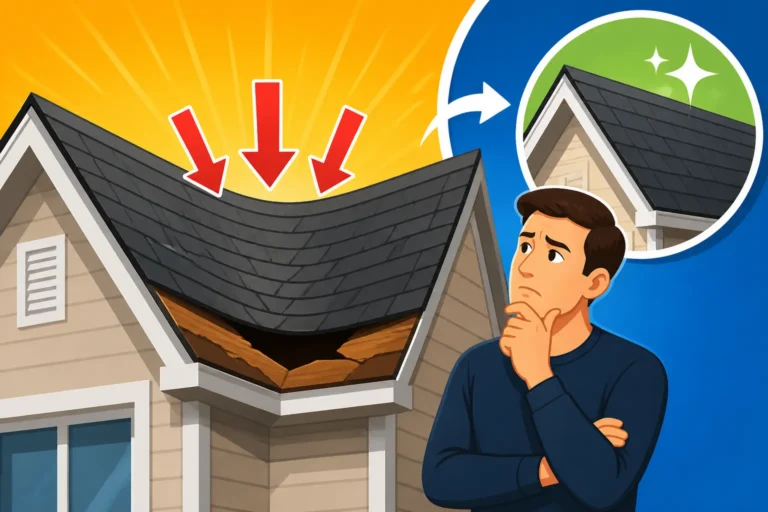
- Sagging Areas: If you notice any dips or sagging spots in your roofline, especially in the middle of a section, this is a serious concern. It could indicate structural problems with the roof decking or framing, possibly due to long-term water damage.
Take photos of anything suspicious you find. These visuals can be very helpful when you discuss your roof with a professional.
Attic Signs and Interior Indicators
If you can safely access your attic, it provides an invaluable perspective on your roof's integrity from the inside out. This is where hidden leaks often reveal themselves first.
- Water Stains: Look for any discoloration, streaks, or wet spots on the underside of your roof decking or on the insulation. Even old, dry stains indicate a past leak that might still be present or could reappear. Pay close attention around chimneys, vents, and other penetrations, as these are common leak points.
- Damp or Moldy Smell: A musty odor in the attic is a strong indicator of moisture problems, often linked to leaks or poor ventilation. Mold and mildew can thrive in damp environments and can cause health issues as well as structural damage.
- Daylight Peeking Through: During daylight hours, turn off your attic lights and look for any shafts of light coming through the roof deck. Even small pinholes can indicate a potential leak point.
- Rotted Wood: Examine the roof rafters, trusses, and the underside of the decking for any signs of soft, discolored, or crumbling wood. This is a clear sign of significant water damage that has been present for some time.
- Ventilation Issues: Observe if your attic feels excessively hot or humid. Are your soffit and ridge vents clear of obstructions? Poor ventilation can lead to a host of problems, from premature shingle aging to ice dams.
It's important to approach attic inspections with caution, especially if you suspect extensive damage. Watch your footing and avoid stepping on unsupported areas.
When to Call a Professional for a Detailed Assessment
While your initial inspection can give you a good sense of the situation, it's no substitute for a professional evaluation. If you've spotted any of the issues mentioned above, or if you simply have a gut feeling that something isn't right with your 10-year-old roof, it's time to call in the experts.
A reputable roofing contractor, like those you can find through platforms like Modernize, will perform a thorough inspection, often involving getting up on the roof to examine shingles, flashing, gutters, and ventilation components up close. They have the experience and tools to identify subtle damage that you might miss. They can also provide a detailed assessment of your roof's remaining lifespan, the extent of any damage, and the best course of action. Asking a professional for a comprehensive evaluation is a smart investment, as they can tell you if a localized repair is sufficient or if the damage is widespread enough to warrant a full replacement. Our guide on how to choose a roofing contractor can offer valuable advice here.
The Repair vs. Replace Dilemma for a 10-Year-Old Roof
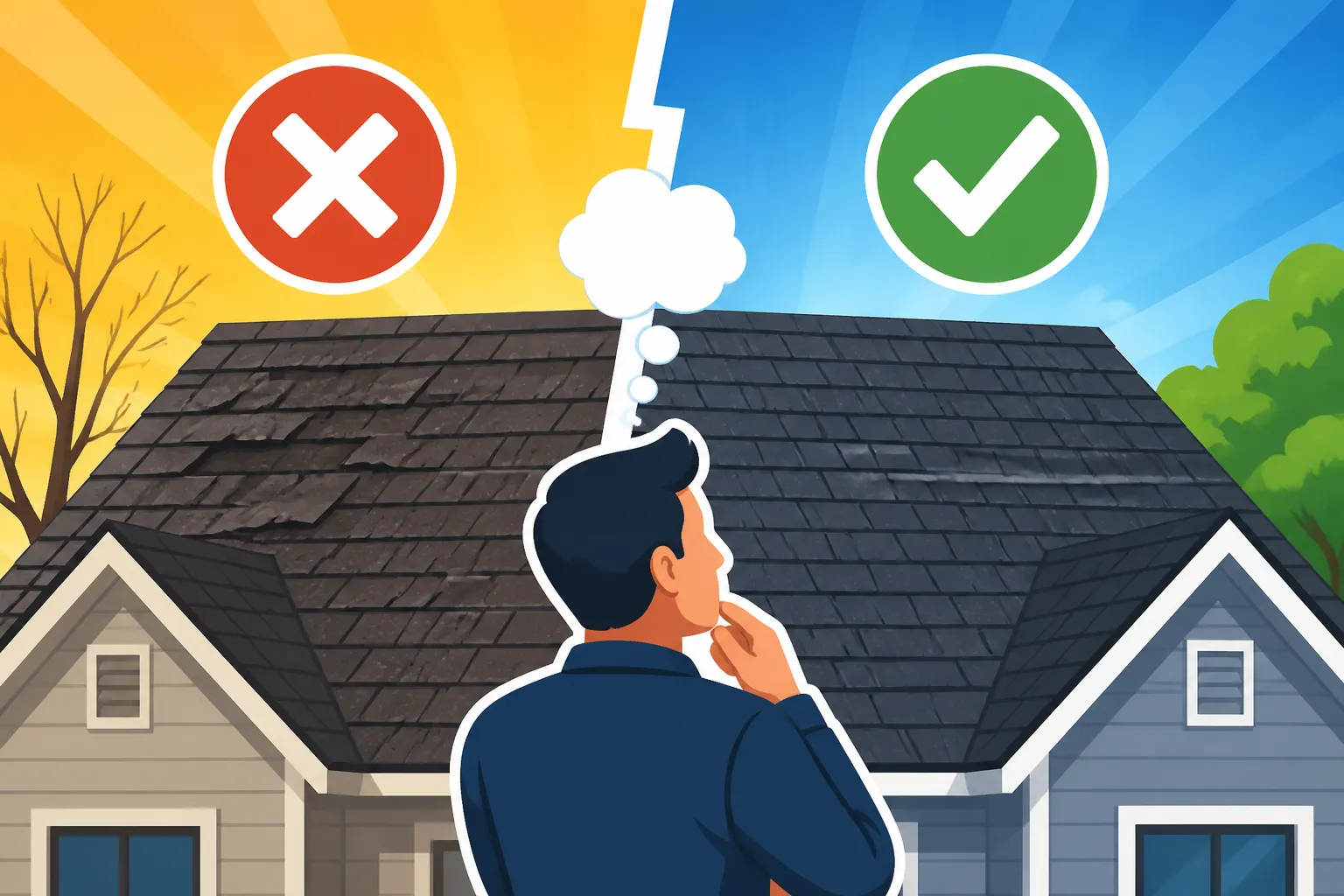
This is where the rubber meets the road. Faced with potential issues on a 10-year-old roof, many homeowners grapple with the cost-benefit analysis of trying to fix problems versus biting the bullet and getting a brand new roof. There's no one-size-fits-all answer, but understanding the scenarios for each option can guide your decision.
When Repairing Makes Sense
For a 10-year-old roof, repairs are often the most sensible first step, especially if the damage is localized and hasn't compromised the overall integrity of the roof system.
- Localized Damage from a Single Event: If a section of your roof sustained damage from a recent storm – say, a tree branch fell, or a strong gust of wind removed a few shingles from one slope – a targeted repair is usually appropriate. This might involve replacing a few bundles of shingles, repairing damaged flashing around a specific penetration, or fixing a small section of fascia. This falls under the category of when to repair a roof leak vs replace the roof.
- Minor Flashing Issues: Leaks around vents, skylights, or chimneys are common, and often due to flashing that has come loose, deteriorated, or was improperly installed initially. These can frequently be repaired by re-flashing or sealing the affected areas without needing to replace large sections of the roof.
- Small Areas of Granule Loss: If you have isolated spots where granules have worn away, but the majority of your roof is still in good condition, applying a roof sealant or replacing a few individual shingles might be enough to extend the roof's life.
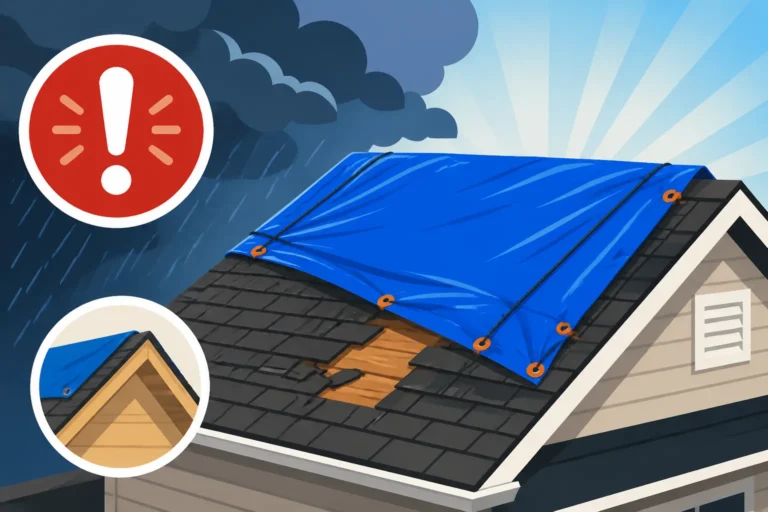
- Temporary Fixes Before a Planned Replacement: If you know you'll be replacing your roof in the next few years (perhaps you're saving up, or planning other renovations), minor repairs can buy you time and prevent small leaks from turning into larger structural damage in the interim.
It's crucial that any repair is done by a skilled professional who can match existing shingles as closely as possible and ensure the repair integrates seamlessly with the rest of the roof, preventing future issues. Remember, a good repair extends the life of your existing roof; a poor one simply postpones the inevitable.
When Replacement Becomes Necessary
While repairs can be a great solution, there comes a point where patching things up is no longer cost-effective or wise. For a 10-year-old roof, these scenarios usually point to underlying systemic failures.
- Widespread Damage from Poor Installation: If the issues on your 10-year-old roof are widespread – for example, curling, cracking, or granule loss across multiple slopes, or repeated shingle blow-offs due to improper nailing – it points to a systemic failure of the original installation. Trying to repair individual sections would be like playing whack-a-mole; new problems would likely emerge elsewhere soon after. In such cases, the roof is simply not performing as it should, and a full replacement is the most reliable long-term solution. Our guide on how to tell if your roof is failing offers further insights.
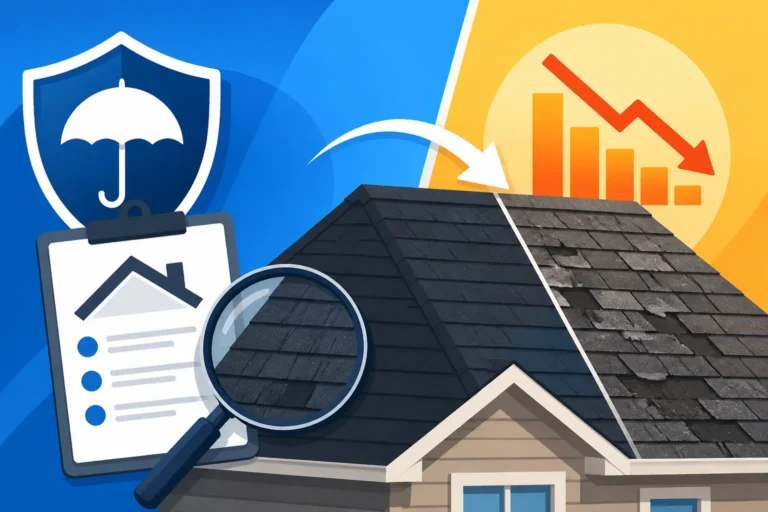
- Severe Storm Damage: If your region has experienced extreme weather, such as a major hailstorm or hurricane, and the damage is extensive across the roof, insurance companies might deem it a "total loss." While a 10-year-old roof still has significant value, widespread damage often makes replacement the only viable option, especially if the structural integrity of the shingles has been compromised. Does insurance cover roof replacement? is a key question to explore here.
- Water Intrusion and Decking Damage: If attic inspections reveal significant water stains, rot, or mold on the roof decking or framing, it means water has been consistently penetrating the shingle layer and underlayment. In these cases, a full tear-off and replacement, including new roof decking, is almost always necessary to prevent further structural damage and health hazards. The cost of roof decking replacement can be significant, but it's essential.
- Multiple, Recurring Issues: If you've had several different repair jobs done over the past few years, addressing various leaks, missing shingles, and other problems, it's a strong indicator that the roof is simply past its prime for reliable performance, even at 10 years. At some point, the cumulative cost and hassle of ongoing repairs will outweigh the cost of a new, warrantied roof.
- Selling Your Home Soon: If you're planning to sell your home in the near future, a compromised 10-year-old roof can be a major deterrent for buyers and a headache during inspections. Replacing it with a new, high-quality roof can significantly increase your home's curb appeal, energy efficiency, and overall value, making it an attractive selling point.
Budgeting for Repairs or Replacement
The financial aspect is, of course, a huge part of this decision. Many homeowners don't have a huge emergency fund set aside for a roof replacement, which can easily run into the tens of thousands of dollars.
- Cost-Benefit Analysis for Repairs: For a 10-year-old roof, minor repairs typically range from a few hundred to a couple of thousand dollars, depending on the extent and complexity. If these repairs can realistically extend your roof's life by another 5-10 years, they are often a good investment. However, if repairs are consistently piling up or addressing symptoms of a larger issue, that money might be better put towards a new roof. It’s also worth considering how much roofers charge per hour for these fixes.
- Estimating Replacement Costs: A full asphalt roof replacement can vary widely based on your home's size, pitch, location, and the type of shingles chosen. For a 2,000 sq ft house, you might expect to pay anywhere from $8,000 to $18,000 or more. Platforms like Modernize can help you connect with local roofing professionals to get multiple, competitive quotes, which is essential for understanding your options. Don't forget to factor in the cost of roof tear-off and disposal, which is part of the total replacement cost. Our guide on how to get roofing quotes and compare them can be a great resource.
- Financing Options: If a replacement is necessary but the upfront cost is daunting, explore various financing options. Many roofing companies offer payment plans, and you might also consider home equity loans, personal loans, or even leveraging your home insurance if storm damage is the primary cause. Thinking about how to budget for a new roof is crucial from the outset.
It's tempting to opt for the cheapest solution, but sometimes, a slightly higher investment now, either in a more robust repair or a full replacement with quality materials, can save you significant money and stress down the line.
Summary of Decision Points for a 10-Year-Old Roof
To help you visualize the scenarios, here's a table summarizing common issues and the likely course of action for a 10-year-old asphalt roof:
| Issue Identified | Extent of Problem | Likelihood of Repair (10-Year Roof) | Recommendation for 10-Year Roof |
|---|---|---|---|
| Missing/Damaged Shingles | Localized (1-5 shingles) | High | Repair individual shingles. Ensure proper color matching and sealing. |
| Missing/Damaged Shingles | Widespread (multiple slopes) | Low to Medium | Investigate underlying cause (wind rating, adhesive failure). If systemic, replacement is likely. If isolated areas, repair may buy time. |
| Granule Loss | Localized, minor | High | Monitor closely. May be normal wear, but if significant, consider a sealant or shingle replacement in affected areas. |
| Granule Loss | Widespread, significant | Low | Indicates premature shingle breakdown. Often a sign of systemic failure (UV exposure, poor quality shingles). Replacement is a strong consideration. |
| Curling/Cupping Shingles | Localized (e.g., one slope) | Medium | Could be poor ventilation or installation. Repairing/replacing specific shingles may work, but address ventilation. |
| Curling/Cupping Shingles | Widespread | Low | Strong indicator of manufacturing defect, poor ventilation, or advanced aging. Replacement is generally recommended. |
| Leaks (no visible roof damage) | Isolated, slow drip | High | Pinpoint source (flashing, nail pops). Often repairable with targeted work. |
| Leaks (water stains, rot) | Widespread, structural | Low | Indicates significant water penetration and decking damage. Requires full replacement, including decking repair. |
| Moss/Algae Growth | Moderate, cosmetic | High | Clean gently, address moisture issues. Not usually a reason for replacement unless causing shingle degradation. |
| Sagging Roofline | Any extent | Very Low | Critical structural issue. Requires immediate professional assessment. Likely full replacement with structural repairs. |
| Poor Installation | Systemic issues identified | Low | If many problems trace back to initial installation flaws, continued repairs will be costly and ineffective. Replacement is the most reliable path. |
Keep this table handy as you assess your own roof's condition. The decision between repair and replacement at 10 years old is a significant one, but by being informed and consulting with experienced professionals, you can ensure your home stays protected for years to come.
Disclaimer
Please remember that this article provides general information and recommendations. Every roof situation is unique, and the best course of action for your specific home should always be determined by a qualified and licensed roofing professional after a thorough, on-site inspection. Do not attempt dangerous roof inspections or repairs yourself.