Is Sagging Covered by Insurance
Spotting a dip or sag in your roof can send a chill down your spine, immediately conjuring up worries about structural integrity and, of course, the financial burden of repairs. It's a daunting discovery that often leaves homeowners wondering: "Is this going to be covered by my insurance?" This guide is here to walk you through the complexities of insurance coverage for roof sagging, helping you understand what factors influence a claim and what steps you can take.
Understanding What Causes Roof Sagging
Before we dive into insurance, it's crucial to understand why your roof might be sagging in the first place. This isn't just about curiosity; the cause of the sag is often the biggest determinant of whether your insurance company will lend a hand. A sagging roof isn't just an aesthetic issue; it's a structural red flag that needs immediate attention.
Age and Wear and Tear
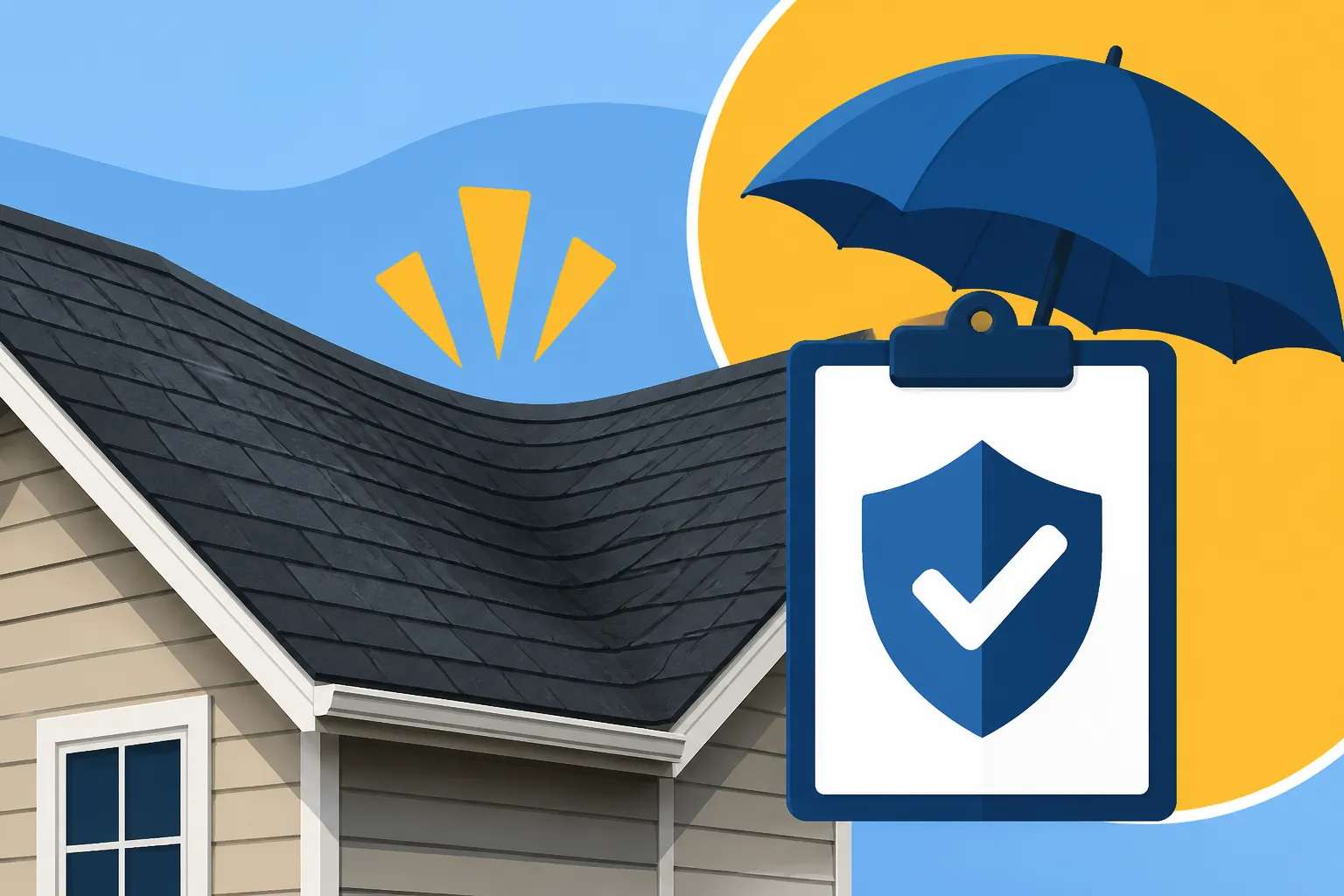
Let's be real, nothing lasts forever, and that includes your roof. Over decades, the materials in your roof system — the trusses, rafters, and decking — can simply weaken and start to give way under the constant stress of gravity, weather, and the weight of your shingles. This is especially true for older homes where the original lumber might not have been as robust or where decades of subtle moisture exposure have taken their toll. You might see a gentle curve develop across the roofline, often most noticeable from the street or a neighbor's yard. It's a slow, insidious process that accumulates over many years. When a roof simply sags due to its age and the natural degradation of materials, insurance companies almost universally categorize this as "wear and tear."
Unfortunately, standard homeowners insurance policies are designed to cover sudden, accidental damage, not the gradual deterioration that comes with time. Think of it like a tire wearing out on your car; you wouldn't expect your car insurance to pay for new tires just because the old ones are bald. Similarly, for roofs, if the sag is clearly a result of age and lack of maintenance, your claim is very likely to be denied. This can be a tough pill to swallow, especially if you just moved into an older home and inherited the problem.
Water Damage and Rot
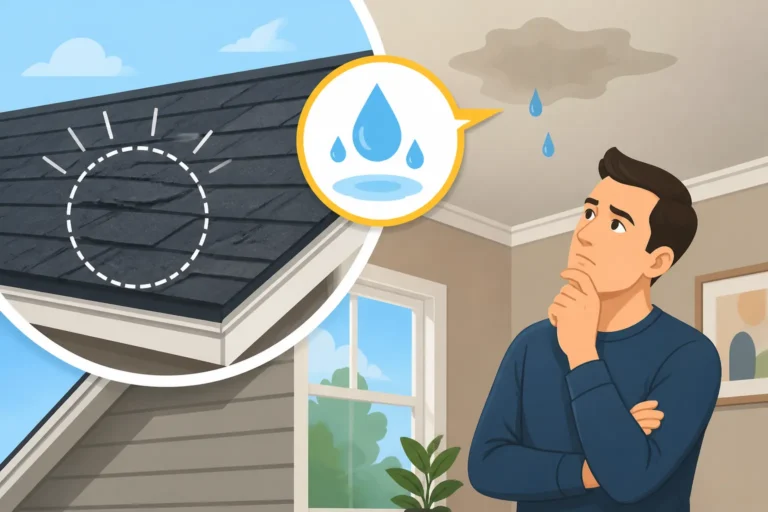
Now, this is where things get a bit more nuanced. Water is the arch-nemesis of a roof's structural components. If your roof has a persistent leak that goes unnoticed or unrepaired for an extended period, that water can seep into the attic and saturate the wooden roof decking, rafters, or trusses. Wood that is constantly wet begins to rot, losing its strength and becoming soft and spongy. As it weakens, it can no longer support the weight of the roofing materials above, leading to a visible sag. This often appears as a localized dip, perhaps directly above where a chronic leak has been.
The key for insurance purposes here is the cause of the water damage and its suddenness. If a sudden, unforeseen event like a storm ripped off shingles, leading to an immediate leak that caused the roof to sag within a short timeframe, that's often a covered peril. However, if the leak was small and trickling for years, a direct result of neglected maintenance (like old, cracked caulk around a vent pipe or a chronically clogged gutter leading to ice dams), then the resulting sag from rot might be denied. Insurance companies want to see evidence of a "sudden and accidental" event, not a failure to maintain the property. This is why addressing even small leaks immediately is so critical.
Structural Issues and Improper Installation
Sometimes, the sag isn't about age or water, but rather about the bones of your roof system. This can stem from a few places:
- Original Construction Flaws: In some older homes, especially those built before modern building codes were fully established or enforced, the roof framing might have been inadequately designed or installed. Perhaps the rafters were spaced too far apart, or they weren't the correct size to support the roof's span and anticipated loads (like snow or strong winds). Over time, these inherent weaknesses can lead to sagging.
- Modifications or Additions: If your home has had additions or modifications over the years, and they weren't properly engineered or built, the new sections could put undue stress on existing structures, causing a sag. This is more common than you might think, especially with DIY projects or unpermitted work.
- Excessive Weight: While less common for sagging, unusually heavy roofing materials on a frame not designed for them could also contribute. For instance, if a roof was originally built for lightweight 3-tab asphalt shingles and someone later installed heavy concrete tiles without reinforcing the structure, it could lead to long-term stress.
In these scenarios, insurance coverage is highly unlikely. Policies typically exclude damage arising from faulty construction, poor workmanship, or code violations. These are not considered "accidental" perils but rather deficiencies in the property itself. If a sag is due to these issues, you might need to pursue recourse against the original builder or contractor if they are still in business and within a warranty period, though this is often a long shot for older problems.
Insurance Coverage Nuances for a Sagging Roof
Navigating insurance claims for a sagging roof feels like walking a tightrope. It's not a straightforward "yes" or "no" answer, and the devil is truly in the details of your policy and the circumstances surrounding the sag.
Sudden and Accidental Damage vs. Wear and Tear
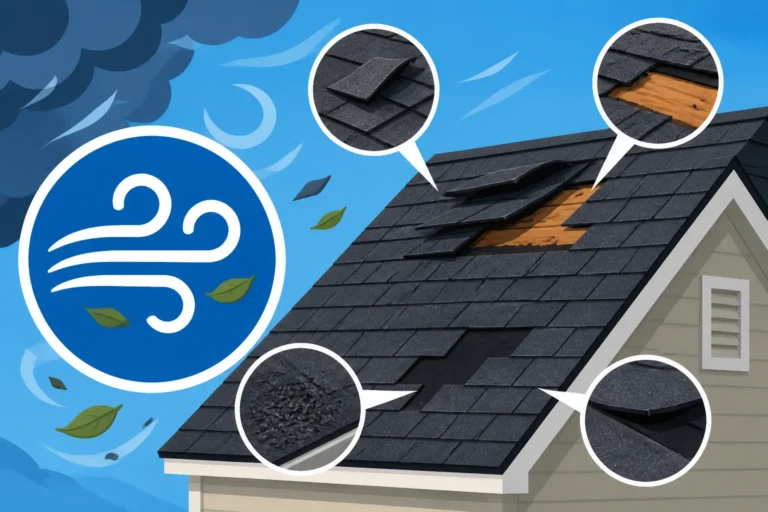
This is the golden rule of homeowners insurance, and it's particularly relevant for roof sagging. Your policy is primarily designed to protect you from unexpected, sudden events. Think of a tornado ripping through your neighborhood, a tree falling on your roof during a thunderstorm, or a massive hail storm pummeling your shingles. These are all "sudden and accidental" perils.
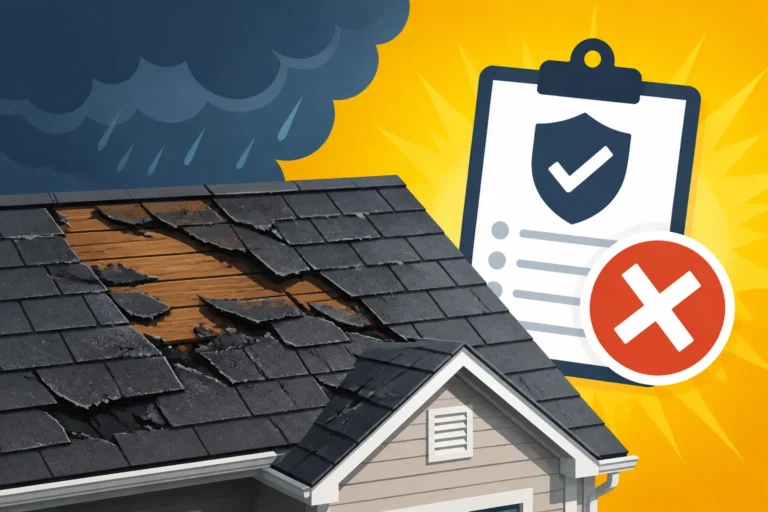
If your roof sags because one of these events directly caused a structural failure—say, a heavy snow load from a single, severe winter storm exceeded the roof's capacity and immediately caused a beam to crack and the roof to dip—then you have a much stronger case for coverage. Similarly, if severe wind peeled back a large section of your roof, exposing the decking to torrential rain that quickly led to significant rot and structural compromise, that's also likely to be covered.
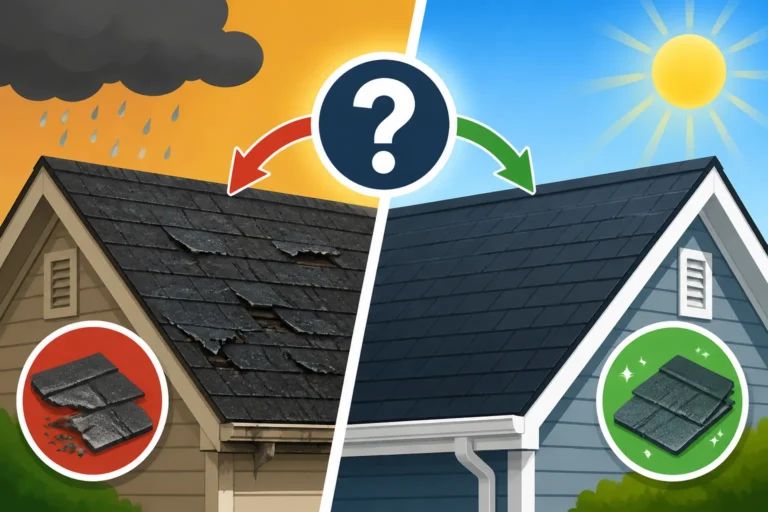
On the flip side, if the sag is a result of years of neglect, gradual water intrusion from unsealed flashing, or just the natural aging process of your asphalt roofing system, insurance companies will almost certainly deem it "wear and tear" or "lack of maintenance." These are standard exclusions in nearly all policies. They argue that it's the homeowner's responsibility to maintain their property and address small issues before they become catastrophic. This is why regular roof inspections and addressing minor repairs promptly are so incredibly important.
Policy Types: Actual Cash Value (ACV) vs. Replacement Cost Value (RCV)
The type of policy you have can dramatically impact your payout, even if your claim is approved. This is where it gets a little complicated for your wallet:
- Actual Cash Value (ACV) Policies: With an ACV policy, the insurance company will factor in depreciation when calculating your payout. They determine the current value of your roof, taking into account its age and condition, and pay out that amount minus your deductible. For an older roof that's already seen better days and is now sagging, this could mean a significantly lower payout. You might find yourself with only a fraction of the money needed to actually replace the roof, leaving you to cover the substantial difference out of pocket. For example, if your 20-year-old roof, which typically lasts 25 years, suffers covered damage, an ACV policy would pay out 5/25ths (or 20%) of its replacement cost, minus your deductible, which can feel incredibly unfair.
- Replacement Cost Value (RCV) Policies: An RCV policy is generally more favorable for homeowners. If your claim is approved, the insurance company will pay the cost to repair or replace your roof with new materials of similar kind and quality, without deducting for depreciation. You typically receive an initial payment based on the ACV, and then, once the work is completed and you provide proof of payment, you receive the remaining depreciation amount. This means you'll eventually receive enough money to fully cover the cost of a new roof (minus your deductible). For a major issue like a sagging roof, an RCV policy can be a financial lifesaver.
It's absolutely worth checking your policy documents to see which type of coverage you have. If you have an ACV policy and an older roof, you might consider discussing upgrading to RCV with your insurance agent, especially if your roof is nearing its expected lifespan.
Common Exclusions to Be Aware Of
Beyond wear and tear, there are other standard exclusions in most homeowners insurance policies that could lead to a denied claim for a sagging roof:
- Faulty Workmanship or Materials: As mentioned, if the sag is due to the original roof being poorly installed or using defective materials, insurance won't cover it. This falls outside the realm of accidental damage.
- Building Code Violations: If your roof sags because it was built without adhering to local building codes, or if previous repairs didn't meet code, your claim could be denied. Insurance companies expect homes to be built and maintained to code. Sometimes, if a covered peril causes damage and brings to light a pre-existing code violation, some policies might offer a limited "ordinance or law" coverage, but this varies widely.
- Settling, Shrinking, Bulging, or Expansion: Policies often exclude damage caused by the natural settling of your home's foundation or other structural components. If the sag is a result of the entire house settling, rather than a direct roof failure, it might be excluded.
- Pest Damage: While not a direct cause of sagging, extensive termite or carpenter ant damage to roof trusses or rafters could lead to structural weakness and sagging. Most policies exclude damage caused by insects, though some may cover sudden, extensive damage if it's considered an "allergic reaction" to the infestation. But typically, this is an exclusion.
- Neglect and Lack of Maintenance: This is a big one. If the insurance adjuster determines that the sag could have been prevented by reasonable upkeep—like cleaning gutters, repairing small leaks promptly, or replacing clearly failing shingles—they will likely deny the claim. This emphasizes the importance of routine roof maintenance.
Documenting and Filing Your Claim for Roof Sagging
If you've discovered a sag in your roof, the immediate panic is understandable. But taking a deep breath and following a structured process for documenting and filing your claim can significantly improve your chances of a favorable outcome.
Step-by-Step Documentation
Documentation is your best friend when dealing with insurance companies. It provides concrete evidence and tells a clear story.
- Safety First: Before doing anything else, ensure your home is safe. If the sag is severe and looks like it could collapse, evacuate the area and call emergency services or a structural engineer immediately. Do not attempt to go onto the roof or into the attic if you suspect instability.
- Take Photos and Videos: Get comprehensive visual evidence.
- Exterior Shots: Photograph the sag from multiple angles, from the ground, and from elevated points if safely possible (e.g., a drone, a neighbor's second-story window). Capture the entire roofline and zoom in on the specific areas of sagging. Note any other visible damage like missing shingles, cracked flashing, or signs of water staining on exterior walls.
- Interior Shots: Go into your attic (again, only if safe) and photograph the underside of the sagging section. Look for cracked rafters, broken trusses, rotted wood, water stains, mold growth, or any signs of past or present leaks. Take photos of any water damage on ceilings or walls inside your home, as this helps connect the roof issue to interior damage.
- Date and Timestamp: Ensure your photos and videos are timestamped, or at least keep a detailed log of when you took them. This helps establish a timeline.
- Note Any Contributing Factors: If you can identify a specific event that might have led to the sag, document it. Was there a recent severe storm with heavy snow or high winds? Did a tree fall nearby? Did you notice a sudden, new leak? Write down the dates and details of these events.
- Gather Maintenance Records: If you have records of past roof inspections, repairs, or replacements, gather them. This can demonstrate that you have been diligent in maintaining your roof, which can be helpful if the insurance company tries to claim neglect. Even receipts for gutter cleaning or tree trimming near the roof can show proactive maintenance.
Professional Inspection and Estimates
Once you've done your initial documentation, it's time to bring in the pros. This step is non-negotiable and crucial for a successful claim.
- Contact a Reputable Roofing Contractor: Find a licensed and insured roofing contractor in your area known for their expertise in structural issues. You can use platforms like Modernize to find local, vetted professionals who can assess the damage. Ask them for a detailed inspection report that clearly states the cause of the sag, the extent of the damage, and whether it's related to a sudden event or gradual wear.
- Get Multiple Estimates: Don't stop at just one. Aim for at least two or three comprehensive estimates for the repair or replacement of your roof. Make sure these estimates are itemized, detailing labor costs, materials, and any necessary structural work. This helps ensure you get a fair price and provides a benchmark for your insurance company. Remember, the goal here is not necessarily to pick the cheapest bid, but to get a clear understanding of the scope and cost involved. When you're dealing with something as serious as a sagging roof, you need detailed estimates that reflect the true complexity of the job.
- Consider a Structural Engineer: For complex or severe sagging, especially if the cause isn't immediately obvious, it might be wise to hire a structural engineer. They can provide an unbiased, expert opinion on the root cause of the sag and the necessary structural remedies. Their report can carry significant weight with insurance adjusters, as it comes from an independent, highly qualified professional. While it's an upfront cost, it can be invaluable in proving your case, particularly if your roof replacement cost is high.
Filing the Claim
With your documentation and professional assessments in hand, you're ready to contact your insurance provider.
- Contact Your Insurance Company Promptly: The moment you discover a sag, especially if you suspect it's due to a sudden event, inform your insurance company. Many policies have clauses requiring you to report damage within a "reasonable timeframe." Waiting too long could jeopardize your claim.
- Be Clear and Concise: When you speak to your insurance representative, describe the damage clearly. State what you've observed, when you first noticed it, and any potential contributing events (like recent storms). Provide them with your documentation—photos, videos, contractor reports, and estimates.
- Expect an Adjuster Visit: Your insurance company will almost certainly send an adjuster to inspect your roof. Be present during this inspection if possible. Share your documentation, point out the specific areas of concern, and be ready to answer their questions. Having your contractor present during the adjuster's visit can also be extremely beneficial, as they can speak contractor-to-adjuster about the technical aspects of the damage and repair.
- Review the Adjuster's Report: Once the adjuster completes their assessment, they will typically provide a report detailing their findings and the proposed settlement. Review this report carefully. Does it accurately reflect the damage? Does it align with your contractor's assessment? If there are discrepancies, don't hesitate to ask for clarification or provide counter-evidence from your professional reports. This is also where understanding terms like "Actual Cash Value vs Replacement Cost Roof Claims" becomes critical.
What to Do If Your Claim is Denied
Facing a denied claim for a sagging roof can feel devastating, especially when you're looking at a significant repair bill. But don't despair; a denial isn't always the final word. You have options, and knowing them can empower you to fight for the coverage you deserve.
Understanding the Reasons for Denial
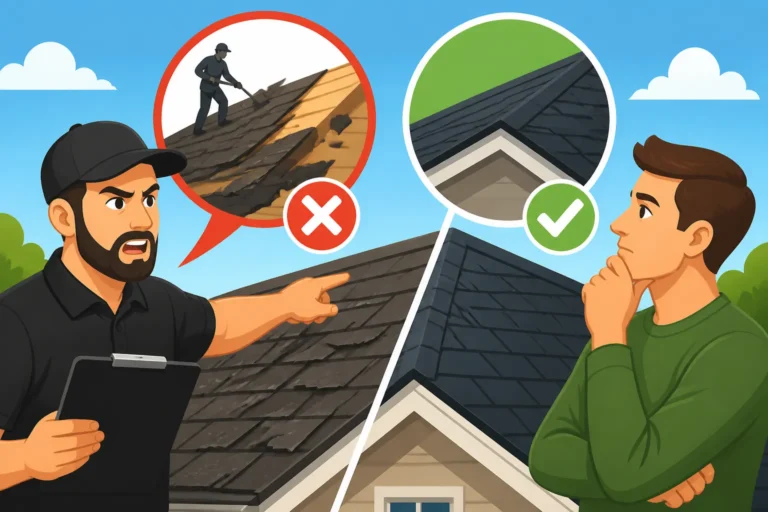
The first step after a denial is to thoroughly understand why your claim was rejected. Your insurance company is legally obligated to provide you with a written explanation. Read this document carefully, paying close attention to the specific policy clauses cited for the denial. Common reasons include:
- Wear and Tear Exclusion: This is a frequent culprit, where the adjuster deems the sag a result of gradual deterioration over time, not a sudden event.
- Lack of Maintenance: If they believe you neglected basic roof maintenance, leading to the issue, they might deny it.
- Pre-existing Damage: If the damage existed before your policy began or before a specific covered event, they might argue it's not their responsibility.
- Faulty Construction/Workmanship: As discussed, if the sag stems from how the roof was built or repaired, it's typically excluded.
- Policy Exclusions: Specific perils like floods (which are typically covered by separate flood insurance) or earthquakes might be excluded from your standard homeowners policy.
It’s important to remember that insurance companies are businesses, and sometimes, denials are part of their process. Your job is to present a compelling case that clearly falls within your policy's coverage.
Appealing the Decision
If you believe your claim was wrongly denied, you absolutely have the right to appeal. This process can be intricate, but staying organized and persistent can make a difference.
- Gather More Evidence: This is where the structural engineer's report can really shine. If your denial cited wear and tear, but an engineer states the sag was exacerbated or directly caused by a recent, severe weather event that overloaded a structurally sound (though perhaps older) roof, that's powerful. Also, gather any additional photos, weather reports from the time of the incident, or testimonies from neighbors who experienced similar damage. If your initial contractor's report wasn't specific enough about the cause of the sag, ask them for a revised one that directly addresses the denial reason.
- Write a Formal Appeal Letter: Draft a clear, concise letter outlining why you dispute the denial. Reference your policy number and claim number. Systematically address each reason for denial provided by the insurer, countering it with your evidence. Attach all supporting documentation. Be polite but firm, and stick to the facts.
- Request a Re-inspection: In your appeal letter, request that a different adjuster from the insurance company conduct a re-inspection of your roof. A fresh pair of eyes might interpret the damage differently. If you hired a structural engineer, arrange for them to be present during this re-inspection.
- Escalate Within the Company: If your initial appeal is unsuccessful, don't give up. Ask to speak with a supervisor or a higher-level claims manager. Sometimes, a more experienced individual can offer a different perspective or has more authority to approve exceptions.
- Contact Your State's Department of Insurance: If all internal avenues with your insurance company have been exhausted, your state's Department of Insurance (DOI) is your next recourse. They regulate insurance companies and can investigate consumer complaints. While they can't force the insurer to pay, they can ensure the company acted in good faith and according to state laws. Filing a complaint with the DOI creates a formal record and can sometimes prompt the insurer to review your claim more thoroughly. You can often find contact information for your state's DOI online.
- Consider Legal Counsel: For very large claims or complex denials, consulting with an attorney specializing in insurance law might be a wise investment. They understand insurance policies and claim processes inside and out and can advise you on your legal options, which might include mediation or litigation. This is often a last resort, but for a potentially catastrophic roof issue, it might be necessary. It's often helpful to consult with a professional on platforms like Modernize to weigh these options.
Dealing with a sagging roof is stressful enough without the added burden of an insurance battle. By meticulously documenting everything, seeking expert opinions, and understanding your rights, you significantly improve your chances of securing the coverage you need to make your home safe and sound again. Remember, addressing roof damage promptly, even minor issues like a small leak, can prevent a small problem from turning into a major structural sag that is much harder to get covered by insurance. It's about being proactive in maintaining your home and understanding your policy's nuances, particularly around topics like "How Much Does an Asphalt Shingle Roof Cost" for a full replacement, and how that contrasts with the limited scope of repairs.
Key Factors in Insurance Decisions for Sagging Roofs
When an insurance company reviews a claim for a sagging roof, they weigh several critical factors to determine coverage. It's not just a single piece of evidence but a constellation of details that forms their decision.
The Age of Your Roof
This is perhaps one of the most significant factors. As we discussed earlier, older roofs are more susceptible to wear and tear. If your asphalt roof is nearing or has exceeded its expected lifespan (typically 20-30 years for architectural shingles, 15-20 for 3-tab), it becomes much harder to argue that a sag is due to a sudden event rather than gradual deterioration. An insurance adjuster will almost certainly consider the age of the roof in their assessment. A 10-year-old roof sagging is a very different scenario to a 28-year-old roof doing the same. If you're wondering about the remaining life of your roof, a professional inspection can help you gauge "How Many Years Left on Your Roof".
The Severity and Location of the Sag
The nature of the sag itself provides clues. Is it a slight, uniform dip across a large section, or is it a sharp, localized indentation?
- Localized Sagging: Often, a distinct, localized sag, especially one accompanied by water stains or damaged materials, points to a specific point of failure. This could be a broken truss, a rotted section of decking due to a leak, or concentrated damage from an impact. If this localized damage can be directly linked to a sudden, covered peril (e.g., a heavy, localized snow load causing a specific rafter to snap), the chances of coverage are higher.
- Widespread, Uniform Sagging: A more general, gentle sag across a broad area of the roofline is more often indicative of long-term structural fatigue, inadequate original construction, or widespread material degradation due to age. These are tougher cases to get covered under standard policies.
The location of the sag can also be telling. A sag near a chimney or vent pipe might suggest flashing failure and water intrusion. A sag in a valley could point to improper flashing or ice dam issues. The more specific the location and cause, the easier it is to present a clear narrative to your insurer.
External Factors and Documentation
Beyond the roof itself, external data and your personal records play a huge role.
- Weather History: Did a severe weather event precede the discovery of the sag? Accessing historical weather data for your specific address can be incredibly helpful. Websites like the National Weather Service archives or local news sites can provide records of heavy snowfalls, unusually strong winds, or significant hailstorms around the time you noticed the sag. This objective data helps establish a causal link if you're claiming storm damage.
- Maintenance Records: Proof of regular maintenance, like annual inspections, gutter cleaning receipts, and prompt repairs of minor issues, can demonstrate to your insurer that you are a responsible homeowner. This counters any claim of "neglect." Even if the sag is ultimately denied, demonstrating due diligence can sometimes lead to a more sympathetic review.
- Previous Claims: While not directly affecting coverage for the current claim, a history of frequent, small claims might raise a red flag for insurers, potentially leading to increased scrutiny or even impacting future premiums. However, this shouldn't deter you from filing a legitimate claim for a serious issue like a sagging roof.
- Contractor and Engineer Reports: As highlighted before, these are paramount. An independent, professional assessment that clearly attributes the sag to a covered peril (e.g., "structural failure due to excessive, recent snow load") is far more credible than a homeowner's layman's opinion. The detailed "What a Roofing Estimate Should Include" from your contractor will also be critical here.
Understanding these factors and being prepared to present a robust case built on evidence will significantly empower you in your interactions with your insurance company, especially when dealing with such a critical and costly issue like a sagging roof. This preparation is part of being a proactive homeowner, ensuring you're ready for situations that demand professional intervention, potentially through services like Modernize.
Conclusion: Acting Swiftly and Strategically
Discovering a sagging roof is unnerving, but it's a problem that demands immediate and strategic action. While the prospect of insurance coverage might seem like a gamble, understanding the nuances of your policy, the causes of roof sagging, and the importance of thorough documentation can significantly improve your chances. Remember, insurance typically covers sudden, accidental damage, not gradual wear and tear or neglect. Therefore, acting swiftly to document the damage, engaging reputable professionals for assessment and estimates, and presenting a clear, evidence-based case to your insurer are your best lines of defense. Don't let the complexity deter you; your home's integrity and your peace of mind are worth the effort.
Disclaimer
Please note that this article provides general information and guidance regarding homeowners insurance and roof repair. Insurance policies vary greatly by provider, location, and individual coverage. It is essential to consult your specific insurance policy documents or contact your insurance agent directly for precise information about your coverage. This content is not a substitute for professional legal, financial, or roofing advice. Always seek qualified professionals for inspections, repairs, and legal consultation.