Are Ice Dams Covered by Insurance
That unsettling feeling when you see icicles hanging precariously from your gutters, stretching down past your windows, can quickly turn to dread when you realize there's a thick, icy ridge forming along your eaves – an ice dam. Many homeowners face significant damage, from warped ceilings to ruined insulation, because of these winter nuisances. This guide will meticulously walk you through understanding ice dams, whether your homeowners insurance policy typically covers the resulting damage, and what steps you need to take if you find yourself dealing with them.
Understanding What Ice Dams Are and How They Form
Ice dams are one of winter's most frustrating and damaging phenomena, especially for homes in colder climates with asphalt roofs. It's not just a bunch of ice on your roof; it's a specific problem caused by a combination of factors that can lead to serious water intrusion into your home. You're probably familiar with the sight, but truly understanding how they work is the first step toward preventing them and knowing how to handle the aftermath.
The Science Behind Ice Dam Formation
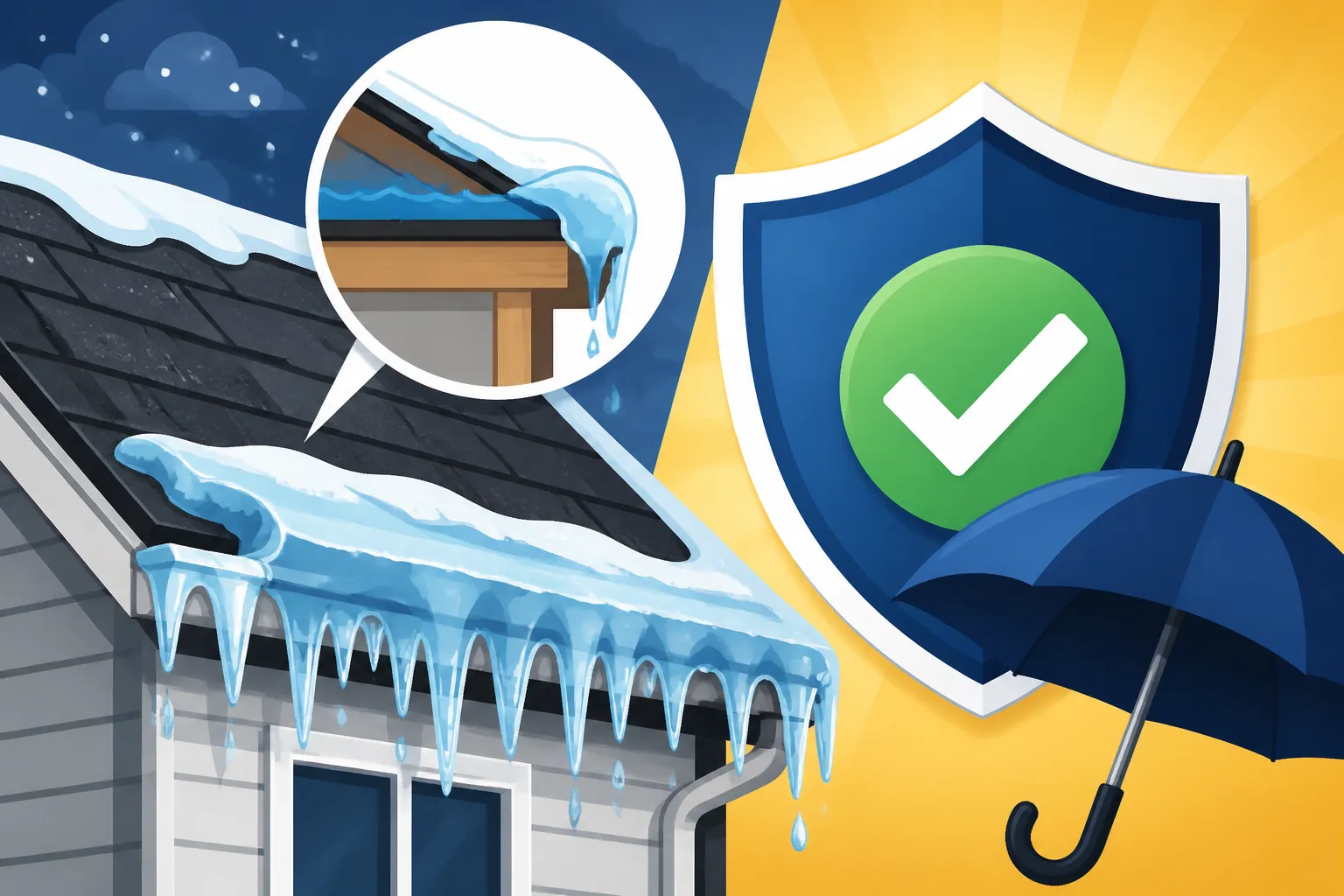
The fundamental cause of an ice dam is a temperature differential on your roof. Essentially, you have a warm roof surface and a cold roof edge. Here's how it typically plays out: Heat from inside your home escapes into your attic, warming up sections of your roof deck. This heat then melts the snow sitting on top of your asphalt shingles. As this melted snow (now water) flows down the roof, it reaches the colder eaves and gutters – areas that extend past the heated part of your house and are typically at or below freezing temperatures. When that water hits the cold edge, it refreezes, forming a small ridge of ice.
As more snow melts and flows down, it backs up behind this initial ridge, freezes, and builds up into a larger and larger ice dam. This continuous melting and refreezing process creates a formidable barrier. The real problem starts when the water that's trapped behind this growing ice dam has nowhere to go. It backs up under your shingles, seeps into any tiny crack or nail hole, and eventually finds its way into your attic, walls, and ceilings. It's a relentless cycle that can cause extensive hidden damage, often far from the actual ice dam itself.
Common Culprits Leading to Ice Dams
While cold weather and snow are obvious factors, ice dams are primarily an issue of heat loss and improper insulation and ventilation. It’s rarely just one thing; often, it’s a perfect storm of several problems converging.
One of the biggest culprits is inadequate attic insulation. If your attic isn't properly insulated, heat from your living spaces below rises directly into the attic, warming the roof deck. Think of your attic as a buffer zone; if it's not doing its job of keeping the heat in the living space, that heat will inevitably transfer to your roof. Another major contributor is poor attic ventilation. Even with good insulation, if warm air gets into the attic and has no way to escape, it will linger and heat the roof sheathing. A balanced system of intake vents (like soffit vents) and exhaust vents (like ridge vents or box vents) is crucial to keeping your attic temperature consistent with the outside air, which is vital in preventing premature snowmelt. Without proper ventilation, that trapped warm air turns your attic into a mini-furnace for your roof.
Other factors can include unsealed attic bypasses, such as gaps around light fixtures, plumbing stacks, or attic hatches, which allow warm air to leak directly from your home into the attic space. Even recessed lighting, if not properly sealed and insulated, can be a major source of heat loss. Sometimes, older or poorly installed asphalt shingles can contribute to the problem if they don't shed water efficiently, allowing it to pool and freeze more easily. It's a complex interplay of your home's thermal envelope and your roof's design that either protects you or leaves you vulnerable to these frozen formations.
Deciphering Homeowners Insurance Coverage for Ice Dams
When winter weather brings its worst, and you discover the tell-tale signs of an ice dam – water stains on your ceiling, peeling paint, or even dripping water – your mind immediately jumps to one thing: "Will my insurance cover this?" The answer, as with many things insurance-related, is often, "It depends." While homeowners insurance policies are designed to protect against sudden and accidental damage, ice dams fall into a slightly gray area that requires careful consideration of your specific policy language.
Direct Damage vs. Preventable Issues
Generally, homeowners insurance policies do cover damage caused by ice dams, but there's a critical distinction to understand: they typically cover the resulting damage caused by the ice dam, not the ice dam itself or the cost of removing it. For example, if an ice dam forms and causes water to leak into your home, damaging your drywall, insulation, flooring, or personal property, those damages are usually covered under the "sudden and accidental" water damage clauses in your policy. This is similar to how a sudden pipe burst or a storm-related roof leak would be handled.
However, insurance policies are not designed to cover damage that is preventable or due to a lack of maintenance. If your ice dams are a recurring issue year after year, and you haven't taken steps to mitigate the underlying cause (like improving attic insulation or ventilation), your insurer might argue that the damage is due to neglect rather than a sudden, unforeseen event. Some policies may have specific exclusions for damage caused by "freezing" if the property was vacant or if reasonable care was not taken to maintain heat in the building. This distinction between "sudden and accidental damage" and "damage due to neglect" is key and can be a point of contention with adjusters.
What Your Policy Typically Covers
When an ice dam strikes, what can you realistically expect your insurance to cover? Most standard HO-3 homeowners policies will provide coverage for interior damage caused by water that enters your home due to an ice dam. This includes:
- Damage to structural components: This could be stained or sagging ceilings, water-damaged drywall, ruined insulation in your attic and walls, or even damage to wooden framing.
- Damage to personal property: If your furniture, electronics, clothing, or other belongings are damaged by the water intrusion, these items are typically covered up to your policy's limits for personal property.
- Temporary repairs: Some policies may cover the cost of temporary measures taken to prevent further damage, such as tarping your roof or professional ice dam removal to stop ongoing leaks. Always check with your insurer before incurring significant costs for these emergency measures.
- Living expenses: If the damage is severe enough to render your home uninhabitable during repairs, your policy's Additional Living Expenses (ALE) or Loss of Use coverage may cover costs for a hotel, meals, and other necessary expenses.
It's crucial to review your specific policy documents or speak directly with your insurance agent. Terms like "sudden and accidental discharge or overflow of water" are common, and ice dam-related leaks generally fall under this umbrella. However, the nuances vary between providers. For instance, some may specifically mention "weight of ice, snow, or sleet" as a covered peril, which could apply to a roof collapse caused by an excessively heavy ice dam, though this is less common for asphalt roofs than for flat or low-slope roofs.
Important Policy Exclusions to Watch For
While many policies offer coverage for ice dam damage, there are important exclusions and limitations you need to be aware of. Not knowing these can lead to unexpected out-of-pocket costs or even a denied claim.
A common exclusion is for damage related to poor maintenance or neglect. As mentioned, if the ice dams are a perennial problem that you haven't addressed, the insurer might deny the claim, arguing that it's a maintenance issue rather than an unforeseen event. This is why addressing the root cause, like improving insulation and ventilation, is so important. Another potential exclusion relates to mold and mildew. While many policies cover some mold damage if it's a direct result of a covered peril (like an ice dam leak), there are often strict sub-limits or even outright exclusions for mold that develops over time due to prolonged moisture issues or lack of proper remediation. If water has been seeping into your walls for weeks before you notice it, and significant mold has grown, you might find only limited coverage for the mold remediation itself.
Also, be mindful of your deductible. This is the amount you're responsible for paying before your insurance coverage kicks in. For a typical ice dam claim, you'll likely pay your standard homeowners deductible, which could range from $500 to several thousand dollars. If the damage is minor, it might not even exceed your deductible, making a claim less financially beneficial. Some policies also have special deductibles for wind or hail, which might not apply directly to an ice dam claim unless there was also associated storm damage to the shingles. It's really important to understand these details when considering if Is Leak Covered by Insurance or Is Water Damage Covered by Insurance.
Navigating an Insurance Claim for Ice Dam Damage
Discovering ice dam damage is stressful enough, but then you have to deal with filing an insurance claim. It can feel overwhelming, especially when you're trying to stop the leak and prevent further damage. Understanding the steps involved and what to expect can make the process a bit smoother.
Documenting the Damage Thoroughly
This is arguably the most crucial step when dealing with any insurance claim. The more detailed and comprehensive your documentation, the stronger your claim will be. As soon as you discover evidence of water intrusion from an ice dam, start gathering information.
First, take photos and videos. Get wide shots that show the overall area affected, and then zoom in for close-ups of specific damage points like water stains on ceilings, peeling paint, warped drywall, or damaged flooring. Don't forget to photograph the exterior too, including the ice dams on your roof and any visible damage to your gutters or fascia. A picture is worth a thousand words to an insurance adjuster. Next, make notes of the date and time you first noticed the damage and any details surrounding it, such as recent heavy snowfall or extreme cold. Keep a running log of any actions you take, like placing buckets or opening windows to dry out the area.
You should also collect receipts for any emergency repairs you perform, like buying tarps or temporary patching materials. If you hired a professional service for immediate ice dam removal or water extraction, save those invoices. Remember, the goal is to prevent further damage, and these costs might be reimbursable. When it's time for more extensive repairs, get multiple detailed estimates from reputable roofing contractors. These estimates should clearly itemize materials and labor for repairing everything from your Roof Decking Replacement Cost to interior finishes. A platform like Modernize can be a good starting point to find vetted contractors in your area who can provide these estimates and help you understand the full scope of work, which is critical when it's time to assess How Much Does It Cost to Fix A Roof Leak.
The Claim Process and Working with Adjusters
Once you've documented everything, it's time to contact your insurance company. You can usually do this by calling their claims line or submitting a claim online. Be prepared to provide the date of loss, a brief description of the damage, and any initial photos you've taken.
Your insurer will assign an adjuster to your case. This individual will investigate the claim, assess the damage, and determine the coverage based on your policy. They may visit your home in person to inspect the roof, attic, and interior damage. It's a good idea to be present during this inspection so you can point out everything you've documented and answer any questions. Don't be shy about showing them your photos and notes. The adjuster will then compile their findings and either approve, deny, or partially approve your claim. If approved, they'll provide a settlement offer, which will factor in your deductible. If you have concerns about the settlement, don't hesitate to ask for clarification or provide additional documentation, such as the detailed estimates from your chosen roofing professional. Understanding Roofing Insurance Claim Process Step by Step is invaluable here.
What to Do If Your Claim is Denied
A denied claim can be incredibly frustrating, especially when you're dealing with costly repairs. However, a denial isn't always the final word. There are steps you can take to appeal the decision.
First, request a detailed explanation for the denial in writing. This letter should clearly state the reason for the denial and cite the specific policy language or exclusions that apply. Understanding their rationale is key to crafting an effective appeal. Once you have this, review your policy again, very carefully. Does their reasoning align with the actual terms? Sometimes, denials are based on misinterpretations or incomplete information. Gather any additional evidence that could support your case, such as expert opinions from a roofing contractor stating that the damage was indeed sudden and accidental, or documentation showing you've taken reasonable preventative measures.
You can then write a formal appeal letter to your insurance company, addressing their reasons for denial point-by-point and providing your supporting evidence. If this still doesn't resolve the issue, you might consider contacting your state's Department of Insurance. They can often mediate disputes or offer guidance on your rights as a policyholder. In more complex or high-value cases, consulting with a public adjuster or an attorney specializing in insurance law might be necessary. While it's a frustrating path, being persistent and organized can sometimes turn a denied claim into a successful one. For more information, you can also look into Roof Insurance Claim Denied: What to Do.
Preventing Future Ice Dams and Protecting Your Asphalt Roof
Dealing with one ice dam is enough to make any homeowner determined to avoid another. The good news is that most ice dams are preventable. By understanding the root causes and taking proactive steps, you can significantly reduce your risk and protect your asphalt roof for years to come.
Strategies for Ice Dam Prevention
Preventing ice dams primarily revolves around two key areas: reducing heat loss into your attic and ensuring adequate attic ventilation. These two go hand-in-hand to keep your roof deck cold, preventing snow from melting prematurely.
- Improve Attic Insulation: This is often the most critical step. Ensure your attic has sufficient insulation to prevent heat from your living space from radiating up to the roof deck. The recommended R-value varies by region, but more is generally better. Pay close attention to insulating the attic floor, creating a strong thermal barrier between your warm house and your unheated attic. You might also want to explore options like blown-in cellulose or fiberglass insulation for thorough coverage.
- Seal Air Leaks (Attic Bypasses): Even with good insulation, warm air can still leak into your attic through small cracks and gaps. These "attic bypasses" are pathways for heat. Look for and seal openings around plumbing stacks, electrical wiring, light fixtures (especially recessed ones), chimneys, and attic hatches. Use caulk, expanding foam, or weatherstripping to block these routes. This dramatically reduces the amount of warm air reaching your attic space.
- Enhance Attic Ventilation: A properly ventilated attic allows warm air that does make it into the attic to escape, keeping the attic temperature close to the outdoor temperature. This means ensuring you have unobstructed soffit vents (intake) and effective exhaust vents (like a continuous ridge vent or sufficient box vents) working together. The general rule is to have 1 square foot of net free ventilation area for every 150 square feet of attic floor space, with a balanced 50/50 split between intake and exhaust. Clear any insulation that might be blocking your soffit vents. An inspection of your roof ventilation upgrades might be beneficial.
- Clear Gutters and Downspouts: While not a direct cause of ice dams, clogged gutters can exacerbate the problem. If water has nowhere to go once it leaves the roof edge, it will pool in the gutters and freeze, contributing to the growth of an ice dam. Keep your gutters clear of leaves and debris, especially before winter sets in.
Regular Maintenance and Roof Inspections
Even with the best prevention strategies, regular maintenance and proactive roof inspections are essential for catching potential issues before they become full-blown ice dams. Your asphalt roof is a complex system, and continuous care is the best way to extend its lifespan and avoid costly repairs.
Before winter arrives, it's a great idea to schedule a professional roof inspection. A qualified roofing contractor can identify areas of heat loss, inspect your attic ventilation, check for any compromised flashing or sealants, and ensure your gutters are properly functioning. They can also assess the overall health of your asphalt shingles, looking for signs of wear that might make them more susceptible to water intrusion, such as Curling Shingles: What They Mean or areas with significant granule loss. A quick search on Modernize can help you find certified professionals in your area who specialize in How to Choose a Roofing Contractor.
Throughout the year, especially after major storms, make it a habit to visually inspect your roof from the ground (or from a ladder if you're comfortable and it's safe). Look for any missing or damaged shingles, debris accumulation, or sagging gutters. In winter, if you notice significant snow accumulation in specific areas or unusually large icicles, it might be an early warning sign of a heat loss problem that needs attention. Don't forget that a well-maintained roof, as detailed in Roof Maintenance to Avoid Replacement, not only helps prevent ice dams but also ensures your roof lasts its full intended lifespan, saving you money in the long run.
Ultimately, preventing ice dams is about creating a "cold roof" system where the roof surface stays at or near the outside air temperature. This prevents the melt-freeze cycle that leads to ice dam formation and the subsequent water damage that can leave you scrambling for insurance paperwork and repairs.
Table: Ice Dam Damage Coverage at a Glance
Navigating insurance coverage for ice dam damage can be tricky, so here's a quick reference table outlining common coverage scenarios. Remember, this is a general guide, and your specific policy language is the final authority.
| Scenario | Typical Coverage Outcome (Standard HO-3 Policy) | Explanation |
|---|---|---|
| Water Stains/Damage Inside Home | YES | Water leaking from ice dam damages drywall, insulation, paint, flooring, personal belongings. |
| Cost to Remove Ice Dam (Emergency) | MAYBE (check policy) | Some policies cover reasonable costs for emergency measures to prevent further covered damage. Often requires prior insurer approval. |
| Cost to Remove Ice Dam (Routine) | NO | Routine ice dam removal is generally considered maintenance and not covered. |
| Damage to Gutters/Downspouts | YES | If the weight of the ice dam physically pulls down or damages gutters and downspouts. |
| Damage to Roof Shingles (from ice) | YES | If the ice dam directly causes physical damage to the asphalt shingles themselves (e.g., lifting, tearing). |
| Mold/Mildew Growth (from leak) | LIMITED (check policy) | Often has sub-limits or requires mold to be a direct result of a covered peril and quickly remediated. Long-term mold from neglect usually excluded. |
| Damage from Preventable Issues | NO | If ice dams are due to chronic poor insulation or ventilation, insurer may deny, citing neglect or lack of maintenance. |
| Temporary Living Expenses | YES (if home uninhabitable) | If ice dam damage is severe enough to require you to vacate your home during repairs, Additional Living Expenses (ALE) typically applies. |
Always consult your policy documents or speak directly with your insurance agent to understand your specific coverage terms and conditions.
Disclaimer
This article is for general informational purposes only and does not constitute professional advice. Laws, prices and regulations vary by location and change over time. Consult a qualified professional for guidance on your specific situation.