How to Choose a Roofing Contractor
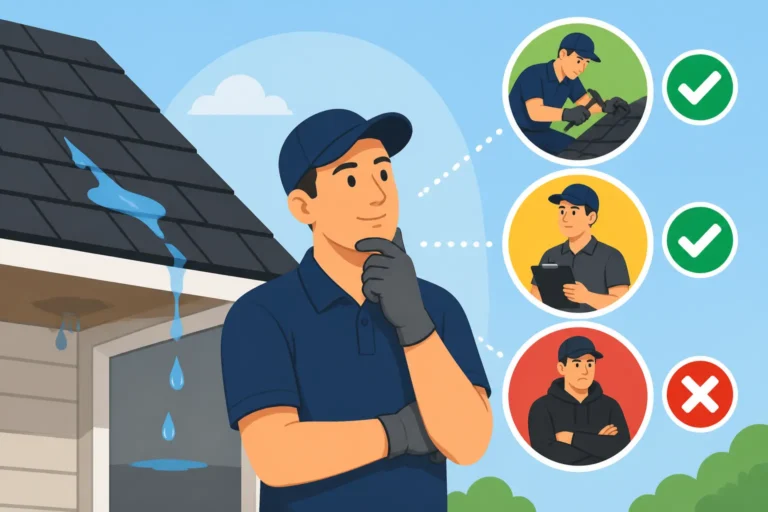
Finding a trustworthy roofing contractor can feel like navigating a minefield. You're probably stressed about the cost, worried about shoddy workmanship, and dreading the whole process of getting bids and figuring out who you can actually rely on to protect your biggest investment – your home. This comprehensive guide is here to cut through the confusion, offering clear, actionable steps to help you confidently select the best asphalt roofing contractor for your project, ensuring peace of mind and a job well done.
The Initial Search: Where to Begin Your Roofing Contractor Hunt
When your roof is showing signs of wear or after a storm, the first frantic thought is often, "Where do I even start looking?" It's easy to get overwhelmed by the sheer number of companies out there, all claiming to be the best. But taking a structured approach to your initial search can save you a lot of headaches down the line. Don't just pick the first name you see; dig a little deeper right from the start.
Leveraging Online Resources and Review Sites
In today's digital age, your search almost always begins online. Websites like Yelp, Google Reviews, and the Better Business Bureau (BBB) are goldmines of information, offering insights into customer experiences, service quality, and how a company handles complaints. Look for contractors with a significant number of reviews, not just a handful, and pay close attention to the overall rating and the nature of both positive and negative feedback. Are recurring issues mentioned? Or are problems typically resolved quickly and professionally? These sites can give you a crucial first impression of a contractor's reputation and reliability. Platforms like Modernize can also connect you with pre-vetted local roofing professionals, streamlining the initial contact phase and ensuring you're reaching out to companies that meet certain standards.
It's also worth checking professional association websites, such as the National Roofing Contractors Association (NRCA), for directories of member companies. While membership doesn't guarantee perfection, it often indicates a commitment to industry standards and best practices. Remember, a glossy website is nice, but solid, consistent online reviews and verifiable affiliations speak volumes more. Don't be afraid to read between the lines; a few negative reviews aren't necessarily a dealbreaker if the company has a strong track record of addressing concerns.
Asking for Local Referrals and Word-of-Mouth
While online reviews are valuable, nothing beats a personal recommendation. Talk to your neighbors, friends, and family members who have recently had roofing work done. Ask them about their experience: Was the contractor reliable? Did they stay on budget and on schedule? Was communication clear throughout the process? Did they experience any issues after the fact, and if so, how were they resolved? A firsthand account from someone you trust provides a level of detail and authenticity that online reviews sometimes lack.
A local referral often comes with the added benefit of seeing the finished product right on a house you know. You can ask your neighbor about the longevity of the roof, how it stood up to recent storms, and if they'd hire that particular company again. These personal insights can be incredibly powerful in narrowing down your options and identifying contractors with a strong, positive presence in your community. Sometimes, a well-established local company might not have the flashiest online presence, but their consistent good work through decades of local service earns them a loyal following.
Understanding Local vs. National Companies
When you're looking for a roofer, you'll encounter everything from small, family-owned businesses to large national chains. Both have their pros and cons, and understanding the differences can help you decide which is a better fit for your needs. Local contractors, often deeply embedded in the community, tend to have a strong incentive to maintain a stellar reputation. They rely heavily on word-of-mouth and local goodwill, meaning they often go the extra mile to ensure customer satisfaction. They're usually more familiar with local building codes, weather patterns specific to your region, and can offer a more personalized, responsive service. Plus, if you have an issue down the road, they're typically easier to reach and more likely to stand behind their work.
On the other hand, national companies might offer more standardized processes, potentially larger crews, and sometimes more comprehensive warranty packages backed by the manufacturer. They might have greater buying power for materials, which could translate to competitive pricing. However, they can sometimes feel less personal, and communication might be funneled through various departments. When considering a national brand, ensure they have a strong, established local branch in your area with a dedicated team, rather than a transient crew that moves from state to state. Ultimately, whether local or national, the key is to ensure the specific branch or franchise you're dealing with has a proven track record in your immediate vicinity.
Essential Credentials: Licenses, Insurance, and Certifications
Once you have a list of potential contractors, it's absolutely crucial to vet their credentials. This isn't just about ticking boxes; it's about protecting yourself from financial risk, substandard work, and potential legal headaches. Skipping this step is a common mistake that can lead to immense frustration and significant unexpected costs down the line.
Verifying State Licensing and Registrations
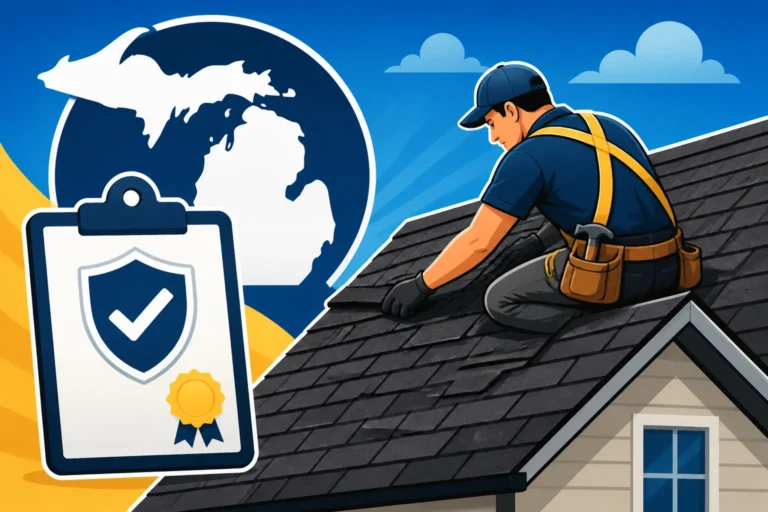
Before any work begins, you must confirm that your potential roofing contractor is properly licensed in your state or municipality. Licensing requirements vary significantly by location. For instance, states like Florida and California have strict statewide licensing for roofing contractors, often requiring exams, experience, and financial solvency. In other states, licensing might be handled at the county or city level, or there might be no specific roofing license at all, only a general contractor's license. You can usually verify a contractor's license by checking with your state's contractor licensing board or your local building department.
A license signifies that the contractor has met certain standards, often including passing examinations on building codes, trade knowledge, and business practices. It offers a basic level of accountability and professionalism. If a contractor is unwilling or unable to provide their license number, or if their license can't be verified, consider that a major red flag. Hiring an unlicensed contractor, even if they offer a cheaper rate, leaves you with little recourse if the job goes wrong and can even lead to fines or liability issues for you as the homeowner. This is a non-negotiable step in your selection process; always prioritize licensed professionals.
The Critical Importance of Insurance (Liability & Worker's Comp)
This is perhaps the single most important credential to verify. A reputable contractor will carry two main types of insurance: General Liability and Worker's Compensation. General Liability insurance protects you and your property if the contractor or their crew causes damage during the project. Imagine a scenario where a roofer accidentally drops materials, damaging your fence, or causes a leak that floods your attic. Without liability insurance, you could be left footing the bill for those repairs.
Worker's Compensation insurance is equally vital. Roofing is a dangerous job, and accidents happen. If a roofer is injured on your property and the contractor doesn't have worker's comp, you, the homeowner, could be held responsible for their medical bills and lost wages. This is a terrifying prospect that far too many homeowners overlook. Always ask for current certificates of insurance directly from the contractor's insurance provider, not just a copy from the contractor themselves, to ensure they are valid and up-to-date. Ensure the policy limits are sufficient for the scope of your project. If a contractor hesitates or claims they don't need these, walk away immediately. It truly matters that you hire Licensed and Insured Roofers: Why It Matters.
Manufacturer Certifications: A Mark of Quality
Beyond basic licensing and insurance, some contractors hold special certifications from roofing material manufacturers like GAF, Owens Corning, or CertainTeed. These certifications, such as GAF Master Elite, Owens Corning Platinum Preferred, or CertainTeed SELECT ShingleMaster, are a strong indicator of a contractor's commitment to quality and ongoing training. To earn these, contractors typically have to meet stringent requirements, including a proven track record, financial stability, a good reputation, and most importantly, extensive training on the proper installation of the manufacturer's specific products.
What does this mean for you? It often translates into access to enhanced warranties. While a standard shingle warranty might cover material defects for a certain period, manufacturer-certified contractors can often offer extended, non-prorated warranties that cover not only the materials but also the contractor's workmanship. This added layer of protection can be incredibly valuable, offering greater peace of mind for decades. These certifications demonstrate that the manufacturer trusts the contractor enough to back their work directly. Always inquire about these certifications and the specific warranty benefits they bring to your project.
The Art of the Estimate: What to Look For and Compare
Once you've vetted their credentials, the next crucial step is to gather and carefully analyze bids from your shortlisted contractors. This isn't just about finding the lowest price; it's about understanding what you're getting for your money and ensuring all necessary work is covered. A thorough and detailed estimate is a hallmark of a professional contractor.
Getting Multiple Bids and Understanding the Details
It's widely recommended to obtain at least three to four detailed estimates from different contractors. This allows you to compare not just pricing, but also the scope of work, materials proposed, and the overall professionalism of each company. Don't simply compare the bottom line; dive into the specifics. A common pitfall for homeowners is to compare vastly different proposals without realizing it. One contractor might quote for a basic tear-off and re-roof, while another might include upgrades like enhanced ventilation, ice and water shield in critical areas, or higher-quality underlayment.
A comprehensive estimate should break down costs for materials, labor, permits, debris disposal, and any potential unforeseen expenses. It should specify the type of shingles (e.g., architectural shingles, 3-tab shingles, or impact-resistant shingles), underlayment, flashing, and ventilation systems. Ask questions about anything unclear. A good contractor will take the time to explain every line item and articulate why certain choices are being recommended. Remember, the cheapest bid might be missing crucial elements or reflect lower-quality materials or inexperienced labor. This is why learning How to Read and Compare Roofing Estimates is a valuable skill for homeowners.
Spotting Red Flags in Roofing Estimates
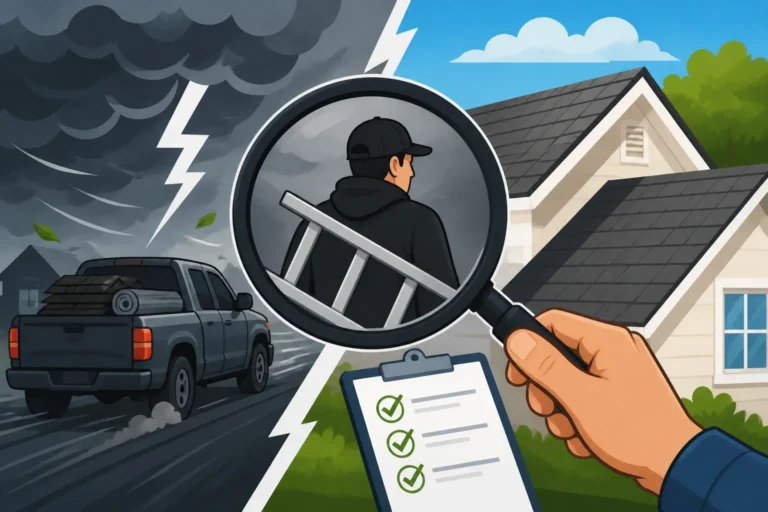
While comparing estimates, be on the lookout for certain red flags that could signal trouble. One of the biggest red flags is an estimate that seems significantly lower than all others. While it's tempting to jump on a deal, a bid that's too good to be true often is. It could mean the contractor is cutting corners, using subpar materials, or might hit you with numerous change orders later in the project. Another red flag is an estimate that is vague, lacking detail, or provided verbally without a written breakdown. A professional contractor will always provide a clear, written proposal.
Beware of contractors who pressure you to sign immediately, offering "today-only" discounts. High-pressure sales tactics are a classic sign of a less-than-reputable company. Similarly, if an estimate doesn't include costs for permits, debris disposal, or specifies vague "miscellaneous" charges, push for clarity. These could be hidden costs waiting to surprise you. An estimate that doesn't detail the warranty, or only vaguely mentions it, is also a concern. Always ensure all aspects of the job, from initial tear-off to final cleanup, are explicitly covered.
Understanding the Full Scope of Work and Materials
A critical part of comparing estimates is understanding the complete scope of work each contractor proposes. This goes beyond just the shingles. Does the estimate include a full tear-off of old shingles, or are they proposing to roof over existing shingles? While roofing over can sometimes be cheaper, it's often not recommended as it adds weight and can hide underlying decking issues. Does it include replacement of damaged roof decking? How much roof decking replacement cost is included, or is it an additional charge? What type of underlayment are they using—felt or synthetic? Synthetic underlayment typically offers superior protection.
Ensure the estimate details all accessory components, such as drip edge, flashing around chimneys and vents, and new ridge vents for proper attic ventilation. A complete roofing system involves many layers, and skimping on any one component can compromise the entire roof's integrity and lifespan. Ask if they are including new flashing around all penetrations or simply reusing existing flashing, which might be nearing its end of life. Clarifying these details upfront ensures you're comparing apples to apples and getting a durable, complete roof system that will protect your home for decades.
Experience and Reputation: Beyond the Sales Pitch
Anyone can talk a good game, but a contractor's true value lies in their proven experience and the reputation they've built over time. This section focuses on how to look beyond the slick marketing and get a real sense of a contractor's track record and reliability.
Evaluating Experience with Your Specific Roofing Needs
Not all roofing jobs are created equal. A contractor specializing in commercial flat roofs might not be the best choice for a residential asphalt shingle project, especially if your home has a complex roofline, steep pitch, or multiple dormers. When evaluating experience, ask if they have specific experience with asphalt shingle roofs like yours. Do they regularly work on homes of a similar size or architectural style? If you have a historic home, ask about their experience with preserving architectural integrity while upgrading the roof.
Inquire about how long they’ve been in business under the current name. Longevity in the roofing industry often correlates with stability and reliability. A company that has been around for decades has likely weathered economic downturns and stood by its customers. You don't want to hire a contractor who might disappear next year if a problem arises. Ask about their team's experience level as well. Are they using experienced, full-time employees, or primarily relying on subcontractors? While subcontractors aren't inherently bad, ensure the contractor is fully responsible for their work and insurance.
Checking References and Online Reviews Thoroughly
While you've already checked general online reviews during your initial search, now is the time to go deeper. Ask each contractor for a list of recent references – preferably customers whose roofs they completed in the last year or two. Don't be shy about calling these references. Ask detailed questions: Were they satisfied with the work? Was the project completed on time and within budget? How was the communication throughout the process? Did the crew maintain a clean work site? Would they hire this contractor again?
In addition to direct references, scour online platforms like Yelp, Google Reviews, and the BBB again, but this time, look for patterns. If multiple reviews mention excellent communication, that's a good sign. If several lament about poor cleanup or unexpected charges, those are critical insights. Also, pay attention to how the contractor responds to negative reviews. A professional contractor will often respond constructively, offering to resolve issues, which demonstrates a commitment to customer satisfaction even when things don't go perfectly. Websites like Modernize often aggregate reviews and offer tools to compare contractors based on their reputation.
The Role of Customer Service and Communication
From your very first contact, pay close attention to the contractor's customer service and communication style. Are they prompt in returning calls or emails? Do they show up on time for appointments? Do they listen to your concerns and answer your questions clearly and patiently? Or do you feel rushed, ignored, or like they're talking over your head? Good communication is a cornerstone of any successful home improvement project, especially one as significant as a roof replacement.
A contractor who communicates well from the outset is more likely to keep you informed throughout the project, address any concerns proactively, and handle unforeseen issues smoothly. If you're struggling to get a straight answer or feel dismissed during the quoting process, imagine how much more frustrating that could be once the job is underway and you have a real problem. Trust your gut feeling here. You're entering into a significant business relationship, and you want to feel comfortable and respected.
Contracts and Warranties: Protecting Your Investment
A handshake might have been enough in simpler times, but today, a detailed written contract and robust warranties are your best defense against potential problems. Never agree to work without a signed agreement that clearly outlines everything.
Deciphering the Roofing Contract: Key Clauses to Review
A comprehensive roofing contract should be much more than just a price quote. It's a legally binding document that protects both you and the contractor. Before signing anything, read every line carefully. The contract should clearly specify the total cost of the project, including all materials, labor, and any permit fees. It must detail the specific type and brand of shingles, underlayment, and any other components to be installed. The scope of work should be explicit, outlining what will be done, such as the number of layers to be torn off, any decking replacement, and cleanup procedures.
The contract should also include a clear project timeline, including start and estimated completion dates. What happens if there are delays? It should state how change orders will be handled—any additional work not initially in the contract should require a written amendment signed by both parties. Don't forget to look for clauses regarding debris removal and site cleanup, and protection of your landscaping. Ensure that all warranties, both material and workmanship, are clearly referenced or attached. A good contract leaves no room for ambiguity. This is critical because a solid Roofing Contract: What to Look For will be your safeguard.
Understanding Manufacturer and Workmanship Warranties
Every new roof comes with at least two types of warranties: the manufacturer's warranty on the materials and the contractor's warranty on their workmanship. It's crucial to understand the differences and what each covers. The manufacturer's warranty, often provided by companies like GAF, Owens Corning, or CertainTeed, covers defects in the shingles themselves. This typically protects against manufacturing flaws that cause premature failure, blistering, or granule loss beyond normal wear. Some basic warranties are prorated, meaning their value decreases over time, while enhanced warranties (often available through certified contractors) can be non-prorated for a longer period.
The workmanship warranty, offered by the contractor, covers the quality of the installation. If the roof leaks due to improper nailing, incorrect flashing installation, or other errors made by the crew, the workmanship warranty should cover the repair costs. This is where manufacturer certifications become a significant advantage, as some enhanced manufacturer warranties may also cover workmanship for an extended period, essentially backing the contractor's installation. Always ask for written copies of both warranties and understand their duration, what specifically they cover, and what actions might void them. You want to understand Roofing Warranty: Workmanship vs Manufacturer inside and out.
Payment Schedules and Avoiding Upfront Pitfalls
The payment schedule is another critical part of the contract. Be wary of any contractor who demands the full project cost upfront. While a reasonable down payment (typically 10-30% of the total cost) is common and acceptable to cover initial material costs, anything more should raise a red flag. A reputable contractor will have enough capital to purchase materials without needing a massive upfront payment from you.
A typical payment schedule might involve an initial deposit, a second payment once materials are delivered or a significant portion of the work is completed, and a final payment only after the project is entirely finished, you've inspected the work, and you're fully satisfied. This structure provides leverage for you to ensure the job is completed to your satisfaction before final payment is made. Always ensure lien waivers are part of the process, especially for larger projects, which protect you from subcontractors or suppliers placing a lien on your home if the main contractor fails to pay them. Knowing the normal Roofing Deposit: How Much Is Normal will help you avoid being taken advantage of.
The Interview Process: Questions to Ask Every Roofer
You've done your homework, narrowed down your choices, and now it's time for the direct conversation. This is your chance to really gauge their expertise, professionalism, and how they operate. Don't be afraid to ask tough questions; a good contractor will appreciate your diligence.
In-Depth Questions About Their Process and Team
When sitting down with a potential contractor, ask them to walk you through their entire process, from start to finish. This should include how they protect your property and landscaping during the job, their waste disposal methods, and how they handle adverse weather conditions. For example, What Happens If It Rains During Roofing? A professional will have clear protocols for temporary coverings to protect your home. Inquire about the crew that will be working on your roof: Are they employees or subcontractors? What is their experience level? How long have they worked for the company? A stable, experienced crew often translates to better quality work.
Ask about their safety protocols. Roofing is inherently dangerous, and you want a contractor who prioritizes the safety of their workers and your property. Are they OSHA compliant? What measures do they take to prevent accidents? A contractor who can articulate a clear, safe, and efficient process demonstrates professionalism and foresight, indicating they know how to manage a complex project effectively.
Inquiring About Project Management and Communication
Understanding how the project will be managed is key to a smooth experience. Who will be your primary point of contact throughout the project? Will it be the sales representative, a project manager, or the crew foreman? How often can you expect updates on progress? What is the best way to reach them if you have questions or concerns during the work? You want clear lines of communication established from day one.
Also, ask about their typical project timeline. How Long a Roof Replacement Takes can vary based on roof size, complexity, and weather, but a contractor should be able to give you a realistic estimate. While unforeseen issues can arise, a well-managed project should stick close to its schedule. A contractor who communicates transparently about potential delays and how they plan to mitigate them is far more reliable than one who makes unrealistic promises.
Discussing Safety Protocols and Site Cleanup
Safety on a roofing job isn't just about the crew; it's about protecting your family and property. Ask about how they secure the work site, especially if you have children or pets. What steps do they take to prevent nails and debris from damaging your yard or vehicles? Most reputable roofers use large tarps to catch debris and powerful magnets to sweep for nails after the job is done. A thorough cleanup is a sign of a professional company that respects your property.
Additionally, inquire about how they handle any potential damage to your property during the roofing process. Even with the best precautions, accidents can happen. Do they have a clear process for reporting and rectifying damages? This goes back to the importance of their general liability insurance. A contractor who openly discusses these scenarios and has clear procedures in place is generally more trustworthy than one who glosses over potential issues. You don't want to be left wondering What Happens If a Roofer Gets Injured on Your Property without proper insurance in place.
Making the Final Decision: Trusting Your Gut and Your Research
After all your diligent research, interviews, and estimate comparisons, it's time to make that crucial final choice. This isn't just a financial decision; it's a decision about who you trust to protect your home for the next two decades or more.
Weighing All Factors: Cost, Quality, and Comfort
When comparing your final candidates, resist the temptation to make your decision based solely on price. While budget is undoubtedly a significant factor, remember that a roof is a long-term investment. The cheapest bid might end up costing you more in repairs, early replacement, or voided warranties down the line. Instead, weigh cost against the quality of materials proposed, the comprehensiveness of the warranty, the contractor's reputation, and your overall comfort level with their team.
Consider the value they offer. A slightly higher bid that includes superior materials, an extended manufacturer warranty, and a contractor with a stellar local reputation is often a better long-term investment than a lower bid that compromises on these aspects. Think about the peace of mind you'll have knowing your roof was installed by skilled professionals using quality products and backed by solid warranties. Trusting your gut feeling is also important; if something feels off, even if you can't quite pinpoint it, it's usually a good idea to continue looking.
The Importance of a Local Presence and Post-Installation Support
Choosing a contractor with a strong, established local presence offers distinct advantages. They are likely more familiar with local building codes, weather patterns (like the specific challenges of hot summers or heavy snowfalls in your area), and the types of roofing issues common in your community. More importantly, a local company is often more accessible for future needs. If you have a warranty claim or need a repair years down the road, it's much easier to reach a local team than a national company that might have moved on or be harder to track down.
Inquire about their post-installation support. What is their process if you discover a leak or a problem shortly after the job is completed? Do they offer yearly inspections, or is follow-up support only available for warranty claims? A contractor committed to their customers long after the final payment is a strong indicator of their integrity and reliability. Many homeowners find peace of mind knowing they can drive by their contractor's office or call a local number for assistance.
Avoiding Pressure Tactics and Making an Informed Choice
As mentioned earlier, high-pressure sales tactics are a major red flag. If a contractor tries to rush you into signing a contract with "one-time offers" or implies that their schedule is completely booked unless you commit immediately, politely decline and take your time. A reputable contractor will give you ample time to review their proposal, compare it with others, and make an informed decision without feeling coerced. They understand this is a significant investment and that you need to feel confident in your choice.
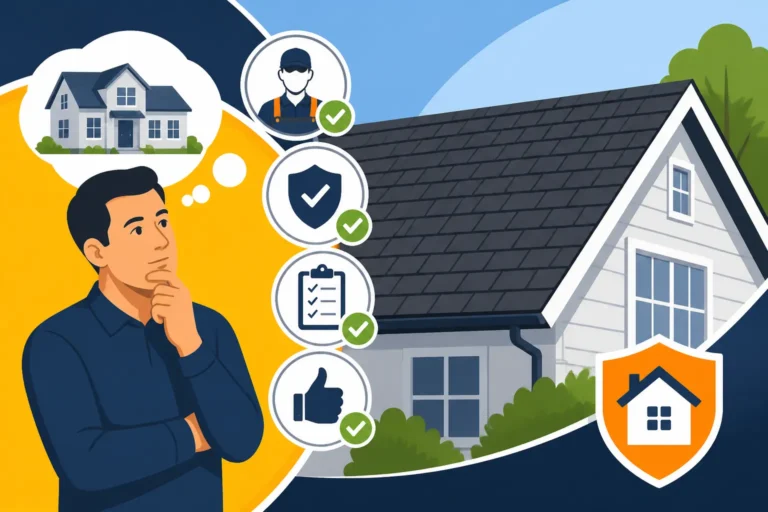
Your decision should be made consciously, based on thorough research and evaluation, not on impulse or fear. Take all the information you've gathered – the bids, the references, the license and insurance verification, the warranty details, and your personal interactions – and make a decision you're comfortable with. Don't be afraid to ask for additional clarification if needed, and ensure all your questions are answered before you sign on the dotted line. By following these steps, you'll significantly increase your chances of selecting a competent, trustworthy roofing contractor who will deliver a high-quality, long-lasting roof for your home. You can even find ways to avoid Roofing Contractor Red Flags to Avoid by taking your time.
Disclaimer
Please note that the information provided in this article is intended for general guidance and informational purposes only. Roofing regulations, licensing requirements, and best practices can vary significantly by location and are subject to change. Always consult with a qualified, licensed, and insured roofing professional and verify all local building codes and permitting requirements before beginning any roofing project. This article does not constitute professional advice or a recommendation of any specific contractor or product.