Storm Chaser Roofers: How to Spot Them
After a devastating storm, when your home feels vulnerable and your nerves are frayed, the last thing you need is to fall victim to unscrupulous characters. Unfortunately, it's a harsh reality that some contractors, often called "storm chasers," descend upon disaster-stricken areas, preying on homeowners' desperation and lack of knowledge. This guide is dedicated to equipping you with the vital information you need to identify these predatory practices and protect your home and finances from potential scams.
Understanding the "Storm Chaser" Phenomenon
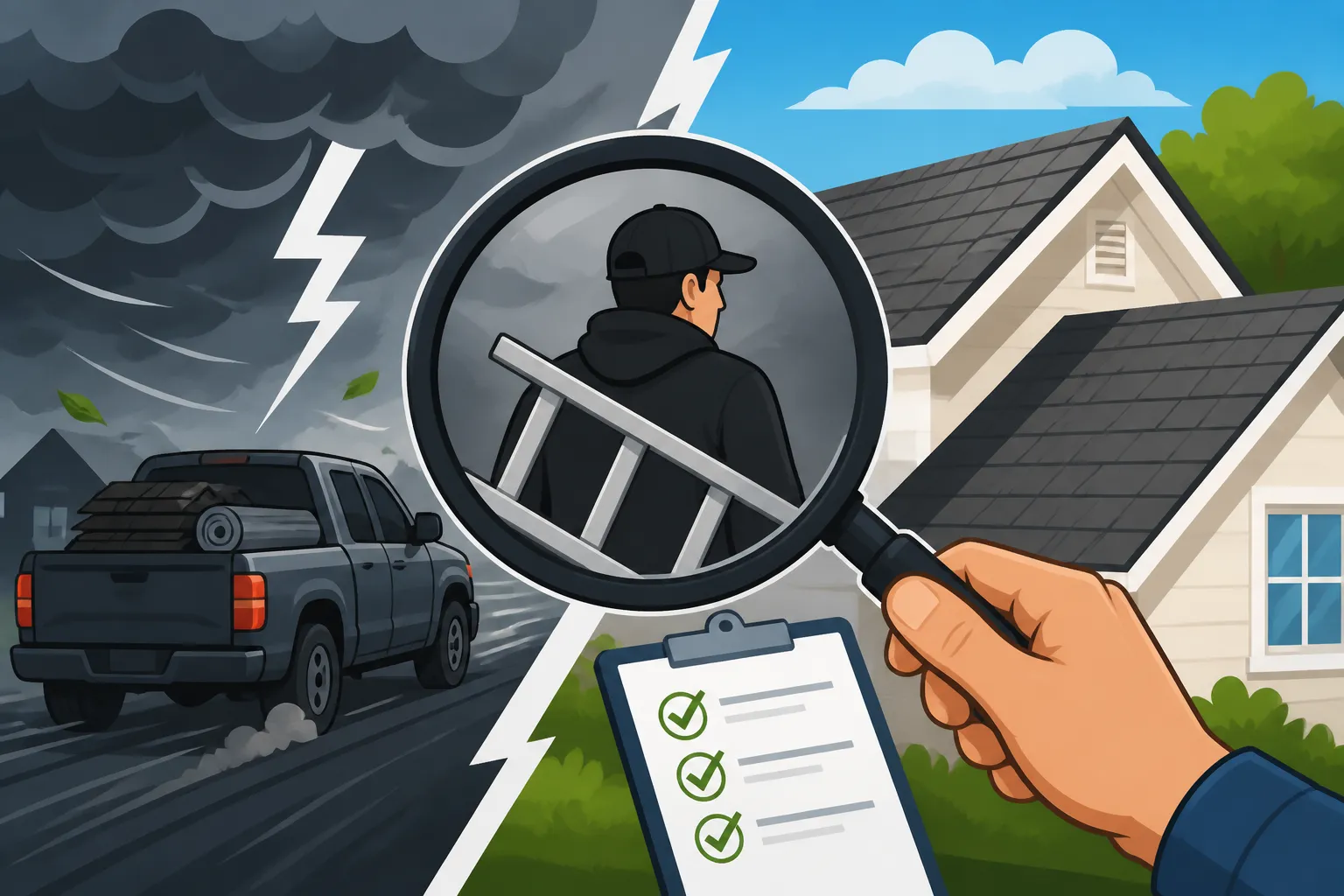
The term "storm chaser" in the roofing industry doesn't refer to meteorologists; it describes contractors who follow severe weather events like hurricanes, tornados, and hailstorms from region to region. They typically swoop into affected communities, often from out of state, right after a disaster has hit, offering immediate roof repair or replacement services. While not all out-of-town contractors are bad, storm chasers are characterized by their transient nature, aggressive sales tactics, and often shoddy workmanship, leaving a trail of unfinished jobs and unhappy homeowners in their wake. They thrive on the chaos and urgency that natural disasters create, knowing that homeowners are often overwhelmed and desperate for quick solutions.
How Storm Chasers Operate
These contractors usually begin their operations with door-to-door solicitations, showing up uninvited and offering "free" roof inspections. They might drive unmarked vehicles or have temporary signage that doesn't inspire confidence. Their primary goal is to get a signature on a contract, often pressuring homeowners to make quick decisions before they've had a chance to properly assess the damage or consult with their insurance company. They might even try to act as a public adjuster, claiming they can handle your insurance claim entirely, which can be a huge red flag and often illegal. For example, in states like Florida, it's illegal for a roofing contractor to solicit, adjust, or negotiate an insurance claim on behalf of a policyholder.
They typically offer extremely low bids or, conversely, extremely high ones, promising to "work with your insurance" to cover the cost, sometimes even suggesting that you don't have to pay your deductible. This is a massive warning sign, as waiving a deductible is illegal in many states and can lead to insurance fraud charges for both the contractor and the homeowner. These operations are often set up quickly, sometimes out of a temporary office in a hotel or rental unit, and once they've collected enough deposits or finished a few quick jobs, they pack up and move on to the next disaster zone, leaving behind any warranty obligations or incomplete projects.
Why They Target Disaster Areas
The motivation behind storm chasers targeting disaster areas is purely opportunistic. These regions present a perfect storm of factors that they exploit: widespread damage means a high demand for roofing services, homeowners are under immense stress and may be less diligent in vetting contractors, and local reputable roofers are often stretched thin, unable to respond to everyone immediately. The sheer volume of damaged properties creates a fertile ground for quick, potentially lucrative, and often unsupervised work.
Additionally, the sudden influx of insurance claims means homeowners might have access to funds for repairs, making them attractive targets. Storm chasers know that many homeowners, especially after a traumatic event, prioritize getting a roof over their heads quickly rather than meticulously checking references, licenses, and insurance. They count on this desperation, along with the fact that local authorities might be overwhelmed, making it easier for them to operate under the radar without proper permits or adherence to building codes. This makes understanding Roofing Permits Explained absolutely crucial after a storm.
Common Tactics and Red Flags
Identifying a storm chaser often comes down to recognizing certain behaviors and discrepancies that trustworthy, local contractors typically avoid. These red flags aren't always immediately obvious, especially when you're feeling vulnerable, but knowing what to look for can be your first line of defense.
Door-to-Door Solicitation and Pressure Sales
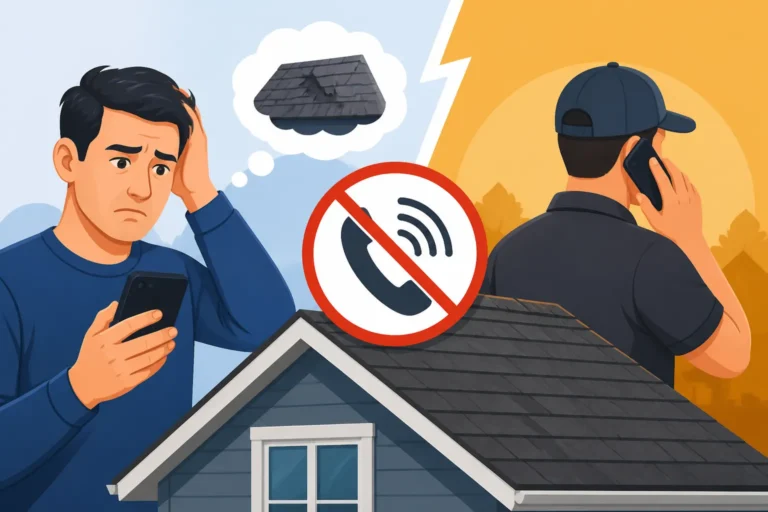
One of the most classic storm chaser tactics is aggressive, uninvited door-to-door solicitation. While some legitimate local businesses might canvas neighborhoods after a storm to offer services, a storm chaser's approach is usually much more intense. They might show up without an appointment, often just hours or a day after a major storm, claiming they were "just in the area" or "saw damage from the street." They'll push for an immediate inspection and often try to get you to sign a contract on the spot, emphasizing limited-time offers or that their crew is "leaving tomorrow."
For example, imagine a tornado rips through your town in Oklahoma. The very next day, a contractor from out of state pulls up to your damaged home, tells you your roof needs immediate attention, and tries to get you to sign an "Assignment of Benefits" (AOB) form, which hands over your insurance claim rights to them. They might promise to handle everything with your insurance company, but this often means they can inflate costs or cut corners, leaving you with less control over your claim and potentially holding the bag if disputes arise. Remember, a reputable contractor will always give you time to consider their offer and review their credentials. If you feel pressured, it's a huge red flag, and it's essential to understand Questions to Ask a Roofing Contractor Before Hiring.
Suspicious Pricing and Payment Demands
Be incredibly wary of any roofing contractor who offers deals that sound too good to be true or demands unusual payment terms. Storm chasers often claim they can replace your roof for "just your deductible," implying they'll absorb or waive the rest of the cost. As mentioned, this is often illegal and can lead to serious consequences. Others might provide an incredibly low initial bid, only to hit you with numerous "unexpected" change orders and additional costs once work has begun. Conversely, some will provide a sky-high estimate, assuring you that your insurance will cover every penny, potentially trying to defraud your insurance company.
Another major red flag is demanding a large upfront payment, especially cash, before any materials are delivered or work has started. While a reasonable deposit (typically 10-30% of the total cost, depending on local regulations and project size) is common, asking for 50% or more, or insisting on cash payment without a clear, written invoice, should set off alarm bells. Honest contractors prefer clear payment schedules tied to project milestones. Always ensure you understand Roofing Deposit: How Much Is Normal before agreeing to anything. If they ask for the full payment upfront, especially in cash, you should probably walk away.
Lack of Local Presence and Licensing Issues
A common trait of storm chasers is their lack of a permanent, verifiable local business presence. They might operate out of temporary trailers, post office boxes, or even just from a hotel room. If a contractor can't provide a physical street address for their business or if their company vehicles have out-of-state license plates and generic branding, be cautious. It's much harder to hold a transient company accountable if something goes wrong with your roof down the line.
Crucially, always verify a contractor's licensing and insurance. Licensing requirements for roofing contractors vary significantly by state and even by municipality. For instance, in states like Florida and California, roofing contractors are required to be licensed at the state level, but in other states like Texas, it's often left up to local jurisdictions, or there might be no statewide license at all. A storm chaser might claim to be licensed in their home state, but that license may not be valid where you live. Always ask for proof of general liability insurance and workers' compensation insurance. If a worker gets injured on your property and the contractor isn't properly insured, you could be held liable. Verifying these credentials is a critical step in How to Vet a Roofing Company. Don't be shy about asking for proof and independently verifying it with the issuing authority, not just accepting a photocopy from the contractor.
| Feature | Reputable Local Contractor | Storm Chaser |
|---|---|---|
| Local Presence | Established office, local phone number, known reputation, local license plates. | Temporary setup (hotel, P.O. Box), out-of-state plates, generic branding. |
| Sales Tactics | Scheduled appointments, provides detailed estimates, allows time for decision, no high-pressure. | Door-to-door solicitation, immediate inspection push, "sign today" pressure. |
| Licensing/Insurance | Readily provides proof of local license and full insurance (liability, workers' comp). | May claim out-of-state license, no proof of local license, evasive about insurance. |
| Payment Terms | Reasonable deposit (10-30%), payment schedule tied to milestones, itemized invoice. | Demands large upfront cash payment, promises to waive deductible, vague billing. |
| Pricing | Competitive, detailed, explains costs thoroughly, transparent about scope changes. | Unusually low or high estimates, vague about what's included, frequent "surprises." |
| Communication | Clear, consistent, responsive, provides references. | Hard to reach after initial contact, often disappears, poor follow-through. |
| Warranties | Offers clear workmanship and manufacturer warranties, explains registration. | Vague or non-existent warranties, no explanation of how to register, likely won't honor. |
Protecting Your Home and Wallet
When a storm hits, your immediate priority is often securing your home, but taking a deep breath and following a clear process can save you immense headaches and financial loss in the long run. Don't let urgency push you into making a hasty decision.
Verifying Contractor Credentials
Before you let anyone touch your roof, you must verify their credentials. This isn't just about avoiding scams; it's about ensuring quality work and protecting yourself from liability. Start by asking for their full company name, physical address, and phone number. Don't rely solely on a cell phone number. Use this information to check with the Better Business Bureau (BBB) for their rating and any customer complaints. Look up their business registration with your state's Secretary of State or equivalent agency.
Next, confirm their licensing and insurance. Contact your local building department or state licensing board to verify their contractor license. For example, if you're in Colorado after a hail storm, you'd want to check their license with the local city or county, as Colorado doesn't have a statewide roofing contractor license. Ask for certificates of insurance directly from their insurance providers for both general liability and workers' compensation. Call the insurance company to confirm the policy is active and covers roofing work. This step is non-negotiable, as it protects you financially if there's an accident on your property or damage to your home. Make sure they are also certified by manufacturers, as this can impact your warranty coverage – understanding Manufacturer-Certified Roofers Explained is critical for long-term protection. Companies like Modernize can help you connect with pre-vetted, licensed, and insured contractors in your area, taking some of the guesswork out of this crucial step.
Getting Multiple Estimates and Detailed Contracts
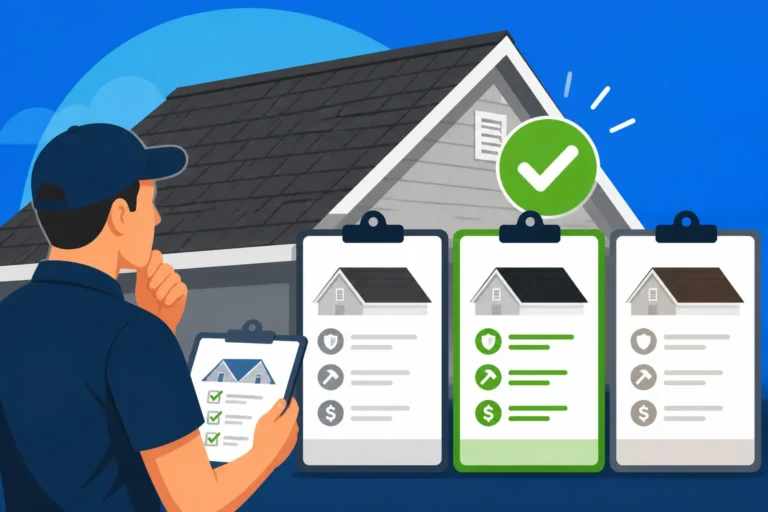
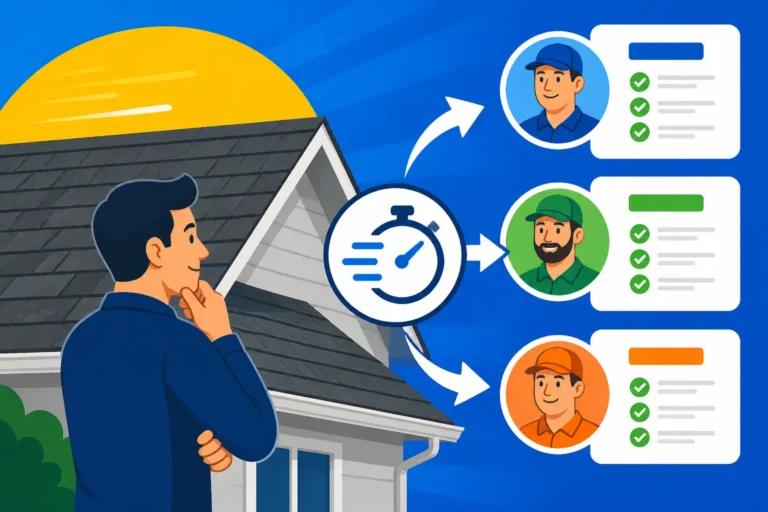
Never settle for the first estimate you receive, especially after a storm. Get at least three detailed estimates from different local roofing companies. This allows you to compare not just the price, but also the scope of work, materials proposed, and warranty offerings. A good estimate should be itemized, clearly breaking down costs for materials, labor, permits, and any other components like tear-off and disposal, underlayment, and flashing. This is also why knowing How to Get Roofing Quotes and Compare Them is so important.
Once you've chosen a contractor, ensure you have a comprehensive, written contract before any work begins. This contract should include:
- The contractor's full business name, address, and license number.
- Your contact information and the property address.
- A detailed scope of work, including all materials to be used (brand, type, color of shingles, underlayment, flashing, etc.).
- A clear start and completion date.
- The total cost, a payment schedule linked to milestones, and details about deposits.
- Information about permits and who is responsible for pulling them.
- Details on debris removal and site cleanup.
- Warranty information (both manufacturer and workmanship).
- A clause about obtaining your signature for any change orders.
Never sign a blank contract or one that allows the contractor to negotiate directly with your insurance company without your explicit consent or oversight. A reputable company will be transparent and happy to provide a clear, comprehensive contract. Familiarize yourself with What to Include in a Roofing Contract to ensure all essential elements are covered.
Understanding Insurance Claims and Your Rights
After a storm, your insurance claim is paramount. Storm chasers often try to inject themselves into this process, sometimes to your detriment. Your first call should always be to your insurance company to report the damage and understand your policy. They will typically send an adjuster to assess the damage. While your chosen contractor can be present during this assessment to point out damage, they should not be acting as your adjuster or negotiating on your behalf without your explicit written authorization and understanding of the implications.
Be wary of contractors who promise to cover your deductible or inflate the claim to "find" more money. This is insurance fraud and can have severe legal consequences for you. You are responsible for your deductible. Your contractor's role is to provide a fair estimate for the repair work, based on the adjuster's assessment and your agreement, and then to perform that work professionally. Understand your rights as a policyholder: you have the right to choose your contractor, not just go with whoever your insurance company recommends (though they might have a network). You also have the right to a detailed explanation of your claim settlement. Don't let a contractor rush you through signing anything that ties your insurance claim exclusively to them. It's vital to educate yourself on Does Insurance Cover Roof Replacement and how the claims process typically unfolds.
What to Do if You Suspect a Storm Chaser
Spotting a storm chaser is one thing; knowing what to do about it is another. Your actions can protect not only your home but also your neighbors and community from these fraudulent operations.
Reporting Suspect Contractors
If you encounter a contractor you suspect is a storm chaser or engaging in unethical practices, don't hesitate to report them. This isn't just about protecting yourself; it's about protecting your community. Start by gathering as much information as possible: company name, vehicle license plate numbers, names of individuals, phone numbers, and any marketing materials they provide.
You can report them to several authorities:
- Your State Attorney General's Office: They often have consumer protection divisions that investigate fraudulent business practices.
- Your State Licensing Board: If the contractor is operating without a proper license or misrepresenting their credentials, this is the place to report them.
- Local Law Enforcement: If you believe a crime has been committed (e.g., fraud, theft, vandalism), contact your local police department.
- Better Business Bureau (BBB): File a complaint with the BBB, especially if they have an active profile for the company.
- Your Insurance Company: Inform them if a contractor is trying to inflate a claim or waive your deductible, as this impacts them directly.
The more details you can provide, the more effective these agencies can be in investigating and stopping these individuals. In some areas, homeowner associations or local community groups will also share information about suspicious contractors, so consider alerting them as well.
Steps After Encountering a Scam
What if you've already fallen victim to a storm chaser? Perhaps you signed a contract, paid a deposit, or they've started shoddy work. It's a stressful situation, but you still have options.
- Review Your Contract: Carefully read every line of the contract you signed. Look for cancellation clauses, arbitration agreements, and any disclaimers.
- Document Everything: Take photos or videos of any work performed, damage to your property, and any materials used (or not used). Keep copies of all communications (emails, texts, call logs) and financial transactions.
- Cease Communication (Carefully): If you no longer wish to work with them, send a certified letter stating your intent to terminate the contract, citing any breaches of terms or fraudulent behavior. Do not verbally tell them to leave and then hope they disappear, as you may still be bound by the contract.
- Seek Legal Counsel: Consult with a local attorney specializing in construction law or consumer protection. They can advise you on your legal rights, how to formally terminate the contract, and how to potentially recover funds or seek damages.
- Stop Payment: If you paid with a credit card, contact your credit card company immediately to dispute the charge. If you paid by check, see if your bank can issue a stop payment.
- File Complaints: As mentioned above, file complaints with the State Attorney General, State Licensing Board, BBB, and local law enforcement.
- Contact Your Insurance Company: Inform them immediately about the situation. They may be able to offer guidance or adjust your claim if fraudulent activity is involved.
Dealing with a scam is frustrating and costly, but quick and decisive action, coupled with thorough documentation, can improve your chances of mitigating the damage and holding the responsible parties accountable.
Finding Reputable Local Contractors
The best defense against storm chasers is to proactively seek out and hire reputable local contractors. These are the businesses deeply rooted in your community, with a long-standing reputation to protect.
Leveraging Local Resources and Referrals
Your local community is often the best source for finding trustworthy roofers. Start by asking friends, family, neighbors, and co-workers for recommendations. People who have recently had roofing work done can offer firsthand insights into a contractor's professionalism, quality of work, and responsiveness. Don't just ask for a name; ask about their experience from start to finish. Did the contractor communicate well? Were they on time? Did they stick to the budget? Did they clean up thoroughly?
Beyond personal referrals, local hardware stores, building supply companies, and real estate agents often have knowledge of reputable local contractors. These professionals interact with contractors regularly and can often provide valuable insights. Trade associations, like the National Roofing Contractors Association (NRCA) or state-specific roofing associations, might also have directories of members who adhere to a code of ethics. When searching, you're not just looking for someone who can swing a hammer; you're looking for a reliable business partner who will stand behind their work. This is precisely why knowing How to Find a Reputable Roofer is so essential for homeowners.
Checking Online Reviews and Certifications
In today's digital age, online reviews are a powerful tool for vetting contractors, but they should be used judiciously. Look at platforms like Google Reviews, Yelp, and the Better Business Bureau website. Pay attention to both the volume and the sentiment of the reviews. A contractor with only a few glowing reviews might not be as reliable as one with hundreds of reviews, even if some are less than perfect (no business is perfect, but how they handle complaints is key). Read through the negative reviews to see how the contractor responded – a professional response often indicates a commitment to customer satisfaction.
Also, look for specific certifications. Many reputable roofing contractors hold certifications from major shingle manufacturers like GAF, Owens Corning, and CertainTeed. For example, a GAF Master Elite® Contractor or an Owens Corning Platinum Preferred Contractor has met stringent requirements set by the manufacturer, demonstrating a high level of expertise, financial stability, and commitment to ongoing training. These certifications often allow them to offer enhanced manufacturer warranties that provide better protection for your investment. Utilizing services like Modernize can help streamline this process, as they often pre-screen contractors for licenses, insurance, and customer satisfaction, connecting you with certified professionals who are prepared to handle your specific roofing needs. Ensuring your contractor has the right certifications can significantly impact your Roofing Warranty: Workmanship vs Manufacturer coverage.
Disclaimer
Please remember that the information provided in this guide is for general informational purposes only and does not constitute professional advice. Roofing codes, licensing requirements, and insurance policies vary significantly by location and individual circumstances. Always consult with a qualified local roofing professional, your insurance provider, and local authorities to ensure compliance and the best outcome for your specific situation.