Door-to-Door Roofing Sales: Beware
Walking up to your front door only to find a stranger aggressively trying to sell you a new roof is a frustrating and often unsettling experience. Many homeowners feel pressured, confused, or even targeted by these door-to-door roofing sales tactics, especially after a major storm. This guide is here to shed light on why these approaches are usually a red flag and equip you with the knowledge to protect yourself and your home from potential scams.
The Allure and Dangers of Door-to-Door Roofing Sales
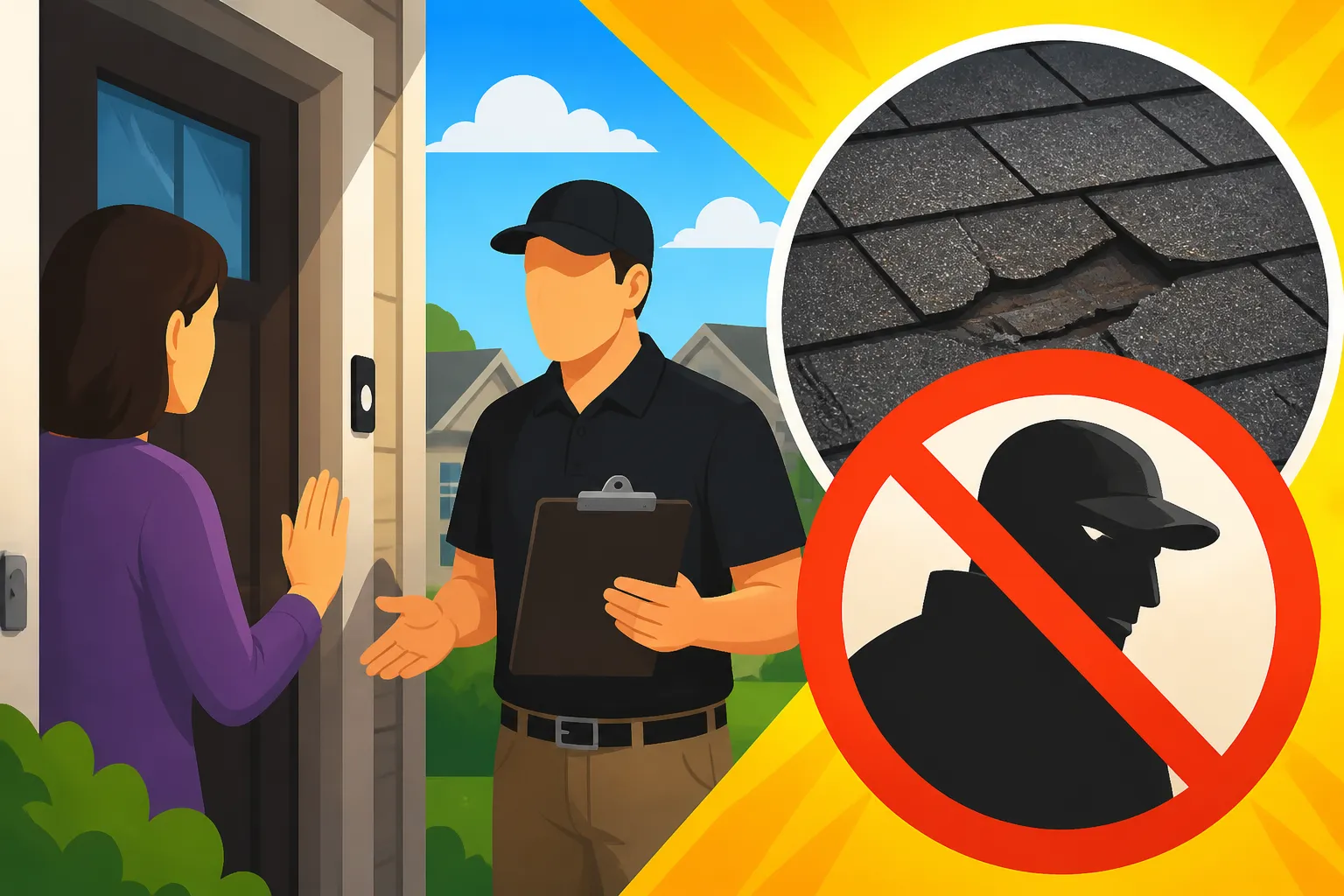
It’s easy to be caught off guard when someone knocks on your door, claims they just finished a job down the street, and offers you a "free inspection" for your asphalt roof. The convenience can be tempting, especially when you're busy, but this approach often carries significant risks that homeowners need to be aware of.
Why They Knock on Your Door
Let's be real, legitimate, well-established roofing companies typically don't need to go door-to-door looking for work, especially not in an aggressive manner. Their reputation, marketing, and word-of-mouth keep them busy. So, why do some roofers still rely on this method? Often, it's a tactic employed by what are commonly known as "storm chasers." These companies typically follow severe weather events, like hailstorms or strong windstorms, from one region to another. They know that many homes will have legitimate damage, and they're looking to capitalize on the urgency and potential confusion homeowners face. They swoop into an area, often unfamiliar with local building codes or the specific community, with the sole goal of securing as many contracts as possible before moving on to the next disaster zone.
Their aim is to be the first one on your property, establishing a quick connection before you have a chance to research or get other bids. They prey on the idea that homeowners want a quick solution to potential storm damage, making it seem like a helpful, proactive service. However, their true intentions might be far less altruistic, often prioritizing speed and volume over quality and customer satisfaction. It's a high-pressure sales environment where the salesperson often earns a commission on every contract signed, regardless of whether the work is genuinely needed or properly executed.
The Immediate Pressure Tactic
One of the most concerning aspects of door-to-door sales is the immense pressure to make a decision on the spot. You might hear lines like, "We're in the neighborhood today, so we can give you a discount if you sign now," or "Insurance companies are closing claims quickly, so you need to act fast." These are classic manipulation techniques designed to bypass your critical thinking and prevent you from seeking second opinions or doing due diligence. A reputable contractor will never pressure you into signing a contract immediately. They understand that a roof replacement is a significant investment and decision, requiring careful consideration. They should be willing to provide a detailed estimate, answer all your questions, and give you ample time to compare their offer with others.
This immediate pressure can lead to signing contracts without fully understanding the terms, agreeing to inflated prices, or committing to unnecessary repairs. It also leaves little room for you to check their credentials, read reviews, or verify their insurance and licensing, which are crucial steps when hiring any contractor. Think about it: if their offer is truly good, why can't it wait a day or two for you to review it properly? The answer is usually that they want to prevent you from discovering something that would make you reconsider.
The Hidden Costs of a "Quick Fix"
While a door-to-door offer might seem like a "quick fix" for potential storm damage, it can often lead to a litany of hidden costs down the line. Many of these operations prioritize cutting corners to maximize profit. This could mean using inferior materials that don't meet local building codes, improperly installing components like underlayment or flashing, or skipping essential steps in the roofing process. For example, they might promise a full replacement but then only do a partial reroof, leaving older, damaged sections untouched.
Such shortcuts invariably lead to future problems. You might experience leaks, missing shingles, or even structural issues much sooner than expected, costing you more in repairs or even another full replacement down the road. Furthermore, if the initial work isn't done correctly or doesn't meet manufacturer specifications, it can void your asphalt shingle roof warranty, leaving you with no recourse if the materials fail prematurely. A truly professional job, even if it takes a bit more time and initial investment, ensures longevity and peace of mind, saving you from these costly "quick fixes" in the long run.
Identifying the Red Flags of a Storm Chaser
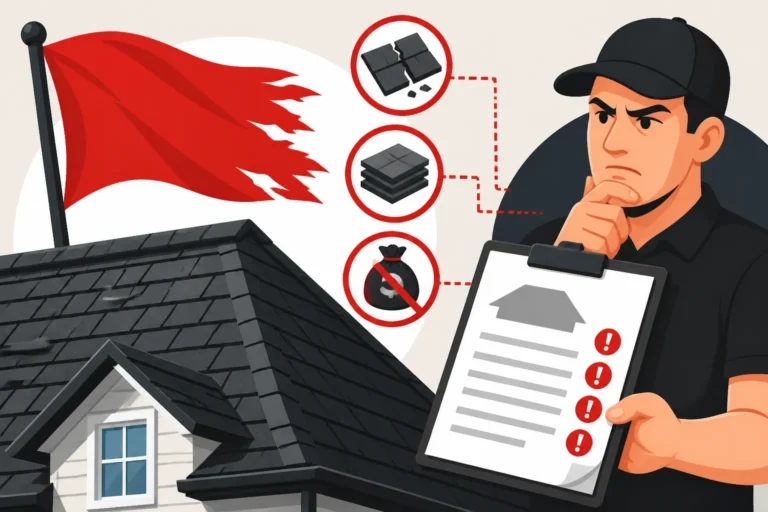
Recognizing the warning signs of a less-than-reputable roofer is your first line of defense. Storm chasers, in particular, exhibit common behaviors that should immediately make you wary.
Unsolicited Offers After a Storm
One of the biggest giveaways that you might be dealing with a storm chaser is an unsolicited visit right after a significant weather event. If a roofer shows up at your door claiming to have noticed damage on your roof and offers a "free inspection" without you having initiated contact, proceed with extreme caution. While they might point out legitimate damage, their primary goal is to secure a contract while the memory of the storm is fresh and homeowners are feeling vulnerable.
These individuals often canvass entire neighborhoods, sometimes even driving around specifically looking for areas that experienced hail or high winds. They might have generic fliers or business cards that lack specific local details. A reputable local contractor, on the other hand, typically relies on established marketing, referrals, or direct calls from homeowners who have identified a problem or are looking for estimates. They won't usually "cold call" you at your door immediately after a storm; they'll wait for you to reach out. This is a critical distinction when assessing who you allow onto your property.
High-Pressure Sales and Immediate Decisions
As mentioned before, pressure tactics are a hallmark of sketchy door-to-door sales. If a salesperson insists you sign a contract immediately, offers "today-only" discounts, or tells you that their crew is in the area and can start tomorrow if you commit now, it's a huge red flag. They might even try to "help" you call your insurance company on the spot, pushing you to file a claim without proper assessment or comparison. Remember, a major home repair like a roof replacement is a significant financial decision. You should always have time to do your research, get multiple quotes, and feel completely comfortable with your choice of contractor.
Legitimate contractors understand this and will encourage you to take your time. They'll provide a written estimate, explain all the details, and answer any questions without making you feel rushed. They know that a satisfied customer who chose them deliberately is far more valuable than one who was pressured into a hasty decision. When you're dealing with someone who won't let you think, it's often because their offer can't stand up to scrutiny. For more on this, check out our guide on how to get roofing quotes and compare them.
Lack of Local Presence or References
Another major indicator of a potentially problematic roofer is a lack of established local presence. If their vehicles don't have local license plates, their phone number is out of state, or their "office" address is just a P.O. Box or a temporary setup, be very wary. Storm chasers often come from hundreds or thousands of miles away, operating out of temporary lodging and then disappearing once the local work dries up. This makes it incredibly difficult to reach them if you have warranty issues or problems with the workmanship down the line.
Always ask for references, specifically from local homeowners whose roofs they've recently completed. Check online reviews on platforms like Google, Yelp, and the Better Business Bureau. Look for consistent positive feedback and a history of satisfied customers in your area. A legitimate local roofer will have deep ties to the community and a verifiable physical address and long-standing reputation. They're not going anywhere, which means they have a vested interest in doing quality work and standing behind it. When looking for a local company, services like Modernize can connect you with vetted professionals in your area.
Demanding Upfront Cash Payments
This is a massive red flag that cannot be overstated. If a roofer demands a significant portion of the payment upfront in cash, or even the full amount, before any work has begun, walk away immediately. While a reasonable down payment (typically 10-30% of the total project cost) for materials might be standard for a new roof, demanding cash only or an exorbitant upfront sum is a common tactic used by scammers. They might take your money and disappear, leaving you with an unfinished roof and out of pocket.
Always insist on a written contract with clear payment schedules tied to specific milestones of the project's completion. Payments should ideally be made by check or credit card, which offers a traceable record and some level of consumer protection. Be especially suspicious if they offer a steep "cash discount" to entice you to pay without a paper trail. Remember the adage: if it sounds too good to be true, it probably is. Our article on should you pay a roofer upfront offers more detailed guidance on this important topic.
Common Scams and How They Operate
Door-to-door roofing sales are often a gateway to various types of scams, each designed to extract as much money as possible from unsuspecting homeowners. Understanding these common schemes can help you recognize and avoid them.
The "Free Inspection" Gimmick
The "free inspection" is the bait that hooks many homeowners. The salesperson comes to your door, offers a quick look at your roof, and invariably "finds" damage. Sometimes, the damage is real, perhaps minor, or sometimes it's completely fabricated. They might even create damage themselves to show you, like scuffing shingles or bending flashing, then claim it was caused by the recent storm. They'll then pressure you into signing a contract immediately, often implying that delaying will hurt your insurance claim.
Once they get you to sign, the real scam can begin. They might file an inflated claim with your insurance company, charge for work that was never done, or use the cheapest materials possible while billing for premium ones. The key here is that the "free inspection" is rarely about genuinely helping you; it's about gaining access and control over your roofing project and, often, your insurance claim. Always get multiple opinions from reputable, local contractors if you suspect damage after a storm.
Inflated Damage Assessments
This scam often goes hand-in-hand with the "free inspection." A storm chaser might drastically overstate the extent of the damage to your roof to justify a full replacement, even if only minor repairs are needed. They might push for expensive upgrades you don't need or claim components like your roof decking need replacement when they're perfectly fine. This allows them to submit a much higher claim to your insurance company, increasing their profit margins.
They often present themselves as insurance experts, promising to handle the entire claim process for you. While some legitimate roofers do assist with insurance claims, a scammer might take advantage of your trust, inflating the repair costs significantly. They might even encourage you to commit insurance fraud by instructing you not to tell the insurer about certain aspects of the damage or to claim pre-existing issues as storm-related. Always remember that insurance fraud is a serious crime, and you, as the homeowner, can be held responsible. Be sure to understand how to read and compare roofing estimates thoroughly to avoid getting overcharged.
Substandard Materials and Workmanship
One of the most insidious scams involves using cheap, low-quality materials and performing shoddy workmanship, all while charging you for top-tier products and professional installation. These roofers might use non-compliant shingles, forgo essential components like ice and water shield or proper underlayment, or install everything incorrectly—for instance, using too few nails or improper nailing patterns. The roof might look acceptable from the ground, but structural and longevity issues will likely appear within a few years.
When this happens, you'll have a failing roof, but the company that installed it will be long gone, having moved on to the next storm-damaged area. This leaves you with no one to honor the "warranty" they provided, and you'll have to pay another reputable contractor to fix or re-do the work, costing you double. This is why checking references and ensuring the contractor is licensed and insured, with a long-standing local presence, is absolutely vital. Our guide on signs of a bad roofing job can help you identify subpar work.
Insurance Fraud Schemes
Perhaps the most dangerous type of scam involves various forms of insurance fraud. Some unscrupulous roofers will encourage you to file a claim even if there's no legitimate storm damage. They might "create" damage themselves or misrepresent the age or condition of your roof to your insurance adjuster. Another common scheme is to offer to "waive your deductible," which is illegal in many states. This means they are effectively billing the insurance company for the amount of your deductible and then not collecting it from you, which is a form of fraud.
Other tactics include submitting multiple claims for the same damage, billing for more expensive materials than were actually used, or performing partial repairs while claiming a full replacement. If you participate in these schemes, even unknowingly, you could face severe legal consequences, including fines and jail time. It's crucial to be honest and transparent with your insurance company and to choose a roofing contractor who operates with integrity. If you're unsure about how the process works, consult with your insurance provider directly and independently verify all information before signing any documents related to your claim.
How to Vet a Legitimate Roofing Contractor
Avoiding door-to-door scams means taking a proactive approach to finding a reputable asphalt roofing contractor. This involves doing your homework and asking the right questions.
Checking Licenses, Insurance, and Bonding
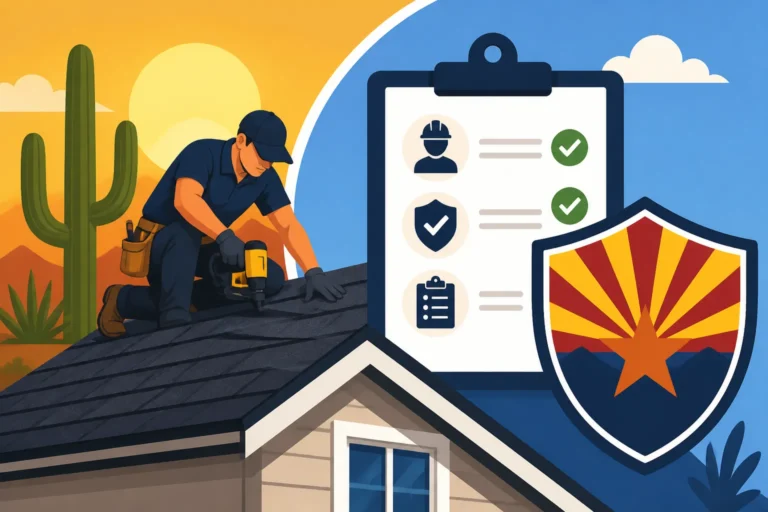
This is arguably the most critical step in vetting any contractor. A legitimate roofing company must be properly licensed, insured, and, in some cases, bonded. Licensing ensures they meet state or local requirements for competency and ethical practice. Insurance—specifically general liability and workers' compensation—protects you from financial responsibility if there's an accident on your property or if a worker gets injured during the job. If a roofer isn't insured and someone gets hurt on your property, you could be held liable, leading to devastating lawsuits and medical bills. Bonding, while not always required, offers an additional layer of protection, guaranteeing that the job will be completed according to the contract.
Always ask for proof of current licensing, insurance certificates, and bonding. Don't just take their word for it. Call the issuing agencies (e.g., your state's contractor licensing board, their insurance provider) to verify that the documents are current and valid. A reputable company will be transparent and happy to provide this information. For more in-depth information, read our article on licensed and insured roofers: why it matters.
The Importance of Local References and Reviews
When choosing a roofer, their reputation within the community speaks volumes. Seek out contractors with a strong, verifiable local presence and a history of satisfied customers. Start by asking friends, family, and neighbors for recommendations. Online reviews on platforms like Google Business, Yelp, and the Better Business Bureau (BBB) are invaluable resources, but remember to look for patterns and consistent feedback rather than isolated glowing or scathing reviews. Be wary of companies with no online presence or only a handful of generic, five-star reviews that seem too perfect.
A good sign is a contractor who has been in business in your area for many years. This demonstrates stability and a commitment to their local clientele. Ask for a list of recent projects they've completed in your vicinity, and if possible, drive by those homes to see the quality of their work firsthand. You might even knock on a door or two and ask about their experience with the contractor. Companies like Modernize can also help you connect with pre-vetted local roofing professionals, taking some of the guesswork out of finding reliable options.
Getting Multiple Detailed Estimates
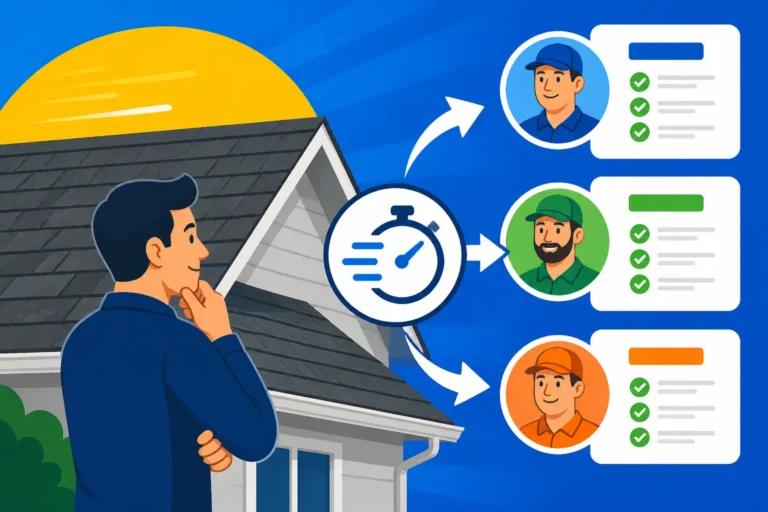
Never settle for just one bid. Always obtain at least three detailed estimates from different roofing contractors. This allows you to compare not just the overall price, but also the scope of work, the types of materials being proposed, the warranty coverage, and the payment schedule. A comprehensive estimate should itemize everything: tear-off and disposal costs, underlayment type, flashing materials, shingle brand and model (e.g., GAF Timberline HDZ or Owens Corning Duration), ventilation components, and labor costs. If an estimate is significantly lower or higher than others, ask why.
A very low bid could indicate corners being cut or hidden costs that will appear later. A very high bid might be an attempt to overcharge. Use these multiple estimates as a tool for negotiation and to ensure you're getting a fair price for quality work. This process also gives you an opportunity to interact with different contractors, assessing their professionalism, responsiveness, and willingness to answer your questions thoroughly. Our guide on how to read and compare roofing estimates provides an excellent framework for this.
Understanding Roofing Warranties
A roof is a significant investment, and its warranty is your long-term protection. There are typically two types of warranties you need to understand: the manufacturer's warranty and the contractor's workmanship warranty. The manufacturer's warranty covers defects in the roofing materials themselves (e.g., the shingles), while the workmanship warranty covers the quality of the installation.
A reputable contractor will offer a strong workmanship warranty, often covering 5 to 10 years, and will install materials in a way that allows you to qualify for enhanced manufacturer warranties, which can extend coverage for up to 50 years (non-prorated) for certain systems. Make sure you understand what each warranty covers, for how long, and if it's transferable to a new homeowner if you sell your house. Ensure all warranty details are clearly spelled out in your contract. Be wary of roofers who offer only short warranties or vague promises, as this could be a sign of a lack of confidence in their work. Our article on roofing warranty: workmanship vs manufacturer delves deeper into these distinctions.
Protecting Your Home and Wallet
Beyond vetting contractors, there are crucial steps you can take to safeguard yourself from door-to-door roofing scams and ensure a smooth, legitimate roofing project.
Never Sign Under Pressure
This cannot be stressed enough: do not sign anything if you feel pressured or rushed. A legitimate roofing proposal is not a limited-time offer that expires if you don't sign on the dotted line immediately. If a salesperson employs aggressive tactics, insists on calling your insurance company right away, or demands a signature before you've had a chance to review the contract thoroughly, consider it a giant warning sign. Take a deep breath, politely decline, and tell them you need time to consider your options.
It's your home, your money, and your decision. You have every right to take your time, compare bids, research the company, and consult with family or trusted advisors. A good contractor wants you to feel confident and informed, not cornered. If they can't respect that, they're not the right contractor for you. Remember, once you sign a contract, especially one that's vague or contains unfavorable terms, it can be very difficult and costly to get out of it.
Documenting Everything
Maintain meticulous records of all communications, agreements, and transactions related to your roofing project. This includes:
- Written Estimates: Keep copies of all detailed estimates you receive, noting the date and the salesperson's name.
- Contracts: Ensure your final contract is comprehensive, clearly outlining the scope of work, materials, timelines, payment schedule, and warranty information. Read every line carefully before signing.
- Proof of Insurance and Licensing: Keep copies of the contractor's current insurance certificates and license verification.
- Photos and Videos: Before any work begins, take extensive photos or videos of your roof and surrounding property. This documents its condition and provides evidence if any new damage occurs during the project. Take photos during and after the work as well.
- Communication Records: Keep a log of all phone calls, emails, and texts. If conversations happen in person, follow up with an email summarizing what was discussed and agreed upon.
- Payment Records: Always pay by check or credit card and keep all receipts and invoices. Avoid cash payments that leave no paper trail.
This comprehensive documentation serves as your primary defense if a dispute arises, if the work is unsatisfactory, or if the contractor attempts to deviate from the agreed-upon terms. It provides concrete evidence that can be crucial for insurance claims, legal action, or complaints to consumer protection agencies.
Exercising Your Right to Cancel
Did you know that in many states, you have a "cooling-off" period during which you can cancel certain contracts, including those signed in your home? This is often referred to as the "Right to Rescind" or "3-Day Right to Cancel" under federal law and various state statutes. This rule typically applies to sales made away from the seller's usual place of business, like door-to-door sales. It gives you 72 hours (three business days) to cancel the contract, often without penalty, if you decide you made a mistake or found a better option.
It's absolutely vital to know your rights in your specific state. The salesperson is usually required to provide you with written notice of this right and a cancellation form. If they don't, that's another red flag. If you do decide to cancel, make sure to do so in writing, keep a copy for your records, and send it by certified mail with a return receipt requested. This provides undeniable proof that you exercised your right to cancel within the legal timeframe. Don't let a deceptive roofer tell you that you can't back out; know the law and use it to your advantage.
What to Do If You Suspect a Scam or Already Signed
Even with all the precautions, sometimes you might find yourself in a difficult situation. It’s important to know what steps to take if you suspect you’ve been targeted by a scam or if you’ve already signed a problematic contract.
Gather All Documentation
If you believe you’ve been scammed or are dealing with a disreputable roofer, the very first thing you need to do is gather every piece of documentation you have. This includes:
- The signed contract, even if you now believe it to be unfair or fraudulent.
- Any estimates, proposals, or advertisements provided by the roofer.
- Copies of their license and insurance (if you received them).
- Any communication records: emails, text messages, call logs, notes from conversations.
- Photos or videos of your roof before, during, and after their work.
- All payment records: cancelled checks, credit card statements, receipts.
- Any written warranties or guarantees they provided.
The more evidence you have, the stronger your position will be if you need to file a complaint or take legal action. Don't assume anything is too minor to include; sometimes a small detail can prove critical. This thorough record-keeping is your best asset in demonstrating what was promised versus what was delivered, or identifying outright fraud.
Contacting Authorities and Consumer Protection
Once you've compiled your documentation, it's time to reach out to the appropriate authorities. Start with your local or state consumer protection agency or the Attorney General's office. Many states have specific departments that handle contractor disputes and scams. You can also file a complaint with the Better Business Bureau (BBB), though remember that the BBB is not a government agency but can help mediate disputes and publicly document unresolved issues.
If you suspect outright fraud, such as the roofer taking a large upfront payment and disappearing, or intentionally damaging your property, you should also contact your local police department. For issues involving insurance fraud, immediately notify your insurance company's fraud department. They have a vested interest in investigating such claims and can provide guidance. Don't be afraid to report; your actions could prevent others from falling victim to the same scheme. If you're looking for general advice on finding reputable contractors, services like Modernize can help guide you.
Seeking Legal Counsel
If the situation is severe, such as significant financial loss, extensive property damage, or an unresolved breach of contract, it may be necessary to consult with an attorney. Look for lawyers who specialize in construction law or consumer protection. They can review your contract, assess the evidence, and advise you on the best course of action. This might include sending demand letters, pursuing mediation, or filing a lawsuit.
While legal action can be costly and time-consuming, it might be your only recourse for recovering damages or forcing the contractor to fulfill their obligations. Many attorneys offer initial consultations, which can help you understand your options without a significant upfront commitment. Don't delay seeking legal advice if you're in a tough spot; the sooner you act, the better your chances of a favorable resolution. Navigating a situation where a roofer won't finish the job can be particularly challenging, and legal counsel can be invaluable in such cases.
Finding Reputable Roofing Contractors
Instead of waiting for a knock on the door, be proactive in finding a trustworthy professional for your asphalt roofing needs.
Prioritizing Local and Established Businesses
When you need a new roof or a significant repair, the best defense against scams and shoddy work is to prioritize local, established businesses. These are the companies that have built their reputation in your community over years, sometimes decades. They rely on word-of-mouth, positive reviews, and repeat business to thrive, which means they have a strong incentive to provide excellent service and stand behind their work. They also understand local building codes and permitting requirements, ensuring your project complies with all regulations.
When you're searching, look for roofers with a verifiable physical address in your area, not just a P.O. Box. Check how long they've been in business. A company that has operated successfully for five, ten, or even twenty years is far less likely to disappear overnight than a fly-by-night operation. They're part of your community, and their reputation is on the line with every job they complete. This local connection offers peace of mind that can't be matched by an out-of-town "storm chaser." When asking "how to choose a roofing contractor," this should be your starting point.
Leveraging Online Resources and Referrals
In today's digital age, information is at your fingertips. Start your search by checking online review platforms like Google Business, Yelp, and the Better Business Bureau (BBB) for contractors in your area. Pay attention to both the quantity and quality of reviews, looking for consistent themes and how companies respond to feedback. Websites like Modernize can also connect you with pre-screened local professionals, simplifying the process of finding trustworthy options.
Don't forget the power of personal referrals! Ask your neighbors, friends, family, and coworkers if they've had good experiences with local roofers. A personal recommendation from someone you trust is incredibly valuable. They can share insights into the contractor's communication, professionalism, and the quality of their work. Combine online research with personal referrals to create a shortlist of potential contractors to contact for estimates. This multi-pronged approach significantly increases your chances of finding a reputable pro.
Understanding Manufacturer Certifications
Many leading asphalt shingle manufacturers, such as GAF, Owens Corning, and CertainTeed, offer certification programs for roofing contractors. These certifications, like GAF Master Elite or Owens Corning Platinum Preferred, are not just marketing ploys; they indicate that a contractor has met stringent requirements set by the manufacturer. These often include:
- Extensive Training: Contractors and their crews have undergone specific training on proper installation techniques for the manufacturer's products.
- Business Integrity: They meet certain financial and ethical standards.
- Proper Licensing and Insurance: They must carry the necessary licenses and insurance.
- Commitment to Quality: They demonstrate a commitment to using the manufacturer's complete roofing system.
Hiring a manufacturer-certified contractor often means you'll have access to enhanced warranty options that aren't available through uncertified installers. These extended warranties can provide longer coverage for both materials and workmanship, offering superior protection for your investment. Always ask potential contractors if they hold any manufacturer certifications and what benefits that brings to your project. This is a clear indicator of a contractor's dedication to quality and professional standards. Our piece on manufacturer-certified roofers explained goes into more detail.
Conclusion
Navigating the world of roofing replacements can feel overwhelming, especially when faced with aggressive door-to-door sales tactics. Remember, your home is your most significant investment, and its roof is its primary protector. Taking the time to properly vet contractors, understand warning signs, and protect yourself from high-pressure situations is crucial. Prioritize local, reputable businesses, ask plenty of questions, get multiple detailed estimates, and never feel rushed into a decision. By being informed and proactive, you can ensure your asphalt roofing project is completed with quality and peace of mind.
Disclaimer
This article is intended for informational purposes only and does not constitute professional advice. Always consult with a licensed and insured roofing contractor for specific recommendations regarding your home. Local building codes and regulations may vary, and it is the homeowner's responsibility to ensure compliance.