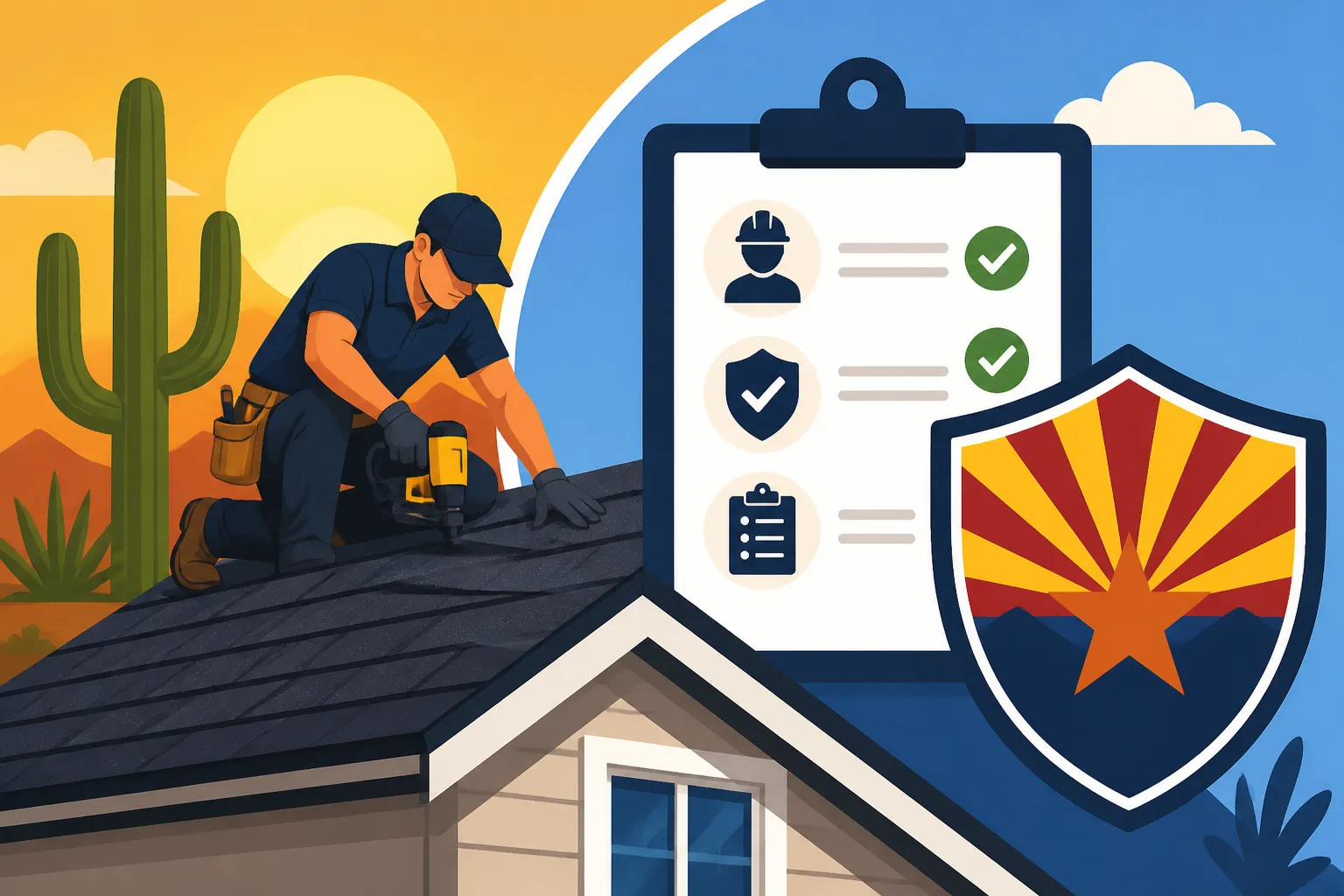
Roofing License Requirements in Arizona
Navigating the world of home improvements, especially something as significant as a roof replacement, can feel incredibly overwhelming. One of the biggest headaches homeowners face is trying to figure out if the person they're hiring is actually qualified and legitimate. It's a common fear to end up with a shoddy job or, worse, a contractor who disappears halfway through. This guide is here to shed light on the specific roofing license requirements in Arizona, empowering you to make informed decisions and protect your biggest investment.
Why Roofing Licenses Matter So Much in Arizona
When you're looking up at a damaged roof or considering a brand-new installation, the last thing you want to worry about is whether the people working on your home know what they're doing. That's precisely why understanding roofing licenses is so critical, especially in a state like Arizona where the sun and monsoon seasons can be brutal on roofing materials. A license isn't just a piece of paper; it's a testament to a contractor's competency, adherence to building codes, and commitment to consumer protection.
Protecting Your Investment and Peace of Mind
Think about it: your roof is your home's primary shield against the elements. If it's not installed correctly, you're not just risking leaks and structural damage, but also significant financial loss down the line. A licensed roofing contractor in Arizona has typically demonstrated a certain level of experience and knowledge in their trade. They understand the intricacies of local building codes, proper installation techniques, and safety protocols. This means your new roof will be installed to standard, protecting your home and, just as importantly, giving you real peace of mind. It’s about more than just the immediate fix; it’s about the long-term durability and safety of your property. Without a licensed professional, you might find yourself needing another costly repair much sooner than anticipated, effectively wasting your initial investment.
Furthermore, most reputable licensed contractors carry the necessary insurance – liability and workers' compensation. This is a huge, often overlooked, layer of protection for you, the homeowner. If a worker gets injured on your property, or if there's accidental damage to your home or a neighbor's property during the project, their insurance should cover it. If you hire an unlicensed contractor, you could be held personally responsible for medical bills or property damage, turning a roofing project into a financial nightmare. This alone highlights why verifying that your roofer is a Licensed and Insured Roofer: Why It Matters is so important.
Avoiding Unscrupulous Contractors and Scams
Arizona, with its growing population and sometimes extreme weather, can unfortunately attract a share of less-than-reputable contractors, often referred to as "storm chasers" after a significant weather event. These individuals or companies might arrive in town, offer suspiciously low bids, and then perform shoddy work, or even worse, take your money and disappear. Without a license, they operate outside the regulatory framework, making it incredibly difficult to seek recourse if things go wrong.
When you deal with a licensed contractor, you have a formal channel for complaints and resolution through the Arizona Registrar of Contractors (ROC). This governmental oversight acts as a deterrent against fraudulent practices and provides a pathway for consumers to address issues. An unlicensed contractor, on the other hand, has no such accountability. They often don't have a physical business address, legitimate references, or proper insurance, all of which are Roofing Contractor Red Flags to Avoid. By insisting on a properly licensed roofer, you're building a crucial barrier against potential scams and ensuring you have a legitimate business to deal with, should any problems arise.
Arizona's Specific Licensing Requirements for Roofers
Arizona has a robust system in place to regulate contractors, and roofing is no exception. Understanding these specifics will help you filter out unqualified individuals and find reliable professionals. The state aims to protect consumers by ensuring that contractors meet certain standards for experience, financial stability, and knowledge of the trade.
The Arizona Registrar of Contractors ROC
In Arizona, all contractors, including roofers, are licensed and regulated by the Arizona Registrar of Contractors (ROC). This agency is your go-to resource for verifying licenses, checking complaint histories, and understanding the legal framework for contracting services in the state. The ROC doesn't just hand out licenses; they require applicants to meet stringent criteria before they can even think about swinging a hammer professionally.
For roofing specifically, contractors typically need to hold one of several classifications. The most common for residential roofing is the R-39 (Residential Roofing) license. This classification permits work on single-family residences, duplexes, and multi-family dwellings up to four units. For larger commercial projects, you'd be looking at a C-39 (Commercial Roofing) license, or potentially a B-category (General Contractor) license if the roofing work is part of a larger project. It’s crucial that the license held by your contractor specifically covers the type of roofing work being performed on your property. Don't assume a general contractor license automatically means they are experts in specialized roofing; while they can often subcontract to a licensed roofer, it's always best to have the direct contractor be specifically licensed for roofing.
Key Steps to Becoming a Licensed Roofer in Arizona
To get that coveted R-39 or C-39 license from the ROC, a contractor has to jump through several hoops. This process is designed to ensure they are competent, responsible, and financially sound, which ultimately benefits you, the homeowner.
- Experience: Applicants must typically demonstrate at least four years of practical experience in the specific trade for which they are seeking a license. This experience needs to be at a journeyman level, foreman, or supervisor, proving they've been hands-on and responsible for roofing projects. This isn't just about showing up; it's about proving proficiency.
- Trade Exam and Business Management Exam: Every qualifying party for an ROC license must pass a comprehensive trade examination specific to roofing (R-39 or C-39) and a separate business management exam. The trade exam tests their knowledge of roofing techniques, materials, safety, and building codes, including specific Arizona amendments. The business management exam covers aspects like contracts, accounting, project management, and labor laws, ensuring they understand the legal and financial responsibilities of running a contracting business.
- Financial Stability: Contractors must demonstrate financial responsibility. This often involves providing financial statements to prove they have the working capital to operate a business. The ROC sets minimum net worth or working capital requirements.
- Bonding: Licensed contractors are required to obtain a contractor's bond. This bond serves as a form of financial guarantee for consumers. If a contractor fails to complete a project or performs substandard work, homeowners can make a claim against this bond to recover damages. The bond amount varies depending on the contractor's license classification and projected annual gross volume. This is a critical protection for you as a homeowner.
- Insurance: While the ROC mandates a bond, reputable licensed roofers will also carry general liability insurance and workers' compensation insurance. General liability protects against damages to your property or third-party injuries caused by the contractor's operations. Workers' compensation covers their employees if they get injured on the job. Without this, you could be on the hook! This is why it’s so important to ask about their Should Your Roofer Be Bonded and Insured before signing any agreement.
What it Means for Homeowners: How to Verify a License
For you, the homeowner, this rigorous licensing process means you have a powerful tool at your disposal: verification. Before you even think about getting a roofing estimate, you should always verify the contractor's license.
The process is straightforward:
- Ask for their ROC License Number: A legitimate contractor will readily provide this.
- Visit the Arizona Registrar of Contractors Website: They have an online search portal. You simply enter the license number or the company name.
- Review the Information: The ROC website will show you if the license is active, what classifications it holds, and importantly, if there have been any past complaints or disciplinary actions. This public record is invaluable in making your decision.
Remember, a contractor might have an active license, but if it’s for general remodeling and not specifically for roofing, they might not have the specialized expertise you need. It's like going to a general practitioner for brain surgery – technically a doctor, but not the right specialist for the job. Services like Modernize can help connect you with pre-screened, licensed professionals in your area, taking some of the guesswork out of the initial search.
Verifying a Roofing Contractor's License in Arizona
You've got a leaky roof, or maybe you're just ready for an upgrade, and you've started getting quotes. Fantastic! But before you get swept up in comparing different shingle styles or warranty options, the first and most important step is to verify the license of every contractor you consider. It’s a step that can save you immense headaches and potential financial ruin down the road.
Step-by-Step Guide to Using the ROC Database
The Arizona Registrar of Contractors (ROC) website is your best friend when it comes to checking out a potential roofer. Here’s how you can use it effectively:
- Get the Contractor's Information: When a roofing company gives you an estimate or even just talks to you, ask them for their full company name and, crucially, their ROC license number. A professional, legitimate contractor will provide this without hesitation. If they hem and haw or don't have one, that's a huge red flag right there.
- Navigate to the ROC Website: Open your web browser and go to the official Arizona Registrar of Contractors website. Look for a section titled "Contractor Search" or "License Search."
- Perform the Search: You can typically search by license number, contractor name, or even business name. Using the license number is usually the most accurate way to ensure you're looking at the right entity.
- Review the Results Thoroughly:
- License Status: Is it active? Avoid any contractor whose license is suspended, expired, or revoked.
- License Classification: Does it specify "R-39 Residential Roofing" (or C-39 for commercial projects)? Make sure the classification matches the work you need done. A general builder's license might not imply specific roofing expertise, and for specialized work, you want a specialized license.
- Disciplinary Actions/Complaints: This is vital. The ROC database will show any public disciplinary actions or formal complaints filed against the contractor. A few minor complaints over many years might not be a deal-breaker, but a pattern of serious issues or recent unresolved complaints should make you pause. Look into the details if possible.
- Bonding Information: While the ROC will confirm a bond, you might want to specifically ask the contractor for their current bond information as well.
- Business Address and Contact Info: Does the information on the ROC match what the contractor has given you? Inconsistencies could be a sign of a fly-by-night operation.
This verification process might seem like an extra step, but it’s foundational. It's how you ensure you're dealing with a legitimate business that has met state-mandard qualifications. It's a key piece of the puzzle when you're comparing How to Read and Compare Roofing Estimates.
Beyond the License: Insurance and Bonding
While checking the ROC license is non-negotiable, it's only one part of a comprehensive vetting process. A truly reputable roofing contractor in Arizona will go above and beyond the minimum state requirements, and you should too.
- General Liability Insurance: This is your protection against damage to your property. Imagine a roofer accidentally drops a bundle of shingles through your skylight, or causes damage to your landscaping. General liability insurance covers these kinds of property damages. Always ask for a current certificate of insurance directly from their insurance provider – don't just take their word for it or accept a photocopy that could be outdated.
- Workers' Compensation Insurance: If an employee of the roofing company gets injured while working on your roof, workers' comp covers their medical bills and lost wages. Without it, that injured worker could sue you, the homeowner, directly for their damages. This is a terrifying prospect that you absolutely want to avoid. Again, ask for a current certificate of insurance.
- Surety Bond: As mentioned, licensed contractors are required to be bonded. This bond offers financial protection if the contractor fails to complete the work according to the contract or defaults on their obligations. It’s a mechanism for you to recover funds if things go wrong. While the ROC confirms a bond is in place, knowing the specifics can be helpful, especially if you ever need to make a claim.
Think of it this way: the license proves they're allowed to do the work, but the insurance and bonding confirm they're prepared for anything that might happen while doing the work. You don't want to find out the hard way that a contractor wasn't properly insured when a problem arises. This attention to detail is why companies like Modernize emphasize connecting homeowners with professionals who meet these crucial criteria, providing an added layer of confidence. For more specific questions to ask, consult resources like Questions to Ask a Roofing Contractor Before Hiring.
Here's a quick summary table of what to look for when vetting a roofer in Arizona:
| Feature | What to Look For | Why It Matters |
|---|---|---|
| ROC License | Active, R-39 or C-39 classification, good standing | Legal to operate, proven competency, regulatory oversight. |
| ROC Complaint History | Few to no serious complaints | Indicates reliable service and professional conduct. |
| General Liability Ins. | Current Certificate of Insurance (COI) from insurer | Protects your property from damage caused by contractor. |
| Workers' Comp Ins. | Current COI from insurer | Protects you from liability if a worker is injured on your property. |
| Surety Bond | Confirmed by ROC, details available | Financial recourse if contractor defaults or performs faulty work. |
| Physical Address | Established, verifiable local business address | Indicates a stable, legitimate business, not a transient operation. |
| References/Reviews | Positive reviews, local references | Peer validation of quality work and customer satisfaction. |
| Written Contract | Detailed, clear scope of work, payment schedule, warranties | Protects both parties, clarifies expectations, provides legal standing. |
What to Do If a Contractor Isn't Licensed
It's tempting sometimes, especially when faced with a high roofing quote, to consider the cheaper option offered by an unlicensed individual. They might tell you they don't need a license for "small jobs" or that they "do good work without the overhead." Do not fall for this. Hiring an unlicensed contractor, even for what seems like a minor repair, is a significant risk with potentially severe consequences for you, your home, and your wallet.
The Risks You Face When Hiring Unlicensed Contractors
The immediate appeal of a lower price tag from an unlicensed contractor quickly fades when you consider the mountain of risks you're taking on.
- Lack of Recourse: This is perhaps the biggest danger. If an unlicensed contractor does a terrible job, damages your home, or simply disappears with your deposit, your options for legal or financial recourse are severely limited. The Arizona Registrar of Contractors cannot intervene on your behalf because the individual isn't under their jurisdiction. You might have to pursue civil litigation, which is costly, time-consuming, and often fruitless against individuals who have no assets or are difficult to track down.
- Substandard Work and Building Code Violations: Unlicensed contractors often lack the necessary training and knowledge of proper building codes. They might cut corners, use inferior materials, or employ incorrect installation techniques. This can lead to a roof that fails prematurely, leaks, or even creates structural issues. Correcting these problems can cost far more than the original "savings." You might even be forced to tear off and replace a brand-new roof because it wasn't installed to code. This is where you really see the value of a comprehensive guide like Roofing Building Codes: What to Know.
- No Insurance Protection: As discussed, this is huge. If an uninsured worker is injured on your property, or if they accidentally damage your home or a neighbor's property, you could be held personally liable. This means you might be responsible for medical bills, property repairs, and legal fees. A single incident could easily bankrupt you, far outweighing any perceived savings on the roofing job itself.
- Voided Homeowners Insurance: Many homeowners' insurance policies have clauses that can void coverage if work is done by unlicensed contractors, especially if that work leads to a subsequent claim (e.g., a leak from an improperly installed roof). When you make a claim, your insurer will investigate, and if they find the work was done by an unlicensed entity, they could deny your claim.
- Permit Issues: Licensed contractors know that most significant roofing work requires permits. They handle the permitting process and ensure inspections are done. Unlicensed contractors often skip permits to avoid detection, which can lead to fines from the city or county, and even force you to remove or redo the work. Understanding Roofing Permits Explained is crucial here.
- Warranty Problems: Manufacturer warranties for roofing materials often require installation by a certified or licensed professional. An unlicensed installation will likely void these warranties, leaving you with no protection if the materials fail. This highlights the importance of understanding your Roofing Warranty: Workmanship vs Manufacturer.
How to Report Unlicensed Activity in Arizona
If you encounter an unlicensed contractor operating in Arizona, or suspect someone is engaging in contracting without the proper license, you have a responsibility to report it. This helps protect other homeowners and maintain the integrity of the contracting industry.
- Gather Information: Collect as much detail as possible. This includes the individual's name, company name (if any), vehicle descriptions (license plate numbers are very helpful), address of the work site, any flyers or business cards, and details of what they are doing.
- Contact the Arizona Registrar of Contractors (ROC): The ROC has a dedicated enforcement division to investigate unlicensed contracting. You can typically find a "Report Unlicensed Activity" section on their website or call their enforcement hotline.
- File a Formal Complaint: Be prepared to provide all the information you've gathered. The ROC will then investigate the complaint. They have the authority to issue cease and desist orders, impose civil penalties, and even pursue criminal charges in severe cases.
Reporting unlicensed activity isn't just about getting someone in trouble; it's about safeguarding your community and ensuring that home improvement projects are handled professionally and safely. When seeking out a contractor, remember to utilize trusted platforms like Modernize which prioritize connecting you with thoroughly vetted, licensed professionals, giving you confidence that your roofing project will be in capable, legal hands.
Disclaimer
Please note that the information provided in this guide is intended for general informational purposes only and does not constitute legal or professional advice. Roofing license requirements and building codes can change, and interpretations may vary. Always verify specific regulations with the Arizona Registrar of Contractors or a qualified legal professional before undertaking any roofing project. The mentions of specific brands are for contextual information and not endorsements.