Roofing Warranty: Workmanship vs Manufacturer
Oh, the roofing warranty conundrum! It’s something so many homeowners struggle with, and honestly, it’s no wonder. You've just invested a significant amount into your home, and now you’re trying to decipher legal jargon about what exactly protects your new roof if something goes wrong. It feels like you need a law degree just to understand what you're covered for, and the whole "workmanship vs. manufacturer" debate can be incredibly confusing. This guide is here to untangle those complicated threads, helping you understand the crucial differences between these two types of roofing warranties so you can feel truly secure in your investment.
Understanding the Two Main Types of Roofing Warranties
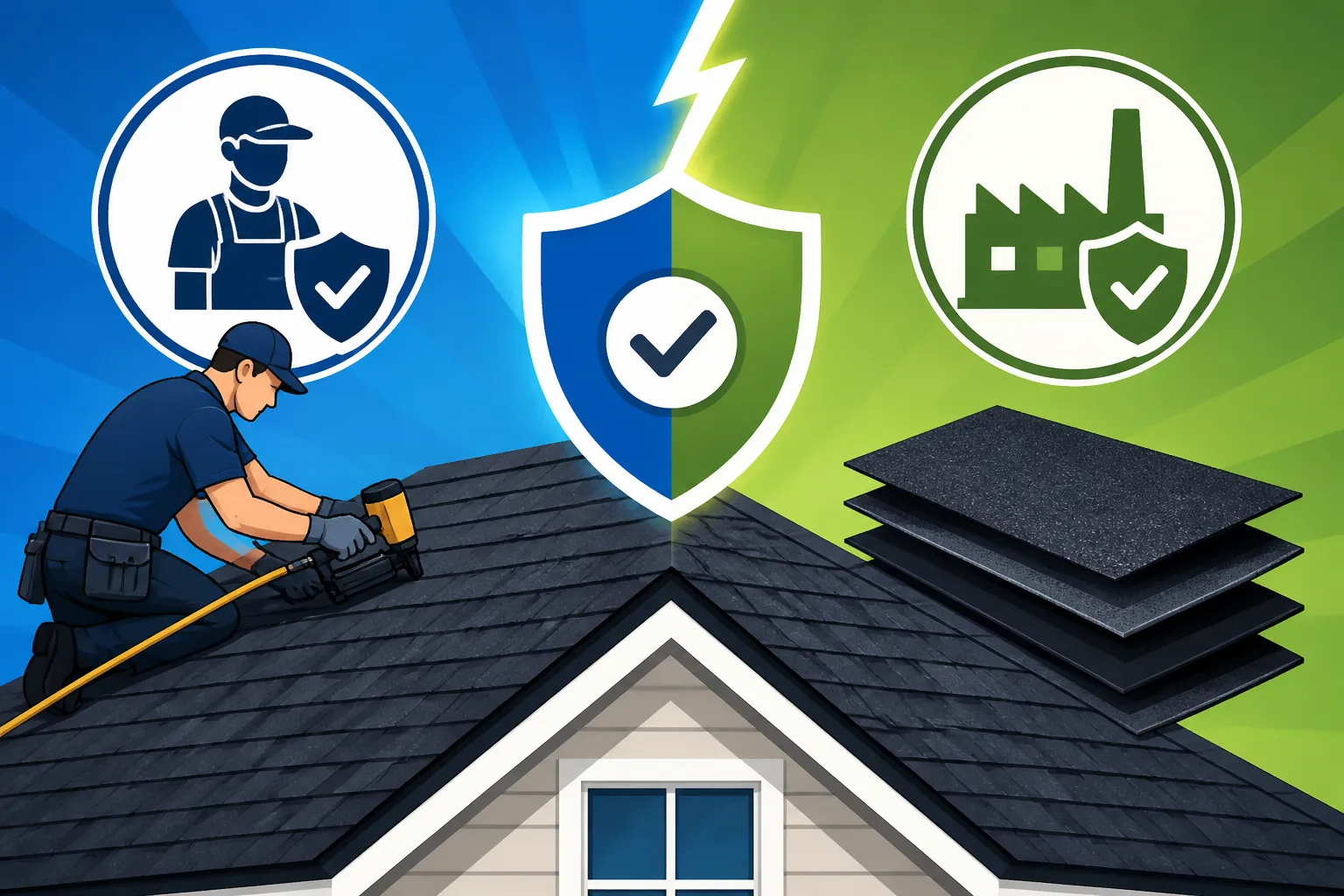
When you get a new roof, it’s not just a collection of shingles and nails; it’s a complex system designed to protect your home. And just like any complex system, it comes with safeguards to ensure its longevity and performance. However, these safeguards – the warranties – aren't all cut from the same cloth. There are two primary categories you need to understand: the manufacturer's warranty, which covers the materials themselves, and the workmanship warranty, which covers the quality of the installation. Confusing these two can lead to some serious headaches down the road.
Manufacturer Warranties: What They Cover
Think of a manufacturer warranty as the promise from the company that made your shingles and other roofing components. This warranty primarily focuses on the products you've had installed. It's their assurance that the asphalt shingles, underlayment, flashing, and other materials will perform as intended and be free from manufacturing defects for a specified period. For instance, if your brand-new architectural shingles start delaminating or losing an excessive amount of granules prematurely due to a flaw in how they were made, that's typically where a manufacturer warranty steps in.
These warranties often vary greatly depending on the product line and the brand. A basic 3-tab shingle might come with a limited warranty, while a premium architectural shingle from a brand like GAF or Owens Corning could offer a much more robust, often non-prorated, warranty for a longer duration. It’s critical to remember that this warranty covers the materials, not necessarily the labor involved in fixing or replacing them if the issue stems from an installation error rather than a product defect.
Workmanship Warranties: The Contractor's Promise
Now, a workmanship warranty is an entirely different beast, but just as vital. This warranty comes directly from your roofing contractor, not the shingle manufacturer. It’s their guarantee that the roof was installed correctly, following all industry best practices and the manufacturer’s specific installation instructions. Let’s say your roof starts leaking next year, and upon inspection, it’s discovered that the flashing around your chimney was improperly installed or the shingles were nailed incorrectly. This wouldn't be a material defect; it would be an installation error, and that's precisely what a good workmanship warranty is designed to protect you from.
The duration of workmanship warranties can vary wildly, from a mere one or two years to as long as 25 years or even "lifetime" in some cases. Reputable contractors stand by their work and offer substantial workmanship warranties, understanding that their skill and adherence to proper installation techniques are paramount to your roof's long-term performance. This is where researching and choosing a reliable contractor really pays off, because if they disappear, so does their workmanship warranty.
Why the Distinction is Crucial for Homeowners
Understanding the difference between these two warranties is absolutely critical for any homeowner. Imagine a scenario: your new roof starts leaking a year after installation. You call your contractor, who comes out, inspects it, and determines the shingles themselves are faulty. They tell you it's a "manufacturer defect" and that you need to contact the shingle company. Conversely, you might contact the manufacturer directly, only for them to send an inspector who concludes that the leak is due to improper nailing, an installation error, and therefore falls under your contractor’s responsibility.
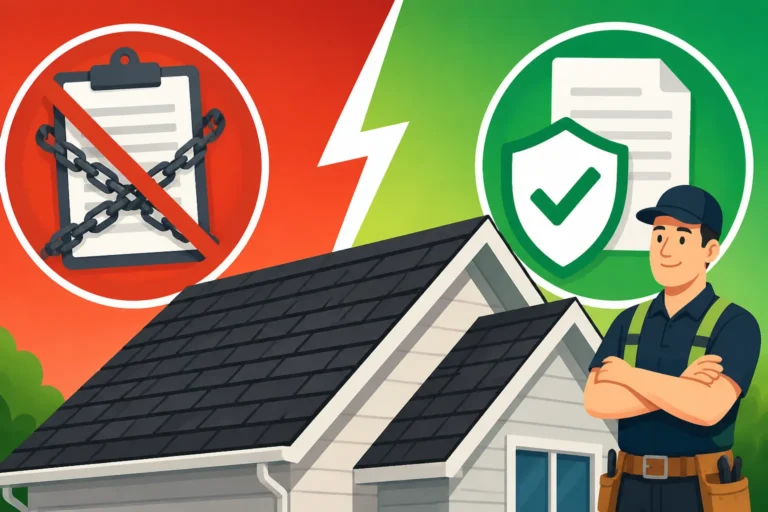
Without a clear understanding of what each warranty covers, you can end up stuck in the middle, with both parties pointing fingers and neither taking responsibility. This can be incredibly frustrating and expensive. Knowing which warranty applies to a specific problem dictates who you need to contact first, and what kind of resolution you can expect. It empowers you to advocate for yourself and ensure you receive the coverage you're entitled to. When getting quotes, make sure to ask your potential contractors about their specific workmanship warranty and how it complements the manufacturer's product warranty. You want to feel confident that your investment is protected from every angle.
Diving Deep into Manufacturer Warranties
Manufacturer warranties are often the most recognized form of protection when it comes to roofing, but many homeowners don't realize the layers of nuance involved. They aren't all created equal, and understanding the different tiers and requirements can significantly impact your coverage.
Material Defects and Product Performance
At its core, a manufacturer's warranty is a guarantee against defects in the roofing materials themselves. This includes everything from the shingles to the ridge caps and even the starter strips. What constitutes a "defect"? It's generally a flaw in the manufacturing process that causes the material to fail prematurely or not perform as advertised. Examples might include shingles that quickly lose their protective granules, prematurely crack, or delaminate (layers separating) without obvious signs of severe weather damage or improper installation.
Most manufacturer warranties cover the cost of replacement materials for a certain period, and some higher-tier warranties might also cover a portion of the labor to install those replacement materials if the defect is confirmed. However, they almost universally exclude problems arising from improper installation, inadequate ventilation, or extreme weather events outside the product's design specifications. It's a promise about the inherent quality of their product, not a blanket guarantee against all future issues.
Different Levels of Manufacturer Coverage (Basic to Extended Systems)
Just like buying a car, not all roofing products come with the same level of warranty. Basic architectural shingles might offer a "limited lifetime" warranty against manufacturing defects, but often this is prorated after a certain number of years. A prorated warranty means that the coverage amount decreases over time, so if a defect occurs 15 years in, the manufacturer might only cover a small percentage of the original material cost.
However, many manufacturers, like GAF, Owens Corning, and CertainTeed, offer enhanced or "system" warranties when you install their entire roofing system (shingles, underlayment, ventilation, etc.) and have it installed by a certified contractor. For instance, a GAF Golden Pledge Warranty, often installed by a GAF Master Elite Contractor, can offer 50-year non-prorated material coverage and a substantial workmanship warranty backed by GAF. These extended warranties provide much more comprehensive protection, often covering the full cost of materials and labor for a much longer period. It's often worth exploring these options to truly understand How Shingle Warranties Work.
The Importance of Manufacturer Certification for Installers
This is where the two types of warranties start to intertwine. Many of the most robust manufacturer warranties, particularly the extended system warranties, are only available if the roof is installed by a contractor who has achieved a specific certification level with that manufacturer. For example, to get certain enhanced warranties from Owens Corning, you'd need an Owens Corning Platinum Preferred Contractor. These certifications aren't just fancy titles; they signify that the contractor has met rigorous standards, undergone specific training, and demonstrated a commitment to installing that manufacturer's products according to their strict guidelines.
Why is this so important? Because a properly installed roof is much less likely to experience issues, whether they appear to be material-related or not. A manufacturer trusts certified installers to apply their products correctly, minimizing the chance of installation errors that could be mistaken for material defects. When you're looking for a contractor, always ask if they are Manufacturer-Certified Roofers Explained for the products they recommend. This certification often unlocks superior warranty coverage for you, the homeowner, and provides an extra layer of accountability. For help finding certified professionals, you might check services like Modernize, which connects homeowners with qualified contractors in their area.
Unpacking Workmanship Warranties from Your Contractor
While the manufacturer covers the materials, the workmanship warranty is where your direct relationship with your chosen contractor truly shines. This is their pledge to you that their team will perform the installation flawlessly.
Protection Against Installation Errors
The core function of a workmanship warranty is to protect you from mistakes made during the installation process. Even the highest-quality shingles can fail if they’re not installed correctly. Common installation errors that a workmanship warranty would cover include:
- Improper Nailing: Shingles nailed too high, too low, or at the wrong angle can lead to them tearing off in high winds, becoming loose, or allowing water infiltration.
- Incorrect Flashing Installation: Flashing around chimneys, skylights, vents, and valleys is crucial for diverting water. If installed incorrectly or with gaps, it’s a direct path for leaks.
- Inadequate Underlayment: If the underlayment isn’t properly overlapped, fastened, or installed, it compromises the entire roof's water resistance.
- Poor Ventilation: While not a direct installation error in the sense of a physical flaw, if your contractor recommended and installed a ventilation system that proves inadequate for your attic, leading to premature shingle aging or moisture issues, a good workmanship warranty might cover rectifying it.
- Skipping Starter Shingles: The first course of shingles needs a specific starter strip. Omitting it or installing it incorrectly can leave your roof edge vulnerable to wind uplift and water intrusion.
These aren't hypothetical problems; they're real issues that can arise from shortcuts or inexperience. Your workmanship warranty ensures that if such an error leads to a problem, your contractor will return to fix it at no additional cost to you. Before you sign any paperwork, always be sure to read your Roofing Contract: What to Look For very carefully, paying close attention to warranty details.
Standard vs. Extended Workmanship Guarantees
The length and scope of workmanship warranties vary significantly from contractor to contractor. A "standard" workmanship warranty might be anywhere from 1 to 5 years. This is a bare minimum, and while it covers initial issues, it might not provide long-term peace of mind. Many quality roofing companies, however, offer much more substantial warranties, often ranging from 10 to 25 years, or even a lifetime guarantee.
An "extended" workmanship guarantee signals a contractor’s confidence in their team's skills and training. These longer warranties are a powerful indicator of a contractor's reputation and commitment to customer satisfaction. When you get multiple estimates, comparing these warranty terms should be as important as comparing pricing and materials. Don’t hesitate to ask Questions to Ask a Roofing Contractor Before Hiring specifically about their workmanship warranty, what it covers, and for how long.
What Happens if Your Contractor Goes Out of Business
This is a fear many homeowners rightfully have, and it highlights a critical vulnerability of workmanship warranties. Unlike manufacturer warranties, which are generally backed by large, stable corporations, a workmanship warranty is only as good as the company that issues it. If your roofing contractor goes out of business, files for bankruptcy, or simply disappears, their workmanship warranty typically becomes null and void. You’d then be solely responsible for any repair costs resulting from installation errors.
This is why it's incredibly important to choose a financially stable and reputable local company, not just the cheapest bid. Look for contractors with a long history in your community, strong reviews, and proper licensing and insurance. Services like Modernize can help you find experienced and vetted professionals. Some top-tier manufacturer-backed warranties, like GAF's Golden Pledge, actually include a workmanship guarantee that is backed by the manufacturer, providing an incredible safety net if the installing contractor is no longer around. This is a huge advantage and something to consider when evaluating your options.
The Critical Interplay: Why Both Warranties Matter
It's clear by now that you need both a solid manufacturer warranty and a robust workmanship warranty. But how do they actually work together, and what happens when there's a gray area?
When One Warranty Kicks In Over the Other
Understanding which warranty applies to a specific problem can be like navigating a labyrinth. Let's look at a few common scenarios:
- Scenario 1: Defective Materials: If your shingles start to crack or blister excessively across the entire roof surface within a few years, and an inspection confirms this is due to a flaw in the product itself, your manufacturer warranty is the primary contact point. They would typically cover the cost of new materials and, with a good warranty, some labor. Your contractor might assist in the claim process, but the responsibility for the product flaw lies with the manufacturer.
- Scenario 2: Installation Error: If you have a persistent leak around a vent pipe, and a roofer determines the rubber boot was improperly sealed during installation, this falls squarely under your contractor's workmanship warranty. The shingles themselves might be perfectly fine, but the method of installation failed. Your contractor is responsible for fixing this error.
- Scenario 3: Wind Damage: If a severe storm rips off a section of shingles, this is generally considered an "act of God" and would fall under your homeowner's insurance policy, not your roofing warranties directly. However, if the shingles were installed with too few nails or incorrectly (a workmanship issue), and that contributed to them blowing off, your workmanship warranty might kick in to cover repair costs if insurance denies the claim due to poor installation. This often requires careful documentation and proof.
The key is proper diagnosis. An experienced roofing professional can usually determine whether an issue stems from material failure, installation error, or external factors. This diagnostic step is crucial for knowing which warranty, if any, to pursue.
How Manufacturer-Certified Installers Bridge the Gap
This is where the value of a certified contractor truly shines. When a roofing company is certified by a major manufacturer (like being a GAF Master Elite, Owens Corning Platinum Preferred, or CertainTeed SELECT ShingleMaster), they have a deeper understanding of the manufacturer's products and installation requirements. More importantly, these certifications often enable you to access enhanced manufacturer warranties that include workmanship coverage.
For instance, certain top-tier manufacturer warranties don't just cover the materials; they also guarantee the contractor's workmanship for a significant period. This means if an installation error occurs, and your contractor has gone out of business, the manufacturer might step in to cover the cost of fixing that workmanship defect. This is an incredible peace of mind for homeowners, essentially making the manufacturer a co-guarantor of the installation. This integrated coverage helps bridge the potential gap where materials are good, but installation is poor, offering a more comprehensive safety net.
The Potential Pitfalls of Incomplete Warranty Coverage
Having a warranty that only covers one aspect (e.g., just materials) leaves you exposed. Imagine purchasing premium shingles with a great manufacturer warranty, but hiring an uncertified contractor who offers only a one-year workmanship guarantee. If an installation error causes a leak in year two, you’re out of luck with the contractor, and the manufacturer won't cover it because their product wasn't at fault. You'd be paying out-of-pocket for repairs.
Similarly, if you have a stellar workmanship warranty but chose generic, low-quality shingles that fail prematurely due to manufacturing flaws, your contractor isn't responsible for the defective material, and the basic manufacturer warranty might offer very limited prorated coverage. This is why a holistic approach is essential. You want both strong materials and a high-quality installation, backed by warranties that address both. When assessing bids, consider the overall value of the warranty package, not just the lowest price, as that could lead to Hidden Costs in a Roof Replacement.
How to Navigate and Maximize Your Roofing Warranty Protection
Getting a new roof is a big deal, and ensuring you’re well-protected by warranties shouldn't be an afterthought. Proactively understanding and managing your warranties can save you significant stress and money down the line.
Key Questions to Ask Any Roofing Contractor
Before you even think about signing a contract or handing over a deposit, you need to arm yourself with information. Here are some essential questions to ask every roofing contractor you consider:
- What is the length and scope of your company's workmanship warranty? Get this in writing. Ask about what specifically it covers (e.g., leaks due to improper installation, flashing errors, nailing issues) and what it explicitly excludes.
- What manufacturer warranties do you offer with the specific shingle products you recommend? Understand if it's a basic, prorated warranty or an enhanced, non-prorated system warranty.
- Are you certified by the shingle manufacturer, and what benefits does that certification provide to me in terms of extended warranties? This is crucial for accessing those valuable manufacturer-backed workmanship coverages.
- What is the process for filing a warranty claim, both for workmanship and manufacturer defects? Understand their role in helping you navigate this.
- How long have you been in business under the same name? A longer track record suggests greater stability for honoring their workmanship warranty.
- Do you register the manufacturer warranty on my behalf, or do I need to do it? Some warranties require homeowner registration within a specific timeframe.
Don't be afraid to dig deep and get clear answers. A good contractor will be transparent and happy to explain everything. If you feel like they're dodging questions or being vague, that's a red flag. How to Choose a Roofing Contractor involves more than just price; it's about trust and comprehensive protection.
Documenting Your Roof Installation and Warranty Information
This step is often overlooked, but it's incredibly important. Treat your roofing project like a major home improvement endeavor (because it is!). Here's what you should document:
- The Contract: Keep the original signed contract that details the scope of work, materials used, and payment terms.
- Warranty Documents: Get copies of both the manufacturer's warranty and the contractor's workmanship warranty. Read them thoroughly. Understand the terms, exclusions, and claim procedures.
- Proof of Purchase and Installation Date: This is vital for warranty registration and tracking.
- Photos/Videos: Take "before," "during," and "after" photos of the roof installation. While not directly part of the warranty, they can serve as evidence if a dispute arises later regarding the installation quality.
- Permit and Inspection Records: If a permit was pulled (and it almost always should be for a full replacement), keep records of the permit and any final inspection approvals. This helps demonstrate the work was done to code.
- Contact Information: Keep up-to-date contact information for your contractor and any relevant warranty departments for the manufacturer.
Store all this information in a safe, accessible place, perhaps a dedicated "Home Improvement" binder. This documentation will be your best friend if you ever need to make a claim or if you decide to How to Transfer a Roof Warranty when selling your home.
Understanding Transferability and Registration
Many manufacturer warranties, especially the higher-tier system warranties, are transferable to a new homeowner. This can be a huge selling point for your home, as it offers the buyer peace of mind. However, there are usually specific requirements for transfer:
- Limited Timeframe: You might need to transfer the warranty within a certain period (e.g., 60 or 90 days) of the home sale.
- Fees: There might be a transfer fee involved.
- Written Notification: You’ll likely need to notify the manufacturer in writing, providing proof of sale.
Workmanship warranties, on the other hand, are less likely to be transferable unless explicitly stated by the contractor or if it's a manufacturer-backed workmanship warranty. Always clarify transferability with your contractor and the manufacturer.
Finally, warranty registration is crucial. Some manufacturer warranties require you, the homeowner, or your contractor to register the warranty online or via mail within a certain period after installation. Failure to register can sometimes void or downgrade your coverage. Your contractor should handle this for you if they are manufacturer-certified, but it's always wise to double-check and confirm that the registration has been completed.
By being diligent and informed, you can maximize your warranty protection and enjoy your new asphalt roof with genuine confidence, knowing you're covered whether the issue is with the material or the installation.
Warranty Comparison Table
To summarize the key differences and help you keep them straight, here's a quick comparison:
| Feature | Manufacturer Warranty | Workmanship Warranty |
|---|---|---|
| Provider | Shingle/Material Manufacturer | Roofing Contractor |
| What It Covers | Defects in the roofing materials (shingles, underlayment, etc.) from manufacturing flaws. | Errors in the installation of the roofing system (improper nailing, flashing, etc.). |
| Duration | Varies (e.g., 25 years, 30 years, "lifetime"); often prorated after initial period for basic warranties. Enhanced system warranties can be 50 years non-prorated. | Varies (e.g., 1-2 years, 5 years, 10-25 years, "lifetime"). Often depends on contractor reputation. |
| Who to Contact for Claim | Manufacturer (often with contractor assistance) | Roofing Contractor directly |
| Typical Remedies | Replacement materials; sometimes labor costs for specific defects. | Repair or re-installation of affected areas. |
| Transferability | Often transferable to new homeowners (with conditions/fees). | Less commonly transferable, unless it's a manufacturer-backed workmanship warranty. |
| Prerequisites for Best Coverage | Installation of a complete roofing system by a manufacturer-certified contractor. | Hiring a reputable, experienced, and financially stable contractor. |
| Potential Pitfall | May not cover installation errors; can be prorated. | Void if contractor goes out of business; only covers installer errors. |
Disclaimer
Please remember that the information provided in this guide is for general informational purposes only and does not constitute professional advice. Roofing warranties can be complex legal documents, and their terms and conditions can vary significantly by manufacturer, contractor, product, and even local regulations. Always consult directly with your chosen roofing contractor and review all warranty documentation thoroughly before making any decisions. It is recommended to seek independent legal advice if you have specific questions or concerns about warranty claims.