How to Transfer a Roof Warranty
Selling your home can be a whirlwind of paperwork, showings, and negotiations, and sometimes the nuances of a roof warranty get lost in the shuffle. Many homeowners don't realize that simply having a roof warranty doesn't automatically mean it transfers to the new buyer, potentially leaving them (and you!) exposed. This comprehensive guide will walk you through everything you need to know about transferring your asphalt roof warranty, ensuring a smoother transaction and continued peace of mind for everyone involved.
Understanding Roof Warranties: The Basics
Before we dive into the nitty-gritty of transferring a roof warranty, it's crucial to understand what these warranties actually cover in the first place. Not all warranties are created equal, and knowing the distinctions will make the transfer process much clearer. Think of it like buying a car; there's the manufacturer's powertrain warranty, and then there might be an extended service plan from the dealership. Your roof has similar layers of protection, each with its own rules.
Manufacturer vs. Workmanship Warranties
This is perhaps the most important distinction in the world of roofing warranties, and it's a common source of confusion for homeowners. When you get a new roof, you're usually getting at least two types of warranties, even if you only think about one.
Manufacturer Warranties are issued by the company that actually makes your shingles and other roofing components, like GAF, Owens Corning, CertainTeed, or Malarkey. These warranties typically cover defects in the materials themselves. For example, if a batch of shingles degrades prematurely, loses granules excessively, or doesn't seal properly due to a manufacturing flaw, this is where the manufacturer's warranty steps in. These warranties can range from basic coverage for 20-30 years (or even limited lifetime for higher-end architectural shingles) for the product itself to more comprehensive system warranties that cover multiple components like underlayment, starter strips, and hip and ridge caps when installed as a complete system by a certified contractor. Often, these enhanced warranties, like the GAF Golden Pledge or Owens Corning Platinum Protection, offer non-prorated coverage for an initial period, meaning the manufacturer pays the full cost of replacement materials and labor for that time. After that, the coverage might become prorated, meaning the payout decreases over time as the roof ages. Understanding How Shingle Warranties Work is key to knowing what you're dealing with.
Workmanship Warranties, on the other hand, are provided by the roofing contractor who installed your roof. This warranty covers the quality of the installation. If your roof leaks because shingles were nailed incorrectly, flashing wasn't sealed properly, or the underlayment wasn't laid straight, that's a workmanship issue. Most reputable contractors offer at least a 2-5 year workmanship warranty, with some extending to 10 years or even longer, especially if they are certified by a shingle manufacturer. For example, a GAF Master Elite contractor or an Owens Corning Platinum Preferred contractor can offer extended workmanship coverage backed by the manufacturer, which adds an extra layer of security. This is a critical point because even the best shingles won't perform if they're installed incorrectly. A defectively installed roof could still be denied a manufacturer claim if the issue stems from poor labor rather than faulty materials.
The Importance of Warranty Documentation
You wouldn't buy a car without the title, and you shouldn't rely on a roof warranty without proper documentation. Too many homeowners simply assume they have a warranty, only to find themselves scrambling when an issue arises or when they're trying to sell their home.
Proper documentation isn isn't just a formality; it's your proof of coverage. For manufacturer warranties, this usually means a certificate of warranty from the manufacturer, often sent to you after your contractor registers the installation. It will list the type of shingle, the date of installation, the contractor's information, and the specific terms of coverage. For example, a homeowner in Phoenix, Arizona, who just had a GAF Timberline HDZ roof installed might receive a certificate detailing the "StainGuard Plus™ Algae Protection" and the "WindProven™ Limited Wind Warranty." Without this official document, proving your warranty exists can be incredibly difficult, if not impossible.
For workmanship warranties, you should have a clear, written agreement from your roofing contractor outlining the scope and duration of their guarantee. This should be part of your original roofing contract. It's not uncommon for contractors to provide a simple statement on their invoice, but a detailed document is always better. This is especially important for future buyers, as they'll want to see proof that any potential installation issues will be covered. Keeping these documents organized and in a safe place is paramount. If you're currently in the market for a new roof, be sure to ask Questions to Ask a Roofing Contractor Before Hiring about their warranty practices and documentation process.
Why Transferring Your Roof Warranty Matters
So, you've decided to sell your home. You’ve replaced your old roof a few years ago with a beautiful, durable asphalt shingle system. Now, why should you bother with the paperwork to transfer that warranty to the new owners? It's more than just a courtesy; it's a strategic move that benefits both you and the buyer.
Enhancing Home Value and Buyer Confidence
Imagine you're a prospective homebuyer. You're touring two similar houses. One has a brand-new roof, but the seller says, "Oh, there's a warranty, I think." The other has a roof installed five years ago, and the seller hands you a meticulously organized binder with a transferable manufacturer's warranty and the original contractor's workmanship guarantee. Which home gives you more confidence?
A transferable roof warranty is a powerful selling point. It tells potential buyers that you've invested in quality and that you stand behind that investment. A well-maintained roof with an active warranty reduces a significant financial risk for them. A roof is one of the most expensive components of a home, and knowing that potential future issues are covered, whether they're material defects or installation errors, can significantly ease a buyer's mind. This can translate directly into a quicker sale or even a higher offer. In competitive markets, every advantage counts, and showcasing a transferable warranty is a tangible benefit that can differentiate your property. Consider it an added layer of assurance, much like disclosing Roof Condition Disclosure When Selling in a transparent manner.
Protecting Your Investment (or the Buyer's)
Even if you're moving out, a transferred warranty protects your investment as well. Let's say you sell your home, and six months later, the new owners discover a major issue that clearly falls under the original manufacturer's warranty. If the warranty wasn't transferred, the new owners have no recourse with the manufacturer or contractor. What often happens then? They come back to you, the previous owner, for restitution or at least a headache. While legally complex, avoiding this potential post-sale dispute is always preferable.
By ensuring the warranty is properly transferred, you officially pass that responsibility and benefit to the new owners. They can then deal directly with the manufacturer or contractor if an issue arises, without you being caught in the middle. This provides a clean break and protects you from potential liabilities or strained relationships with the buyers after closing. For the buyer, it means they truly inherit the value of that new roof and the peace of mind that comes with it, ensuring their long-term satisfaction with their new home. Think of it as solidifying the Roof Replacement and Home Value proposition for years to come.
The Process of Transferring a Manufacturer Warranty
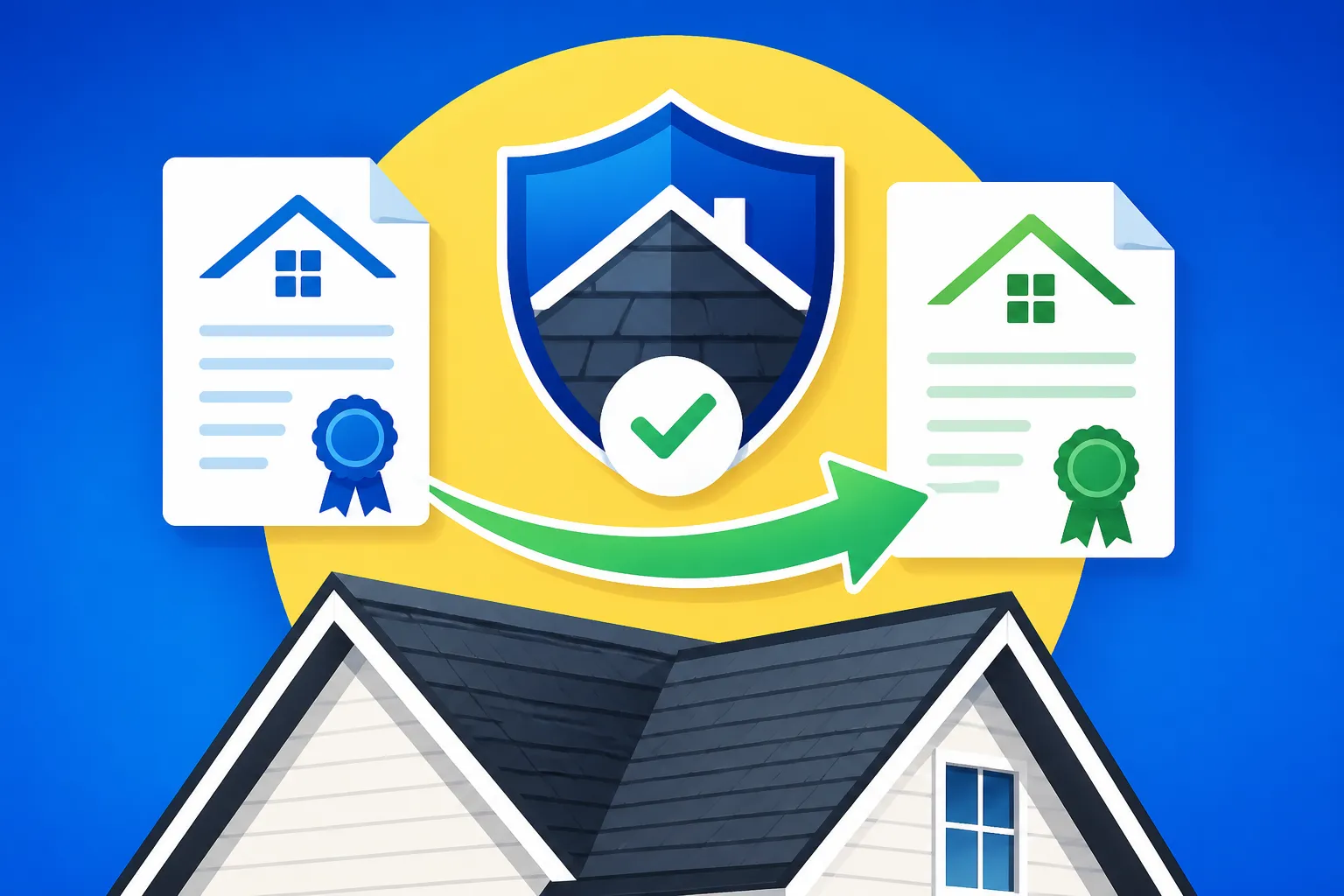
Transferring a manufacturer's warranty isn't always as simple as signing a piece of paper, but it's a worthwhile process that usually involves a few key steps. Each manufacturer might have slightly different requirements, so it's always best to consult the specific warranty documentation you received.
Step-by-Step Guide to Initiating a Transfer
When you're ready to transfer your roof warranty, here’s a general roadmap to follow:
- Locate Your Original Warranty Documentation: This is the first and most critical step. You'll need the official warranty certificate from the manufacturer. This document will contain all the necessary information about your specific warranty, including the coverage period, terms, and, crucially, instructions on how to transfer it. It usually includes a warranty number, installation date, and details about the contractor.
- Review the Transferability Clause: Carefully read the fine print regarding transferability. Most manufacturers allow a one-time transfer to the first subsequent homeowner. Some may allow more, but this is less common for standard warranties. Pay close attention to any time limits for initiating the transfer. For example, many warranties require the transfer to be completed within a certain number of days (e.g., 60 or 90 days) from the date of the property sale. Missing this window can unfortunately void the transfer option.
- Contact the Manufacturer: Once you've reviewed the documents, reach out to the manufacturer's warranty or customer service department. Many have dedicated phone lines or online portals for warranty transfers. You'll likely need to provide your warranty number, the installation address, your contact information, and the new homeowner's details.
- Complete the Transfer Form: The manufacturer will typically provide a specific transfer form that needs to be filled out. This form will ask for details about the original owner, the new owner, the property, and the date of sale. Ensure all information is accurate and legible.
- Pay Any Applicable Fees: Most manufacturers charge a nominal fee for the transfer. This fee covers the administrative costs associated with updating their records and issuing a new certificate to the buyer. Be prepared for this expense; it's a small price to pay for the value it adds.
- Submit the Form and Fee: Send the completed form and payment (if required) back to the manufacturer according to their instructions. It's often recommended to send it via certified mail or use a trackable shipping service to confirm delivery.
- Confirm the Transfer: Follow up with the manufacturer after a few weeks to confirm that the transfer has been processed and that the new warranty certificate has been issued to the new homeowner. You'll want to make sure all parties are officially on record.
Common Manufacturer Requirements and Fees
While the steps are generally similar, the specifics can vary. Here's what you typically need to be aware of:
- Time Limits: As mentioned, the most common pitfall is missing the transfer window. This is usually 60 or 90 days from the closing date of the home sale. Mark your calendar!
- Transfer Fees: Expect to pay a fee, which can range from $50 to $200, depending on the manufacturer and the type of warranty. For instance, some premium warranties, like those from GAF or Owens Corning, might have slightly higher transfer fees due to the extensive coverage they offer.
- Documentation: You'll almost always need the original warranty certificate or at least the warranty number. Proof of sale (e.g., a copy of the closing disclosure or deed) may also be required to verify the new ownership and sale date.
- One-Time Transfer: Most standard warranties are transferable only once to the first subsequent owner. If the new buyer sells the house again, the warranty typically does not transfer a second time. However, some higher-tier warranties might offer more flexibility.
Navigating Different Manufacturer Policies
Each major asphalt shingle manufacturer has its own set of rules for warranty transfers. It's not a one-size-fits-all situation.
- GAF: For GAF warranties, especially their enhanced warranties like the System Plus or Golden Pledge, transfers are generally permitted to the first subsequent homeowner. They usually require a transfer application form and a fee, and there's a specific timeframe (often 60 days from the closing date) to complete the process. The Golden Pledge warranty is particularly valuable because it includes both material defect coverage and a significant period of workmanship coverage backed by GAF. Understanding GAF Shingle Roof Cost often involves understanding their warranty offerings.
- Owens Corning: Owens Corning offers warranties such as the Preferred Protection and Platinum Protection. These also typically allow for a one-time transfer to the first subsequent homeowner, usually within a 60-day window. You'll need to submit a transfer form and a fee. Their "SureStart Protection" portion of the warranty, which provides non-prorated coverage, can be a major selling point. If you have an Owens Corning Duration roof, be sure to highlight its wind resistance and transferable warranty.
- CertainTeed: CertainTeed's SureStart protection, which is part of their broader warranty for products like Landmark shingles, is also typically transferable once. They have specific forms and deadlines, and a fee is usually involved. Their higher-tier credentialed contractor warranties, such as those from a SELECT ShingleMaster, often include enhanced workmanship coverage that adds value to the transfer.
- IKO, Tamko, Atlas, Malarkey: These manufacturers also have their own warranty structures. While the general principles of one-time transfer, fees, and time limits often apply, it's crucial to consult their specific warranty documents or websites. For example, Malarkey's "SmartChoice" warranties often feature impact resistance and Scotchgard Protector, which can be attractive features to transfer.
The key takeaway is to always check the specific documentation for your roof's shingles. The small print truly matters here.
Transferring Workmanship Warranties from Contractors
While manufacturer warranties are often the focus, the workmanship warranty from your contractor is equally vital, especially in the early years of a roof's life. However, transferring these can be a bit more nuanced.
Challenges with Contractor Workmanship Warranties
Unlike manufacturer warranties which are typically uniform across a product line, workmanship warranties are agreements between you and a specific contractor. This can present several challenges when trying to transfer them:
- Contractor Specificity: The warranty is tied directly to the business entity that installed the roof. If that contractor goes out of business, merges with another company, or simply disappears, the workmanship warranty may become void. This is a significant risk, particularly with smaller, less established companies or "storm chaser" roofers who are here today and gone tomorrow. This is one of the reasons it's so important to choose a How to Choose a Roofing Contractor with a strong local presence and reputation.
- Lack of Formal Transfer Process: Many contractors don't have a formal, documented process for transferring their workmanship warranties to new homeowners. Their agreement was with you, the original client. They may not have considered the implications for subsequent buyers.
- Vague Terms: Some workmanship warranties are not clearly written, leaving room for interpretation or disputes. If the original contract simply states "5-year workmanship warranty" without details on what constitutes a covered defect or how to file a claim, it can be difficult for a new homeowner to enforce.
- Reluctance to Honor: A new homeowner, who didn't directly hire the contractor, might find it challenging to get the contractor to honor a warranty. The contractor might argue that the new owner hasn't maintained the roof properly or that any issues arose after their ownership.
Best Practices for Ensuring Transferability
Despite these challenges, there are steps you can take to make your contractor's workmanship warranty more likely to transfer successfully:
- Read Your Original Contract Carefully: When you initially hire a contractor, check if their workmanship warranty explicitly states whether it is transferable. If not, ask them to add a clause that allows a one-time transfer to a subsequent homeowner. Get this in writing!
- Choose a Reputable, Established Contractor: This is perhaps the most important proactive step. A contractor who has been in business for many years in your area, has positive reviews, and is well-regarded is far more likely to stand behind their work and honor a warranty, even if it's for a new owner. Look for companies with strong certifications, like those designated as GAF Master Elite Contractors or Owens Corning Platinum Preferred Contractors. These certifications often indicate a higher standard of business practice and financial stability.
- Obtain a Written Statement from the Contractor: Before selling your home, reach out to your original roofing contractor. Explain that you are selling and ask for a formal letter or addendum to the original warranty stating that it will transfer to the new homeowner upon sale, along with any conditions or fees. This written acknowledgment is invaluable.
- Provide All Documentation to the Buyer: When you sell your home, ensure the new buyers receive all original warranty documents, including the contractor's workmanship warranty. Present it clearly and explain its terms. Make sure they know who to contact if an issue arises.
- Consider an Extended Warranty: Some contractors, especially those affiliated with major manufacturers, can offer extended workmanship warranties that are backed by the manufacturer. For example, a GAF Golden Pledge Warranty covers not only material defects but also contractor workmanship for a substantial period (often 25 years or more), and it's manufacturer-backed, making it much more reliably transferable. This type of warranty minimizes the risk associated with a contractor going out of business. If you are considering an Extended Roof Warranty: Worth the Cost, check for the transferability clause.
Potential Pitfalls and How to Avoid Them
Even with the best intentions, transferring a roof warranty can hit snags. Knowing what these common pitfalls are can help you navigate the process more smoothly and ensure a successful transfer.
Missed Deadlines and Documentation Errors
These are by far the most common reasons why warranty transfers fail. It's easy to get caught up in the whirlwind of selling a home, and administrative tasks like warranty transfers can slip through the cracks.
- Missing the Transfer Window: Most manufacturer warranties stipulate a strict deadline for transfer, often 60 or 90 days from the closing date. If you miss this window, even by a day, the manufacturer typically won't process the transfer, and the warranty will remain with the original owner (or worse, become void for future owners). Avoidance: Set a reminder on your calendar the moment you list your home or sign a purchase agreement. Assign someone (you, your realtor, or closing agent) to be responsible for this task.
- Incomplete or Incorrect Forms: Filling out the transfer form incorrectly, leaving sections blank, or providing outdated information (e.g., old addresses for the new owner) can lead to delays or outright rejection. Avoidance: Double-check every field on the transfer form. If you're unsure about something, call the manufacturer's warranty department for clarification. It's much easier to get it right the first time than to fix errors later.
- Lost Original Documentation: If you can't find your original warranty certificate or proof of installation, it becomes incredibly difficult to initiate a transfer. Manufacturers need specific details to locate your warranty in their system. Avoidance: Keep all roofing documents—contract, invoices, and warranty certificates—in a dedicated, secure folder. If you're preparing to sell, locate these documents well in advance. If they're digital, back them up.
Limitations and Exclusions to Be Aware Of
Even if successfully transferred, a warranty isn't a magical shield against all roof problems. It's crucial for both the seller and the buyer to understand its limitations.
- One-Time Transfer Limit: As discussed, most manufacturer warranties allow for only a single transfer to the first subsequent homeowner. If the new buyer sells the home again, the warranty typically does not transfer a second time. This is an important detail for the new buyers to understand for their own future planning.
- Reduced Coverage After Transfer: Sometimes, a transferable warranty may have slightly different terms for the new owner. For example, a "limited lifetime" warranty for the original homeowner might revert to a 50-year non-prorated period (or similar) for the transferred owner. While still excellent coverage, it's not always identical to the original owner's benefits.
- Exclusions for Improper Maintenance: All warranties, whether manufacturer or workmanship, require proper roof maintenance. Damage caused by lack of maintenance (e.g., clogged gutters leading to water pooling, unaddressed moss growth) is almost always excluded. Neither the manufacturer nor the contractor will cover issues arising from neglect. This is why regular Roof Inspection: What They Check and maintenance are so important.
- Acts of God/Extreme Weather: While some premium shingles, like Class 4 impact-resistant shingles or those with high wind ratings, offer enhanced protection, most standard warranties do not cover damage from "Acts of God" like severe hurricanes, tornadoes, or exceptionally large hail events beyond the shingle's specified resistance. Homeowner's insurance is typically the primary recourse for such catastrophic events. However, the presence of a warranty might make an insurance claim smoother by demonstrating the quality of the initial installation.
- Alterations to the Roof: If the new homeowner decides to install solar panels, satellite dishes, or make other penetrations to the roof without using a certified professional or following specific guidelines, this can void sections of the warranty. Manufacturers and contractors need to ensure their work isn't compromised by external modifications.
- Prorated vs. Non-Prorated Coverage: Understand if the transferred warranty is prorated or non-prorated. Non-prorated means the manufacturer covers 100% of the cost (materials and often labor) for the covered period. Prorated means the coverage amount decreases over time. A transferred warranty might shift from non-prorated to prorated coverage earlier than it would have for the original owner.
By being fully aware of these limitations and exclusions, both parties can have realistic expectations and avoid future disappointment.
| Warranty Type | Issuer | Covers | Transferability (Typical) | Key Actions for Transfer | Potential Fee Range |
|---|---|---|---|---|---|
| Manufacturer | Shingle Company | Material defects | Usually 1-time transfer | Locate original cert, fill form, submit fee | $50 – $200 |
| Workmanship | Roofing Contractor | Installation errors | Less common, often by agreement | Get written statement from contractor | Often $0, or per contractor |
After the Transfer: What New Owners Should Know
Congratulations! The roof warranty has been successfully transferred to the new homeowner. While this is a significant win, the new owners still have responsibilities and important information to understand to make the most of their inherited protection.
Understanding Coverage and Maintenance Responsibilities
Just because a warranty is in place doesn't mean the new owners can forget about their roof. A warranty is a promise of performance under certain conditions, and those conditions often include proper care and maintenance.
- Know What's Covered (and Not): The first thing new owners should do is thoroughly read the transferred warranty document. They need to understand the exact duration of the coverage, whether it's prorated or non-prorated, and precisely what types of defects (materials, workmanship, or both) are included. They should also pay close attention to the exclusions, as outlined above, to avoid making a claim for something that isn't covered. For instance, knowing that What Voids a Shingle Warranty is critical for maintaining coverage.
- Adhere to Maintenance Guidelines: Manufacturers and contractors expect homeowners to maintain their roofs properly. This typically involves:
- Regular Inspections: Periodically checking the roof for signs of wear, damage, or debris, especially after severe weather.
- Gutter Cleaning: Ensuring gutters and downspouts are free of leaves and debris to prevent water backup and ice dam formation.
- Tree Trimming: Keeping tree branches trimmed back to prevent them from rubbing against or falling onto the roof.
- Addressing Moss/Algae: Taking steps to address excessive moss or algae growth, which can trap moisture and degrade shingles over time.
- Prompt Repair of Minor Issues: Fixing small issues like loose shingles or minor flashing problems promptly to prevent them from escalating into larger, more expensive repairs that might not be covered if neglect is evident.
- File Claims Correctly: If an issue arises, the new owners need to know the proper procedure for filing a claim. This usually involves contacting the manufacturer (for material defects) or the contractor (for workmanship issues) directly, providing the warranty documentation, and allowing for an inspection. They might also need to understand How to Get a Roofing Warranty Honored.
When to Consult a Roofing Professional
Even with a comprehensive warranty, there will be times when new owners need to call in a professional. It's not about admitting defeat, but about being smart and protecting their investment.
- Suspected Warranty Issues: If the new owners notice signs of a material defect (like widespread granule loss, blistering, or curling shingles not consistent with age) or an installation issue (like persistent leaks around flashing or vents), their first call should be to the appropriate warranty provider (manufacturer or contractor). They'll need a professional assessment to determine if it's a warranty-covered item.
- Routine Inspections and Maintenance: Even if the new owners are handy, a professional roof inspection every few years is a wise investment. A certified roofer can spot subtle issues that a homeowner might miss, like damaged flashing or early signs of shingle degradation. They can also perform routine maintenance like minor repairs or cleaning. This proactive approach can help Extend the Life of an Asphalt Roof and ensure the warranty remains valid.
- Post-Storm Damage Assessment: After a significant storm with hail or high winds, even if the roof has a warranty, it's crucial to have a professional assessment. A roofer can accurately document any damage for insurance claims and advise if the damage might be covered by an enhanced wind or impact warranty. For more information, consider reading about Roofing Cost in Hail-Prone States or Roofing Cost in Hurricane Zones if applicable.
- Before Major Alterations: If the new owners plan to install skylights, solar panels, or add-ons that penetrate the roof, they should always consult a qualified roofing professional. Improper installation of these items can void their warranty. A professional can advise on best practices and ensure any new work maintains the integrity of the existing roof system and its warranty. They can also advise on Roof Replacement Cost with Solar Panels if a full replacement is due.
By understanding their coverage, upholding maintenance responsibilities, and knowing when to seek expert help, new homeowners can fully benefit from the transferred roof warranty and enjoy their home with confidence for years to come.
Disclaimer
Please remember that this article provides general information and recommendations. Roofing materials, installation techniques, warranty terms, and local building codes can vary significantly. Always consult with a qualified, licensed, and insured roofing professional in your area for specific advice tailored to your property's needs and to review the exact terms and conditions of your particular roof warranty. Warranty terms are subject to change by manufacturers.