Roof Condition Disclosure When Selling
Selling your home comes with a unique set of stresses, and perhaps one of the most common anxieties for homeowners revolves around the condition of their roof. Nobody wants to be blindsided by a major issue during the selling process, especially when it comes to something as critical and costly as the roof over your head. This comprehensive guide is designed to demystify the process of roof condition disclosure when selling, helping you navigate the requirements and protect yourself from future headaches.
The Non-Negotiable Importance of Roof Condition Disclosure
When you put your home on the market, you're not just selling four walls and a yard; you're selling peace of mind. And a huge part of that peace of mind comes from the structural integrity of the house, with the roof being paramount. Ignoring or downplaying roof issues might seem like a quick fix to avoid a costly repair upfront, but it almost always backfires, leading to much bigger problems down the line.
Building Trust and Avoiding Future Headaches
Think about it from a buyer's perspective. They're making one of the biggest investments of their lives. They're relying on you, the seller, to be honest about the property's condition. When you proactively disclose the truth about your roof, warts and all, you instantly build a foundation of trust. This transparency can be a massive asset in negotiations, as buyers appreciate honesty and feel more confident moving forward. Imagine a scenario where a buyer's inspection uncovers a significant leak or widespread granule loss that you failed to mention. Suddenly, a minor negotiation point turns into a major red flag. The buyer might question your honesty about other aspects of the home, leading to suspicion, stalled negotiations, or even a complete withdrawal of their offer.
It's not just about getting the sale, it's about avoiding the post-sale drama. What happens if the new owners discover a major roof issue a few months after closing that you knew about but didn't disclose? Depending on your state's laws, you could be facing legal action, which is far more expensive and stressful than addressing the issue upfront. Disclosing issues means the buyer takes possession knowing full well what they're getting into, often having factored it into their offer or negotiated a credit. This greatly reduces their ability to come back at you later, claiming they were misled.
Legal Safeguards for Both Buyer and Seller
Roof disclosure isn't just a nicety; it's often a legal requirement. Most states have specific disclosure laws that mandate sellers reveal known defects about their property. These laws are in place to protect buyers from unknowingly purchasing a home with serious, hidden issues. For sellers, adhering to these laws acts as a critical legal safeguard. By providing full and honest disclosure, you create a paper trail that demonstrates your good faith and compliance. This record can be invaluable if a buyer ever attempts to sue you for non-disclosure.
Consider the potential fallout: if you sell your home in, say, Florida, where there are strict disclosure mandates, and you neglect to mention a recurring leak around the chimney that you've patched up multiple times, you could be in serious trouble. The new homeowners might experience the leak during their first big rainstorm and discover the prior repairs. This could lead to them seeking damages, forcing you into expensive litigation, and potentially even having to pay for the full roof replacement. Conversely, if you had disclosed the leak, provided documentation of the repairs, and perhaps even offered a credit for future fixes, the buyer would have assumed that risk, and you'd be off the hook. This is why understanding Roofing Building Codes: What to Know and your local disclosure requirements is so vital.
What Information Buyers Expect You to Share About Your Roof
When it comes to disclosing your roof's condition, it’s not enough to just say, “It’s fine.” Buyers, and their inspectors, want specifics. They’re looking for a comprehensive picture that goes beyond a casual glance. Providing detailed information upfront can streamline the inspection process and prevent surprises that could derail your sale.
Disclosing Age, Materials, and Past Repairs
The most fundamental piece of information about your roof is its age and the type of material it's made from. For asphalt shingles, the average lifespan can range from 20 to 30 years, depending on the shingle type (e.g., 3-tab vs. architectural) and local climate. A buyer will want to know exactly how old the roof is to gauge how much life is left. Is it 10 years old? 25? This significantly impacts their perceived value and future maintenance costs. You should be prepared to state the exact installation date if possible, or at least your best estimate.
Beyond age, you need to detail any significant repairs or replacements that have taken place. Did you have a section of the roof replaced after a branch fell? Was there a repair done due to Signs of Roof Hail Damage a few years back? Even small, localized repairs should be noted, especially if they involved a professional roofer. Buyers will appreciate a transparent account of the roof's history, including who performed the work and when. This helps them understand if the repairs were properly executed and if there are any lingering vulnerabilities. For example, if you had a chronic leak around a skylight that was repeatedly patched, disclosing this history allows the buyer to consider whether a full replacement of the skylight or surrounding roof section might be necessary. This level of detail helps a buyer understand the How Long Does an Asphalt Roof Last and what to expect in the coming years.
Uncovering Hidden Issues and Previous Damage
This is where honesty truly shines. Buyers are inherently worried about "hidden" problems that could become their headache. While you might not be a roofing expert, you are expected to disclose any issues you are aware of, even if they seem minor or have been temporarily fixed. This includes things like:
- Leaks: Even intermittent leaks that only occur during heavy storms should be disclosed. Detail where the leak occurred, how it was addressed, and if it ever recurred.
- Missing or Damaged Shingles: If you know you have a few missing shingles that you haven't gotten around to replacing, or a section where shingles are visibly curling or cracking, mention it.
- Water Stains in the Attic or Ceilings: These are undeniable signs of past or present leaks and absolutely must be disclosed, along with any attempts to fix them.
- Past Storm Damage: If your roof suffered significant storm damage in the past, even if it was fully repaired and covered by insurance, you should disclose the incident. This gives the buyer a complete picture of the roof's resilience. Understanding How to Document Roof Damage for Insurance in the past can really help here.
- Moss, Algae, or Fungal Growth: While often cosmetic, heavy growth can indicate moisture issues or reduce the roof's lifespan, and it’s something a buyer will notice.
It's common for buyers to have a professional inspection done anyway, so attempting to conceal these issues is futile and risky. An inspector will likely find them, and your failure to disclose them will reflect poorly on you.
Warranty Information and Maintenance History
A good roof often comes with a warranty, and this can be a significant selling point for a buyer. If your roof, or any components of it, are still under warranty, you must disclose this information and provide all relevant documentation. This includes manufacturer warranties (for the shingles themselves) and workmanship warranties (from the installer). Being able to transfer a manufacturer's warranty, for instance, can offer a new homeowner immense peace of mind. Certain manufacturers like GAF, Owens Corning, and CertainTeed offer robust warranties that can be transferred, adding considerable value.
Beyond warranties, any regular maintenance performed on the roof should also be shared. Did you have the gutters cleaned annually? Was the roof inspected every few years? Did you have moss removed? This demonstrates responsible homeownership and indicates that the roof has likely been well-cared for. Gather any receipts, inspection reports, or service agreements related to your roof. This comprehensive packet of information reassures buyers that they are not inheriting a mystery. Understanding your Roofing Warranties: Manufacturer vs Workmanship will be crucial here.
Navigating the Legal Landscape of Roof Disclosure
The legal requirements surrounding property disclosure, especially concerning the roof, can vary wildly depending on where you live. It's not a one-size-fits-all situation, and understanding your local laws is absolutely paramount to avoiding legal trouble.
State-Specific Disclosure Laws: "Caveat Emptor" vs. Mandatory Disclosure
The legal landscape for real estate disclosure generally falls into two camps: "caveat emptor" (buyer beware) states and mandatory disclosure states.
- "Caveat Emptor" States: In states like Arkansas, Virginia, and Wyoming, the principle of "buyer beware" traditionally places the burden on the buyer to discover defects. This means sellers aren't legally obligated to disclose known defects unless they actively conceal them, make misrepresentations, or if the defect poses a health or safety risk that isn't readily observable. However, even in these states, courts have often chipped away at strict "caveat emptor" over time, especially for latent (hidden) defects. It's always best practice to disclose, regardless of the strict letter of the law.
- Mandatory Disclosure States: The vast majority of states, including California, Texas, Florida, and New York, have specific laws requiring sellers to disclose known material defects about their property. This often involves completing a detailed disclosure form provided by the state or real estate board. These forms typically ask direct questions about the roof's age, leaks, repairs, and other issues. For example, in California, sellers must complete a Transfer Disclosure Statement (TDS) which explicitly asks about roof leaks, damage, and repairs. Similarly, in Texas, the Seller's Disclosure Notice has sections dedicated to the roof.
The specific nuances of what must be disclosed, how it must be disclosed, and even the statute of limitations for a buyer to sue, will differ. It's crucial to consult with your real estate agent and potentially a real estate attorney in your specific state or even municipality to ensure full compliance. Simply assuming you don't have to disclose something because you once heard it was a "buyer beware" state could be a very costly mistake.
The Perils of Non-Disclosure: Lawsuits and Rescinded Contracts
The consequences of failing to properly disclose known roof issues can be severe. The most common repercussions include:
- Rescinded Contracts: If a buyer discovers a significant, undisclosed roof defect during their inspection period, they have every right to back out of the contract without penalty. This means your sale falls through, you have to start over, and you've wasted valuable time and money.
- Lawsuits for Misrepresentation or Fraud: If the buyer doesn't discover the defect until after closing, they could sue you for misrepresentation, fraud, or breach of contract. Depending on the severity of the undisclosed issue and the state laws, you could be liable for the cost of repairs, damages, legal fees, and even punitive damages. Imagine selling your home in Colorado, where roof hail damage is common, and you neglected to mention that you repeatedly patched a spot that leaked after hailstorms. The new owner finds a massive leak, and an inspector determines the patch was inadequate. You could be facing thousands in legal fees and repair costs.
- Loss of Credibility: Even if you avoid a lawsuit, a reputation for being dishonest can haunt you, especially if you deal with local real estate agents or if the word gets around.
- Delayed Sales: Even if the buyer doesn't sue, discovering an undisclosed issue during due diligence almost always leads to delays as both parties try to renegotiate or resolve the problem. This can be particularly frustrating if you're on a tight moving schedule.
It's clear that the risk of non-disclosure far outweighs any perceived short-term gain from trying to hide a problem. Transparency is truly the best policy here.
| Disclosure Type | "Caveat Emptor" States (e.g., Arkansas, Virginia) | Mandatory Disclosure States (e.g., California, Texas, Florida) |
|---|---|---|
| General Rule | Buyer's responsibility to discover defects; seller has limited duty to disclose. | Seller must disclose all known material defects in writing. |
| Known Defects | Only must disclose if actively concealed or if health/safety risk. | Must disclose all known defects, visible or hidden. |
| Misrepresentation | Seller cannot misrepresent facts, even verbally. | Seller cannot misrepresent facts, verbally or in writing. |
| Required Form | Often no specific state-mandated form. | State-mandated disclosure forms are common and detailed. |
| Liability | Lower liability for unknown defects; higher for active concealment. | Higher liability for failure to disclose known defects. |
| Best Practice | Always disclose known material defects proactively. | Mandatory comprehensive disclosure is essential. |
How to Proactively Handle Your Roof Disclosure
Approaching roof disclosure proactively is not just about legal compliance; it's about smart selling. It empowers you to control the narrative, address issues on your terms, and ultimately make your home more appealing to buyers.
Getting a Professional Roof Inspection Before Listing
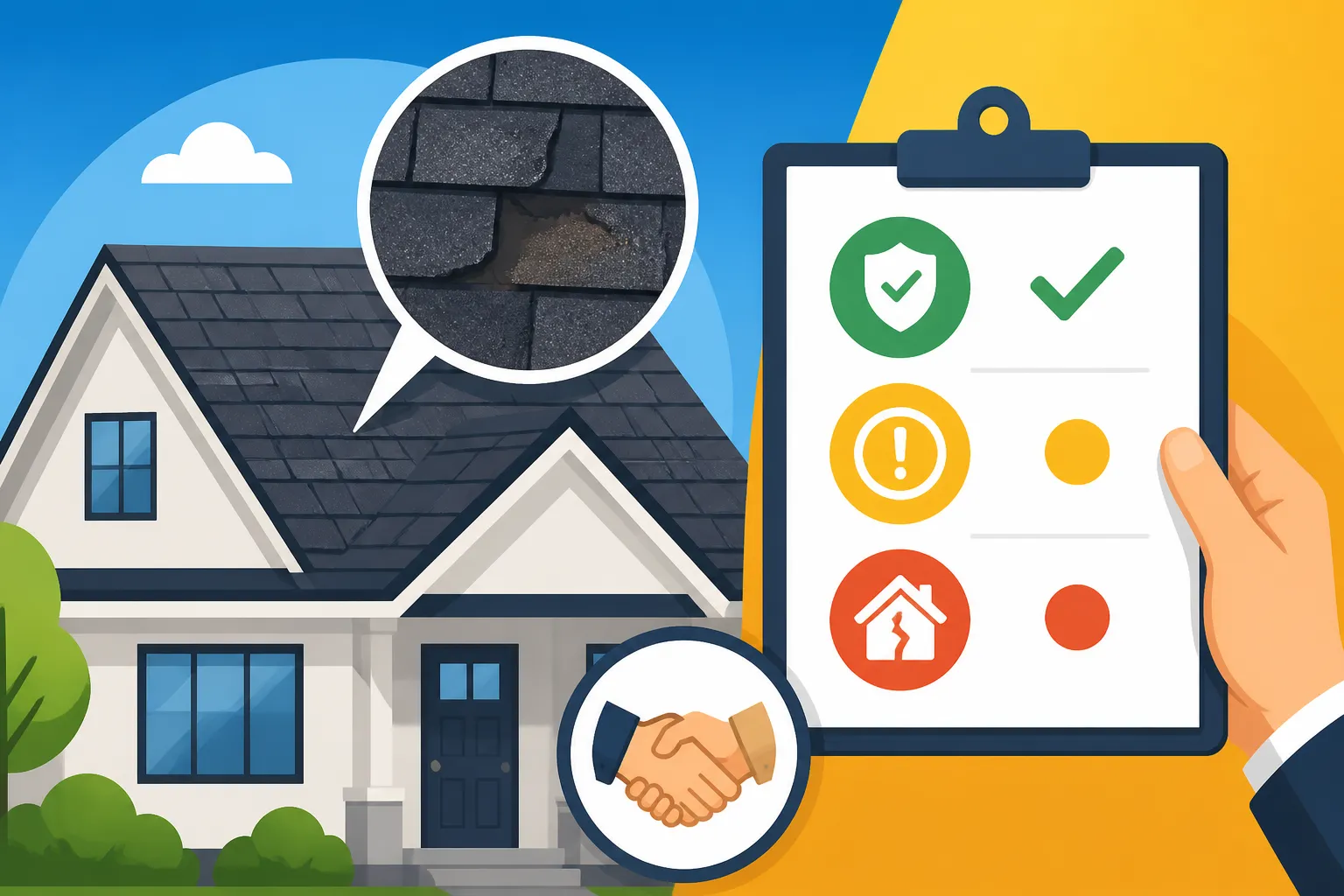
One of the smartest moves you can make before listing your home is to invest in a pre-listing professional roof inspection. It might seem like an extra expense, but the benefits far outweigh the cost. An impartial, certified roofing inspector will thoroughly examine your entire roofing system, from the shingles and flashing to the gutters and attic ventilation. They can identify existing issues, potential problem areas, and assess the overall health and remaining lifespan of your roof. This is far more comprehensive than a typical home inspection, which often gives only a cursory look at the roof.
Armed with a detailed inspection report, you'll have a clear picture of your roof's condition. This means no surprises when the buyer's inspector comes calling. If minor issues are found, you can address them before listing, showcasing a well-maintained home. If a major issue is discovered, you have time to get multiple quotes for repairs or replacement, understand the Cost to Replace a Roof by House Size, and factor it into your asking price or be prepared to offer a credit. For instance, if the inspector flags significant granule loss or widespread curling shingles, indicating the roof is nearing its end-of-life, you can then make an informed decision on whether to replace it outright, or price the home accordingly. An inspection report is also fantastic documentation to provide to potential buyers, demonstrating your transparency. This makes it easier for buyers to confidently consider your property, knowing exactly what they're getting.
Documenting Everything: From Repairs to Warranties
Paper trails are your best friend when it comes to selling a home. For your roof, this means meticulously organizing every document related to its history. This includes:
- Original installation invoices: If you have them, these are gold for proving the age and type of shingles.
- Repair receipts and invoices: Any time a professional roofer came out, keep the paperwork. This includes minor leak repairs, storm damage fixes, or even regular maintenance.
- Warranty documents: As mentioned earlier, all manufacturer and workmanship warranties should be collected. Understand the terms, what they cover, and if they are transferable.
- Inspection reports: Any past inspections, including the pre-listing one, should be part of your documentation package.
- Insurance claims: If you ever filed a claim for roof damage, keep records of the claim and the subsequent repairs. Even if the claim was denied or only partially covered, having the documentation helps explain the history.
Imagine a potential buyer asks about a small patch on one of your roof slopes. Instead of vaguely recalling "some wind damage a few years back," you can present an invoice from a reputable local roofer like "Apex Roofing of Nashville" or "Reliable Roofers of Phoenix," detailing the exact date of the repair, the cause (e.g., wind lift), and the work performed. This level of detail builds immense confidence and leaves little room for doubt or suspicion. Having these documents readily available makes your home's roof history clear and undeniable. It can also help if you're trying to prove a Roof Replacement ROI Explained to a potential buyer.
Strategies for Disclosing Known Issues Transparently
Once you've gathered all your information and possibly completed a pre-listing inspection, it’s time to decide how to present it. The key is transparency and honesty.
- Use the Official Disclosure Forms: Always fill out your state or local disclosure forms completely and accurately. Don't leave sections blank if they apply to your roof. Be specific. Instead of "some roof issues," write "Minor leak repaired in 2021 near kitchen vent pipe; see attached invoice from [Roofer Name]."
- Provide Supporting Documentation: Attach all relevant invoices, warranty papers, and inspection reports to the disclosure form. Make it easy for the buyer to verify your statements.
- Discuss with Your Agent: Work closely with your real estate agent to strategize how to present any significant issues. They can help you price the home competitively, factoring in the roof's condition, or advise on offering a credit for future repairs.
- Be Prepared for Negotiations: Disclosing issues means buyers will likely factor them into their offer. Be prepared to negotiate on price, offer a credit for future repairs, or even undertake repairs yourself before closing. Being proactive and having all your documentation ready puts you in a stronger negotiating position than if issues are discovered later. For example, if your Roof Age: When to Start Planning Replacement is 25 years and approaching its end, be ready for offers to reflect this.
- Don't Overlook Minor Issues: Even seemingly insignificant issues, like a single missing shingle or a small area of moss, should be noted. While they might not be deal-breakers, they contribute to the overall picture of the roof's condition and demonstrate your commitment to full disclosure.
- Consider a "As-Is" Sale for Major Issues: If your roof has significant, costly problems that you don't intend to fix, you can consider selling the property "as-is." This means the buyer accepts the property in its current condition. However, you still have a legal obligation to disclose all known material defects, even in an "as-is" sale. It just means you won't be making any repairs. Buyers who consider "as-is" properties typically expect a lower price to account for the work they'll need to do, like factoring in the Asphalt Roof Replacement Cost: Complete Breakdown.
By following these proactive steps, you turn what could be a stressful and contentious part of selling your home into a smooth, transparent, and legally sound process. You empower buyers with the information they need, build trust, and protect yourself from future liabilities, ultimately leading to a more successful home sale.
Disclaimer
Please remember that this guide provides general information and recommendations regarding roof condition disclosure when selling a home. Real estate laws, disclosure requirements, and building codes vary significantly by state and local municipality. It is crucial to consult with a qualified real estate attorney and a licensed real estate agent in your specific jurisdiction for advice tailored to your situation. This information should not be considered legal advice.