Impact-Resistant Roofing Requirements in Colorado
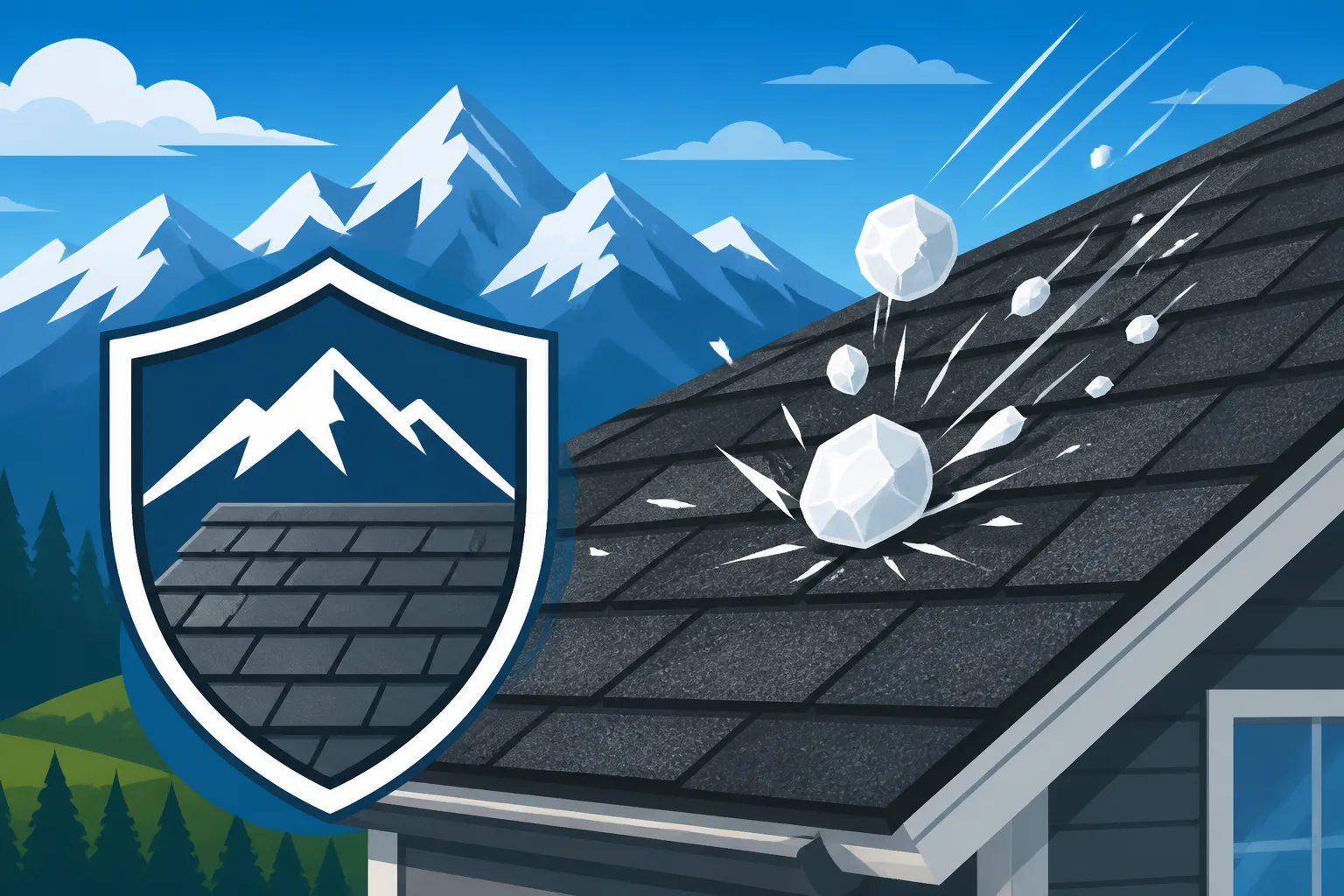
Oh, the joys of homeownership in Colorado, right? One minute you're enjoying those stunning mountain views, and the next, a hailstorm the size of golf balls is tearing through your neighborhood, leaving a trail of damaged roofs in its wake. It's frustrating, confusing, and often, quite costly. Many homeowners are left wondering if they have to get those fancy impact-resistant shingles or if it’s just a suggestion. This guide is here to untangle all the local rules, insurance incentives, and practical considerations around impact-resistant roofing requirements in Colorado, so you can make an informed decision for your home and your wallet.
The Reality of Hail Damage in Colorado
Let's face it, if you live in Colorado, especially along the Front Range, you've probably experienced the sheer terror of a severe hailstorm. It's not just a seasonal nuisance; it's a fundamental aspect of maintaining a home here. Understanding why this happens and its true cost is the first step toward finding a lasting solution.
Why Colorado is a Hail Hotspot
Colorado isn't just known for its beautiful mountains and endless sunshine; it's also famous for its intense hailstorms. This isn't bad luck; it's meteorology at play. Our unique geography, where the dry plains meet the towering Rocky Mountains, creates the perfect recipe for supercell thunderstorms. As warm, moist air from the plains rises and collides with cold, dry air descending from the mountains, it generates powerful updrafts. These updrafts can carry raindrops far into the atmosphere where they freeze, gather more moisture, and grow into hailstones. The stronger the updraft, the larger the hailstone, and unfortunately for us, Colorado’s unique weather patterns often produce some truly massive ones. Cities like Denver, Aurora, Centennial, and Colorado Springs are right in the thick of what’s often called "Hail Alley," making them ground zero for roof damage year after year. It's a frustrating cycle, watching the forecast and bracing for impact, knowing your roof is on the front lines.
The Costly Impact on Homeowners
Beyond the immediate damage and the frantic scramble for a tarp, the cost of hail damage goes far deeper than just replacing some shingles. Financially, it can be a massive burden. While insurance often covers the bulk of a roof replacement after a major storm, you still have your deductible, which can easily be thousands of dollars. Then there's the inevitable increase in insurance premiums that can follow widespread claims in your area. Beyond the direct financial hit, think about the disruption: contractors swarming your neighborhood, the noise, the potential for project delays, and the constant worry about future storms. For many, a damaged roof also raises concerns about their property value and the overall integrity of their home. It's an emotional toll as well, living with the uncertainty and the feeling that you're constantly fighting against Mother Nature. That's why considering options like impact-resistant shingles isn't just about code compliance; it's about peace of mind and long-term financial stability.
Understanding Impact-Resistant Shingles Class 4
When you start looking into protecting your home from Colorado's notorious hail, you'll inevitably hear the term "Class 4 shingles" or "impact-resistant roofing." It sounds technical, but it’s actually a straightforward concept designed to give homeowners a stronger line of defense.
What Makes a Shingle Impact-Resistant
So, what exactly makes a shingle "impact-resistant" compared to a standard asphalt shingle? It's all about the underlying technology and materials. Manufacturers like GAF, Owens Corning, and CertainTeed have invested heavily in creating shingles that can stand up to extreme weather. These aren't just thicker shingles; they often incorporate specialized materials like SBS (Styrene Butadiene Styrene) modified asphalt. This rubberized asphalt makes the shingle more flexible and resilient, allowing it to absorb impacts without cracking or fracturing. Think of it like the difference between a brittle plastic and a more pliable rubber – the rubber can flex and rebound. Some designs even feature a woven fiberglass mat that provides a stronger core. When a hailstone strikes, instead of creating a dent or crack that compromises the shingle's protective granules and waterproof integrity, these shingles can better disperse the energy of the impact, maintaining their structure and longevity. It's a significant upgrade from traditional shingles, built to withstand the brutal forces of a Colorado hailstorm.
The Class 4 Rating Explained
The "Class 4" rating isn't just a marketing gimmick; it's a specific, rigorous standard established by Underwriters Laboratories (UL) under the UL 2218 impact resistance test. Here's how it works: a steel ball, 2 inches in diameter (about the size of a golf ball), is dropped from a height of 20 feet onto the shingle at various points. For a shingle to achieve a Class 4 rating, it must withstand two impacts in the same spot, without any visible signs of cracking or splitting, both on the front and back of the shingle. This test is done on multiple samples and at different temperatures to ensure consistent performance.
This isn't just a hypothetical test. It directly translates to real-world performance. A Class 4 rating means the shingle is designed to resist damage from hail up to 2 inches in diameter, which covers a significant percentage of the hailstorms we experience here in Colorado. While no roof is truly indestructible against all hail (especially those monstrous 3-inch or larger stones), a Class 4 rating offers the highest level of impact resistance available for asphalt shingles, providing superior protection compared to Class 1, 2, or 3 rated materials. This rating is what insurance companies look for when considering discounts and what many local building codes reference.
Colorado's Approach to Impact-Resistant Roofing Requirements
Colorado's relationship with impact-resistant roofing is a bit like a patchwork quilt – there's no single, statewide mandate, but many local jurisdictions have taken matters into their own hands. It’s important to understand this nuance to ensure your roof is compliant and properly insured.
State-Level Recommendations vs. Local Mandates
While Colorado doesn't have a blanket state law requiring all new or replacement roofs to be impact-resistant, there's a strong push at the state level through recommendations and initiatives to encourage their use. The reality is that individual cities and counties, especially those that are perpetually hammered by hail, have stepped up to implement their own building codes. These local ordinances can range from strongly recommended guidelines to outright mandates for Class 4 shingles on new construction or roof replacements. This fragmented approach means that what's required in Denver might be different from what's expected in Aurora or Colorado Springs. It’s a common frustration for homeowners and contractors alike, trying to keep up with the varying rules. This is why when you're considering a roof replacement, understanding your specific municipality's requirements is absolutely crucial, not just for code compliance but also for your long-term insurance standing.
Key Municipalities with Specific Requirements
Many of the communities along Colorado's Front Range, precisely those most prone to hail, have adopted specific requirements for impact-resistant roofing. This isn't an exhaustive list, but it highlights some of the major players:
- Aurora: This city has been hit hard by hail repeatedly. Aurora's building codes often require Class 4 shingles for roof replacements, especially for residential properties. This has been a significant change, pushing homeowners and builders towards more resilient materials to reduce future damage and insurance claims.
- Colorado Springs: Given its position and history with severe weather, Colorado Springs also has robust building codes that strongly recommend or mandate Class 4 shingles, particularly in areas designated as high-risk for hail. They are focused on minimizing the impact of weather events on property owners.
- Fort Collins: Further north, Fort Collins has also implemented ordinances that encourage or require Class 4 roofing materials for new builds and replacements. Their aim is to build a more resilient community infrastructure against recurring weather threats.
- Other Front Range Communities: Many other communities in the greater Denver Metro area, such as Parker, Highlands Ranch, and Centennial, have also evaluated or implemented similar requirements or incentives. These often evolve, so checking current codes is essential.
It's important to note that while some cities explicitly mandate Class 4 for roof replacements, others might have less strict requirements but offer significant incentives, making Class 4 the de facto standard for savvy homeowners. For instance, Denver, while not having a broad Class 4 mandate, sees a huge uptake due to the insurance benefits. These local mandates are often a direct response to the devastating financial impact of repeated hail events on residents and city resources.
Insurance Incentives for Class 4 Roofs
Even in areas where impact-resistant shingles aren't strictly mandated by local code, your insurance company might offer a compelling reason to choose them. In Colorado, where hail claims are incredibly frequent and costly for insurers, many companies provide significant premium discounts for homes with Class 4 rated roofs. These discounts can often range from 20% to 30%, or sometimes even more, on the homeowners insurance portion related to roof damage.
Think about it: from an insurance company's perspective, a Class 4 roof is less likely to suffer severe damage in a typical hailstorm, meaning fewer claims, fewer payouts, and lower administrative costs for them. They pass some of those savings on to you. This is a huge benefit that can offset a portion of the higher upfront cost of impact-resistant shingles over their lifespan. It's a win-win: you get a more durable roof with potentially fewer headaches after a storm, and you save money on your insurance premiums year after year. Before you commit to a new roof, it's always wise to call your insurance provider and ask specifically about their discounts for impact-resistant roofing, as this can significantly influence your decision and long-term costs. It's also worth noting that choosing a Class 4 shingle can directly impact your ability to secure coverage or reduce your deductible in some high-risk areas.
Navigating the Process for Your Colorado Home
Deciding to install an impact-resistant roof in Colorado is a smart move, but actually getting it done involves a few crucial steps. It's not just about picking shingles; it's about understanding local regulations and partnering with the right professionals.
Checking Local Ordinances
This is perhaps the most critical first step for any Colorado homeowner embarking on a roof replacement, especially with our varying local requirements. Do not rely solely on what a contractor tells you or what your neighbor did five years ago. Building codes evolve, and what's true in one town might not be in the next.
Here’s how you can verify your local requirements:
- Visit Your City/County’s Official Website: Look for sections related to "Building Permits," "Building Codes," or "Planning Department." Most municipalities will have their current codes and ordinances published online. Search specifically for "roofing requirements," "hail resistant roofing," or "impact resistant shingles."
- Call the Building Department: If you can't find clear information online or need clarification, don't hesitate to call your city or county building department directly. They are the authoritative source. Be specific with your questions: "I'm replacing my residential roof at [your address]. Are there any specific requirements for impact-resistant materials or Class 4 shingles in this area?"
- Review the International Residential Code (IRC) & Local Amendments: Colorado municipalities often adopt the International Residential Code (IRC) but then add their own local amendments. The IRC might have baseline requirements, but your local amendments are what truly matter. For example, some cities might have an amendment explicitly stating Class 4 shingles are required for roof replacements in certain zones.
- Check for Overlays or Specific Zones: Some cities might have specific "hail overlay" districts or zones where enhanced roofing requirements are mandatory due to historical damage.
By taking these steps, you'll have a clear understanding of what's expected in your specific location, preventing costly surprises down the road. Remember, ignorance of the law is no excuse, and violating local building codes can lead to fines, difficulties selling your home, or even issues with your homeowner's insurance down the line.
Working with Contractors Who Understand Local Codes
Choosing the right roofing contractor in Colorado is paramount, especially when navigating the nuances of impact-resistant roofing and local codes. You need a team that doesn't just know how to install a roof, but intimately understands the specific requirements of your city or county. Sadly, not all contractors are created equal, and some might not be up-to-date on the latest local ordinances.
Here’s why this matters and what to look for:
- Local Expertise: A reputable contractor operating in your area should already be familiar with the local building codes, permit processes, and specific material requirements for your municipality. They should be able to articulate these requirements to you without hesitation. Ask them directly: "What are the specific impact-resistant roofing requirements for [Your City]?"
- Permit Management: Your contractor should handle the entire permitting process, not you. They should know exactly what paperwork is needed, how to submit it, and how to schedule the necessary inspections. If a contractor suggests you pull the permit, that's a major red flag, as it shifts legal responsibility to you. This is also key for understanding how a roof replacement works.
- Material Recommendations: A knowledgeable contractor will recommend Class 4 shingles from reputable brands like GAF, Owens Corning, or CertainTeed that meet or exceed local requirements and maximize your insurance savings. They should be able to explain the pros and cons of different options.
- Warranty Compliance: Many enhanced manufacturer warranties require specific installation practices and often, certified contractors. A contractor who understands this will ensure your installation meets those stringent requirements, protecting your long-term investment. Ask them about their manufacturer certifications; for example, are they a GAF Master Elite Contractor or Owens Corning Platinum Preferred Contractor?
- Avoiding Issues: Hiring a contractor who is unfamiliar with local codes can lead to significant problems. Your roof might fail inspection, requiring costly rework, or worse, you could end up with a non-compliant roof that isn't fully covered by your insurance after the next storm. Don't be afraid to ask for references from projects they've completed in your specific neighborhood or city. This due diligence can save you a world of headaches.
Documentation and Permitting
Getting a new roof isn't like buying a new appliance; it's a significant construction project that requires proper documentation and permits. This is where many homeowners can get overwhelmed, but your contractor should be your guide.
- The Permit Process: In virtually all Colorado municipalities, a roof replacement requires a building permit. This isn't just bureaucratic red tape; it's a safeguard to ensure the work meets current building codes, including those for impact resistance, wind resistance, and proper installation. Your chosen contractor should be the one to apply for and secure this permit before any work begins. This process typically involves submitting plans, details about the materials being used (including the Class 4 rating if applicable), and potentially a site visit from a city inspector. The cost of the permit will usually be included in your overall roofing estimate.
- Inspections: Once the permit is issued and work commences, your roofing project will likely undergo one or more inspections by the local building department. For example, an inspector might check the roof decking after the old shingles are removed and before new ones are installed, or they might do a final inspection once the entire roof system is complete. They'll be verifying that the installation adheres to the approved plans and all local codes, including proper nailing patterns, underlayment, flashing, and, of course, the installation of your Class 4 shingles if required or specified.
- Proof of Compliance: After a successful final inspection, the permit will be closed. It's crucial to keep copies of your permit, the inspection approvals, and documentation from your contractor (like product invoices clearly stating the Class 4 rating of your shingles). This documentation serves as proof that your roof meets all local requirements and can be vital for insurance purposes, especially when claiming those sweet Class 4 discounts, or if you ever decide to sell your home. A clean permit history and documented code compliance can even enhance your home’s value. Remember to register your manufacturer warranty as well, as this usually requires proof of professional installation.
Here's a quick look at common stances on impact-resistant roofing in some Colorado cities:
| City/Region | General Stance on Impact-Resistant (Class 4) Roofing | Key Considerations |
|---|---|---|
| Aurora | Often Mandatory for roof replacements | Highly susceptible to hail, specific ordinances usually require Class 4. Check current building codes for exact requirements. |
| Colorado Springs | Strong Recommendation / Often Mandatory | Another hail-prone city with codes that often mandate or strongly encourage Class 4 for new construction and roof replacements. |
| Fort Collins | Encouraged / Often Mandatory | Codes frequently require or strongly recommend Class 4 due to recurring hail events. |
| Denver | Recommended (Strong Insurance Incentives) | No blanket city-wide mandate, but highly recommended by contractors and insurance companies due to hail frequency. Homeowners often choose Class 4 for significant insurance premium savings. |
| Boulder | Generally Recommended / Some Local Codes | While not always mandated city-wide, specific areas or new developments might have stricter requirements. Strong insurance incentives apply. |
| Parker / Highlands Ranch | Often Mandatory / Strong Recommendation | These high-growth, hail-prone communities often have modern building codes that mandate or heavily favor Class 4 for replacements, reflecting newer construction standards and climate awareness. |
| State of Colorado | No Statewide Mandate; Local Control | The state generally defers to local municipalities for specific roofing requirements. Always check with your specific city/county building department. Insurance incentives for Class 4 are universal across the state. |
Ultimately, making sure your roof is up to code and ready for whatever Colorado weather throws at it is one of the best investments you can make in your home. By understanding the local requirements, choosing the right materials like Class 4 shingles, and working with a knowledgeable contractor, you'll protect your home and your peace of mind. Remember, a thorough understanding of your local building codes and Roofing Permits Explained will go a long way. If you're looking for more information on costs, you might be interested in knowing the Class 4 Shingle Roof Cost compared to other options, or perhaps How Much Does an Asphalt Shingle Roof Cost in general. It's also smart to explore Roof Replacement and Home Value to see how a new roof impacts your home's equity. Don't forget to ask Questions to Ask a Roofing Contractor Before Hiring and carefully review What a Roofing Estimate Should Include. Understanding How Long an Asphalt Roof Lasts can also help in your planning, and make sure you know the Signs of Roof Hail Damage so you can act quickly. If you're dealing with insurance, learning How to File a Roof Insurance Claim will be invaluable. You'll also want to learn How to Choose a Roofing Contractor who really knows their stuff.
Disclaimer
Please note that building codes and local ordinances are subject to change. This guide provides general information based on common practices and known requirements in Colorado. It is always best to consult directly with your local city or county building department and a licensed roofing professional in your specific area to confirm the most current and accurate regulations applicable to your property before undertaking any roofing project.