Do You Need a Roofing Permit in Georgia
Facing a roof replacement or a significant repair can be incredibly stressful, and one of the last things on your mind might be paperwork. But skipping the necessary steps, like obtaining a roofing permit, can turn a already complex project into a homeowner's worst nightmare. In Georgia, specifically, understanding whether you need a roofing permit and how to get one is crucial for protecting your investment, ensuring your family's safety, and avoiding costly legal headaches. This guide will walk you through the ins and outs of roofing permits in Georgia, helping you navigate the process with confidence.
Understanding Roofing Permits in Georgia
It's a common misconception that permits are just bureaucratic red tape designed to slow things down and cost you money. While they do involve a bit of both, roofing permits in Georgia serve a vital purpose, primarily centered around safety and quality. They ensure that your roofing project, whether it's a full replacement or a significant repair, meets the minimum safety and structural standards set by local and state building codes.
Why Permits Matter Beyond Just the Law
Think about it this way: your roof is your home's primary shield against the unpredictable Georgia weather, from intense summer sun to sudden thunderstorms and occasional winter ice. If it's not installed correctly, it can lead to catastrophic damage, not just to the roof itself, but to the entire structure of your home. A roofing permit means that a qualified building official will inspect the work at various stages, ensuring everything is up to snuff.
Without a permit, you're essentially trusting that your contractor (or your own DIY skills) will adhere to all the proper building codes, even if there's no oversight. This isn't just about avoiding potential fines; it's about protecting your biggest asset. Imagine a new roof that leaks after the first major downpour, or worse, fails structurally during a strong gust of wind because corners were cut during installation. This is where the value of a roofing permit truly shines, giving you an extra layer of protection and peace of mind.
The Statewide vs. Local Authority Nuance
Here's where it gets a little tricky in Georgia: while there are overarching state building codes, the actual enforcement and specific permit requirements are typically handled at the local level. This means that whether you're in a bustling city like Atlanta, a suburban community in Gwinnett County, or a more rural area, the exact process and what specifically triggers a permit requirement can vary slightly. You might find that the rules in Savannah are different from those in Athens or Columbus.
The state of Georgia adopts national building codes, such as the International Residential Code (IRC), but local jurisdictions often amend or add to these codes to fit their specific needs, climate, or established practices. So, while the general principle of "do you need a permit to replace a roof" might seem straightforward, the devil is often in the local details. This local control means it's never safe to assume; you always need to check with your specific county or city building department. Understanding these nuances is key to navigating the process successfully, as detailed in our guide on Roofing Permits Explained.
When a Permit Is Absolutely Required
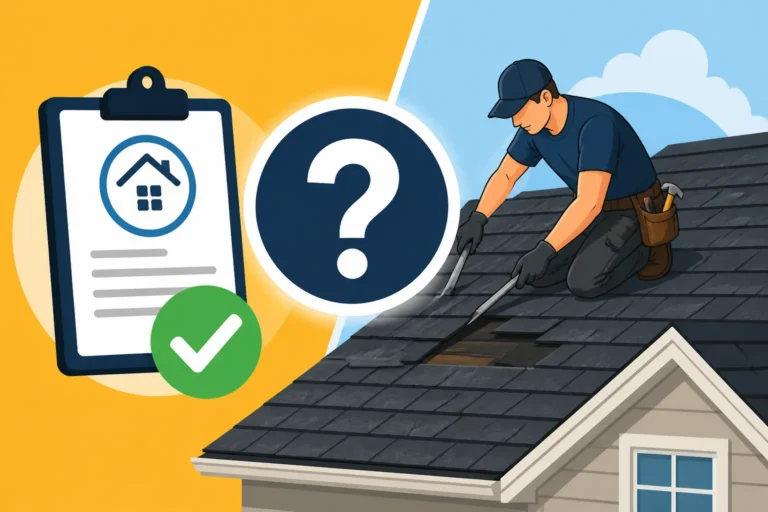
Generally speaking, in most Georgia municipalities, you will need a roofing permit for any new roof installation or full roof replacement. This includes tearing off old shingles and installing new ones. This is considered a substantial alteration to the structural integrity and weatherproofing of your home.
What about repairs? This is where the lines can get a bit blurry. Minor repairs, like replacing a few missing shingles after a wind storm or patching a small leak, typically do not require a permit. However, if the repair involves a significant portion of the roof, such as replacing an entire slope, repairing substantial structural damage to the roof decking, or changing the roof's design or pitch, a permit will almost certainly be required. Think of it this way: if you're doing more than just superficial work, and especially if you're exposing the roof decking for more than a quick patch, a permit is likely in order. For clarity, many localities in Georgia define "significant repair" as anything over a certain square footage, often around 100 square feet (one roofing square), or if it impacts the structural integrity.
Here's a quick look at common scenarios where a permit is almost always necessary:
- Full Roof Replacement: Removing existing shingles (a "tear-off") down to the decking and installing a completely new roofing system.
- Roof Overlay (Reroofing): Installing new shingles directly over existing ones, if allowed by local code (many jurisdictions limit this to one existing layer). Even if allowed, it's still a significant alteration.
- Structural Changes: Any project that alters the roof's framing, pitch, or adds new features like dormers or skylights.
- Damage Repair Exceeding Minor Patches: If significant sections of the roof decking need to be replaced due to rot, water damage, or severe storm impact, a permit is typically required.
It's always best to err on the side of caution and ask your local building department or a reputable contractor if your specific project falls into a category requiring a permit.
Navigating the Permit Application Process in Georgia
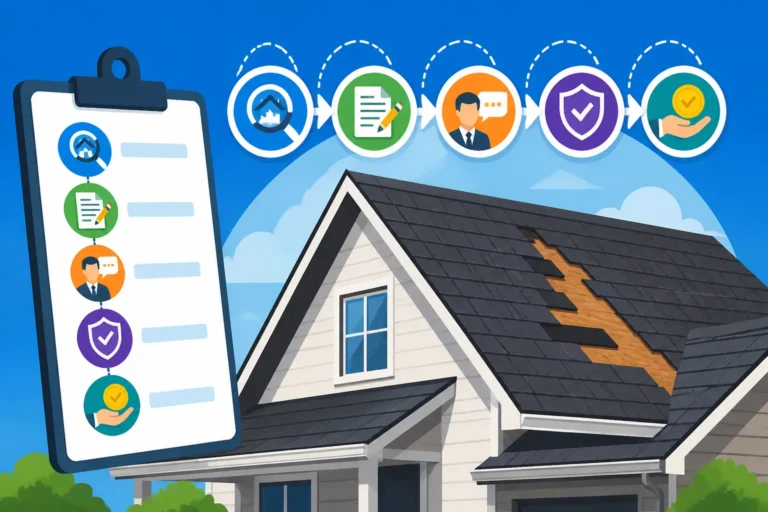
Once you've determined that your roofing project in Georgia requires a permit, the next step is actually obtaining it. This process can seem daunting, but breaking it down makes it much more manageable. Most building departments have clear procedures, and many offer online resources or printable forms to help you through it.
Key Information Needed for Your Application
When you apply for a roofing permit in Georgia, whether you're in Fulton County, Cobb County, or elsewhere, you'll need to provide specific details to your local building department. While the exact forms and requirements might vary, here's a general list of information and documentation you should be prepared to furnish:
- Property Information: Your full address, parcel number, and sometimes even the plat map or survey of your property.
- Owner Information: Your name, contact details, and sometimes proof of ownership.
- Contractor Information: If you're hiring a professional, they'll need to provide their company name, license number (state and/or local), contact information, and proof of general liability and workers' compensation insurance. A licensed and insured roofer is non-negotiable for your protection.
- Project Description: A clear, concise description of the work being performed (e.g., "tear-off and replacement of asphalt shingles," "repair of damaged roof decking and shingle replacement").
- Materials Used: Details on the type of shingles (e.g., architectural shingles, 3-tab shingles), underlayment, and other roofing components you plan to install. This is especially important as certain building codes may dictate minimum standards for materials, particularly in high-wind zones.
- Site Plan/Drawings (sometimes): For simple roof replacements, detailed architectural drawings might not be necessary, but a simple site plan showing the footprint of the house and the roof area being worked on might be requested. If you're making structural changes, more detailed plans will definitely be required.
- Estimated Project Cost: This helps the municipality calculate the permit fee, which is often based on the scope or value of the work. For insights into costs, you might find our article on Roof Cost Per Square: What You'll Pay helpful.
- Proof of Compliance: Some areas may ask for affirmation that the proposed work complies with local zoning ordinances and homeowner association (HOA) rules, if applicable. Remember, HOA roof rules explained are another layer of approval you might need to navigate!
Gathering all this information upfront will streamline your application process and prevent delays.
Who Pulls the Permit: You or Your Contractor
This is a really important question, and for most homeowners, the answer should almost always be: your contractor. A reputable, licensed roofing contractor in Georgia will typically handle pulling the permit as part of their service. They have experience with the local building department's procedures, understand the specific requirements, and can navigate any questions or issues that arise.
When the contractor pulls the permit, it places a higher level of responsibility on them to ensure the work is done correctly and to code. It also means their license is tied to the project, adding an extra layer of accountability.
If a contractor suggests you pull the permit, consider it a major red flag. This could indicate they are not properly licensed, are trying to avoid accountability, or are unfamiliar with local regulations. Don't fall for this tactic; it leaves you, the homeowner, liable for any code violations or issues that arise during or after the project. Always insist that the contractor pulls the permit. Our guide on Who Pulls the Roofing Permit: You or the Contractor dives deeper into this crucial topic.
The Inspection Stage
Getting the permit isn't the end of the journey; it's just the beginning. The permit essentially grants permission to start the work, but it also triggers the requirement for inspections. These inspections are the municipality's way of verifying that the work being performed adheres to the approved plans and all applicable building codes.
Typically, for a roof replacement in Georgia, you can expect at least one, and sometimes two, inspections:
- Mid-Roof/Sheathing Inspection (Optional but common): If your contractor is doing a full tear-off and there's a chance of roof decking replacement due to rot or damage, an inspector might want to see the exposed roof deck before new underlayment and shingles are installed. This ensures the structural integrity of the roof deck and that any necessary repairs or replacements were done correctly. If you need to know more about this, check out Roof Decking Replacement Cost.
- Final Inspection: Once the entire roofing project is complete, including all shingles, flashing, and ventilation, a final inspection will be scheduled. The inspector will check for proper installation, ensuring everything is securely fastened, flashing is correctly sealed around chimneys and vents, and that the overall aesthetic and structural integrity meet code.
It's the contractor's responsibility to schedule these inspections. If the work passes, the permit will be closed out, officially certifying that your new roof meets all local standards. If it fails, the inspector will provide a list of deficiencies that need to be corrected before a re-inspection can be scheduled. This stage is a critical part of the Roofing Permit Cost and Process.
Potential Consequences of Skipping a Permit
It might be tempting to bypass the permit process to save a little time or money, especially if a contractor offers to do the work "without a permit" at a lower price. However, the risks associated with skipping a roofing permit in Georgia far outweigh any perceived benefits. These consequences can be severe, affecting your finances, your home's safety, and its long-term value.
Financial Penalties and Stop-Work Orders
The most immediate consequence of working without a required permit is often a stop-work order issued by the local building department. This means all work must cease immediately until a permit is obtained. This not only delays your project but can also lead to significant additional costs. Contractors might charge for the downtime, materials could sit exposed to the elements, and rescheduling can be a nightmare.
Beyond a stop-work order, you'll likely face fines. These fines can be substantial, often costing much more than the original permit fee. In many Georgia municipalities, the penalty for unpermitted work can be double or even triple the original permit fee. For example, if a permit normally costs a few hundred dollars, the penalty could run into thousands. In some cases, you might even be required to tear down the unpermitted work to allow for proper inspection, only to rebuild it to code—an incredibly expensive and frustrating ordeal. Our guide on What Happens If You Skip a Roofing Permit illustrates just how serious this can get.
Insurance and Home Sale Implications
The repercussions of unpermitted work can extend far beyond the construction phase. Imagine a few years down the line, a severe storm hits, and your roof sustains damage. When you file an insurance claim, your insurer might discover that the roof was replaced without a proper permit. This could lead to your claim being denied, as the unpermitted work may be considered a violation of your policy or evidence that the roof was not installed to code. You'd be left paying for repairs or a full replacement out of pocket, a truly devastating scenario.
Furthermore, if you decide to sell your home, unpermitted work can become a huge hurdle. During a home inspection, an inspector will likely discover that the roof replacement was done without a permit. This will be flagged as a significant issue, potentially scaring off buyers or forcing you to obtain a "retroactive permit." Getting a retroactive permit can be more complicated, time-consuming, and expensive than getting the original permit. It often requires exposing parts of the roof for inspection, which can damage the new materials, or even tearing off the entire roof for a full inspection, only to reinstall it. This can severely impact your home's market value and delay or even derail a sale.
The Dangers of Uninspected Work
Perhaps the most critical risk of skipping a permit is compromising the safety and structural integrity of your home. Building codes aren't just suggestions; they are minimum standards designed to ensure public safety and the durability of structures. Without the oversight of a municipal inspector, there's no guarantee that your new roof meets these essential safety requirements.
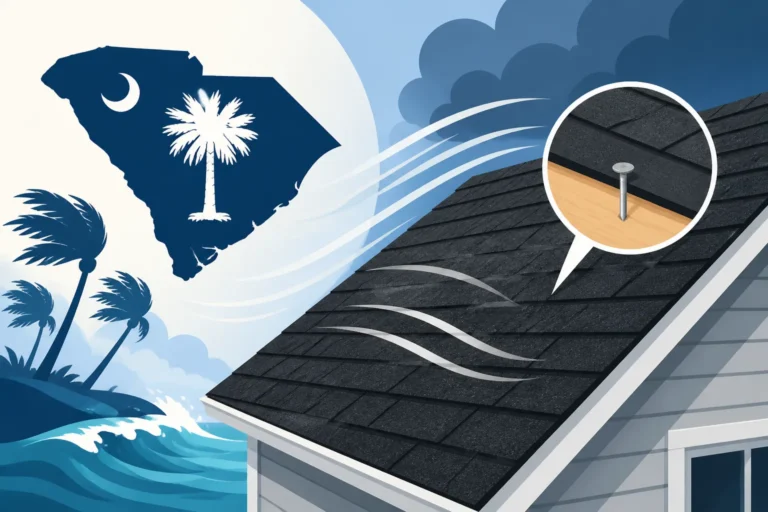
For example, proper nailing patterns are crucial for a roof's wind resistance, especially in areas of Georgia that experience strong winds or even tropical storm remnants. If a contractor uses too few nails, or nails them incorrectly, your shingles could easily blow off in a storm, leading to leaks and interior damage. Similarly, correct installation of underlayment, flashing around penetrations (like chimneys and vents), and adequate ventilation are all critical components that prevent water intrusion and extend the life of your roof. An inspector checks these details.
An uninspected roof is a gamble. You might save a few dollars upfront, but you could be living under a roof that is a ticking time bomb, susceptible to leaks, structural failure, or premature deterioration. The peace of mind that comes with a properly permitted and inspected roof is invaluable.
Specific Local Georgia Permit Examples
As we discussed, while the state sets the general framework, individual cities and counties in Georgia largely manage their own permit requirements. This means what applies in one jurisdiction might be slightly different in another. It's crucial to look up the rules for your specific location.
Atlanta, Fulton County, and Surrounding Areas
In a major metropolitan area like Atlanta and its surrounding counties, the permit process is usually well-established and enforced. For instance, in the City of Atlanta, permits are required for all re-roofing projects, regardless of whether it's a tear-off or an overlay. They specify the types of materials and installation methods that must be used to comply with their adopted building codes, which follow the Georgia Amendments to the International Building Code and International Residential Code. You'll typically apply through their Department of City Planning.
Fulton County, outside of incorporated cities, also requires permits for roof replacements. They have a detailed permit application process, often requiring contractor licenses and specific project details. Similarly, in neighboring counties like Cobb County, Gwinnett County, and DeKalb County, you can expect clear guidelines. For example, Gwinnett County emphasizes proper underlayment and drip edge installation, often requiring inspection of the roof deck before applying new materials if any structural work is involved. These urban and suburban areas tend to be stricter due to population density and property values. You'll often find specific requirements related to wind resistance for shingles, especially if you opt for something like Class 4 Shingle Roof Cost.
How to Find Your Local Requirements
Given the localized nature of permit requirements in Georgia, the best course of action is always to directly consult your local authority. Here’s how you can usually find the information you need:
- Identify Your Jurisdiction: Determine whether you live within an incorporated city or directly in an unincorporated county area. For example, if you live in Roswell, you'd check Roswell's building department. If you live outside any city limits in Fulton County, you'd check Fulton County's building department.
- Visit Their Website: Most city and county governments in Georgia have robust websites with dedicated sections for their building department or planning and zoning department. Look for "permitting," "building permits," or "roofing permits."
- Search for Specific Guidelines: On their website, look for permit applications, fee schedules, and specific building code requirements related to roofing. Many jurisdictions will have a "Do I Need a Permit?" section that clearly outlines the criteria.
- Contact the Building Department Directly: If you can't find what you need online, or if you have specific questions, don't hesitate to call or visit your local building department. Their staff are there to help homeowners and contractors navigate the process. Have your property address and a clear description of your project ready.
For general guidance, our article on How to Check Local Roofing Codes can provide helpful tips on where to start looking. Remember, your reputable roofing contractor should already be familiar with these local requirements and be able to guide you through the specifics.
| Jurisdiction Example | Typical Permit Requirement | Application Method | Key Specifics |
|---|---|---|---|
| City of Atlanta | Full roof replacement, significant repairs | Online portal / In-person | Adherence to Georgia Amendments to IRC/IBC; often requires contractor license verification. |
| Fulton County | Full roof replacement, significant repairs | Online portal / In-person | Focus on structural integrity, material quality. |
| Gwinnett County | Full roof replacement, significant repairs | Online portal / In-person | Specifics on underlayment, drip edge, and wind resistance for shingles. |
| Chatham County (Savannah) | Full roof replacement, significant repairs | Online portal / In-person | May have additional coastal requirements for wind zones. |
| Bibb County (Macon) | Full roof replacement, significant repairs | Online portal / In-person | Standard residential building code compliance. |
This table provides a general overview, but you must verify with your specific local building department as rules can change.
The Bottom Line: Prioritizing Your Home's Protection
Navigating the world of roofing permits in Georgia can feel like an extra burden when you're already dealing with a major home improvement project. However, taking the time to understand and adhere to these requirements is an investment in your home's safety, longevity, and value. From preventing costly fines and stop-work orders to ensuring your insurance coverage remains valid and your home is appealing to future buyers, the benefits of securing a proper permit far outweigh any inconvenience.
Always partner with a licensed, reputable roofing contractor who is familiar with your local Georgia building codes and will handle the permit process for you. This professional approach will ensure your new asphalt roof is not only beautiful but also structurally sound, code-compliant, and ready to protect your home for decades to come. Don't compromise on this vital step; it's the foundation of a successful roofing project.
Disclaimer
Please note that building codes and permit requirements can change. This article provides general information and should not be considered legal advice. Always consult with your local municipal building department or a qualified roofing contractor to confirm the specific permit requirements for your project and location in Georgia.