Roof Cost Per Square: What You’ll Pay
Thinking about getting a new roof can feel like stepping into a confusing maze, especially when you start hearing terms like "cost per square." It's easy to feel overwhelmed, wondering if you're comparing apples to oranges or if you're getting a fair deal. This comprehensive guide is here to unravel the mystery of roofing costs, specifically focusing on what you'll truly pay per roofing square for an asphalt shingle roof.
Understanding the "Per Square" Measurement in Roofing
When you start talking to roofing contractors, one of the first things you'll hear is "squares." It's not a secret code or a way to confuse homeowners; it's simply the industry's standard unit of measurement. But for someone who's used to thinking in terms of square feet for their home's footprint, this can definitely cause a moment of head-scratching. Understanding this fundamental unit is the first step in making sense of any roofing estimate you receive.
What Exactly is a Roofing Square?
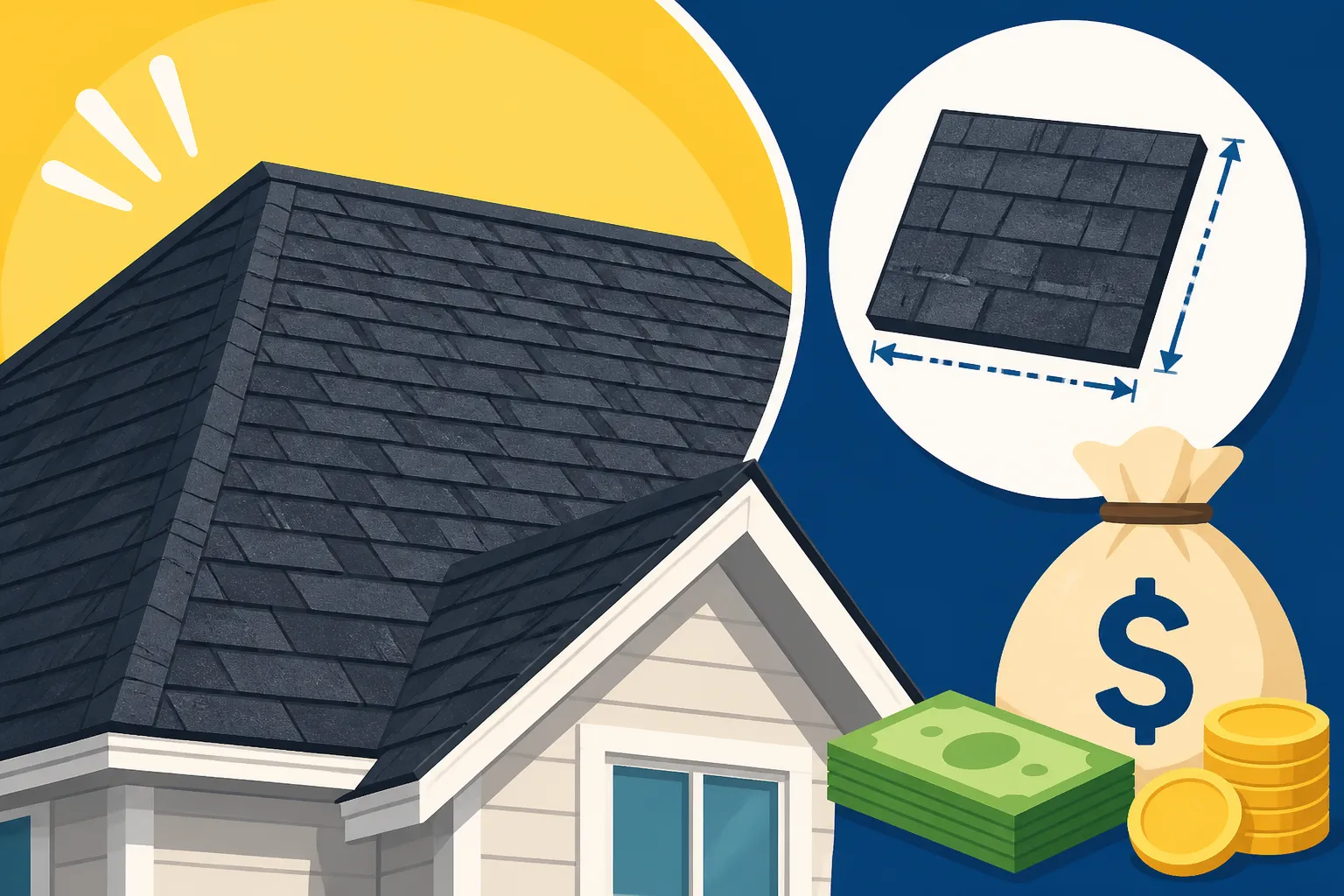
In the world of roofing, a "square" isn't a geometric shape; it's a specific quantity of roofing material. To be precise, one roofing square is enough material to cover 100 square feet of roof surface. So, if your roof measures 2,000 square feet, you'd need 20 squares of roofing material. This measurement applies to everything from shingles themselves to underlayment and other components of your roofing system. It's a convenient way for contractors to estimate material needs and labor much more quickly than calculating everything down to individual shingles.
Think of it like buying fabric by the yard or wood by the board foot; it's a standardized unit that simplifies calculations for large quantities. For example, a bundle of asphalt shingles typically covers about one-third of a roofing square, meaning you'll need three bundles to cover 100 square feet. This standardized approach helps both suppliers and installers manage inventory and project scope more efficiently. Knowing this simple conversion—1 square = 100 square feet—is your key to translating contractor speak into terms you understand.
Why the "Square" is the Industry Standard
The adoption of the "square" as the standard unit of measurement in roofing dates back decades, rooted in the practicalities of estimating and material handling. Before advanced calculators and digital tools, working with multiples of 100 made calculations for material quantities and labor easier and less prone to error. Imagine trying to calculate the exact number of individual shingles for a complex roof by hand – it would be a monumental task! The square streamlines this process significantly.
Moreover, manufacturers package shingles and other roofing components in ways that align with this standard. For instance, a pallet of shingles from a major brand like GAF or Owens Corning might contain enough bundles to cover a certain number of squares. This consistency across the industry facilitates purchasing, delivery, and installation, ensuring that everyone involved in a roofing project speaks the same language when it comes to material volume. It's an efficient system that, once understood, makes the entire process more transparent for homeowners as well.
How to Calculate Your Roof's Square Footage and Convert to Squares
Calculating your roof's square footage might seem daunting, especially if you have a multi-faceted roof with different slopes and angles. However, there are a few common methods. The simplest, though not always the most accurate for complex roofs, is to measure the length and width of your house's footprint and multiply them. For a simple rectangular or square house, this gives you the ground footprint. You'll then need to adjust for roof overhangs and the pitch (steepness) of your roof, which adds to the surface area.
A more precise method involves measuring each distinct section of your roof (e.g., each gable, hip, or valley) and calculating its area, then summing them up. Many roofing contractors use aerial measurement tools or drone technology that can provide highly accurate measurements in minutes, taking pitch and complexity into account. Once you have the total square footage, converting it to squares is straightforward: simply divide the total square footage by 100. For instance, a 2,200 square foot roof is 22 squares. This gives you a baseline for understanding the scope of your project.
It's always a good idea to let professional roofers perform their own measurements to ensure accuracy. When comparing estimates, make sure they all use the same underlying square footage for your roof. This helps ensure you're getting an accurate picture of the total project cost. For more on estimating your roof size, check out our guide on how to measure a roof.
Average Asphalt Roof Cost Per Square
Now that we've demystified the "square" itself, let's dive into the numbers that really matter: how much does an asphalt roof cost per square? This figure isn't a fixed price tag you can find in a catalog; it's a dynamic number influenced by a multitude of factors, ranging from the type of shingle you choose to the specific challenges of your home's roofline. Understanding these averages and the elements that shape them is crucial for setting realistic expectations and budgeting effectively.
National Averages and Ranges
Nationally, the average cost to install a new asphalt shingle roof can vary widely, typically ranging from about $300 to $800 per roofing square. However, for a full tear-off and replacement, you might see figures reaching up to $1,200 or even $1,500 per square for premium materials and complex installations. These numbers include both materials and labor. So, if your roof is 20 squares, a mid-range asphalt shingle replacement might cost you anywhere from $6,000 to $16,000, and potentially much more for higher-end options.
It's important to remember that these are just averages. A simple, low-pitch roof on a single-story ranch home in a moderate cost-of-living area might fall on the lower end of this spectrum. Conversely, a steep, multi-story home with numerous dormers, valleys, and skylights, requiring high-performance architectural shingles in an expensive metropolitan area, will certainly push towards the higher end. Understanding this range helps you gauge where your specific project might land. For a general overview, take a look at our article on the average roof replacement cost this year.
Factors Influencing Base Shingle Cost Per Square
The type of asphalt shingle you select is, naturally, one of the biggest drivers of the per-square cost. You have a few main categories: 3-tab, architectural (or dimensional), and designer (or luxury) shingles. Each offers a different aesthetic, level of durability, and price point. Beyond the basic type, features like impact resistance (Class 4), algae resistance, or cool-roof technology can also add to the material cost. For example, Class 4 shingles, which are designed to withstand hail better, will have a higher material cost per square but can sometimes lead to insurance premium reductions in hail-prone regions.
Brand also plays a role. While many brands offer competitive products, some, like CertainTeed or GAF, might have slightly different pricing structures for comparable shingles due to brand reputation, warranty offerings, or proprietary technologies. The specific color or style of shingle within a product line can also subtly influence the cost, with certain popular or specialty colors sometimes carrying a small premium. All these choices contribute directly to the material portion of your total per-square cost.
Breaking Down Material vs. Labor Cost Per Square
When you get a quote for a roof replacement, the "cost per square" isn't just the price of the shingles. It's a comprehensive figure that bundles together material costs, labor costs, and other associated expenses. Understanding this breakdown is key to comparing quotes accurately. Typically, labor can account for 40% to 60% of the total project cost, sometimes even more for highly complex roofs. This means that if you're paying $600 per square, roughly $240 to $360 of that might be for the actual installation work.
Material costs per square include the shingles, but also the underlayment, starter strips, ridge caps, flashing, and fasteners. These 'hidden' components are crucial for a long-lasting, watertight roof system, and they add to the overall material cost per square. Labor costs encompass everything from tear-off and disposal of old materials to the skilled installation of the new roof, including prep work, cleanup, and supervision. The labor rate per square can fluctuate significantly based on your geographic location, the local demand for skilled roofers, and the complexity of your roof. Our guide on asphalt roof labor cost explained delves deeper into this aspect.
Different Asphalt Shingle Types and Their Per Square Costs
Choosing the right asphalt shingle isn't just about aesthetics; it's a balance of durability, performance, and budget. Each type offers distinct characteristics that impact its cost per square. From the tried-and-true 3-tab to the robust architectural and the luxurious designer shingles, understanding these differences will empower you to make an informed decision that suits both your home and your wallet.
3-Tab Shingles: The Budget-Friendly Option
For many years, 3-tab shingles were the most common choice across America, recognized by their flat, uniform appearance and three distinct tabs per shingle strip. They are typically the most economical asphalt shingle option available, often costing between $200 to $350 per square installed. This lower price point makes them attractive for homeowners on a tight budget or for properties where long-term aesthetics aren't the primary concern, such as sheds, garages, or rental properties.
While budget-friendly, 3-tab shingles do come with some trade-offs. They generally offer a shorter lifespan, typically 15 to 20 years, compared to their more advanced counterparts. Their flatter profile also makes them less resistant to high winds and impacts, and they don't provide the same visual depth or curb appeal. If you're considering 3-tab shingles, ensure your local building codes permit them for your specific roof and climate, as some areas with frequent severe weather may have stricter requirements. They are a good option for those prioritizing upfront savings.
Architectural Shingles: The Popular Choice
Architectural shingles, also known as dimensional shingles, have become the reigning champion in residential roofing for good reason. They are constructed with multiple layers of asphalt and granules, creating a thicker, more textured appearance that mimics the look of natural wood shakes or slate. This multi-layered design not only enhances curb appeal but also significantly improves durability. Architectural shingles typically cost between $450 to $800 per square installed, a noticeable step up from 3-tab, but offering substantial benefits.
Homeowners gravitate towards architectural shingles like GAF Timberline HDZ or Owens Corning Duration for their longevity, often lasting 25 to 30 years or more. Their heavier weight and interlocking design provide superior wind resistance, frequently carrying higher wind ratings than 3-tab shingles. They also offer better impact resistance, and many come with algae-resistant granules. The aesthetic upgrade alone can add significant value to your home. For a detailed comparison, see our article on 3-Tab vs Architectural Shingle Cost Compared.
Designer Luxury Shingles: Premium Aesthetics and Performance
At the top tier of asphalt roofing are designer, or luxury, shingles. These are engineered to replicate the high-end look of natural slate, cedar shakes, or European tiles with remarkable realism, often featuring unique shapes, colors, and shadow lines. Examples include CertainTeed Presidential Shake or GAF Grand Sequoia. Because of their intricate design and enhanced material composition, designer shingles are the most expensive asphalt option, with installed costs often ranging from $700 to $1,200 or even upwards of $1,500 per square.
Beyond their superior aesthetics, luxury shingles often boast the highest performance characteristics. They are typically the thickest and heaviest asphalt shingles, providing exceptional resistance to wind, hail, and fire. Many come with premium warranties, sometimes even transferable, offering homeowners long-term peace of mind. While the initial investment is higher, the enhanced curb appeal and robust protection can significantly boost your home's value and desirability. These shingles are often chosen for custom homes, historic renovations, or discerning homeowners who prioritize both beauty and maximum durability.
Key Factors That Drive Up or Down Your Per Square Price
It would be wonderful if roofing costs were a simple "X dollars per square" across the board, but as any homeowner who's received a quote knows, that's rarely the case. The actual price you pay for your asphalt roof per square is a nuanced figure, heavily influenced by a range of specific conditions and choices. These factors can collectively swing your final project cost significantly, making it essential to understand how they interact. For more detail on these variables, read our guide on what drives asphalt roofing costs up or down.
Roof Complexity and Pitch
One of the most significant cost drivers for roofing, per square, is the complexity and pitch (steepness) of your roof. A simple, low-slope gable roof on a ranch home is far easier, faster, and safer to work on than a multi-level roof with a high pitch, numerous dormers, skylights, chimneys, and complex valleys. Each additional angle, penetration, or elevation change requires more intricate cutting, specialized flashing, and increased labor time.
- Pitch: A steeper roof, anything over a 6/12 pitch, requires more safety equipment, slower work, and often two roofers where one might suffice on a flatter roof. This directly translates to higher labor costs per square. Contractors often apply a "steep roof premium" to account for the increased risk and difficulty.
- Complexity: Features like multiple hips and valleys, numerous vent pipes, skylights, or even decorative elements significantly increase the amount of detail work required. Each valley needs meticulous flashing and shingle cutting, adding material waste and installation time. A roof with many cut-ups means more linear feet of ridge and hip caps, more drip edge, and more specialized installation techniques, all contributing to a higher overall cost per square. Our guide on roof replacement cost by pitch further explains this.
Location, Climate, and Local Labor Rates
Where you live has a surprisingly large impact on how much you'll pay per roofing square. Geographic location affects both material pricing due to transportation costs and, more significantly, local labor rates. Cities with a higher cost of living, like San Francisco or New York, will naturally have higher roofing labor rates than rural areas or cities in states with lower living expenses.
- Labor Rates: Local economic conditions, the availability of skilled labor, and even seasonal demand can cause significant fluctuations. For example, during peak construction season or after a major storm, labor rates can spike due to high demand.
- Climate: The local climate also dictates certain material requirements. Homes in areas prone to heavy snow and ice, like parts of the Northeast or Midwest, often require more extensive ice and water shield installation, which adds to the material and labor cost per square. Similarly, high-wind regions (e.g., coastal areas like Florida or hurricane zones in Texas) might necessitate specific shingle types or enhanced nailing patterns to meet local building codes, increasing both material and installation costs. Always check local regulations, as they can significantly influence your overall project cost.
Roof Tear-Off and Decking Issues
Before any new shingles can go down, the old roof often needs to come off. A full tear-off and disposal of existing shingles is a standard part of most roof replacements today and adds a significant cost per square. This includes the labor to remove the old material, the cost of dumpster rental, and disposal fees at a local landfill. If your roof has multiple layers of old shingles (some older homes might have two or even three layers), the tear-off process becomes more labor-intensive and costly.
Furthermore, once the old shingles are removed, the underlying roof decking is exposed. This is when unexpected issues, such as rotted or damaged plywood or OSB, might be discovered. If sections of your roof decking need to be replaced, this will add to your overall cost. Each sheet of plywood or OSB that needs replacing contributes material and labor costs that weren't part of the initial "per square" shingle estimate. While these issues are typically billed separately, they are an integral part of the total project cost and something to be prepared for when planning for an asphalt roof replacement.
Underlayment and Accessory Upgrades
The shingles themselves are just one part of a complete roofing system. Underneath them lies the underlayment, and around the edges and penetrations are various accessories like drip edge, flashing, and ventilation components. Upgrading these elements can significantly impact the "per square" cost, though they are often calculated and itemized separately in an estimate.
- Underlayment: Standard felt paper underlayment is less expensive, but many homeowners opt for synthetic underlayment due to its superior durability, tear resistance, and moisture protection. High-performance synthetic options can add $20-$50 per square or more compared to basic felt. In cold climates, ice and water shield is often required along eaves, valleys, and around penetrations, adding to both material and labor costs.
- Accessories: Investing in high-quality metal flashing for chimneys, skylights, and pipe vents, or choosing advanced ridge vents for better attic ventilation, will naturally increase the material cost. While these upgrades enhance the roof's performance and longevity, they do contribute to the overall expense, pushing the comprehensive "per square" value higher than just the shingle cost alone. These crucial components are often overlooked when homeowners focus solely on the shingle price.
The "Total Cost Per Square" Beyond Just Shingles
When you're trying to figure out how much your new asphalt roof will truly cost, it's easy to get fixated on the price of the shingles themselves. But savvy homeowners know that the "per square" cost on a comprehensive estimate encompasses much more than just the visible roofing material. A truly watertight and long-lasting roof is a system, built with many layers and components, all of which contribute to the final price tag. Neglecting these details can lead to unexpected expenses and budget overruns.
The Impact of Accessories (Drip Edge, Flashing, Vents)
Think of your roofing system like a finely tuned machine; every small part plays a critical role. Accessories, while seemingly minor, are essential for the roof's performance and protection against water intrusion.
- Drip Edge: This metal flashing is installed along the eaves and rakes of your roof to direct water away from the fascia and prevent it from seeping underneath the shingles. While relatively inexpensive per linear foot, it adds to the overall material cost and requires labor for installation.
- Flashing: Critical around chimneys, skylights, vent pipes, and wall intersections, flashing creates a watertight seal in areas where the roof surface is interrupted. Lead, copper, or aluminum flashing is typically used, and its installation is a meticulous process that demands skilled labor. High-quality or custom flashing can significantly impact the cost per square when averaged across the entire roof.
- Vents: Proper attic ventilation is vital for extending the life of your roof and preventing issues like ice dams or premature shingle aging. This includes ridge vents, soffit vents, and sometimes static or powered vents. The type and number of vents needed will depend on your attic size and design, adding to both material and installation costs. Upgrading to a continuous ridge vent system, for example, is more costly than a few simple box vents but offers superior performance. For more about this, check out our guide on the cost of ridge vent installation.
These components aren't just add-ons; they are integral to the roof's functionality. A reputable contractor will include them in their estimates, and their quality and installation directly impact the long-term integrity of your roof.
Waste Factor and Delivery Charges
Beyond the direct materials and labor, two often-overlooked cost components that factor into the "per square" price are the waste factor and delivery charges. These are essential for project execution and will always be part of the total bill.
- Waste Factor: Even with careful planning, there will always be some material waste during a roof installation due to cutting shingles for hips, valleys, gables, and around penetrations. The waste factor can range from 10% for a simple roof to 20% or more for a complex one. This means if your roof is 20 squares, your contractor might order 22-24 squares of material to account for waste. This additional material, and its associated cost, is absorbed into the overall project pricing per square. It's a necessary expense to ensure the crew doesn't run out of material mid-job and can complete the work efficiently.
- Delivery Charges: Roofing materials are heavy and bulky. Getting them from the supplier to your home often involves specialized delivery trucks, sometimes with crane services to hoist pallets directly onto your roof. These logistical costs are either itemized as a separate line in your estimate or, more commonly, rolled into the material costs per square. If you live in a remote area, or if access to your property is challenging, these delivery charges could be higher. Always clarify if delivery fees are included or extra when reviewing quotes.
Permits and Inspections: Often Overlooked
One of the most commonly underestimated aspects of a roof replacement project is the cost and process associated with obtaining permits and undergoing inspections. Many homeowners are surprised to learn that a permit is almost always required for a full roof replacement.
- Permit Costs: The cost of a roofing permit varies significantly by municipality, city, and state. In some areas, it might be less than $100, while in others, particularly in larger metropolitan areas or those with stringent building codes, it could easily be several hundred dollars. This fee covers the administrative cost of reviewing your project plans and scheduling inspections.
- Inspection Requirements: Once the permit is issued, your local building department will typically require one or more inspections during and after the roofing process. This ensures that the installation complies with current building codes, safeguarding your home's structural integrity and protecting your investment. Inspectors will check everything from the roof decking condition to the underlayment, flashing, and nailing patterns. If an inspection fails, it can lead to delays and additional costs if work needs to be redone. While these aren't "per square" costs in the traditional sense, they are mandatory expenses that get rolled into the total project price and are crucial for the legality and safety of your new roof. Understanding if you need a permit to replace a roof is key.
How to Get Accurate Per Square Cost Estimates
Navigating the world of roofing estimates can be tricky. You might get quotes that vary wildly, leaving you confused about what's fair and accurate. The key to ensuring you're getting a true "per square" cost for your specific project, and not just a ballpark figure, lies in doing your homework and asking the right questions. This diligence will protect your budget and ensure you get the quality roof you expect.
The Importance of Multiple Quotes
This might sound like common sense, but it’s amazing how many homeowners skip this vital step. To truly understand the market rate for a roof replacement in your area and for your specific home, you absolutely need to obtain multiple quotes—ideally three to five—from different reputable roofing contractors. Each contractor might have slightly different overheads, relationships with suppliers, and even installation methods, which can all affect their "per square" pricing.
When gathering quotes, ensure that each contractor is bidding on the exact same scope of work. This means the same shingle type and brand (e.g., CertainTeed Landmark Pro), the same underlayment, the same ventilation plan, and the same disposal procedures. If one contractor quotes 3-tab shingles and another quotes architectural, their "per square" costs will be incomparable. By standardizing the scope, you can then accurately compare the pricing and services offered. Platforms like Modernize can be incredibly helpful here, connecting you with local, vetted roofing professionals who can provide detailed estimates tailored to your project. This approach helps you avoid being swayed by a single high or low bid that might not reflect the true value.
Understanding What's Included in a Quote
A detailed roofing quote should be more than just a single bottom-line number. It should break down the project into its various components, ideally listing costs per square for materials and labor where applicable, or at least a clear itemization. Don't be shy about asking questions if something isn't clear.
Here’s what a good quote should generally include:
- Shingle Type and Brand: Specific details, including color and warranty information.
- Underlayment: Type (felt, synthetic, ice & water shield) and where it will be applied.
- Accessories: Drip edge, starter shingles, ridge caps, flashing (for pipes, chimneys, valleys, skylights), and ventilation components.
- Labor: Including tear-off, installation, and cleanup.
- Waste Removal: Dumpster fees and disposal.
- Permit Costs: Often listed as a separate line item.
- Warranty Information: Both manufacturer and workmanship warranties.
- Payment Schedule: Clear milestones for payments.
If a contractor presents you with a quote that is vague or lacks this level of detail, consider it a red flag. You should know exactly what you're paying for. Comparing roofing estimates requires a keen eye for these details.
Avoiding Hidden Costs and Scams
Unfortunately, the roofing industry, like any home improvement sector, has its share of less-than-reputable players. Hidden costs and outright scams are a concern for homeowners, and understanding what to look out for can save you a lot of headache and money.
- Vague Contracts: Be extremely wary of contracts that don't specify materials, scope of work, or payment terms. A reputable contractor will provide a clear, written contract that outlines everything.
- Pressure Tactics: If a contractor pressures you to sign a contract immediately, claims it's a "today-only" deal, or demands a large upfront payment (more than 10-30% is often a red flag), walk away. High-pressure sales often mask inflated prices or shoddy work.
- Cash-Only Deals: While some small repairs might be cash, a full roof replacement should involve legitimate payment methods that leave a paper trail. Cash-only requests can be a sign of an unlicensed contractor trying to avoid taxes and liability.
- Unlicensed/Uninsured Contractors: Always verify that your contractor is properly licensed and insured (liability and workers' compensation). If they're not, you could be held liable for injuries or damages on your property. Don't be afraid to ask for proof of insurance and check their license number with your state or local licensing board.
- Scope Creep: While unexpected issues like rotten decking can arise, a good contractor will communicate these discoveries immediately, explain the necessary repairs, and provide a clear change order before proceeding. Unscrupulous contractors might perform extra work without your consent and then demand exorbitant fees.
By being vigilant, getting multiple detailed quotes, and asking tough questions, you can protect yourself from common roofing pitfalls and ensure you're getting a fair and accurate "per square" cost for your new asphalt roof.
Budgeting and Financing Your Roof Replacement
Replacing a roof is a significant investment, often one of the largest homeowners will make. The sticker shock of that "per square" cost can be a real jolt. But don't despair! With proper planning and understanding of your options, a new roof is an attainable goal. It's not just an expense; it's an investment in your home's protection, energy efficiency, and curb appeal.
Preparing for the Investment
The first step in budgeting is to understand the full scope of potential costs. We've talked about the base cost per square, but remember to factor in potential unforeseen expenses like significant roof decking replacement, chimney repair, or upgraded gutter systems, which often go hand-in-hand with a new roof. It’s always wise to set aside an extra 10-15% of your estimated total project cost as a contingency fund for these unexpected discoveries.
Start saving early if you anticipate a roof replacement in the next few years. Even small monthly contributions to a dedicated "roof fund" can make a big difference. Research local and national averages for asphalt roof replacement cost to get a realistic picture of what you might pay in your area. This proactive approach helps reduce stress when the time comes to pull the trigger on the project.
Exploring Financing Options for Homeowners
For most homeowners, paying for a roof replacement out of pocket isn't feasible. Thankfully, there are several financing options available to help spread the cost over time:
- Home Equity Line of Credit (HELOC) or Home Equity Loan: These options leverage the equity you've built in your home. They typically offer lower interest rates than personal loans because they are secured by your home. A HELOC provides a revolving line of credit you can draw from as needed, while a home equity loan provides a lump sum.
- FHA Title I Loans: These are government-backed loans designed for home improvements, often with more lenient qualification requirements and fixed interest rates.
- Personal Loans: Offered by banks, credit unions, and online lenders, personal loans are unsecured, meaning they don't require collateral. They typically have higher interest rates than secured loans but can be a quick source of funds for those with good credit.
- Contractor Financing: Many roofing companies partner with third-party lenders to offer financing plans, sometimes including 0% APR for an introductory period. These can be convenient, but always compare the terms with other options.
- Insurance Claims: If your roof damage is due to a covered event like a storm, your homeowners insurance might cover a significant portion, or even all, of the replacement cost. Be sure to understand your policy and file a claim promptly. Our guide on does insurance cover roof replacement provides valuable insights.
Before committing to any financing, shop around, compare interest rates, fees, and repayment terms. Choosing the right financing can save you thousands of dollars over the life of the loan.
The Long-Term Value of a Quality Roof
While the initial cost per square for a new asphalt roof can seem substantial, it's crucial to view it as a valuable investment in your home. A new, high-quality asphalt roof offers numerous benefits that extend far beyond simply keeping the rain out:
- Increased Home Value: A new roof significantly boosts your home's curb appeal and market value. Homebuyers often prioritize a sound roof, knowing it's a major expense they won't have to tackle for years. In many cases, you can recoup a large percentage of your roofing investment when you sell your home.
- Enhanced Protection: A properly installed roof protects your most valuable asset from weather elements, preventing costly water damage, mold growth, and structural issues that can arise from leaks.
- Improved Energy Efficiency: A new roof, especially one with proper insulation and ventilation, can improve your home's energy efficiency. Modern shingles with cool-roof technology can reflect more sunlight, reducing heat absorption and lowering your cooling costs in warmer climates.
- Peace of Mind: Perhaps the most undervalued benefit is the peace of mind that comes with knowing your home is protected by a reliable, warrantied roof. You won't have to worry about leaks, missing shingles, or the threat of minor storms causing major damage. This allows you to truly enjoy your home without constant concern.
Investing in a quality asphalt roof is an investment in your home's future, offering both tangible and intangible returns for years to come.
Disclaimer
Please note that the information provided in this guide is intended for general informational purposes only and does not constitute professional advice. Roofing costs are estimates and can vary significantly based on location, contractor, materials chosen, and specific project requirements. Always consult with multiple qualified and licensed roofing contractors for accurate quotes and professional recommendations tailored to your unique situation.