Cost to Remove Two Layers of Shingles
It's already stressful enough when you realize your roof needs replacing. Then comes the shocking news from a contractor: "You've got two layers of shingles up there, and we'll have to charge extra to remove them." Suddenly, your carefully planned budget feels like it's dissolving, and you're left wondering what this additional cost even entails. This guide will walk you through exactly why removing two layers of shingles is necessary, what factors influence the price, and how to understand this often-overlooked part of your asphalt roof replacement cost.
The Double Whammy: Why Two Layers of Shingles Mean More Work
Finding out your home has more than one layer of shingles can feel like discovering a hidden, expensive problem. You might think, "Well, the old roof is still on, isn't it protecting my home?" And while it might have been doing its job adequately, adding a new roof on top of two existing layers introduces a whole host of issues that make a complete tear-off absolutely essential. It's not just about the extra work; it's about the integrity and longevity of your brand-new roof.
Understanding the "Why Not Just Go Over It?" Question
Many homeowners, completely understandably, ask why they can't just put the new shingles directly on top of the existing two layers. After all, isn't it faster and cheaper? This question stems from a common practice in the past, where "re-roofing" often meant simply adding a new layer over an old one. This was once a permissible, albeit not ideal, solution for certain situations. However, modern building codes and best practices have largely moved away from this for good reasons.
Think of it like this: your roof deck, the wooden sheathing beneath the shingles, is designed to support a certain amount of weight. Each layer of asphalt shingles adds significant weight, and piling on a third layer can put undue stress on your home's structure. Beyond the sheer weight, multiple layers can also trap heat and moisture, accelerating the deterioration of all layers, including your new investment. It creates an uneven surface that prevents new shingles from lying flat, leading to poor sealing, increased wind uplift risk, and an overall compromised roof system. Furthermore, many shingle manufacturers will void their warranties if their product isn't installed on a clean, properly prepared roof deck, eliminating a crucial layer of protection for your investment.
Labor Intensification and Increased Timeline
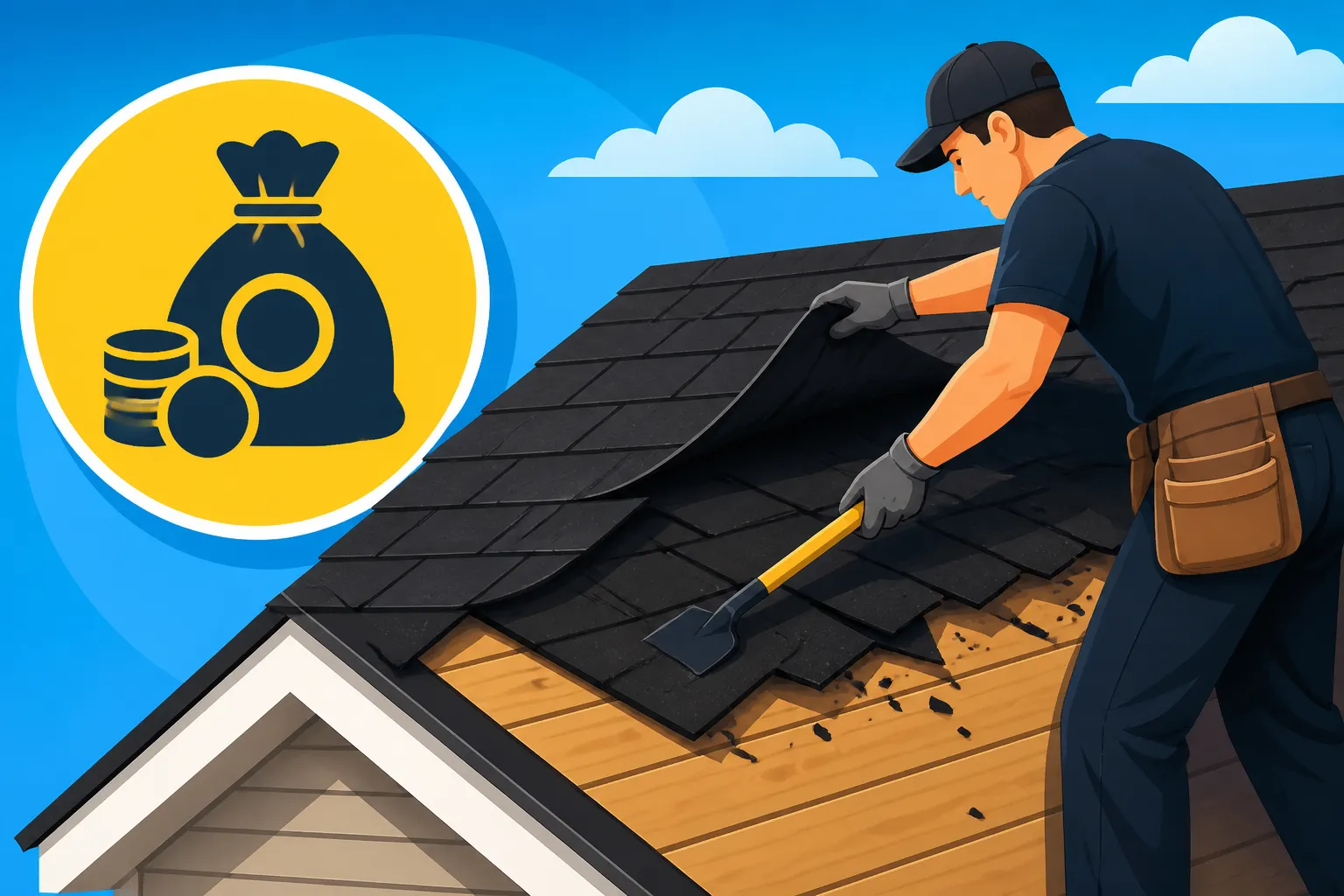
The process of removing multiple layers of shingles is significantly more labor-intensive and time-consuming than a single-layer tear-off. Imagine peeling off one sticky note versus peeling off three that are stuck together. The crew has to work harder, longer, and with more care to ensure all old materials are thoroughly removed. This isn't just a matter of pulling shingles; it involves chipping away at tar and nails, often dealing with brittle or heavily adhered layers that resist removal.
A standard single-layer tear-off on an average-sized home might take a day or two. With two layers, that timeline can easily extend, pushing the project completion further out. This extended labor naturally translates into higher costs for the homeowner. More hours for the crew, potentially more equipment, and a more rigorous cleanup process all contribute to the increased expense. When you're looking for estimates, a reputable contractor, perhaps one you found through a service like Modernize, will factor this additional labor directly into their quote.
The Hidden Weight of Disposal Fees
Another major contributor to the increased cost is waste disposal. Asphalt shingles are heavy, and two layers are, quite simply, twice as heavy as one. A single layer of shingles on an average 1,500 sq ft roof can weigh upwards of 5,000 to 7,000 pounds. Double that, and you're looking at 10,000 to 14,000 pounds of debris. This substantial weight significantly impacts the cost of hauling and disposing of the old materials.
Landfills and waste management facilities charge by weight, so a heavier load means a higher disposal fee. Contractors typically factor the cost of renting larger dumpsters or making multiple trips to the dump into their overall bid. This is a non-negotiable part of the job, as all that old roofing material must be properly removed from your property. Understanding these "cost of roof tear-off and disposal" elements helps homeowners see where their money is going beyond just the new shingles themselves.
Breaking Down the Cost: What to Expect for Two-Layer Removal
So, what does this extra work actually cost? It's the burning question on every homeowner's mind. While it's impossible to give an exact figure without seeing your specific roof, we can break down the typical cost ranges and the various factors that will influence your final bill.
Average Cost Ranges for Two-Layer Tear-Off
The cost to remove two layers of asphalt shingles is usually calculated per "square" of roofing. A roofing square is a unit of measurement equivalent to 100 square feet. On average, you can expect to pay an additional $20 to $60 per square for the removal of a second layer of shingles, on top of what you'd pay for the first layer's tear-off.
Let's put that into perspective. If the removal of the first layer typically costs between $40 to $80 per square, a two-layer tear-off could bring the total removal cost to $60 to $140 per square.
Here’s a simplified breakdown:
| Number of Layers | Typical Tear-Off Cost Per Square | Notes |
|---|---|---|
| 1 Layer | $40 – $80 | Includes labor, dumpster, and disposal. |
| 2 Layers | $60 – $140 | Additional labor, heavier disposal fees. |
| 3+ Layers | Not Recommended / Illegal | Very rare, significantly higher removal costs. |
For a modest 1,500 square foot roof (which is 15 squares), removing two layers could add anywhere from $900 to $2,100 to the overall project just for the tear-off portion, compared to a single layer. This doesn't include the cost of the new shingles or their installation, just the extra effort to get to a clean slate.
Factors That Drive the Price Up or Down
While the per-square cost gives you a baseline, several variables can push your cost higher or, in some cases, slightly lower.
- Roof Pitch and Complexity: A steep roof pitch significantly increases labor costs. Working on a steep angle is more dangerous, slower, and requires specialized safety equipment. If your roof has many dormers, valleys, or chimneys, these architectural features add complexity and time to the tear-off, as each intricate area needs careful removal of old materials and flashing. You might see a specific "steep roof cost premium" in your estimate.
- Accessibility: Is your home easy to access for large equipment and dumpsters? If the crew has to park far away, haul materials by hand around landscaping, or work in a tight urban space, it adds to the labor and time. Homes with difficult access, like those on a hillside or with challenging landscaping, will incur higher costs.
- Geographic Location: Labor rates and disposal fees vary significantly by region. For example, a roofing project in a high-cost-of-living area like Southern California or the Northeast will naturally be more expensive than in the Midwest or parts of the South. Local regulations regarding waste disposal can also impact the price.
- Condition of the Old Roof: If the existing two layers are severely deteriorated, brittle, or heavily adhered, they will be much harder and more time-consuming to remove than layers that come off relatively easily. Rotten roof decking found underneath also adds to the overall cost, as it will need to be replaced.
- Contractor's Rates: Different roofing companies have different overheads and pricing structures. While you don't want to choose the cheapest option, comparing multiple bids is always wise. Ask for detailed breakdowns so you can see how each contractor accounts for the two-layer tear-off. This is where services that help you How to Get Roofing Quotes and Compare Them can be invaluable.
The Total Project Impact
It's crucial to understand that the cost of removing two layers of shingles isn't just an isolated line item; it affects the total asphalt roof replacement cost. It's often one of the "hidden costs in a roof replacement" that can catch homeowners off guard. When you get an estimate for a full roof replacement, the two-layer tear-off adds to the overall labor and disposal components.
For example, if your new roof is estimated at $12,000 for a single-layer tear-off and installation, finding out you have two layers could easily push that total to $13,500 – $14,500 or more, depending on your roof's size and complexity. This significant difference emphasizes why getting a thorough inspection and clear communication from your contractor before signing any agreement is paramount. A reputable contractor will often check for multiple layers during the initial assessment and include it in their first estimate.
The "Why It's Non-Negotiable" Talk: Safety and Longevity
While the additional cost of removing two layers of shingles can be disheartening, this step is genuinely non-negotiable for the long-term health of your home and the validity of your new roof's warranty. It's not just about what looks good; it's about structural integrity, compliance, and ensuring your investment lasts as long as it should.
Code Compliance and Legal Requirements
One of the primary reasons a complete tear-off is mandatory for two layers of shingles is building code compliance. Most municipal and state building codes in the U.S. explicitly limit the number of shingle layers a roof can have, typically to a maximum of two layers. Installing a third layer over two existing ones is almost universally prohibited. These regulations are in place for safety, structural integrity, and fire resistance.
For example, in many parts of Texas, Florida, and California, with their susceptibility to severe weather, adherence to specific building codes, including those governing the number of shingle layers and proper installation techniques, is strictly enforced. Ignoring these codes can lead to serious consequences, including:
- Failed Inspections: Your new roof will likely fail the required post-installation inspection, meaning you'll have to pay again to have the roof torn off and reinstalled correctly.
- Insurance Issues: Homeowners insurance policies often require roofs to be installed to code. If your roof isn't compliant, future claims related to storm damage or leaks might be denied.
- Resale Problems: When you go to sell your home, a non-code-compliant roof can be a major red flag for buyers and their inspectors, potentially jeopardizing the sale or forcing you to replace it at a disadvantageous time.
A trustworthy contractor will always adhere to local "roofing building codes: what to know" and insist on a full tear-off if you have two existing layers. They'll also handle the necessary "roofing permits explained" to ensure the job is done legally and to standard.
A Solid Foundation for a New Roof
Imagine building a beautiful new house on a crumbling, uneven foundation. It just wouldn't work, right? The same principle applies to your roof. The roof deck is the foundation for your shingles. When you have two layers of old shingles, the deck underneath is often obscured, making it impossible to properly inspect its condition.
A proper tear-off allows your contractor to expose and inspect the entire roof deck. They can then identify and replace any compromised or rotted sections of plywood or OSB. This is crucial because:
- Nail Adhesion: New shingles need a solid surface for the nails to properly penetrate and hold. Nailing into deteriorated wood or through multiple old shingle layers can result in "nail pops" or shingles that easily detach during high winds, leading to premature failure.
- Flatness and Sealing: Shingles are designed to lie flat and seal tightly together to create a watertight barrier. Multiple underlying layers create an uneven surface, preventing proper shingle adhesion and increasing the risk of water infiltration.
- Ventilation: A clean deck ensures proper airflow in your attic, which is vital for extending the life of your roof and preventing heat and moisture buildup. Old layers can sometimes interfere with proper ventilation pathways.
Replacing your roof is a significant investment. You want that investment to last. A clean, sound roof deck is the best way to ensure your new shingles perform optimally and reach their full lifespan. This is part of the "how a roof replacement works: the full process" that ensures quality and durability.
Warranty Implications and Manufacturer Requirements
Reputable shingle manufacturers, like GAF, Owens Corning, and CertainTeed, offer comprehensive warranties on their products. These warranties protect you from manufacturing defects and can provide peace of mind. However, these warranties are almost always contingent on the shingles being installed according to the manufacturer's strict specifications, which typically include installing them on a clean, solid roof deck.
If you opt to install new shingles over existing multiple layers, you risk voiding your manufacturer's warranty from day one. This means if you encounter issues down the line due to product failure, you'll be solely responsible for the repair or replacement costs. Given that shingle warranties can last for decades, this is a significant risk.
A contractor who is certified by a manufacturer, for instance, a GAF Master Elite Contractor or an Owens Corning Platinum Preferred Contractor, understands these requirements intimately and will always advise practices that preserve your warranty. They know that cutting corners on the tear-off compromises the entire roofing system, and ultimately, your investment.
Navigating the Process and Saving Smart
Facing the prospect of additional costs for a two-layer tear-off can be daunting, but with the right approach and information, you can navigate the process smoothly and ensure you get a quality, compliant roof replacement.
Getting Clear and Comprehensive Estimates
The most important step is to get detailed, itemized estimates from at least three different roofing contractors. Don't just ask for a "total price." Insist on a breakdown that clearly separates the cost of tear-off (including if it's a single or multiple layer removal), disposal, materials, labor, and any supplementary work like roof decking replacement if needed.
When comparing estimates, pay close attention to how the tear-off is priced. Does it explicitly mention two layers? Is the disposal fee included and reasonable for the anticipated weight? A transparent estimate will help you understand "how to read and compare roofing estimates" and avoid unexpected charges later on.
Don't hesitate to ask questions. If one estimate is significantly lower than others, ask why. It might be a red flag that they aren't accounting for a full two-layer tear-off or proper disposal. On the flip side, some contractors might charge a flat rate per square that implicitly includes additional layers up to the legal limit, which can sometimes be more cost-effective.
The Role of a Good Contractor
Choosing the right roofing contractor is paramount, especially when dealing with a two-layer tear-off. You need someone experienced, reputable, and knowledgeable about local building codes. Here's what to look for:
- Experience with Multi-Layer Tear-Offs: Ask contractors about their experience specifically with removing multiple layers of shingles. They should be able to describe their process and how they manage the increased debris and labor.
- Licensing and Insurance: Always verify that your contractor is properly licensed and insured. This protects you from liability if a worker gets injured on your property or if there's damage during the tear-off. You can often check this with your state's licensing board.
- References and Reviews: Check online reviews (Google, BBB, Yelp) and ask for local references. A good contractor will have a track record of satisfied customers.
- Clear Communication: A professional contractor will explain everything upfront, including the necessity and cost of a two-layer tear-off. They won't surprise you with hidden fees. Platforms like Modernize can help you find vetted, qualified professionals in your area who prioritize clear communication and transparent pricing.
- Permit Handling: Confirm that your contractor will pull all necessary permits. This is not only required by law in most areas but also ensures that the work will be inspected and adhere to local building codes, including those regarding the number of shingle layers permitted.
When to Ask About Alternatives (and why they're usually not an option)
While a full tear-off is almost always the recommended and often legally required approach for two layers of shingles, a homeowner might still wonder if there are any scenarios where an alternative exists.
- Overlaying a Single Layer: If you only have one existing layer of shingles, applying a second layer (an "overlay") can sometimes be an option, provided the underlying layer is in good, flat condition, and local codes allow it. However, it's generally not recommended because it prevents a thorough roof deck inspection, adds weight, and often compromises aesthetics and warranty coverage. The article "Cost to Roof Over Existing Shingles" dives deeper into this.
- Partial Tear-Off: In extremely rare cases, if only a very small, isolated section of the roof has two layers, and the rest has one, a contractor might propose a partial tear-off. However, this is highly unusual and generally not practical for whole-roof replacement due to the difficulty in blending layers and ensuring consistent structural integrity. For a full replacement, a complete tear-off is the standard.
Ultimately, trying to save money by avoiding a full two-layer tear-off is a classic example of being "penny wise and pound foolish." The short-term savings are almost always outweighed by the long-term risks of a compromised roof, voided warranties, and potential code violations that could lead to even more expensive repairs down the road. Embrace the tear-off as a necessary step to ensure your new roof is installed correctly and provides maximum protection for your home for decades to come. When you understand the reasons behind the cost, it becomes easier to budget for a new roof and appreciate the value of a job done right.
Disclaimer
Please remember that all cost estimates provided in this guide are averages and can vary significantly based on your location, specific contractor, material choices, and the unique characteristics of your roof. It is always recommended to obtain multiple detailed estimates from qualified, local roofing professionals for the most accurate pricing.