Roof Replacement Cost with Solar Panels
Replacing your roof is a major undertaking for any homeowner, but when you have solar panels already gracing your rooftop, the complexity can feel overwhelming. It’s not just about getting new shingles; it’s about carefully integrating two critical home systems without damaging either. Many folks mistakenly believe it’s a simple "take off, put back on" situation, only to be hit with unexpected costs and logistical nightmares. This comprehensive guide is designed to demystify the process of an asphalt roof replacement when solar panels are involved, helping you understand the costs, coordination, and best practices to ensure a smooth transition and a robust, energy-efficient home.
The Unique Challenges of Replacing a Roof with Solar Panels
It's easy to look at a solar-equipped roof and think the panels are just sitting there, but the reality is far more intricate. When it comes time for a roof replacement, those solar panels transform a standard roofing job into a specialized project that demands careful planning and execution.
More Than Just a New Roof
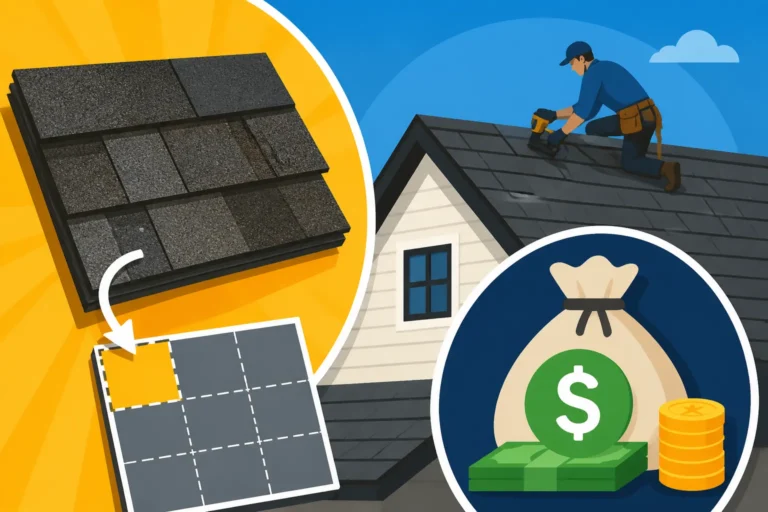
Let's be honest, the thought of replacing a roof is daunting enough on its own. Now, imagine adding the layer of complexity that solar panels bring. These aren't just lightweight decorations; they're heavy, fragile, and connected to your home's electrical system. Removing them safely requires more than just a ladder and a screwdriver. It involves certified solar technicians who understand the electrical disconnects, the specific racking systems, and the delicate nature of the panels themselves. Ignoring this specialized expertise can lead to damaged panels, electrical hazards, or even voided warranties. Homeowners often underestimate this complexity, assuming the roofer can handle it all, only to find out they need to hire a separate crew, which adds both cost and coordination headaches.
The Interdependency Dilemma
Think of your roof and your solar panel system as a married couple: they rely heavily on each other. The roof provides the structural foundation and the crucial weather barrier that keeps your home dry, while the solar panels depend on this intact surface for secure mounting and optimal positioning to capture sunlight. A worn-out roof might compromise the stability of the solar racking, and conversely, improper removal or reinstallation of panels can damage brand-new shingles, creating vulnerabilities. It's a delicate balance. If the roofing work isn't perfectly coordinated with the solar panel handling, you could end up with a beautiful new roof that leaks around poorly sealed solar mounts, or an energy system that isn't performing as it should because of compromised installation. Ensuring these two critical components work in harmony is paramount for the long-term integrity of your home.
Navigating Two Trades
This is where many homeowners really start to feel the squeeze. A typical roof replacement means dealing with one primary contractor. When solar panels are in the mix, you're often juggling two distinct trades: the roofing company and the solar company. Each has its own schedule, crew, and area of expertise. Coordinating their efforts can feel like a full-time job. Who removes the panels? Who reinstalls them? Who is responsible if the roofers damage a panel during removal, or if the solar crew damages new shingles during reinstallation?
The ideal scenario is finding a roofing company that has a strong, pre-established partnership with a trusted solar installer, or even a larger company that offers both services in-house. This streamlines communication and often creates a single point of accountability. However, such comprehensive companies aren't always available, meaning you, the homeowner, might become the de facto project manager, trying to align two separate entities to work on the same critical structure.
Deconstructing the Costs: What You'll Actually Pay
When you're looking at a roof replacement with solar panels, it’s not just one big number. It's a layered cost, with the solar component adding a significant, often surprising, chunk to the overall bill. Understanding where these costs come from is the first step to budgeting effectively.
Solar Panel Removal and Reinstallation R&R Fees
This is arguably the most significant additional expense you'll face. You can't just install new shingles under the solar panels; they have to come off.
- Labor Intensive Specialization: Removing and reinstalling solar panels is a job for trained and often certified solar technicians. They need to safely disconnect the electrical system, carefully unmount each panel (which can be heavy and fragile), store them securely, and then re-install them precisely after the new roof is on. This isn't a quick task. It demands electrical expertise, specialized tools, and a meticulous approach to ensure the system functions correctly afterward. This labor often includes reconnecting inverters and testing the system to confirm it's generating power as expected.
- System Size and Complexity: The total cost will heavily depend on the size of your solar array. A small residential system with 8-10 panels will naturally cost less to handle than a sprawling 30-panel setup that covers multiple roof planes. Furthermore, older systems or those with more complex wiring, specialized inverters, or integrated battery storage might incur higher R&R fees due to the increased technical demands. Generally, homeowners can expect to pay anywhere from $1,500 for a small system to upwards of $8,000 for larger, more complex installations.
- Logistics and Storage: Consider where the panels will be stored during the roofing process. If they need to be stored off-site or require special handling, these factors can also contribute to the overall R&R cost. Make sure your solar contractor details all these logistical aspects in their quote.
The Core Asphalt Roof Replacement Cost
Beneath the solar panels, you still have a traditional roof that needs replacing. The cost of an asphalt shingle roof can vary widely, just like any other roofing project, influenced by several key factors.
- Standard Roofing Variables: The base cost of your new asphalt roof will hinge on elements like the total square footage of your roof (a "square" equals 100 square feet), the pitch or steepness of your roof (steeper roofs require more labor and safety measures), and the type of asphalt shingles you choose. For instance, basic 3-tab shingles are less expensive than architectural shingles, which offer a more dimensional look and often better durability. Designer shingles, with their premium aesthetics and performance, will be the most costly. You can dive deeper into these variations by exploring articles like How Much Does an Asphalt Shingle Roof Cost or an Asphalt Roof Replacement Cost: Complete Breakdown.
- Tear-Off and Decking Considerations: In almost all cases, especially with solar panels, a full tear-off of existing shingles is required. This means removing all old layers of roofing down to the roof decking. The cost of roof tear-off and disposal will be included in your estimate. If your roof has multiple existing layers, this will increase labor and disposal fees. Even more critically, if the roofing crew discovers damaged or rotted roof decking underneath (which can happen, especially if you've had leaks), you'll incur additional roof decking replacement cost. This is why a thorough inspection of the exposed decking after the old shingles are removed is absolutely vital before any new materials go down. For an average 2,000 square foot home, a complete asphalt roof replacement can range from $10,000 to $25,000 or more, depending on all these variables.
Permit and Inspection Duplication
Another often-overlooked cost and logistical challenge is navigating the permitting process for both projects.
- Double the Red Tape: You'll almost certainly need a building permit for the roof replacement itself. Beyond that, the removal and reinstallation of solar panels, especially if any electrical modifications are necessary, often triggers the need for a separate electrical or solar permit from your local municipality. This means paying two sets of permit fees and potentially dealing with two different sets of inspectors. The specific requirements can vary dramatically depending on your city or county.
- Coordination Delays: These permits come with required inspections. You might need a final roof inspection before the solar panels can be reinstalled, and then a separate solar inspection after the system is back up and running. This staggered inspection schedule demands careful coordination between your roofing and solar contractors to avoid project delays. Each delay can push back project completion and even add to labor costs if crews are left waiting. Make sure to discuss who pulls the permits with your contractors; usually, they handle it, but you should always confirm.
Strategies for a Smoother, More Affordable Project
Facing a roof replacement with solar panels can feel like a financial and logistical puzzle, but with smart planning, you can make the process much smoother and potentially more cost-effective.
Timing is Everything
Being proactive instead of reactive is perhaps the biggest money-saver here.
- Proactive Planning is Key: Don't wait until your roof is actively leaking or showing severe signs of failure before considering replacement. If you know your asphalt roof is getting up there in years—say, it's a 15-year-old asphalt roof that’s starting to show wear and tear, or if you've noticed granule loss, curling, or cracked shingles—it’s time to start planning. Catching these signs you need a new roof early allows you to schedule both the roofing and solar work when it's most convenient and potentially more affordable. An emergency replacement under solar panels is almost always more expensive and stressful.
- Consolidating Services: When you're seeking quotes, ask if roofing companies have preferred solar partners or if they offer a comprehensive service that includes solar panel removal and reinstallation. Some larger, more experienced roofing companies, especially those that specialize in energy-efficient solutions, might have the in-house capabilities or established relationships to handle both aspects. This can simplify project management, reduce coordination headaches, and potentially offer a bundled discount. It's worth exploring, even if you end up sticking with separate companies.
Get Detailed Estimates from Both Sides
This step cannot be overstated. A comprehensive understanding of the costs involved is your best defense against unexpected expenses.
- Separate vs. Bundled Quotes: Don't settle for vague estimates. Get at least two to three detailed quotes for the solar panel removal and reinstallation from reputable solar companies. These quotes should break down labor, equipment, and any potential storage fees. Separately, get at least three detailed roofing estimates. These roofing quotes must explicitly account for the presence of solar panels, detailing how they will protect the array area, what measures they take for the solar mounts, and what their process is once the panels are off. Pay close attention to the roofing material cost vs labor cost breakdown. Reputable online services like Modernize can help you connect with qualified contractors in your area, making it easier to gather multiple estimates from pre-screened professionals.
- Scrutinize Warranties and Coverage: Before signing any contract, thoroughly review the warranties offered for both the new roof and the solar reinstallation. Ensure that the solar panel removal and reinstallation process will not void your existing solar panel manufacturer warranty. Additionally, ask about the workmanship warranty on both the roofing job and the solar reinstallation. Understanding Manufacturer-Certified Roofers Explained programs can be beneficial, as these certifications often come with enhanced warranty coverage from the shingle manufacturers themselves, such as GAF or Owens Corning, ensuring a high standard of installation.
Leveraging Online Tools and Networks
Finding the right professionals can be a challenge, especially when you need expertise in two distinct fields.
- Connecting with Qualified Professionals: Utilize online platforms and referral services that specialize in home improvement. Websites like Modernize are invaluable resources for homeowners, as they can help you connect with local, vetted contractors who have experience with projects involving solar panels. This can save you countless hours of research and ensure you're getting bids from companies that understand the specific nuances of your project. Don't underestimate the power of a trusted network to find professionals who have successfully navigated similar dual projects.
- Checking Credentials and Reviews: Always, always verify licenses and insurance for both the roofing company and any solar technicians involved. Ask for proof of liability insurance and worker's compensation. Read reviews, check references, and look at their portfolios. A contractor's past performance is often the best indicator of future success. Make sure they have a proven track record of coordinating complex projects and that their customers speak highly of their communication and problem-solving skills. Remember, a good roofing contractor will be transparent about their credentials and happy to provide them.
Avoiding Common Pitfalls and Ensuring Quality
Replacing your roof when you have solar panels is a significant investment and a complex project. By being vigilant and proactive, you can avoid common pitfalls and ensure the quality and longevity of both your new roof and your energy system.
Clear Communication is Key
Miscommunication is often the root of project delays, budget overruns, and dissatisfaction. When you're dealing with multiple contractors, this risk is amplified.
- Designate a Project Manager: If you’re working with separate roofing and solar companies, consider who will be the main point of contact and coordinator. This could be you, a trusted family member, or even a designated lead from one of the contracting companies if they agree to take on that role. This person will be responsible for aligning schedules, communicating specific requirements (like when the solar panels need to be off for the roofers, and when the roof needs to be finished for the solar crew to return), and ensuring material deliveries are coordinated. Without a clear chain of command, it’s easy for things to fall through the cracks, leading to frustration and delays in a project that already has a tight timeline for what happens during a roof tear-off and reinstallation.
- Document Everything in Writing: Verbal agreements are easily forgotten or misinterpreted. Ensure that every detail, especially regarding the solar panel removal, temporary storage, and reinstallation process, is explicitly documented in your contracts. This includes timelines, responsibilities for potential damage (e.g., if a shingle is damaged during solar reinstallation, who pays for the fix?), payment schedules, and what constitutes satisfactory completion for both phases of the work. A well-written contract protects everyone involved and provides clear recourse if issues arise.
Insist on a Full Roof Inspection Post-Solar Removal
The period between solar panel removal and new shingle installation is a golden opportunity to assess your roof's underlying structure. Don't let it pass by.
- Uncovering Hidden Damage: Once the old shingles and solar racking are completely removed, your roof decking is fully exposed. This is the prime time for your roofing crew to conduct a thorough inspection for any signs of water damage, rot, soft spots, or structural integrity issues that might have been hidden previously. Pay particular attention to the areas where the solar panels were mounted, as these penetrations are common points for leaks if not properly sealed during the original installation. Identifying and addressing any necessary roof decking replacement cost at this stage is far more cost-effective than discovering problems after the new roof and solar panels are back in place.
- Optimal Preparation for New Materials: Ensure the roofing crew takes advantage of this clear canvas to install all new components correctly. This includes a high-quality underlayment, ice and water shield (especially critical in colder climates), and meticulous flashing around all penetrations, vents, and chimneys. Proper installation of these foundational elements, before the new asphalt shingles go down, is paramount for the long-term weatherproofing of your home. It also ensures that when the solar racking is re-attached, it will be anchored into a sound, well-protected surface.
Consider System Upgrades or Cleaning
Since your solar panels are already coming off, this presents a unique, cost-effective opportunity for maintenance or upgrades.
- Maintenance and Performance Boost: With the panels off the roof, it's the perfect time to have your solar company perform a thorough inspection, cleaning, and any necessary maintenance on the panels themselves, the inverters, and the racking system. Dust, pollen, and debris can accumulate on panels over time, reducing their efficiency. A professional cleaning can often boost energy production. It's also an excellent moment to discuss any potential upgrades, such as newer, more efficient microinverters or an updated monitoring system that could further optimize your energy generation.
- Roof Ventilation Upgrades: Similarly, with the roof exposed, it’s an ideal time to assess and potentially upgrade your roof ventilation. Proper roof ventilation is crucial for extending the life of your asphalt shingles, preventing heat buildup in the attic, and reducing your home's cooling costs. If your current attic ventilation system is inadequate (e.g., old box vents instead of a continuous ridge vent), discuss options for roof ventilation upgrades with your roofing contractor. This one-time labor access makes such upgrades more cost-effective than trying to do them as a standalone project later.
Here's a quick look at how the costs might break down for such a multifaceted project:
| Expense Category | Typical Cost Range (Estimated) | Key Considerations |
|---|---|---|
| Solar Panel Removal & Reinstall | $1,500 – $8,000+ | System size (kW), panel count, complexity (e.g., microinverters vs. string inverter), local labor rates |
| Asphalt Roof Replacement | $10,000 – $25,000+ | Roof size (squares), pitch, shingle type (architectural shingles), existing layers, decking condition |
| Permits & Inspections | $200 – $1,000+ | Varies significantly by municipality; separate permits often needed for roofing and solar |
| Contingency (10-15%) | Add to total | Unforeseen issues like rotted decking, electrical surprises, or minor repairs |
| Total Estimated Project | $11,700 – $34,000+ | Highly dependent on specific project details, location, and contractor choices |
Note: These are general estimates and can vary significantly based on location, contractor, and specific project details. Always obtain multiple, detailed quotes for your specific situation.
Disclaimer
The information provided in this article is intended for general informational purposes only and does not constitute professional advice. Roofing and solar projects are complex and should always be undertaken by qualified, licensed, and insured professionals. Costs are estimates and can vary significantly based on location, materials, contractor, and the specific scope of your project. Always consult with multiple local experts and obtain detailed written estimates before making any decisions.