Cost of an Impact-Resistant Roof Upgrade
The worry of unexpected roof damage, especially after a brutal hailstorm, is a heavy burden for many homeowners. You hear the pinging on the roof, the cracking of ice, and your stomach drops, knowing that significant repair or even a full roof replacement might be looming. This guide is here to shed light on a durable solution: impact-resistant asphalt shingles, specifically focusing on the investment required for such a critical upgrade.
Understanding Impact-Resistant Shingles and Their Value
When you think about a roof, you probably picture it as a shield, protecting your home from the elements. But in regions prone to severe weather, a standard roof might not be enough. That's where impact-resistant shingles come into play, offering a level of protection that can bring immense peace of mind. These aren't just regular shingles; they're engineered to withstand forces that would compromise traditional roofing materials.
The Science Behind Class 4 Rating
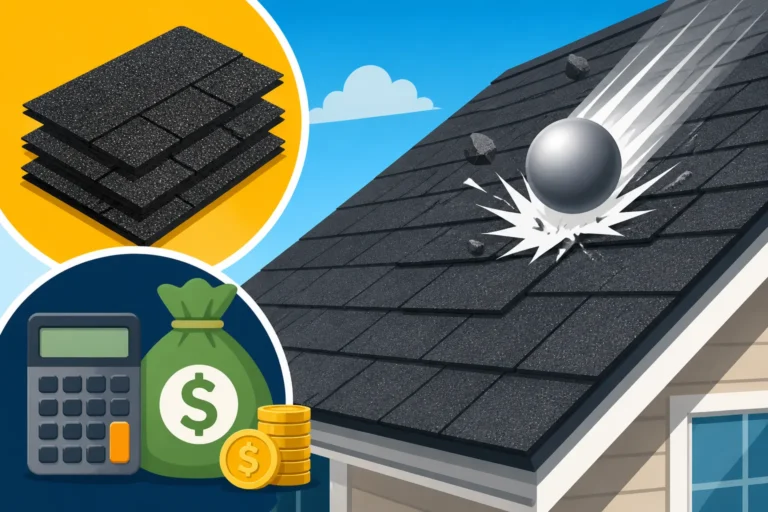
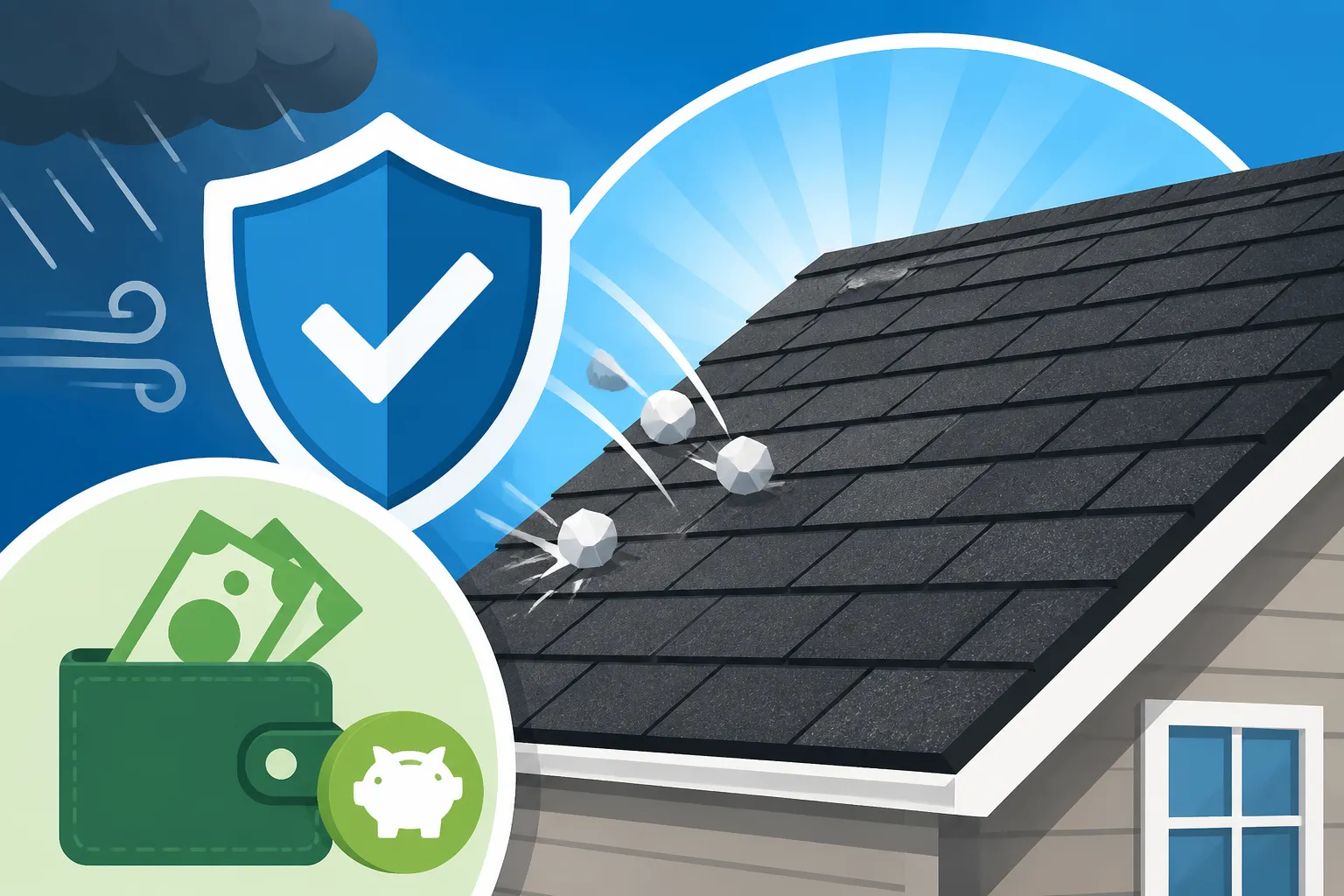
Impact-resistant shingles earn their stripes through rigorous testing. The most recognized standard is the UL 2218 test, which classifies shingles based on their resistance to impact. A Class 4 rating is the highest possible designation, signifying that the shingles can withstand the impact of a 2-inch steel ball dropped from 20 feet, twice in the same spot, without cracking.
How do they achieve this? Manufacturers incorporate specialized materials like SBS (Styrene Butadiene Styrene) modified asphalt, which essentially makes the shingle more flexible and rubbery. This flexibility allows the shingle to absorb the impact of hail or other debris, rather than cracking or fracturing like a stiffer, conventional shingle might. Think of it like a shock absorber for your roof. Instead of the force causing brittle damage, the modified asphalt gives just enough to dissipate the energy, then returns to its original shape. This is a crucial distinction, especially for homeowners in states like Texas, Colorado, or Oklahoma, where hail can be a frequent and destructive occurrence.
Beyond Hail Protection: Broader Benefits
While impact resistance is the headline feature, these shingles offer a suite of other advantages that contribute to their long-term value. It’s not just about surviving a single hailstorm; it’s about enhancing the overall resilience and lifespan of your entire roofing system.
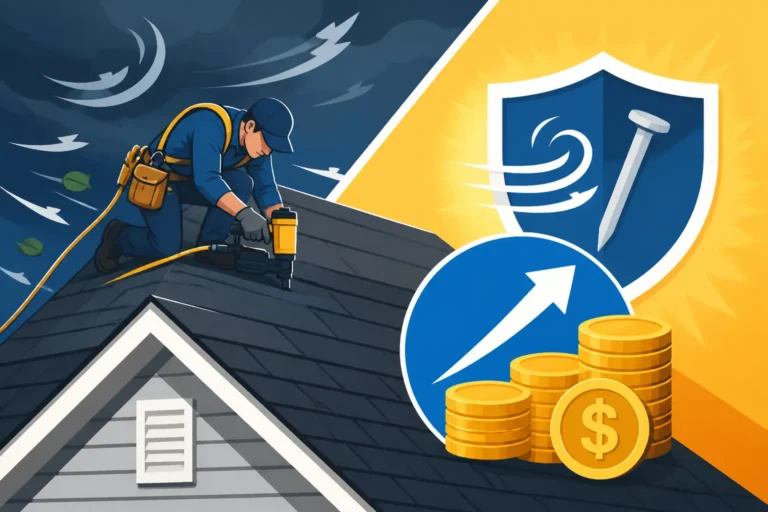
For starters, the robust construction of Class 4 shingles often translates to superior wind resistance. Their enhanced flexibility and tougher composition mean they are less likely to crack, tear, or blow off during high winds, especially when installed with proper nailing techniques. This extra layer of defense is invaluable, particularly if you live in an area prone to strong gusts or even hurricane-force winds. The manufacturers understand this and often design these shingles with advanced sealing technology and heavier materials to improve their uplift resistance.
Moreover, this inherent durability often leads to a longer lifespan for the roof itself. While a standard architectural shingle might last 20-30 years, a high-quality impact-resistant shingle, properly installed, could easily push that to 30-50 years. This extended durability reduces the frequency of needing a full roof replacement, saving you significant money and hassle over the decades. Over time, that can make a substantial difference in your overall How Long Does an Asphalt Roof Last and the maintenance burden of your home.
Finally, there’s the peace of mind factor. Knowing your roof is equipped to handle severe weather events means less anxiety during storm season. You’re not just buying shingles; you’re investing in protection and reducing the likelihood of costly interior damage from leaks or compromised structural integrity. This can also mean fewer claims to your insurance company, which is a benefit in itself.
Factors Influencing the Cost of Impact-Resistant Shingles
The decision to upgrade to an impact-resistant roof is a significant one, and understanding the cost is naturally a top priority. While the benefits are clear, the initial investment can be higher than a traditional asphalt shingle roof. However, several factors contribute to this cost, and being aware of them will help you budget effectively and compare estimates from different contractors.
Material Costs: The Shingle Itself
The primary driver of the higher cost for an impact-resistant roof upgrade is the shingles themselves. These specialized products require advanced manufacturing processes and unique materials, which naturally come with a higher price tag. On average, you can expect to pay anywhere from 10% to 30% more for Class 4 impact-resistant shingles compared to their standard architectural counterparts.
For example, a standard architectural shingle might cost between $100 to $200 per square (a roofing square equals 100 square feet) for materials alone. An impact-resistant version of that same shingle, from brands like GAF, Owens Corning, or CertainTeed, could range from $150 to $300 or even more per square for just the materials. This variance depends heavily on the specific brand, the shingle line (e.g., standard impact-resistant vs. designer luxury impact-resistant), and current market prices. For instance, the Owens Corning Duration Roof Cost Installed will differ from a standard Oakridge line, even if both are architectural. Similarly, a GAF Timberline HDZ Roof Cost Installed with impact resistance will be at a different price point than their standard Timberline HD.
It's also worth noting that some premium impact-resistant shingles might mimic the look of slate or wood shakes, adding to their aesthetic appeal but also to their cost. These designer options offer both advanced protection and enhanced curb appeal, blending functionality with high-end design.
Installation Labor and Roof Complexity
While the specialized materials are a big piece of the cost puzzle, the labor involved in installing them, along with the complexity of your roof, also plays a significant role. Experienced roofers might charge a bit more for installing these premium materials, though the actual installation process for Class 4 asphalt shingles isn't drastically different from standard architectural shingles. However, proper installation is paramount to ensure the warranty is valid and the shingles perform as intended.
Complex roof designs, with numerous dormers, valleys, skylights, or a steep pitch, will inevitably increase labor costs. Each of these features requires more intricate cutting, flashing, and sealing, which takes more time and skill. For example, a Steep Roof Cost Premium can add a substantial amount to the overall project, as it presents safety challenges and requires specialized equipment and techniques. Similarly, a roof with many changes in direction or multiple roof planes will require more careful planning and execution. This is where getting detailed estimates is crucial. Platforms like Modernize can connect you with qualified local roofing contractors who have experience with these types of installations and can provide accurate quotes.
The overall Asphalt Roof Labor Cost Explained can vary widely depending on your location, the prevailing wages for skilled trades, and the contractor's overhead. When comparing estimates, make sure they clearly break down material costs versus labor costs.
Geographical Impact on Pricing
Where you live significantly impacts the cost of an impact-resistant roof upgrade. In regions frequently hit by hail and severe storms, such as many areas across the Midwest and Southern United States, the demand for impact-resistant shingles is higher. This increased demand, coupled with regional supply chain factors and local building codes that may even recommend or mandate higher impact resistance, can influence pricing.
States like Colorado, Texas, and Oklahoma, for example, often see a greater concentration of roofing companies specializing in impact-resistant installations, and the average price might reflect both the demand and the commonality of the product. In these areas, the long-term savings on insurance premiums (which we’ll discuss next) often make the upfront investment much more palatable and even cost-effective in the long run. Conversely, in areas with milder climates where severe hail is rare, impact-resistant shingles might be less common, potentially leading to slightly higher prices if they need to be specially ordered, but also perhaps less competitive labor rates. The local cost of living and availability of materials also factor into regional pricing variations, as detailed in our guide on Asphalt Shingle Roof Cost by State.
Breaking Down the Investment: Types and Potential Savings
Investing in an impact-resistant roof is more than just an expense; it's a strategic decision that can yield substantial long-term savings and increased home value. Let's delve into the specific cost implications and the financial benefits you might experience.
Comparing Impact-Resistant Shingle Costs
When budgeting for an impact-resistant roof, it's helpful to understand the range of costs you might encounter. While all Class 4 shingles offer superior protection, there are variations in style, brand, and additional features that affect the price. The figures below represent average material costs per roofing square (100 square feet), before installation labor, permits, and other components of a full roof replacement.
| Shingle Type (Class 4) | Average Material Cost Per Square (100 sq ft) | Key Features / Notes |
|---|---|---|
| Architectural (Dimensional) Impact-Resistant | $150 – $300 | Most common upgrade. Offers a multi-dimensional look, comes in various colors. Uses modified asphalt for flexibility. Brands include GAF Timberline HDZ IR, Owens Corning Duration FLEX, CertainTeed Landmark PRO IR. |
| Designer (Luxury) Impact-Resistant | $300 – $500+ | Mimics natural slate or wood shakes with a thicker, more sculpted profile. Offers enhanced curb appeal and often superior warranties. Materials are typically heavier and even more robust. Examples: CertainTeed Presidential Shake IR, GAF Grand Sequoia IR. |
Remember, these are material costs only. The total Cost of an Impact-Resistant Roof Upgrade will also include a tear-off of old materials, underlayment, flashing, ventilation, and the labor for installation. Generally, the all-in installed cost for a Class 4 impact-resistant asphalt shingle roof can range from $4.50 to $8.00 per square foot, or $450 to $800 per square. So, for a 2,000 square foot roof, you might be looking at a total project cost between $9,000 and $16,000, not including any complex features or unforeseen decking repairs. This is an important consideration when thinking about your How to Budget for a New Roof.
Insurance Premium Reductions: A Significant Incentive
One of the most compelling financial benefits of upgrading to a Class 4 impact-resistant roof is the potential for significant homeowners insurance premium reductions. Insurance companies recognize that these roofs drastically reduce the risk of future hail damage claims, and they are often willing to pass those savings on to you.
The exact discount you'll receive varies widely by insurer, your specific policy, and your geographic location. However, it's not uncommon to see discounts ranging from 5% to 30% on your annual premium, especially in hail-prone states. Some states, like Texas and Oklahoma, even have regulations that mandate insurance providers offer discounts for certified impact-resistant roofing. For instance, our guide on Do Class 4 Shingles Lower Insurance Premiums provides more in-depth information on this topic.
To qualify for these savings, you'll typically need to provide your insurance company with proof of installation, usually a certificate from the roofing contractor or manufacturer, verifying that Class 4 shingles were used. It’s always best to contact your insurance agent before starting the project to confirm their specific requirements and the exact discount you can expect. Over the lifespan of your roof, these annual savings can add up to thousands of dollars, effectively offsetting a substantial portion of the initial upgrade cost.
Long-Term Value and Return on Investment
Beyond immediate insurance savings, an impact-resistant roof offers excellent long-term value. First, its extended durability means fewer repairs and a longer lifespan, delaying the next roof replacement for many years. This alone represents a significant saving in maintenance costs and future capital expenditure.
Secondly, if you decide to sell your home, an impact-resistant roof can be a powerful selling point. Buyers are increasingly aware of the importance of a durable roof, especially in areas with harsh weather. A relatively new, Class 4 rated roof can increase your home's appeal, potentially commanding a higher sale price or helping it sell faster. It signals to potential buyers that the home is well-maintained and protected, reducing their concerns about future repair costs. While a roof replacement doesn't always have a sky-high Roof Replacement ROI Explained, the added durability and insurance benefits of an impact-resistant roof often provide a better return than a standard upgrade.
Finally, consider the avoided costs. A severe hail storm on a standard roof could lead to a large deductible payment, increased premiums after a claim, and the inconvenience of repairs. An impact-resistant roof can help you avoid these headaches altogether, preserving your home's integrity and your financial reserves. It's an investment in resilience.
Is an Impact-Resistant Roof Upgrade Right for You?
Deciding whether to invest in an impact-resistant roof is a personal choice, but one that savvy homeowners should consider carefully, especially if they live in certain areas. It boils down to weighing the upfront costs against the long-term benefits and assessing your specific circumstances.
Assessing Your Risk and Budget
The first step is to honestly evaluate your risk exposure. Do you live in an area known for frequent hail storms or strong winds? Data from your local weather service or even your insurance provider can help you determine the likelihood of future damage. States in "Hail Alley" like Texas, Colorado, and Kansas are prime candidates for this upgrade, but severe weather can strike anywhere. If you've already experienced roof damage from hail or wind, or know your neighbors have, an impact-resistant roof is likely a very smart investment.
Next, consider your budget. While the initial cost is higher, remember the potential insurance savings. Calculate how long it would take for those savings to "pay back" the difference in cost between a standard roof and an impact-resistant one. For example, if the upgrade adds $2,000 to your total project but saves you $200 per year on insurance, your payback period is 10 years. Given that these roofs last for decades, this can be a very favorable equation. Don't forget to explore Roof Financing Options Explained if the upfront cost is a concern; many contractors and lenders offer solutions to help homeowners manage this investment.
Finding the Right Contractor for Installation
Once you've decided to move forward, finding the right roofing contractor is absolutely critical. Even the best materials won't perform if they're not installed correctly. Look for a contractor who:
- Is Licensed and Insured: This protects you from liability in case of accidents or subpar work. Always ask for proof of both.
- Has Experience with Impact-Resistant Shingles: Installing these specialized shingles, and navigating the associated warranty and insurance requirements, takes specific knowledge. Make sure your contractor is familiar with the products you're choosing.
- Offers Manufacturer Certification: Many top shingle manufacturers like GAF, Owens Corning, and CertainTeed offer certification programs for contractors. A certified contractor can often provide enhanced warranties that cover both materials and workmanship, giving you an extra layer of protection. For instance, you might look for a GAF Master Elite Contractor or an Owens Corning Platinum Preferred Contractor.
- Provides a Detailed Estimate: A reputable contractor will give you a transparent breakdown of all costs, including materials, labor, tear-off, and any potential unforeseen expenses. Don't settle for vague quotes. Our guide on How to Read and Compare Roofing Estimates can help you here.
You can streamline this process by using services like Modernize, which connect homeowners with pre-vetted local roofing professionals who specialize in impact-resistant roof installations. They can help you gather multiple quotes, allowing you to compare pricing and services effectively. When you're making such a significant investment, taking the time to How to Choose a Roofing Contractor carefully pays off immensely in the long run.
Ultimately, an impact-resistant roof upgrade is more than just a home improvement project; it's an investment in your home's resilience, your financial security, and your peace of mind. By understanding the costs, benefits, and how to choose the right professional, you can make an informed decision that will protect your home for decades to come.
Disclaimer
Please note that the information provided in this article is for general guidance only and should not be considered professional financial, insurance, or legal advice. Roofing costs, insurance premium reductions, and building codes vary widely by location, specific property, and individual circumstances. Always consult with a qualified roofing contractor, your insurance provider, and local authorities to obtain accurate, personalized information and estimates for your specific project.