Asphalt Shingle Roof Cost by State
It's incredibly frustrating when you're trying to budget for a new roof, only to find that prices seem to jump all over the map depending on where you live. You've probably seen national averages, but those rarely tell the full story for your specific home. This guide will dive deep into why asphalt shingle roof costs vary so dramatically from state to state, giving you a clearer picture of what to expect in your local market and how to navigate those regional differences.
Why Roof Costs Vary So Much State by State
You might wonder why a roof replacement in, say, Florida could cost significantly more or less than the exact same job in Ohio. It's not just a random roll of the dice; a complex interplay of economic, environmental, and regulatory factors drives these price differences. Understanding these fundamental drivers can help you anticipate costs and make more informed decisions when it's time for your home's upgrade.
Labor Costs and Local Demand
The cost of labor is often the biggest variable when it comes to roofing. Just like salaries for any other profession, what a skilled roofer earns can differ wildly across state lines, and even within different cities in the same state. In areas with a higher cost of living, like many parts of California or the Northeast, roofers naturally command higher wages to cover their own expenses. This directly translates to higher labor costs on your estimate.
Beyond basic wages, local demand plays a huge role. If there's been a recent severe weather event – a major hailstorm in Colorado or a hurricane in Florida – demand for roofing services can skyrocket overnight. When every homeowner in a region suddenly needs a new roof, the limited supply of qualified contractors can drive up labor rates. This isn't price gouging; it's basic economics. Conversely, in areas with lower demand or a more competitive market, labor costs might be more subdued. The availability of skilled tradespeople also matters; states with robust training programs or a steady influx of construction workers might have more competitive labor pools than those facing shortages. Remember, labor is a significant portion of your total project; understanding how it's calculated is key to knowing your overall Asphalt Roof Labor Cost Explained.
Material Supply Chains and Shipping
While many asphalt shingles are manufactured by large national brands like GAF, Owens Corning, and CertainTeed, the cost to get those materials to your specific state can vary. Shipping costs are influenced by fuel prices, transportation infrastructure, and the sheer distance from the manufacturing plant or major distribution hubs. A state that's geographically isolated or has challenging terrain might see higher material transportation fees. For example, getting shingles to a remote area of Montana could incur higher shipping surcharges than delivering them to a major metropolitan area like Dallas, Texas, which has several large distributors nearby.
Furthermore, state-specific taxes on building materials can add another layer of cost. Even seemingly small differences in sales tax rates can accumulate to hundreds, or even thousands, of dollars on a large roofing project. Supply chain disruptions, as we've seen in recent years, can also impact material availability and push prices higher across the board, but some regions might feel the pinch more acutely depending on their established supply networks. The type of asphalt shingle you choose, whether it's a basic 3-tab or a premium architectural shingle, will also significantly impact your overall material cost, which you can explore in our guide on 3-Tab vs Architectural Shingle Cost Compared.
Local Building Codes and Regulations
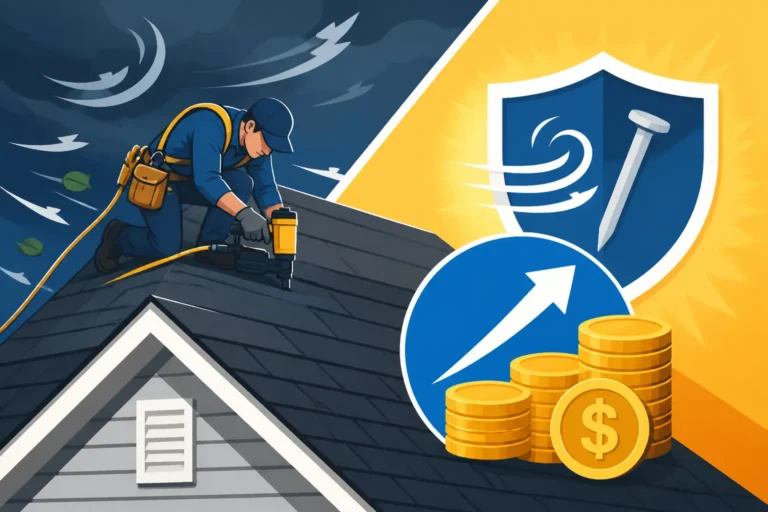
This is a big one that many homeowners overlook. Building codes are designed to ensure the safety and longevity of your home, but they can vary significantly by state and even by local municipality. For instance, coastal states like Florida or those in "Tornado Alley" like Oklahoma often have much stricter building codes for wind resistance, requiring specialized nailing patterns, impact-resistant shingles, or enhanced underlayment like peel-and-stick membranes. These requirements, while crucial for protection, inevitably add to the material and labor costs.
Similarly, states in colder climates, such as Minnesota or Massachusetts, may mandate more extensive ice and water shield coverage to prevent ice dam formation. Permits are almost always required for a full roof replacement, and the cost and complexity of obtaining these can differ. For example, some jurisdictions might require multiple inspections during the roofing process, adding administrative overhead for your contractor. Understanding if Do You Need a Permit to Replace a Roof in your area is a crucial first step. These regulations ensure a safer, more resilient roof, but they also contribute directly to the total project price.
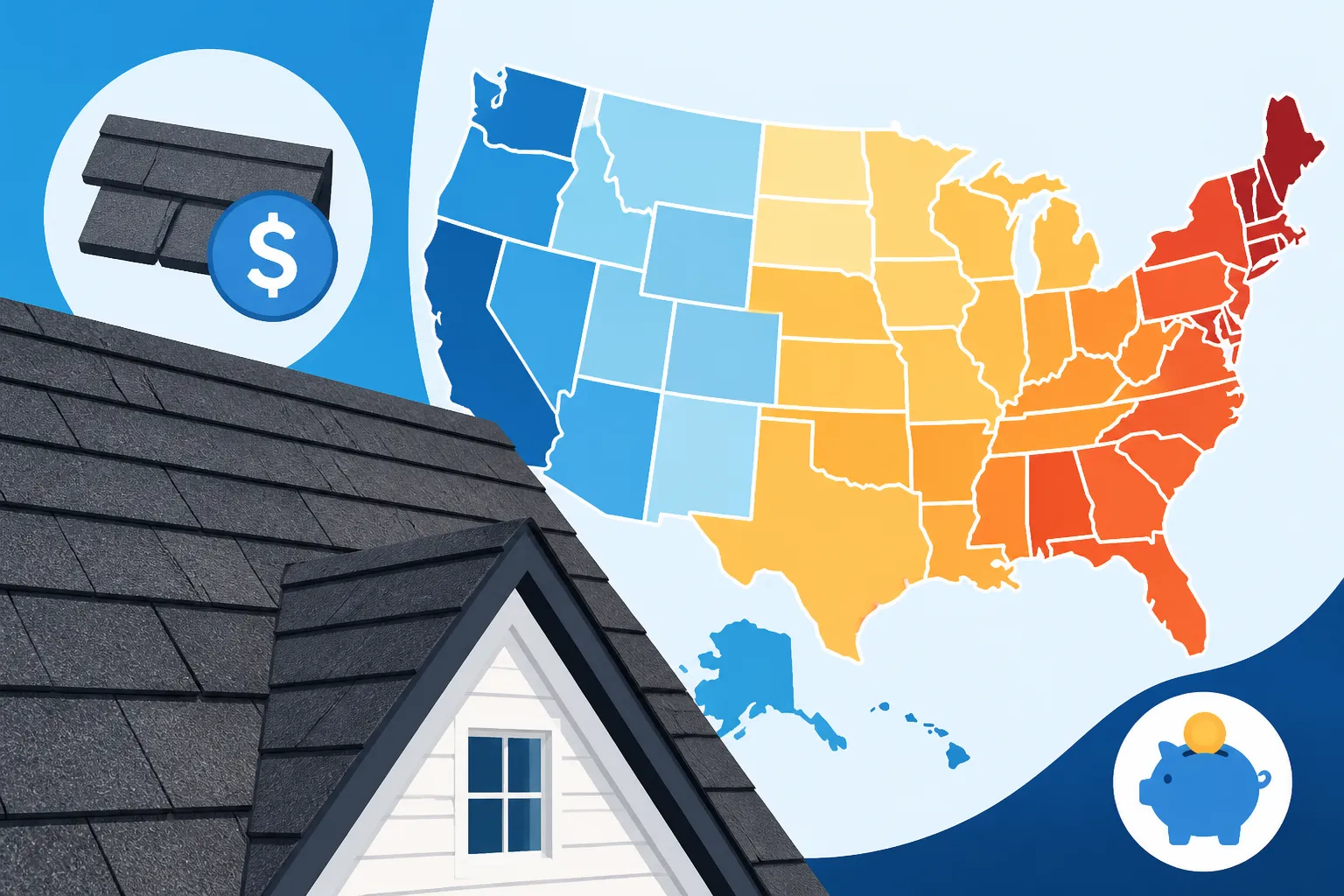
Average Asphalt Shingle Roof Cost Across the United States
Before we dive into the nitty-gritty of state-specific pricing, it’s helpful to have a national benchmark. Knowing the broader averages can give you a baseline to compare against when you look at costs in your particular area. However, it’s vital to remember that these are averages, and your actual cost can swing quite a bit based on numerous individual project specifics. Think of it as a starting point, not a definitive quote.
National Cost Range Overview
Nationally, homeowners typically spend anywhere from $9,000 to $20,000 for a complete asphalt shingle roof replacement on an average-sized home (around 1,700 to 2,000 square feet). This wide range accounts for variations in shingle quality, roof complexity, and, of course, regional economic factors. For a deeper dive into all the components, checking out our article on Asphalt Roof Replacement Cost: Complete Breakdown can be incredibly helpful.
Within this range, you'll find different tiers. At the lower end, around $9,000 to $12,000, you might get a standard architectural shingle on a relatively simple, smaller roof. As you move towards the $15,000 to $20,000 mark, you're likely looking at larger roofs, higher-quality architectural or designer shingles, more complex rooflines with dormers or multiple valleys, or homes located in higher-cost areas. Extremely large or complex roofs, or those requiring premium impact-resistant shingles or extensive decking repairs, could easily push costs beyond the $20,000 threshold. It's also worth noting that these figures generally include the tear-off of one existing layer of shingles, new underlayment, flashing, and installation.
Factors Influencing the National Average
Several broad factors consistently influence the national average, making it a dynamic figure. One major factor is the ongoing fluctuation in material costs. The price of asphalt, fiberglass mats, and other components used in shingle manufacturing can change with global oil prices and supply chain stability. Even minor shifts can have a ripple effect on the cost of shingles across the country.
Beyond materials, the national demand for skilled labor plays a role. As the housing market shifts or as construction trends evolve, the availability and cost of experienced roofing crews can impact overall pricing. Furthermore, the overall economic climate, including inflation and interest rates, affects contractors' operating costs and, subsequently, the prices they charge. While we provide these national averages, the true cost for your home will always be determined by local market conditions and the specifics of your roofing project. If you're wondering How Much Does an Asphalt Shingle Roof Cost in general, these averages provide a good starting point for comparison.
Detailed State-by-State Breakdown: East Coast
The East Coast of the United States presents a fascinating tapestry of roofing costs. From the densely populated urban centers of the Northeast to the hurricane-prone coastlines of the Southeast, each region has its unique set of challenges and economic realities that influence the price tag of a new asphalt shingle roof. Let's break down what you might expect in these diverse areas.
Northeast States
States like New York, Massachusetts, Pennsylvania, and New Jersey typically fall into the higher end of the national average for roof replacement costs. This is primarily due to several key factors:
- Higher Cost of Living and Labor: Major metropolitan areas like New York City, Boston, and Philadelphia have some of the highest costs of living in the nation. This directly translates to higher wages for skilled labor, including roofing crews. You'll find that roofing professionals need to charge more to cover their own operational expenses and personal living costs. For instance, an asphalt shingle roof replacement in New York might range from $12,000 to $25,000+. In urban centers, permit fees can also be higher and the logistics of working in tight spaces can add to labor time.
- Weather and Building Codes: The Northeast experiences harsh winters with heavy snowfall and ice, making robust ice and water shield installation a necessity by code. This specialized underlayment, designed to prevent ice dams, adds to both material and labor costs. Extreme temperature fluctuations can also put more stress on materials, sometimes leading homeowners to opt for higher-grade, more resilient shingles, which naturally cost more. In Massachusetts, you might expect costs between $11,000 and $23,000, with areas closer to Boston leaning towards the higher end.
- Material Transport: While there are distribution centers throughout the region, the high population density and traffic can sometimes impact delivery logistics, adding minor surcharges compared to more open areas. In Pennsylvania, a typical asphalt roof replacement could cost $10,000 to $20,000, with Pittsburgh and Philadelphia areas seeing higher prices than more rural regions.
Southeast States
Moving down to the Southeast, including states like Florida, Georgia, and North Carolina, you'll encounter a different set of cost drivers, often leading to a wide range of pricing depending on exact location and hurricane susceptibility.
- Hurricane and Storm Preparedness: Florida stands out with some of the strictest building codes in the nation, particularly concerning wind resistance. This means roofs often require advanced installation techniques, such as six-nail patterns per shingle instead of the standard four, and extensive use of peel-and-stick underlayment and reinforced drip edge. These mandates significantly increase material and labor costs, pushing average roof replacement costs to $12,000 to $28,000 or even higher in coastal regions like Miami or Tampa. This makes sense when considering the importance of a robust roof in hurricane zones.
- Growth and Demand: States like Georgia and North Carolina are experiencing rapid population growth, especially in cities like Atlanta, Charlotte, and Raleigh. This high demand for construction and home improvement services can drive up labor costs due to increased competition for skilled roofers. An asphalt roof in Georgia might cost $9,000 to $20,000, with the Atlanta metro area often seeing higher prices. Similarly, North Carolina typically sees costs from $9,500 to $21,000, influenced by coastal regulations and growth in areas like the Research Triangle.
- Material Costs: While some materials are locally sourced or easily transported, the specialized components required for hurricane-resistant construction can sometimes carry a premium. However, the overall cost of living can be slightly lower than in the Northeast, which might help balance labor costs in less storm-prone, inland areas.
Detailed State-by-State Breakdown: Midwest
The Midwest offers a unique blend of climates, from the harsh winters of the Great Lakes region to the storm-prone plains. These environmental factors, combined with varying economic conditions and population densities, create distinct cost landscapes for asphalt shingle roof replacements.
Great Lakes Region
States such as Ohio, Michigan, Illinois, Wisconsin, and Indiana make up the Great Lakes region. This area is characterized by cold, snowy winters and humid summers, which directly influence roofing material requirements and installation practices.
- Climate-Driven Requirements: The significant snowfall and potential for ice dams mean that building codes in these states often mandate specific protections like ice and water shields. This adds to the material and labor components of your roof. For example, in Ohio, a typical asphalt shingle roof replacement could run from $8,500 to $18,000. Cities like Cleveland and Columbus might be on the higher end due to denser populations and slightly higher labor costs.
- Labor Market Dynamics: The labor market in the Great Lakes states tends to be more moderate compared to the coasts. While major cities still command higher rates, the widespread availability of skilled tradespeople and a generally lower cost of living often keep labor costs more competitive. In Michigan, you might see costs between $8,000 and $17,500, with Detroit and its suburbs often reflecting slightly higher prices.
- Material Accessibility: These states benefit from being relatively central to major manufacturing and distribution hubs for building materials. This can translate to slightly lower transportation costs for shingles and other roofing components. An asphalt roof in Illinois typically falls between $9,000 and $19,000, with Chicago and its surrounding areas seeing the highest prices due to its urban density and higher cost of living.
Plains States
Moving west into the Plains States like Minnesota, Missouri, Iowa, and Kansas, the roofing cost landscape is heavily influenced by severe weather, particularly hail and high winds.
- Severe Weather Impact: States in the heart of "Hail Alley" and "Tornado Alley," such as Colorado (though often grouped with Mountain West, its eastern plains share these characteristics) and Minnesota, frequently experience hailstorms. This leads many homeowners, and often insurance companies, to favor impact-resistant, Class 4 rated shingles. While these shingles offer superior protection and can even lead to insurance discounts, their upfront cost is significantly higher. In Minnesota, where hail is a perennial concern, asphalt roof replacement can range from $9,500 to $22,000, with Class 4 shingles often driving prices higher.
- Rural vs. Urban Divide: The Plains States often have vast rural areas with lower population densities. In these areas, labor costs might be lower, but contractors may have to travel further, adding to project logistics and potentially fuel surcharges. Major cities like Kansas City or Minneapolis will, of course, have higher labor rates. In Missouri, costs generally range from $8,000 to $17,000, with the urban centers seeing figures at the higher end.
- Competitive Market: Depending on the local market, competition among roofing contractors can be quite robust. Companies often vie for business, which can sometimes lead to more competitive pricing, especially for standard asphalt shingle installations. However, after a major storm, prices can temporarily surge due to overwhelming demand. When considering bids, it's wise to understand How to Read and Compare Roofing Estimates to ensure you're getting a fair price.
Detailed State-by-State Breakdown: West and Southwest
The Western and Southwestern regions of the U.S. present some of the most dramatic variations in roofing costs, influenced by everything from stunning mountain ranges to arid deserts and bustling coastal cities. Each area brings its own set of challenges and economic factors to the table, dictating what homeowners can expect to pay for an asphalt shingle roof replacement.
Mountain West
States like Colorado and Arizona, nestled in the Mountain West, face unique environmental challenges that heavily influence roofing costs.
- Hail and High Elevation in Colorado: Colorado is notorious for its severe hailstorms, particularly along the Front Range. This makes impact-resistant, Class 4 shingles a highly sought-after, if not practically mandatory, choice for homeowners and insurers. These specialized shingles, while offering superior protection against hail damage and potentially lowering insurance premiums, come at a premium cost. Therefore, asphalt shingle roof replacement in Colorado often ranges from $11,000 to $25,000+, with the higher end reflecting the demand for Class 4 products and the typically higher cost of living in areas like Denver and Boulder. Additionally, the higher elevation and strong winds can necessitate more stringent installation practices, adding to labor.
- Extreme Heat in Arizona: Arizona presents a different climate challenge: intense, prolonged heat and UV exposure. While not typically associated with asphalt shingles, they are still a common choice, especially in more affordable housing. Contractors may recommend "cool roof" shingles or specialized underlayments to help mitigate heat absorption, which can increase material costs. The extreme heat can also impact the working conditions for roofers, potentially influencing labor rates. An asphalt roof replacement in Arizona might range from $9,000 to $20,000, with metropolitan areas like Phoenix and Tucson reflecting higher overall prices due to demand and higher labor costs.
Pacific Coast
California and Washington, along the Pacific Coast, are known for their high costs of living, stringent regulations, and diverse climates.
- High Cost of Living in California: California consistently ranks as one of the most expensive states for construction, and roofing is no exception. High labor costs, stringent environmental regulations, and the sheer demand in dense urban areas like Los Angeles, San Francisco, and San Diego push prices upward. Expect an asphalt shingle roof replacement in California to fall within the $14,000 to $30,000+ range. Areas prone to wildfires may also have specific material requirements or fire-resistant building codes that can increase costs. Shipping materials across this vast state can also contribute to price variations.
- Rain and Regulations in Washington: While not as extreme as California, Washington State, particularly the Western side, experiences significant rainfall. This necessitates robust waterproofing and proper ventilation to prevent mold and moisture issues. Labor costs in the Seattle metropolitan area are quite high, comparable to other major West Coast cities. An asphalt roof replacement in Washington typically ranges from $10,000 to $22,000, with Seattle and its surrounding tech hubs driving the higher end of that spectrum. Energy efficiency standards might also encourage the use of specific reflective or cooler roofing materials, adding to expenses.
Southwest
Beyond Arizona, the Southwestern states include Texas, Nevada, and New Mexico, each with its own regional economic and climatic influences on roofing costs.
- Growth and Storms in Texas: Texas is a massive state with booming population centers like Dallas, Houston, Austin, and San Antonio. It also experiences frequent severe weather, including hail and high winds. Like Colorado, this often leads to a preference for impact-resistant shingles. Despite the vastness, high demand in major cities keeps labor costs competitive. Asphalt shingle roof replacement in Texas generally costs between $10,000 and $24,000, with storm-prone areas and fast-growing cities often at the higher end. The sheer volume of roofing projects, especially after storms, can strain local resources.
- Desert Climate in Nevada: Nevada, particularly Southern Nevada around Las Vegas, contends with intense sun exposure and extreme heat. While not as focused on impact resistance, material choices often prioritize UV resistance and longevity in hot, dry conditions. Labor costs in Las Vegas can be higher due to tourism-driven economics. An asphalt roof replacement in Nevada might range from $9,500 to $21,000.
- Lower Costs in New Mexico: New Mexico typically sees slightly lower roofing costs than its more populous neighbors. Labor and material costs tend to be more moderate, though specific regional factors like high winds or occasional hail still influence project requirements. Expect asphalt roof costs in New Mexico to be in the $8,000 to $17,000 range, depending on the specific location and roof complexity.
| State | Average Asphalt Roof Cost Range (2024) | Key Influencing Factors |
|---|---|---|
| California | $14,000 – $30,000+ | High cost of living, strict regulations, urban density |
| Florida | $12,000 – $28,000+ | Hurricane codes, high demand, coastal proximity |
| New York | $12,000 – $25,000+ | High cost of living, harsh winters, urban density |
| Colorado | $11,000 – $25,000+ | Hail damage, high elevation, high demand |
| Washington | $10,000 – $22,000 | High cost of living (Seattle), rain, labor demand |
| Texas | $10,000 – $24,000 | Storms (hail/wind), rapid growth, high demand |
| Massachusetts | $11,000 – $23,000 | High cost of living, harsh winters, urban density |
| Minnesota | $9,500 – $22,000 | Hail damage, harsh winters, impact-resistant shingles |
| Illinois | $9,000 – $19,000 | Urban density (Chicago), moderate climate challenges |
| Arizona | $9,000 – $20,000 | Extreme heat, UV exposure, urban growth |
| Georgia | $9,000 – $20,000 | Rapid growth (Atlanta), moderate storm risk |
| North Carolina | $9,500 – $21,000 | Coastal codes, rapid growth, moderate storms |
| Ohio | $8,500 – $18,000 | Winters, moderate labor, central location |
| Pennsylvania | $10,000 – $20,000 | Winters, urban density, material transport |
| Michigan | $8,000 – $17,500 | Winters, moderate labor, material access |
| Missouri | $8,000 – $17,000 | Storm risk, moderate labor, rural vs. urban |
| New Mexico | $8,000 – $17,000 | Moderate labor/materials, high winds |
Note: These ranges are estimates for an average-sized home (1,700-2,000 sq ft) with architectural shingles and include tear-off. Actual costs will vary based on specific project details.
Beyond the Average: Specific Factors Affecting Your State's Cost
While state averages are a good starting point, they are just that – averages. Your individual roof replacement cost will hinge on several very specific details about your home and your choices. These factors can dramatically shift the price up or down, even within the same state or city. Getting into these specifics is crucial for accurate budgeting.
Roof Complexity and Pitch
The design of your roof is a major cost driver, no matter which state you live in. A simple, low-pitch gable roof on a ranch home is almost always less expensive to replace than a multi-story home with a steep, intricate roofline featuring multiple valleys, dormers, and skylights. Each of these elements adds complexity, requiring more specialized cutting, fitting, and flashing work, which takes more time and skill.
- Pitch and Steepness: A steep roof requires more safety equipment, slower work, and specialized techniques, all of which increase labor costs. Many contractors apply a Steep Roof Cost Premium that can add 10-25% or more to the total project.
- Roofline Intricacy: Valleys, hips, dormers, and chimneys all break up the roof surface, demanding more precision and material waste. These features require extensive flashing to prevent leaks, which is a critical but labor-intensive part of the job. A home with multiple intersecting roof planes will inherently cost more than a straightforward design.
- Accessibility: Is your home easily accessible for delivery trucks and dumpsters? Or is it nestled on a tight lot with limited access? Difficult access can add to labor time for material handling and waste disposal. Likewise, a multi-story home or one surrounded by delicate landscaping will require more careful planning and protective measures, increasing costs. For instance, replacing a roof on a two-story home in Florida might incur an additional cost due to specialized equipment and safety measures compared to a one-story ranch.
Shingle Type and Quality
The type and quality of asphalt shingles you choose can easily account for a significant portion of the cost variation. Not all asphalt shingles are created equal, and their price reflects their durability, aesthetic appeal, and special features.
- 3-Tab vs. Architectural vs. Designer:
- 3-Tab Shingles: These are the most basic and economical option, often costing the least per square. While they offer decent protection, they have a flatter appearance and a shorter lifespan, typically 15-20 years.
- Architectural (Laminate) Shingles: These are the most popular choice, offering a multi-dimensional look that mimics wood shakes. They are more durable, heavier, and come with longer warranties (often 25-30 years). They cost more than 3-tab shingles, but provide better curb appeal and protection. You can read more about Architectural Shingle Roof Cost for detailed pricing.
- Designer (Luxury) Shingles: These are the premium end, designed to emulate natural slate or cedar shakes with exceptional aesthetics and durability. They are the heaviest and most expensive, often lasting 30-50 years, and can significantly enhance your home's value.
- Specialized Features: Beyond the basic types, shingles come with enhanced features that add to their cost:
- Impact-Resistant (Class 4) Shingles: Designed to withstand hail, these are prevalent in hail-prone states like Colorado and Texas and often qualify for insurance discounts. The Class 4 Shingle Roof Cost is typically higher but can pay off in the long run.
- Algae-Resistant Shingles: Treated to prevent unsightly black streaks caused by algae, these are popular in humid climates like the Southeast.
- Cool Roof Shingles: Designed to reflect solar energy, these can help reduce attic temperatures and cooling costs, especially in hot states like Arizona and California, but come at a higher price. Brands like GAF, Owens Corning, and CertainTeed all offer a range of these specialized products, with their own specific cost structures. Knowing the Owens Corning Shingle Roof Cost for a Duration Cool Roof shingle will differ from a standard Oakridge line, for example.
Additional Costs and Upgrades
A roof replacement isn't just about shingles. There are numerous other components and potential upgrades that can add to your final bill, and these can vary based on your existing roof's condition and local requirements.
- Decking Replacement: If your existing roof decking (the plywood or OSB sheathing) is rotted, damaged, or doesn't meet current building codes, it will need to be replaced. This can be a significant additional cost. Often, contractors won't know the full extent of decking damage until they remove the old shingles.
- Underlayment and Ice & Water Shield: While standard felt underlayment is typically included, synthetic underlayment offers superior protection and durability at a higher cost. In colder climates or near roof edges, extensive Ice and Water Shield Explained is often mandated by code, adding material and labor expense.
- Ventilation: Proper attic ventilation is critical for roof longevity and energy efficiency. If your current system is inadequate, upgrading to new ridge vents, soffit vents, or powered attic fans will add to the total. This includes the Cost of Ridge Vent Installation.
- Flashing and Drip Edge: Critical components for preventing leaks around chimneys, vents, and roof edges, old or improperly installed flashing and drip edge will need to be replaced. This is a non-negotiable part of a quality roof system. Learn more about the Cost of New Flashing and Drip Edge.
- Permit Fees: As discussed, permit costs vary by location and are a necessary expense. Your contractor should handle this.
- Dumpster and Disposal Fees: The cost to dispose of old roofing materials varies by municipality and can be higher in areas with strict environmental regulations or limited landfill space. The weight of your old roof layers, if you have multiple, also affects this.
Navigating Your Local Roofing Market and Getting Estimates
Once you have a general idea of what influences costs, the next crucial step is to engage with local professionals and gather accurate pricing for your specific project. This process can feel daunting, but with the right approach, you can ensure you're getting a fair deal and a quality roof that meets local requirements. Many homeowners turn to services like Modernize to connect with pre-vetted contractors in their area.
Researching Local Contractors
Finding the right roofing contractor is perhaps the most important decision you'll make in this entire process. You need someone reliable, experienced, and trustworthy, especially since pricing can vary so much. Don't just pick the first company that advertises or knocks on your door – that's a common way to fall into a bad situation.
- Check Licenses and Insurance: Always verify that any contractor you consider is properly licensed and insured in your state. This protects you in case of accidents or shoddy workmanship. A good rule of thumb is to look for contractors with manufacturer certifications from brands like GAF (Master Elite) or Owens Corning (Platinum Preferred), as these often indicate a higher level of training and commitment to quality.
- Read Reviews and Ask for References: Online reviews on platforms like Google, Yelp, or the Better Business Bureau can offer insights into a contractor's reputation. Don't just look at the star rating; read the actual comments. Also, ask for references from past clients, and if possible, drive by those homes to see their work.
- Local Presence and Experience: Prioritize contractors with a strong, established local presence. They'll be more familiar with your state's building codes, climate challenges, and material suppliers. They'll also be easier to contact should any warranty issues arise down the line. A local expert will understand the nuances of things like High-Wind Nailing Cost Premium if it's relevant to your region. Modernize can help you find reputable local roofers who understand these specific needs.
Understanding and Comparing Quotes
Getting multiple quotes is essential. Aim for at least three comprehensive estimates from different contractors. However, simply comparing the bottom-line price isn't enough; you need to understand what each quote includes and excludes.
- Detailed Breakdown: A good estimate should break down costs for materials (shingles, underlayment, flashing, vents), labor, tear-off and disposal, permits, and any additional services like decking replacement. If a quote is just a single line item, ask for more detail.
- Material Specifications: Ensure all quotes specify the exact type, brand, and color of shingles, as well as the type of underlayment, drip edge, and flashing. For example, is it a GAF Timberline HDZ or a basic 3-tab shingle? The differences in GAF Shingle Roof Cost can be substantial. Are they including architectural shingles from Owens Corning or CertainTeed? These details impact both price and quality.
- Warranty Information: Understand what warranties are offered – both on the materials (from the manufacturer) and on the workmanship (from the contractor). A strong warranty can offer peace of mind. Our guide on Roofing Warranty: Workmanship vs Manufacturer can provide more clarity.
- Hidden Costs: Be wary of unusually low bids, as they might indicate cut corners or hidden costs that will surface later. Always ask about potential additional expenses, such as unforeseen decking damage, and how those would be handled. Knowing about Hidden Costs in a Roof Replacement can protect your budget.
Leveraging Local Resources
Connecting with local resources can provide invaluable insights into contractors and costs in your specific area.
- Local Building Department: Your local city or county building department can inform you about required permits, inspections, and specific building codes that apply to roofing in your area. They often maintain lists of licensed contractors.
- Homeowner Associations (HOA): If you live in an HOA-governed community, check their rules regarding approved roofing materials, colors, and the process for exterior renovations. This can impact your choices and ultimately your cost.
- Neighbor Recommendations: Word-of-mouth recommendations from neighbors who have recently had their roofs replaced can be a fantastic way to find reliable local contractors who are already familiar with the area's specific challenges and costs. Modernize can also connect you with local pros who are well-versed in your state's specific roofing needs.
Financing and Saving on Your State's Roof Replacement
Replacing a roof is a significant investment, often one of the largest homeowners will make. The sticker shock can be real, but there are various ways to approach the financing and potentially reduce the overall burden, especially when considering the average Roof Cost Per Square: What You'll Pay. Understanding these options can help you plan effectively, regardless of your state's average cost.
Understanding Payment Options
Very few people pay for a full roof replacement out of pocket, and that's perfectly normal. There are several common financing avenues available.
- Home Equity Line of Credit (HELOC) or Home Equity Loan: These allow you to borrow against the equity in your home. They often come with lower interest rates than personal loans because your home serves as collateral. This can be an excellent option for substantial home improvements like a roof.
- Personal Loans: Banks and credit unions offer unsecured personal loans that can be used for home improvements. While they might have slightly higher interest rates than secured loans, they don't require collateral and can be approved quickly.
- Contractor Financing: Many roofing companies partner with third-party lenders to offer financing options directly to homeowners. These can range from deferred interest plans to long-term low-interest loans. Always compare these offers carefully with what your bank or credit union can provide. Be sure to ask about any specific financing options or Roof Replacement Payment Plans they might have.
- Credit Cards: For smaller repairs or if you have a card with a 0% APR introductory period, this might be an option. However, for a full roof replacement, the high-interest rates of most credit cards make them less ideal for large balances unless you're confident you can pay it off quickly.
- Insurance Claims: If your roof damage is due to a sudden event like a storm, your homeowners insurance might cover a significant portion of the replacement cost, minus your deductible. Understanding Does Insurance Cover Roof Replacement for your specific situation is crucial and could drastically alter your out-of-pocket expense.
Potential Tax Credits and Rebates
While federal tax credits for general roof replacement are rare, there can be opportunities if you opt for certain energy-efficient materials or live in specific states.
- Energy-Efficient Roofs: Some states or local utilities offer rebates or incentives for installing "cool roof" shingles or other energy-efficient roofing materials that help reduce energy consumption. These types of roofs are especially beneficial in hot climates like Arizona or California. It's worth checking with your state's energy department or your local utility company to see if any such programs exist.
- Local Programs: Some cities or counties might have their own initiatives to encourage sustainable building practices or to assist low-income homeowners with necessary home repairs, including roofing. Research what's available in your specific municipality.
- Insurance Discounts: As mentioned earlier, installing impact-resistant (Class 4) shingles can sometimes lead to discounts on your homeowners insurance premiums, particularly in hail-prone states like Colorado or Texas. This isn't an upfront saving, but it's a long-term benefit that can help offset the higher initial cost of these specialized shingles.
Insurance Considerations
Your homeowners insurance policy plays a vital role in potential roof replacement scenarios, especially if the damage is sudden and accidental.
- Understanding Your Policy: Familiarize yourself with your policy's specifics regarding roof coverage. Key terms to look for are "Actual Cash Value (ACV)" versus "Replacement Cost Value (RCV)." ACV policies will pay out the depreciated value of your roof, leaving you to cover the difference for a new one. RCV policies, on the other hand, cover the cost of a new roof at current market rates, which is usually more favorable.
- Filing a Claim: If you suspect storm damage, contact your insurance provider promptly. They will send an adjuster to assess the damage. It’s often a good idea to have your chosen roofing contractor inspect the roof beforehand so you have an idea of the damage and a professional opinion.
- Deductibles: Remember, you will be responsible for your deductible, which can range from $500 to several thousand dollars, or even a percentage of your home's value, especially in hurricane-prone regions.
- Working with a Contractor: Many reputable roofing contractors, especially those connected through services like Modernize, have experience working with insurance companies and can help guide you through the claims process. They can assist with documentation and ensure that all necessary repairs are covered.
By exploring these financing and cost-saving options, you can better manage the expense of a new asphalt shingle roof, ensuring your home is protected without breaking the bank.
Disclaimer
Please note that all cost estimates provided in this article are approximate and based on general market conditions. Actual costs may vary significantly due to factors such as specific location within a state, local labor rates, chosen materials, roof complexity, current market fluctuations, and the individual contractor. It is always recommended to obtain multiple detailed quotes from licensed and insured roofing professionals in your area for an accurate estimate for your specific project.