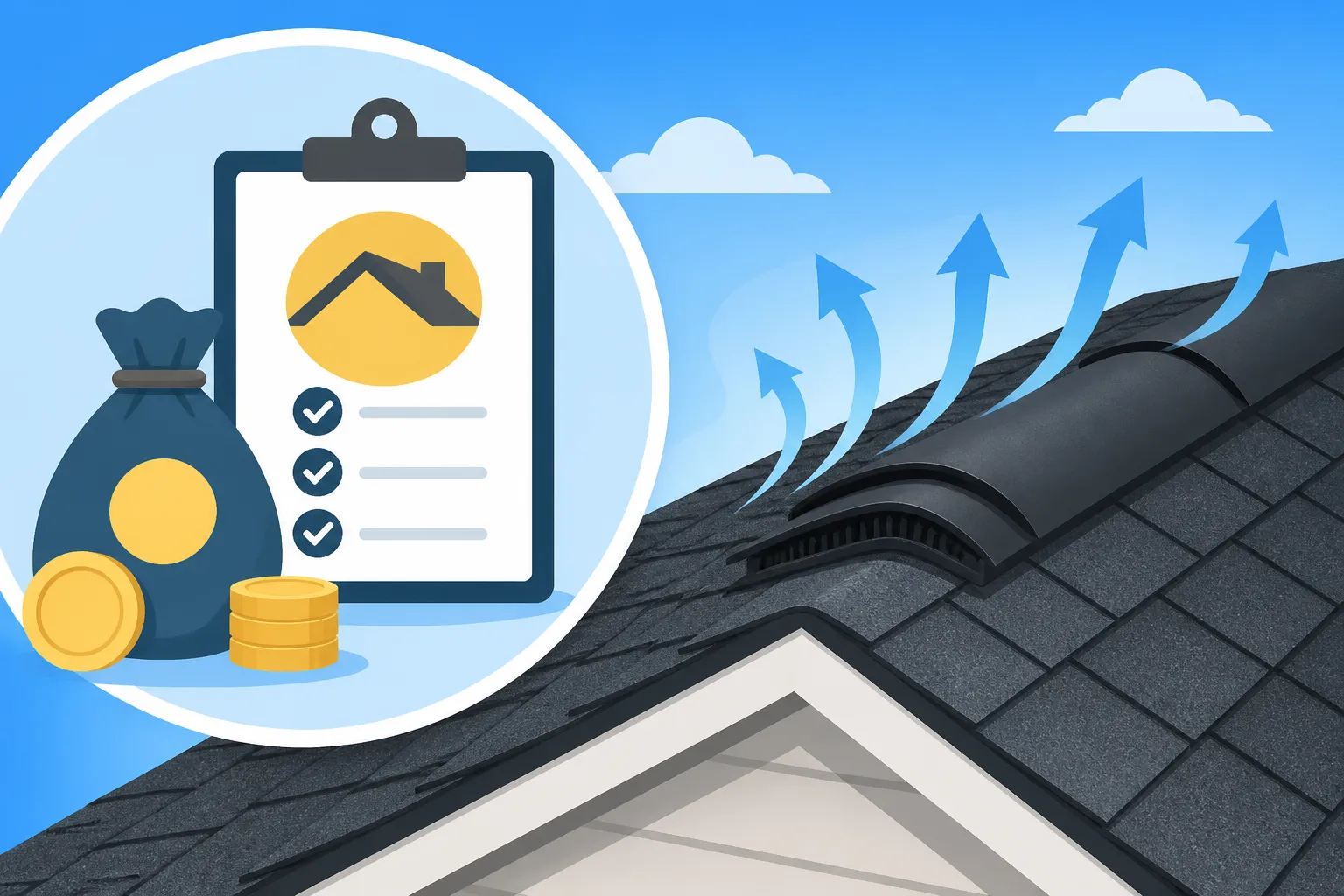
Cost of Ridge Vent Installation
The idea of replacing your roof can feel overwhelming, especially when you start digging into all the different components and their individual costs. One area that often leaves homeowners scratching their heads is roof ventilation, particularly something called a ridge vent. You know it's important for your home's health and comfort, but figuring out the actual cost of ridge vent installation, what drives that price, and whether it's truly worth the investment can feel like navigating a maze. This comprehensive guide is here to demystify everything you need to know about ridge vent installation costs, helping you budget wisely and make informed decisions for your asphalt roofing project.
Understanding the Essential Role of Ridge Vents
Before we dive deep into the dollars and cents, let's get a clear picture of what a ridge vent actually is and why it's such a crucial part of your roof system. It’s not just some fancy add-on; it’s a workhorse designed to protect your home.
The Critical Need for Proper Attic Ventilation
Many homeowners don't realize just how vital proper attic ventilation is until they're facing issues like soaring energy bills, premature roof deterioration, or even moisture problems inside their homes. Your attic is a critical buffer zone between your conditioned living space and the outdoors. Without adequate airflow, it can become an oven in the summer, radiating heat down into your home and making your AC work overtime. In winter, trapped warm, moist air can lead to condensation, which, over time, can cause wood rot, mold growth, and a host of other structural problems. It's a silent killer for your roof and home, often going unnoticed until significant damage has occurred. This is why understanding "How Roof Ventilation Works" is so important for homeowners.
How Ridge Vents Contribute to a Healthy Attic
A ridge vent is a type of exhaust vent installed along the entire peak, or ridge, of a sloped roof. It works in conjunction with intake vents, typically located in your soffits (the underside of your roof's eaves), to create a continuous airflow system. This design leverages the natural principle of convection, often called the "stack effect." Hot air, being lighter, naturally rises. As the sun heats your roof, the air in your attic warms up and rises, exiting through the ridge vent. Simultaneously, cooler, fresh air is drawn in through the soffit vents, creating a continuous loop. This constant exchange of air helps to regulate attic temperature, reduce humidity, and extend the lifespan of your asphalt shingles and roof decking by preventing heat and moisture buildup. It’s a passive system, meaning it operates without electricity, making it an efficient and low-maintenance solution.
The Many Benefits of Incorporating Ridge Venting
The benefits of a properly installed ridge vent system are extensive and touch upon various aspects of your home's comfort, longevity, and even your wallet. First and foremost, improved energy efficiency is a huge win. By preventing excessive heat buildup in the attic during summer, your air conditioner doesn't have to work as hard, leading to noticeable savings on your utility bills. Conversely, in winter, it helps prevent ice dams from forming by keeping the roof deck temperature closer to the outside air temperature, which stops snow from melting and refreezing at the eaves. Beyond energy, ridge vents significantly extend the life of your roofing materials. Extreme temperature fluctuations and moisture are major culprits in the premature aging of shingles, causing them to crack, curl, or blister. A well-ventilated attic mitigates these issues. Furthermore, by reducing moisture, you're protecting your home from potentially costly structural damage due to rot and mold, and also improving indoor air quality. It's a foundational element of a truly robust roofing system, and often a key component recommended by manufacturers for optimal performance of their shingles.
Key Factors Influencing Ridge Vent Installation Cost
When you're trying to figure out the cost of ridge vent installation, it’s not as simple as a flat per-foot price. Several variables come into play that can significantly swing the final bill. Understanding these factors will help you better interpret quotes from contractors and anticipate potential expenses.
Roof Size and Overall Complexity
One of the most straightforward factors affecting the cost is the size of your roof, specifically the linear feet of ridge line that needs venting. Naturally, a larger roof with more ridge line will require more materials and more labor to install the ridge vent along its entire length. Think about a simple gable roof on a ranch-style home versus a sprawling, multi-level house with several peaks, hips, and valleys. The latter will not only have more linear feet of ridge but also presents a more complex installation challenge. Each break, turn, or junction requires careful cutting and sealing, which takes more time and skill.
Moreover, the pitch or slope of your roof can play a role. A steeper roof requires more specialized equipment for safety, and the work itself is more difficult and time-consuming for roofers. This often leads to a "steep roof cost premium," as contractors need to account for the increased risk and effort. For instance, installing a ridge vent on a low-slope roof is far less demanding than on a roof with a 10/12 pitch where workers need to be securely harnessed and navigate treacherous angles. The more intricate the roof design, the higher the labor costs tend to be.
Existing Ventilation System and Roof Condition
The condition of your current roof and its existing ventilation system is another major cost driver. Are you adding a ridge vent to a brand-new roof installation, or is this an upgrade to an older roof? If it's part of a full "How a Roof Replacement Works: The Full Process", the labor cost for installing the ridge vent might be somewhat integrated into the overall project. However, if you're retrofitting a ridge vent onto an existing roof that currently has static box vents or turbine vents, the process will involve removing those old vents, repairing the decking, and then preparing the ridge.
Sometimes, retrofitting means dealing with improper cuts or damaged decking from previous ventilation attempts, which can incur additional "Roof Decking Replacement Cost". If the existing roof is nearing the end of its life, or has other issues like soft spots or water damage, addressing those problems before installing a new vent system is crucial. This can add unexpected costs, but ignoring underlying damage would only lead to further complications down the road. A good contractor will always inspect your entire roof and attic space to identify any issues that might affect the new ventilation installation.
Geographic Location and Local Building Codes
Where you live has a surprisingly significant impact on roofing costs, and ridge vent installation is no exception. Labor rates for roofing professionals vary widely by region, state, and even metropolitan area. A roofer in a high-cost-of-living city like San Francisco or New York will naturally charge more per hour than one in a rural area of Arkansas or Iowa. Additionally, material shipping costs can fluctuate based on proximity to suppliers and distribution centers.
Beyond general economic factors, local building codes and climate conditions play a crucial role. Some areas, particularly those prone to high winds or heavy snowfall, have stricter requirements for roof ventilation and how components like ridge vents must be installed. For example, hurricane-prone regions along the Gulf Coast or severe weather zones in the Midwest might mandate specific nailing patterns or types of ridge vents that offer enhanced wind resistance, which could add to material and labor costs. Inspectors will ensure that your new ridge vent system complies with all local regulations, so choosing a contractor who is intimately familiar with these codes is paramount. This ensures your installation is not only effective but also up to code, avoiding future headaches or violations.
Ridge Vent Material and Type Costs
Not all ridge vents are created equal, and the type you choose will directly impact the cost, as well as the aesthetics and performance of your roof. Understanding the different options available can help you balance budget with your long-term needs.
Plastic and PVC Ridge Vent Options
Plastic or PVC (polyvinyl chloride) ridge vents are often the most budget-friendly option on the market. These vents are typically lightweight, easy to install, and provide effective ventilation. They are designed to be durable, resisting rust and corrosion, and many come with internal baffles or filters to keep out insects, blowing snow, and rain. The material itself is relatively inexpensive, which translates into lower material costs for the homeowner.
However, there are a few considerations. While modern plastics are much improved, some homeowners are concerned about their long-term durability compared to other materials, especially in regions with extreme temperature fluctuations or intense UV exposure. Aesthetically, while many are designed to be low-profile and blend in, they might not offer the completely seamless look of a shingle-over vent. Despite these points, for many homeowners seeking an economical yet effective ventilation solution, plastic and PVC ridge vents remain a very popular choice. Their ease of installation often means slightly lower labor costs as well, making them an attractive all-around option.
Durable Aluminum Ridge Vent Systems
Aluminum ridge vents represent a step up in terms of material cost and often, durability. Aluminum is known for its excellent resistance to corrosion and rust, making it a robust choice for a component that will be exposed to the elements for decades. It's also lightweight, yet strong, and provides superior ventilation capacity compared to some plastic models due to its inherent structural integrity allowing for larger open areas.
While the material cost for aluminum is generally higher than plastic, its longevity and performance can offer a better long-term value. From an aesthetic perspective, aluminum vents can also be quite low-profile, and some are available in various colors to match your shingles more closely. Installation might be slightly more involved than basic plastic vents, sometimes requiring specialized cutting tools, but for experienced roofers, it's a routine task. Homeowners looking for a more robust and longer-lasting ventilation solution, especially in challenging climates, often opt for aluminum ridge vents, viewing the slightly higher initial investment as a worthwhile trade-off for enhanced durability and peace of mind.
Seamless Shingle-Over Ridge Vents
For homeowners who prioritize aesthetics, shingle-over ridge vents are often the top choice. These vents are designed to be virtually invisible once installed, as they are covered by the same shingles used on the rest of your roof. This creates a beautifully seamless, continuous look along the ridge line, maintaining the uniform appearance of your roof without visible plastic or metal protruding. Brands like GAF and Owens Corning offer excellent shingle-over ridge vent options that integrate flawlessly with their respective roofing systems.
The material for shingle-over vents might be plastic or fiberglass reinforced, but the key difference is their low-profile design and the ability to apply cap shingles directly over them. This superior aesthetic comes with a slightly higher material cost and often, a higher labor cost. The installation process is more meticulous, requiring careful shingle placement and additional cutting and sealing to ensure the vent remains concealed and watertight. However, for those who value curb appeal and want their ventilation system to blend perfectly with their architectural shingles, the added expense is typically considered well worth it. These vents are designed for excellent airflow while protecting against weather intrusion, proving that you don't have to sacrifice performance for looks.
Labor Costs for Ridge Vent Installation
Labor is often the largest component of any roofing project, and ridge vent installation is no exception. The expertise, time, and effort required to properly install these vents directly impact the overall cost.
Understanding Hourly Rates and Project Duration
Roofing labor costs vary significantly based on your geographic location, the specific contractor's experience and reputation, and the complexity of the job. Nationally, roofing labor can range from $45 to $85 per hour, but this can climb much higher in major metropolitan areas or for highly specialized work. When installing a ridge vent, contractors will typically estimate the project based on the linear feet of the ridge. While some might quote a per-linear-foot price that includes both labor and materials, it's important to understand the labor component.
The actual duration of the project depends heavily on the scope. If it's part of a full "How Long a Roof Replacement Takes", installing the ridge vent might add only a few hours to the overall timeline. However, if it's a standalone retrofit, it could take a team of two roofers half a day to a full day, depending on the linear feet and any unforeseen challenges. For a standard 1,500 to 2,000 square foot home, expect roughly 20-40 linear feet of ridge, which might translate to 4-8 hours of dedicated labor for the ridge vent itself. This timeframe often includes prep work, installation, and cleanup. When you get a quote, always ask for a breakdown of material versus labor to understand where your money is going, especially for the "Roofing Material Cost vs Labor Cost" balance.
Complexity of Installation and Roof Access
As touched upon earlier, the complexity of your roof's design directly influences labor costs. A straightforward gable roof offers easy access and a continuous ridge line, making for quicker, more efficient installation. However, if your roof has multiple angles, dormers, skylights, or a high pitch, the installation becomes significantly more challenging. Each interruption or change in direction along the ridge requires precise cutting, flashing, and sealing to ensure a watertight and effective ventilation system. This specialized work demands more time and a higher level of skill from the installers.
Furthermore, how easily roofers can access your roof also plays a role. If they need extensive scaffolding, specialized lifts, or if the property landscaping makes ladder placement difficult, these factors can add to the labor time and, consequently, the cost. Safety considerations are paramount, and contractors factor in the time and equipment needed to safely navigate complex or steep rooflines. Don't be surprised if a highly intricate roof adds a premium to your labor costs; it's a reflection of the increased difficulty and safety measures required.
Disposal and Preparation Work
Before a new ridge vent can be installed, whether it's on a new roof deck or an existing one, there's often significant preparation work involved. If you're replacing an old roof, a "What Happens During a Roof Tear-Off" will remove existing shingles, and then the ridge will need to be properly cut open to create the ventilation slot. This involves using specialized tools to cut a continuous opening precisely along the entire ridge line, without compromising the structural integrity of the roof deck. The precision of this cut is critical for optimal airflow and proper vent seating.
If you're retrofitting a ridge vent, existing static vents or turbine vents need to be removed. The openings left by these old vents must be patched and sealed properly before the ridge vent can go in. This often involves cutting new pieces of plywood or OSB for the roof decking and ensuring a seamless, watertight repair. Then, the ridge opening itself needs to be cut. Finally, there's the disposal of old materials. Shingles, old vents, and any debris generated during the installation process need to be hauled away. Many roofing companies include "Cost of Roof Tear-Off and Disposal" in their overall quotes, but for standalone ridge vent jobs, this might be itemized, adding to the total. This preparation and cleanup work is essential for a professional, long-lasting installation and shouldn't be overlooked in the cost breakdown.
Total Cost Scenarios and Real-World Examples
Let's bring these factors together and look at some realistic cost scenarios for ridge vent installation. Remember, these are estimates, and your actual cost will vary based on your specific home, location, and the contractor you choose.
Typical Home Installation Estimates
For an average single-story home of about 1,500 to 2,000 square feet, you might have roughly 20 to 30 linear feet of ridge. For a standard two-story home, especially with a more complex roofline, this could easily jump to 40-60 linear feet or even more.
Here's a breakdown of what you might expect for different scenarios:
- Small, Simple Gable Roof (approx. 20-25 linear feet): For a basic plastic or PVC ridge vent installed as part of a new roof replacement, you might be looking at a total cost, including materials and labor, in the range of $300 – $600. If it's a retrofit, expect this to be closer to the higher end or even slightly above, due to the added labor for removing old vents and prepping the ridge.
- Medium-Sized Home with Standard Roofline (approx. 30-45 linear feet): Opting for a higher-quality aluminum or shingle-over ridge vent on a new roof could range from $500 – $1,200. For a retrofit, especially if existing ventilation needs removal and decking repairs, this could push into the $800 – $1,500+ range.
- Large or Complex Roof (approx. 50+ linear feet): For homes with multiple ridges, a steeper pitch (which incurs a "Roof Replacement Cost by Pitch" premium), or a preference for high-end shingle-over systems, costs could range from $1,000 to $2,500 or more. This is where the additional labor for intricate cuts and careful shingle integration truly adds up.
These figures typically include the vent material, necessary nails and sealants, and the labor for cutting the ridge, installing the vent, and applying any cap shingles or finishing. Always get a detailed estimate that outlines each component.
Additional Costs to Consider During Installation
While the ridge vent itself might seem like a singular item, its installation can sometimes uncover or necessitate other related work, adding to the overall expense.
- Soffit Vents: A ridge vent is only truly effective when paired with adequate intake vents, usually located in the soffits. If your home lacks proper soffit ventilation, or if existing ones are clogged or insufficient, your contractor might recommend installing new ones or improving existing ones. The cost for new soffit vents can range from $5 to $20 per linear foot or $15-$50 per individual vent, plus labor.
- Roof Decking Repairs: As discussed, during a tear-off or retrofit, contractors might discover rotted or damaged roof decking, especially around old vent penetrations or areas with previous leaks. Replacing sections of plywood or OSB can add $50-$100 per sheet, plus labor.
- Flashing and Drip Edge: While typically part of a full roof replacement, if you're retrofitting a ridge vent and other components of your roof's perimeter are aging, it might be a good time to consider inspecting or updating your "Cost of New Flashing and Drip Edge" to ensure comprehensive weather protection.
- Permits: Depending on your local municipality, installing or upgrading a ventilation system might require a building permit. The cost for permits is usually minor, typically $50-$200, but failing to obtain one can lead to fines or issues during a home sale. A reputable contractor will handle the permit process for you.
Comparison Table: Ridge Vent Type Costs
To give you a clearer picture, here's a general cost comparison for different types of ridge vents, including both material and installation, based on an average 30 linear feet of ridge for a moderately complex roof. These are rough estimates and can fluctuate widely.
| Ridge Vent Type | Material Cost (per linear foot) | Installed Cost (per linear foot) | Total Estimated Cost (30 linear feet) | Key Advantages |
|---|---|---|---|---|
| Plastic/PVC | $2 – $5 | $15 – $25 | $450 – $750 | Most affordable, effective, resistant to rust |
| Aluminum | $4 – $8 | $20 – $35 | $600 – $1,050 | Durable, corrosion-resistant, good airflow |
| Shingle-Over | $5 – $10 | $25 – $45 | $750 – $1,350 | Excellent aesthetics, blends with roof, high performance |
Note: These ranges are illustrative. Actual costs depend on your location, contractor, roof complexity, and specific product chosen.
Strategies for Saving Money on Ridge Vent Installation
Investing in a new ridge vent system is a smart move for your home's longevity and energy efficiency, but that doesn't mean you can't be strategic about managing the costs. Here are some practical ways to potentially save money without compromising quality.
Bundling with a Full Roof Replacement Project
One of the most effective ways to reduce the per-unit cost of ridge vent installation is to incorporate it into a larger roofing project, like a full "How Much Does an Asphalt Shingle Roof Cost" or "Asphalt Roof Replacement Cost: Complete Breakdown". When roofers are already on-site, tearing off old shingles, preparing the roof deck, and installing new materials, the incremental labor cost for the ridge vent becomes much smaller. They are already set up with scaffolding, safety equipment, and all the necessary tools.
Think about it: if you hire a contractor solely for a ridge vent retrofit, they have to mobilize their crew, transport equipment, perform prep work, install, and then clean up—all for a relatively small task. This overhead drives up the standalone cost. As part of a larger project, much of that overhead is distributed across the entire job. It's simply more efficient for the roofing crew, and those efficiencies often translate into savings for you. Plus, installing a new ridge vent with a new roof ensures that your entire roofing system is integrated correctly from day one, maximizing performance and warranty coverage.
Getting Multiple, Detailed Roofing Quotes
This piece of advice is a golden rule for almost any home improvement project, and roofing is certainly no exception. Never settle for just one estimate. Contact at least three different reputable roofing contractors in your area to get quotes for your ridge vent installation. This not only gives you a range of pricing but also allows you to compare their approaches, recommended materials, and proposed timelines.
When you're comparing quotes, don't just look at the bottom line. Ask for a detailed breakdown that specifies the type of ridge vent, linear footage, labor hours, any additional materials (like new soffit vents if needed), permit costs, and disposal fees. A comprehensive quote ensures there are no "Hidden Costs in a Roof Replacement" lurking. This is where platforms like Modernize can be incredibly helpful. They can connect you with multiple pre-vetted contractors in your area, making the process of getting competitive bids much simpler. By seeing several options side-by-side, you can negotiate better, spot any potential overcharges, and ultimately choose a contractor who offers the best value for your specific needs. Learning "How to Read and Compare Roofing Estimates" will empower you significantly.
Considering DIY Installation (with Serious Caveats)
For the intrepid DIY enthusiast, installing a ridge vent might seem like a manageable project. The material cost itself isn't prohibitive, and many online tutorials demonstrate the steps. Indeed, if you have experience with roofing, are comfortable working at heights, and possess the necessary tools, you might save on labor costs.
However, and this is a big however, DIY ridge vent installation comes with significant risks and potential pitfalls that often outweigh the savings for most homeowners. Safety is the primary concern; falls from roofs can lead to severe injuries or worse. Beyond safety, improper installation can lead to costly problems. Cutting the ridge incorrectly, failing to seal properly, or using the wrong fasteners can result in leaks, reduced ventilation efficiency, or even void your shingle manufacturer's warranty. Remember, a ridge vent is designed to keep water out while letting air in—a delicate balance that requires precision. If you're not an experienced roofer, the potential for error is high, and fixing a leaky or ineffective vent down the line will almost certainly cost more than hiring a professional in the first place. For peace of mind and long-term protection of your home, especially with a component as critical as a roof vent, consulting with an experienced roofing contractor is almost always the smarter choice. If you're on the fence, reach out to a professional through services like Modernize to discuss your options and get an expert opinion.
Hiring the Right Professional for Ridge Vent Installation
Even if you're handy, installing a ridge vent is a job best left to experienced professionals. But how do you find the right one? Making an informed decision about your roofing contractor is just as important as the materials you choose.
Qualities of a Reputable Roofing Contractor
When you're entrusting someone with your home's primary protection, you want to be sure they know what they're doing. A reputable roofing contractor will possess several key qualities that instill confidence and ensure a high-quality job. First, they should be fully licensed and insured. This isn't just a formality; it protects you from liability if an accident occurs on your property and ensures the contractor meets state and local standards. Always ask for proof of their license and insurance certificates and verify them.
Secondly, look for experience and a strong local reputation. A contractor with years of experience specifically with asphalt roofing understands the nuances of proper installation, including ventilation. Check their online reviews on platforms like Google, Yelp, or the Better Business Bureau. Ask for local references and don't hesitate to call them. A good contractor will be transparent, responsive, and willing to answer all your questions thoroughly. They should also offer a clear, written contract that details the scope of work, materials, costs, and warranty information. A contractor that pressures you, offers suspiciously low bids, or asks for full payment upfront could be a "Roofing Contractor Red Flags to Avoid".
The Importance of Manufacturer Certification
When considering a roofing contractor, particularly for installations involving specific shingle brands and ventilation systems, inquire about their manufacturer certifications. Many leading shingle manufacturers, such as GAF, Owens Corning, and CertainTeed, offer certification programs for roofing contractors who meet rigorous standards. For example, a GAF Master Elite Contractor or an Owens Corning Platinum Preferred Contractor has demonstrated a commitment to quality workmanship, continuous training, and superior customer service.
Why does this matter for a ridge vent? Often, to qualify for the enhanced warranties offered by these manufacturers on their entire roofing system, all components—including underlayment, shingles, and ventilation—must be installed by a certified contractor according to their precise specifications. An improperly installed ridge vent, even if it seems functional, could potentially void parts of your comprehensive roof warranty. Choosing a manufacturer-certified contractor ensures that your entire roofing system, from the decking up to the ridge vent, is installed to the highest industry standards, maximizing its lifespan and protecting your investment with a robust warranty.
Questions to Ask During Your Consultation
During your initial consultation with a potential roofing contractor, come prepared with a list of questions. This isn't just about getting a quote; it's about evaluating their expertise and professionalism. Here are some key questions to ask, specific to ridge vent installation:
- "What type of ridge vent do you recommend for my specific roof and why?" This will show if they understand your home's unique needs and can explain the pros and cons of different materials.
- "How will this ridge vent integrate with my existing soffit or intake ventilation?" A good contractor will emphasize the importance of a balanced system. If you have no soffit vents, they should recommend installing them.
- "What is your process for cutting the ridge and ensuring a watertight seal?" This question delves into their installation expertise and attention to detail.
- "Are there any additional costs I should anticipate, such as for decking repair or permit fees?" This helps avoid surprises later.
- "What warranties do you offer on the installation, in addition to the manufacturer's product warranty?" A strong workmanship warranty is crucial.
- "Can you provide references from recent ridge vent or full roof installation projects?"
- "How long do you anticipate the installation will take, and what is the payment schedule?"
Asking these questions demonstrates you're an informed homeowner and helps you gauge the contractor's honesty, knowledge, and commitment to quality. Don't be afraid to take notes and compare answers as you meet with various professionals. By thoroughly vetting your options, you're taking a significant step towards a successful ridge vent installation.
Disclaimer
Please remember that this article provides general information and cost estimates. The actual cost of ridge vent installation can vary significantly based on your specific location, roof characteristics, chosen materials, and the contractor you hire. Always obtain multiple detailed quotes from licensed and insured professionals before committing to any roofing project.