Cost to Replace a Flat Asphalt Roof
Replacing a flat asphalt roof can feel like a daunting task, especially when you're staring down potential costs and trying to figure out if you're getting a fair deal. Many homeowners find themselves confused by the different flat roof systems and the specialized labor involved, leading to worries about unexpected expenses. This guide is here to demystify the cost of replacing a flat asphalt roof, breaking down everything from materials to labor, so you can approach your project with confidence and a clear understanding of what to expect.
The Unique World of Flat Asphalt Roofing Systems
When we talk about "flat asphalt roofs," it's a bit different from the sloped asphalt shingle roofs you see on most homes. Flat roofs, or low-slope roofs, rely on different methods to shed water, which in turn means different materials and installation techniques. This distinct approach is a major driver of their specific replacement costs. Understanding these systems is the first step in comprehending why their costs vary.
Understanding Built-Up Roofing (BUR)
Built-Up Roofing, often affectionately called "tar and gravel" roofs, has been around for over a century, a testament to its durability and effectiveness. This system is constructed on-site by layering alternating sheets of reinforcing fabric (like felt) and molten asphalt (bitumen). Imagine a giant, waterproof sandwich built directly on your roof deck. Typically, you'll see three to five such layers, with the final top layer being a surface of gravel or slag. This gravel not only protects the underlying layers from UV radiation and physical damage but also adds fire resistance and weight, helping to hold everything in place.
The installation of a BUR system is quite labor-intensive and requires skilled roofers. Handling hot asphalt, especially on a large surface, is a job for experienced professionals. The process involves heating large kettles of asphalt, spreading it evenly, and then carefully laying down the felt plies before repeating the process. It's a messy business, and the smell of hot tar can linger for a while, which is a common concern for homeowners during installation. Because of the multi-layered process, BUR roofs are incredibly robust and have a long lifespan, often 20-30 years, if properly installed and maintained. However, the complexity and specialized equipment mean that the initial installation and replacement costs can be higher compared to some other flat roof options.
Exploring Modified Bitumen Mod-Bit Systems
Modified Bitumen (Mod-Bit) roofing systems are essentially an evolution of traditional BUR, offering enhanced performance and easier installation in many cases. These roofs use asphalt that has been modified with polymer additives, typically either SBS (styrene-butadiene-styrene) or APP (atactic polypropylene). These modifiers give the asphalt increased flexibility, elasticity, and resistance to temperature extremes. Think of it as asphalt with added superpowers, allowing it to expand and contract better with thermal changes without cracking.
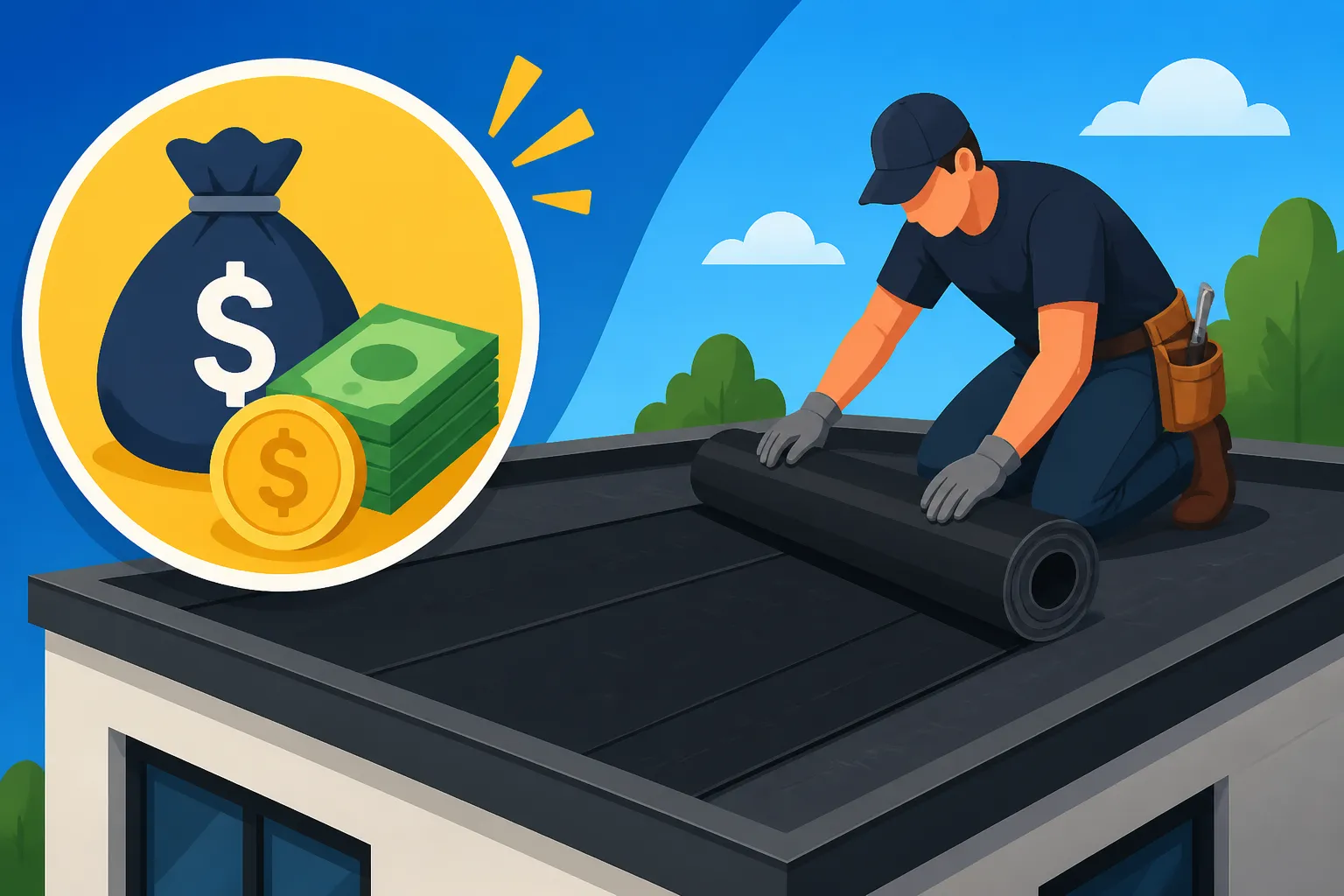
Mod-Bit comes in factory-manufactured rolls, which simplifies the application process compared to BUR. There are several application methods for Mod-Bit:
- Torch-Applied: This is a popular method where a roofer uses a propane torch to melt the underside of the Mod-Bit roll, bonding it directly to the substrate. While effective, it carries inherent fire risks and should only be performed by highly trained and cautious professionals.
- Self-Adhered: Often called "peel-and-stick," these rolls have an adhesive backing, making them safer and quicker to install. This is a favorite for many homeowners due to the reduced fire risk and faster installation, though the materials themselves can sometimes be more expensive.
- Hot-Applied: Similar to BUR, some Mod-Bit systems can be installed with hot asphalt, combining the benefits of both systems.
- Cold-Applied: These systems use special cold-applied adhesives, eliminating the need for torches or hot kettles.
Mod-Bit roofs generally offer excellent waterproofing and a more uniform surface than gravel-covered BUR. They are also known for their durability, often lasting 15-25 years. The cost to replace a flat asphalt roof using Mod-Bit can vary significantly depending on the application method and the specific type of polymer used. Self-adhered systems might save on labor but could cost more in material. When seeking quotes, it's crucial to understand which Mod-Bit system a contractor is proposing.
What Drives the Cost of Your Flat Asphalt Roof Replacement
The total bill for replacing your flat asphalt roof isn't just about the square footage or the material you choose. Several key factors can significantly swing the price, sometimes adding thousands to your final cost. It's essential to consider these elements when budgeting and evaluating bids, as they reflect the complexity and specific demands of your particular roofing project.
Roof Size, Accessibility, and Structure
It goes without saying that the larger your roof, the more material and labor it will require, directly impacting the overall cost. However, it's not always a linear calculation. A very large, open flat roof might be more efficient to work on per square foot than a smaller roof with numerous penetrations or obstacles. For example, a 1,000 sq ft flat roof might cost a certain amount, but a 2,000 sq ft roof doesn't necessarily cost exactly double; there can be economies of scale. Understanding the actual Roof Cost Per Square: What You'll Pay is crucial for a realistic budget.
Accessibility is another major factor. If your roof is easily accessible, perhaps from a low-slope section or a spacious yard, the labor costs for material delivery and debris removal will be lower. Conversely, if your building is tall, has limited access (e.g., in a dense urban area like a multi-story building in downtown Chicago), or requires specialized equipment like cranes or elaborate scaffolding, expect these logistical challenges to add a premium. Additionally, the complexity of the roof's structure plays a role. A perfectly rectangular, unobstructed flat roof is simpler to re-roof than one with multiple HVAC units, skylights, vents, or complex parapet walls. Each penetration requires meticulous flashing and sealing, increasing both material use and labor time. If you're wondering How Much Roofers Charge Per Hour, remember that these complexities directly translate into more hours on the job.
Condition of the Existing Roof and Decking
Before a new flat asphalt roof can be installed, the old one almost always needs to be removed. The condition of this existing roof system heavily influences the cost. If you have multiple layers of old roofing material, removal becomes a much bigger job, increasing both labor and disposal fees. Some local building codes restrict the number of layers allowed, often only permitting one or two, meaning a full tear-off is frequently mandatory. The Cost of Roof Tear-Off and Disposal, especially for heavier flat roofing materials like BUR, can be substantial because of the weight and bulk of the debris.
Beneath the roofing material lies the roof decking. This is the structural layer, usually plywood or OSB, that the roofing system is attached to. Water leaks, poor ventilation, or prolonged moisture exposure can lead to rot, mold, or structural damage in the decking. During the tear-off process, the contractor will inspect the decking. If significant sections are compromised, they will need to be replaced, which is an additional, often unexpected, expense. The Roof Decking Replacement Cost, including materials and labor, can quickly add hundreds or even thousands of dollars to your project, so it's wise to factor in a contingency for this possibility. A reputable contractor will document any decking issues and discuss them with you before proceeding.
Material Quality and System Enhancements
Just like with sloped roofs, flat asphalt roofing materials come in a range of qualities and prices. While the core materials (asphalt, felt, modified bitumen rolls) are fairly standard, there are premium options that offer enhanced durability, better reflective properties (for cool roofs), or extended warranties. For instance, thicker Mod-Bit membranes or those with specialized coatings will naturally cost more per square foot.
Beyond the primary roofing material, there are also various system enhancements that can add to the total cost but significantly improve your roof's performance and longevity. These might include:
- High-Quality Underlayment: While flat roofs have their own base layers, additional protection like ice and water shield in critical areas can be a smart investment, especially in colder climates.
- Improved Insulation: Upgrading the insulation beneath your flat roof can drastically improve your building's energy efficiency, though it's an upfront cost.
- Specialized Coatings: Reflective "cool roof" coatings, which can be applied over BUR or Mod-Bit, help reduce heat absorption, lowering your energy bills, but they are an extra expense.
- Advanced Drainage Systems: Ensuring proper drainage is paramount for flat roofs to prevent ponding water. Upgrades to drains, scuppers, or tapered insulation to create better slope can increase costs but prevent future leaks and structural issues.
- Robust Flashing: High-quality metal flashing around parapet walls, skylights, and vents is critical for preventing leaks. Skimping here can lead to costly repairs down the line.
Each of these choices adds to the overall Roofing Material Cost vs Labor Cost, but they also contribute to a more robust, long-lasting, and energy-efficient roofing system. It's a balance between initial investment and long-term value.
A Detailed Breakdown of Flat Asphalt Roofing Expenses
Understanding the factors that influence the cost is one thing, but seeing a clear breakdown of where your money goes is another. When you receive an estimate for replacing a flat asphalt roof, it typically encompasses several categories: the materials themselves, the labor to install them, and various other essential costs like permits and debris disposal. Let's delve into each of these components to give you a clearer picture.
Material Costs for BUR and Mod-Bit
The materials are, naturally, a significant portion of your budget. For a Built-Up Roof (BUR) system, you're looking at the cost of multiple layers of asphalt-saturated felt or fiberglass mats, along with the hot asphalt (bitumen) that binds them, and the final surfacing material, usually gravel. The price of these components can fluctuate based on petroleum prices, as asphalt is a petroleum product. On average, you might expect BUR materials alone to range from $3.00 to $6.00 per square foot, but this can vary.
For Modified Bitumen (Mod-Bit) systems, the material cost often depends on the type of polymer modification (SBS or APP) and the thickness of the membrane. Self-adhered Mod-Bit rolls, while saving on labor during installation, can sometimes have a higher material cost per roll than torch-down or hot-applied versions. Generally, Mod-Bit materials can range from $2.50 to $7.00 per square foot. Keep in mind that these figures don't include insulation, flashing, or other accessories that are crucial for a complete, watertight system.
Here's a quick comparison of common flat roofing material costs:
| Material Type | Average Material Cost Per Square Foot | Typical Lifespan | Key Benefit |
|---|---|---|---|
| Built-Up Roofing (BUR) | $3.00 – $6.00 | 20-30 years | Proven durability, fire resistance (with gravel) |
| Modified Bitumen (Mod-Bit) | $2.50 – $7.00 | 15-25 years | Flexibility, easier installation options |
| EPDM (Rubber – non-asphalt) | $3.00 – $6.00 | 20-30 years | Durability, weather resistance |
| TPO (non-asphalt) | $3.50 – $7.50 | 15-20 years | Energy efficiency (white surface), heat-welded |
Note: EPDM and TPO are non-asphalt options, included for general comparison as they are common flat roof materials, but the focus remains on asphalt-based systems.
Labor Costs for Specialized Flat Roof Installation
This is where a significant chunk of your budget goes, and for good reason. Installing a flat asphalt roof, whether BUR or Mod-Bit, requires a high level of skill, precision, and adherence to manufacturer specifications and building codes. Flat roofs are particularly susceptible to issues if not installed perfectly, as water doesn't drain as rapidly as on a steep-slope roof. Small errors can lead to major leaks and expensive damage down the line. The labor to replace a flat asphalt roof can range from $4.00 to $10.00 per square foot, often depending on the complexity of the roof and the specific system being installed.
For BUR systems, the hot application of asphalt and multiple layers of felt is a time-consuming and labor-intensive process, requiring a larger crew and specialized equipment. Mod-Bit, especially torch-applied, also demands experienced technicians due to the safety risks involved. Self-adhered Mod-Bit might reduce some labor time, but the installation still needs to be precise to ensure a proper seal. Factors like your geographic location also play a role; labor rates in urban centers like New York City or Los Angeles will be considerably higher than in smaller towns. Furthermore, roofs with multiple penetrations (vents, skylights, HVAC units), numerous edges, or a high pitch (even "flat" roofs can have a slight pitch) will increase labor time and thus costs. Getting a thorough breakdown of Asphalt Roof Labor Cost Explained, can help you understand these variables.
Essential Ancillary Costs and Permits
Beyond materials and labor, several other crucial costs contribute to the overall project. These are often considered "hidden costs" if not clearly itemized in an estimate, but they are absolutely necessary for a proper and compliant roof replacement.
First and foremost are permits. Most municipalities require a permit for roof replacement projects to ensure that the work complies with local building codes and safety standards. The cost of a permit typically ranges from a few hundred dollars to over a thousand, depending on your location and the scope of the project. It's usually the contractor's responsibility to pull the permit, but you should always confirm this and ensure it's done before work begins. Skipping a permit can lead to fines, required re-work, and even issues with future home sales. You can learn more about this in our guide, "Do You Need a Permit to Replace a Roof."
Disposal fees for the old roofing material are another substantial expense. As mentioned earlier, flat roofing materials, especially BUR with its gravel surfacing, can be very heavy. The cost of hauling away and properly disposing of this waste at a landfill or recycling facility is directly related to its weight and volume. This can range from a few hundred dollars to well over a thousand for larger roofs.
Other ancillary costs might include:
- Dumpster Rental: Necessary for collecting all the old roofing material and debris.
- Protective Measures: Tarps, plywood, and other coverings to protect your landscaping, siding, and property during the tear-off and installation.
- Inspections: Beyond the initial permit inspection, additional inspections might be required at various stages of the project.
- Warranties: While basic manufacturer warranties are usually included, extended or upgraded warranty options often come with an additional cost but offer greater peace of mind.
- Unforeseen Repairs: As discussed, if rotted decking or unexpected structural issues are discovered during the tear-off, these will be extra costs. Always ask your contractor about their process for handling such discoveries.
These items, when combined, can easily add 10-20% to your total project cost. Make sure your estimate clearly outlines all these potential expenses to avoid any surprises. Neglecting these details can lead to significant Hidden Costs in a Roof Replacement.
Navigating Estimates and Securing the Best Value for Your Flat Roof
Getting a new flat asphalt roof is a significant investment, and you want to ensure you're getting quality work at a fair price. This isn't a decision to rush into. Taking the time to properly vet contractors, understand their proposals, and budget wisely will save you headaches and money in the long run. The process might seem overwhelming, but a systematic approach will help you make an informed decision.
The Importance of Multiple, Detailed Quotes
One of the biggest mistakes homeowners make is settling for the first or second roofing estimate they receive. For a project as complex as a flat asphalt roof replacement, you should aim to get at least three to five detailed quotes from reputable local contractors. This isn't just about finding the lowest price; it's about comparing the scope of work, the materials proposed, the warranties offered, and the contractor's approach.
When collecting quotes, ensure each contractor provides:
- Clear Material Specifications: What type of BUR or Mod-Bit system are they proposing? What are the layers, thickness, and manufacturer of each component?
- Detailed Labor Breakdown: What exactly does the labor include? How many layers will be torn off? What are their safety protocols?
- Itemized Ancillary Costs: Are permits, disposal, flashing, insulation, and any other components clearly listed with their associated costs?
- Warranty Information: What manufacturer warranty is offered, and what is the workmanship warranty from the contractor?
- Timeline: How long do they estimate the project will take, and when can they start?
Don't hesitate to ask questions. A good contractor will be happy to explain their proposal in detail. You can use platforms like Modernize to connect with pre-vetted local roofing professionals, making the process of gathering multiple estimates more streamlined. When comparing, remember that the cheapest bid isn't always the best. A significantly lower price could indicate corner-cutting, use of inferior materials, or a lack of proper insurance and licensing. Our guide on How to Read and Compare Roofing Estimates, provides an excellent framework for this critical step.
Recognizing Red Flags and Ensuring Quality Work
Choosing the right roofing contractor is paramount, especially for flat roofs where proper installation is so critical. Unfortunately, the roofing industry, like many home improvement sectors, can attract unscrupulous individuals. Knowing what red flags to look for can protect you from poor workmanship, scams, and financial headaches.
Here are some major red flags to watch out for:
- High-Pressure Sales Tactics: If a contractor demands you sign a contract "today" to get a special price, walk away. Reputable companies give you time to consider your options.
- Unsolicited Door-to-Door Offers: Be wary of roofers who show up unannounced, especially after a storm, claiming they've noticed damage. While some legitimate companies do canvass, it's a common tactic for "storm chasers" who might do shoddy work and disappear.
- Requiring Full Payment Upfront: No reputable contractor will ask for 100% of the project cost upfront. A reasonable deposit (typically 10-30%) is normal, with progress payments scheduled throughout the project.
- Lack of Proper Licensing and Insurance: Always verify a contractor's license with your state or local licensing board and ask for proof of liability and worker's compensation insurance. If a worker gets injured on your property and the contractor isn't properly insured, you could be held liable.
- No Written Contract or Vague Details: A comprehensive written contract is essential. It should detail the scope of work, materials, timeline, payment schedule, and warranty information. If it's not in writing, it doesn't exist.
- Cash-Only Deals: While a small discount for cash might be offered, insistence on cash-only payments can be a sign that they're trying to avoid taxes or operate without proper documentation.
- Discounts for Using Your Insurance Claim Check: This is a common tactic for inflating claims or performing subpar work. Your insurance company should pay for the damage, not fund a "deal" with your contractor.
Before hiring, check online reviews on sites like Google, Yelp, and the Better Business Bureau. Ask for local references and call them. Verify their manufacturer certifications (e.g., if they claim to install CertainTeed or GAF products). A truly professional contractor, perhaps one you find through a trusted platform like Modernize, will be transparent, communicative, and provide all necessary documentation. Investing time in choosing How to Choose a Roofing Contractor, and asking the Questions to Ask a Roofing Contractor Before Hiring, will pay dividends in the quality and longevity of your new flat asphalt roof.
Disclaimer
The information provided in this article is intended for general guidance and informational purposes only, and does not constitute professional advice. Roofing costs can vary significantly based on location, contractor, materials, and specific project requirements. Always obtain multiple, detailed estimates from licensed and insured roofing professionals and consult with local building authorities regarding permits and codes before undertaking any roofing project.