Do You Need a Permit to Replace a Roof
It's a common thought when you're facing a roof replacement project: "Do I really need a permit for this?" The sheer thought of dealing with local bureaucracy, paperwork, and inspections can be enough to make anyone want to skip it. But understanding when and why a roofing permit is required is absolutely crucial, not just for legal compliance but for your home's safety and your financial well-being. This comprehensive guide will demystify the process, explain the regulations, and walk you through everything you need to know about roofing permits for your asphalt shingle roof.
The Core Question: Do You Really Need a Permit for Your Roof Replacement?
Let's get right to it: in almost all cases, yes, you absolutely need a permit to replace your roof. This isn't just a suggestion; it's typically a legal requirement set forth by your local municipality, county, or state. Thinking you can just swap out shingles without anyone noticing might seem appealing for a moment, but it opens up a whole can of worms you really don't want to deal with later. This isn't just about adhering to some arbitrary rule; it’s about ensuring the work done on your home meets essential safety and structural standards. The permit process is designed to protect you, the homeowner, by verifying that the roofing job is performed correctly and safely.
The Local Authority Factor
The specific rules around roofing permits are very much a local affair. What's required in Orlando, Florida, might be vastly different from what's needed in Flagstaff, Arizona, or even across different counties within the same state. Each city, town, or county has its own building department that sets and enforces these regulations. They publish local building codes and ordinances that dictate when permits are necessary, what documentation is required, and what inspections will take place. This patchwork of rules can be incredibly frustrating for homeowners trying to figure things out, which is why your first step should always be to check with your local building authority. Sometimes, even small repairs might need a permit, while other times minor patch-ups are exempt. It truly depends on where you live.
For instance, in some hurricane-prone areas of Florida, such as along the coast near Tampa or Miami, the requirements for roofing permits are incredibly strict, often demanding specific wind-mitigation measures and higher-grade materials like impact-resistant shingles. Meanwhile, a quieter suburban area in Ohio might have less stringent, but still critical, requirements focused on basic structural integrity and material quality. It’s never safe to assume; a quick call or visit to your local planning and zoning office can clarify everything you need to know about Roofing Permit Cost and Process.
Why Permits Exist
At its heart, the permit system is about protection and enforcement. Building permits for roofing projects serve several vital purposes. First and foremost, they ensure public safety. A properly installed roof protects your home's structure, keeps out the elements, and prevents potential hazards like falling debris or structural collapse. Without a permit, there's no official oversight to guarantee the work meets minimum safety standards. Imagine a shoddy job that leads to leaks, mold, or even a compromised roof structure – permits aim to prevent these nightmares.
Secondly, permits enforce building codes. These codes are a set of rules specifying the minimum standards for constructed objects such as buildings and non-building structures. They cover everything from the type of materials allowed (like specific asphalt shingle types) to the nailing patterns, ventilation, and flashing installation. When you pull a permit, you're essentially agreeing that the work will conform to these standards, and inspectors will verify that it does. These codes evolve, especially with new material technologies and increased understanding of weather resilience, so permits ensure your home is up to date. You can learn more about specific regulations in our guide on Roofing Building Codes: What to Know.
Finally, permits help local governments maintain records of improvements and ensure compliance with zoning laws. These records can be crucial for future home sales, insurance claims, and even property tax assessments. It’s not just about the moment the roof is installed; it's about the long-term integrity and value of your home.
Understanding What a Roofing Permit Entails
So, you've accepted that a permit is probably in your future. What does that actually mean? It’s not just a single piece of paper; it’s a process that involves application, documentation, fees, and inspections. While it might sound daunting, especially if you're managing the project yourself, a reputable roofing contractor will typically handle most of this for you. Still, understanding the components will empower you as a homeowner.
What a Permit Application Involves
Applying for a roofing permit isn't usually as complex as, say, getting a permit for a new addition to your home, but it still requires attention to detail. You'll typically need to submit an application form to your local building department. This form will ask for basic information about your property, the scope of work (e.g., "tear-off and replacement of asphalt shingles"), the estimated cost of the project, and details about the contractor performing the work (including their license number and insurance information).
In some cases, especially if your roof has unique features, a steep pitch, or if you’re in an area with specific wind or snow load requirements, you might need to provide more detailed plans. This could include a diagram of your roof, a list of specific materials to be used, and sometimes even engineering specifications, although this is less common for a standard asphalt shingle replacement. The goal is to provide the authorities with enough information to confirm that the planned work adheres to local codes before any hammers start swinging.
The Inspection Process
This is where the rubber meets the road. Once your permit is issued, it's not a free pass to do whatever you want. Most roofing projects that require a permit will also require at least one, and sometimes two, inspections. The exact number and timing of inspections can vary.
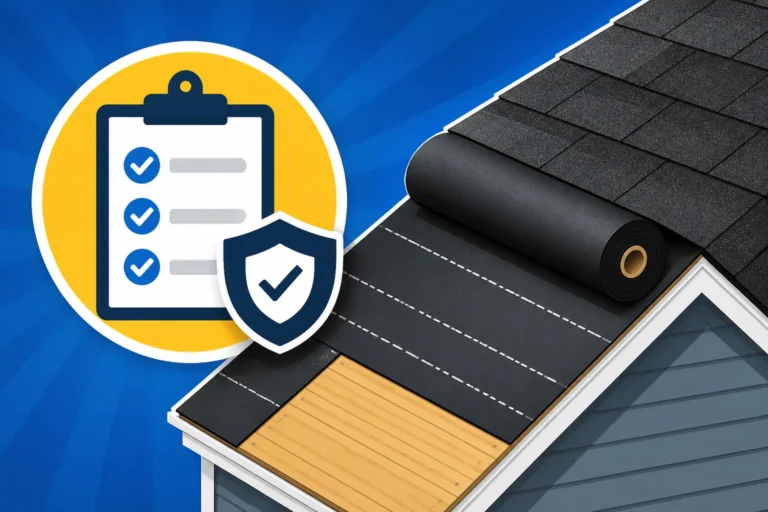
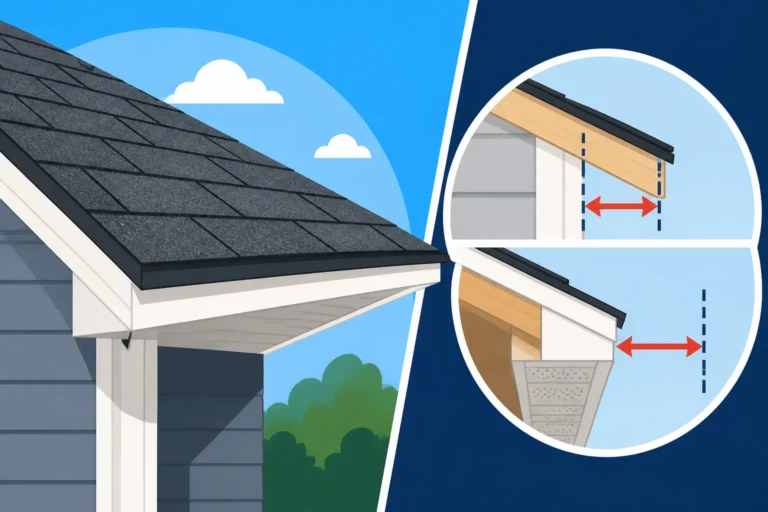
- Pre-installation Inspection (Optional but common): Some jurisdictions require an inspection before any new roofing materials are laid down. This is particularly important after the old shingles have been torn off but before the new underlayment is installed. The inspector will check the condition of your roof decking for any rot or damage, ensuring it's structurally sound and adequately secured. They'll also verify that critical components like the drip edge and ice and water shield are installed correctly according to code. This is a crucial step that can prevent future problems.
- Final Inspection: Once the entire roof replacement is complete, a final inspection will be necessary. During this visit, the inspector will check the overall quality of the installation, looking for proper shingle placement, adequate flashing around chimneys and vents, correct ventilation, and general adherence to the approved plans and local building codes. If everything looks good, they'll sign off on the permit, officially closing out the project. This final sign-off is what ultimately certifies that your new roof is code-compliant.
If the inspector finds issues during either stage, they will typically issue a "red tag" or a list of deficiencies that must be corrected. The work cannot proceed (or cannot be considered complete) until these issues are resolved and re-inspected. This might sound like a hassle, but it’s a critical safeguard.
Typical Permit Fees
Yes, permits aren't usually free. The cost of a roofing permit can vary widely depending on your location and the scope of your project. These fees help cover the administrative costs of processing applications, reviewing plans, and conducting inspections.
In smaller towns or rural areas, a roofing permit might only be $50-$100. In larger metropolitan areas or regions with stricter regulations, you could be looking at several hundred dollars, sometimes even more. For example, in a densely populated county like Los Angeles, California, or Cook County, Illinois, permit fees tend to be higher due to increased administrative demands and more complex regulatory frameworks. It's often calculated based on the estimated value of the job or a flat fee for roofing projects.
While it's an added expense, consider it an investment in peace of mind. The cost of fixing a non-compliant roof or dealing with legal issues down the line will almost certainly far exceed the initial permit fee. When you're comparing bids, make sure to ask each contractor if the permit fees are included in their quote or listed as a separate line item. This transparency helps you compare How to Read and Compare Roofing Estimates accurately.
The Critical Reasons Why You Shouldn't Skip the Permit
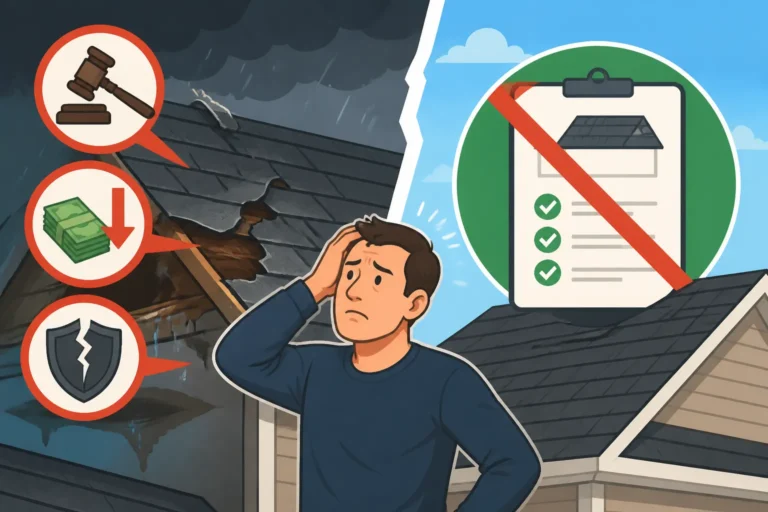
It's tempting to think about cutting corners, especially when faced with the cost and perceived hassle of a roof replacement. However, skipping the permit is a gamble with incredibly high stakes. The potential negative repercussions far outweigh any temporary convenience or minor cost savings. This is one area where "better safe than sorry" isn't just a cliché; it's a financial and structural imperative.
Safety and Structural Integrity
This is arguably the most important reason why permits are mandatory. Your roof is not just a decorative cap on your house; it's a complex system designed to protect your home's structural integrity from everything Mother Nature throws at it – wind, rain, snow, and hail. Improper installation or the use of substandard materials can lead to catastrophic failures. Imagine heavy winds tearing off sections of a poorly installed roof, or a leaky roof leading to widespread rot in your attic and ceiling joists. These aren't just minor inconveniences; they're major safety hazards and incredibly expensive repairs.
Permit inspections act as an independent verification that your roof is built to withstand these forces. They ensure that the underlying roof decking is sound, that the correct number of nails is used per shingle, that flashing around penetrations is properly sealed, and that ventilation is adequate. Without this oversight, you're entirely at the mercy of your contractor's honesty and skill, which, while often high, isn't always guaranteed without an external checkpoint. This is why understanding Roofing Inspection: What Inspectors Check is so important for homeowners.
Code Compliance and Future Home Sales
Building codes are not arbitrary suggestions; they are minimum standards for safety and structural performance. A permit ensures your new roof complies with these codes. If your roof replacement is done without a permit, and therefore without inspection, there's no official documentation that it meets these standards.
This lack of documentation can become a massive headache when you decide to sell your home. Most prospective buyers, especially those using financing, will have a home inspection. A savvy home inspector will often check for permits for major renovations like a roof replacement. If they discover no permit was pulled, it immediately raises a red flag. Lenders might hesitate to approve a mortgage for a property with unpermitted work, and buyers might demand you get retroactive permits (which can be more expensive and difficult to obtain) or significantly reduce their offer. In some cases, it could even scuttle the sale entirely.
Retroactive permitting often involves exposing the work for inspection (meaning parts of the new roof might have to be torn up), paying double or triple the original permit fees, and facing potential fines. It’s an unnecessary headache and expense that can easily be avoided by doing things right from the start.
Insurance Coverage and Liability
This is another critical area where skipping a permit can burn you badly. If you have a major storm event – say, a hurricane or a severe hailstorm – and your roof sustains damage, your insurance company will send out an adjuster to assess the claim. If they discover that your roof was replaced without a proper permit, they could potentially deny your claim. Many insurance policies have clauses that exclude coverage for damage resulting from unpermitted work or work that doesn't comply with building codes.
Imagine paying thousands of dollars for a new roof, only for a storm to hit a year later, and your insurance company refusing to cover the repairs or replacement because you didn't get a $200 permit. That’s a truly devastating financial blow.
Furthermore, if a worker is injured on your property during unpermitted work, you could face significant liability. While a reputable contractor should carry their own insurance, the lines can become blurry if permits and code compliance are ignored. Always ensure your contractor is fully Licensed and Insured Roofers: Why It Matters and that all required permits are pulled. This isn't just about protecting your house; it's about protecting your personal finances and legal standing.
Navigating Local Regulations: State-by-State Variations
As mentioned, roofing permit requirements are not universal. They are highly localized, varying not just from state to state but often from county to county and city to city within the same state. This makes a blanket statement impossible, but understanding the general patterns and why these variations exist can help you know what to look for in your specific area.
Permit Requirements in High-Risk Areas
States prone to severe weather events often have the most stringent roofing permit and building code requirements. This is a direct response to the need for homes to withstand extreme conditions.
- Florida: Known for hurricanes, Florida has some of the strictest roofing codes in the nation, particularly in coastal regions. Permits are almost always required for roof replacements, and inspections will rigorously check for adherence to wind mitigation techniques, such as specific nailing patterns, enhanced drip edge installation, and the use of ice and water shield. These requirements aim to minimize damage from high winds and driving rain. You can find detailed information about Asphalt Roof Replacement Cost in Florida which often includes these robust permit requirements.
- Texas: Large parts of Texas, especially areas like Dallas-Fort Worth or Houston, are susceptible to hail and high winds. Many communities here will require permits for roof replacements to ensure new roofs are built to resist these conditions. There's a growing emphasis on impact-resistant shingles and proper installation techniques to prevent wind uplift.
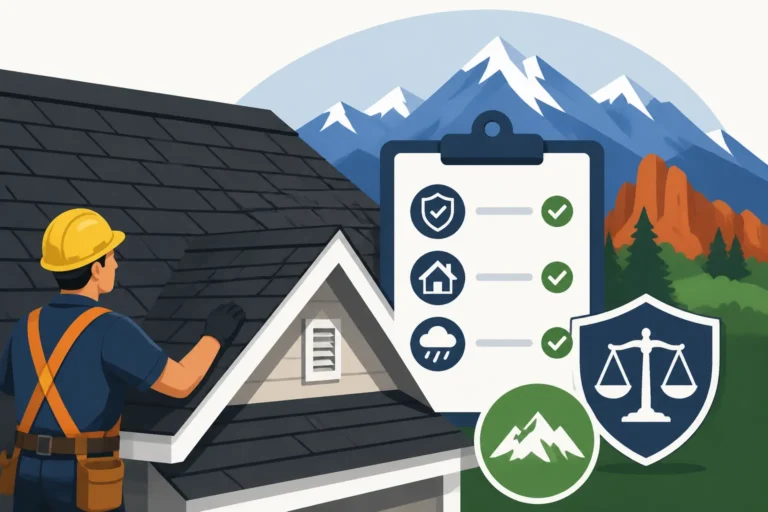
- Colorado: Being in "Hail Alley," Colorado also sees significant hail damage. Some counties in Colorado actively promote or require Class 4 impact-resistant shingles, which will naturally be part of the permit review process. The permits ensure that installations are robust enough to handle the region's climate challenges.
These areas don't just enforce permits; they often mandate specific materials and installation methods to enhance resilience. Ignoring these could mean a roof that fails prematurely and leaves you vulnerable.
Urban vs. Rural Differences
The population density and level of development in an area often correlate with the strictness of permit regulations.
- Urban and Suburban Areas: Major cities and their surrounding suburbs typically have well-established building departments and comprehensive permit requirements. This is because dense populations mean that construction issues can affect more people (e.g., a flying shingle from one house could damage another). These areas often have dedicated staff whose job it is to review plans and conduct inspections. Examples include metropolitan areas in California, New York, and Illinois, where virtually any significant alteration to a home requires a permit and rigorous oversight.
- Rural Areas: In very rural or unincorporated areas, permit requirements might be less stringent, or in rare cases, even non-existent for certain types of work. This isn't to say they don't care about safety, but the administrative infrastructure might be less developed, and the impact of individual construction projects is perceived as lower. However, even in rural settings, it's dangerous to assume. Always verify with the local county building department or equivalent authority. Even if a local permit isn't strictly enforced, state-level regulations or manufacturer warranty requirements might still implicitly demand code-compliant installation, which permits help verify.
Specific State Examples
To give you a clearer picture, let's briefly look at some state-level nuances:
- California: Known for strict environmental and building codes, California generally requires permits for roof replacements to ensure energy efficiency, proper structural integrity (especially in earthquake zones), and adherence to fire safety standards, especially in wildfire-prone areas.
- New York: In New York, especially in its densely populated cities and suburbs, permits are essential. These regulations focus on structural soundness, weather resistance, and adherence to specific codes like those in regions prone to heavy snow loads and ice dams. Ice and water shield requirements are often a critical part of the permit review in colder climates.
- Ohio: While not facing hurricanes, Ohio's communities still require permits for roof replacements. The focus here is typically on general structural integrity, proper ventilation, and basic weatherproofing. Regulations ensure consistency across contractors and protect homeowners from shoddy work.
The table below provides a general overview, but always remember to check your specific city or county.
| State/Region | General Permit Requirement for Roof Replacement | Common Emphasis/Key Considerations | Potential Exceptions (Always Verify) |
|---|---|---|---|
| Florida | Almost always required | Wind mitigation, specific nailing, material strength | Minor repairs only |
| California | Highly likely to be required | Energy efficiency, fire ratings, seismic resistance | Minor repairs only |
| Texas | Often required, especially in urban areas | Hail/wind resistance, Class 4 shingles | Very minor repairs |
| New York | Generally required | Ice dam protection, snow load, proper insulation | Minor repairs only |
| Arizona | Usually required | Heat resistance, energy efficiency, ventilation | Very minor repairs |
| Ohio | Typically required | Structural integrity, general weatherproofing | Small patches |
| Unincorporated Rural | Varies widely, often less strict | Basic safety, local zoning | May be exempt entirely, but rare |
It's clear that the answer to "Do you need a permit to replace a roof?" is a resounding "yes" in most developed areas across the country. Researching Roofing Regulations by State is a great first step, but always narrow it down to your specific local jurisdiction.
The Permit Process: A Step-by-Step Walkthrough
Alright, so we've established why you need a permit. Now, let's talk about the how. The process, while varying in specifics from one locality to another, generally follows a predictable path. Understanding these steps will make you a more informed homeowner, whether you're tackling the paperwork yourself or relying on your contractor.
Who Files the Permit: Homeowner or Contractor?
This is a common question, and the answer almost always points to your roofing contractor taking the lead. A reputable, licensed, and insured roofing contractor will typically handle the entire permit application process for you. They have the experience, know the local codes, and have established relationships with the building department. This is a huge benefit of hiring a professional. When you're interviewing potential roofers, always ask them about their process for securing permits and if the permit fees are included in their quote.
However, as a homeowner, you can pull the permit yourself. This is generally only advisable if you are also acting as the general contractor for the project and are very familiar with local building codes and the permit process. If you're hiring a contractor but pulling the permit yourself, be aware that you are then taking on some of the legal responsibility for ensuring the work complies with codes. Most experts strongly recommend letting the contractor pull the permit. This clearly places the responsibility for code compliance and successful inspections on the party doing the work. This topic is so important that we've dedicated an entire article to it: Who Pulls the Roofing Permit: You or the Contractor.
Gathering Necessary Documentation
Whether it's you or your contractor, certain documents will be needed for the permit application. This usually includes:
- Application Form: A standard form provided by your local building department, requiring property owner information, contractor details, and a description of the work.
- Site Plan/Property Survey: Sometimes required, particularly if the roof structure is being altered significantly (which is rare for a standard asphalt shingle replacement). This shows your property lines and the footprint of your home.
- Proof of Ownership: A deed or tax record to confirm you own the property.
- Contractor's License and Insurance: The building department will want to see proof that your contractor is properly licensed and carries general liability and workers' compensation insurance. This protects both you and the workers.
- Scope of Work Description: A detailed explanation of what will be done, including materials to be used (e.g., "GAF Timberline HDZ architectural shingles"), tear-off details, underlayment type, and ventilation plans.
- Payment of Fees: The permit fee itself, which must be paid at the time of application.
Make sure you keep copies of everything submitted and the approved permit itself. Your contractor should also display the permit prominently at the job site, as this is often required by law.
Scheduling Inspections
Once the permit is issued and work begins, inspections become the next key step. Your contractor is responsible for calling the building department to schedule these inspections at the appropriate stages of the project.
- Mid-Roof Inspection: This is often the most critical inspection for roofing. It happens after the old roof has been completely torn off, any necessary roof decking repairs have been made, and the underlayment and flashing (like ice and water shield and drip edge) have been installed, but before the new shingles are laid down. This allows the inspector to verify the structural integrity of the roof deck and ensure the foundational waterproofing layers are correctly applied. If you’re getting a Cost of Roof Tear-Off and Disposal service, this inspection ensures the underlying work is up to snuff.
- Final Inspection: Once all the new shingles are installed, the ridge vents are in place, and the entire project is complete, the final inspection is scheduled. The inspector will check the overall workmanship, shingle alignment, proper flashing, and ensure all components adhere to the building codes and the approved permit plans.
It's important that you or your contractor schedule these inspections promptly. Delays in scheduling can hold up the project, and in some jurisdictions, failing to call for an inspection at the required stage could lead to fines or re-work. The goal here is cooperation, not confrontation.
What Happens If You Don't Get a Permit? The Consequences
We've touched on this a bit already, but let's dive deeper into the very real and often severe consequences of skipping a roofing permit. This isn't just about a slap on the wrist; it can lead to significant financial strain, legal troubles, and long-term headaches that make the initial permit process seem trivial by comparison. This section serves as a stark warning to anyone considering cutting corners on this essential step. For a full rundown, refer to our dedicated guide on What Happens If You Skip a Roofing Permit.
Financial Penalties and Stop Work Orders
One of the most immediate and impactful consequences of unpermitted work is the potential for significant financial penalties. If your local building department discovers that a roof replacement was completed (or is in progress) without a permit, they can issue fines. These fines are often substantially higher than the original permit fee, sometimes two or three times the amount, as a punitive measure. In some areas, fines can range from hundreds to thousands of dollars, depending on the severity and duration of the violation.
Even worse, if work is still underway, the building department can issue a "stop work order." This means all construction must immediately cease until a permit is obtained and all issues are resolved. This can lead to costly delays for your project, potentially leaving your home exposed to the elements, and can strain your relationship with your contractor if they were not diligent about securing the permit. The contractor might also face penalties or even have their license jeopardized.
Beyond fines, you may also be forced to "expose" the work for inspection. This means tearing off newly installed shingles, underlayment, and other components to allow an inspector to verify the underlying structural work. This adds significant labor and material costs, effectively paying for the roof installation twice, plus the fines.
Issues During Resale and Financing
This is a quiet, insidious consequence that often only rears its head years down the line when you're ready to sell your home. As we discussed earlier, a professional home inspector will likely note the lack of a permit for a major renovation like a roof replacement. This immediately becomes a problem for potential buyers.
- Buyer Concerns: Buyers will worry about the quality and safety of the unpermitted work. They won't have any official assurance that the roof meets current building codes. This can lead them to demand a price reduction, or worse, walk away from the deal entirely.
- Lender Requirements: Mortgage lenders are very cautious about financing properties with unpermitted work. It poses a risk to their investment. They may refuse to approve a loan until the permit issue is resolved. This often involves the homeowner applying for a "retroactive permit," which can be a drawn-out, expensive, and stressful process. You might have to pay higher fees, provide additional documentation, and potentially expose parts of the roof for inspection, all while trying to close a home sale.
- Appraisal Problems: An appraiser might also flag unpermitted work, potentially impacting the home's appraised value. This can affect how much a buyer can borrow, further complicating a sale.
In essence, a seemingly minor omission today can become a massive barrier to selling your most valuable asset tomorrow.
Warranty and Insurance Complications
This consequence hits hard when you need your roof to perform its best. Many manufacturer warranties for asphalt shingles require that the product be installed in accordance with local building codes. If your roof was installed without a permit and subsequently without inspection, and therefore no official verification of code compliance, your manufacturer's warranty could be jeopardized. If issues arise with the shingles, the manufacturer might deny your claim on the grounds that the installation was not compliant.
Similarly, we touched on how insurance companies might deny claims for storm damage on an unpermitted roof. If a major hail event or windstorm tears through your area, and your insurance adjuster discovers the lack of a permit, they have grounds to refuse payment for repairs or replacement. This means you’d be solely responsible for the entire cost of a new roof, potentially thousands of dollars, simply because you didn't follow the permit process.
The stakes are simply too high. Always ensure your contractor pulls the correct permits and that all required inspections are completed. It's a fundamental part of a sound Roofing Warranty: Workmanship vs Manufacturer and insurance coverage.
When Might a Permit NOT Be Required?
While the general rule is "always get a permit," there are specific, limited circumstances where a permit might not be necessary. These are typically for minor repairs or specific types of structures, but it's crucial to understand the distinction. Never assume; always verify with your local building department. The cost of a few phone calls is always less than the cost of a fine or fixing unpermitted work.
Minor Repairs vs. Major Replacements
The key distinction often lies between a "repair" and a "replacement."
- Minor Repairs: Most jurisdictions allow very minor repairs without a permit. This typically includes things like replacing a few missing or damaged shingles, patching a small leak, or re-securing loose flashing. The threshold for what constitutes a "minor repair" varies. Some areas define it by the percentage of the roof surface being repaired (e.g., less than 10% or 25% of the total roof area), or by the estimated cost of the repair. If you're simply replacing a handful of shingles after a windstorm, you likely won't need a permit. However, if you're replacing an entire slope or a significant section, it will almost certainly trigger the permit requirement.
- "Roof Over" or "Overlay" Projects: This is where things can get a bit tricky. A "roof over" or "overlay" involves installing new shingles directly over existing ones, without a full tear-off. While some areas historically permitted this (and some still do for certain situations), many modern building codes now require a full tear-off to inspect the roof deck and ensure proper installation. Even if an overlay is allowed, it’s still considered a major alteration and would almost certainly require a permit and inspection, as it's a structural change to the roof's weight and composition. This is a good topic to clarify, especially if you're considering Cost to Roof Over Existing Shingles.
- Full Replacement: This is where you tear off all existing layers of shingles down to the roof decking and install a completely new roofing system. This always, without exception, requires a permit in any jurisdiction with established building codes. It's a complete overhaul of a major structural component of your home.
Exemptions for Certain Structures
Occasionally, certain types of structures might be exempt from needing a roofing permit, but these are rare for primary residences.
- Small, Detached Accessory Structures: In some very rural areas, small sheds, playhouses, or unattached garages below a certain square footage might not require a permit for roof replacement. However, this is usually dependent on the size of the structure and whether it's classified as "habitable" or purely accessory. For example, replacing shingles on a small, non-electrical garden shed might be exempt, while a larger detached garage with power and a finished interior might not be.
- Temporary Structures: Temporary structures that are not permanently affixed to the ground or are used for a limited time (like festival tents) typically don't require permits for roofing, but this isn't relevant for residential roofing.
- Agricultural Buildings: In some agricultural zones, certain farm buildings (barns, silos, etc.) might have different, or fewer, permit requirements compared to residential structures. Again, this is highly location-specific and doesn't apply to your home.
The bottom line is: for your primary residence, especially for an asphalt shingle roof replacement, assume you need a permit. When in doubt, call your local building department. Provide them with your address and a clear description of the work you intend to do, and they will give you the definitive answer. It’s always better to ask than to proceed without one and face the consequences later.
Working with Your Contractor on Permits
When you're hiring a professional to replace your asphalt shingle roof, the permit process should be a collaborative effort, though your contractor will do most of the heavy lifting. Knowing what to expect and what questions to ask will help ensure a smooth process and protect you from potential pitfalls. Choosing the right professional is critical, and you can learn more about this in our guide on How to Choose a Roofing Contractor.
Confirming Contractor Responsibility
Before you sign any contract, it is absolutely essential to confirm that your chosen roofing contractor will handle all aspects of securing the necessary permits. This should be explicitly stated in your roofing contract. A trustworthy contractor will not only confirm this but will often include the permit fees in their overall project quote or clearly list them as a separate item.
During your initial consultations, ask pointed questions:
- "Will you be obtaining all necessary permits for this roof replacement?"
- "Are the permit fees included in this estimate, or will they be billed separately?"
- "What is your timeline for pulling the permit?"
- "Who will be responsible for scheduling the inspections?"
A red flag to watch out for is a contractor who suggests you pull the permit yourself, especially if they are a licensed professional. While it's technically possible, it often indicates they might be trying to shirk responsibility or operate outside proper channels. Another red flag is a contractor who says, "Oh, you don't need a permit for that here," without offering to verify with the local authority. Always be wary of such claims; verify independently if you have any doubts. Understanding Roofing Contractor Red Flags to Avoid can save you a lot of grief.
Verifying Permit Issuance and Inspections
Once you've hired your contractor and work is scheduled, don't just assume the permit has been handled. Follow up!
- Ask for Proof of Permit: Request a copy of the issued permit as soon as it's obtained. Many municipalities require the permit to be prominently displayed at the job site (often taped to a window or a stake in the yard). If you don't see it, ask your contractor about it.
- Understand the Inspection Schedule: Discuss with your contractor when the required inspections will take place. This way, you can be aware of the milestones and even be present if you wish, although it's not usually necessary.
- Verify Inspections Occurred: After each required inspection, ask your contractor for confirmation that it passed. Building departments often leave a signed inspection card at the site, or you can sometimes call the building department directly (with your permit number) to check the status of inspections. This provides an additional layer of assurance that the work is progressing according to code.
Remember, even though your contractor handles the permit, you, as the homeowner, are ultimately responsible for ensuring all work on your property is compliant with local laws. By staying informed and asking the right questions, you can ensure your asphalt roof replacement is not only beautifully installed but also fully permitted and code-compliant, giving you true peace of mind.
Disclaimer
Please note that the information provided in this article is intended for general informational purposes only and does not constitute professional advice. Building codes and permit requirements are highly localized and subject to change. Always consult with your local building department or a qualified roofing professional to confirm the specific requirements for your project and location. We are not responsible for any actions taken based on the information presented herein.