Number of Shingle Layers Allowed by Code
One of the biggest headaches when it comes to replacing your roof is figuring out all the rules and regulations. It's not just about picking out pretty shingles; there are strict building codes that dictate how a new roof should be installed, and a common question that stumps many homeowners is exactly how many layers of shingles are allowed on a roof. This guide will unpack the often-confusing world of roofing codes, particularly focusing on the limitations surrounding shingle layers, so you can avoid costly mistakes and ensure your new roof is up to snuff.
Understanding Why Shingle Layers Matter
It might seem like a small detail, but the number of shingle layers on your roof isn't just an arbitrary rule. There are very real, very important reasons why building codes limit how many layers can be installed. This isn't just about making things complicated for you; it's about protecting your home's structural integrity and ensuring the longevity and safety of your roof system.
The Structural Impact of Extra Weight
Imagine putting on layers and layers of heavy winter coats. You'd feel the strain, right? Your house feels the strain too. Every single asphalt shingle has weight, and when you start piling multiple layers on top of each other, that weight quickly adds up. A typical square (100 square feet) of architectural shingles can weigh anywhere from 240 to 400 pounds. Now multiply that by two or even three layers across your entire roof. For an average 1,500 sq ft roof, a single layer might be 3,600 to 6,000 pounds. Two layers could be double that!
This excessive weight puts undue stress on several critical components of your home. First, the roof decking, which is the flat surface the shingles are nailed to, can start to sag or even crack under the load. Below that, your rafters and trusses, the skeletal framework of your roof, are designed to hold a certain amount of weight, including snow, wind, and the roofing materials themselves. Overloading them can lead to structural compromise, which might manifest as visible sagging in your roofline or even cracks in your interior ceilings. This isn't just an aesthetic problem; it can severely impact the structural safety of your entire home. The original structure of your house was built with a specific weight load in mind, and adding significant, uncalculated weight is a recipe for disaster.
Risks of Layering Over Existing Damage
Another significant issue with adding new shingles over old ones, often called an "overlay" or "reroof," is that it completely hides any existing problems on the roof deck or underlayment. When a contractor simply nails new shingles over old ones, they're essentially putting a band-aid over potential underlying wounds. You might have soft spots, rot, or mold growing on your roof decking from previous leaks that are now trapped and concealed. Out of sight, out of mind, right? Wrong. These issues will only continue to fester and worsen, leading to more extensive and costly repairs down the line.
Furthermore, an overlay makes it incredibly difficult to inspect the crucial components that truly protect your home from water. Things like the existing underlayment, flashing around chimneys and vents, and the condition of the roof deck itself are all obscured. Without a proper inspection of the deck, you could be installing a brand-new top layer on a compromised foundation. This not only shortens the lifespan of your new roof but can also lead to premature failures, such as leaks, because the underlying issues were never addressed. A proper Roof Damage Assessment: A Homeowner's Guide always involves a thorough inspection of the decking.
Navigating Local Building Codes for Roof Layers
Understanding the "why" behind shingle layer limits is crucial, but knowing the actual rules is even more important. Building codes are designed to ensure safety and quality, and when it comes to your roof, they're not something to take lightly.
The "Two-Layer Rule" Explained
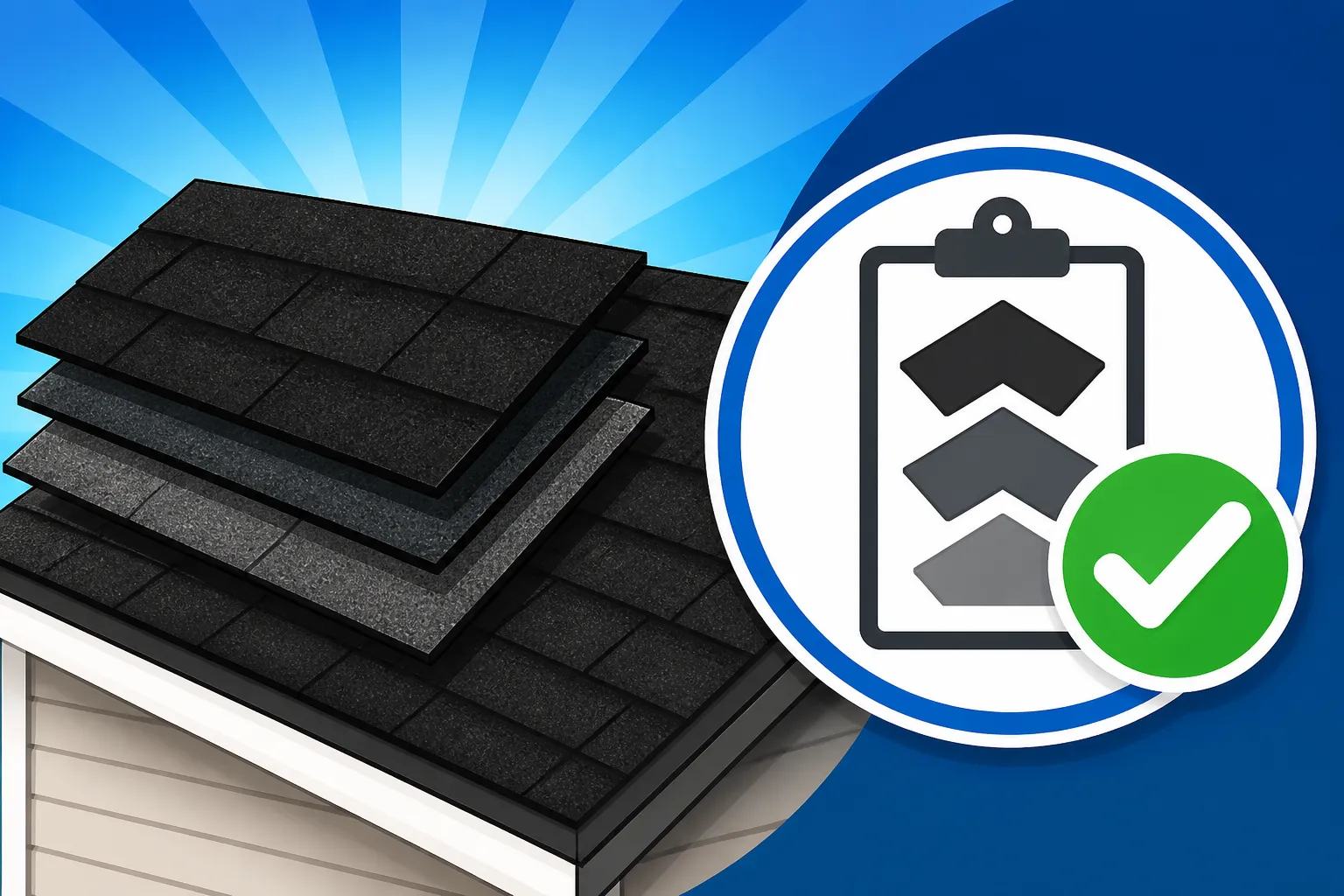
In most jurisdictions across the United States, the standard building code dictates a "two-layer rule" for asphalt shingles. This means that you are generally permitted to have a maximum of two layers of asphalt shingles on your roof. Once you've reached that second layer, any subsequent roofing work must involve a full tear-off, removing all existing layers down to the roof decking.
Why two layers and not three, or even one? The two-layer rule is often a compromise. It allows for a slightly more economical re-roofing option initially, by avoiding the labor and disposal costs of a full tear-off, while still attempting to mitigate the structural and performance risks associated with excessive weight and hidden damage. However, it's a tightrope walk. Even with two layers, the added weight is substantial, and the ability to thoroughly inspect the roof deck is still limited. Some local codes in areas prone to heavy snow loads or high winds might even be stricter, allowing only one layer or requiring specific fastening methods for even a second layer. Violating this rule can lead to significant penalties, including fines and the order to remove the non-compliant layers at your own expense.
How to Check Local Regulations
This is where it gets tricky, and frankly, a bit frustrating for homeowners. While the two-layer rule is a common guideline, building codes can vary significantly from state to state, county to county, and even city to city. What's perfectly acceptable in one suburb of Dallas, Texas, might be a code violation in another. You cannot assume that what your neighbor did five years ago is still permissible or applicable to your property.
The absolute best way to get accurate, up-to-date information for your specific property is to contact your local building department. This might be called the "Department of Building and Safety," "Planning Department," or "Code Enforcement Office." You can usually find their contact information on your city or county government website. Be prepared with your property address and explain that you're planning a roof replacement and need to know the current building codes regarding the number of shingle layers allowed. They can also inform you about other crucial requirements, like specific wind uplift standards in coastal areas or Ice Barrier Code Requirements in colder climates. Never rely solely on a contractor's word without verifying yourself, though a reputable contractor should be well-versed in local codes.
The Role of Permits in Layering
Getting a roofing permit isn't just a formality; it's a critical step that ensures your roofing project adheres to local building codes. When you pull a permit for a roof replacement, it often triggers a mandatory inspection by a municipal building inspector. This inspector's job is to ensure that the work being done, including the number of shingle layers, complies with all local regulations.
If you skip the permit process or if your contractor encourages you to do so, you're not just saving a few bucks; you're taking a huge risk. A lack of a permit can lead to fines, a stop-work order, and even a forced tear-off of non-compliant work. More importantly, it means no official oversight for the quality and safety of your new roof. When it comes time to sell your home, an unpermitted roof job can become a major red flag for potential buyers and may even complicate securing financing or homeowner's insurance. Many municipalities explicitly state that a permit is required for roof replacements, and the inspector will verify that all existing layers are removed before a new one is installed, or that the overlay meets the exact specifications allowed. Understanding Roofing Permits Explained is paramount before any work begins.
The Benefits of a Full Tear-Off
While the thought of the additional cost and disruption of a full tear-off might make you cringe, it is almost always the superior choice for a long-lasting, high-performing roof. Think of it as hitting the reset button for your entire roof system.
A Fresh Start for Your Roof System
When all existing shingle layers are removed, your roof deck is completely exposed. This is a golden opportunity to thoroughly inspect the decking for any damage, such as rot, warping, or punctures that might have been hidden for years. If any issues are found, they can be addressed and repaired properly, ensuring a solid, stable foundation for your new roof. Roof Decking Replacement Cost will be factored in if repairs are extensive. This step is impossible with an overlay.
Beyond the deck, a full tear-off allows for the installation of a brand-new, complete roofing system. This includes fresh underlayment, which acts as a crucial secondary barrier against moisture, new flashing around all penetrations (like chimneys, vents, and skylights), and proper drip edge installation. These components work together seamlessly to create a watertight seal and ensure optimal performance. Installing new shingles on old, deteriorated underlayment or compromised flashing is like building a beautiful house on a crumbling foundation; it simply won't last. A full tear-off ensures that every single component, from the deck up, is new and up to current standards.
Enhanced Performance and Warranty Protection
A complete roof replacement, starting with a clean deck, significantly enhances the overall performance and lifespan of your new roof. New shingles adhere better to a clean, smooth surface, creating a more robust defense against wind uplift and water penetration. Proper installation on a sound deck, with new underlayment and flashing, ensures maximum durability and weather resistance. This comprehensive approach means your roof is built to last, providing you with peace of mind for decades to come.
Crucially, many leading shingle manufacturers, like GAF, Owens Corning, and CertainTeed, offer their best, most comprehensive warranties only when a complete roofing system is installed according to their specifications. This often means a full tear-off, including new underlayment, flashing, and ventilation products. An overlay, even if permitted by local code, can often void or severely limit the manufacturer's warranty because they cannot guarantee the performance of their product over an existing, uninspected substrate. You'll want to ask your contractor about the warranty implications; a Roofing Warranty: Workmanship vs Manufacturer is a key consideration. Without a full tear-off, you might be losing out on valuable long-term protection. This is a critical point to discuss when comparing bids and considering What a Roofing Estimate Should Include.
Situations Where an Overlay Might Be Considered (and Why It's Often Risky)
Despite the clear benefits of a full tear-off, homeowners sometimes consider an overlay for what seem like compelling reasons. It's important to understand the allure, but also the significant downsides.
The Appeal of Cost and Time Savings
Let's be honest: roof replacements are expensive, and the prospect of saving money is incredibly tempting. An overlay typically costs less than a full tear-off for a few key reasons. First, you save on labor costs because the crew doesn't have to spend time removing all the old shingles. Second, you avoid the fees associated with disposing of multiple tons of old roofing material, which can be substantial. Third, the project can often be completed more quickly, meaning less disruption to your daily life. It’s easy to see why the idea of a Cost to Roof Over Existing Shingles seems attractive upfront.
For a homeowner on a tight budget or facing an unexpected roof issue, these initial savings can feel like a lifesaver. Imagine you've just dealt with a major appliance breakdown, and now your roof needs attention too. The thought of a quicker, cheaper fix can be incredibly persuasive. However, it's crucial to look beyond the immediate savings and consider the long-term financial implications.
Hidden Costs and Long-Term Problems
While the upfront cost of an overlay might be lower, it often leads to higher expenses and significant headaches down the road. As we discussed, layering over existing issues means those problems continue to fester. A small patch of rot that could have been easily repaired during a tear-off might now expand, compromising a larger section of your roof deck and even entering your attic. This could lead to a far more expensive repair or even another full replacement much sooner than anticipated.
The added weight of extra shingle layers can also accelerate the deterioration of your roof's structure, potentially leading to sagging that requires complex, expensive structural repairs. Furthermore, an overlay often shortens the lifespan of the new shingles because they are installed over an uneven, older surface that doesn't allow for proper adhesion or ventilation. You might find your "new" roof needing repairs or even replacement in 10-15 years, instead of the 20-30 years you'd expect from a properly installed single-layer roof system. This negates any initial savings and costs you more in the long run.
Finally, consider the resale value of your home. A home inspection will almost certainly flag a multi-layer roof, especially if it exceeds local code or shows signs of stress. This can deter buyers or give them leverage to demand a price reduction or even a full roof replacement before closing. Most real estate professionals would advise against an overlay if a full tear-off is financially feasible, as it often becomes a disadvantage during a home sale. A smart buyer will ask about Roof Replacement ROI Explained and will likely see an overlay as a liability. This is why when homeowners consider Overlay vs Tear-Off: Which to Choose, the tear-off almost always comes out on top for true value.
Here's a quick comparison to help visualize the trade-offs:
| Feature | Full Tear-Off | Overlay (Re-roofing over existing shingles) |
|---|---|---|
| Upfront Cost | Higher (labor for removal, disposal fees) | Lower (less labor, no disposal fees for old layers) |
| Roof Deck Inspection | Comprehensive; hidden damage can be addressed | Limited; existing damage remains hidden |
| Underlayment | New, fresh installation for optimal protection | Often relies on old, potentially compromised underlayment |
| Shingle Adhesion | Excellent; new shingles bond to clean, flat deck | Potentially reduced; uneven surface, old tar |
| Total Weight on Structure | Minimal, within design limits | Significantly higher, potential for structural stress |
| Lifespan of New Roof | Maximized (20-30+ years with proper materials) | Often reduced (10-15 years, depending on factors) |
| Warranty Coverage | Full manufacturer warranty typically available | Often limited or voided by manufacturer |
| Resale Value Impact | Positive; new, fully compliant roof | Potentially negative; red flag for inspectors/buyers |
| Code Compliance | Ensures adherence to all current codes | Must verify local code allows; risks non-compliance |
Ultimately, while the initial sticker shock of a full tear-off can be daunting, it's an investment in your home's long-term health, safety, and value. Always prioritize getting the job done right, according to code, with a reputable contractor who understands the complexities of How Asphalt Shingles Are Installed: Step by Step and uses quality materials.
Disclaimer
Please remember that the information provided here is for general guidance only and should not be considered professional advice. Building codes and regulations are highly specific to your local area and can change frequently. Always consult with your local building department and a qualified, licensed roofing contractor to ensure compliance with all applicable laws and to get precise advice for your specific roofing project.